Riches of the Deep: A Comprehensive Guide to Identifying and Selling Shipwreck Coinage
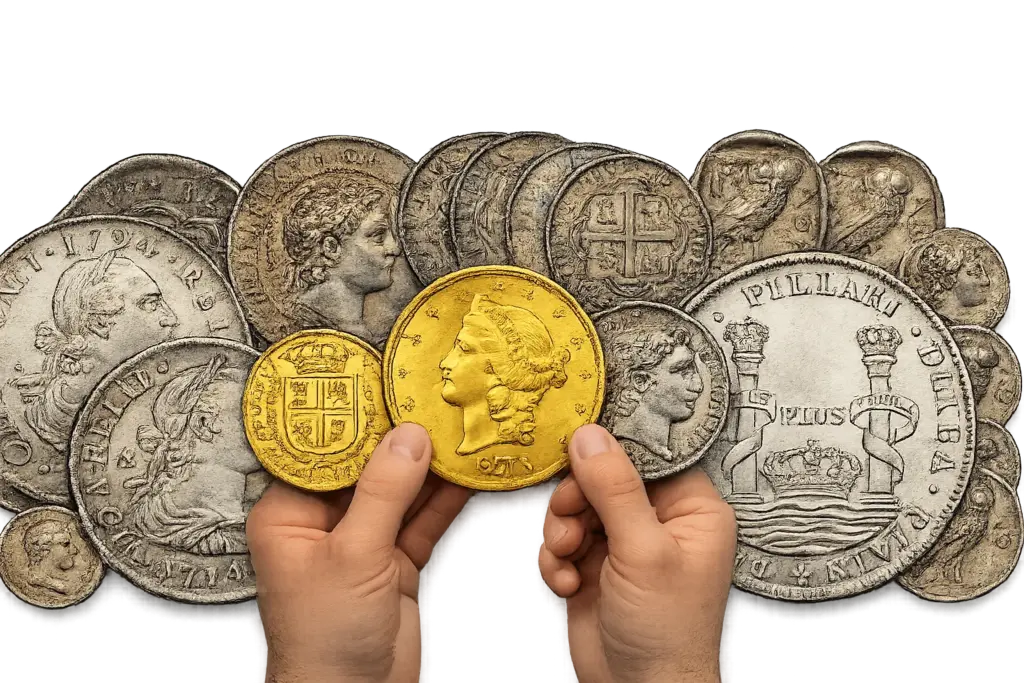
Few items in the world of collectibles possess the visceral, historical power of a shipwreck coin. These are not merely pieces of currency; they are time capsules. Each coin recovered from the ocean floor is a silent witness to a dramatic saga of maritime exploration, international trade, and the unforgiving power of the sea. Whether it is a crudely struck Spanish cob or a glittering gold double eagle, shipwreck coinage represents the ultimate “tangible asset.”
Perhaps you are a collector in Savannah, Georgia, who has specialized in colonial-era maritime history. Or, more likely, you are someone in San Diego, California, who has inherited a single, crusty coin in a specialized plastic holder and wondered if it is truly worth the “treasure” status it claims. Understanding the unique market for salvaged coins is essential to ensuring you receive a fair price when the time comes to sell.
At American Rarities, we have spent over 30 years evaluating the rarest items in the numismatic world. Shipwreck coins require a specific level of expertise because their value is determined by more than just their weight in gold or silver.
What Defines the Value of Sunken Treasure?
When evaluating a standard coin, a numismatist looks at the date, mint mark, and state of preservation. While those factors still matter for shipwreck items, the “story” of the coin often carries more weight than the metal itself. Here is how our experts determine the value of your collection.
The Pedigree of the Wreck
The name of the ship is the most significant driver of value. A silver coin from an unidentified wreck may be worth a modest amount, while a coin from a world-famous disaster can command a massive premium.
- Nuestra Señora de Atocha (1622): Perhaps the most famous shipwreck in history, located by Mel Fisher in 1985. Coins from the Atocha are highly liquid and sought after by collectors worldwide.
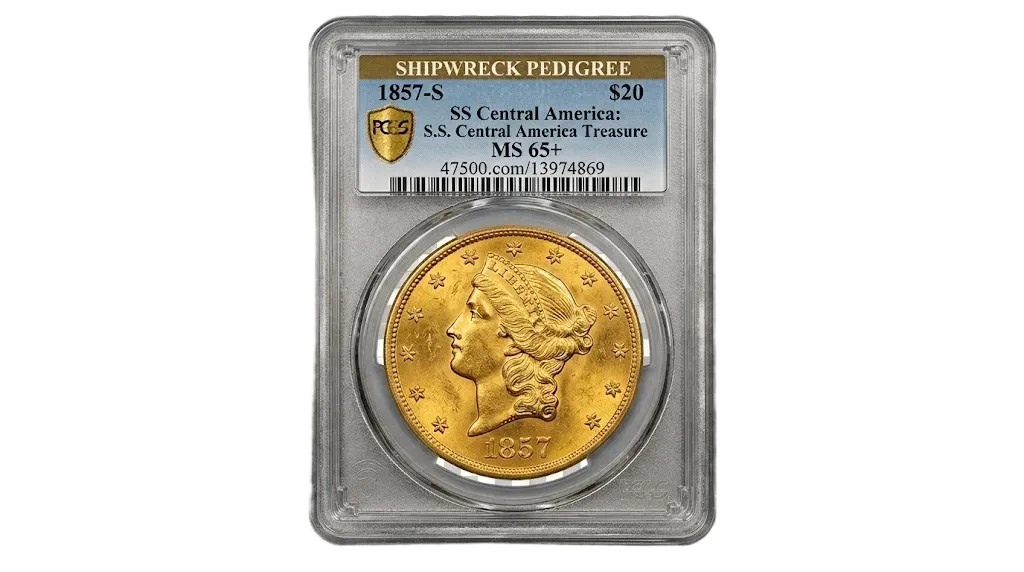
- SS Central America (1857): Known as the “Ship of Gold,” this wreck carried tons of California Gold Rush coins. The quality of preservation in the deep, cold water of the Atlantic was unprecedented.
- The Admiral Gardner (1809): A wreck famous for its copper East India Company “cash” coins, often found in large, affordable quantities.
Certification and Provenance
In the world of treasure coins, documentation is everything. Because saltwater can erode a coin’s surface, it can be difficult for a novice to distinguish a genuine shipwreck coin from a modern counterfeit or a “sea-salvaged” lookalike.
- Certificate of Authenticity (COA): Most legitimate shipwreck coins come with a COA from the original salvage company. This document is your “title” to the coin.
- Third-Party Grading: Organizations like NGC (Numismatic Guaranty Company) and PCGS (Professional Coin Grading Service) now have specialized labels for shipwreck coins. A coin in one of these “slabs” is significantly easier to sell for top dollar because the authenticity is guaranteed.
The Effects of Saltwater Conservation
Unlike land-found coins, shipwreck coins often undergo a process of professional conservation to remove “concretions” (encrusted sea life and minerals).
- The Conservation Factor: A coin that has been expertly conserved to show its original details is worth much more than a coin that has been harshly cleaned or left to corrode. Our buyers understand the difference between “environmental damage” and the unique “sea-surface” texture that collectors actually desire.
Common Types of Shipwreck Coins
If you have inherited a collection, you are likely looking at one of several specific types of coinage that dominated the high seas for centuries.
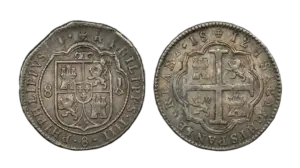
Spanish Cobs (Pieces of Eight)
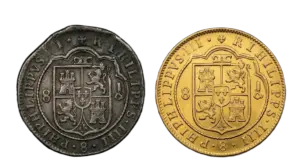
These are the quintessential “pirate coins.” Struck by hand in Spanish colonial mints like Potosí and Mexico City, these silver coins are irregularly shaped. Their value depends on how much of the original cross and shield design is visible despite the sea wear.
Gold Doubloons
The word “doubloon” evokes images of treasure chests. These were often 8-escudo gold coins. Because gold does not corrode in saltwater, these coins often emerge from the deep looking as bright as the day they were minted.
United States Gold and Silver
Many 19th-century shipwrecks, such as the SS Republic or the SS Brother Jonathan, were carrying standard U.S. circulation coins. These are highly prized by American collectors who want a “date-run” of coins that has a unique historical provenance.
Why Sell to American Rarities?
Selling shipwreck coins is a specialized niche. If you take an Atocha coin to a local pawn shop or a generalist gold buyer in Charleston, South Carolina, they will likely offer you only the “melt value” of the silver. This would be a tragic mistake, as the historical premium can be ten times the value of the metal.
Our Remote Appraisal Process
We make it easy to find out what your treasure is worth without leaving your home. You can start by sending us an inventory list or clear digital photos of the coin and its accompanying paperwork. We will perform a comprehensive Remote In-Home Appraisal, providing you with a highly accurate value and a formal written offer to purchase.
No Fees and Direct Purchasing
Unlike auction houses that charge you a “seller’s commission” and make you wait months for your money, American Rarities is a direct buyer. When we make an offer, that is the exact amount you receive. There are no hidden fees, and we handle all the logistics.
Secure and Insured Shipping
We understand the anxiety of shipping a valuable historical artifact. That is why our mail-in service is fully insured with no deductible. We provide active tracking and automatic updates, so you always know your collection is safe. For larger estates or highly valuable hoards, we can even arrange for one of our reputable buyers to meet you in person for a private, confidential transaction.
Flexible Liquidation: Direct Purchase or Managed Auction
While many collections are best suited for a direct, immediate purchase, certain “trophy” shipwreck items may achieve their highest potential at a major public auction. Because of our long-standing reputation in the industry, American Rarities maintains professional associations with several of the world’s leading numismatic auction houses.
- Personalized Auction Representation: If your collection contains high-value rarities that deserve a global stage, we can manage the entire process for you.
- Preferential Rates: Through our established partnerships, we can often secure preferential auction fees and rates for our clients that are not available to the general public.
- Expert Guidance: We help you decide which path, direct sale or managed auction, will result in the highest net return for your specific items.
Trust and Expertise You Can Count On
We treat every collection with the respect it deserves, whether it is a single silver cob or a multi-million dollar gold hoard. Our reputation is built on three decades of transparency and fair dealing.
- BBB A+ Rating: We have maintained an impeccable standing with the Better Business Bureau for over 30 years.
- ANA Life Membership: As members of the American Numismatic Association, we are committed to the highest ethical standards in the hobby.
- Nationwide Service: We serve clients in every state, from the historic coasts of New England to the sun-drenched shores of the Gulf Coast.
What to Avoid When Selling Your Treasure
- Do Not Attempt to Clean Your Coins: If you have a coin that still has sea growth on it, leave it alone. Amateur cleaning can permanently destroy the “provenance” and surface of the coin, reducing its value by half or more.
- Don’t Lose the Paperwork: If your coin has a certificate from a salvage operation like Odyssey Marine Exploration or Treasure Salvors Inc., keep it safe. That paper is often worth as much as the coin itself.
- Don’t Accept Verbal Offers: Always insist on a written offer from a reputable dealer. A written offer ensures that the buyer has actually done the research to value the specific wreck and the coin’s condition.
Common Questions About Shipwreck Coins (FAQ)
Q: How can I tell if my coin is from a shipwreck?
- A: Genuine shipwreck coins often exhibit unique characteristics like irregular shapes (Spanish cobs), a specific “sea-washed” surface texture, or specialized conservation. However, the most reliable indicator is accompanying paperwork or a “slab” from a grading service like NGC or PCGS. If you are unsure, we can provide a preliminary identification through our remote photo appraisal service.
Q: Are shipwreck coins safe to own and sell?
- A: Yes, the market for shipwreck and treasure coins is well-established and perfectly legal when the items have proper provenance. We specialize in authenticated items from famous wrecks like the Atocha, the SS Central America, and the SS Republic, ensuring a secure and transparent transaction for both parties.
Q: Should I clean or polish my shipwreck coin?
- A: Under no circumstances should you clean or polish a shipwreck coin. The “crust” or sea-toning is part of the coin’s history and value. Professional conservation is a delicate numismatic process; amateur cleaning can leave permanent scratches that may reduce the value by 50% or more.
Q: What if I only inherited one or two coins?
- A: We welcome collections of all sizes. While we frequently handle large estates, we also evaluate and purchase single authenticated pieces. Some individual gold doubloons or rare silver pieces from famous wrecks can be surprisingly valuable on their own.
Q: How do I know if I should sell directly or go to auction?
- A: This depends on the rarity of your items. For most collections, our direct purchase offer provides the fastest, most certain return with no fees. However, if you own a world-class rarity, we can manage the process through our partner auction houses, often securing you preferential rates and professional representation to ensure the highest possible hammer price.
Q: How quickly can I get an offer?
- A: We pride ourselves on efficiency. Most initial written appraisals are provided within 24 to 48 hours after you send us your photos and inventory details.
Get a Free Shipwreck Coin Appraisal Today
Are you ready to discover the true story and value behind your sunken treasure? Whether you have a single piece from a famous galleon or an unattributed collection of sea-salvaged coins, American Rarities is here to provide the answers you need.
Contact us digitally for the most efficient service:
- Text photos to: 720-600-4740
- Email an inventory to: staff@americanrarities.com
- Submit our secure online form: Let us know about your collection, and one of our expert numismatists will reach out to you within one business day.
From the treasure-hunting history of Florida to the sophisticated collectors in Chicago, American Rarities provides expert appraisal and purchasing services across the entire United States. Let us help you unlock the value of your history.
