
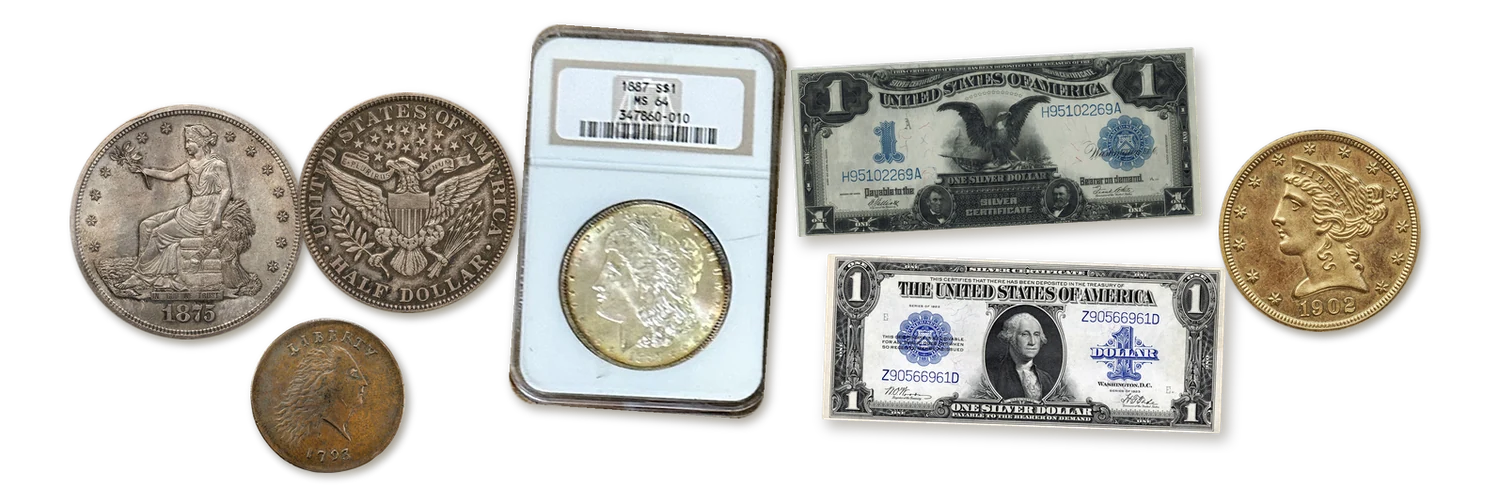

How Professional Grading Works
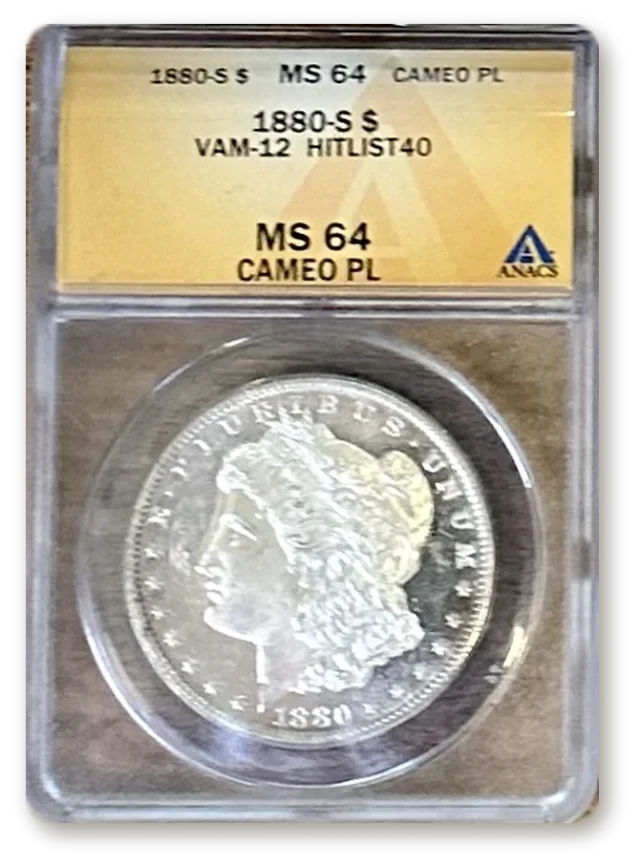
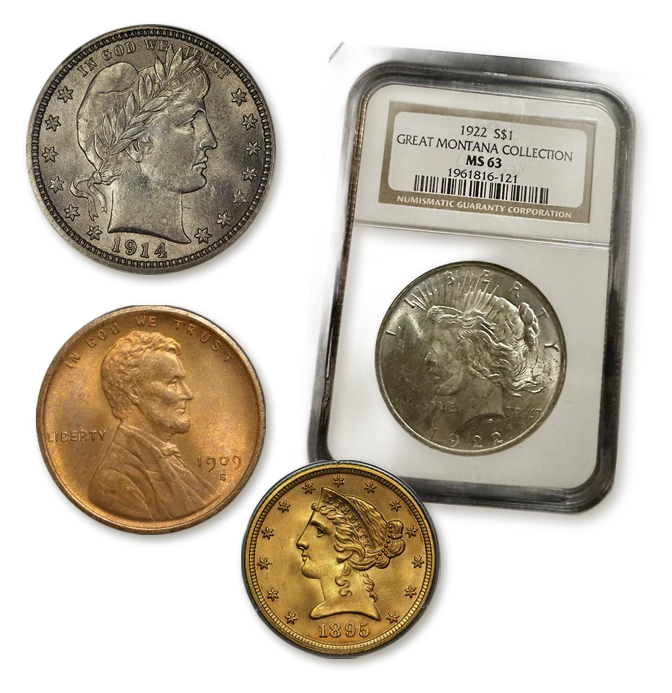
Third-party grading services provide an unbiased opinion on a coin or note’s condition. They assign a numerical grade (typically on a 1-70 scale), verify authenticity, and seal the item in a secure, tamper-evident holder often called a “slab.” This certification allows buyers and sellers to establish a fair market value. Grading is one of several numismatic services we offer, alongside appraisals, authentication and conservation advice.
The label on each holder lists the date, mint, grade, any special designation (such as Cameo or Prooflike) and a certification number that can be checked on the grading service’s website.
The 1–70 Coin Grading Scale
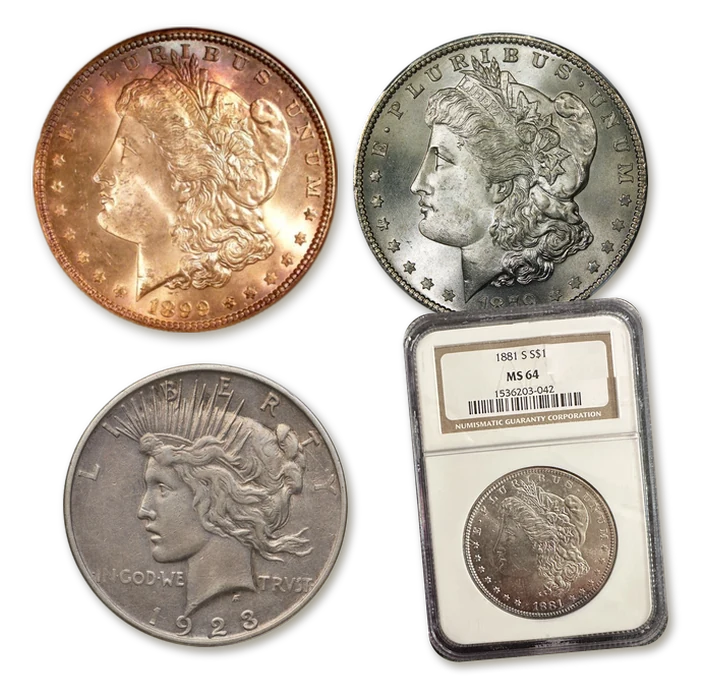
U.S. coins are graded on the Sheldon scale, which runs from 1 (barely identifiable) to 70 (perfect under magnification). The main ranges are:
- Poor to About Good (1–3). Heavily worn; date and design may be hard to read.
- Good to Very Good (4–10). Major design elements visible, rims mostly complete.
- Fine to Very Fine (12–35). Moderate, even wear with clear details.
- Extremely Fine to About Uncirculated (40–58). Light wear on the high points only, with much of the original luster.
- Mint State (60–70). No wear. The grade depends on marks, luster, strike and eye appeal.
- Proof (PR or PF 60–70). Specially struck coins for collectors, graded on the same numbers.
Coins that are cleaned, damaged or altered usually receive a details grade instead of a number, which lowers their value. See the NGC grading scale for full definitions.
Rare Coin Grading Services: The Top Tier
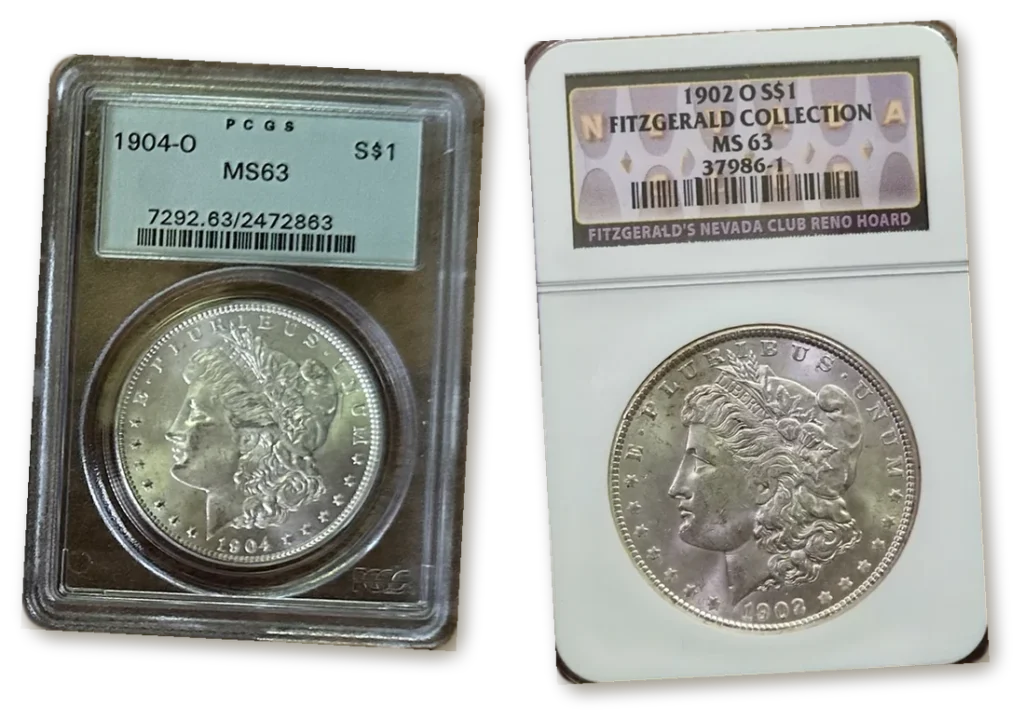
For rare coins, three companies are known for their stringent and consistent standards. Coins graded by these services are trusted throughout the industry.
American Rarities is a PCGS and NGC authorized dealer and an ANACS submission center. For a side-by-side comparison, read the differences between PCGS, NGC and ANACS.
Paper Currency Grading
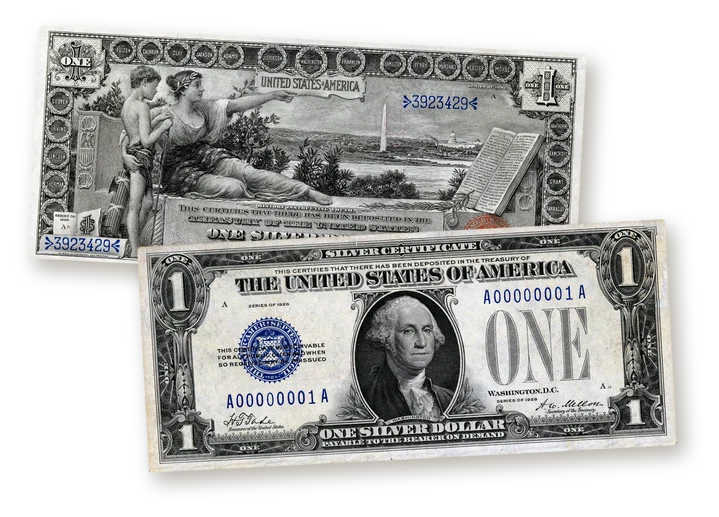
Paper money is graded on the same 70-point scale as coins. The leading service is PMG (Paper Money Guaranty), with PCGS Banknote also widely accepted. Graders look at:
- Circulation. Folds, creases and soiling. A single center fold can keep a note out of the Uncirculated grades.
- Problems. Tears, pinholes, stains, missing corners, trimming, repairs and writing.
- Originality. Notes that have not been washed, pressed or otherwise processed can earn PMG’s EPQ (Exceptional Paper Quality) designation.
- Centering and color. Even margins and bright, original ink add eye appeal.
See the PMG grading scale for each grade. Large-size notes, national bank notes, star notes and fancy serial numbers are often worth grading. Learn more about paper money values or visit our paper money collector page. If you plan to sell, our guide on how to sell graded paper currency covers what to do first, and our paper money grading standards explain each grade from Good to Uncirculated.
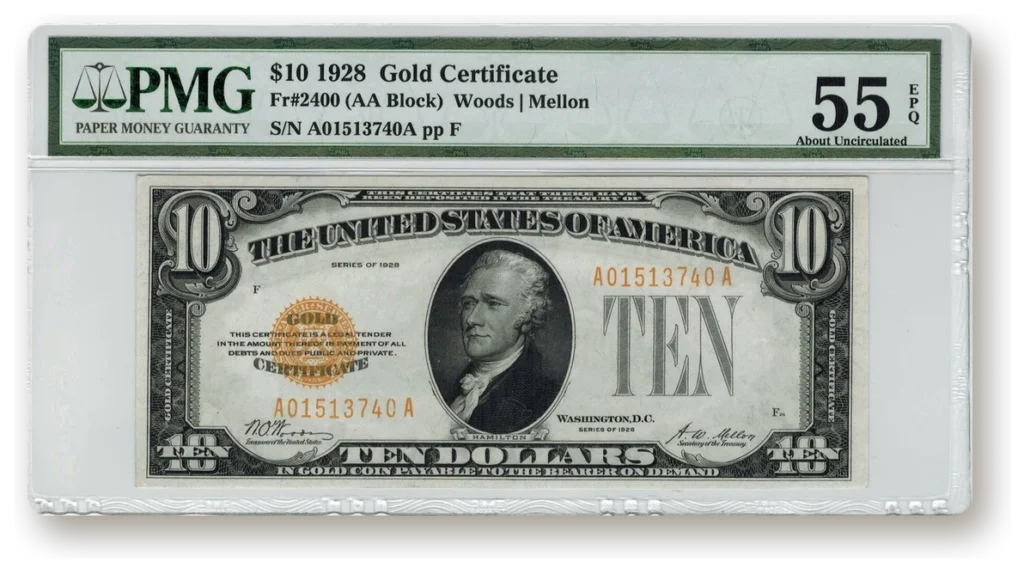
A PMG or PCGS Banknote holder protects the note, and its label records the catalog number, serial number, grade and any designation such as EPQ (PMG) or PPQ (PCGS Banknote). The certification number can be verified on the grading service’s website.
The Problem with “Off-Brand” Grading Companies

Many lesser-known grading services exist, but their standards are often much looser. These companies may inflate grades or fail to note problems like cleaning or damage. As a result, items graded by these “off-brand” services are often difficult to sell, and professional dealers will typically make offers based on their own, more accurate grade assessment.
At American Rarities, our buyers adhere strictly to the exacting standards of the top-tier services.
Should You Get Your Coins Graded?
Professional grading costs money in submission fees, shipping and insurance, and it takes time. It usually makes sense for:
- Key dates, scarce mint marks and early U.S. coins.
- Coins in high grades, where one point can change the value significantly.
- U.S. gold and better silver dollars that buyers prefer certified.
- Rare paper money, especially large-size and national bank notes.
It is usually not worth it for common circulated coins, bullion coins valued mainly for their metal, or coins that have been cleaned or damaged.
Not sure? We grade coins in-house for free and without slabbing, and we check authenticity with XRF analysis and digital microscopy. We can tell you which pieces are worth submitting and, as a PCGS and NGC authorized dealer and ANACS submission center, help you submit them. Read more about coin authentication, fake and altered coins and our coin grading service near me. Already have certified coins? See selling PCGS, NGC and ANACS coins.
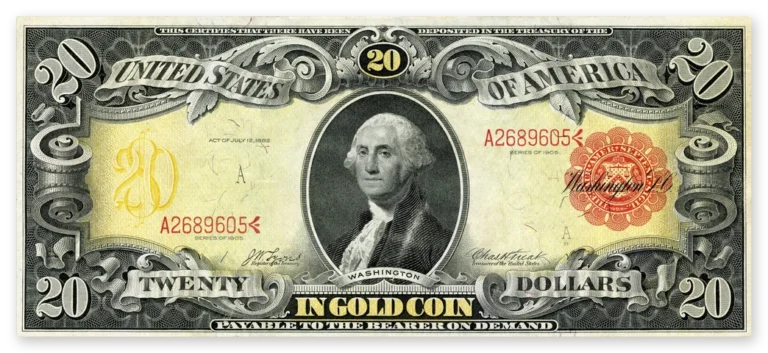 Sell Your U.S. Paper CurrencyFree appraisal and a cash offer for your notes
 How to Sell Paper CurrencyFive steps to take before you sell
 U.S. Paper Currency InformationHistory, types and how to identify U.S. notes
 Collecting Paper MoneyNote types, grading, condition and care
 Paper Money Price GuideApproximate values for common U.S. notes
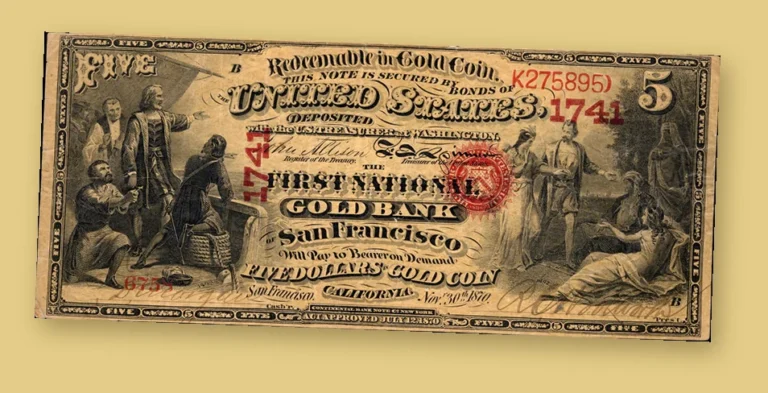 National Currency Notes GuideIdentify and value National Bank Notes
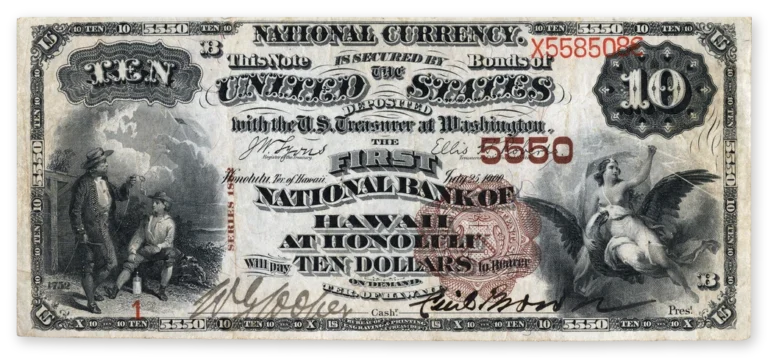 Sell National Currency NotesHow we appraise and buy National Bank Notes
 Sell Mexican Paper MoneyBank, Revolution and Banco de México notes
