Error Coins and Variety Coins

1955 doubled die obverse Lincoln cent with doubled date and lettering beside a 2000 Sacagawea dollar mule struck with a Washington quarter obverseThink you have an error coin or a variety coin? American Rarities buys them, from a single off-center cent or clipped nickel to a famous die variety like the 1955 doubled die Lincoln cent or a mule. Send us photos and we will tell you what you have, whether it is a true mint error, a die variety or post-mint damage, and what we will pay for it.

Every appraisal is free and comes with no obligation. We attribute the error or variety and give you a grading opinion, so you know what you have even if you decide not to sell. All appraisal requests are reviewed in the order they are received. Some appraisals take minutes, while larger, more complex collections can take a few days. Either way, you’ll get a response from us.

American Rarities has been buying coins since 1990 and has purchased over $400 million in coins and collectibles. We are ANA Life Members, hold an A+ rating with the BBB, are an authorized PCGS, NGC and ANACS dealer, and are rated 4.7 stars on Google. No one pays you more.

Decorative gold separator bar

Error Coins and Varieties We Buy

Coins shown at true relative size.
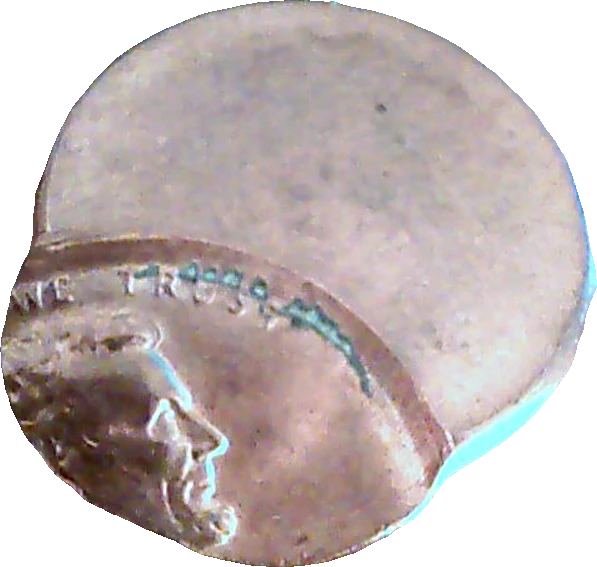
  • Off-center struck Lincoln cent mint error with part of the design missing and a crescent of blank metal

    Off-Center Strikes

    Coins struck partly off the blank, from a few percent to more than half the design missing. Those that still show a full date are the most wanted.
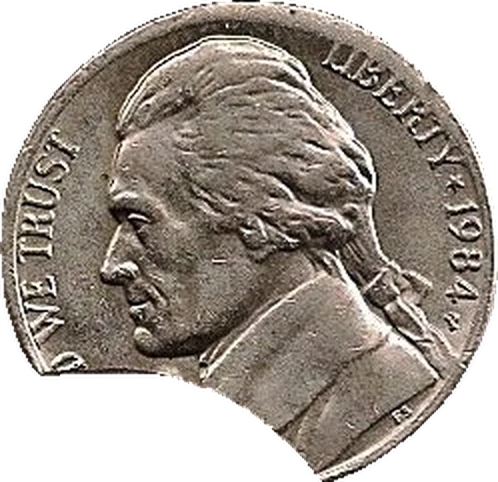
  • 1984 Jefferson nickel struck on a clipped planchet with a curved clip at the edge

    Clipped Planchets

    Curved, straight, ragged and multiple clips, where the blank was punched from an overlapping part of the metal strip.
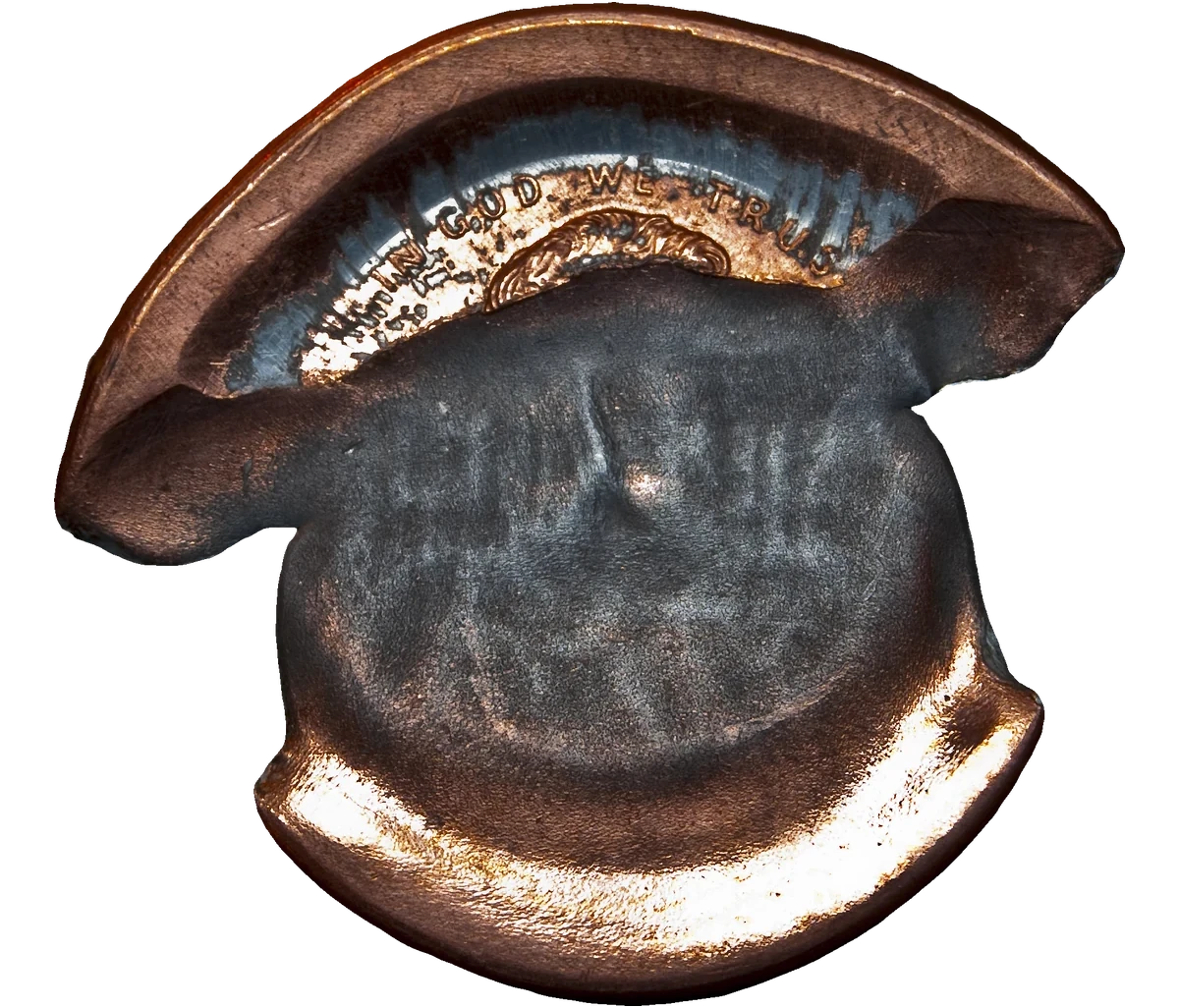
  • Broadstruck Lincoln cent with a large indent, struck outside the collar and spread wider than normal

    Broadstrikes

    Coins struck without the retaining collar, so the metal spreads wider than a normal coin. Indented and partial-collar strikes too.

  • Die cap error coin, a coin that stuck to the die and was struck repeatedly into a cap shape

    Die Caps

    A coin that stuck to the die and was pressed into the coins that followed until it formed a cap. One of the most dramatic major errors.

  • 1943 Lincoln cent struck on a bronze planchet, obverse and reverse

    Wrong Planchets and Off-Metal Strikes

    Coins struck on a blank meant for another denomination or metal, like the famous 1943 bronze cent, plus coins struck on foreign blanks.

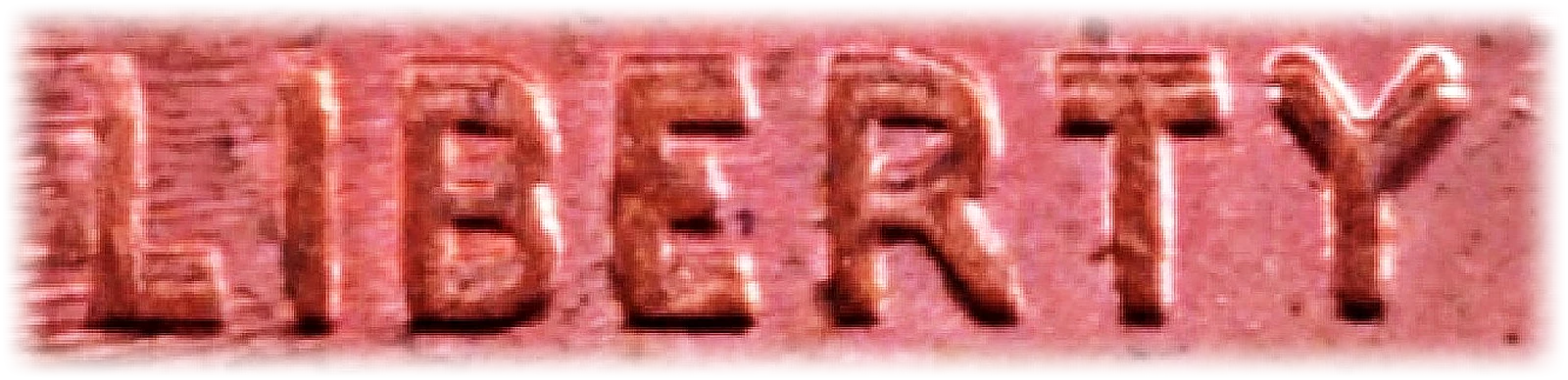
  • Doubled letters in LIBERTY on a 1995 doubled die obverse Lincoln cent, with the copper surface of the coin around them
    Close-up, not to scale

    Doubled Dies

    True doubled dies such as the 1955, 1969-S, 1972 and 1995 Lincoln cents. Learn more in our 1955 doubled die cent article.

We also buy: mules, double and multiple strikes, brockages, cuds and die breaks, lamination errors, blank planchets, repunched and over mint marks, overdates, and error and variety rolls and collections. Not sure what you have? Send photos and we will tell you.

Decorative gold separator bar

How to Sell Your Error Coins

Four simple steps. For more detail, see our How to Sell guides.

  1. 1
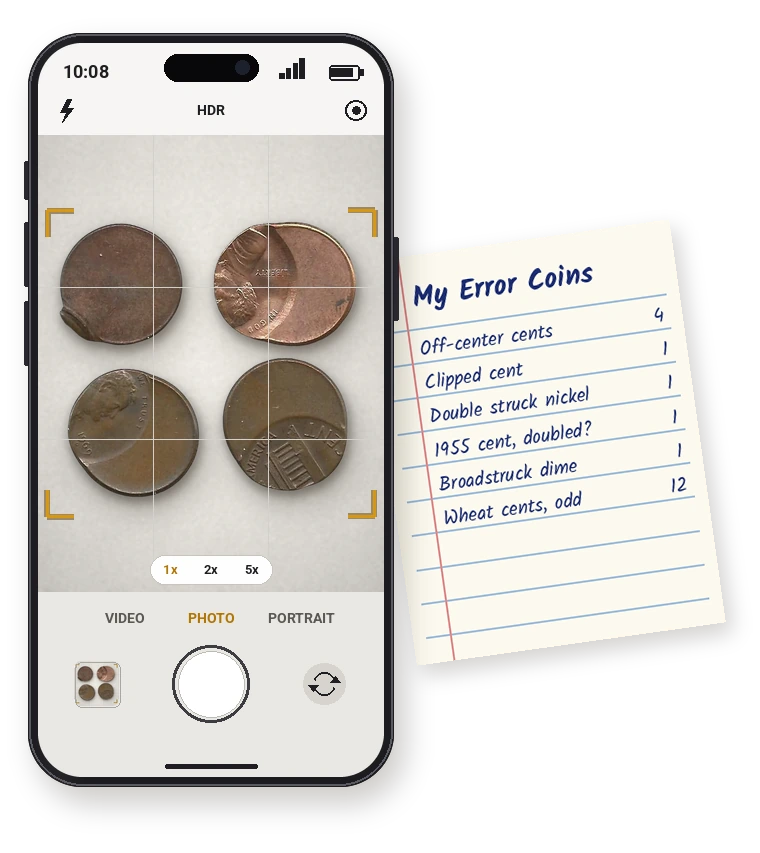
    Phone camera screen showing four off-center and clipped Lincoln cents over a handwritten list of error coins to sell

    1Send Photos and/or a List

    Take clear phone photos of both sides of each coin, plus a close-up of the error if you can, or send a simple list. Text them to 720-600-4740, email staff@americanrarities.com or use the form below.

  2. 2
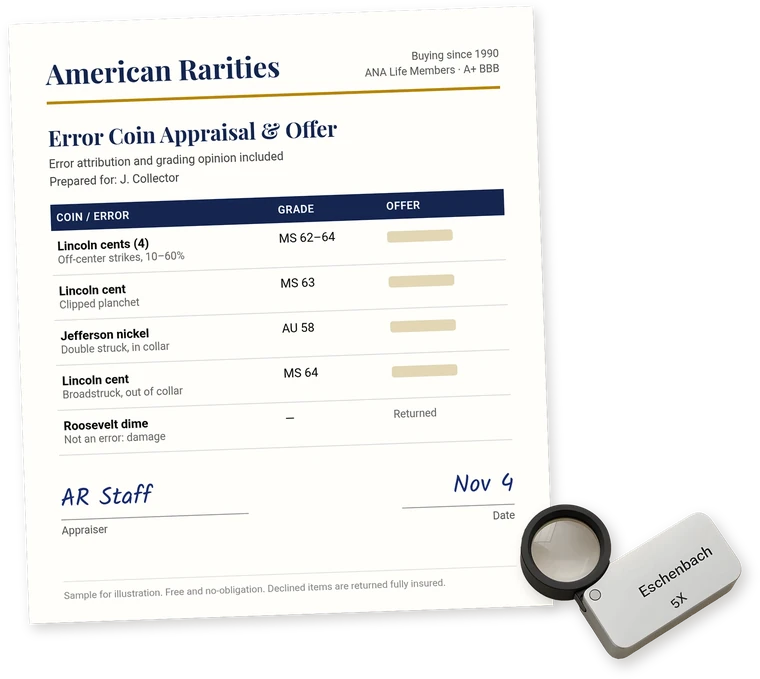
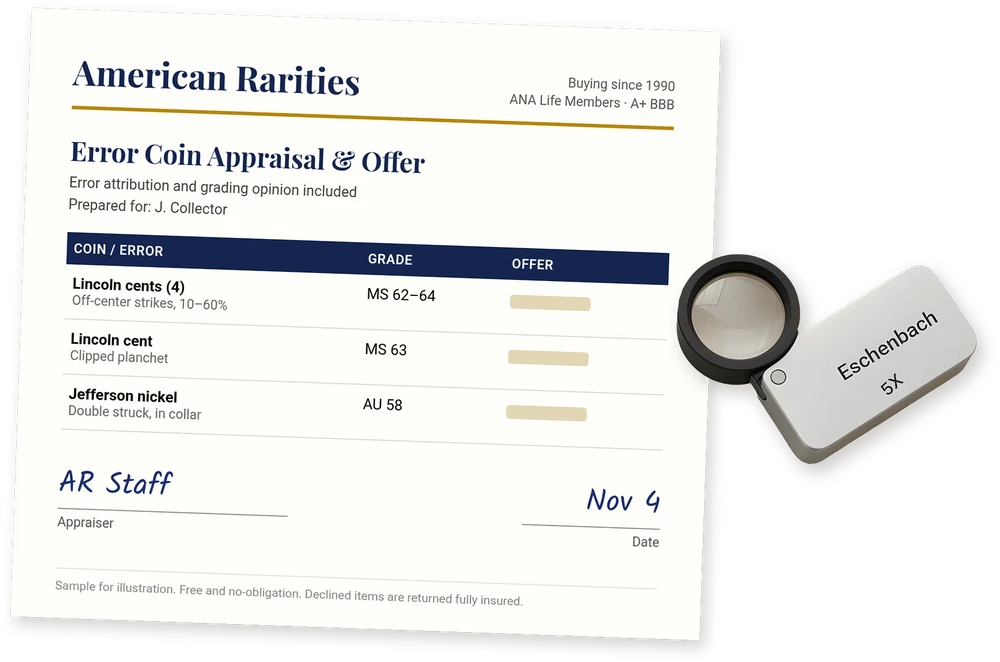
    Sample American Rarities error coin appraisal and offer sheet with an Eschenbach 5X loupe

    2Free Appraisal and Written Offer

    An experienced numismatist attributes each error or variety, gives you a free grading opinion and sends a written offer. It is free with no obligation. All appraisal requests are reviewed in the order they are received. Some appraisals take minutes, while larger, more complex collections can take a few days. Either way, you'll get a response from us.

  3. 3
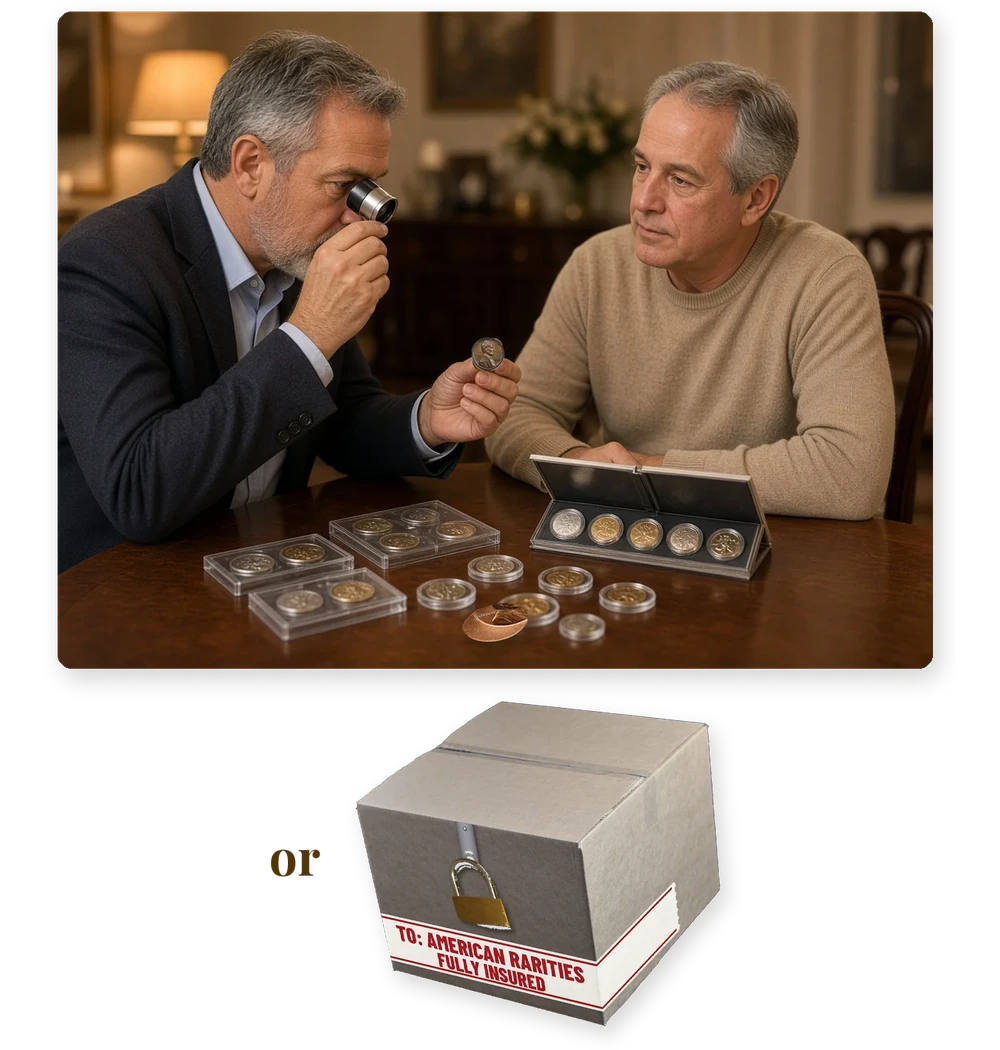
    Our buyer examines a 1955 doubled die Lincoln cent with a loupe beside a customer, above the word or and a padlocked insured carton

    3Ship or Meet in Person

    Ship your coins fully insured at our expense, with no deductible (we do not provide shipping materials), or for larger collections meet one of our buyers at your home or office, or we can meet you at your bank. If you decline, we return your coins fully insured.

  4. 4
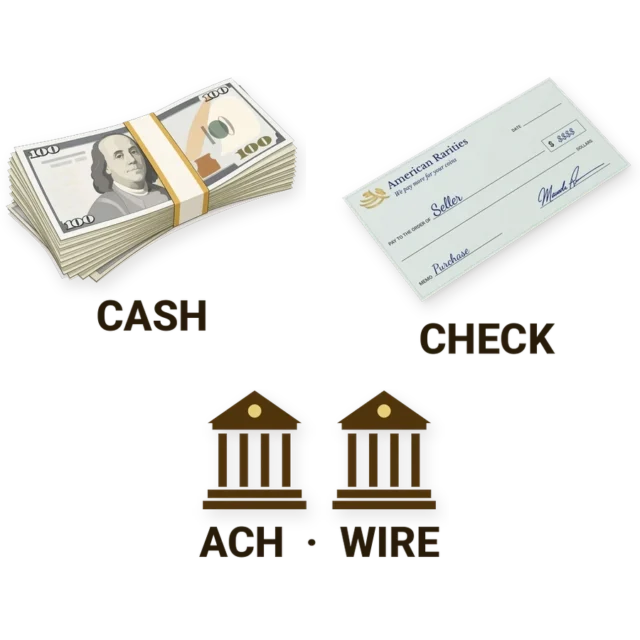
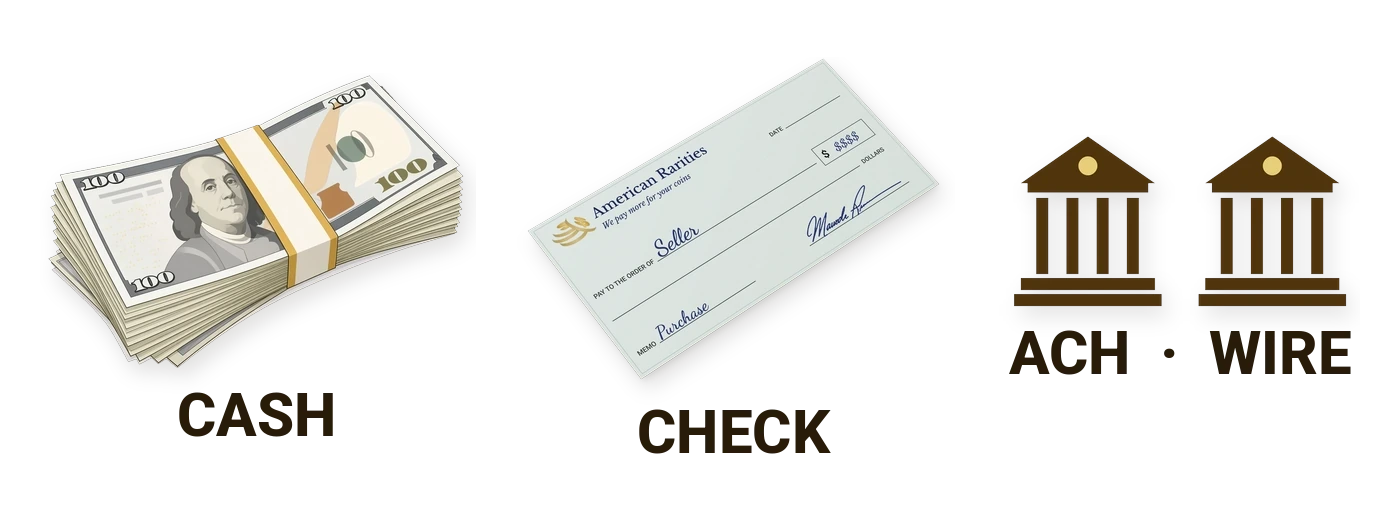
    Payment options labeled cash, check, and ACH and wire: a banded stack of hundred-dollar bills, an American Rarities check and two bank buildings

    4Get Paid

    Accept the offer and get paid immediately by cash, check, ACH or wire.

Why Sell Your Error Coins to American Rarities

  • Buying coins since 1990, with over $400 million purchased
  • Rated 4.7 stars on Google and A+ with the BBB
  • ANA Life Members
  • Authorized PCGS, NGC and ANACS dealer
  • Free, no-obligation appraisal with error attribution and a grading opinion
  • No one pays you more
  • Paid by cash, check, ACH or wire
  • Fully insured mail-in at our expense, and if you decline, we return your items fully insured
  • We can meet you at your bank
  • Worried about fakes? See our Fake Coin Pictures gallery
Decorative gold separator bar

Why Mint Mistakes Are Rare

Largely to stop counterfeiting, the U.S. Mint works hard to make every coin detailed and consistent. Coins are punched from metal strips as blanks, rimmed into planchets and struck between two dies inside a collar, as the Mint explains in its coin production overview. Coins are inspected, and batches that fail are sent off to be destroyed. When something still goes wrong and a coin escapes, an error coin or variety coin is born. Because these coins are much scarcer than normal ones, collectors who want the rarest examples will often pay far more for them.

What Does Not Count: Mint Tolerance and Damage

A coin is not considered an error or variety when the difference falls within what is called mint tolerance. This includes machine (mechanical) doubling, weak strikes, small die chips and cracks, and minor off-center strikes or rotations. They are so slight that they do not matter for anti-counterfeiting, and the grading services do not designate them as errors either; NGC explains this in Variety vs. Mint Error.

Whether it is an error or a variety, it must have happened at the Mint, before the coin was released. Anything that happens to a coin afterward, such as scrapes, dents, plating, acid or a coin squeezed in a vise, is damage and does not create an error or variety. Our guide Is It a Valuable Error Coin or Just Damage? shows how to tell them apart.

Telling an error coin from a normal coin with ordinary circulation wear can be hard even for an experienced collector, so it is best to have the coin examined. American Rarities offers a free, no-obligation appraisal, along with free in-house grading without encapsulation. We use XRF metal analysis and digital microscopy to check metal content, doubling and surfaces. Learn more about our error coin and variety coin grading and coin authentication. In general, values are lower for modern coins and higher for errors found in older series.

Be aware that some coins sold as errors are actually fakes or coins altered after leaving the Mint. Our fake and altered coin pictures show real examples we have examined.

Decorative gold separator bar

Error Coins

Error coins happen one at a time or in small batches. They are unintentional mistakes made while the blank was prepared or the coin was struck, caused by human or mechanical error. The Mint tries to catch and destroy these coins, but some reach circulation. A single coin can even show more than one error, because once one thing goes wrong in the press, others often follow. For a deeper look, see our collector’s guide to error coins and die varieties.

Types of Coin Errors

Errors are grouped into three major categories: planchet errors, die errors and strike errors. NGC’s Learn Grading: What Is a Mint Error? series and Wikipedia’s mint-made errors article describe each type in more detail.

Planchet Errors

Problems with the metal blank (planchet) before it is struck.

  • Clipped planchet: part of the coin is missing because the blank was punched from an overlapping part of the metal strip, leaving a curved or straight clip on the edge.
  • Blank planchet: a blank that left the Mint without ever being struck.
  • Lamination error: a defect in the metal causes a layer of the surface to crack or peel away.
  • Wrong planchet: a coin struck on a blank meant for another denomination or made of the wrong metal, such as the 1943 bronze cent struck on a leftover bronze blank instead of steel.

Die Errors

Close-up of a 1982 Jefferson nickel with a cud, a raised lump of metal on the rim above the portrait, circled in redThe cud (circled): a raised, featureless lump of metal on the rim above Jefferson’s head, where part of the die broke away.Problems caused by a damaged or mismatched die.

  • Defective die: the die used to strike the coin is cracked, chipped or otherwise damaged, leaving raised lines or lumps on the coins.
  • Cud: a piece of the die breaks away at the rim, so a raised, featureless blob of metal appears on the coin’s edge.
  • Mule: a coin struck with two dies that were never meant to be paired, such as a 2000 Sacagawea dollar struck with a Washington quarter obverse. See mule (coin).

Strike Errors

Problems that happen in the coin press itself.

  • Off-center strike: the planchet was not centered between the dies, so part of the design is missing and a crescent of blank metal shows.
  • Multiple strike: a coin struck more than once, often with a second, off-center image. Our guide What’s My “Double Stamped” Coin Worth? explains these.
  • Broadstrike: a coin struck without its retaining collar, so the metal spreads out wider than normal.
  • Brockage: a coin that stuck to a die and pressed a mirror image of its design into the next coin. See brockage.
  • Die cap: a coin that stays stuck to the die and is pressed into following planchets until it forms a cap shape.

Decorative gold separator bar

Have an error coin or a variety? Get a free, no-obligation appraisal.

Variety Coins

Variety coins generally occur in batches. They are caused by intentional or unintentional changes to a die before coins are struck. Because the difference is on the die itself, every coin struck by that die shows it. Common types include doubled dies, repunched and over mint marks, and overdates.

Unlike one-off errors, varieties can be cataloged and collected. A collector of Mercury dimes, for example, may want a 1942/1 overdate to round out the series. Specialist references and attribution programs list known varieties: the error and variety club CONECA catalogs them, and NGC explains what counts as a variety. If you think you have a doubled die, our guide to doubled die vs. mechanical doubling will help.

Some Famous Variety Coins

For typical values of regular-issue coins, see our coin and paper money price guide or try the coin value finder.

Error and Variety Coins: Quick Answers

What is the difference between an error and a variety?

An error is a one-time production mistake on a single coin or small batch, such as an off-center strike or a clipped planchet. A variety comes from the die itself, such as a doubled die or a repunched mint mark, and repeats on every coin that die struck. Errors are unique, while varieties are catalogued and collected by type, and both can be valuable.

How much are error coins worth?

Most minor modern errors bring a modest premium, from a few dollars to tens of dollars. Major errors, such as large off-center strikes with a full date, double strikes, mules, wrong-planchet strikes and die caps, and famous varieties like the 1955 doubled die cent, can be worth hundreds to many thousands of dollars. The more dramatic the error, the higher the denomination and the better the condition, the more it is worth.

How do I know if my coin is an error?

A genuine error happened at the Mint and shows crisp detail that matches known examples. Flat, shelf-like doubling, called machine or strike doubling, is common and adds no value. Scrapes, dents, plating, acid damage and coins altered after release are damage, not errors. Weigh suspected wrong-metal coins and compare doubling with photos of listed varieties. When in doubt, send photos for a free opinion.

What error coins should I look for in circulation?

Some valuable errors and varieties still turn up in change. Look for doubled die Lincoln cents from 1972, 1984 and 1995, the 1983 doubled die reverse cent, 1992 close AM and 1998 to 2000 wide AM cents, the 2004-D Wisconsin quarter with an extra leaf and the 2005-P speared bison nickel. Off-center strikes, clipped planchets and broadstrikes also appear. A 5x to 10x magnifier and a digital scale are the best tools.

Is a double-stamped coin worth money?

A true double-struck coin, hit twice by the dies with clearly separate, overlapping images, is a valuable mint error. Most coins people call double stamped show something else: machine doubling, a flat shelf-like outline caused by die bounce, which is common and worth face value, or damage. A doubled die, where the die itself had doubled design, shows rounded, raised doubling and can be valuable. Send a close-up photo and we will tell you which you have.

Should I get my error coin certified?

It is worth certifying a major error or listed variety when the coin’s value clearly exceeds the grading fee. Certification confirms the error is genuine, attributes the variety and makes the coin easier to sell for full value. ANACS is well known for attributing errors and varieties, and PCGS and NGC attribute major varieties too. Minor errors are usually not worth the fee. We can tell you which coins are worth submitting.

Selling a whole collection? We can also meet you at your bank, and mail-in shipments are fully insured at our expense. Start with our free online coin appraisal.

Decorative gold separator bar

Find Out If You Have an Error Coin or Variety Coin and What It's Worth

Email, Text, or Use This Form To Send Us Your Inventory List or Pictures


Upload files of inventory lists and front and back photos of your items.

    We can help build your inventory list. Use the Collection List Maker to photograph your items and we'll build the inventory list for you.

    Decorative gold separator bar

    Professional Associations

    Professional association and grading-service logos including ANA Life Member, PMG, PCGS, NGC, ANACS, CAC, CCE and currency-grading organizations