Foreign Coins Value — What Makes a World Coin Valuable

Many families have a box of foreign coins: change from trips abroad, coins sent home by relatives serving overseas, or an old collection nobody has looked at in years. Most of those coins are common, but some are worth far more than face value, and not only the gold ones. Old silver crowns and pesos, early copper and toned silver from Latin America, Europe and Asia all have collectors. This guide covers world coins only, by country and by type, and explains what makes a foreign coin valuable.
If you also have US coins and want to know how the two markets compare, see our guide to US and foreign rare coin values. American Rarities has bought world rare coins since 1990, and our appraisals are free.
To sell world coins, or to see every country we buy, visit our sell foreign coins page.

Five Things That Make a Foreign Coin Valuable
- Metal content. Gold and silver coins are worth at least their metal value. Many countries struck silver coins for circulation until the middle of the 20th century, and most stopped striking gold for circulation by World War I.
- Rarity. Low mintages, short-lived issues and coins that were later melted in large numbers are scarce today.
- Demand. Countries with many collectors, such as Great Britain, Germany, Switzerland, Mexico and China, push prices up for their better coins.
- Condition. A sharp, unworn coin can be worth many times the same coin in worn condition. Proofs, struck for collectors, often bring strong premiums.
- Age and history. Age alone does not make a coin valuable, but coins tied to important events, rulers or places attract more collectors.
World Gold Coins by Country

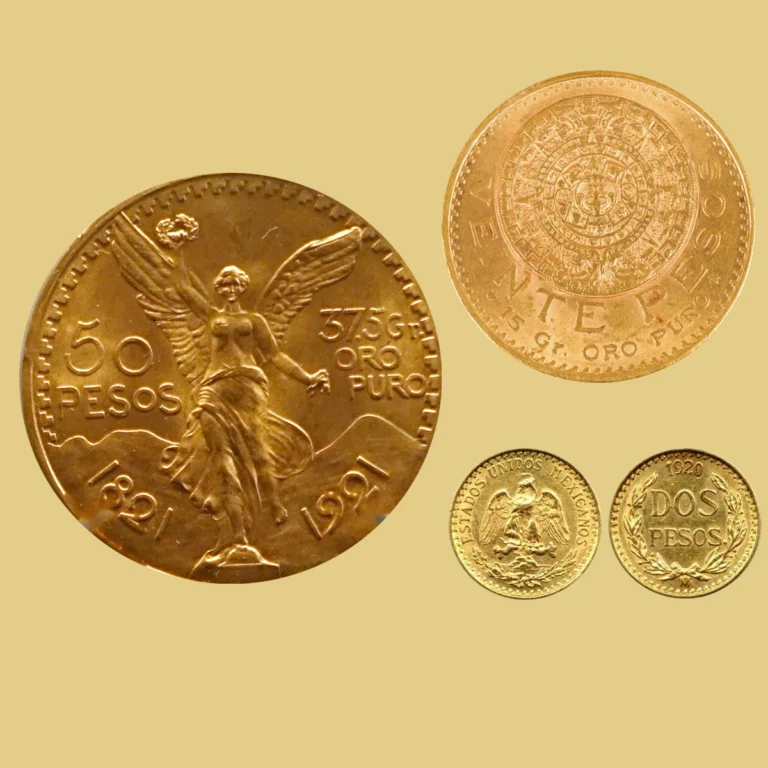
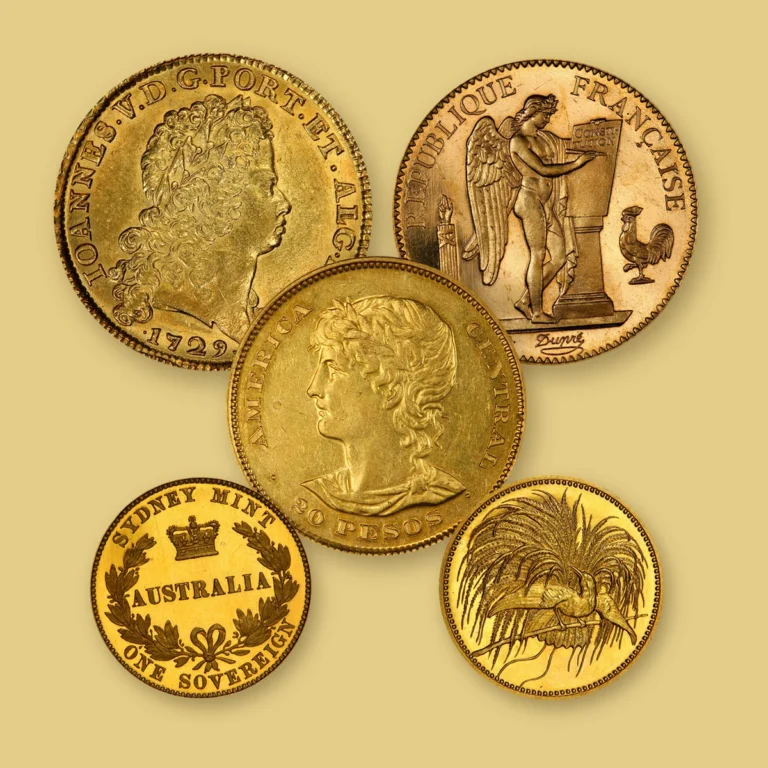
World gold is the easiest place to find value, because every gold coin carries a metal floor. Common types include the British sovereign, the 20 francs and 20 lire gold coins of France, Switzerland, Belgium, Italy and the other Latin Monetary Union countries, Mexican gold pesos, Austrian ducats and kronen, and German 10 and 20 marks. In circulated grades these often sell close to their gold value.
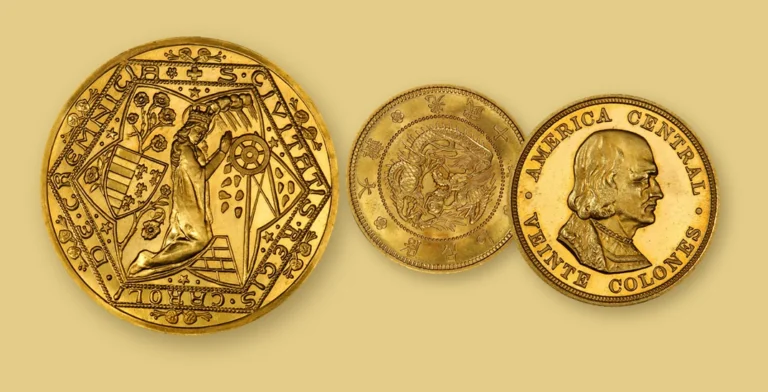
The premium comes from scarcity. Gold from smaller countries and short-lived issues, such as Korea’s 1907 20 won, Czechoslovakia’s ducats of the 1920s and 1930s and Costa Rica’s 20 colones, can be worth many times their gold content. High-grade and proof examples of any type are also worth more.
World Silver Coins and Crowns

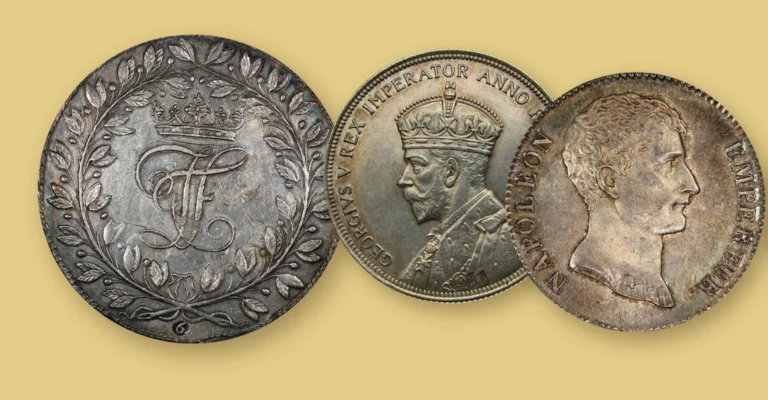
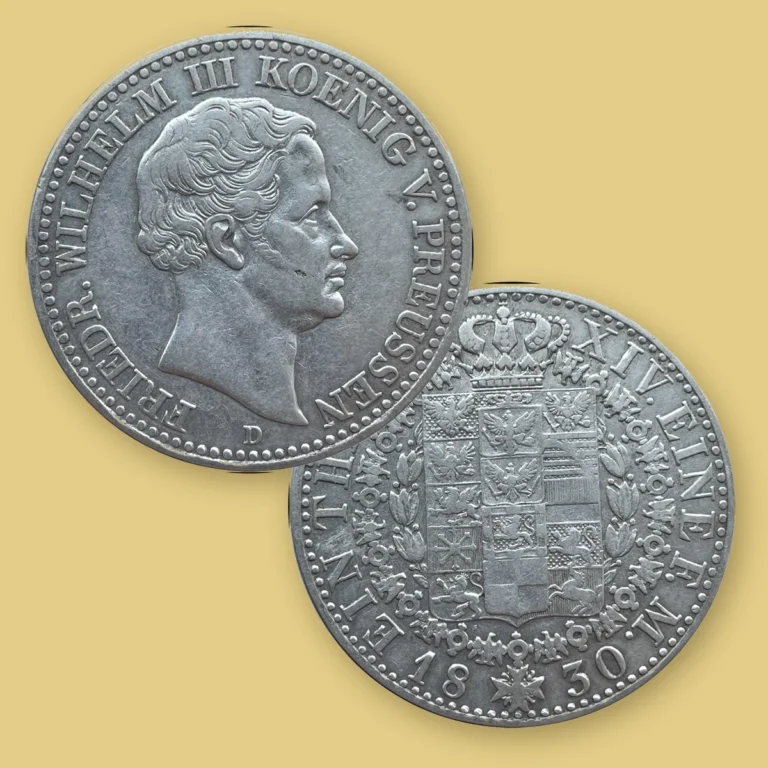
Large silver coins, often called crowns, were struck by nearly every country. The German thaler and its multiples, French 5 francs, Mexican 8 reales and pesos, British crowns and Canadian silver dollars are all popular. Common dates in worn grades trade near their silver value, while early dates, low mintages, high grades and historical issues command premiums.
Smaller silver coins, such as pre-1967 Canadian dimes and quarters or older European coins, are usually valued by silver content unless the date is scarce. Our pages on German rare coins and Chinese old coins value go into those countries in more depth.
World Copper and Bronze Coins
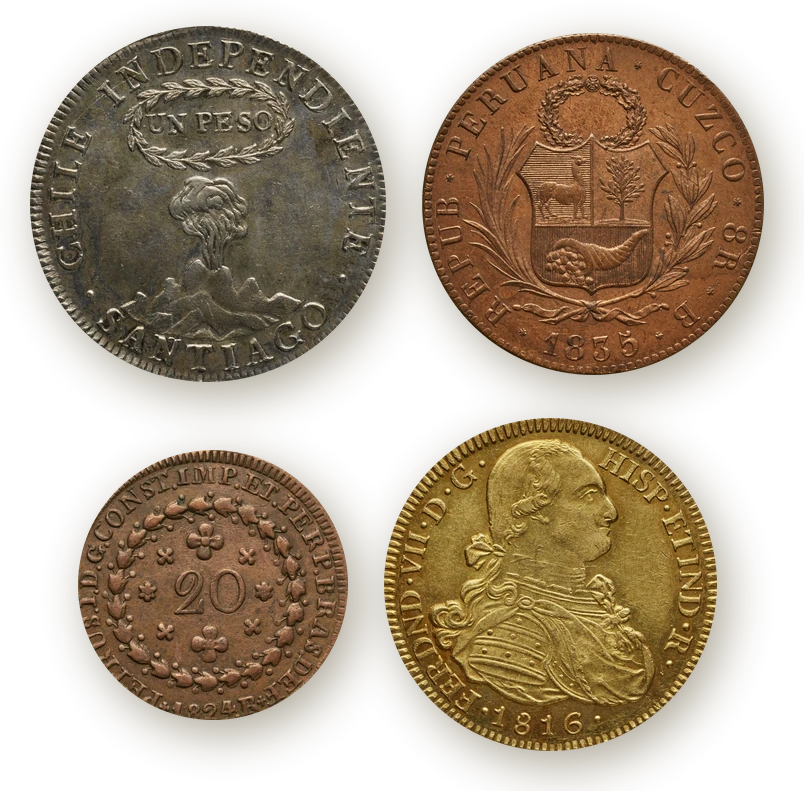
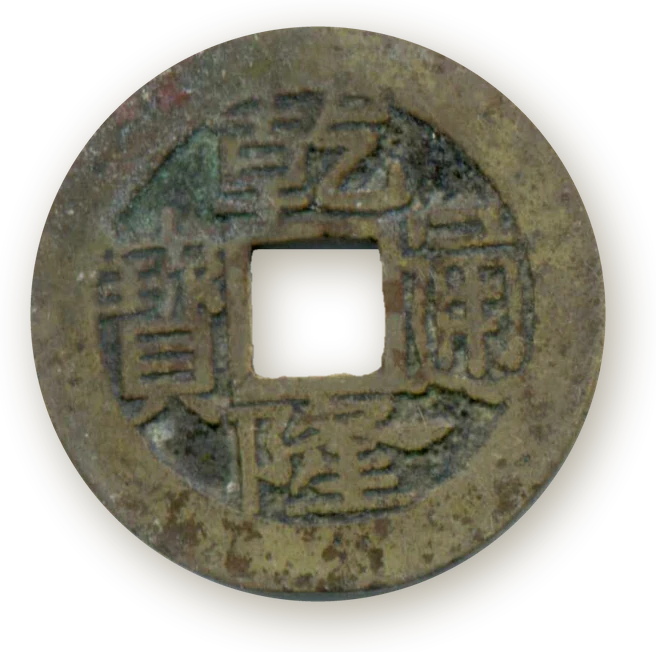
Copper and bronze coins are often overlooked because their metal is worth little, but collectors pay well for scarce dates and coins in original condition. Early copper from Brazil, Mexico, Canada and the British Isles, 19th-century tokens and colonial coppers, and the cash coins of China and Japan all have dedicated buyers. Color matters: a copper coin that keeps its original red or brown surface is usually worth more than one that has been cleaned, and a cleaned coin is worth noticeably less.
Nickel and other base-metal coins follow the same rules. Most are valued as common change, but low mintages, errors and high-grade examples can bring premiums. If you are unsure what you have, an appraisal will sort the scarce pieces from the common ones.
Ancient Coins

Coins from ancient Greece, Rome and other early empires have a large, dedicated market. The Athenian tetradrachm with its owl of Athena and the Roman denarius are among the most widely collected. Values depend on the city or ruler, the quality of the strike and the artistry, how well the coin is centered, and its condition. Ancient coins are also widely counterfeited, so authentication matters.
Key Countries to Look For
- China: older silver dollars and modern gold and silver pandas have strong demand. See Chinese rare coins, rare China coins value and Chinese modern coins.
- Germany: thalers, German States coins and Empire gold. See German rare coins.
- Great Britain: sovereigns, crowns and high-grade older silver and copper.
- Mexico: colonial 8 reales, 19th-century pesos and gold.
- Switzerland: gold 20 francs and early silver.
For catalog details on almost any world coin, Numista and the NGC world coin price guide are good neutral references. For US coins, try our coin value finder, the coin collectors price guide and our coin and paper money price guide.
Get a Free Appraisal of Your Foreign Coins
The only reliable way to know what your foreign coins are worth is an appraisal from someone who handles world coins every day. American Rarities grades coins in-house for free and examines every coin under magnification. We are a PCGS and NGC authorized dealer and an ANACS submission center, Life Members of the American Numismatic Association, and we hold an A+ rating with the Better Business Bureau and a 4.7-star Google rating.
Ready to sell? Our foreign coin buyers page explains how selling works, and if you have inherited a large group of world coins, read our guide to selling a foreign coin collection. To get started, email us at staff@americanrarities.com, text photos to 720-600-4740 or use the form below.
Foreign Coins Value: Quick Answers
Are foreign coins worth anything?
Some are worth a great deal, but most modern foreign pocket change is worth little. Coins brought home from trips after about 1970 are usually base metal, and many can no longer be exchanged for cash because the currency has changed, such as French francs or Italian lire replaced by the euro. Value usually lies in gold and silver coins, older coins from the 1800s and early 1900s, scarce dates, proofs and coins in sharp, unworn condition. Silver-colored older coins and anything gold are the first to check.
How can I tell if a foreign coin is gold or silver?
Look for a fineness mark, check the weight and test it with a magnet. Many silver and gold coins state their fineness, such as .900, .925 or 22 karat, or the metal symbol AG or AU. Gold and silver are not magnetic, so a coin that sticks to a magnet is not solid precious metal. Comparing a coin’s weight to its catalog weight also helps. Gold coins are usually small, deep yellow and untarnished, while older silver coins often tone gray or blue.
How do I identify a foreign coin?
Read the country name, date and denomination, which may be in the local language or calendar. Common clues include Helvetia (Switzerland), Deutsches Reich (Germany), Magyar (Hungary), Polska (Poland), Suomi (Finland), Norge (Norway) and Estados Unidos Mexicanos (Mexico). Some dates use other calendars: Islamic AH dates, Japanese era years and Thai Buddhist Era years, which run 543 years ahead. Once you know the country and type, a world coin catalog lists the weight, metal and mintage.
Which countries’ coins are most valuable?
It depends more on the individual coin than the country, but collector demand is strongest for Great Britain, Germany, Switzerland, Mexico and China. Strong demand means scarce dates, proofs and high-grade coins from those countries bring the highest premiums. Coins of smaller countries can also be valuable when few were made. Our guides to German rare coins and rare Chinese coins go deeper.
Are ancient coins valuable?
Ancient coins range from inexpensive to extremely valuable, and many are more affordable than people expect. Worn Roman bronze coins are common, while silver denarii and tetradrachms, and especially gold aurei, solidi and staters, are worth more. Value rises with the ruler or city, artistry, historical importance and condition, and coins showing famous rulers or rare portraits bring strong premiums. Fakes are common, so authenticity matters, and never clean ancient coins yourself.
What are old Canadian coins worth?
Canadian dimes, quarters, half dollars and silver dollars dated 1967 and earlier are silver, 80% from 1920 to 1967 and 92.5% before that, so they are worth well over face value. Some 1968 dimes and quarters are 50% silver, and later circulation coins are nickel. Beyond silver, scarce dates such as the 1921 5 cents and 50 cents, the 1936 dot cent, dime and quarter, and the 1948 dollar are valuable, as are Ottawa Mint gold sovereigns of 1908 to 1919 and the $5 and $10 gold coins of 1912 to 1914. Condition strongly affects value.
Get a Free Appraisal for Your World Coins
Email, Text, or Use This Form To Send Us Your Inventory List or Pictures
Email: staff@americanrarities.com Text: 720-600-4740
World Coin Guides
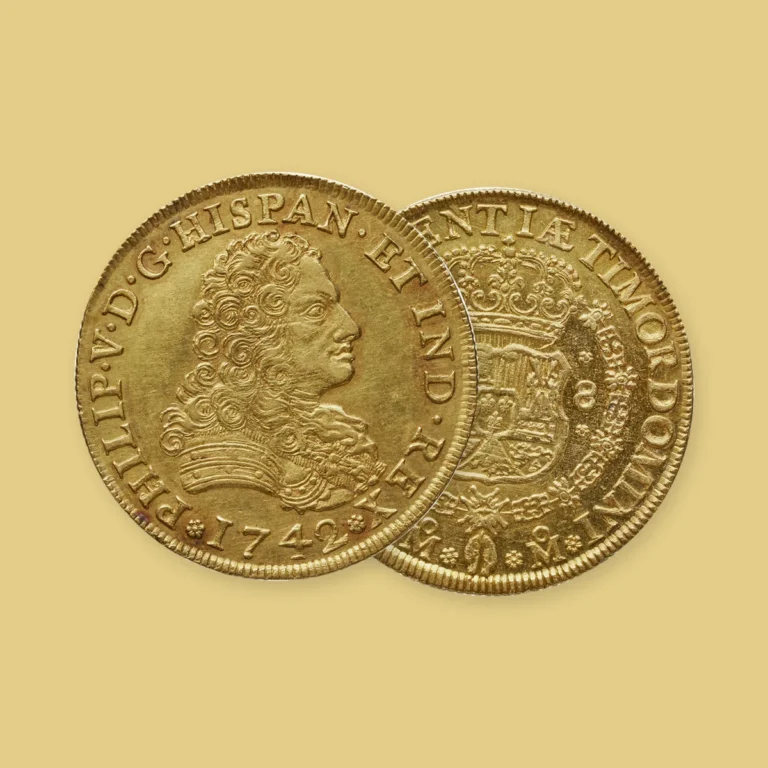
Mexican CoinsGold escudos, pesos, Caballitos and more
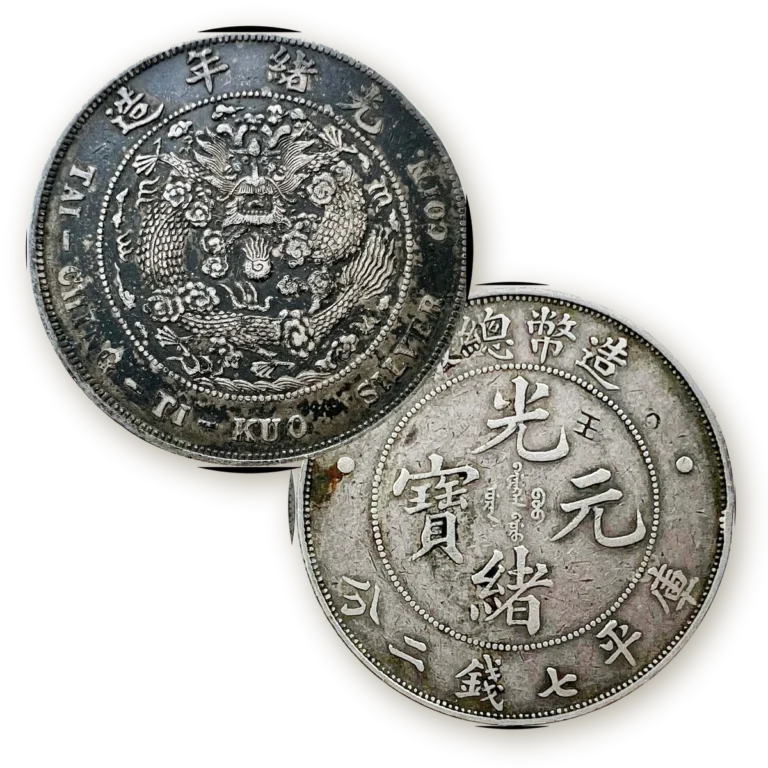
Chinese Rare CoinsDragon dollars, Fat Man dollars and Pandas
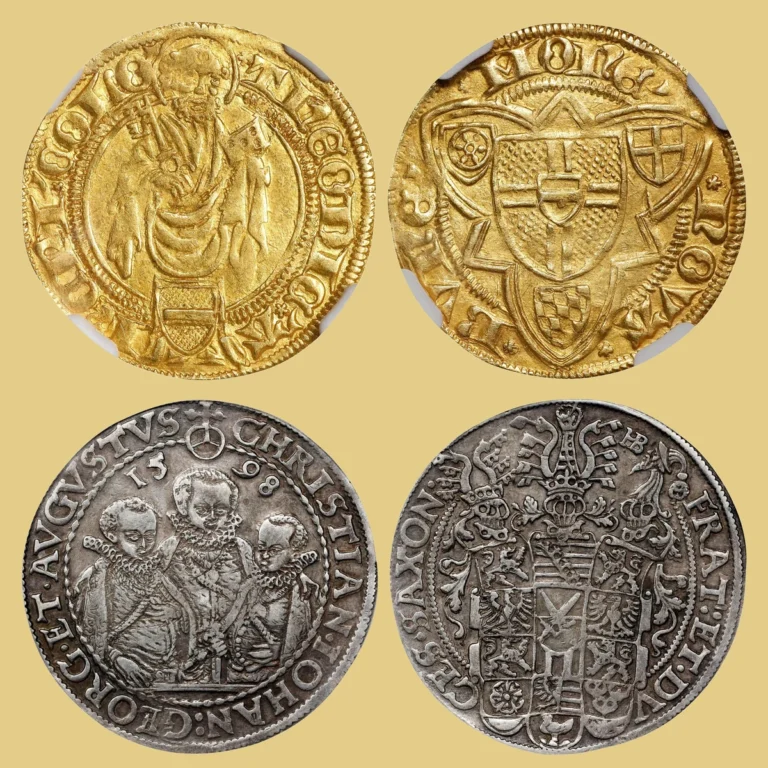
German Rare CoinsTalers, ducats and German Empire marks
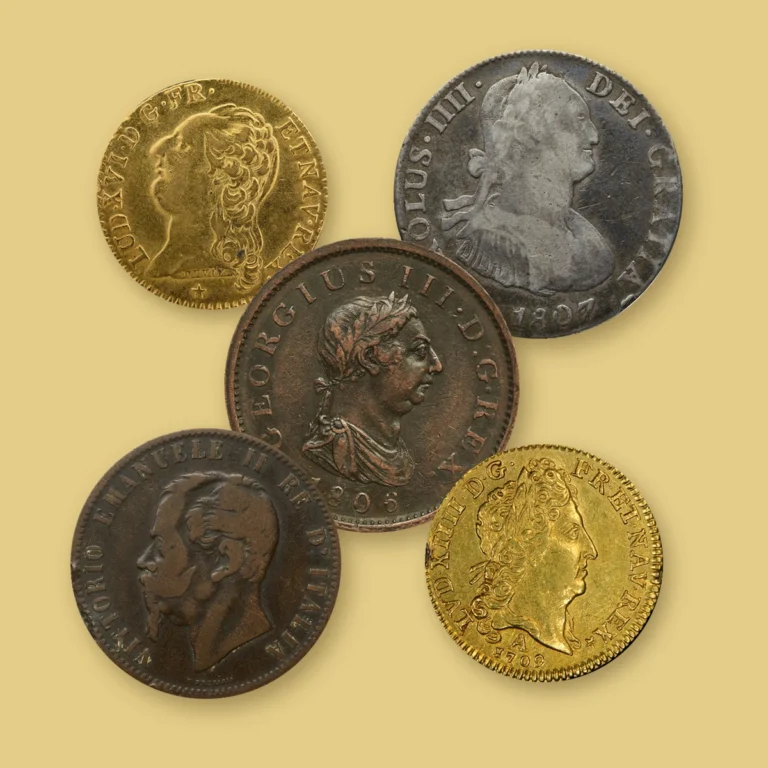
Foreign Coin CollectionSelling an inherited or lifetime collection
EspañolVender escudos de oro mexicanos
DeutschSeltene deutsche Münzen verkaufen
中文出售中国珍稀钱币
Foreign Coin BuyersHow to choose a world coin buyerProfessional Associations