Rare China Coins Value: What Your Chinese Coins Are Worth and Why

What Are Rare China Coins Worth?

本页中文版(简体) | 本頁中文版(繁體)

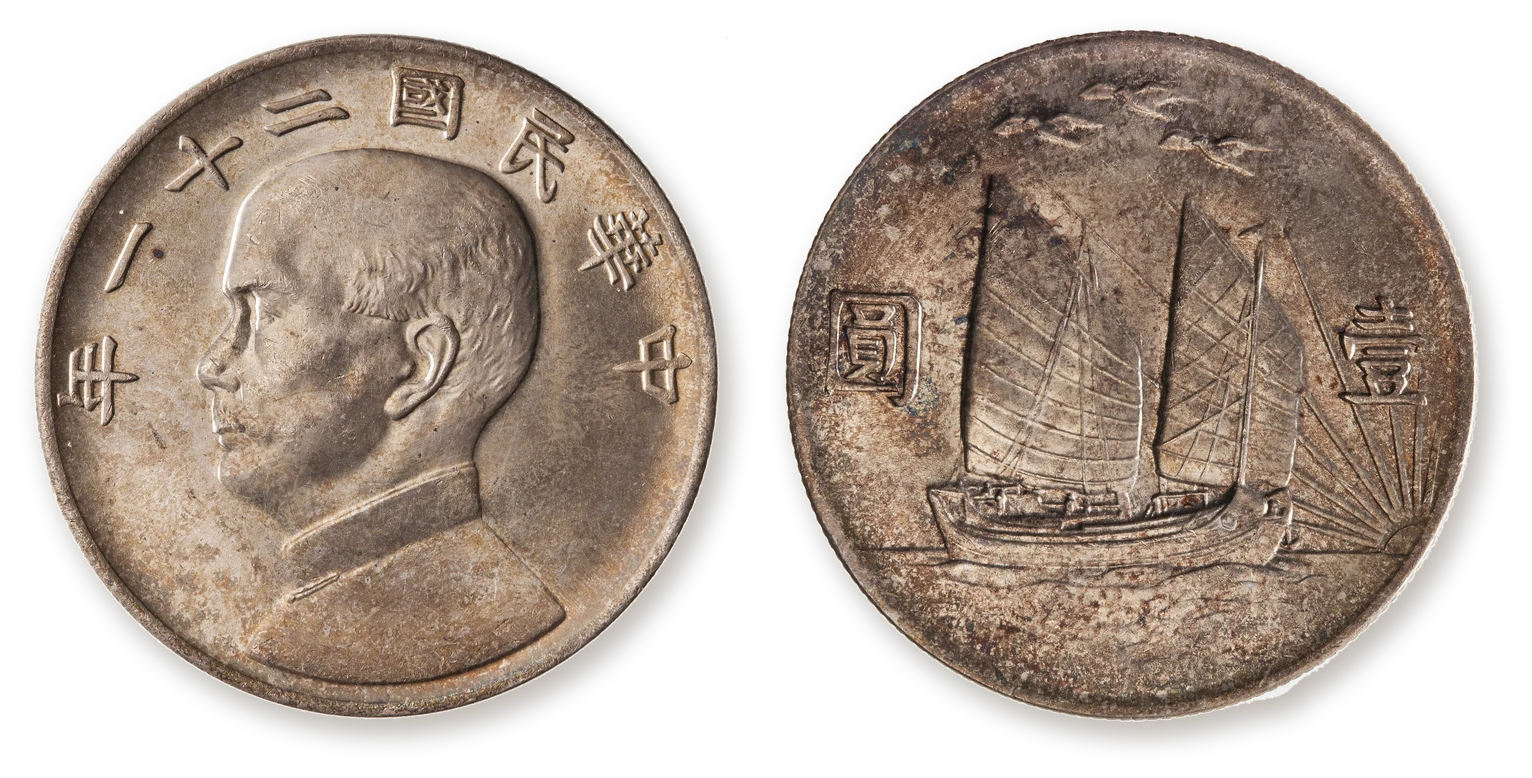
Both sides of a 1932 year 21 birds-over-junk Chinese silver dollar: Sun Yat-sen's portrait and a sailing junk with birds and a rising sun

The honest answer is that it depends on the coin. A common, worn Chinese silver dollar may be worth little more than its silver. A genuine rare date, variety, pattern or high-grade example can be worth many times that, and the top Chinese rarities rank among the most valuable coins in the world. A counterfeit, which is very common with Chinese coins, is worth nothing as a coin.

Because the range is so wide, we do not quote values without seeing a coin. For published market levels, collectors use references such as the NGC World Coin Price Guide and PCGS Price Guide. Those guides assume a genuine coin with a known grade, which is exactly what most people do not know yet when they first look up the value.

This page explains what makes one Chinese coin worth far more than another, so you can understand an appraisal and avoid selling a valuable piece for its silver. American Rarities has bought rare coins since 1990 and has purchased over $400 million in rare coins and collectibles.

Decorative gold separator bar

Five Things That Decide the Value of a Chinese Coin

  1. Authenticity. Chinese coins are among the most counterfeited in the world. Value only exists once a coin is confirmed genuine.
  2. Type and issuer. Qing dynasty provincial dragon dollars, national Qing coins, Republic of China dollars, gold coins and modern People’s Republic issues each have their own markets. Some provinces and mints are far scarcer than others.
  3. Date and variety. Within one design, small differences in the date, characters, stars, edge or dies can separate a common coin from a scarce one. Patterns and proofs, made in small numbers, sit at the top.
  4. Condition. Wear, cleaning, scratches, rim damage and chop marks all lower value. Original, problem-free coins with strong detail bring the biggest premiums.
  5. Certification and demand. Coins certified by PCGS or NGC are easier to sell at full value, and collector demand for the best Chinese coins is strong in China and around the world.
Decorative gold separator bar

Same Design, Different Value: Dates and Varieties

A 1914 year 3 Yuan Shikai silver dollar next to a 1921 year 10 Yuan Shikai dollar of the same design

The Yuan Shikai dollar is a good example. It was struck in very large numbers, mostly dated year 3, 8, 9 and 10 (1914, 1919, 1920 and 1921), and most examples are common. Scarce varieties and patterns of the same design, with small differences that are easy to miss, are worth far more.

The same is true of dragon dollars and Sun Yat-sen dollars. Correct identification takes good photos of both sides, the weight and diameter, and comparison with standard references. We identify the type, date and variety of every coin we appraise before we talk about value.

Condition, Cleaning and Chop Marks

Condition is graded on the 1 to 70 Sheldon scale. On a scarce Chinese coin, the difference between a circulated grade and a mint state grade can be very large. Problems such as cleaning, polishing, holes, mount marks and environmental damage are noted by the grading services and lower value.

Many Chinese silver dollars carry chop marks, small stamps added by merchants who tested the silver as the coins changed hands. Most collectors prefer coins without chops, although some collect chopped coins for their history. Please do not clean your coins before an appraisal. Cleaning cannot be undone and can cut the value sharply.

We offer free in-house grading without slabbing, and as a PCGS and NGC authorized dealer we can submit coins for certification when it makes sense.

Decorative gold separator bar

Chinese Coin Series Collectors Want

Both sides of a 1933 year 22 Sun Yat-sen junk dollar: portrait and sailing junk
  • Dragon dollars. Machine-struck Qing silver from the 1890s to 1911. Rare provinces, scarce dates and patterns bring the most.
  • Yuan Shikai dollars. Common in most dates, valuable in scarce varieties, patterns and high grades.
  • Sun Yat-sen junk dollars. The 1933 (year 22) and 1934 (year 23) dates are the most common. The 1932 (year 21) dollar with birds and a rising sun over the junk was withdrawn soon after issue and is scarce.
  • Gold coins, taels and patterns. Small mintages and strong demand put the finest examples at the top of the market.
  • Modern coins. Gold and Silver Pandas and other issues since 1979, where metal content, scarce dates, proofs and original packaging matter.

For more detail, see our guides to Chinese rare coins and counterfeits, Chinese old coins value for cash coins and older money, Chinese modern coins and the history of the rich legacy of Chinese coins. Our rare coins value list covers U.S. rarities.
Decorative gold separator bar

Why Testing Comes Before Any Value

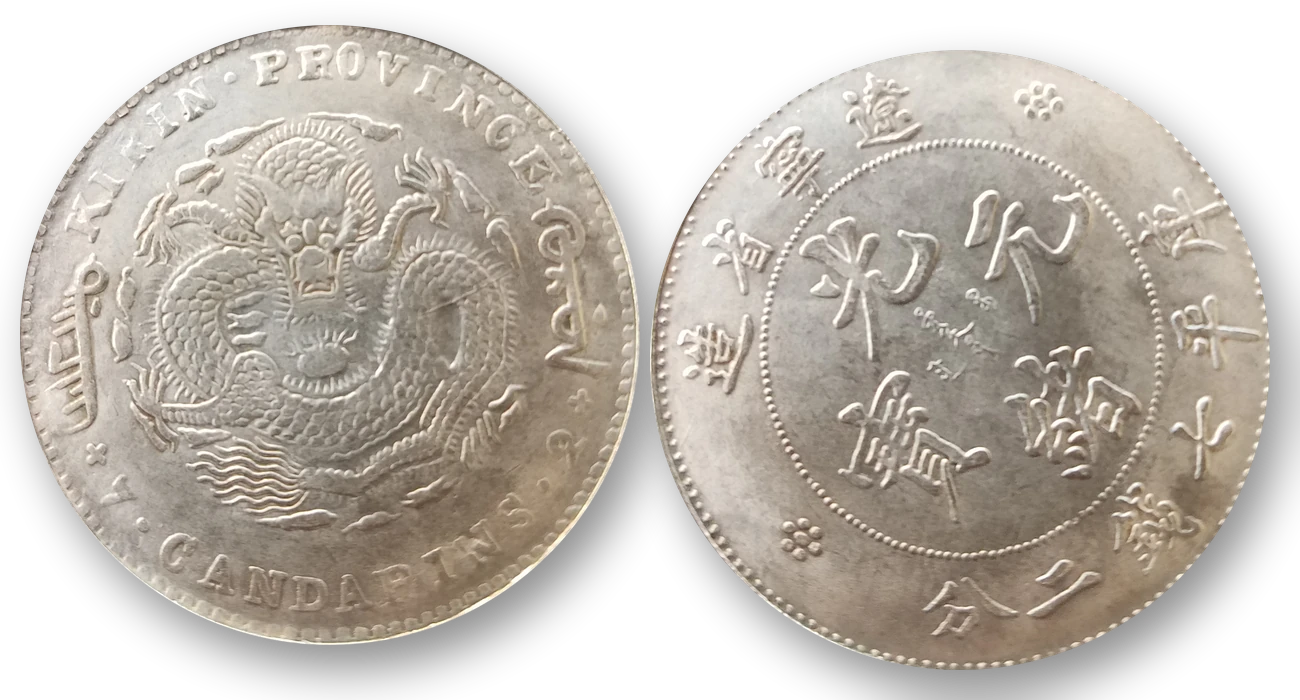
Both sides of a counterfeit Kirin Province dragon dollar examined by American Rarities

Fake dragon dollars, Yuan Shikai dollars and junk dollars are made in large numbers, and some contain silver and look convincing in photos. The Kirin Province dragon dollar shown here is a counterfeit we examined. A buyer who cannot tell the difference may pay silver value for a genuine rarity, or may pay too much for a copy.

We test Chinese coins with X-ray fluorescence (XRF) metal analysis and examine them under a digital microscope, then compare die details with genuine references. See our fake coin pictures for more examples.

How to Get Your Chinese Coins Valued

1

Send Photos

Smartphone camera with a light screen photographing a 1908 Guangxu Yuanbao dragon dollar, slightly over a handwritten list of Chinese coins

Clear photos of both sides, plus the weight and diameter if you have a scale and ruler. Email staff@americanrarities.com, text 720-600-4740 or use the form below.

2

Get a Free Appraisal

American Rarities written appraisal and offer sheet for a Chinese coin collection: a 1908 Guangxu Yuanbao dollar, Kiangnan, Fukien and Manchurian 20 cents, a Kiautschou 5 cents and Qianlong cash, with an Eschenbach 5X loupe

We All appraisal requests are reviewed in the order they are received. Some appraisals take minutes, while larger, more complex collections can take a few days. Either way, you’ll get a response from us. There is no obligation to sell.

3

Ship or Meet

A padlocked carton with 1899 Kiangnan and Fukien 20 cent coins in its window, or our buyer examining a 1911 Manchurian 20 cents with a Kiautschou 5 cents and a Qianlong cash coin on the table

Larger collections can be seen on a home visit, and mail-in shipments are fully insured with no deductible.

4

Get Paid

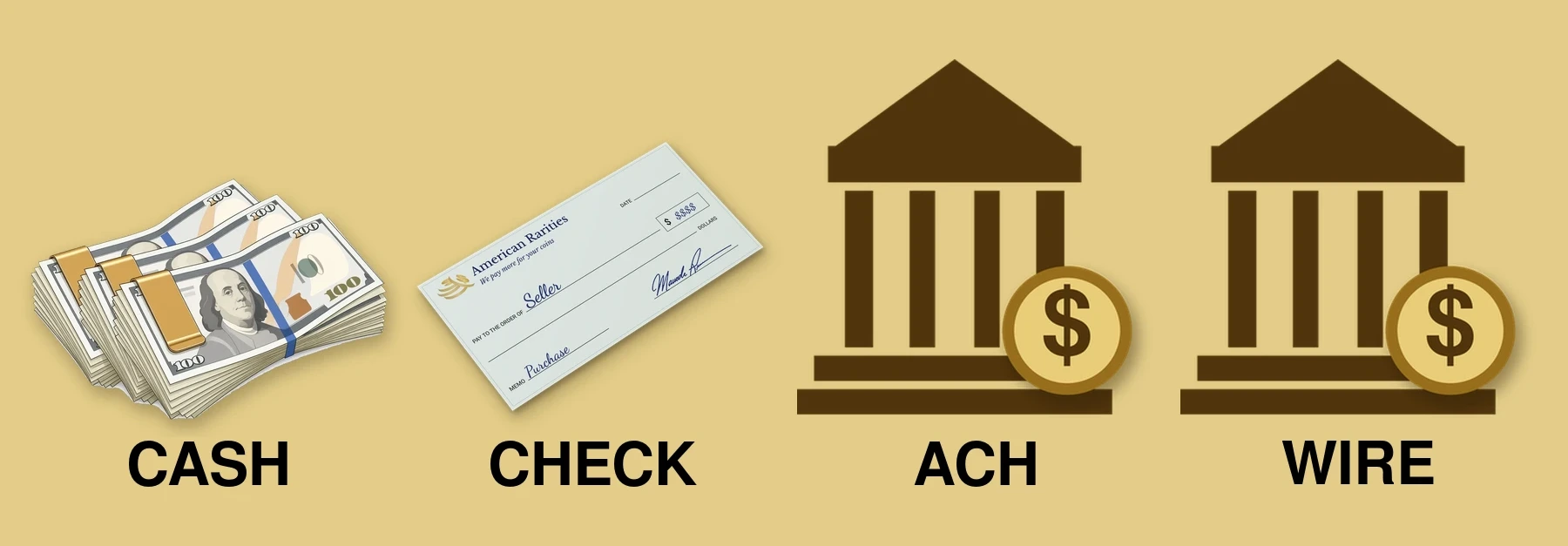
Four ways to get paid for your Chinese coins, stacked two by two: cash, check, ACH and wire

If you accept our offer, payment is issued immediately by cash, check, ACH or wire.

If you need a written valuation for an estate, tax or insurance purpose, we provide IRS-compliant appraisals. We are Life Members of the American Numismatic Association, hold an A+ rating from the Better Business Bureau and have a 4.7 Google rating.

More world coin guides: foreign coins value, US and foreign rare coin values, foreign coin buyers and selling a foreign coin collection.

Have coins from other countries too? See our sell foreign coins page.

Decorative gold separator bar

Rare China Coins Value: Quick Answers

How much are rare Chinese coins worth?

Rare Chinese coins range from little more than silver value to six figures or more, depending on type, variety, condition and authenticity. Common circulated silver dollars, such as the Yuan Shikai “Fat Man” dollar of year 3, often sell near or modestly above silver value. Scarce provincial dragon dollars, rare dates and varieties, patterns, proofs and gold coins in high grade can be worth many times more. Because fakes are so common, genuineness is the first question in every appraisal.

How can I find out the value of my Chinese silver dollar?

Confirm it is genuine, then identify the type, date and variety, and judge its condition. A genuine Chinese silver dollar weighs about 26.4 to 27 grams and measures about 39 millimeters; a coin that is much lighter, sticks to a magnet or sounds dull when gently tapped is likely fake. Note the province or issuer, the date in characters and any small differences in stars or characters. Send clear photos of both sides with the weight and diameter for a free appraisal.

How can I tell if a Chinese coin is fake?

Counterfeit Chinese coins are extremely common, so check several things. Fakes are often underweight or overweight, the wrong size, slightly magnetic or made of plated base metal. Look for soft, blurry characters, a dull gray or artificially toned surface, wrong edge reeding and design details that do not match genuine examples. Coins with impossible dates or designs are a giveaway. Even coins in holders can be fake, so verify any certification number with the grading service.

Are chop-marked Chinese coins worth less?

Usually, yes, but not always. Chop marks are small stamps that Chinese merchants punched into silver coins to show they had tested them as genuine, and they were common on trade dollars and other silver coins circulating in China. Most collectors prefer coins without chops, so a heavily chopped coin often sells closer to silver value. Some collectors seek chopped coins for their history, and a single neat chop does less harm than many.

What are old Chinese cash coins with square holes worth?

Most Chinese cash coins with square holes are worth only a small amount each, because billions were made over more than 2,000 years. Common Qing dynasty cash in worn condition is plentiful. Value rises for rare reigns and mints, large high-denomination pieces, early knife and spade money, unusual charms and coins in fine condition. Reproductions and souvenir cash coins are very common, so authenticity matters here too. Send photos of both sides and we will tell you which coins stand out.

Are modern Chinese Panda coins valuable?

Modern Chinese Panda coins are valued mainly for their gold or silver content, with premiums for early and low-mintage issues. China began the gold Panda series in 1982 and the silver Panda in 1983, with a new panda design almost every year. Early dates, proofs, large sizes and coins in original packaging with certificates bring more. Counterfeit Pandas are common, so weight and authenticity checks matter. See our page on Chinese modern coins for more.

Decorative gold separator bar

Free Appraisal for Your Rare China Coins

Email, Text, or Use This Form To Send Us Your Inventory List or Pictures


Upload files of inventory lists and front and back photos of your items.

    We can help build your inventory list. Use the Collection List Maker to photograph your items and we'll build the inventory list for you.

    Decorative gold separator bar

    Professional Associations

    Professional association and grading-service logos including ANA Life Member, PMG, PCGS, NGC, ANACS, CAC, CCE and currency-grading organizations