
Rare Morgan Silver Dollars: Key Dates, VAMs and Condition Rarities
Most Morgan silver dollars are common. More than 650 million were struck from 1878 to 1904 and again in 1921, and millions survive in every grade. A rare Morgan silver dollar is one of the exceptions: a key date with a tiny mintage or few survivors, a die variety (VAM) that specialists pay extra for, or a date that is easy to find worn but very hard to find in mint state.
Rarity has also changed over time. Under the Pittman Act of 1918, more than 270 million silver dollars were melted, which is one reason some dates are scarce today. Decades later, the U.S. Treasury released sealed bags of dollars in the early 1960s, turning a few famous rarities into common coins overnight.
This page explains how to tell which kind of rarity you may have. For date-by-date values of every Morgan dollar, see our Morgan silver dollar price guide. American Rarities has bought and sold rare coins since 1990, and we appraise rare Morgan dollars free of charge.
On this page:
Found a key date or VAM? Sell a rare Morgan dollar for an offer based on its exact grade.
What Makes a Morgan Silver Dollar Rare?

Collectors and dealers use the word “rare” for several different things. Knowing which one applies to your coin is the first step toward knowing what it is worth.
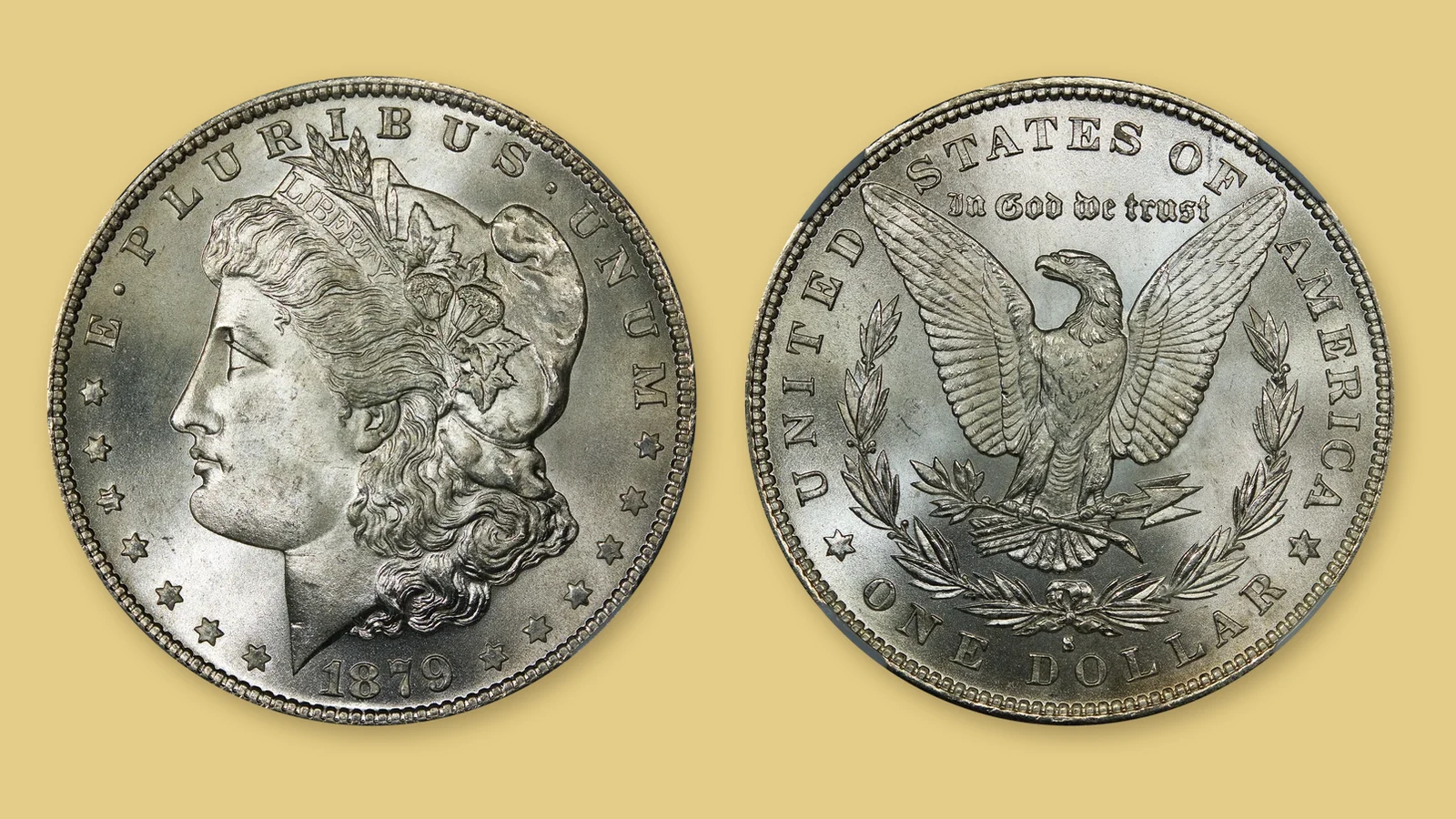
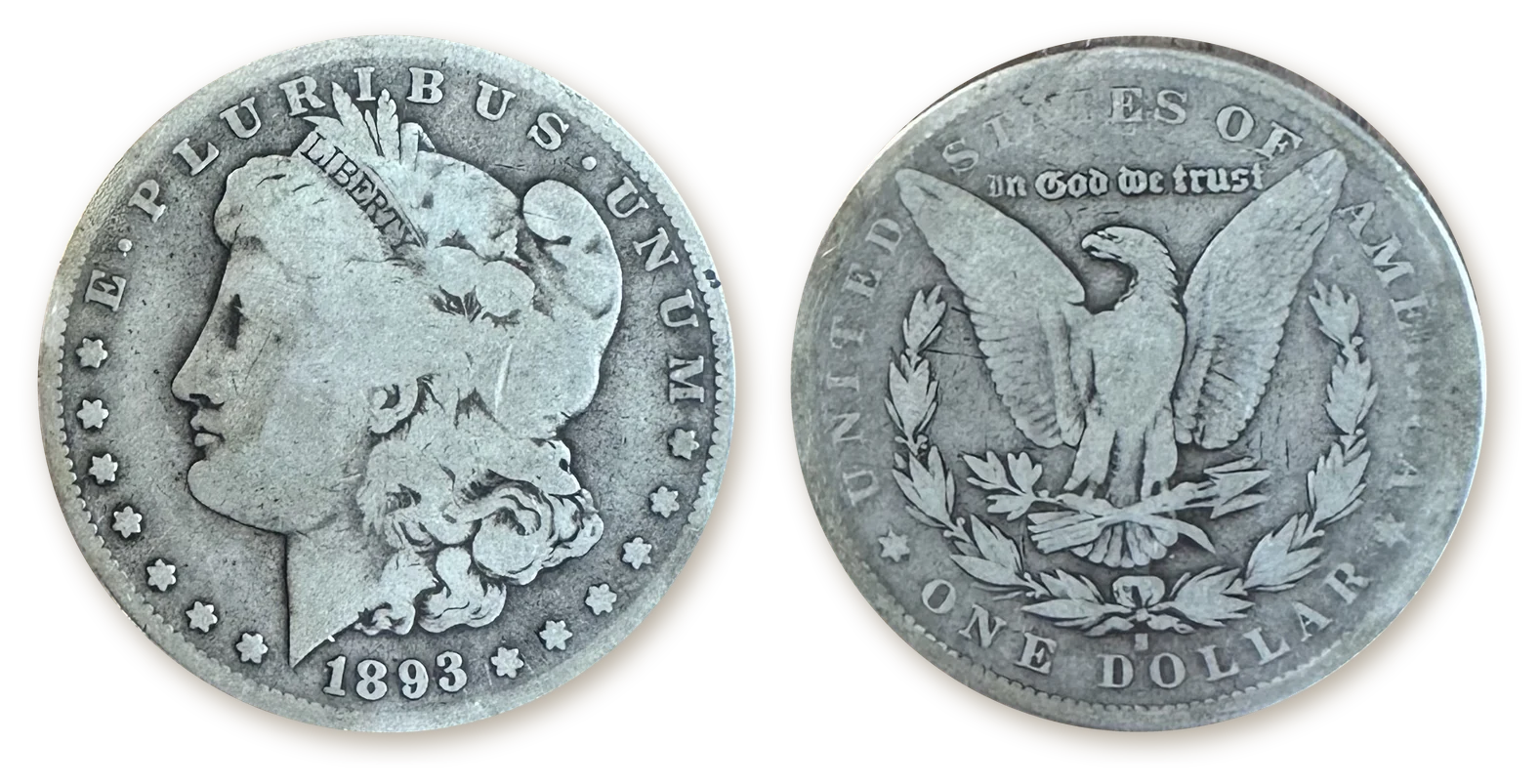
- Low mintage or few survivors. A small number struck, or a large share melted, leaves few coins for collectors. The 1893-S (100,000 struck) and the 1899 from Philadelphia (about 330,000 business strikes) are examples.
- Mint mark. The same year can be common from one mint and rare from another. Look on the reverse, above the “DO” in DOLLAR and below the wreath, for an O (New Orleans), S (San Francisco), CC (Carson City) or D (Denver, 1921 only). Philadelphia coins have no mint mark.
- Condition rarity. Some dates are easy to find worn but very hard to find uncirculated, because few were saved when they were new.
- Die varieties (VAMs). Overdates, doubled dies and other die differences can make an otherwise common date worth many times more.
- Prooflike surfaces and toning. Mirror-like prooflike (PL) and deep mirror prooflike (DMPL) coins, and coins with attractive original toning, bring premiums over typical examples of the same date and grade.
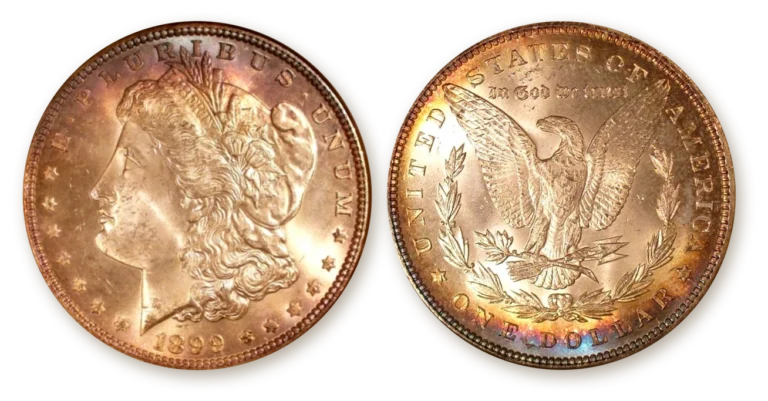
The 1899 Morgan dollar shown here is scarce in every grade. Its original color adds eye appeal, which matters as much as the grade number to many collectors. See our guide to toned coins.
The Rarest Morgan Silver Dollars: Key Dates
These are the dates most collectors think of first when they talk about rare Morgan dollars. Values are approximate retail guide values for coins certified by NGC, not American Rarities offers. NGC updates each coin on its own schedule, so the date of NGC’s last update for each coin is shown.
| Coin | Mintage | Why it is rare | NGC guide value | NGC last updated |
|---|---|---|---|---|
| 1893-S | 100,000 | Lowest mintage of any regular-issue Morgan dollar; scarce in every grade | VF $8,500; MS63 $335,000 | 3/9/2023 |
| 1895 (Philadelphia) | 880 proofs | No business strikes are known, so collectors must buy a proof to complete a set | PF60 $63,500; PF65 $90,000 | 1/29/2025 |
| 1889-CC | 350,000 | The rarest Carson City date; most were melted | VF $1,900; MS63 $43,000 | 5/17/2021 |
| 1879-CC | 756,000 | Low-mintage early Carson City date | VF $1,175; MS65 $26,500 | 1/27/2025 |
| 1894 | 110,000 | Second-lowest business-strike mintage of the series | VF $975; MS65 $38,000 | 5/19/2021 |
| 1895-O | 450,000 | Scarce worn and very rare uncirculated | VF $385; MS63 $65,000 | 7/31/2019 |
Source: NGC Morgan dollar price guide, retrieved October 24, 2026. Linked coin names open PCGS CoinFacts. VF = Very Fine, MS = Mint State, PF = Proof. Prices change, and raw (uncertified) coins usually trade below these figures.
Other Carson City dates, such as the 1885-CC with a mintage of only 228,000, are less rare than their mintage suggests because many were saved in Treasury vaults and later sold by the government. Learn more about selling GSA Hoard Carson City Morgan dollars.
Condition Rarities: Common Worn, Rare in Mint State

A condition rarity is a date that is common in circulated grades but rare in mint state. Many coins from these dates went straight into circulation and wore down, and few were saved new. The difference in value between a worn coin and a gem can be thousands of times.
- 1901 (Philadelphia): about $100 in VF but about $400,000 in MS65 in the NGC Price Guide, retrieved October 24, 2026 (last updated 10/24/2026).
- 1884-S: about $85 in VF and about $260,000 in MS65 (NGC, last updated 10/24/2026).
- 1892-S: about $185 in VF and about $85,000 in MS63 (NGC, last updated 10/24/2026).
- Other dates to check closely: the 1893-O, 1896-O, 1886-O, 1903-S and 1904-S, all of which are far scarcer in mint state than worn.
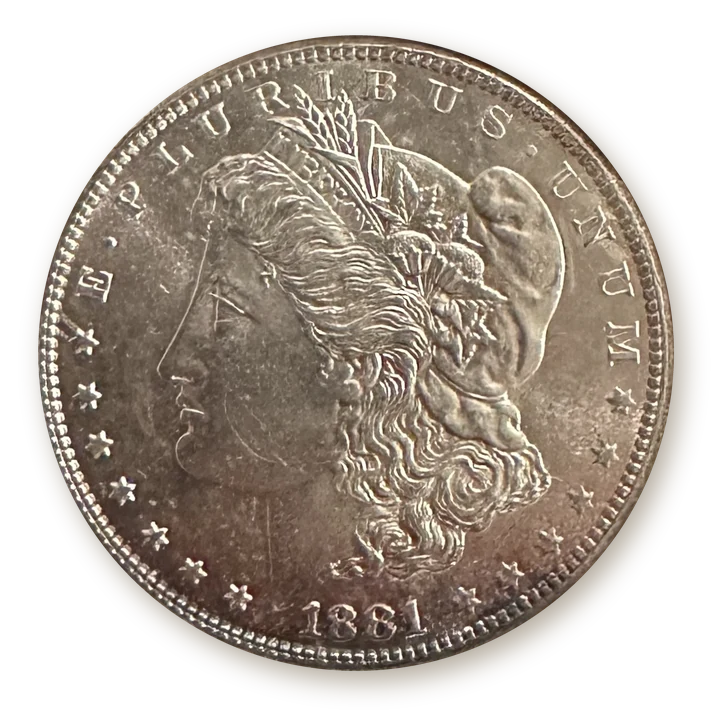
The 1881-S shown here is the opposite case. It is one of the most plentiful Morgan dollars in mint state, so an uncirculated 1881-S is worth far less than an uncirculated 1884-S or 1901. That is why the exact grade, and whether a coin is truly uncirculated rather than cleaned or lightly worn, matters so much for condition rarities. Grading is on the 1 to 70 Sheldon scale.
Rare Morgan Dollar VAM Varieties
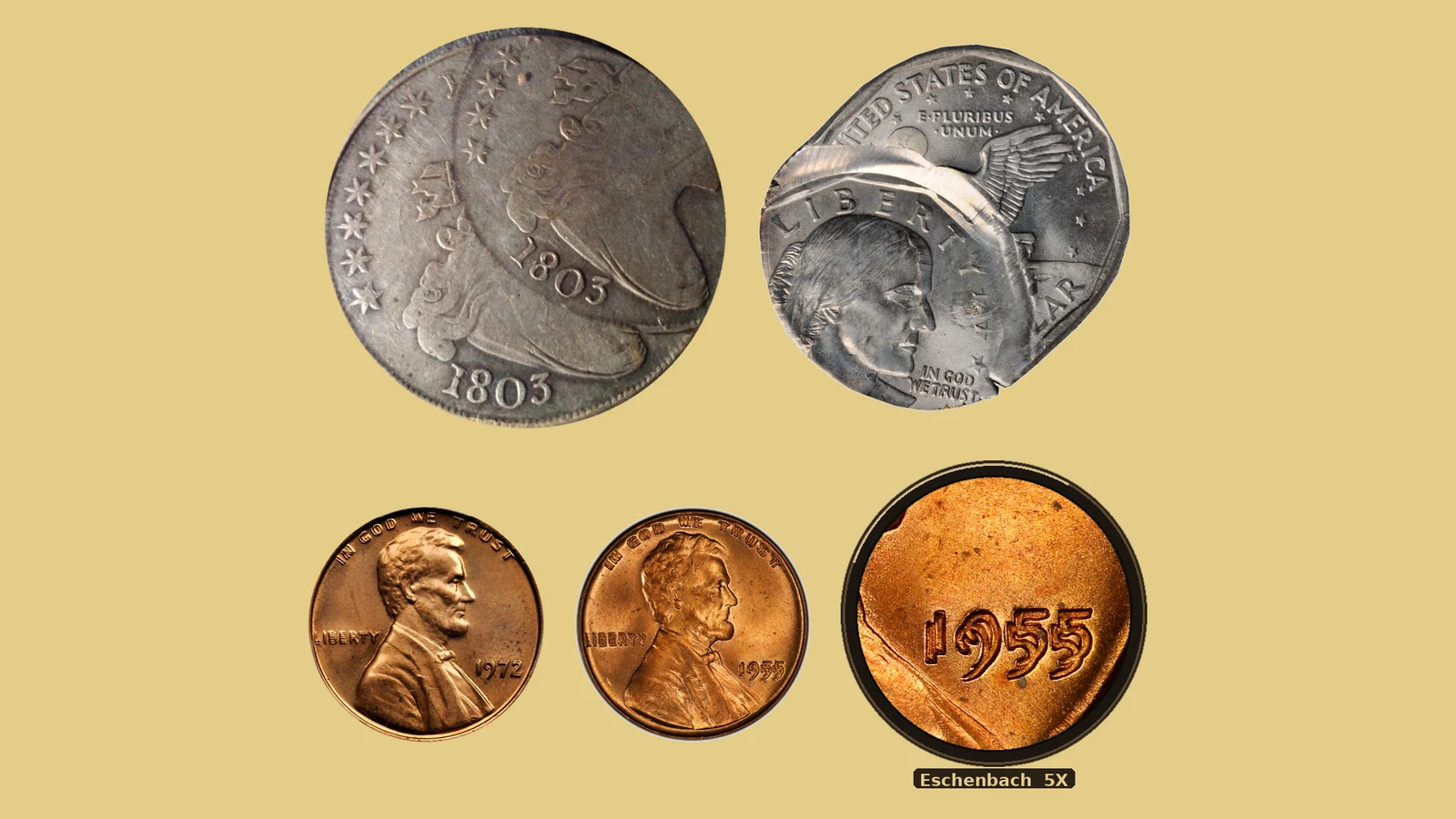
VAM numbers come from Leroy Van Allen and A. George Mallis, who catalogued the die varieties of Morgan and Peace dollars. Most of the thousands of known VAMs carry little or no premium, but a group of popular varieties, often called the “Top 100,” are recognized on NGC and PCGS holders and collected as sets. Some of the best known:
- 1878 8 tail feathers, 7 tail feathers and 7/8 tail feathers. The first-year design changed during 1878. The 7/8TF coins show traces of the eighth feather under the seven; in the NGC guide (last updated 10/24/2026) an 1878 8TF lists at about $2,350 in MS65 and a strong 1878 7/8TF at about $2,500.
- 1887/6 and 1887/6-O overdates. Traces of a 6 show under the 7 of the date.
- 1888-O “Hot Lips” doubled die obverse. Strong doubling on Liberty’s lips and nose.
- 1900-O/CC. An O mint mark punched over a CC, from dies made for Carson City and reused at New Orleans.
- 1901 doubled die reverse (“shifted eagle”). Doubling on the eagle’s tail feathers on an already scarce date.
- 1880/79 and 1880-CC 8/7 overdates, and the 1882-O/S mint mark over mint mark.
VAMs usually need a strong magnifier or digital microscope to confirm. Browse the attributed varieties in the NGC Coin Explorer, and see our guide to error coins and variety coins. We check every Morgan dollar we appraise for valuable VAMs.
Former Rarities: How the Treasury Releases Changed Values

A coin’s mintage tells you how many were made, not how many survive. The 1903-O, 1904-O and 1898-O Morgan dollars were once among the most expensive uncirculated Morgans because almost none were thought to exist in mint state.
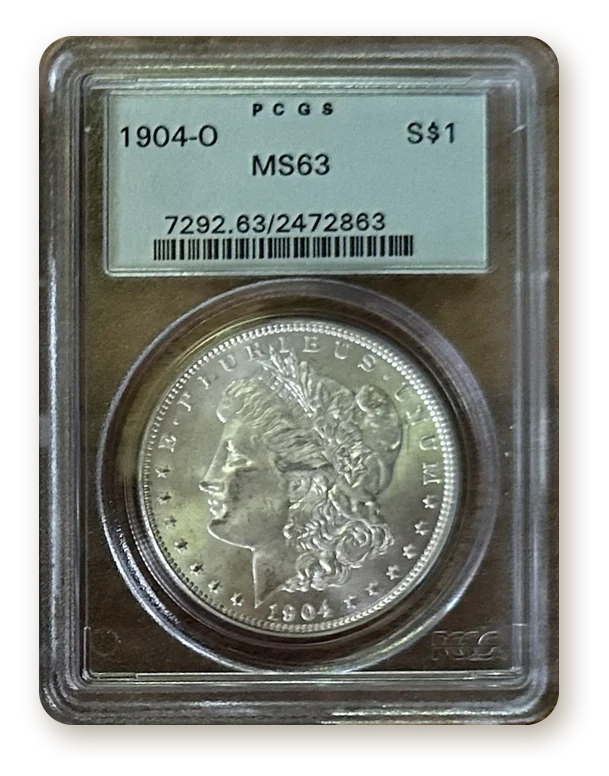
In 1962 and 1963, the U.S. Treasury released sealed bags of silver dollars stored since they were struck, including large numbers of New Orleans coins. The supply of uncirculated 1903-O and 1904-O dollars rose sharply, and prices fell. Today an 1903-O in MS63 lists at about $515 in the NGC guide (last updated 9/17/2019), a fraction of its value before the release.
The 1904-O shown here, certified MS63 by PCGS, is now one of the most affordable uncirculated Morgans. The lesson for sellers is that a date’s reputation can be out of date. Check current values, or ask us. For an overview of the series, see our U.S. silver dollar information page.
How Do I Know If I Have a Rare Morgan Silver Dollar?
Start with what you can see, then let a professional confirm it:
- Read the date and mint mark. Note the year on the obverse and look for a mint mark on the reverse above “DO” in DOLLAR. Compare with the key dates and condition rarities above.
- Look at wear. On uncirculated coins, the high points of Liberty’s hair above the ear and the eagle’s breast keep their original luster. Flat, gray high points mean the coin has circulated.
- Check for varieties. With a 5x to 10x magnifier, look at the date for overdate traces, at the tail feathers on 1878 coins, and at the mint mark for signs of repunching.
- Do not clean the coin. Cleaning leaves fine hairlines and can cost a rare Morgan most of its value. Handle it by the edges.
- Be alert to fakes. The most valuable dates, including the 1893-S, 1889-CC and 1895, are the most often counterfeited or altered, for example by adding a mint mark or changing a date. Learn the warning signs in our guide to fake, counterfeit and altered coins.
At American Rarities, we test metal content with XRF analysis and examine surfaces and diagnostics under digital microscopy. We also offer free in-house grading without slabbing, so you know a coin’s likely grade before deciding whether certification by PCGS or NGC is worth the fee. As a PCGS and NGC authorized dealer and ANACS submission center, we can submit coins for you. See our page on coin authenticity and grading.
Selling a Rare Morgan Silver Dollar
A rare Morgan silver dollar deserves an offer based on its exact date, variety and grade, not a bulk silver price. Our numismatists bring hundreds of years of combined experience, and we have purchased over $400 million in coins, currency and precious metals since 1990. We buy single key dates, certified registry coins and complete Morgan dollar sets, as well as common dates in any quantity through our silver dollar buying service.
- Rare coin dealer since 1990 with more than 30 years in business
- Rated 4.7 on Google and A+ with the Better Business Bureau
- Life Members of the American Numismatic Association, PCGS and NGC authorized dealer, and ANACS submission center
- Free, no-obligation, IRS-compliant written appraisals
- Home visits through our nationwide buying network, or fully insured mail-in with no deductible, with free or discounted shipping on selected collections
- We pay you immediately by cash, check, ACH or wire
How it works: email or text clear photos of both sides of your coin (and the holder label, if it is certified), or use the form below. We reply with a free written appraisal and a no-obligation offer. For a whole collection, see our coin collection appraisal page or request a free online coin appraisal.
Rare Morgan Silver Dollars: Quick Answers
What is the rarest Morgan silver dollar?
Among circulation strikes, the 1893-S is the rarest, with only 100,000 minted and few survivors in high grades. The 1895 Philadelphia is harder still for a complete set, since only 880 proofs were struck and no business strikes are known. Both are heavily counterfeited, so any example should be authenticated, ideally in a PCGS or NGC holder.
What is the rarest Carson City Morgan dollar?
The 1889-CC is the rarest Carson City Morgan, with a mintage of 350,000, most of which were melted. The 1879-CC and the 1893-CC are also scarce. The 1885-CC had a smaller mintage, about 228,000, but many survived in Treasury vaults and were sold in the government’s GSA sales, so it is easier to find in mint state than its mintage suggests.
What is the most valuable Morgan silver dollar?
The most valuable Morgan dollars are the rare key dates in top condition, led by the 1893-S, the 1889-CC and proof 1895 dollars. Condition rarities also bring huge prices in high grades: dates such as the 1884-S, 1892-S, 1886-O and 1901 are affordable worn but very rare in gem mint state. Deep mirror prooflike surfaces and attractive original toning can add more.
What is a VAM Morgan dollar?
A VAM is a die variety catalogued by Leroy Van Allen and George Mallis, whose reference gives each variety a VAM number. Most VAMs carry little premium, but popular ones sell for much more, such as overdates like the 1887/6 and the 1900-O/CC, doubled dies and the 1888-O “Hot Lips” doubled die obverse. PCGS and NGC attribute the best-known VAMs on the holder label.
Is my 1921 Morgan silver dollar rare?
Usually not. More than 86 million were struck in 1921 at Philadelphia, Denver and San Francisco to replace dollars melted under the Pittman Act, so most bring a modest premium over silver. The 1921-D is the only Denver Morgan dollar. High-grade, prooflike and certain variety coins are worth more, as are the rare 1921 Zerbe and Chapman proofs.
How can I tell if a rare Morgan dollar is fake?
Key dates are the most often faked. Common tricks include adding an S or CC mint mark to a common coin, removing a mint mark to imitate an 1895 Philadelphia, and altering a date. A genuine Morgan weighs 26.73 grams and measures 38.1 mm, but good fakes can match that. Check the mint mark under magnification for seams or tool marks, and rely on PCGS or NGC certification for valuable dates.
For commons, rolls and sets, visit our silver dollar buyer page.
Free Appraisal for Your Coins and Coin Collections
Email, Text, or Use This Form To Send Us Your Inventory List or Pictures
Email: staff@americanrarities.com Text: 720-600-4740
Related Guides
Morgan Silver Dollar Price Guide
Approximate values by date, mint mark and grade, including key dates and condition rarities.
Coin Authenticity, Grade and Varieties
How grading, authenticity and die varieties, including VAMs, affect what a silver dollar is worth.
U.S. Silver Dollar Information
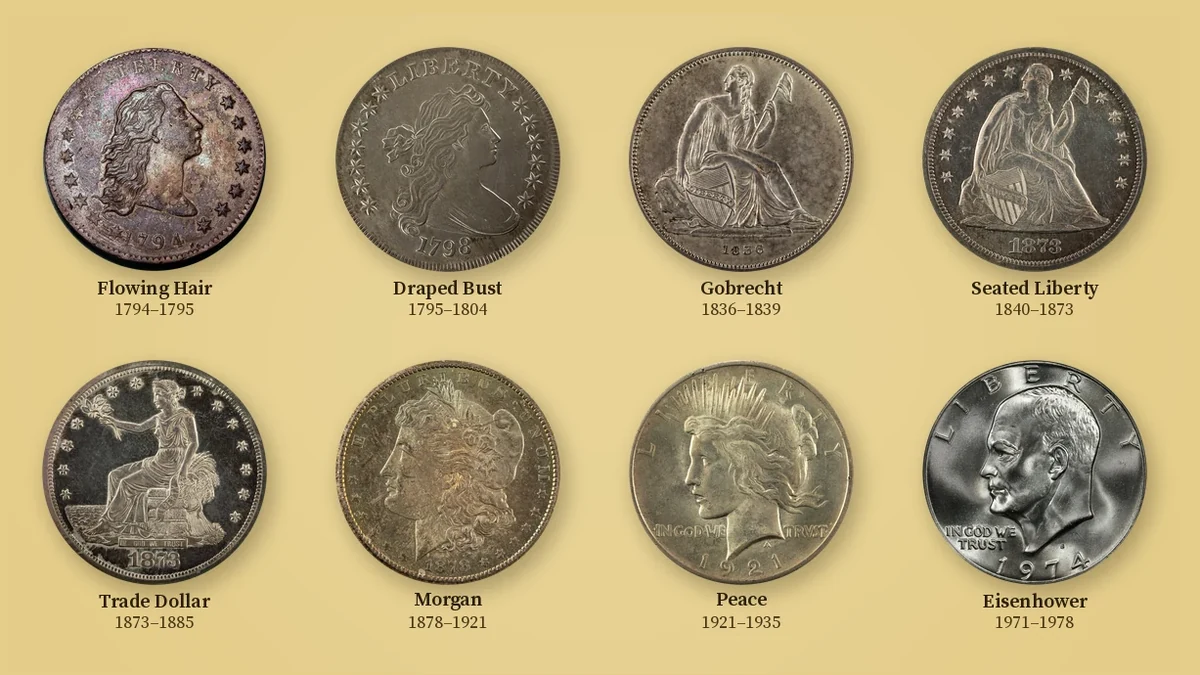
Morgan, Peace and earlier silver dollar types, mint marks and what to look for.
Sell Silver Dollars: Morgan, Peace & Carson City
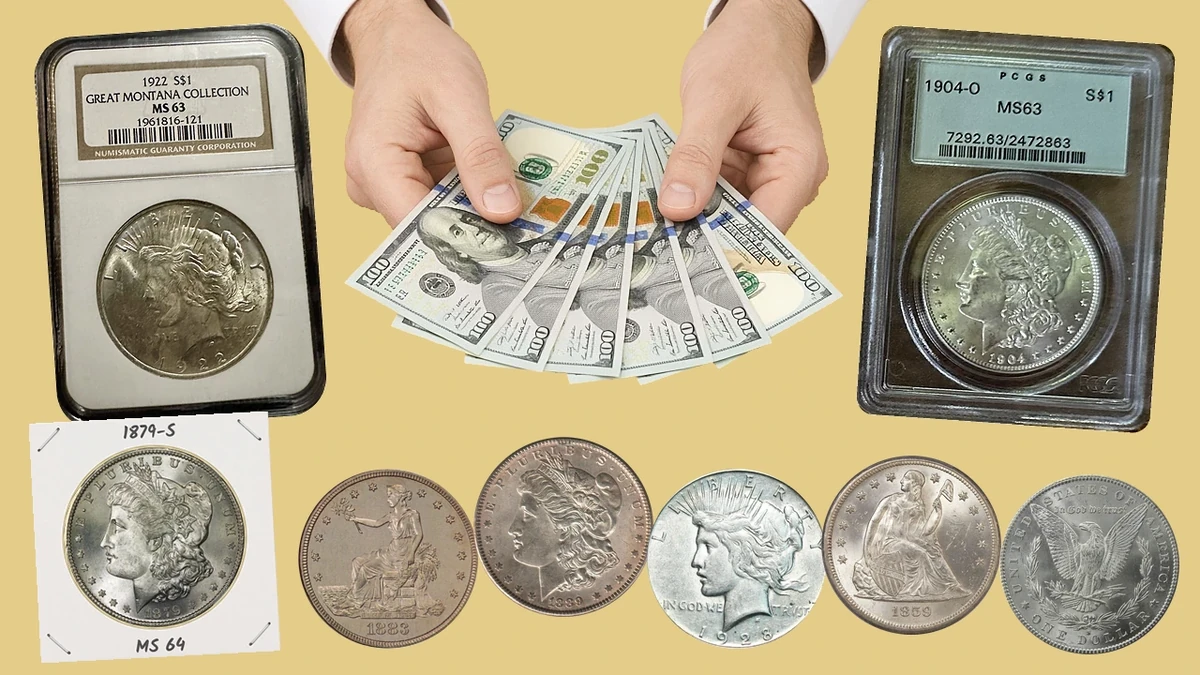
How to sell Morgan, Peace and Carson City dollars for a written offer, not melt value.

Professional Associations