
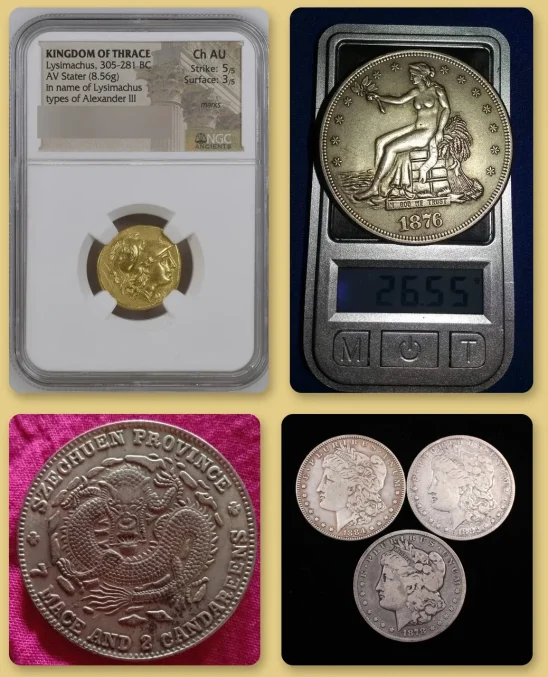
Coin authentication is the process of proving that a coin is genuine: that it was struck by the mint it claims to come from, in the year it claims, and has not been altered. It comes before grading, because a counterfeit has no grade and, in most cases, no collector value. Authentication also tells you whether your coin is a valuable error or variety coin or just damage.
Counterfeits are more convincing than ever. Cast and die-struck fakes of Morgan dollars, trade dollars, gold coins and ancient coins are sold online every day, and some now come sealed in fake grading holders. Spotting them takes years of hands-on experience.
American Rarities has been authenticating and grading coins since 1990. Over more than 30 years we have purchased over $400 million in coins and collections, and we hold a 4.7-star Google rating. We are a PCGS and NGC authorized dealer and ANACS submission center. We can also submit your coins to PCGS and NGC for grading, and we grade coins ourselves for free. (Our in-house grades are opinions only; we do not encapsulate coins.)
Not sure how the three services differ? Read PCGS vs. NGC vs. ANACS: the three major grading services.

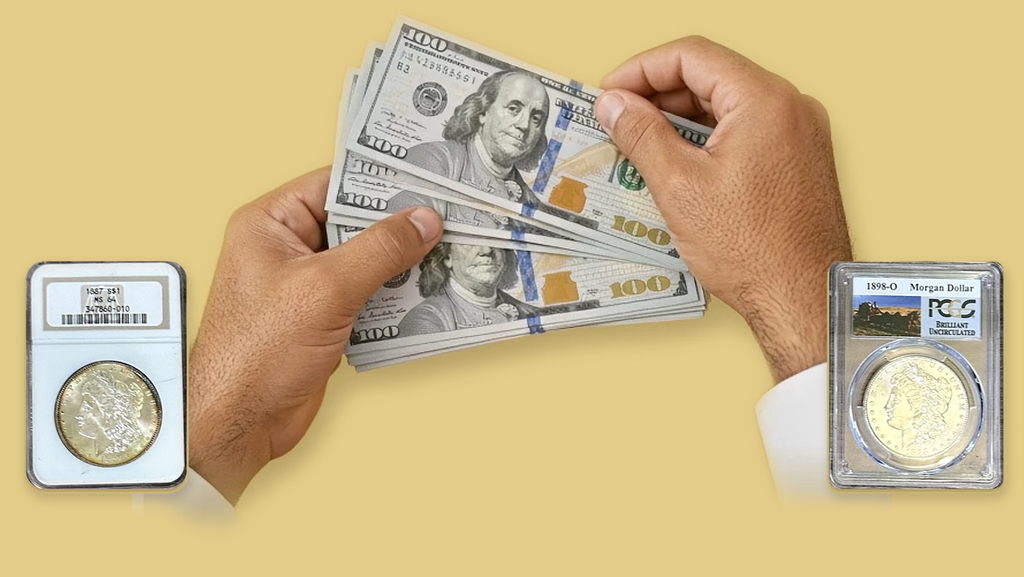
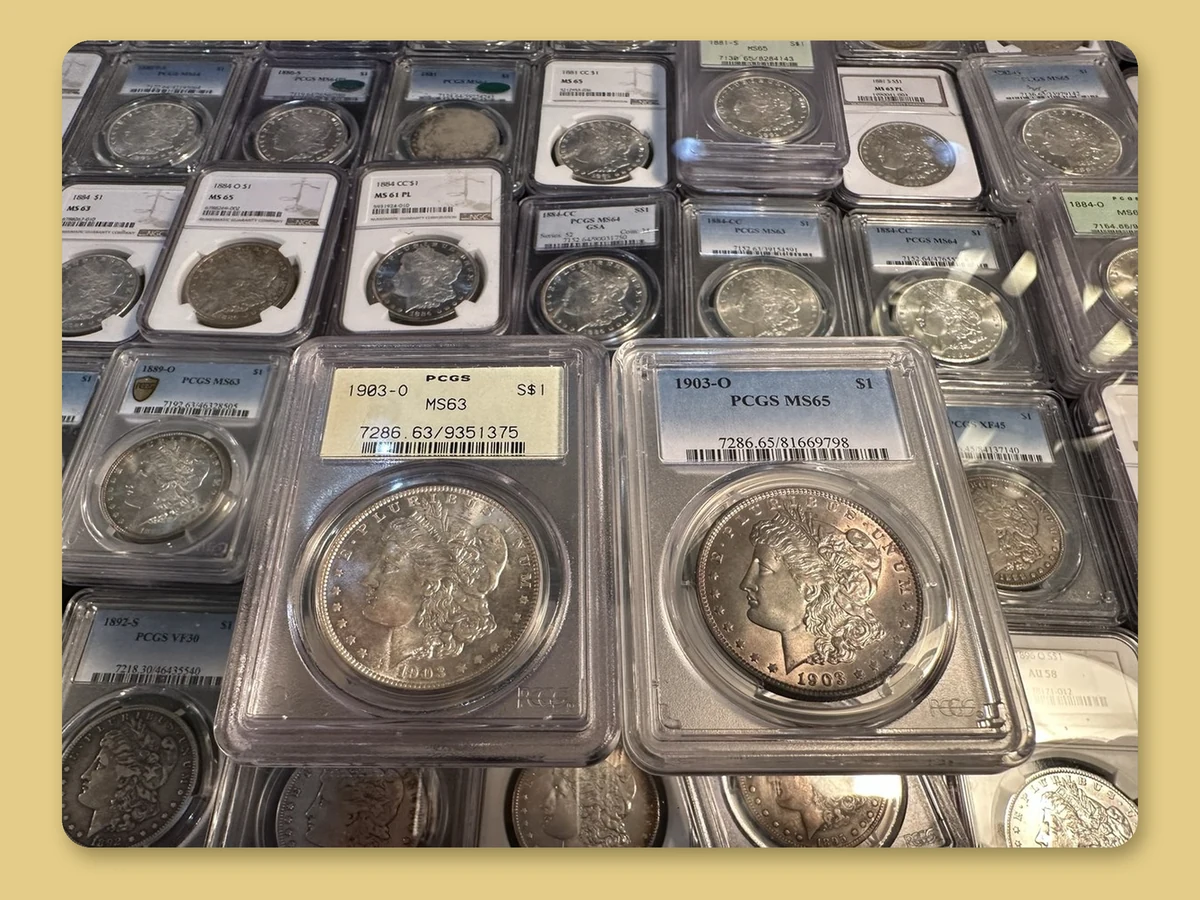
Grading services charge by the coin, and the fee depends on the coin’s type, value and how fast you want it back. Under NGC’s U.S. fee schedule effective January 20, 2026, the Economy tier (non-gold coins struck before 1990 and worth up to $300) costs $25 per coin, Standard (up to $3,000) costs $45, and Express (up to $10,000) costs $80, plus a $10 handling fee per submission. You also pay postage and insurance both ways. Fees change, so check NGC’s current fees or PCGS’s services before you submit.
That is why it pays to get an expert opinion first. American Rarities will authenticate your coins for free, with no obligation to sell. We will grade your coins for free (we do not encapsulate them) and tell you whether a raw coin is worth the cost of professional grading. If it is, we can submit it to PCGS, NGC or ANACS for you.
To learn how PCGS, NGC, ANACS and PMG grade coins and banknotes, see our guide to rare coin grading services and paper currency grading.
Professional authentication combines several checks. No single test proves a coin genuine, but a fake usually fails at least one. Here is what our experts look at.
1. Look closely at the details
Compare the coin with a known genuine example. Look for soft or mushy design details, a grainy or bubbly surface, wrong letter shapes, and dates or mint marks that look added or tooled. Some “errors”, like two-headed coins, are novelty items made by joining two coins. Our error coins and die varieties guide explains which errors are real.
2. Weigh and measure it
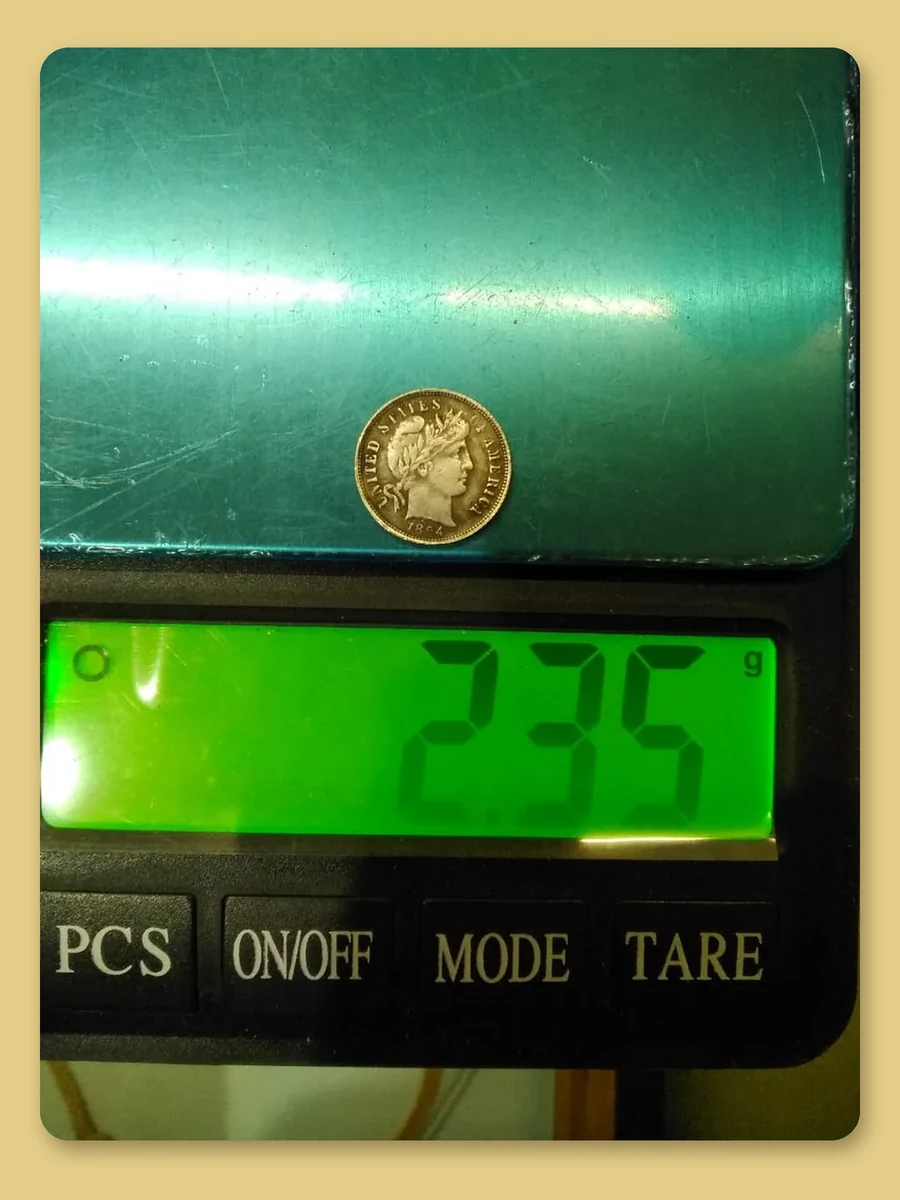
Every U.S. coin was struck to an official weight and diameter. A genuine Barber dime weighs 2.50 grams, so the fake 1894 Barber dime shown here, at 2.35 grams on our scale, failed right away. A Morgan dollar should weigh 26.73 grams and measure 38.1 mm. A good digital scale and calipers catch many cast fakes.
3. Check the edge
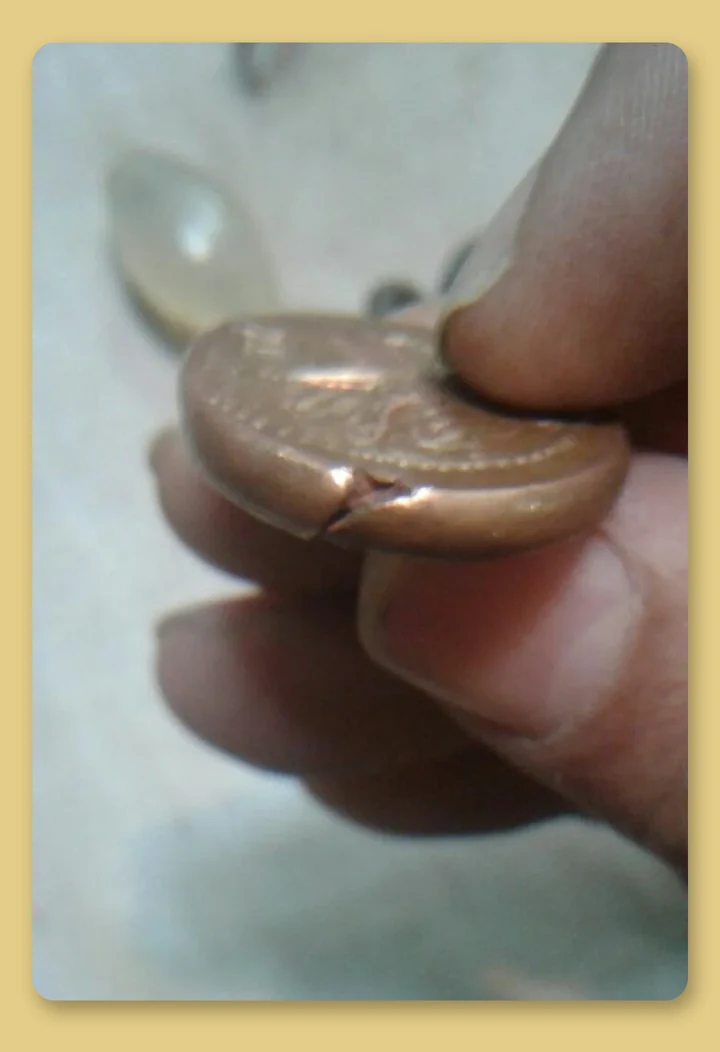
Cast counterfeits are often made in two halves. Look for a seam, split or file marks around the edge, like the fake Greek stater shown here. Reeding (the grooves on the edge) should be even and match genuine coins of the type.
4. Try a magnet
Most U.S. gold, silver and copper coins are not magnetic (the 1943 steel cent is the best-known exception). A “silver dollar” that jumps to a magnet is fake. Passing the magnet test does not prove a coin genuine, though.
5. Digital microscopy and X-ray fluorescence (XRF)
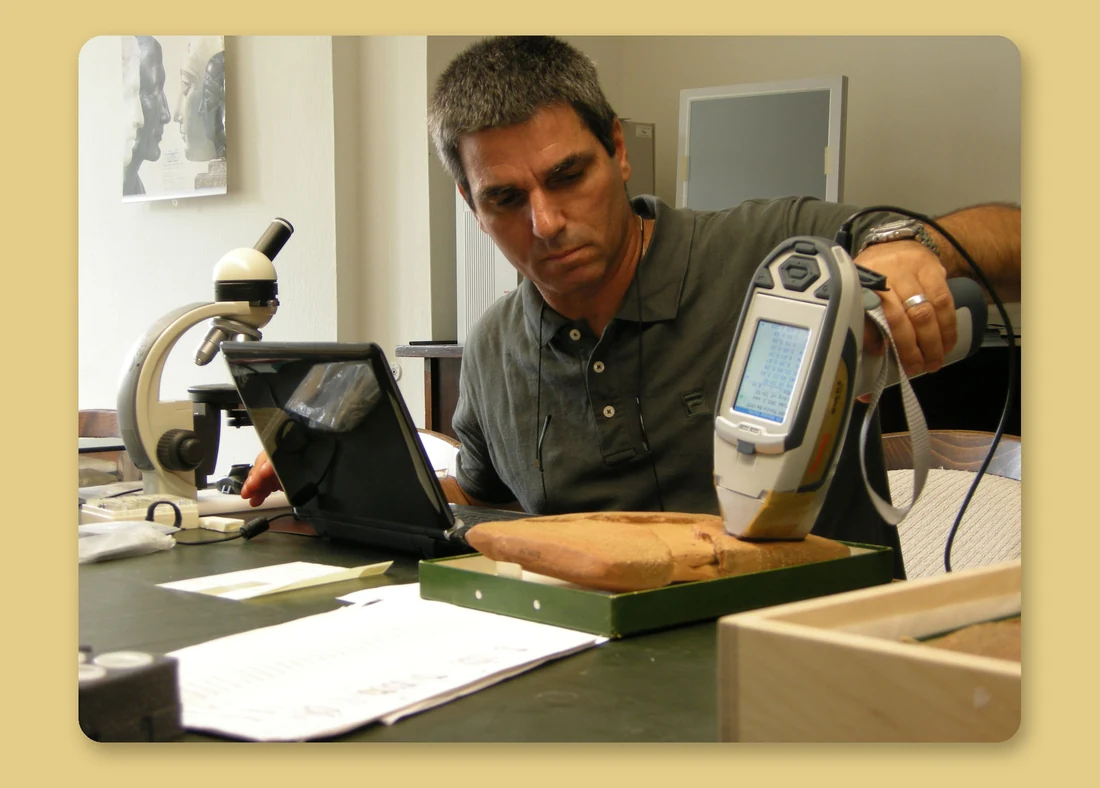
At American Rarities we go further with digital microscopy and X-ray fluorescence testing. Under high magnification we can see tool marks, transfer-die softness and repairs that are invisible to the eye. An XRF analyzer reads a coin’s metal content in seconds without harming it, so a gold-plated or base-metal fake shows up right away. We use the same tools to check gold and silver bullion, including bars.
6. Verify the holder
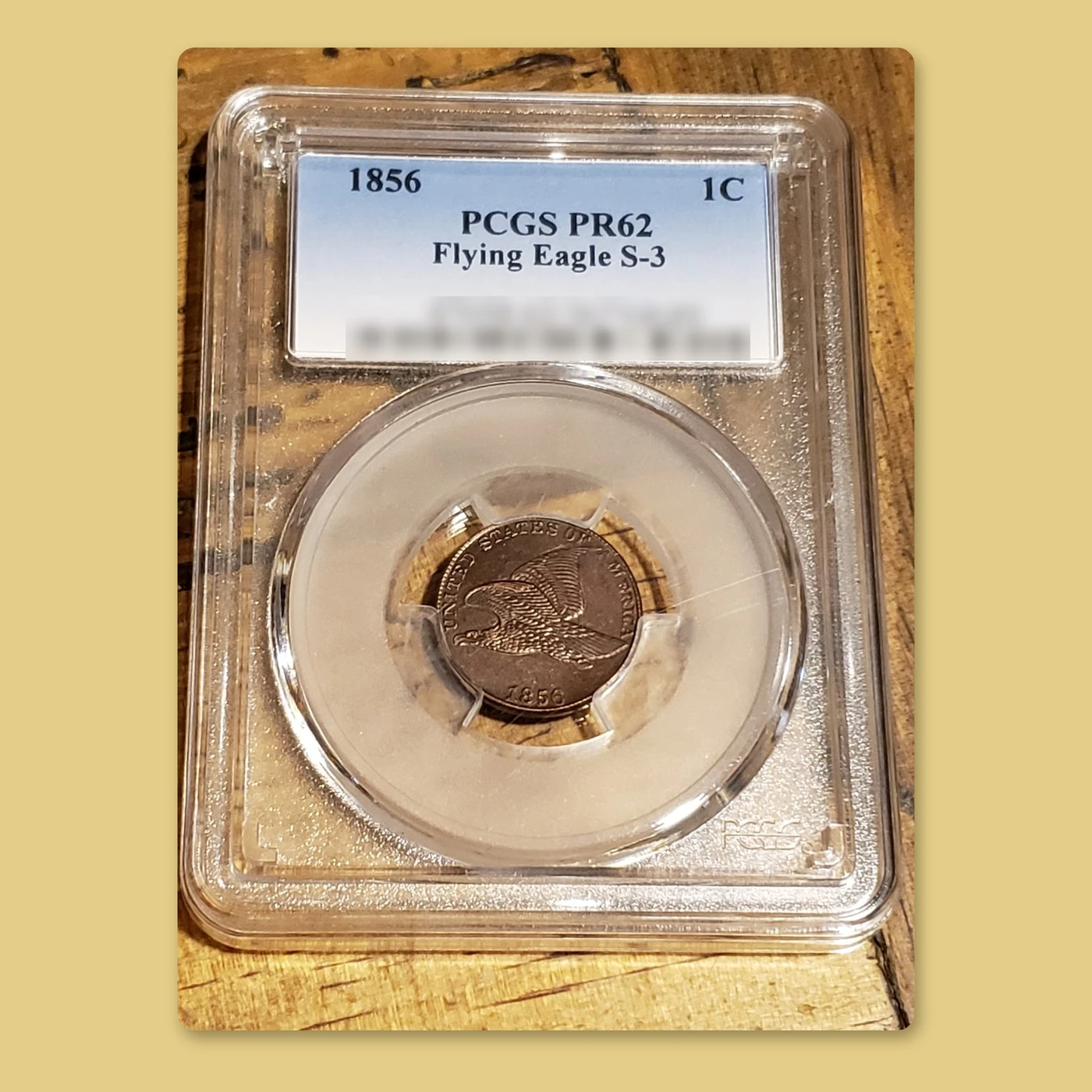
A grading holder (slab) is only as good as the company behind it, and counterfeit PCGS and NGC holders exist. Look up the certification number with PCGS Cert Verification or NGC Cert Lookup and make sure the coin, date, grade and photos match. Then check the holder itself: label printing, hologram, edges and the coin’s fit. Our fake certified coin case study walks through a fake PCGS slab we caught, and our fake coin pictures gallery shows dozens more counterfeits.
For more tests, see our guide to fake, counterfeit and altered coins.
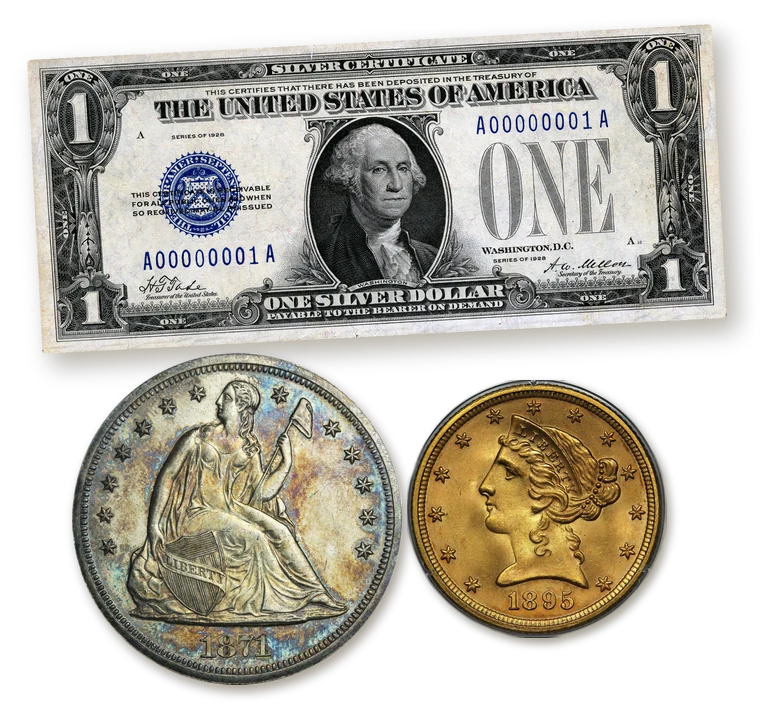
There are three easy ways to have our experts look at your coins, all free and with no obligation:
- Send photos. Take clear, sharp pictures of the front and back of each coin. Then text them to 720-600-4740, email them, or upload them with the form below. We All appraisal requests are reviewed in the order they are received. Some appraisals take minutes, while larger, more complex collections can take a few days. Either way, you’ll get a response from us.
- We visit you. For larger collections we offer home visits nationwide, so your coins never leave your sight.
- Insured mail-in. Ship your coins to us fully covered, with no deductible.
We authenticate U.S. and world rare coins, ancient coins, and all gold and silver bullion, including bars. If you decide to sell, we pay immediately by company check, wire or ACH. For coins that will do best at auction, our auction house partnerships give you access to preferential auction fees. You can also ask for a formal, IRS-compliant appraisal for estates, insurance or donations. Learn more about our free online coin appraisal and coin collection appraisals.
Related certified coin guides: Sell PCGS, NGC & ANACS coins • PCGS dealers near me • NGC dealer near me • Fake coin pictures • PCGS vs NGC vs ANACS • Rare coin grading
