Articles Tagged: Selling Rare Coins
This page serves as a comprehensive resource for individuals navigating the process of selling rare coins. It functions as a central hub for articles, guides, and services that empower collectors and inheritors to understand the market, determine value, and connect with a trustworthy buyer to get the best possible price.
By creating a broad, authoritative page for this foundational topic, American Rarities positions itself as a leading expert and a go-to resource for the entire selling community. This strategy attracts a wide audience of high-intent sellers, building the brand recognition and trust needed to be the first choice for any major numismatic transaction.
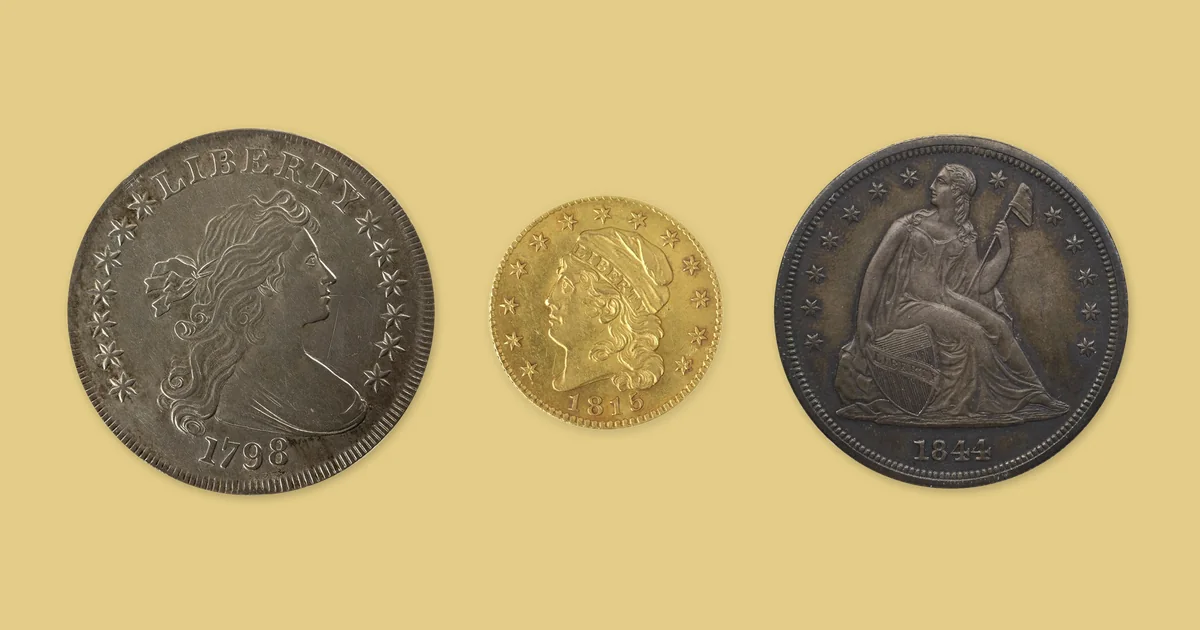
How to Sell Rare Coins, a guide from American Rarities. 1798 Draped Bust dollar: US Mint (coin), National Numismatic Collection, National Museum of American History (Smithsonian), photograph by Jaclyn Nash, public domain, via Wikimedia Commons. 1815 Capped Head half eagle: National Numismatic Collection, National Museum of American History (Smithsonian), Smithsonian Open Access, CC0. 1844 Seated Liberty dollar: Bibliothèque nationale de France / Gallica, public domain, via Wikimedia Commons. Cut out and shown at true relative size by American Rarities.
How to sell rare coins for a fair price: learn what makes a coin rare and valuable, what buyers look for, when grading by PCGS, NGC or ANACS makes sense, how dealers, auctions and online sales compare and what to expect when you sell.
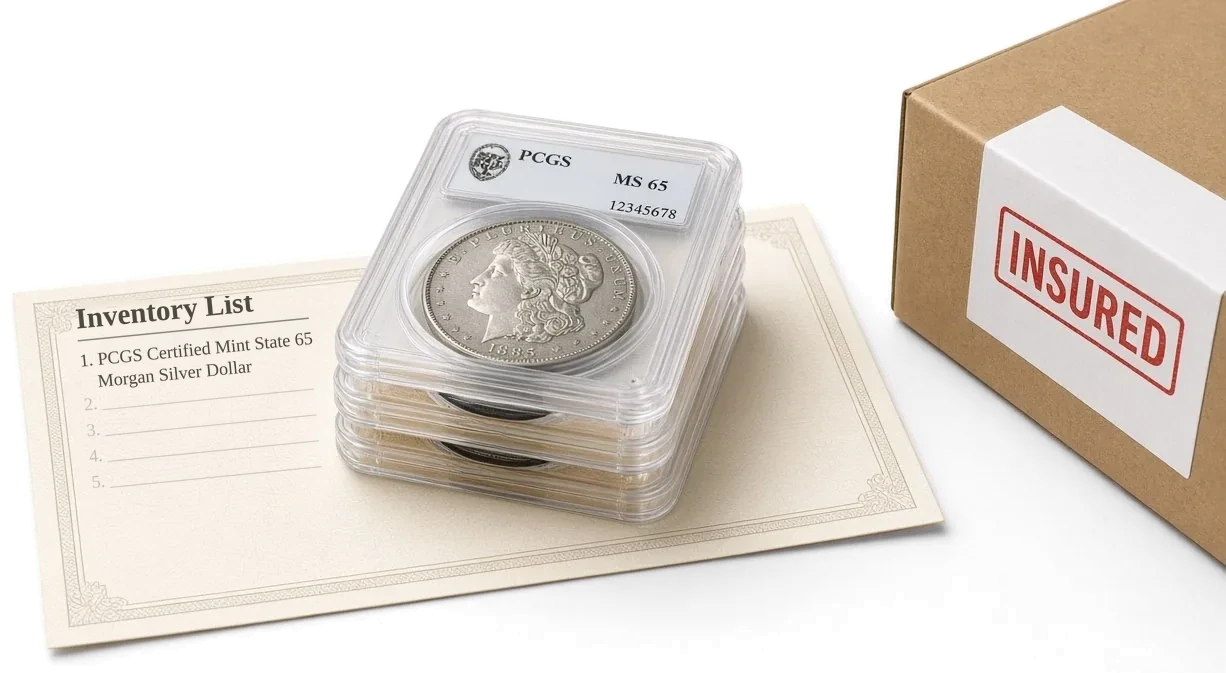
© American Rarities. A documented, insured way to sell a certified coin collection.
The most common mistakes people make when selling rare coins, from cleaning coins to accepting the first offer, and how to avoid them.
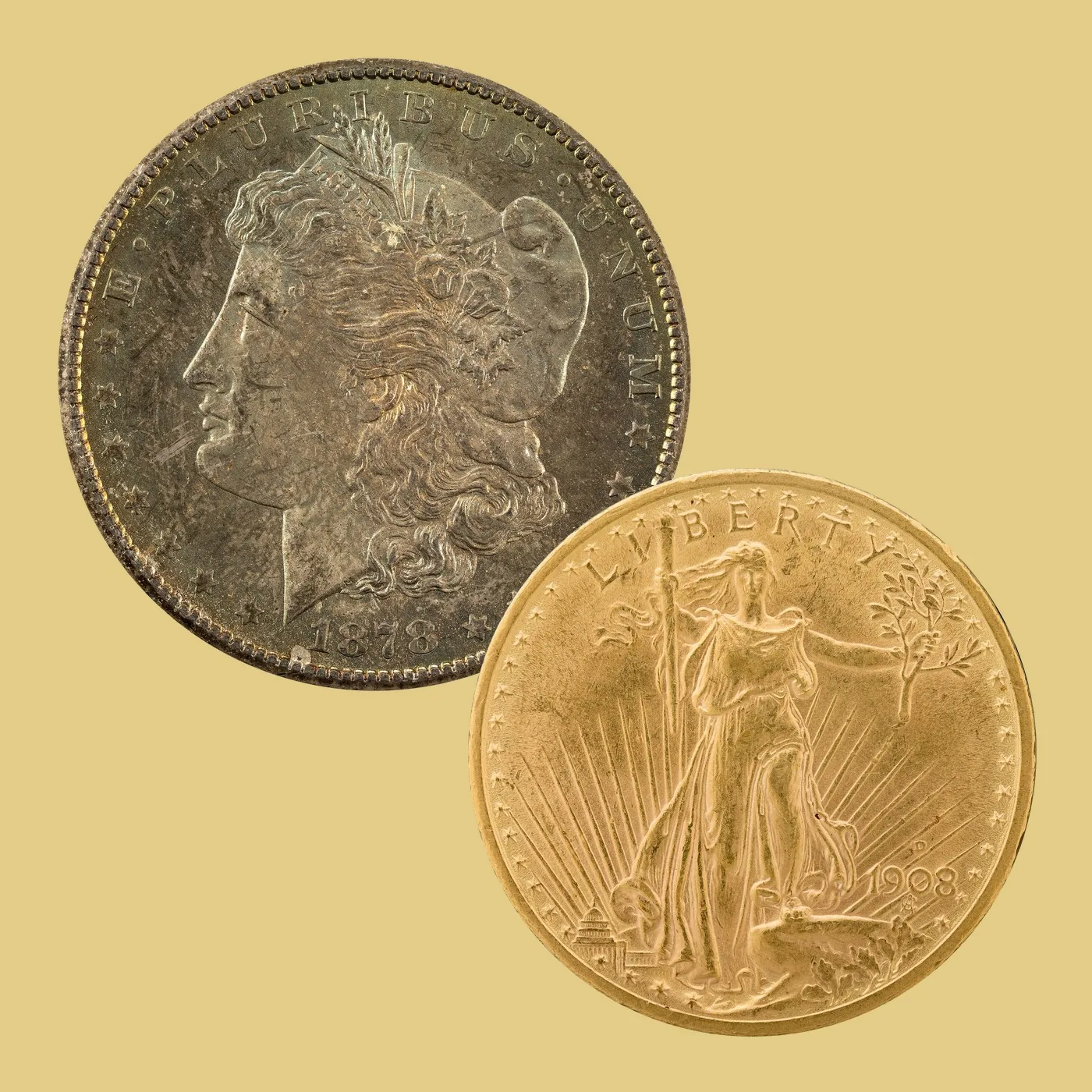
An 1878-CC Morgan silver dollar and a 1908-D Saint-Gaudens $20 gold double eagle.
How we helped a Nevada seller understand the true value of their rare coins, and why price and value are not always the same.