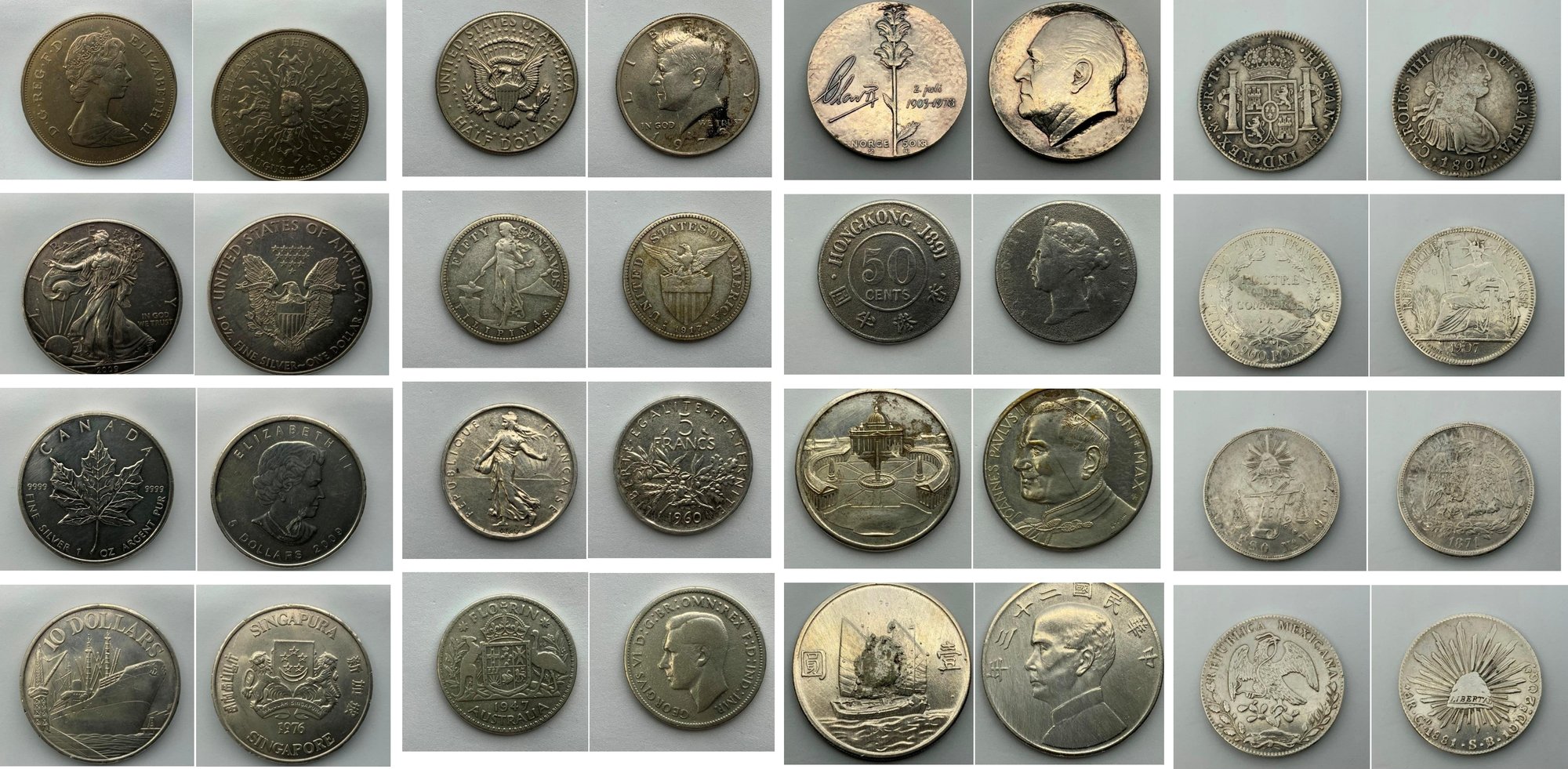
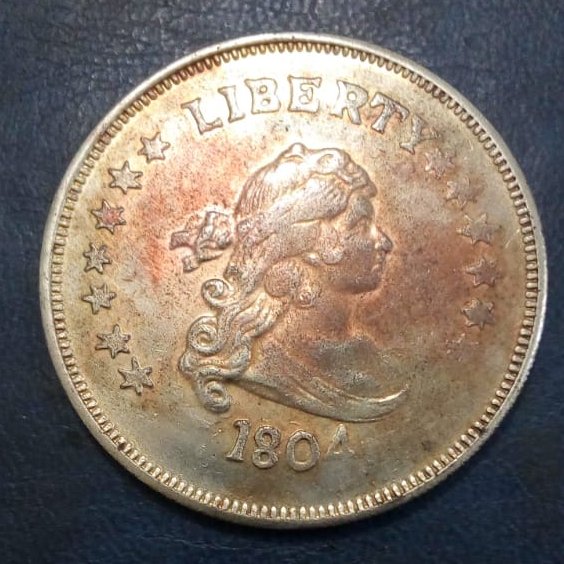
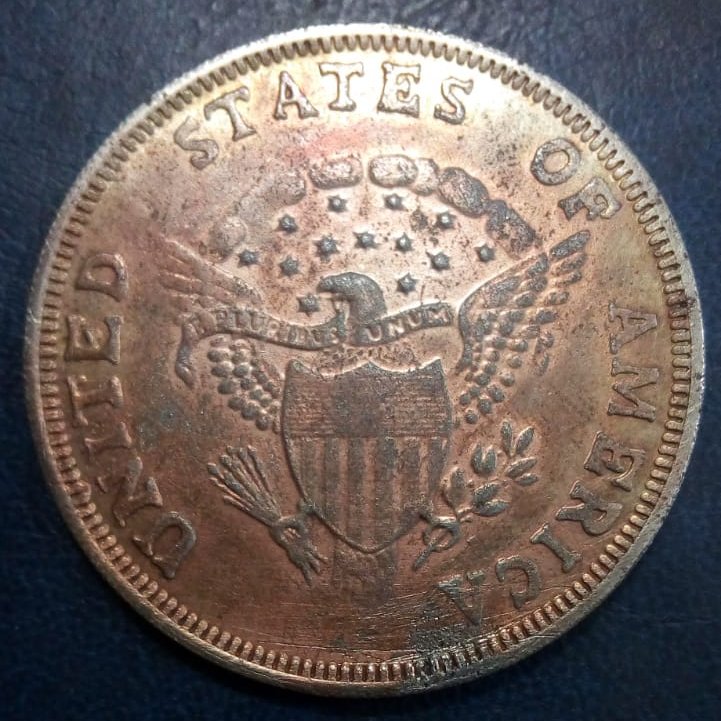
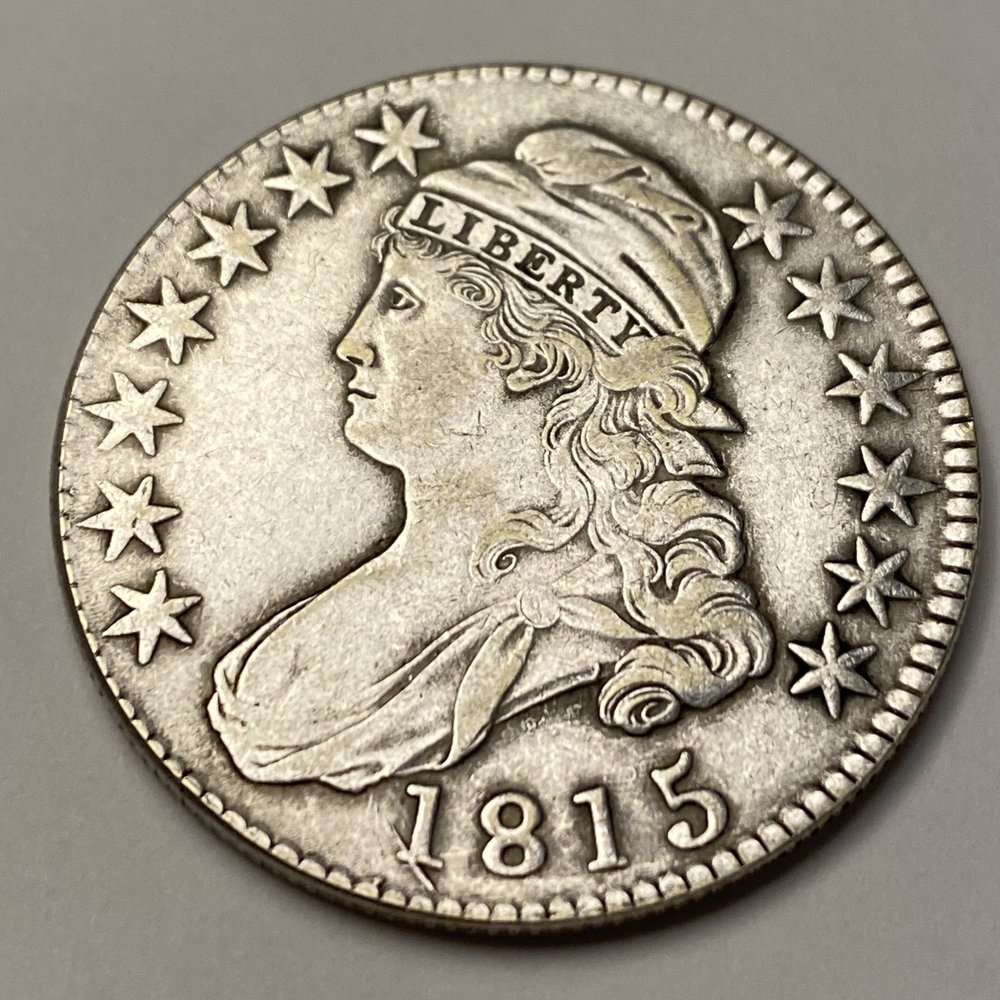
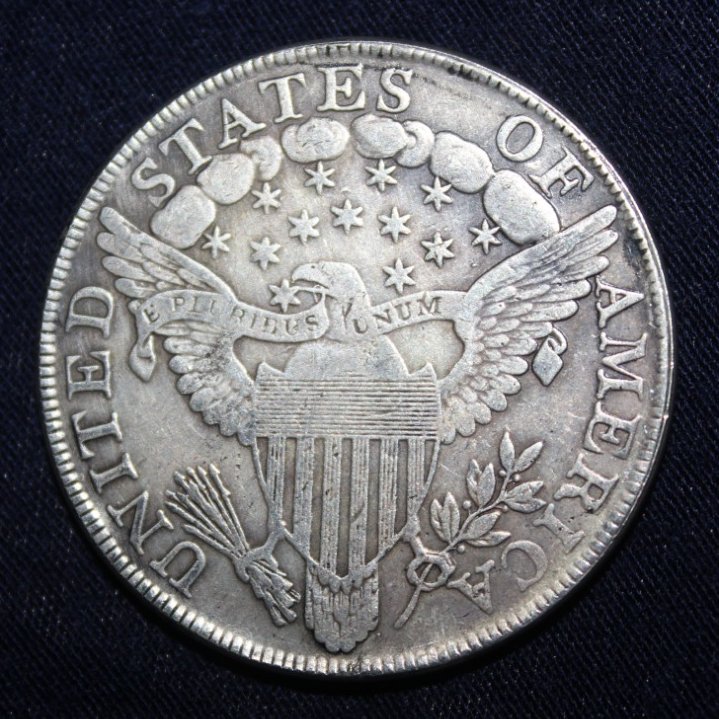
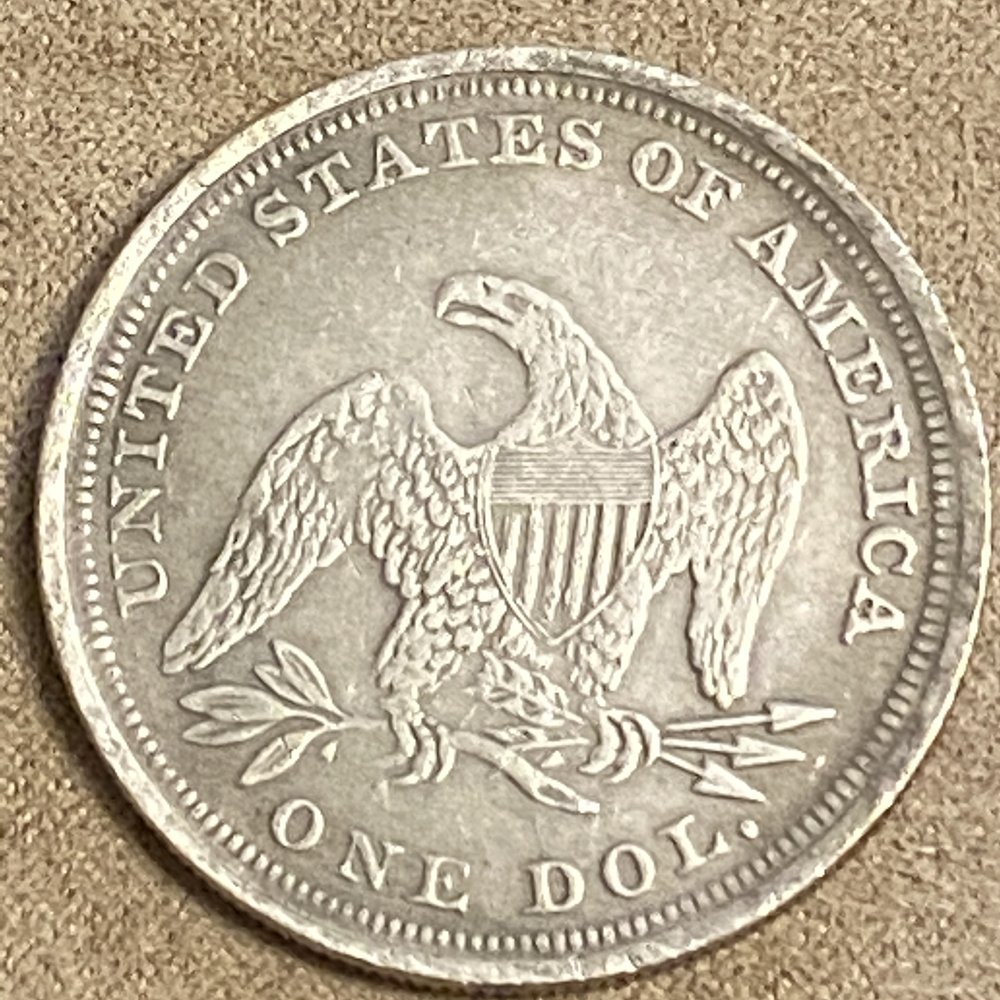
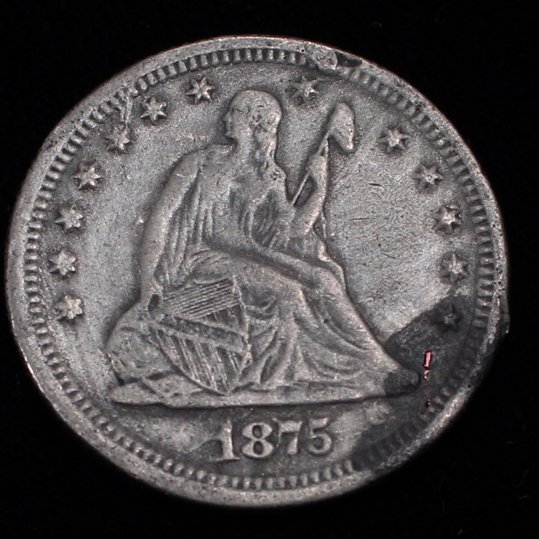
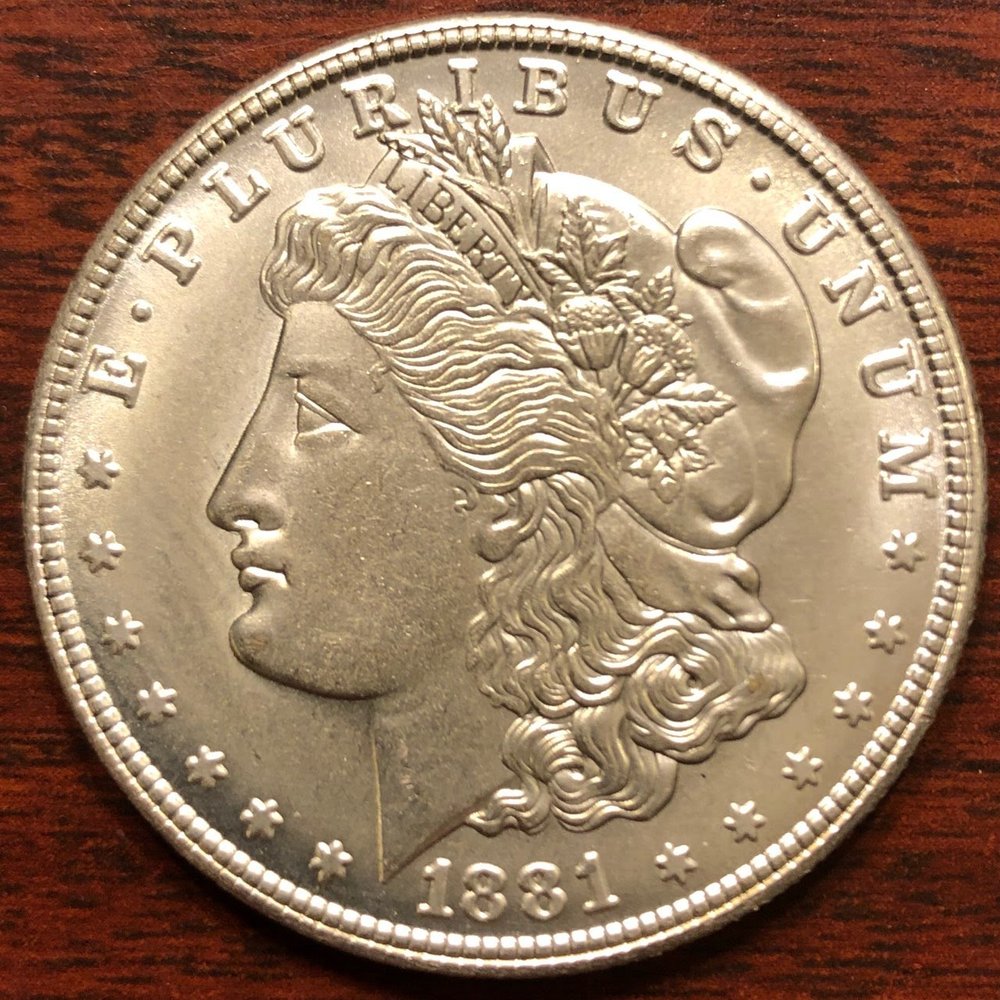
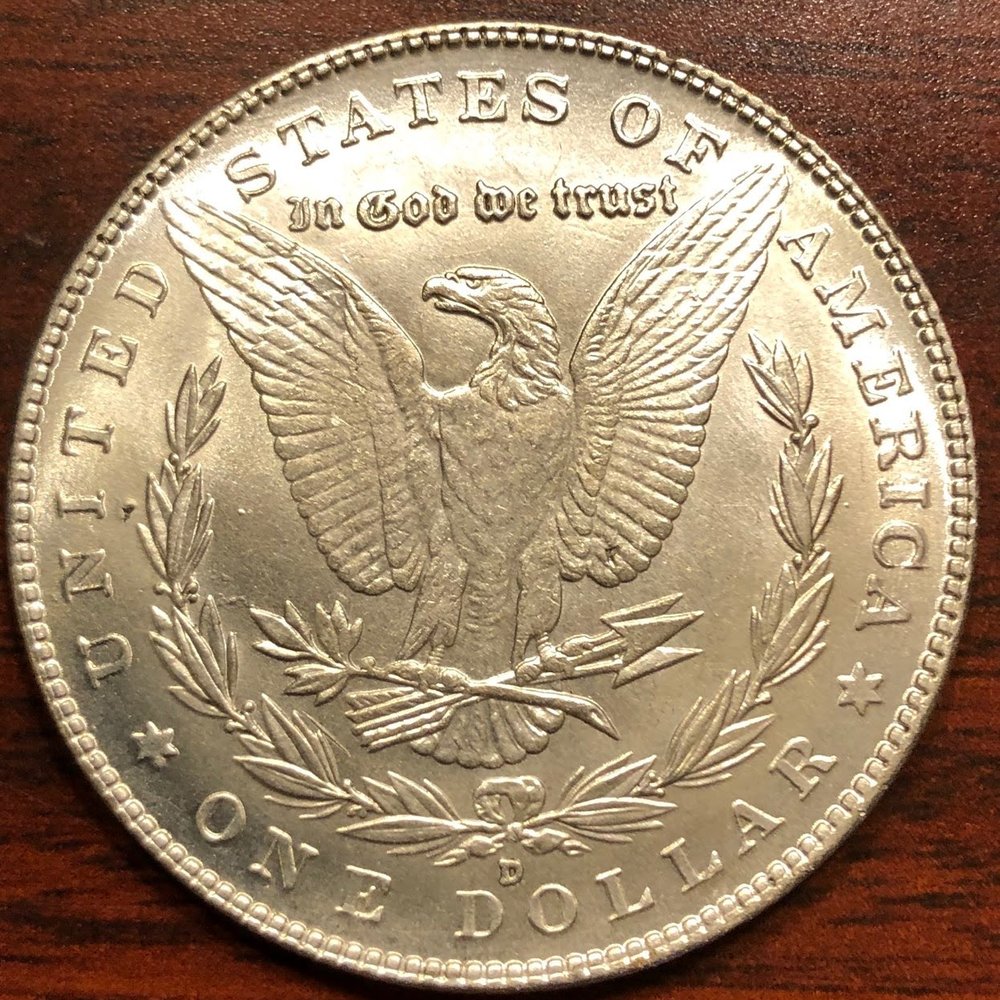
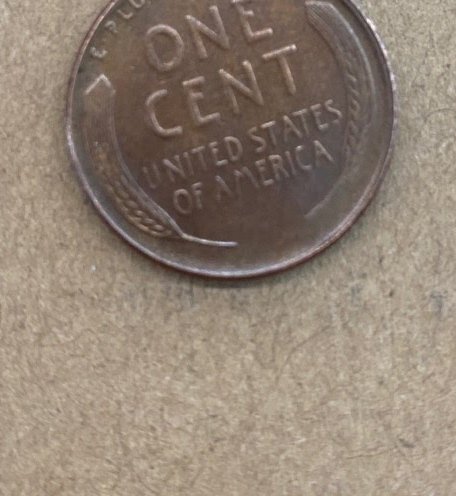
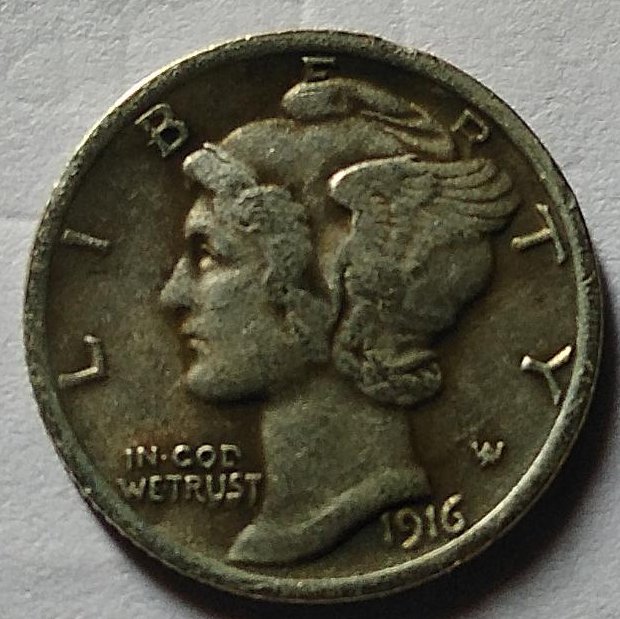
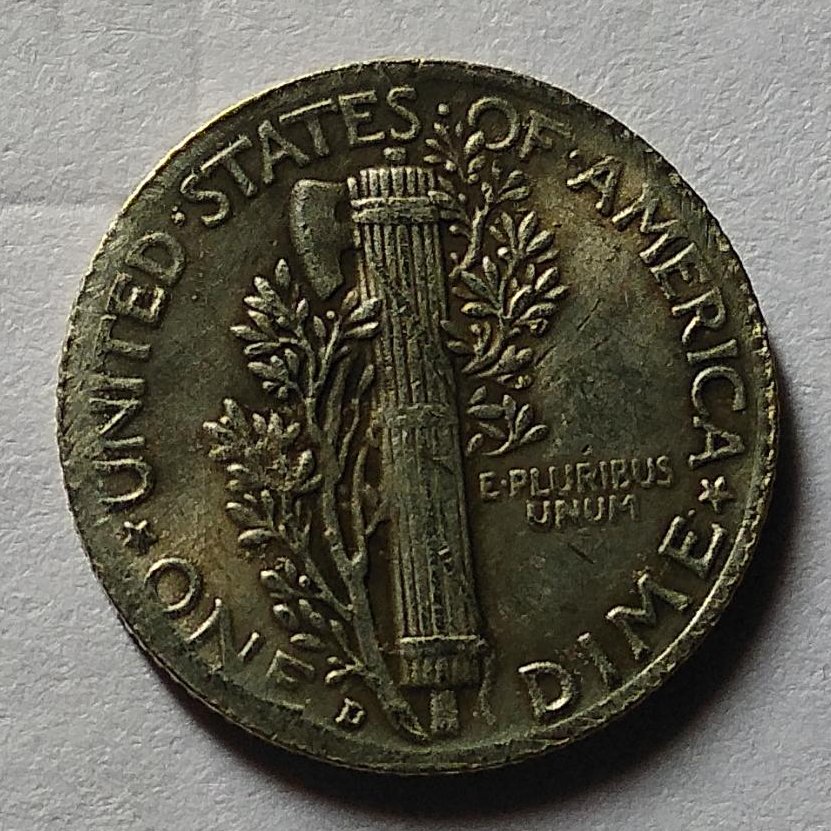
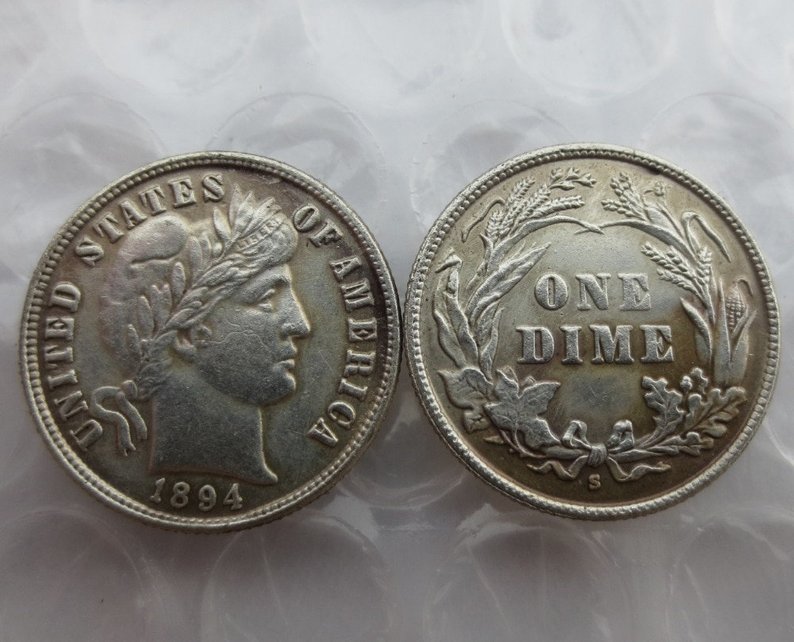
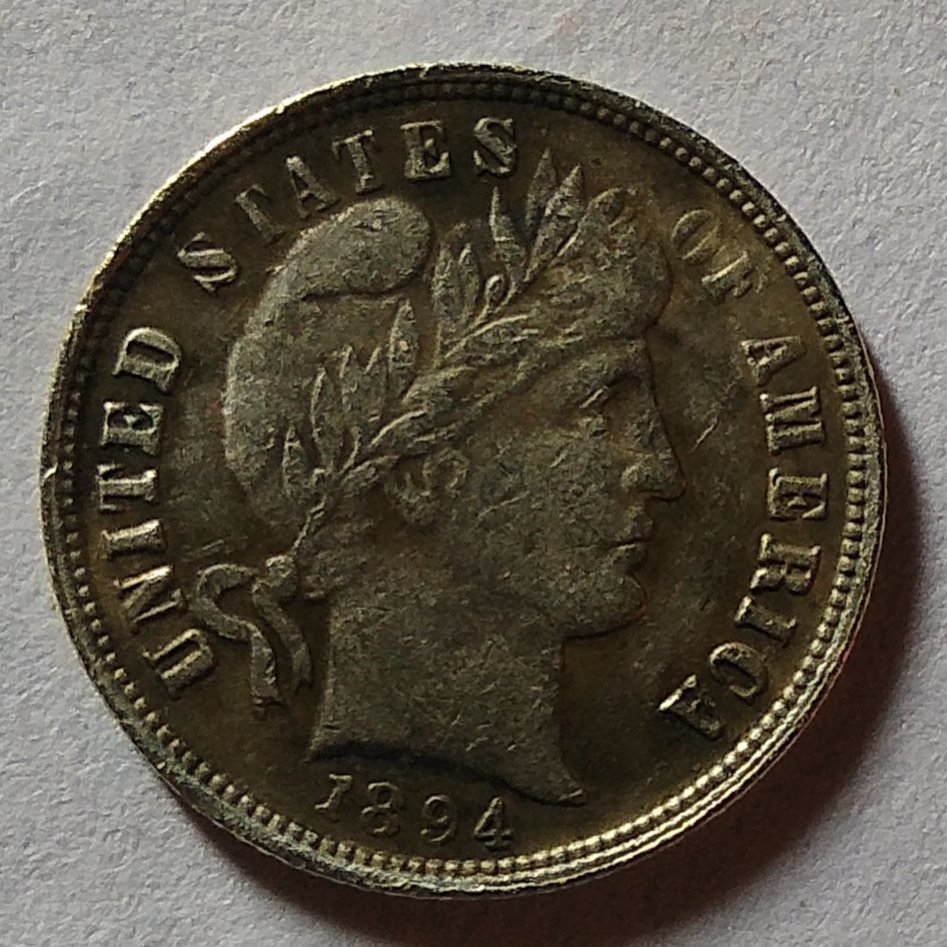
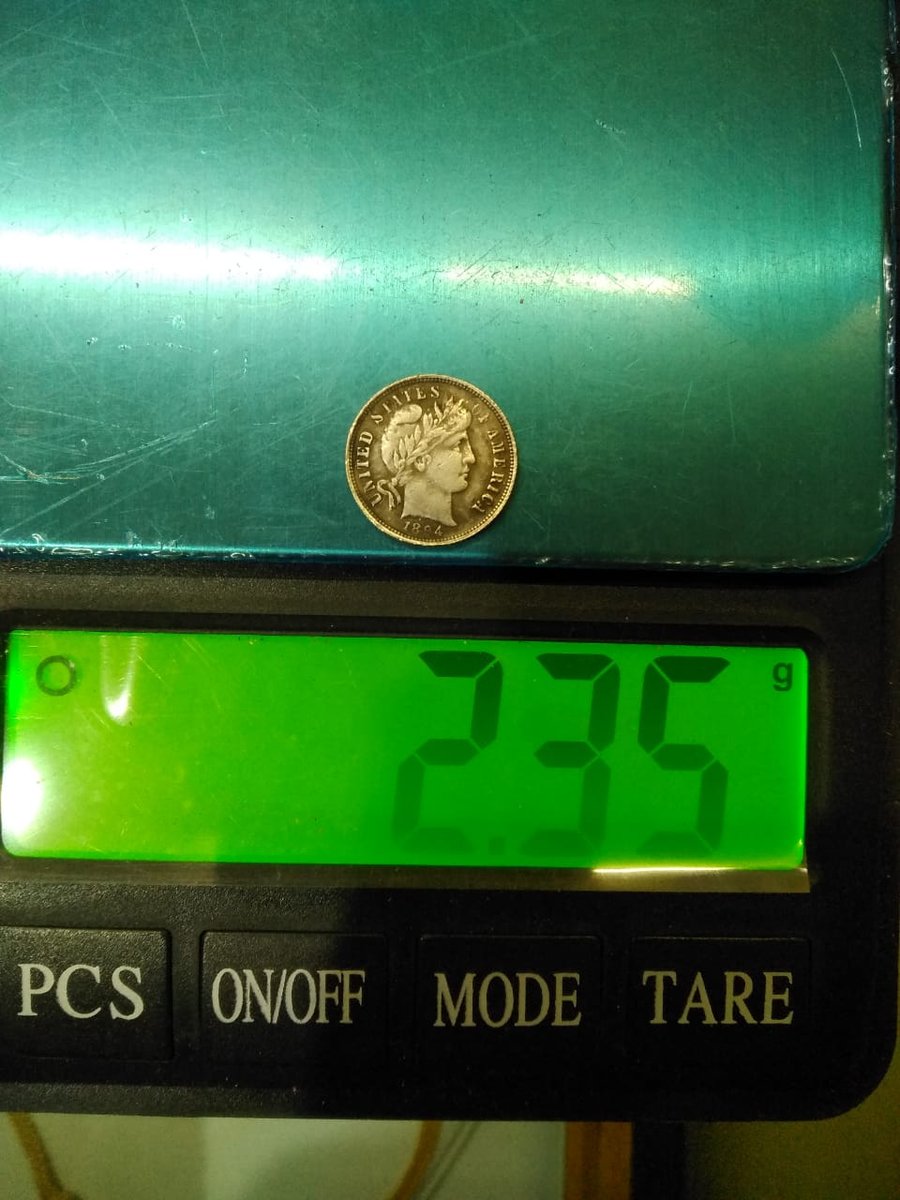
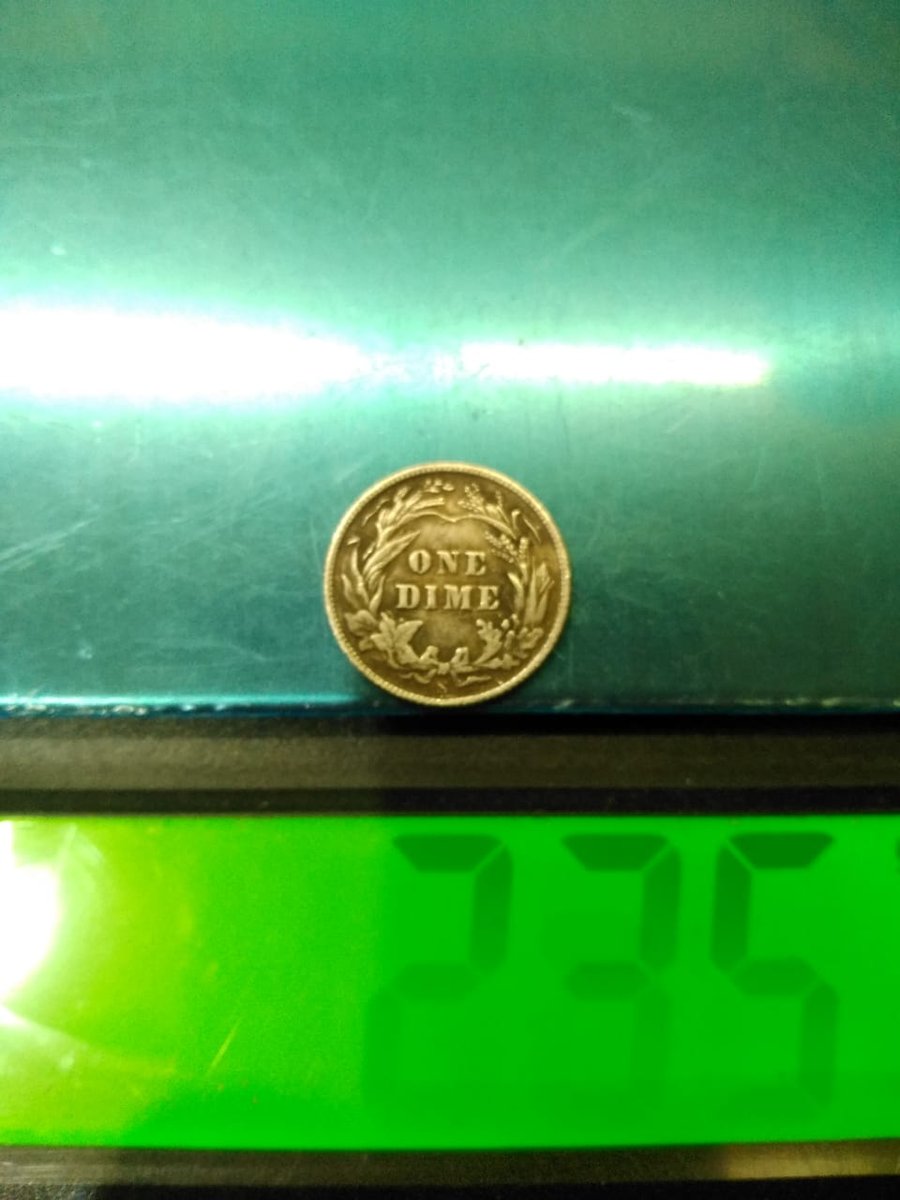
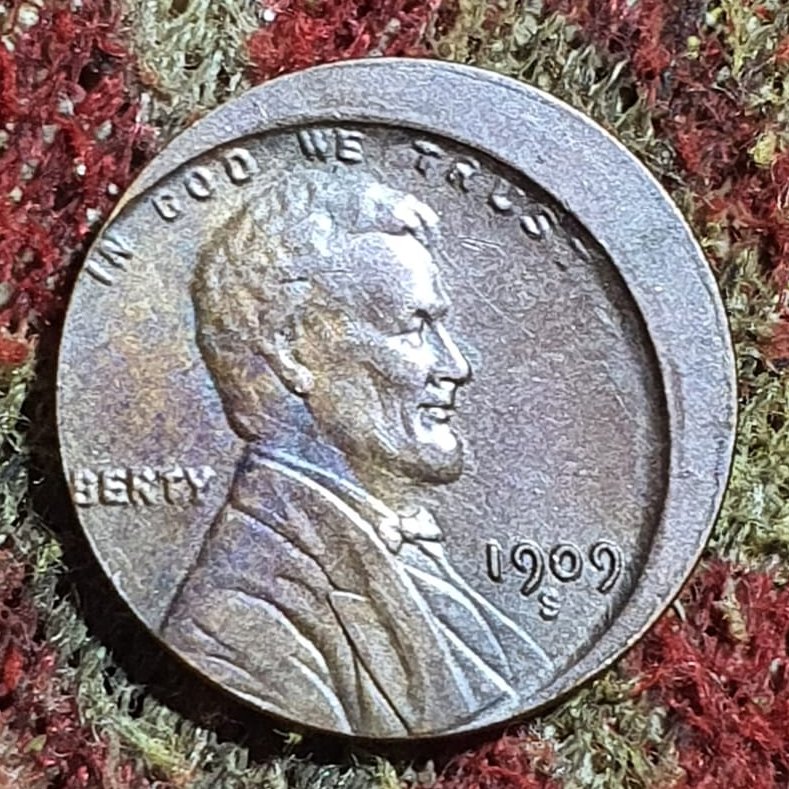
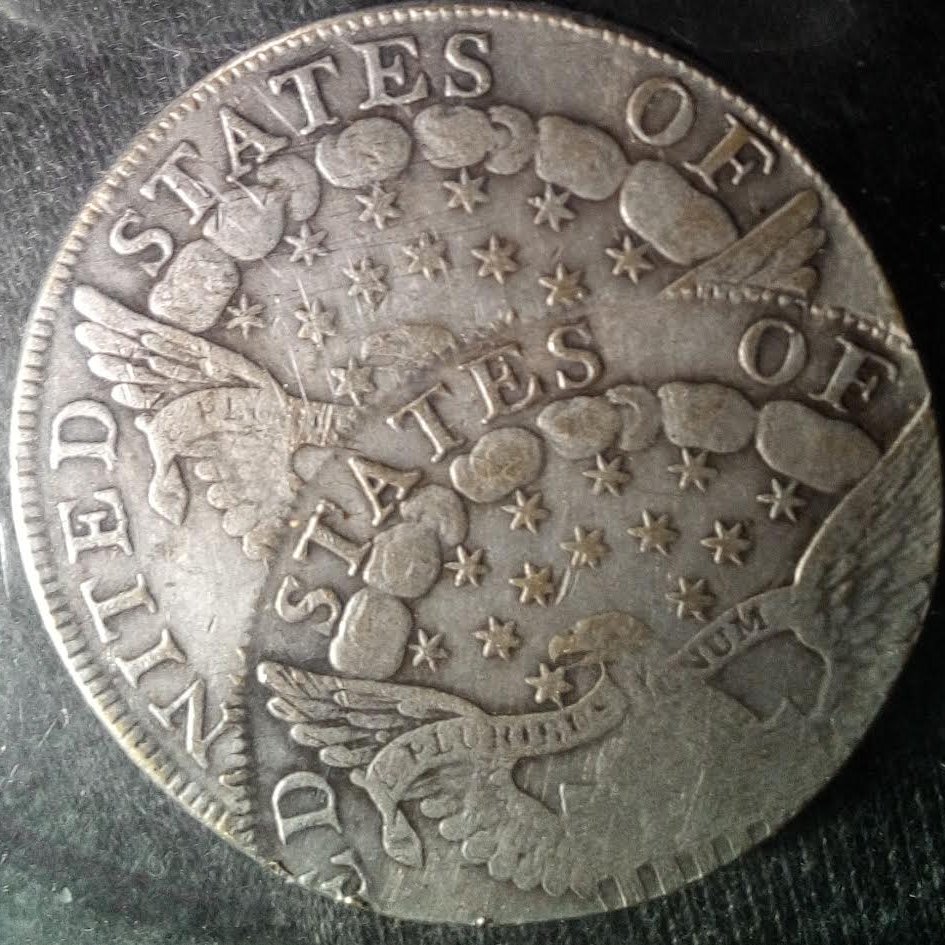
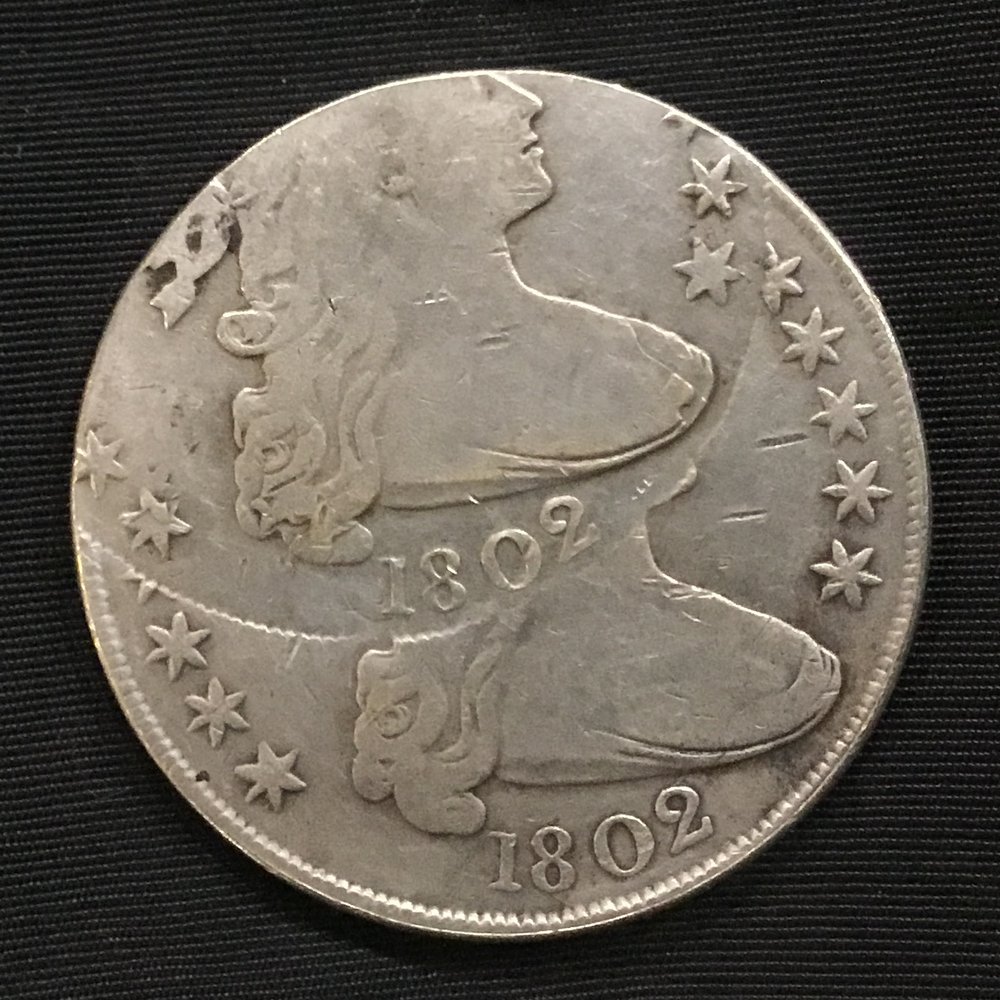
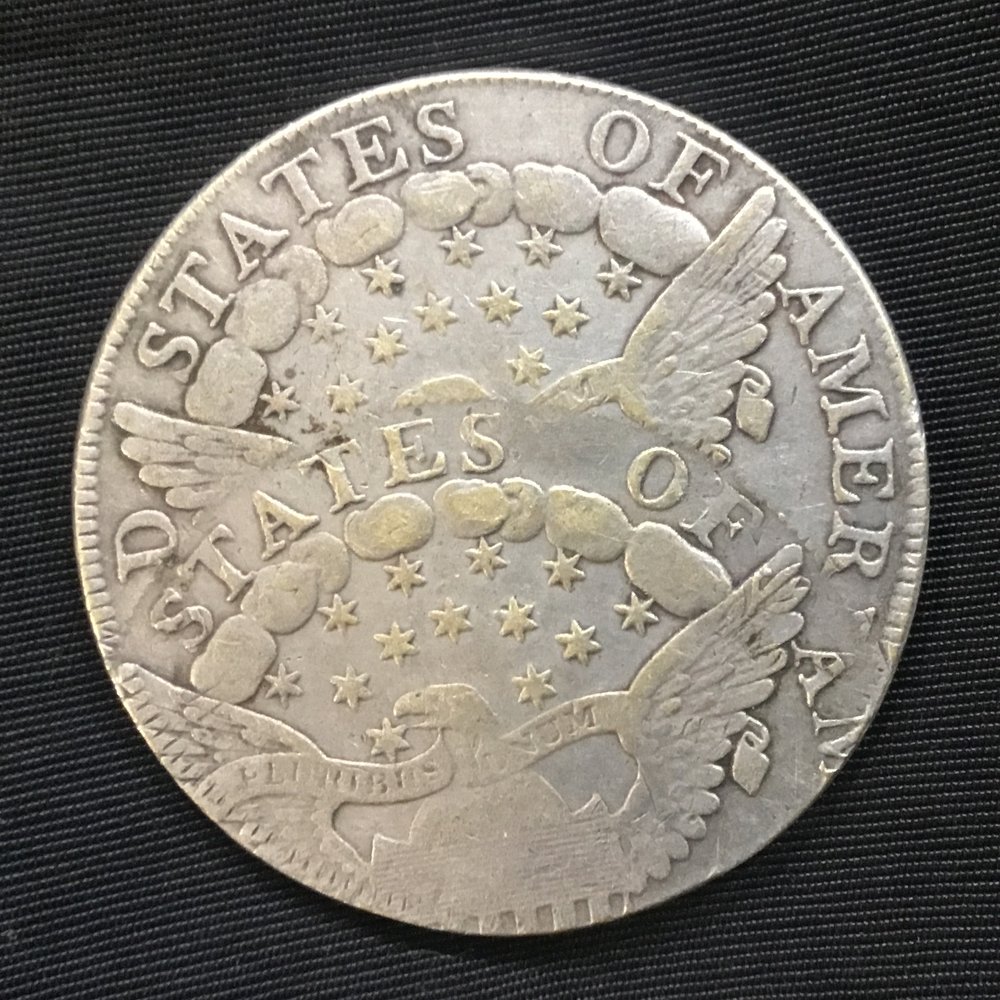
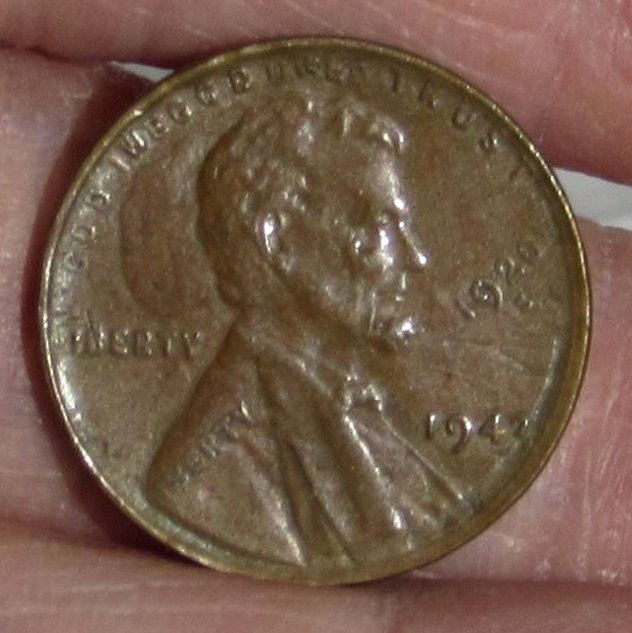
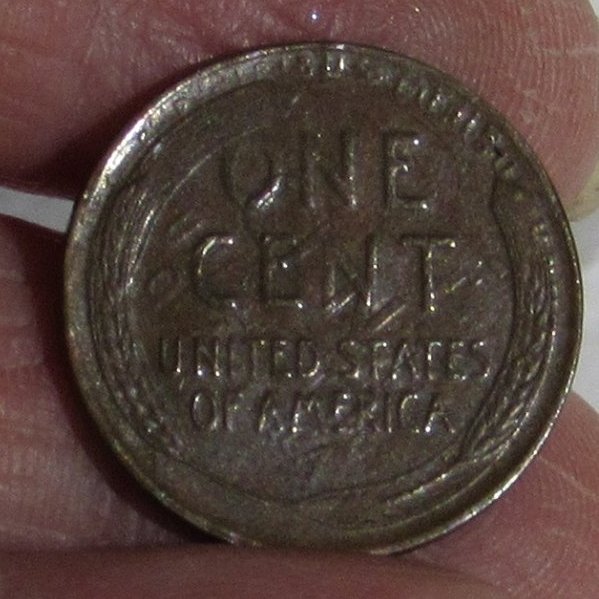
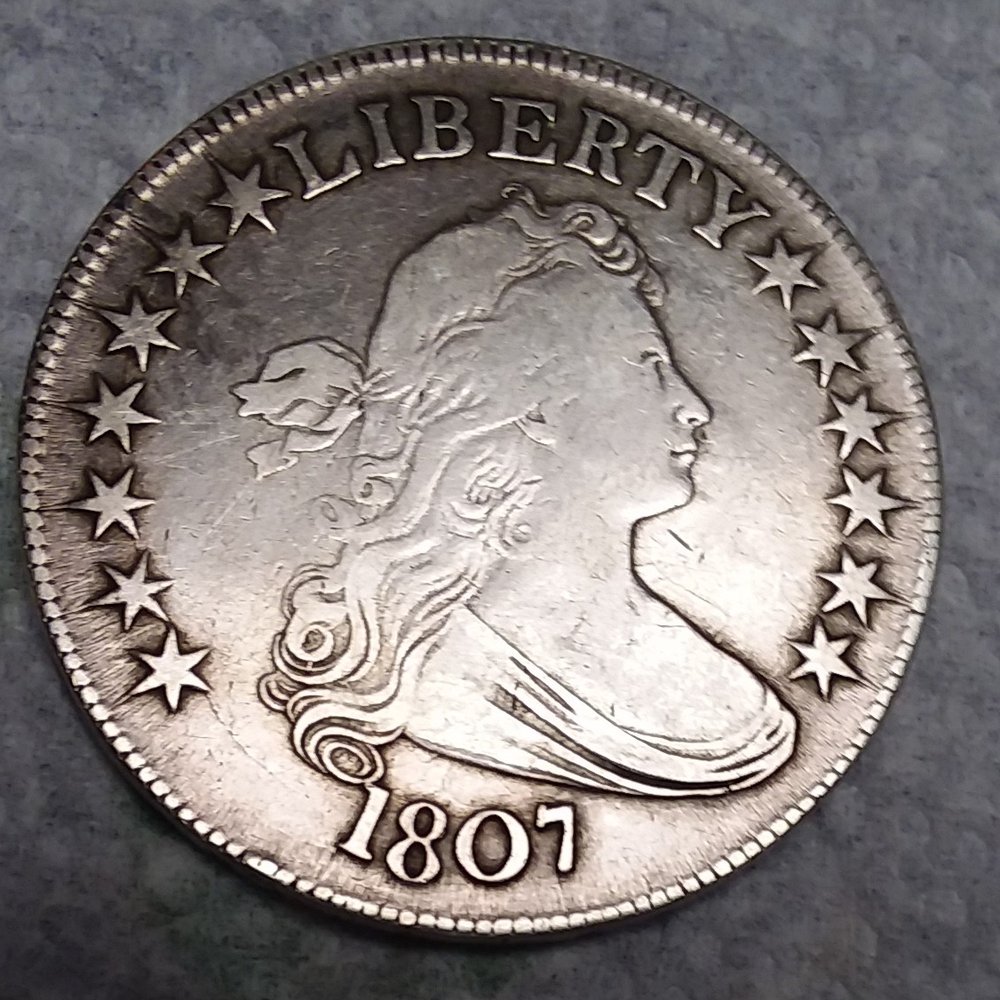
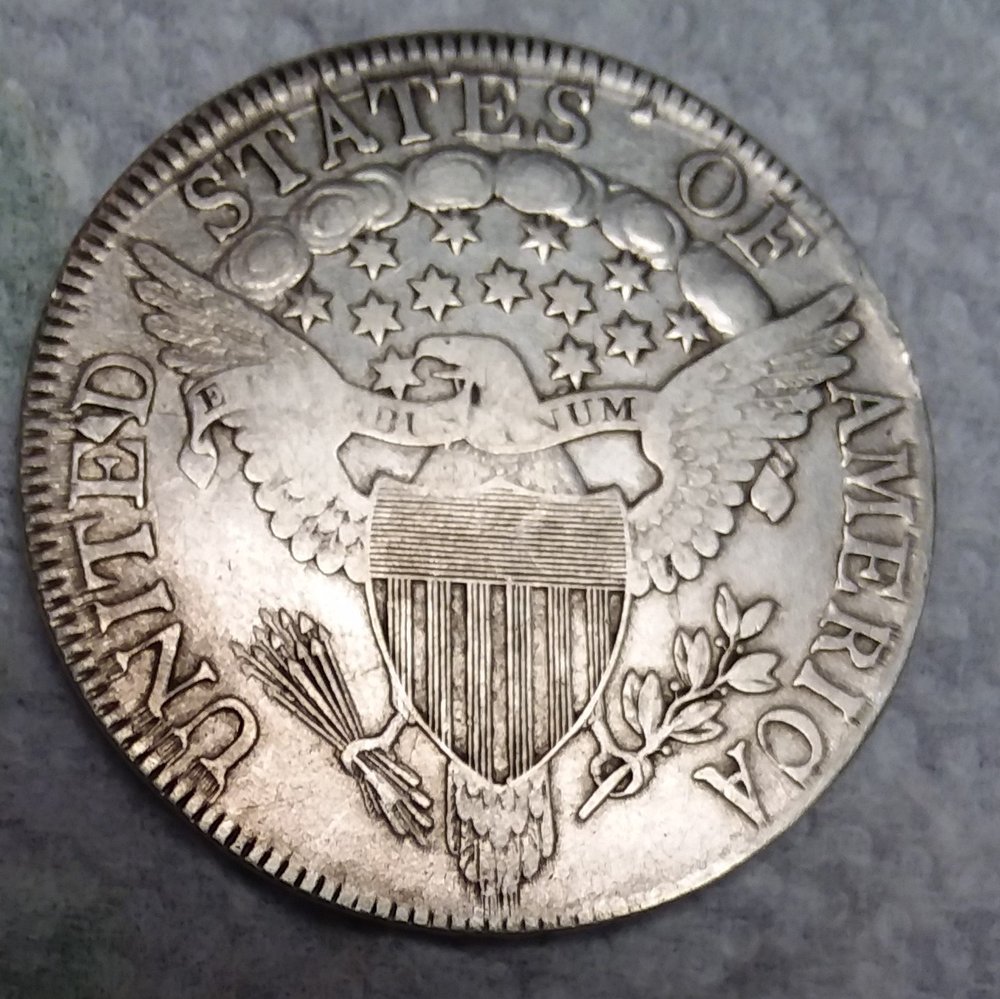
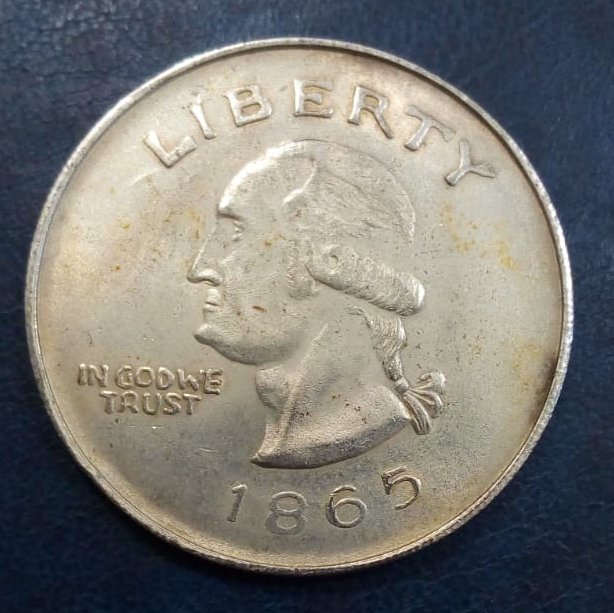
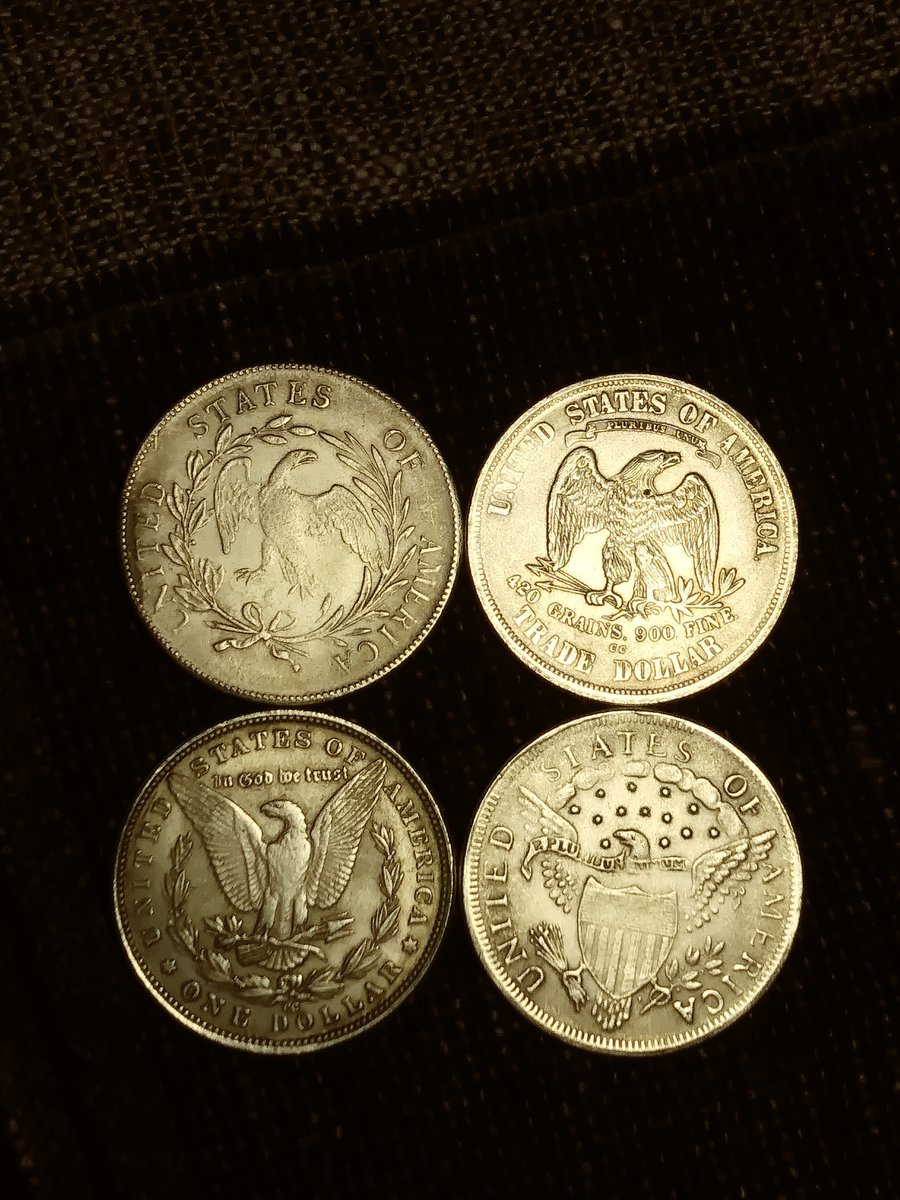
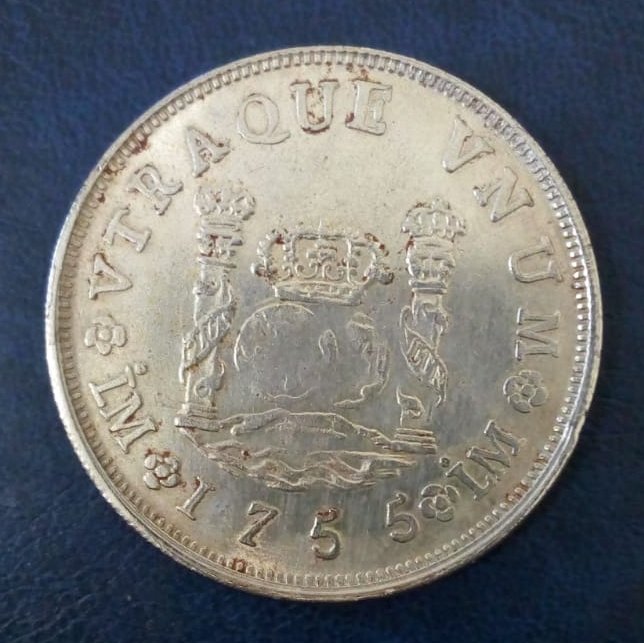
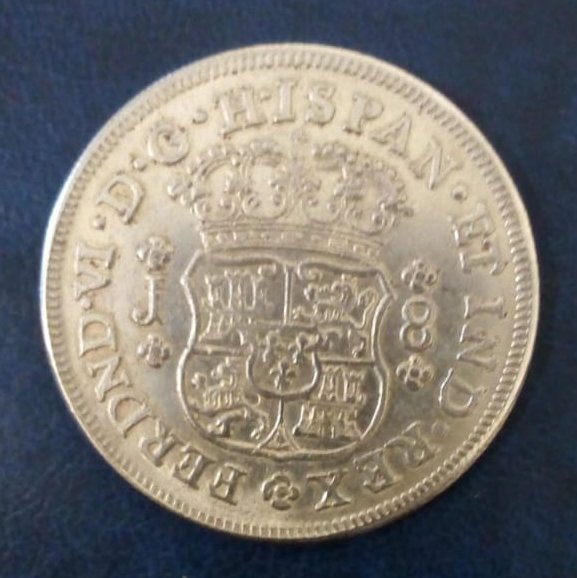
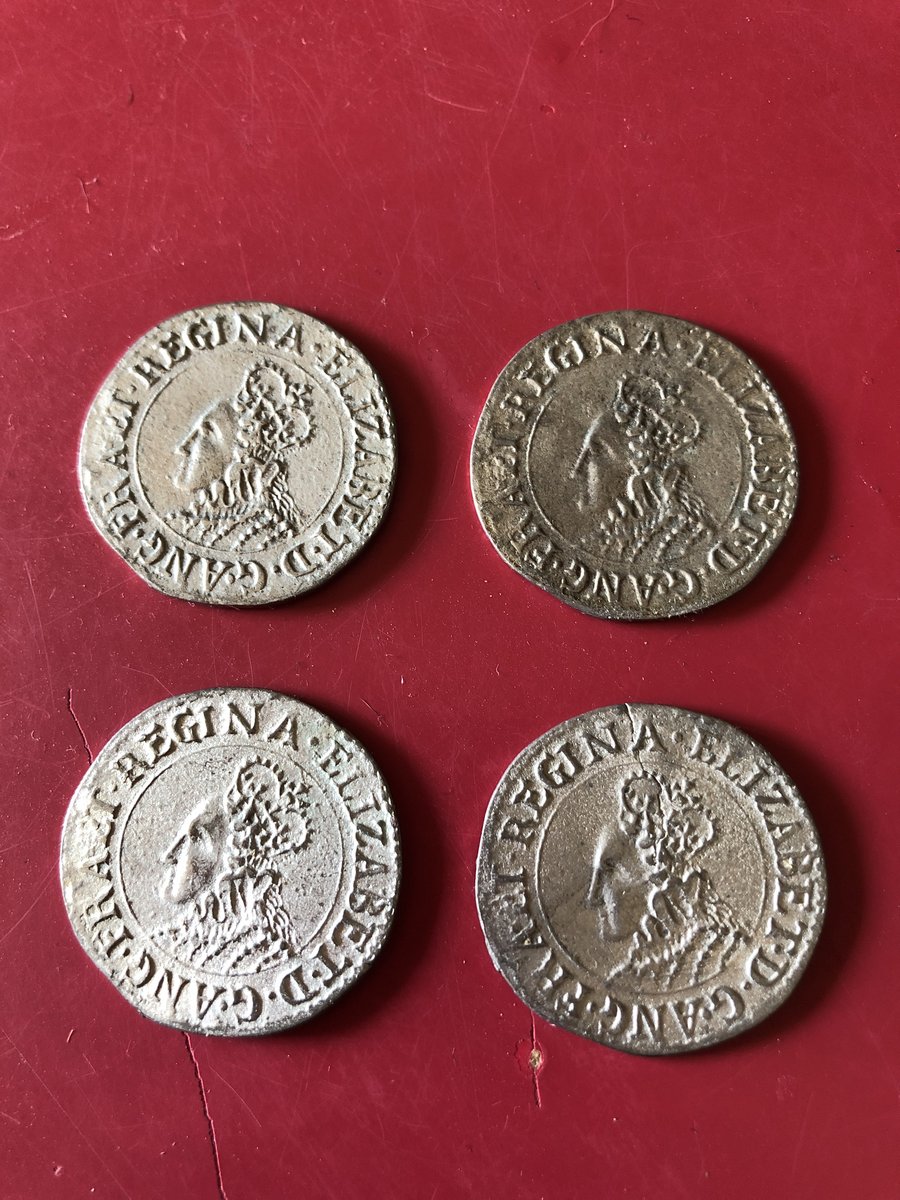
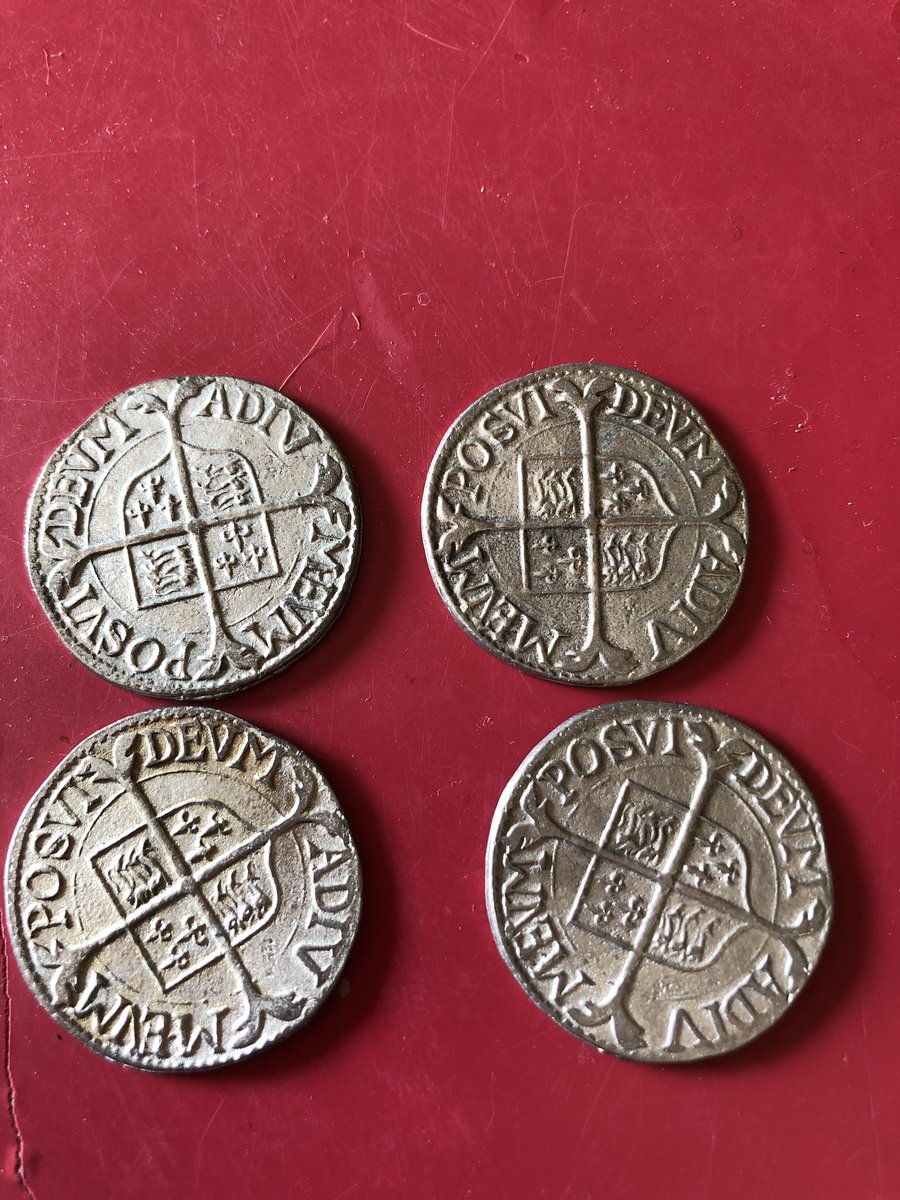
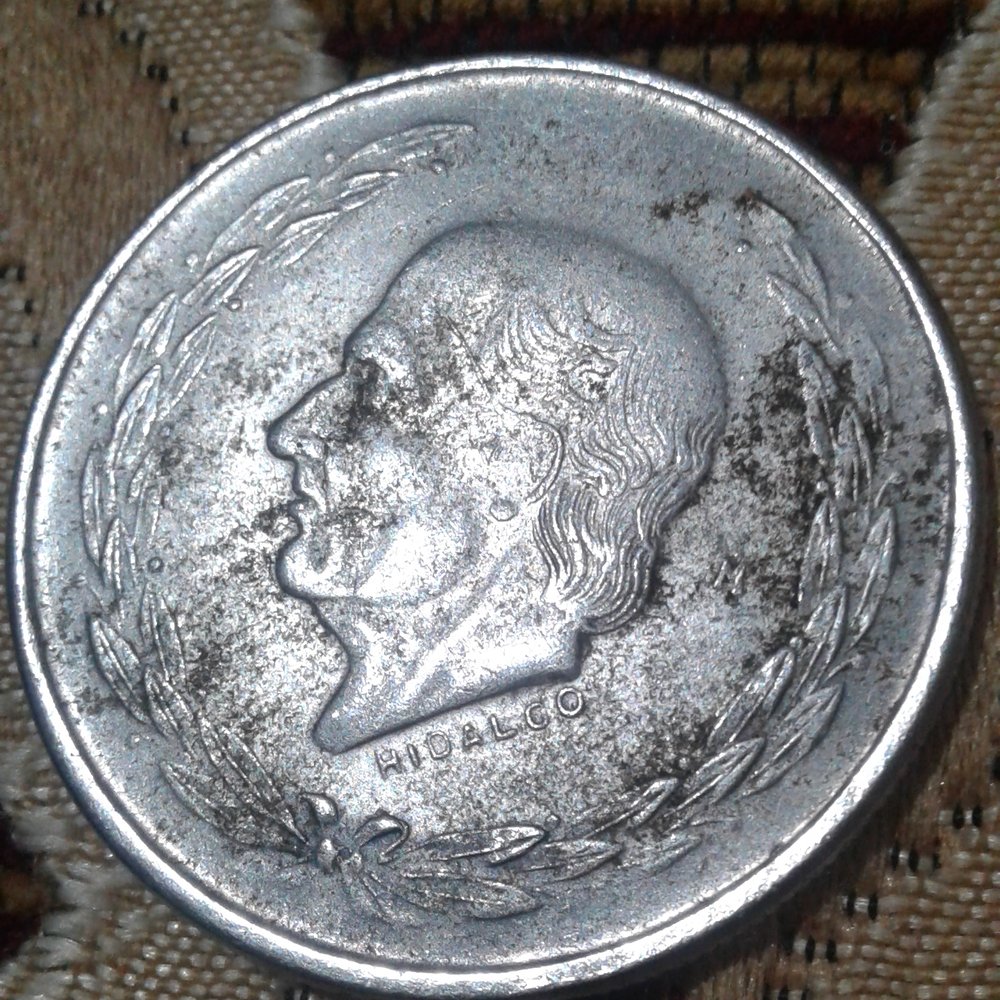
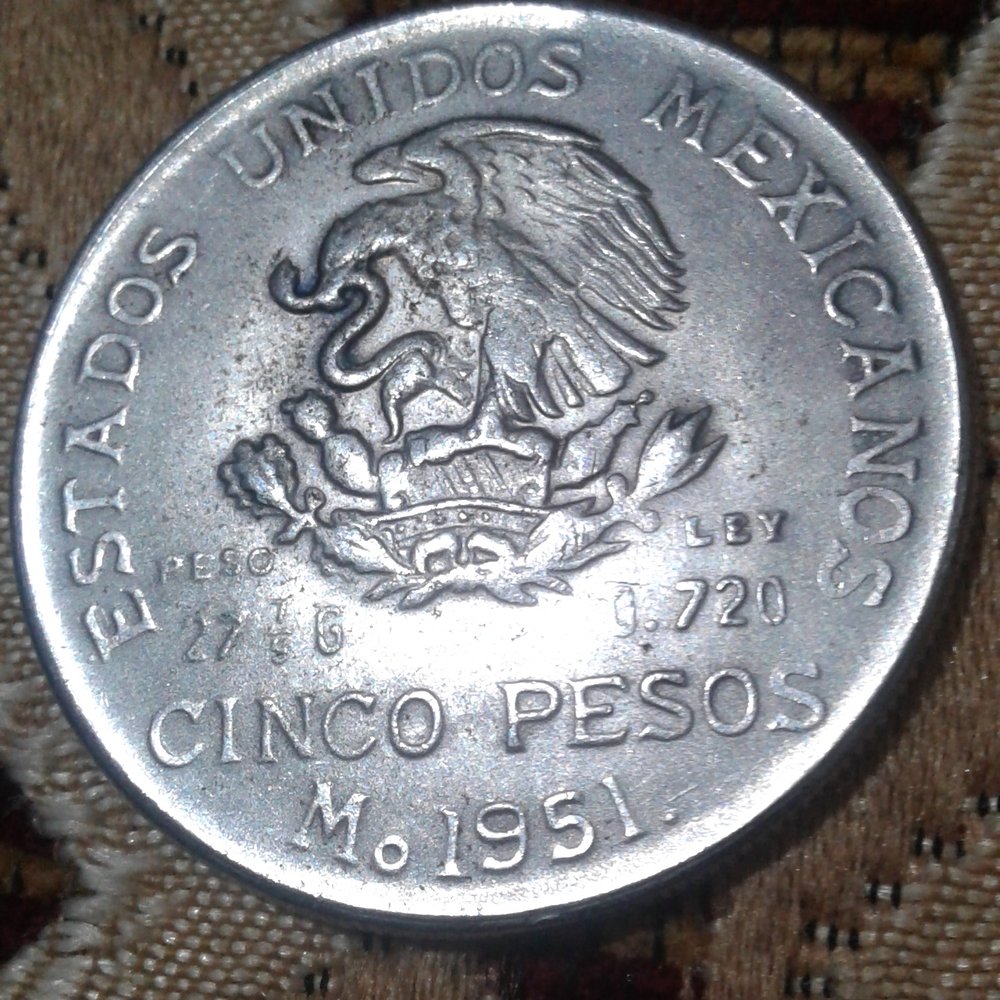
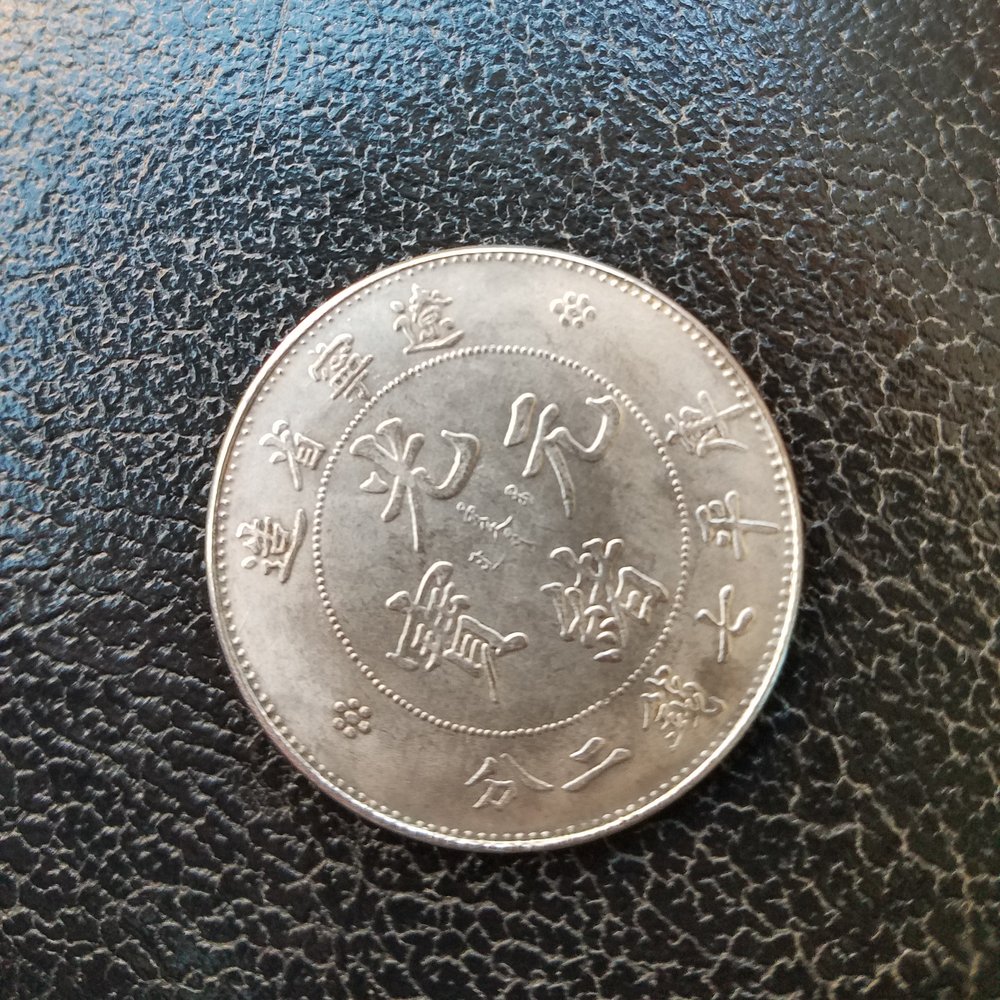
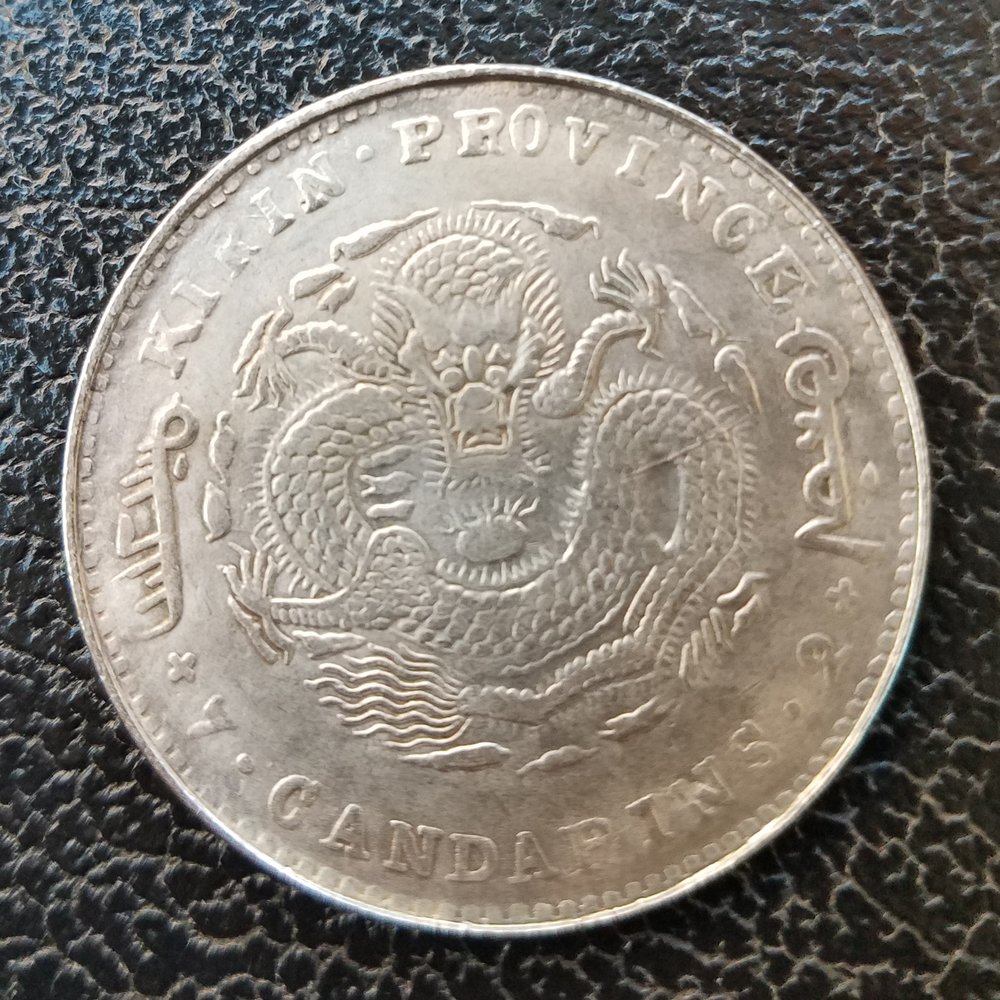
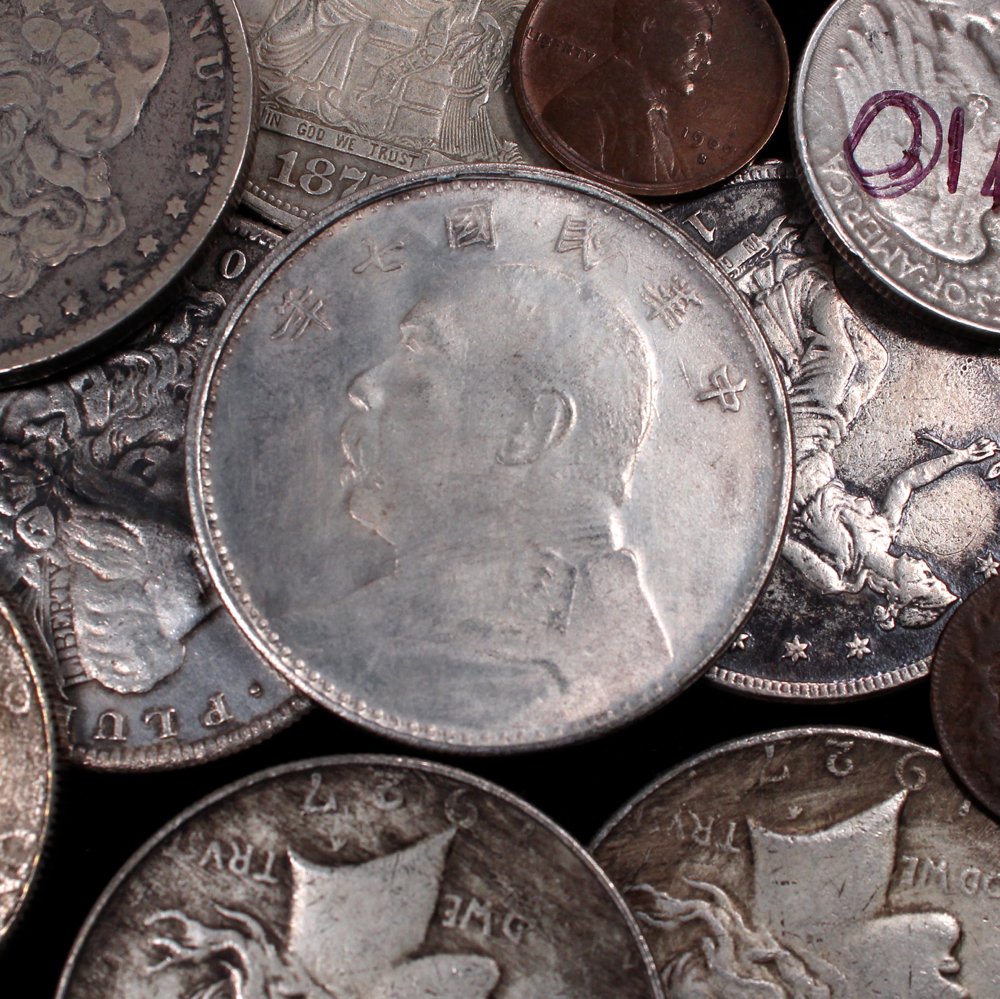
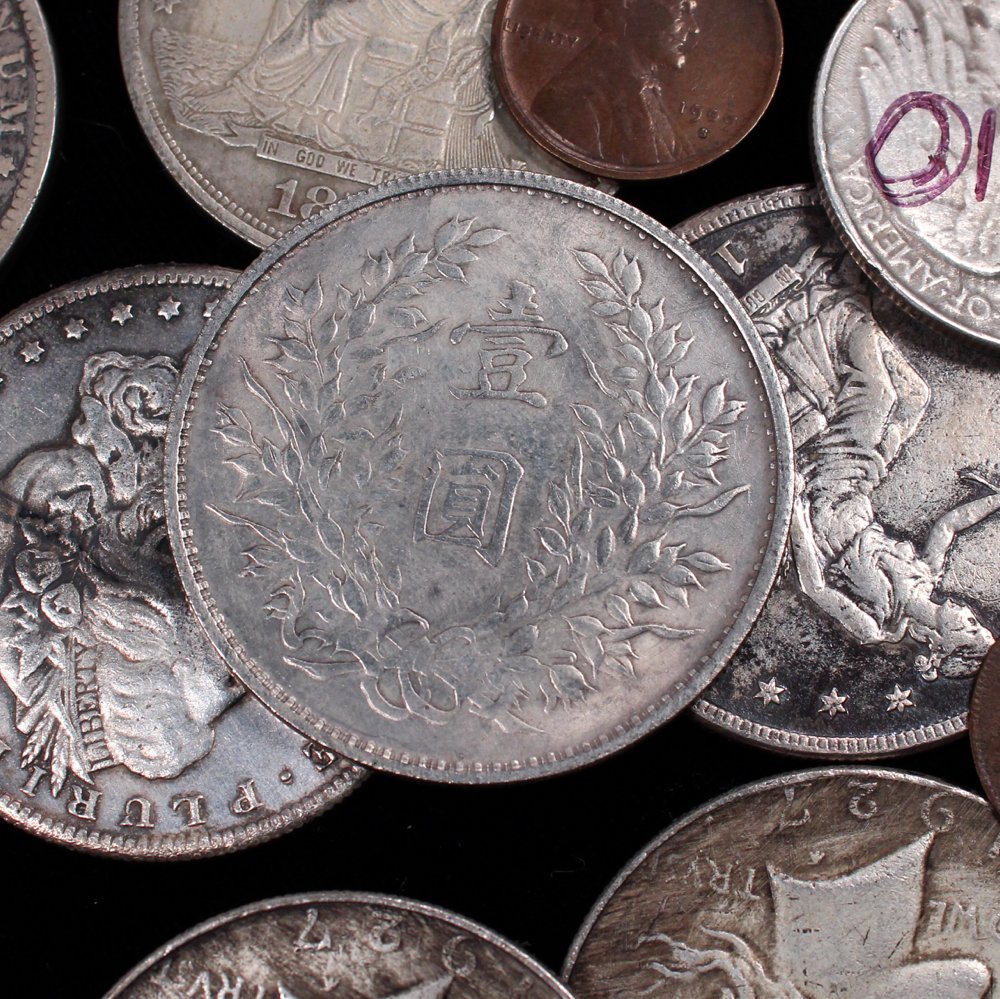
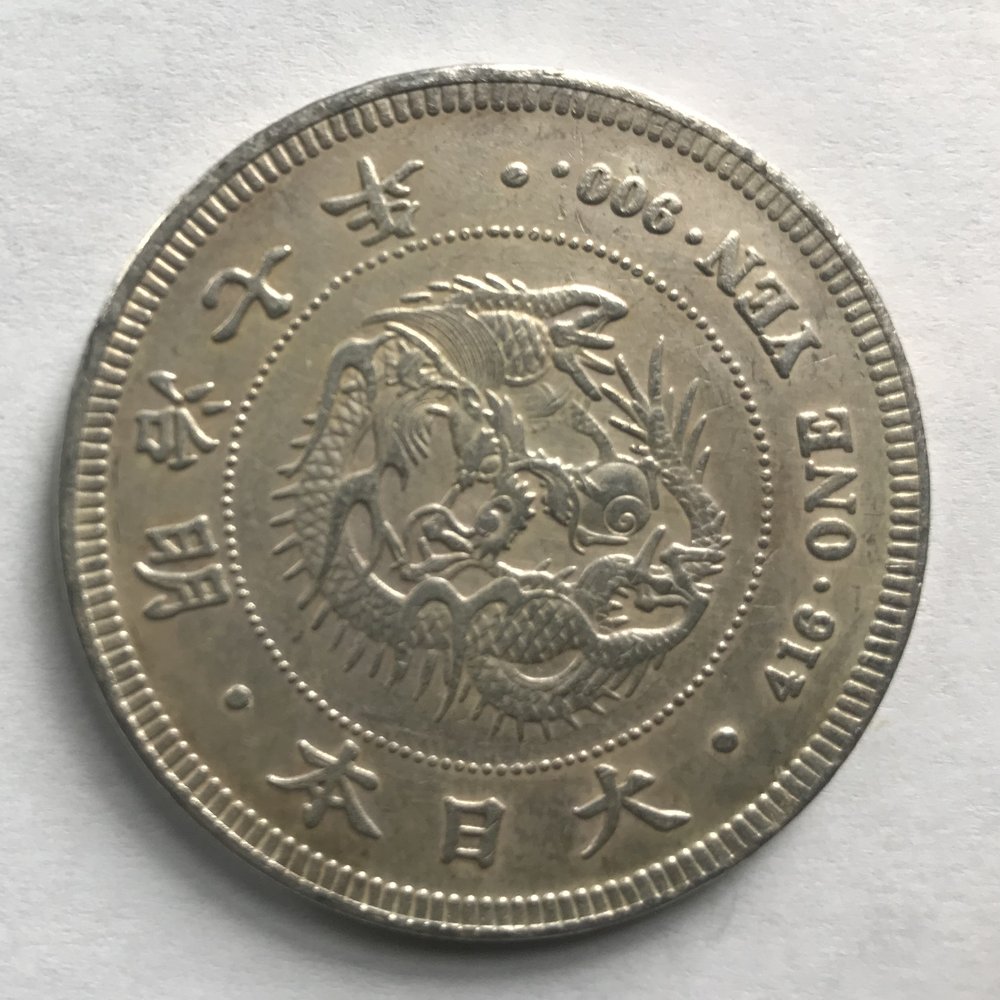
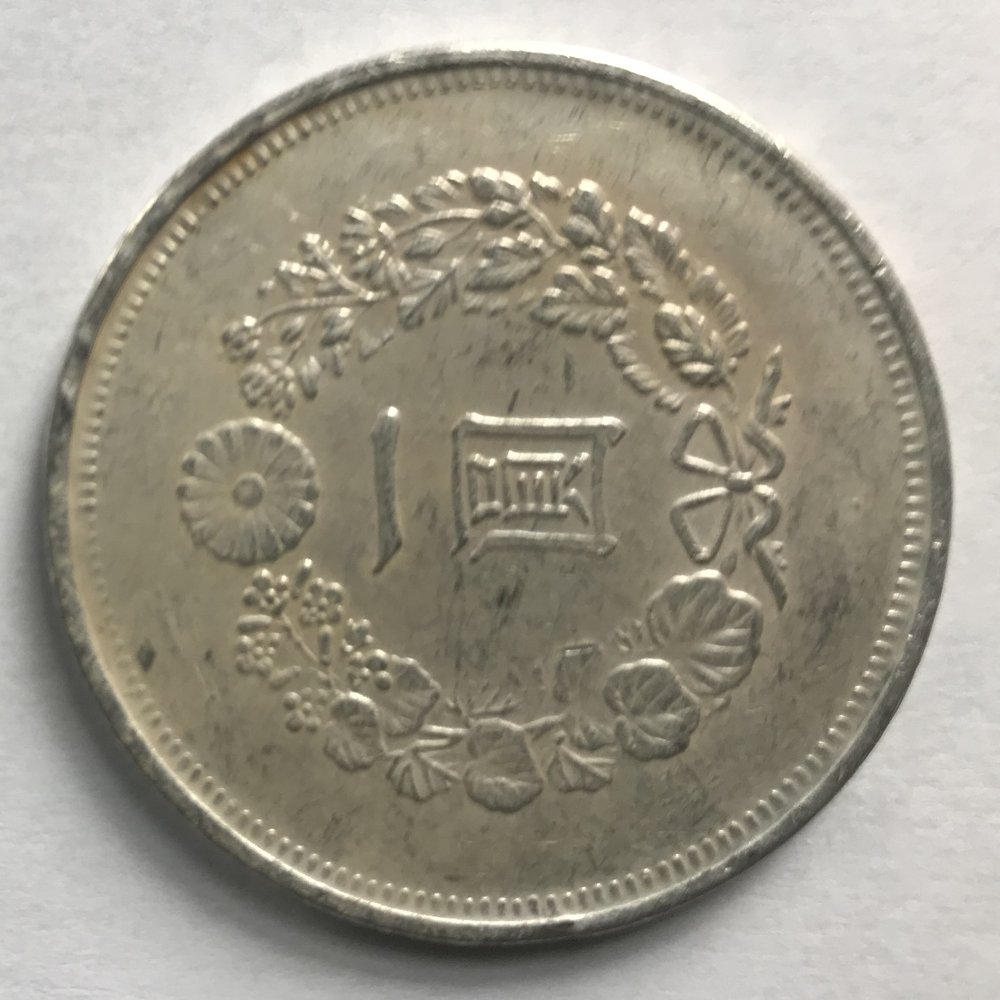
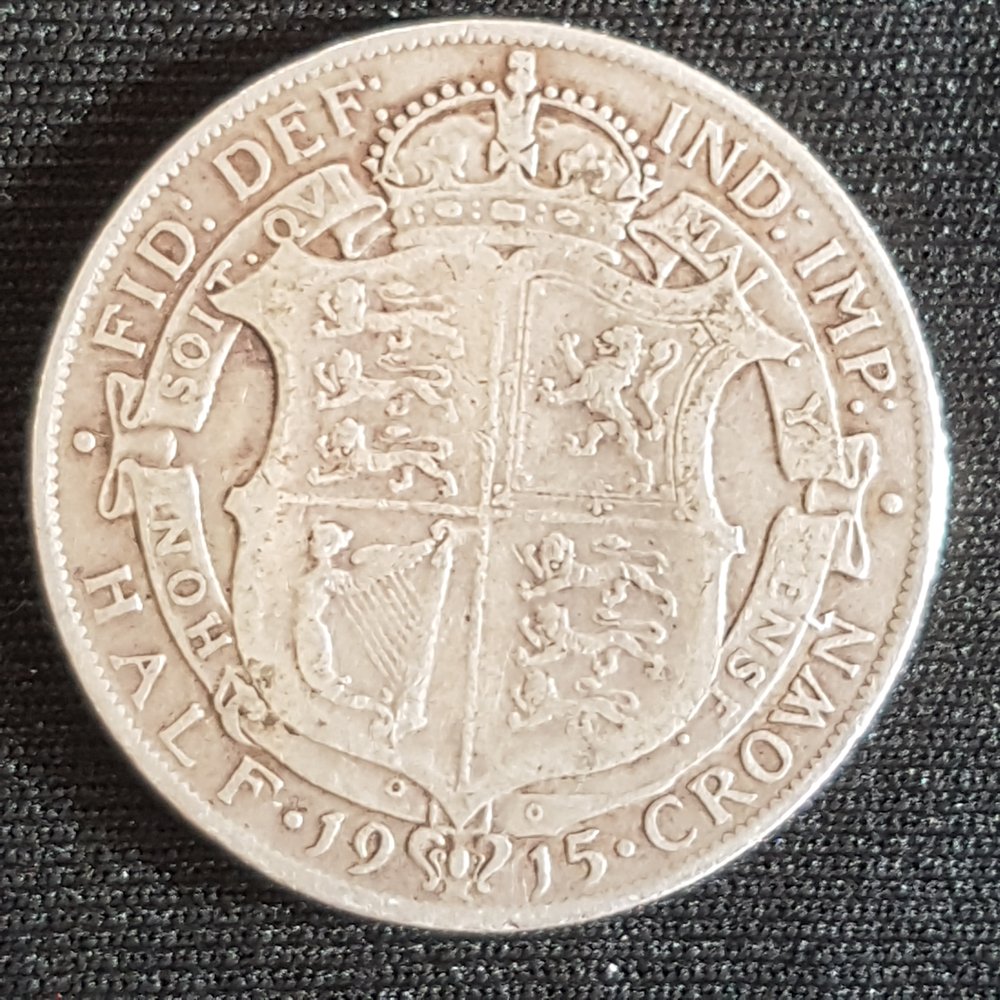
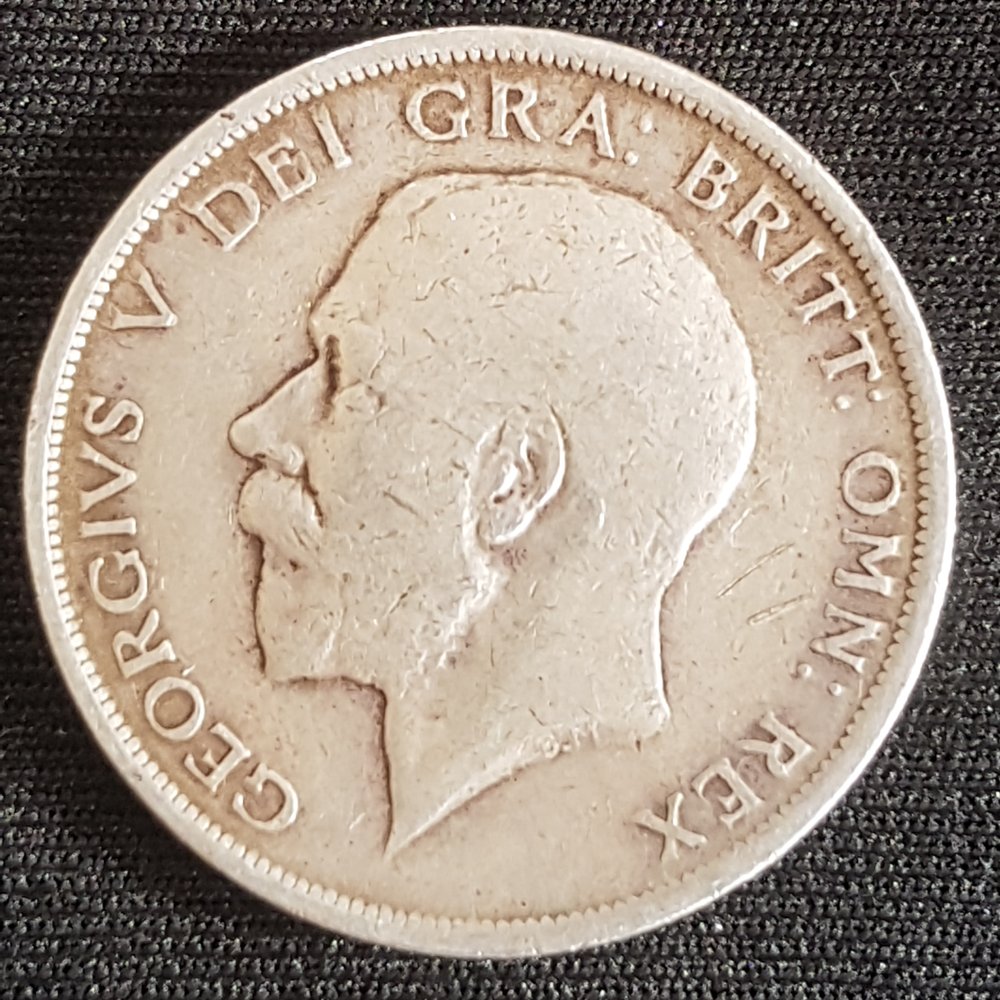
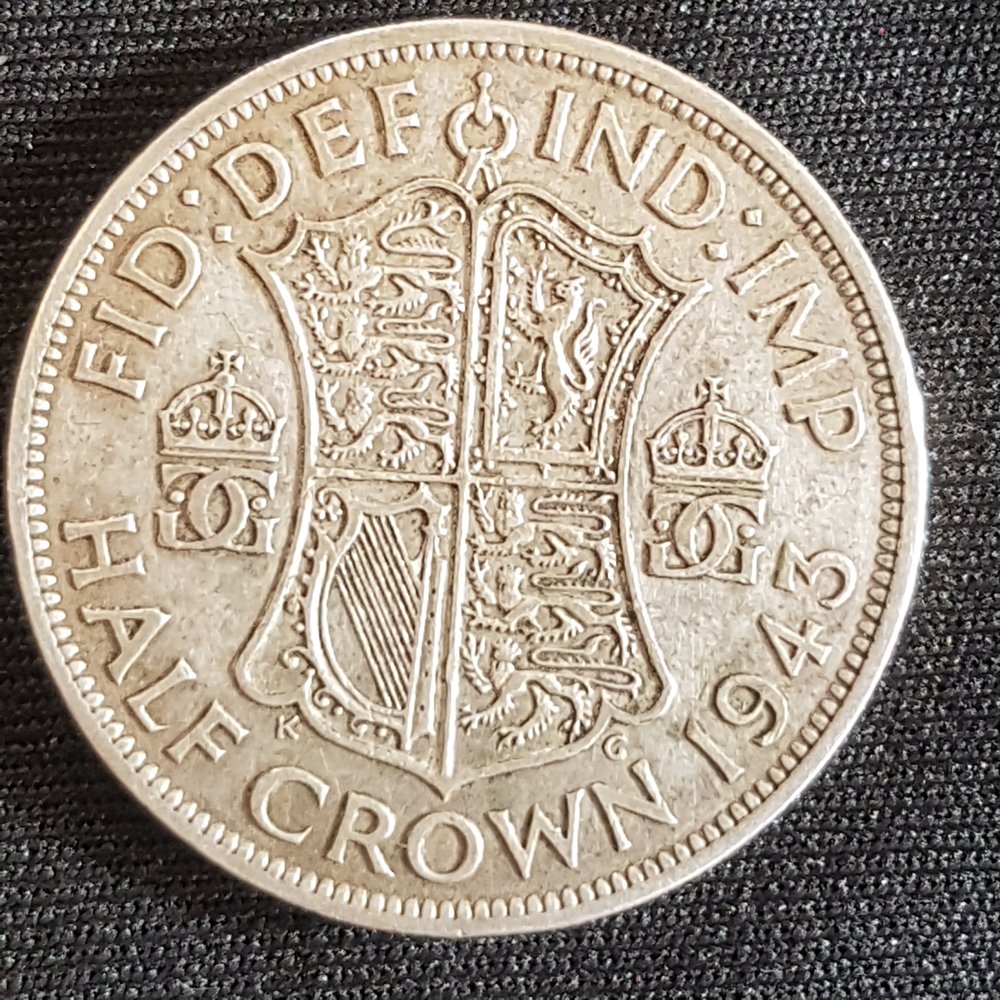
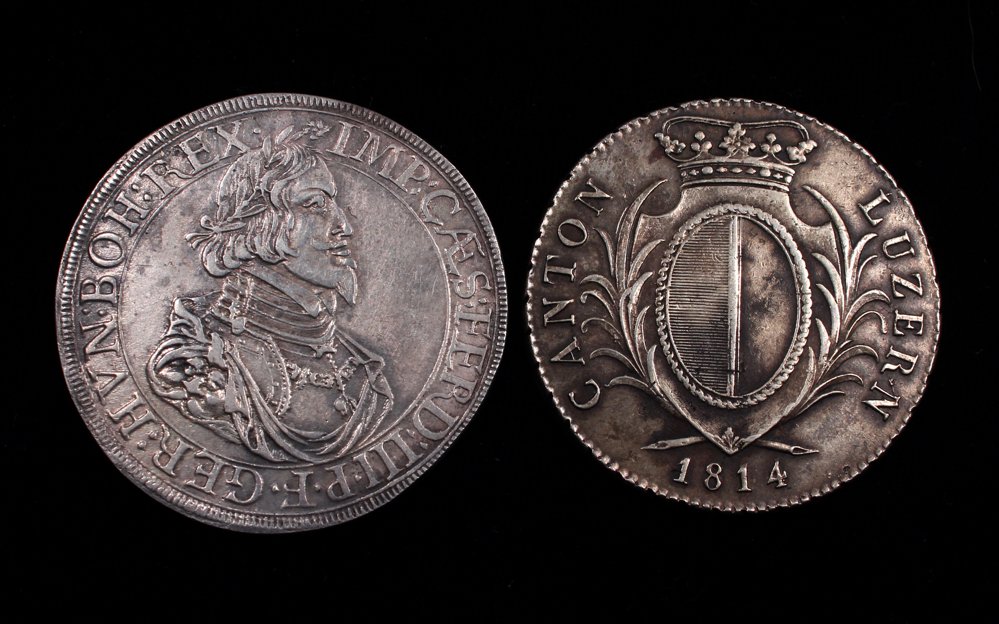
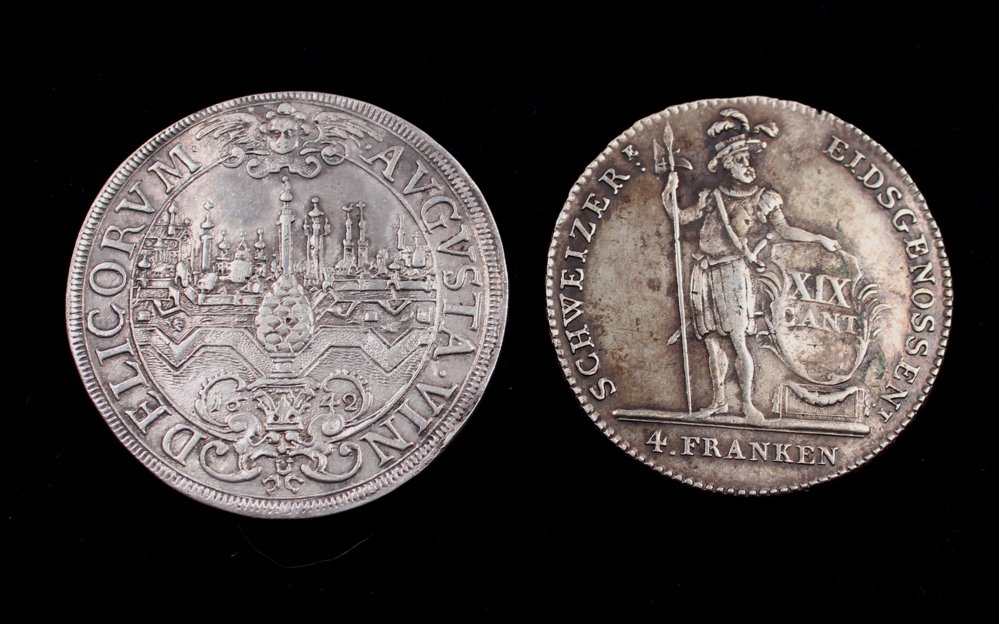
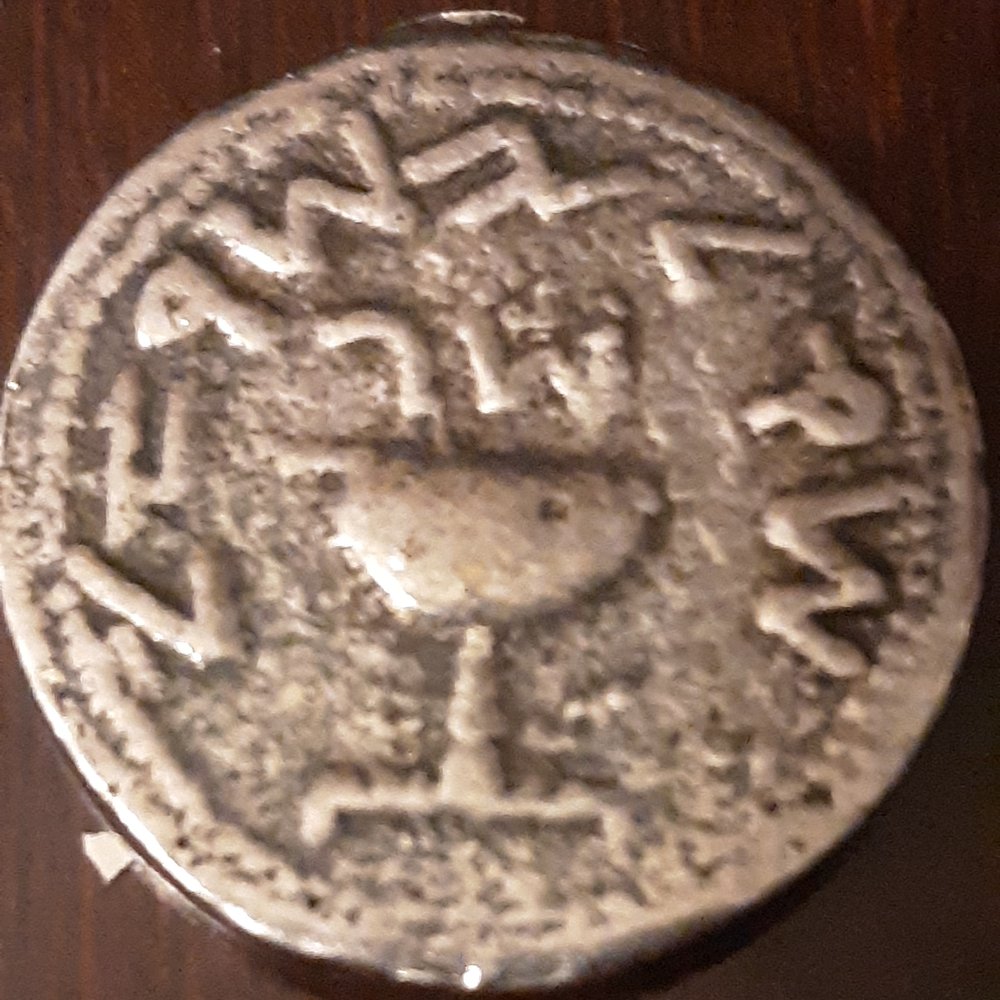
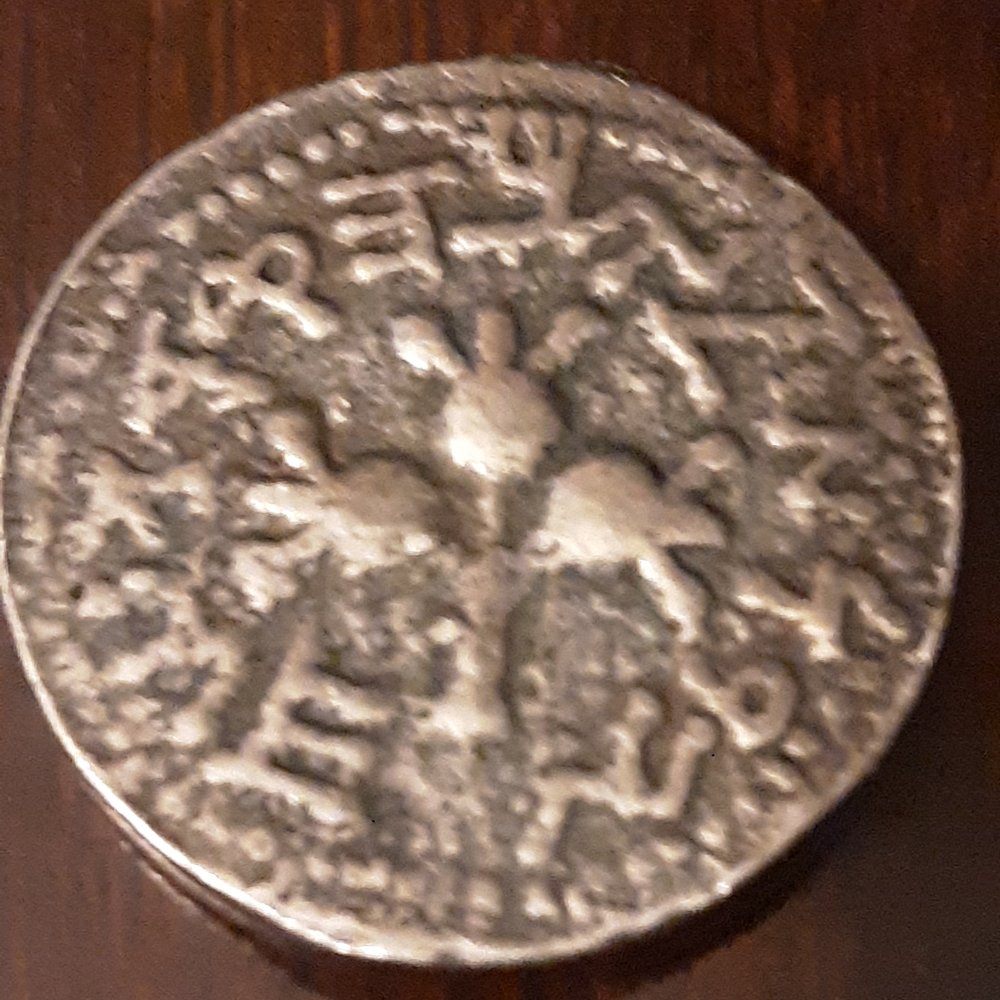
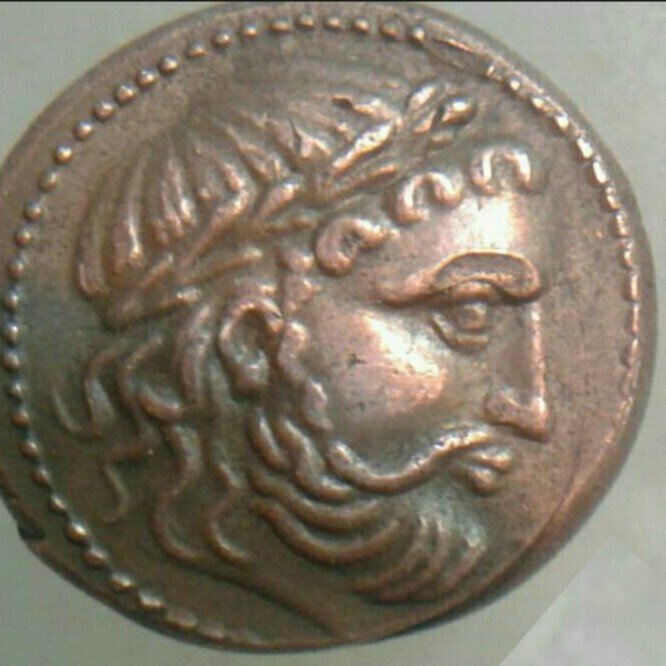
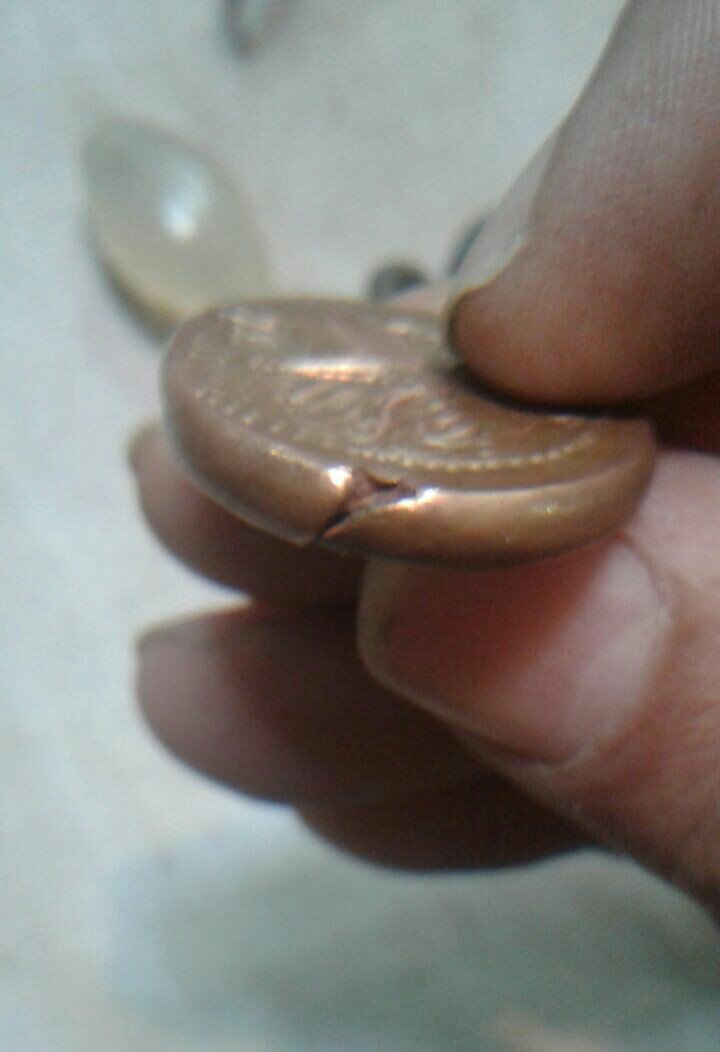
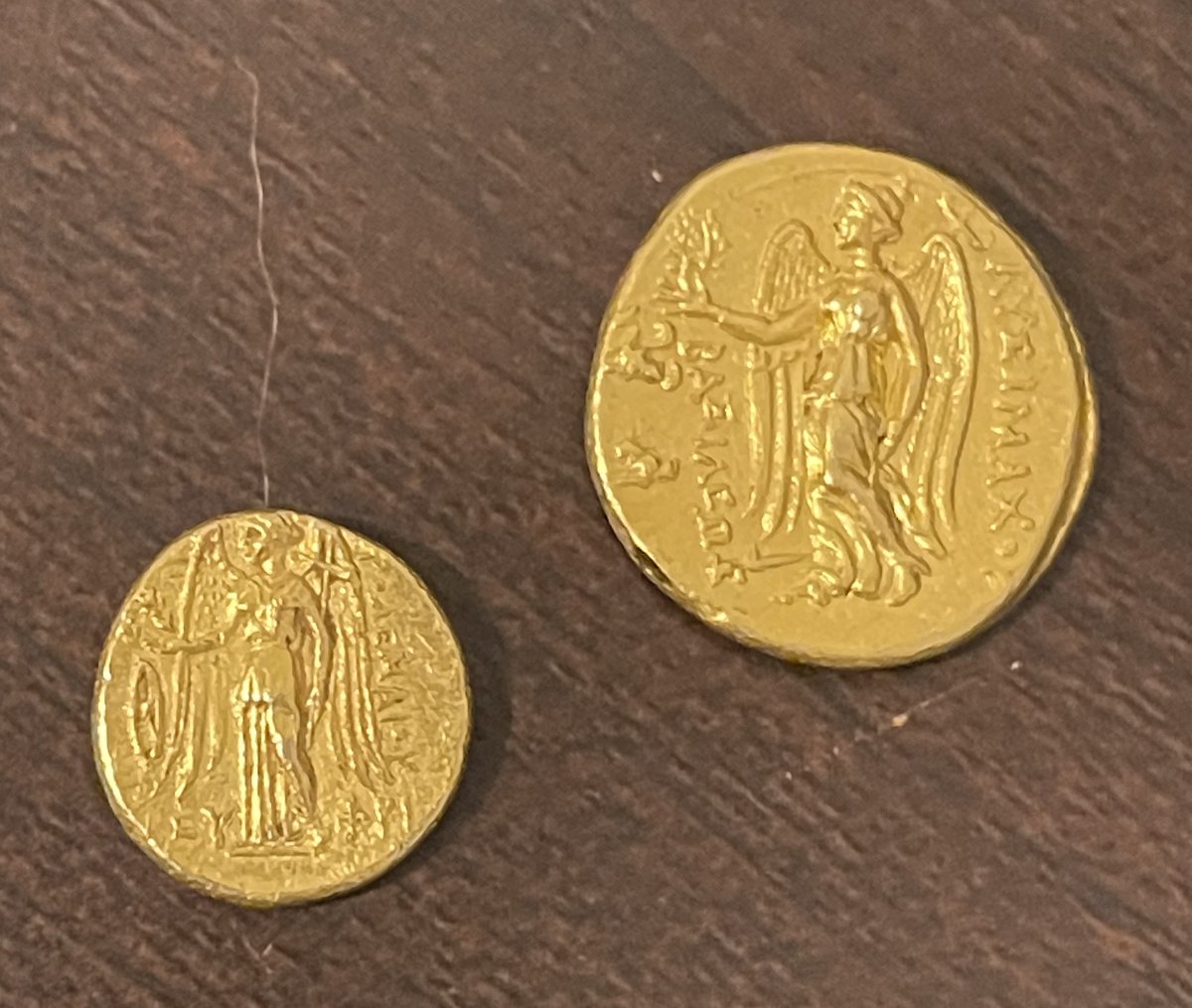
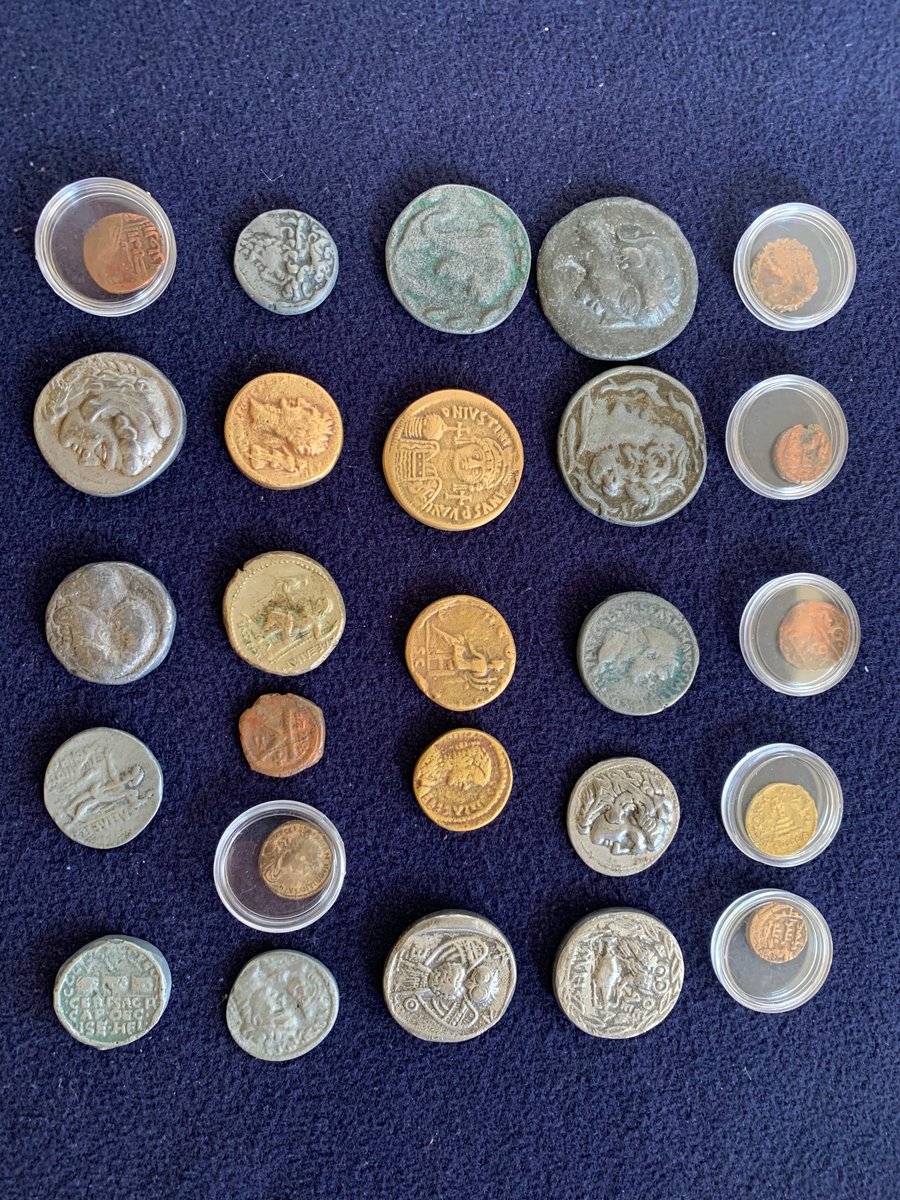
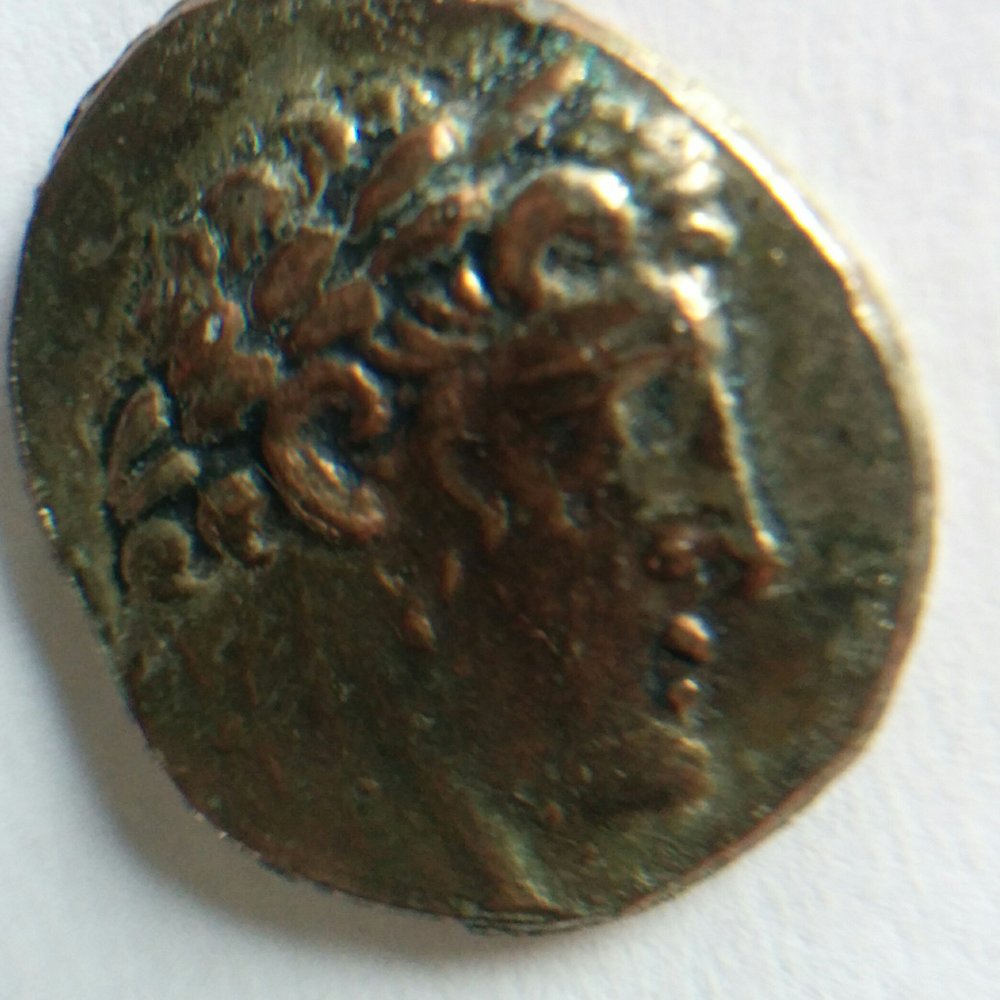
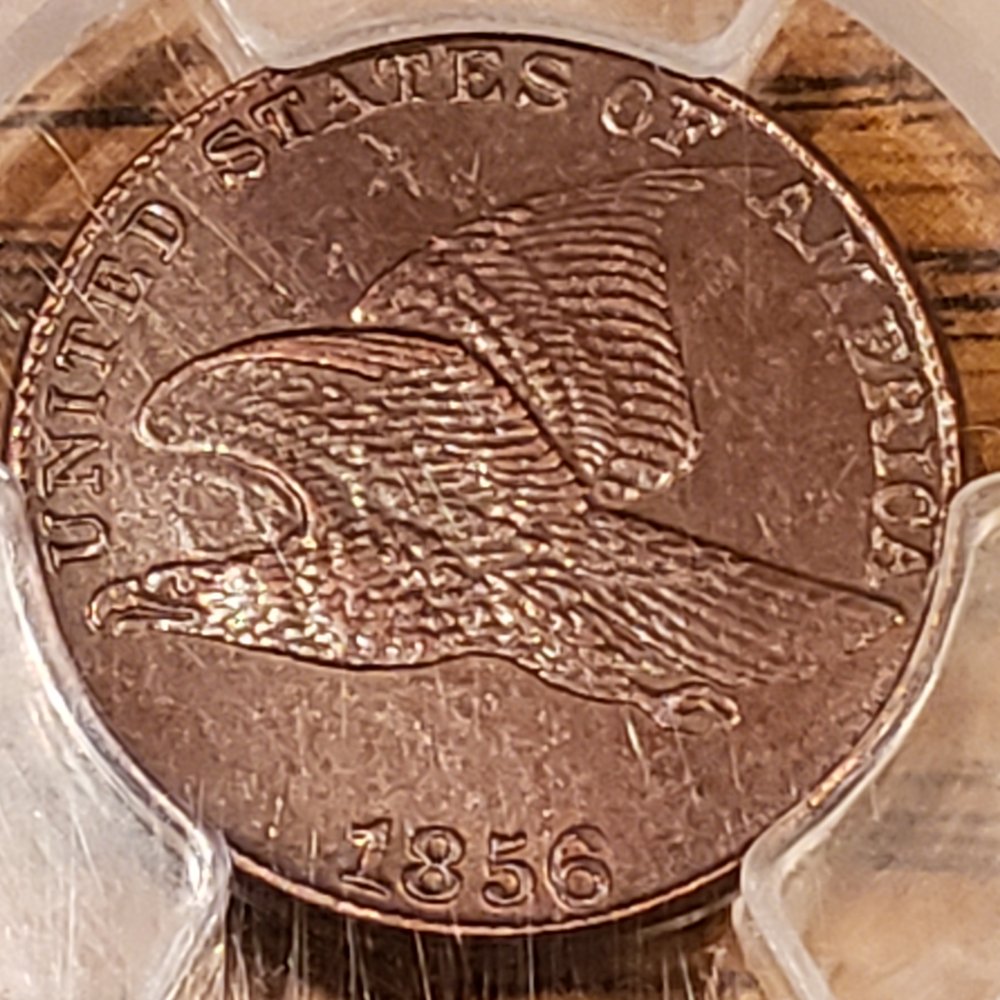
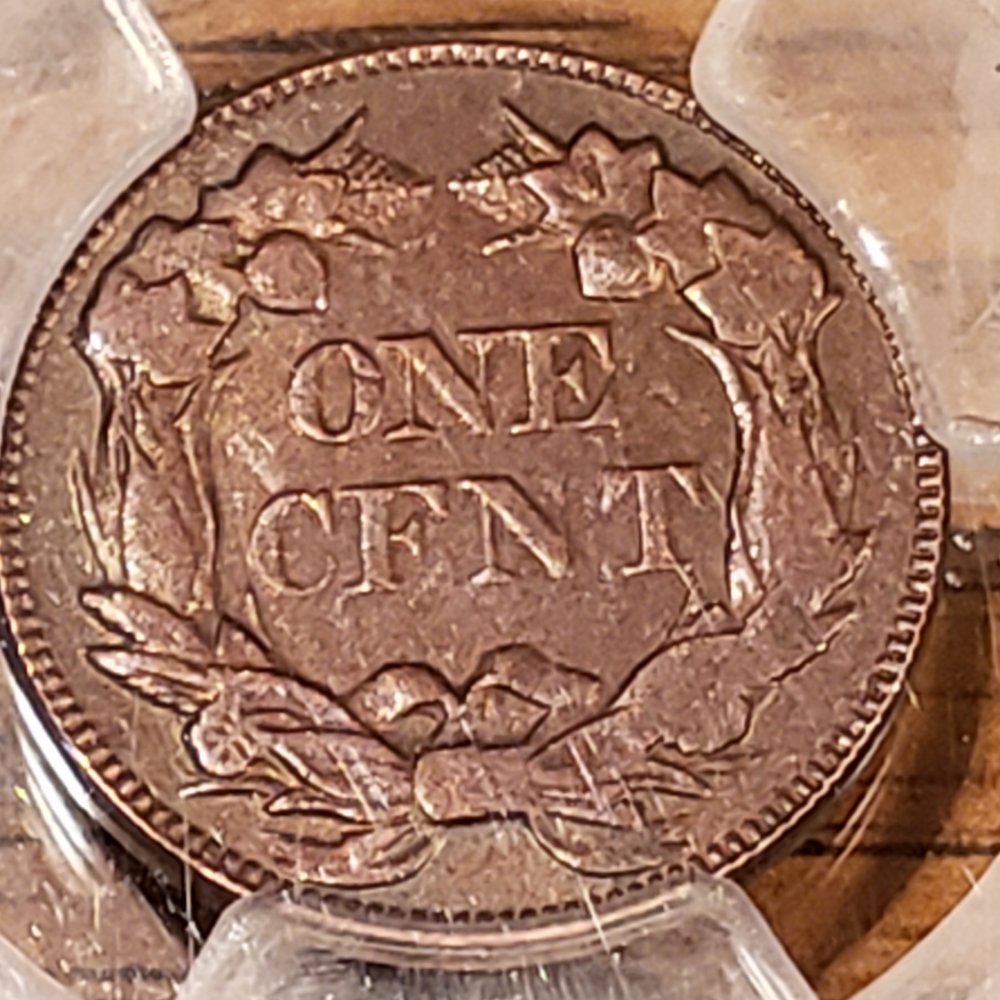
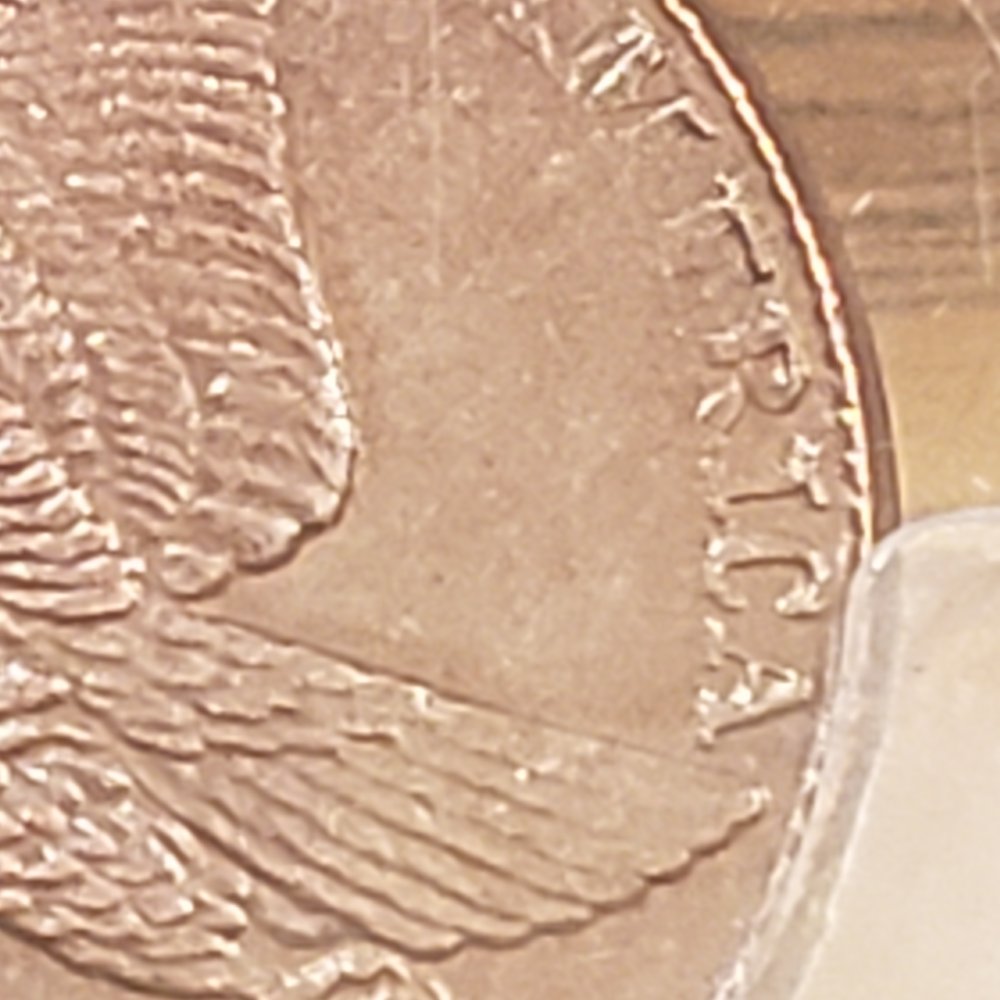
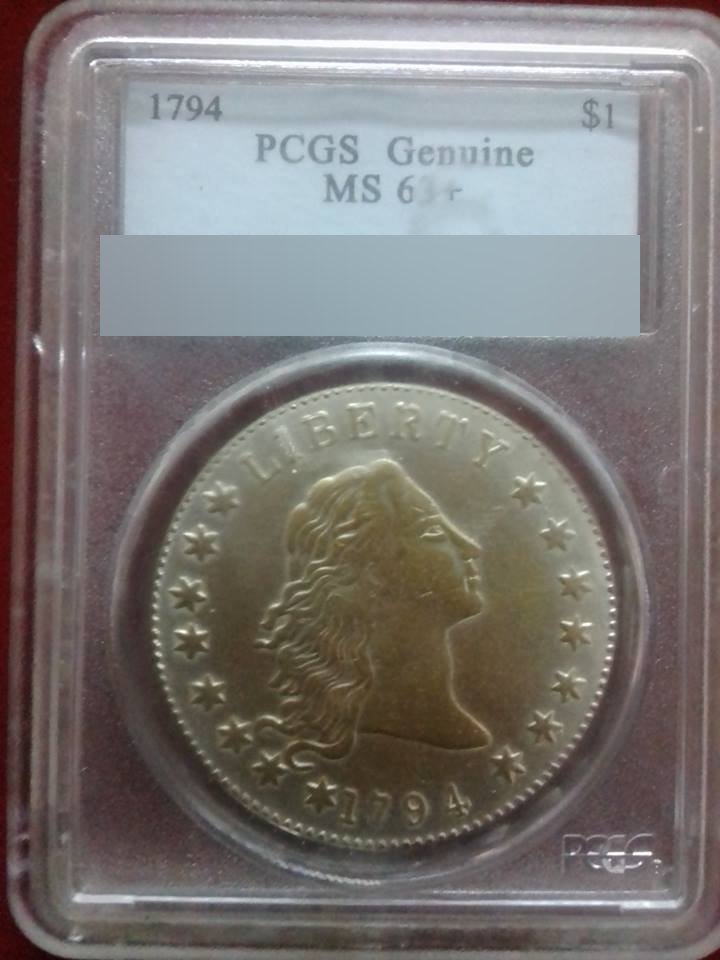
Composite of counterfeit coin photos, obverse and reverse pairs of fake U.S. and world coins

Fake Coin Pictures: A Gallery of Real Counterfeits We Have Examined

The best way to learn what a fake coin looks like is to see one. This gallery shows real counterfeit, altered and fantasy coins, fake grading-service holders and counterfeit paper money.

Many of these photos are of coins collectors sent us to authenticate, so they look like real life, not a studio. For how fakes are made and tested, read our guide to fake, counterfeit and altered coins.

Jump to: U.S. Gold Coins · Early U.S. Silver and Copper Coins · Seated Liberty and Trade Dollars · Morgan and Peace Silver Dollars · Altered Dates, Added Mint Marks and Key-Date Fakes · Error Coins · Fantasy Coins and Replicas: Coins That Never Existed · Chinese and Foreign Coins · Ancient Coins · Slabs and Coins Rejected by Grading Services · How Fake Coins Are Sold · Counterfeit Paper Money

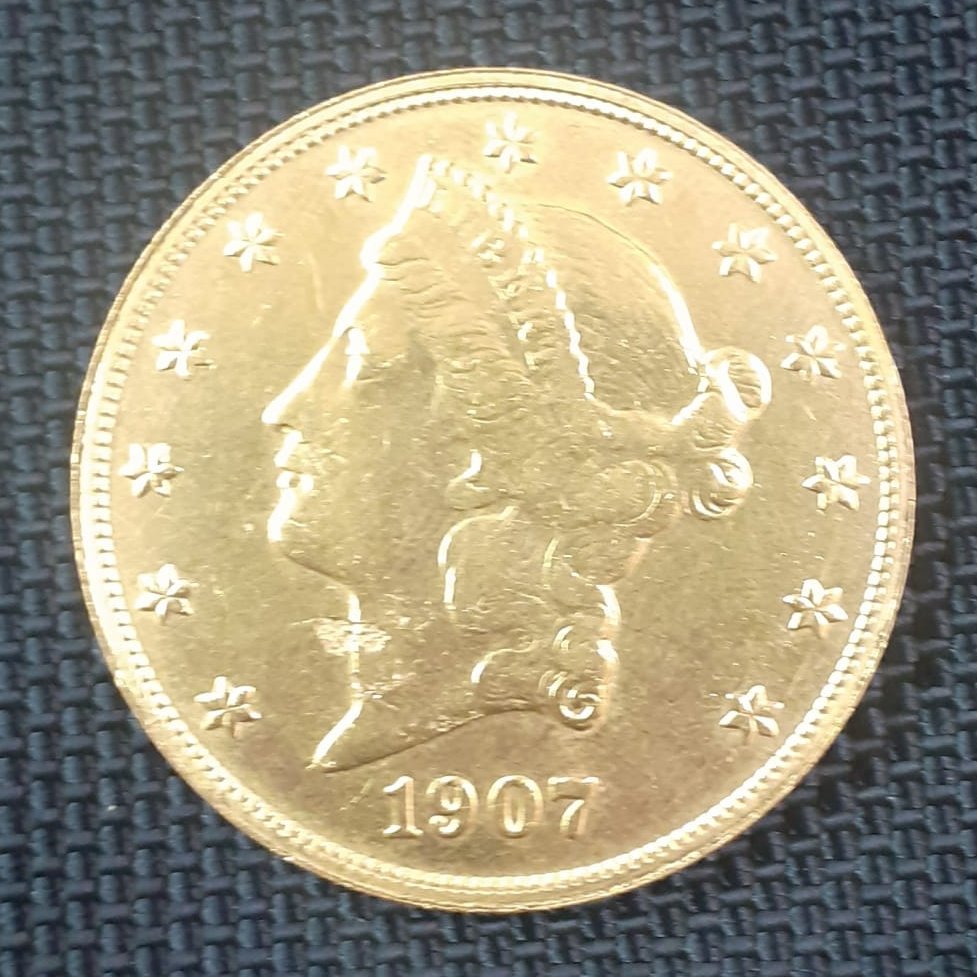
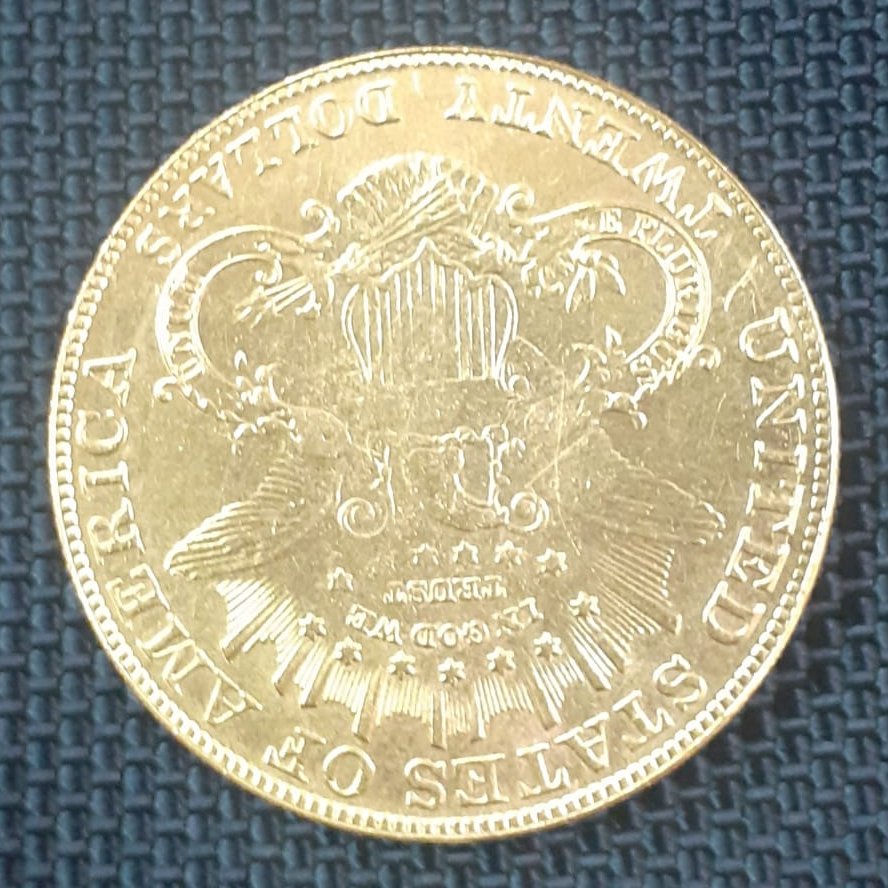
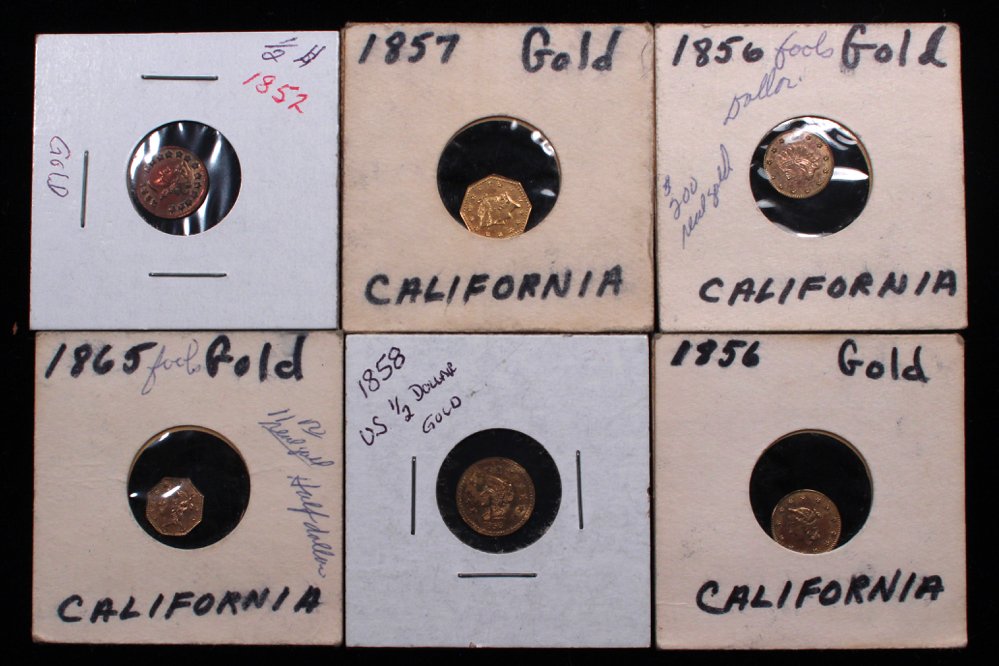
Fake U.S. Gold Coins

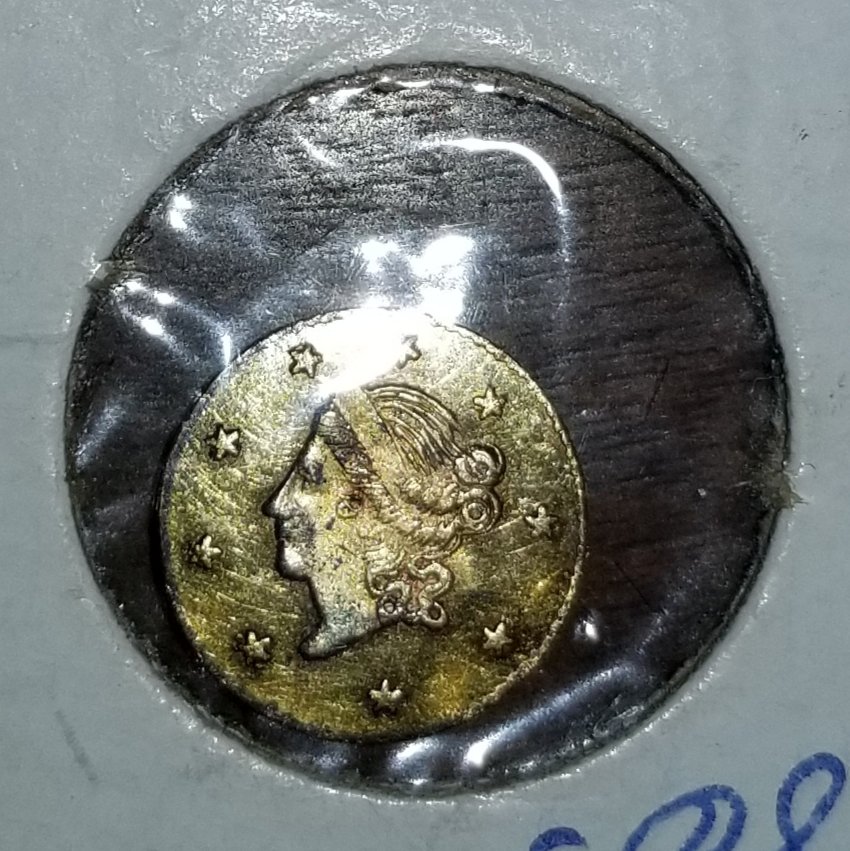
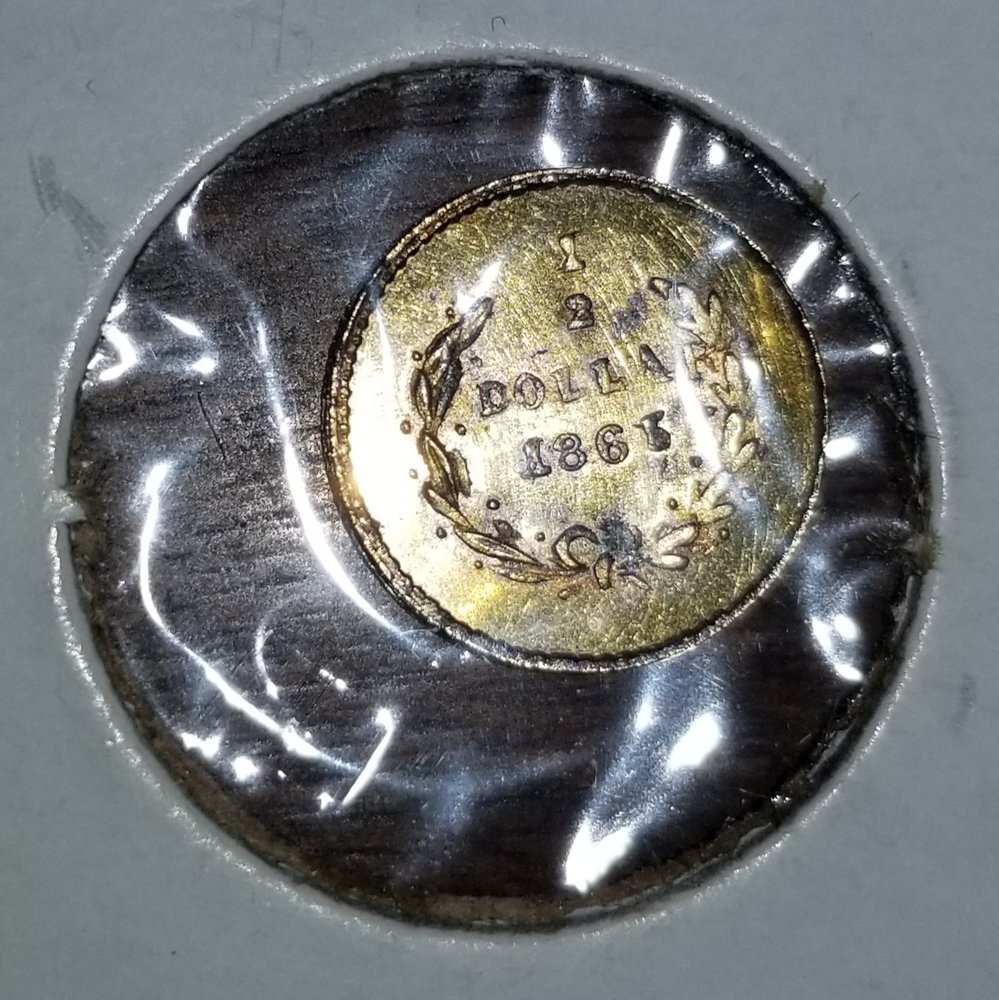
What to look for: Gold-plated fakes are too light, so check weight and diameter first. Look for mushy lettering, grainy fields and a color that is too bright or brassy. Tiny California fractional gold pieces are copied by the thousands.

Related: Fake $20 gold coin case study · Sell U.S. gold coins

Fake Early U.S. Silver and Copper Coins

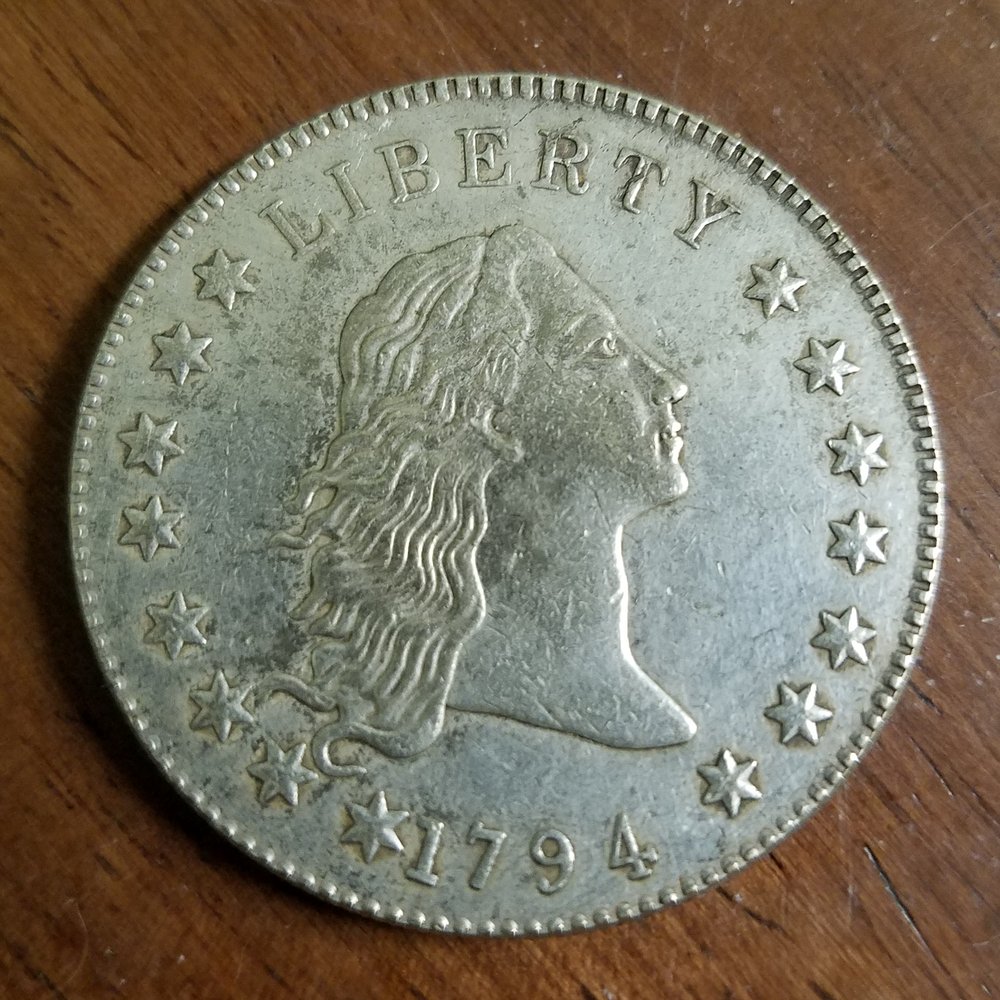
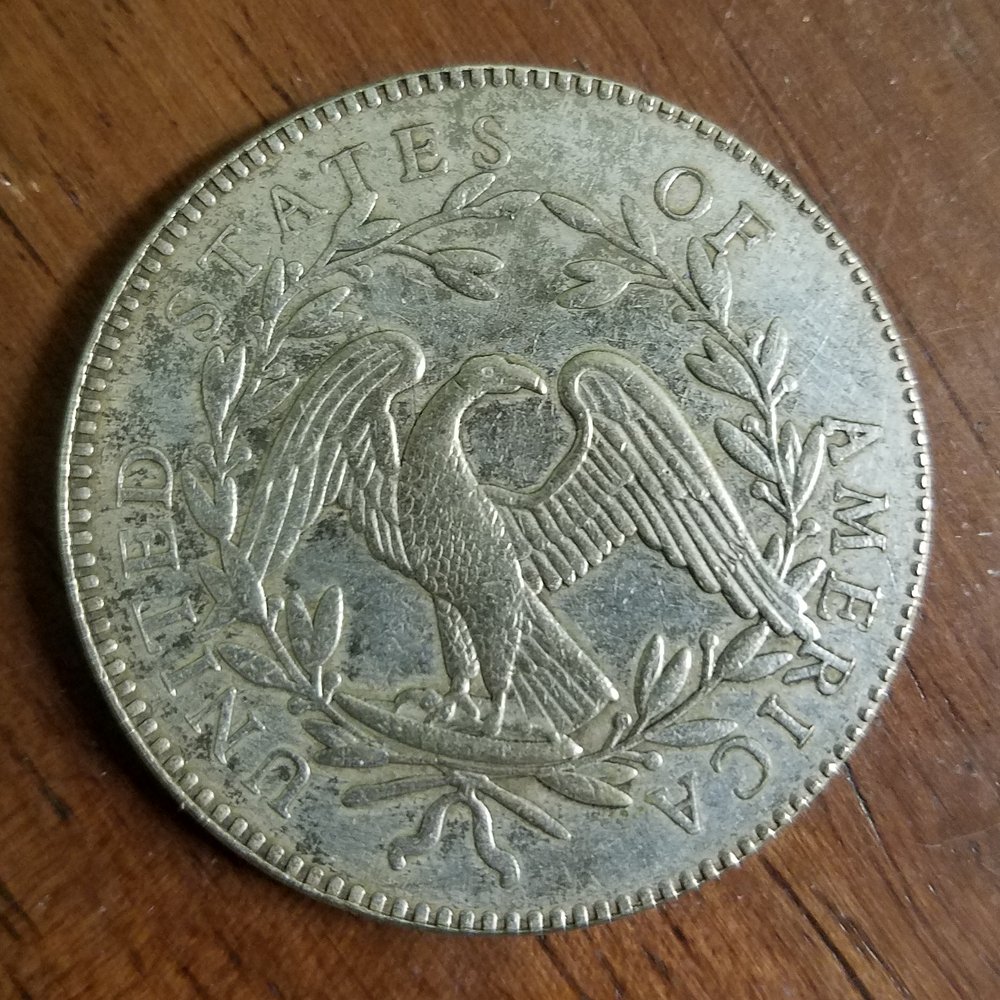
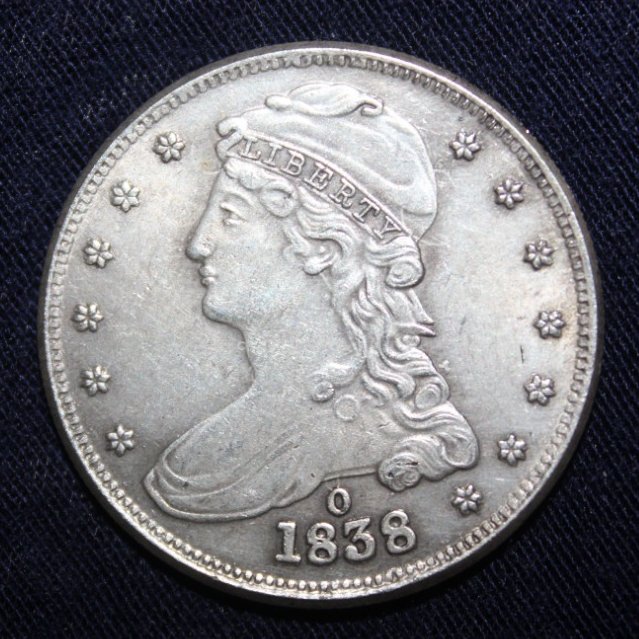
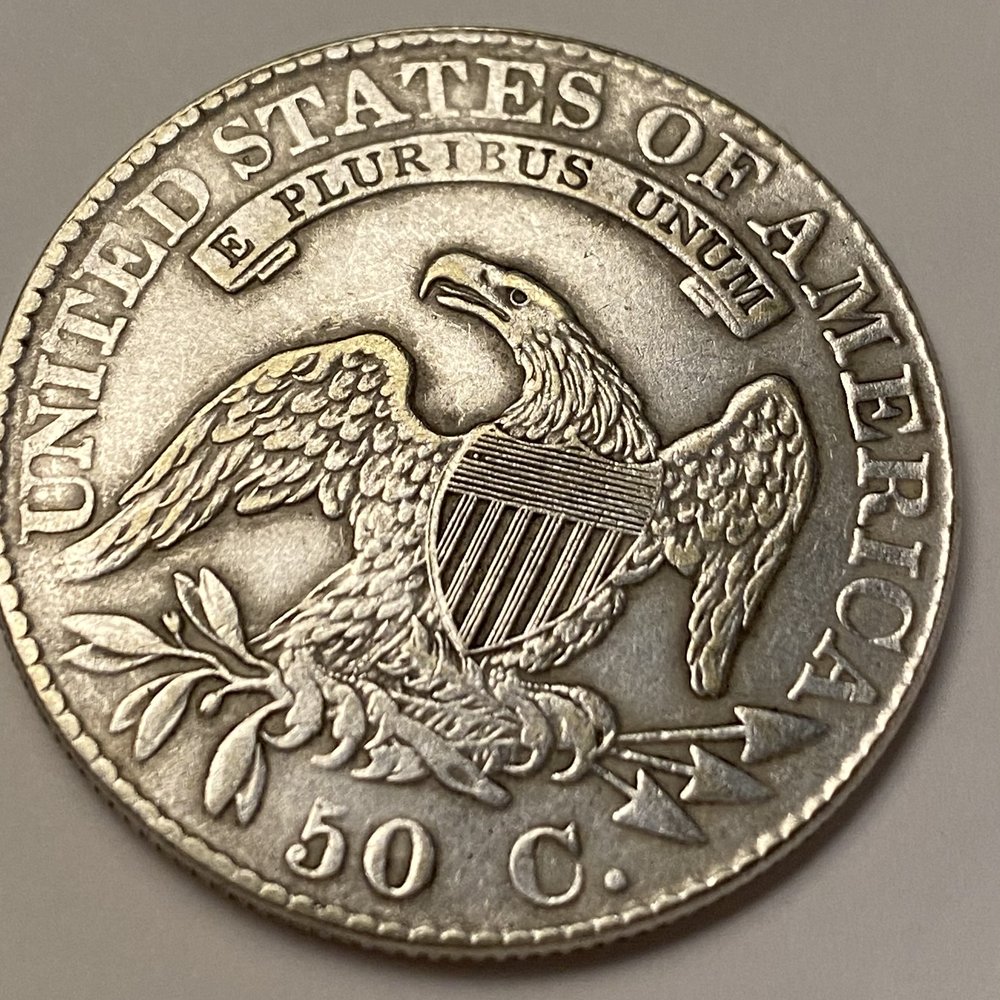
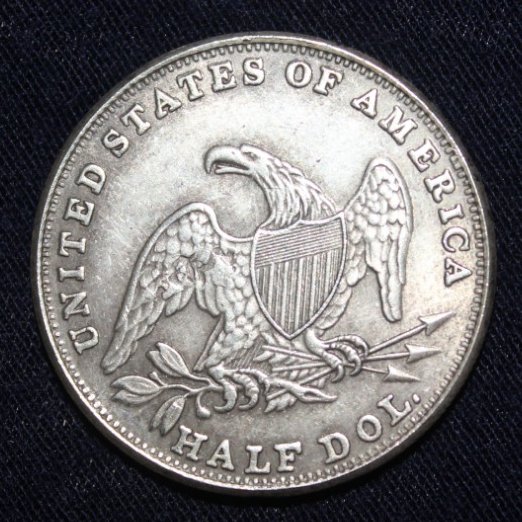
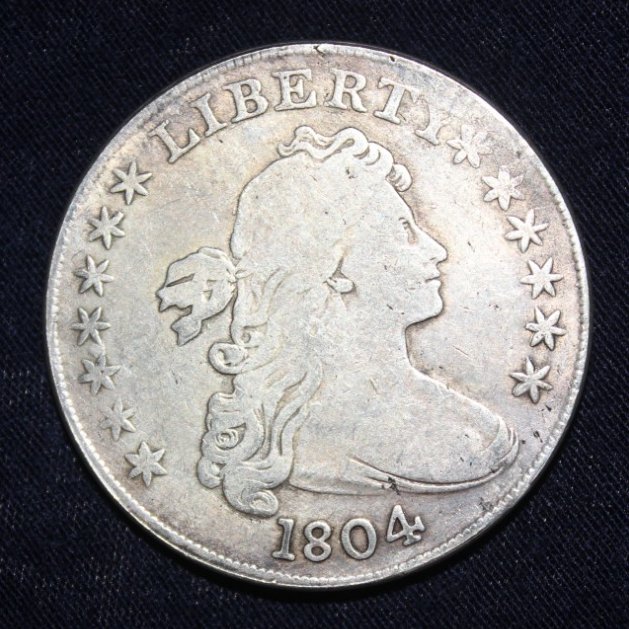
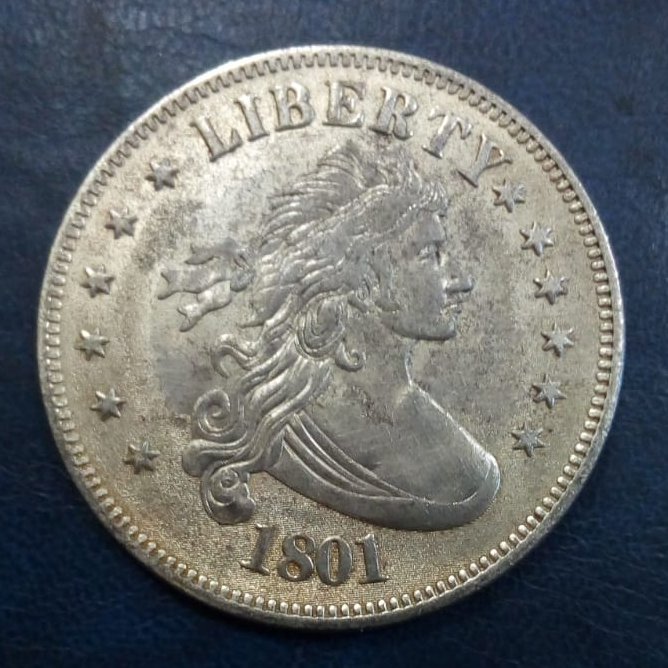
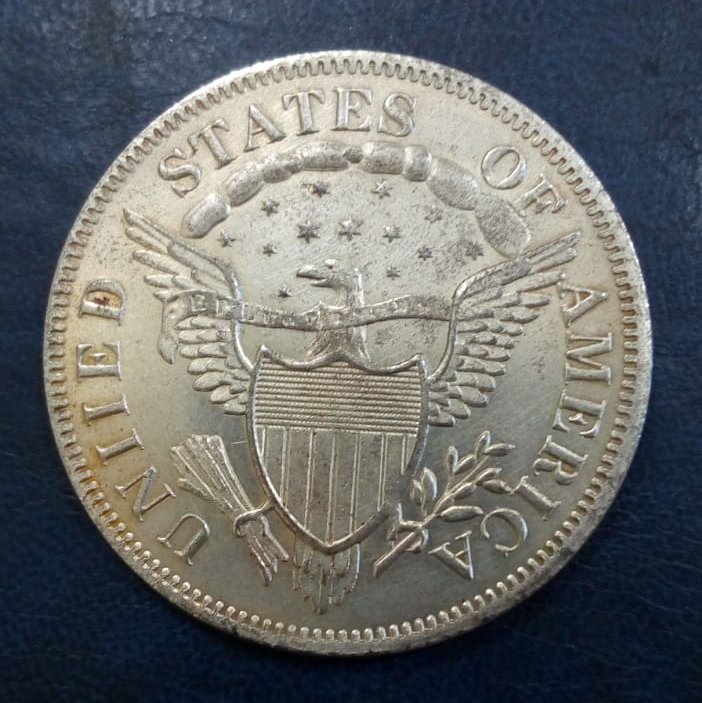
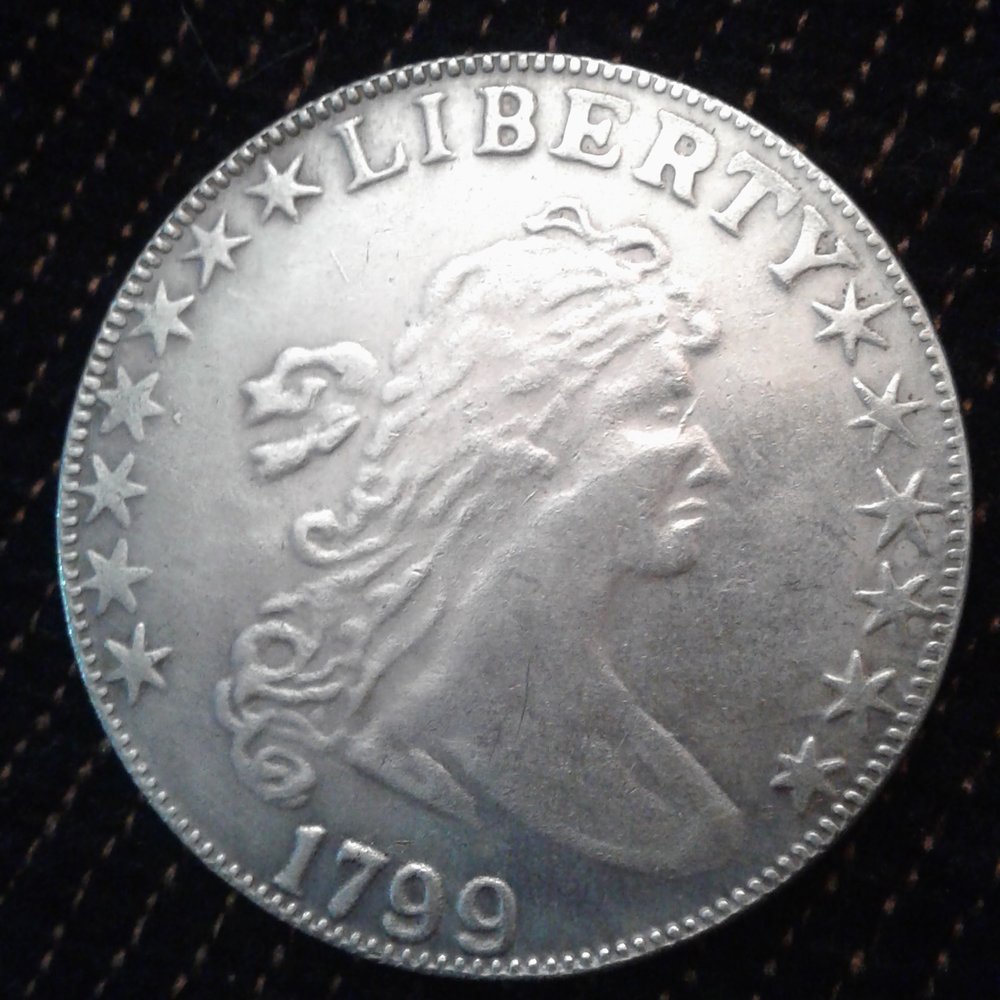
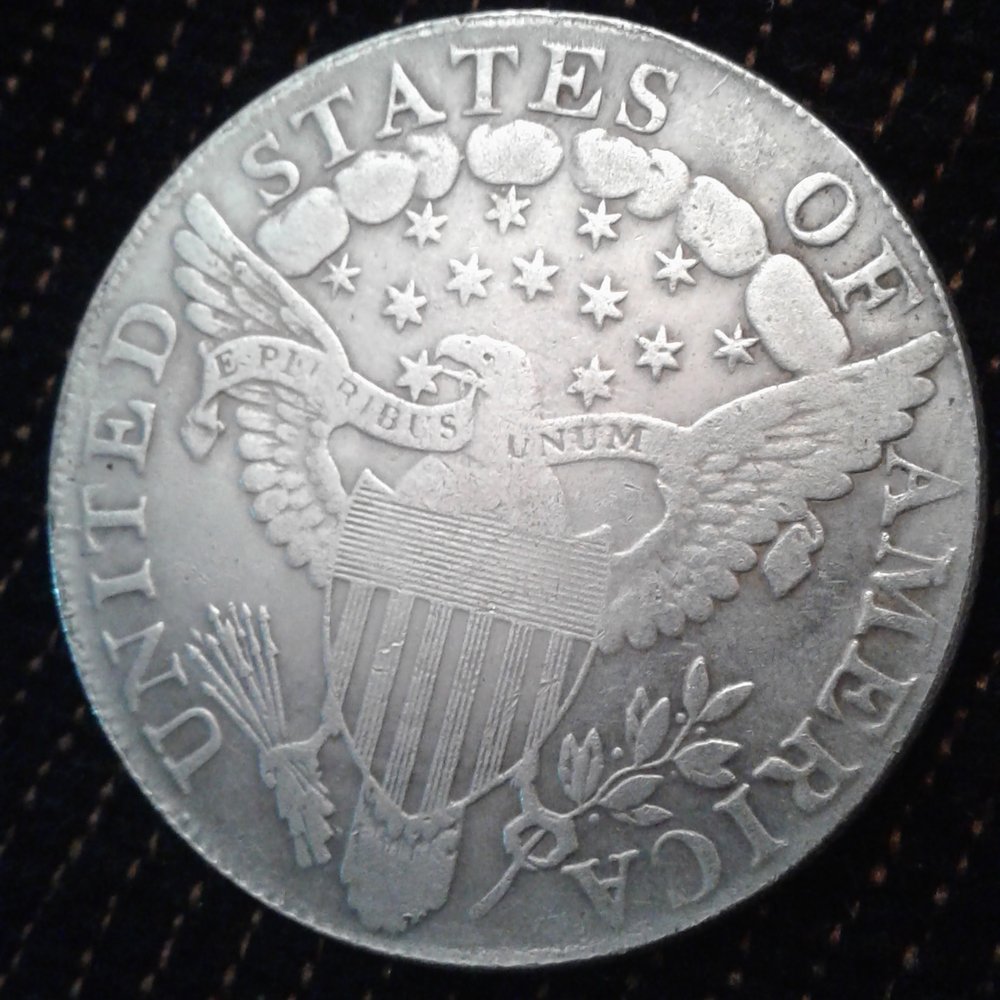
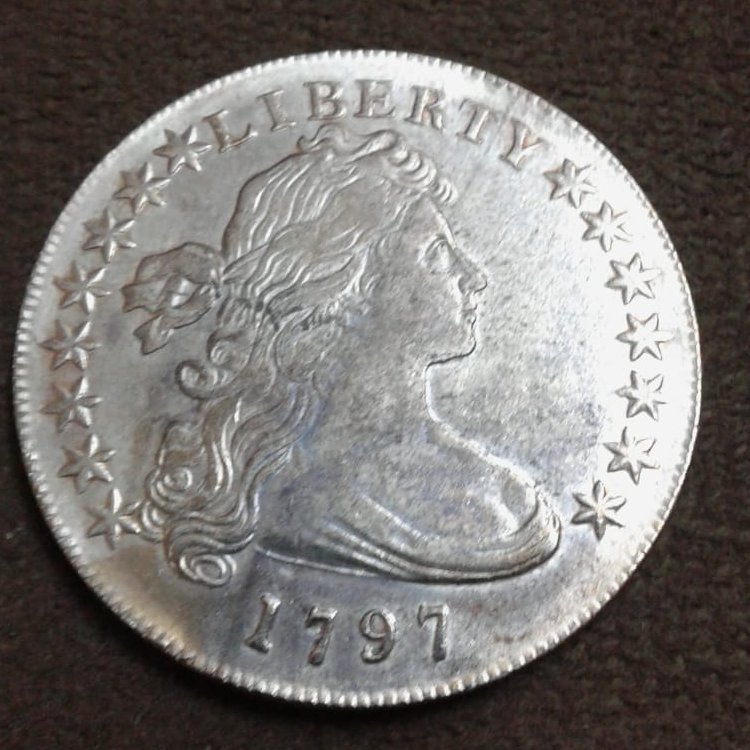
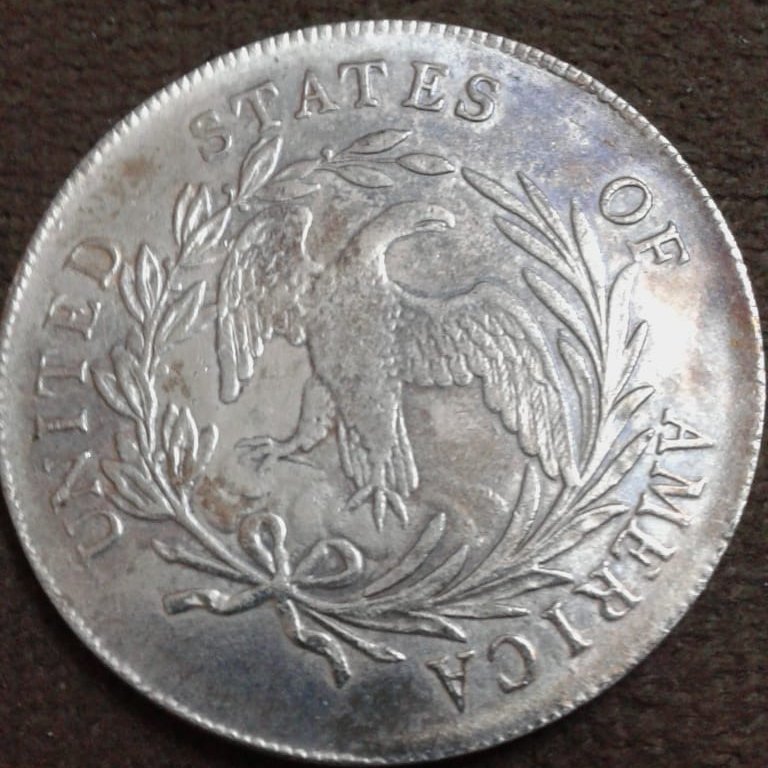
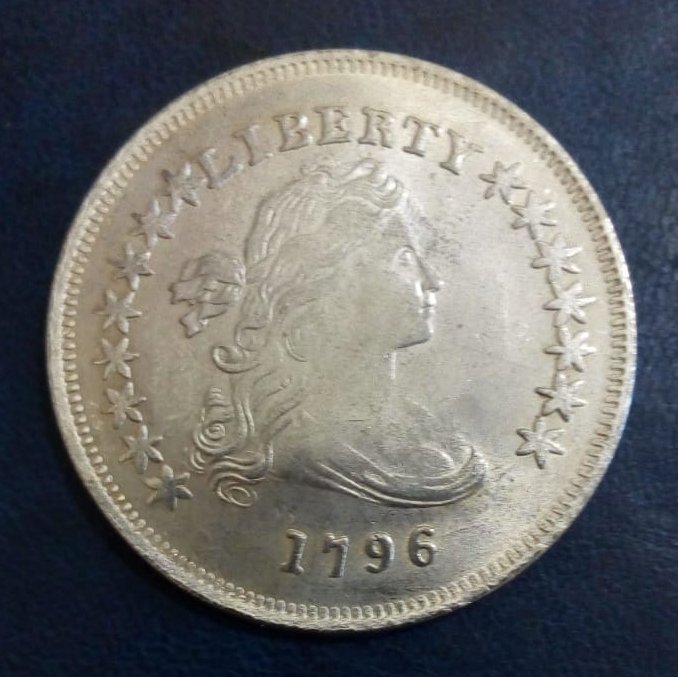
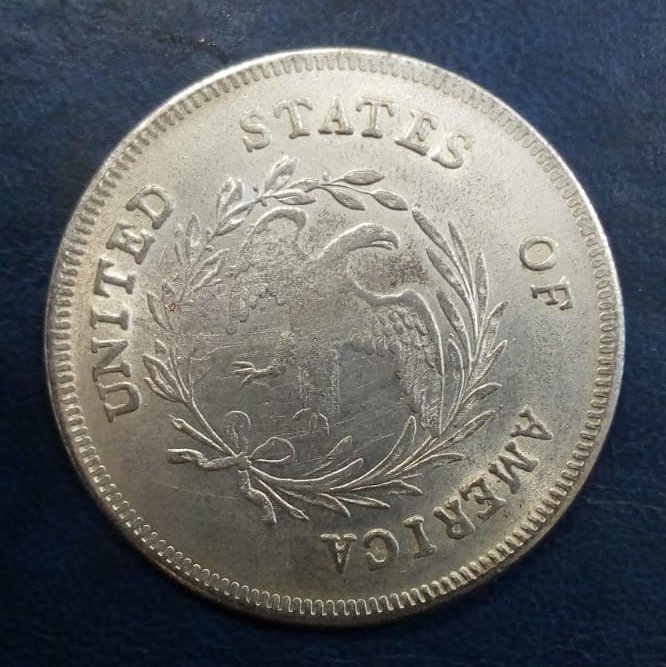
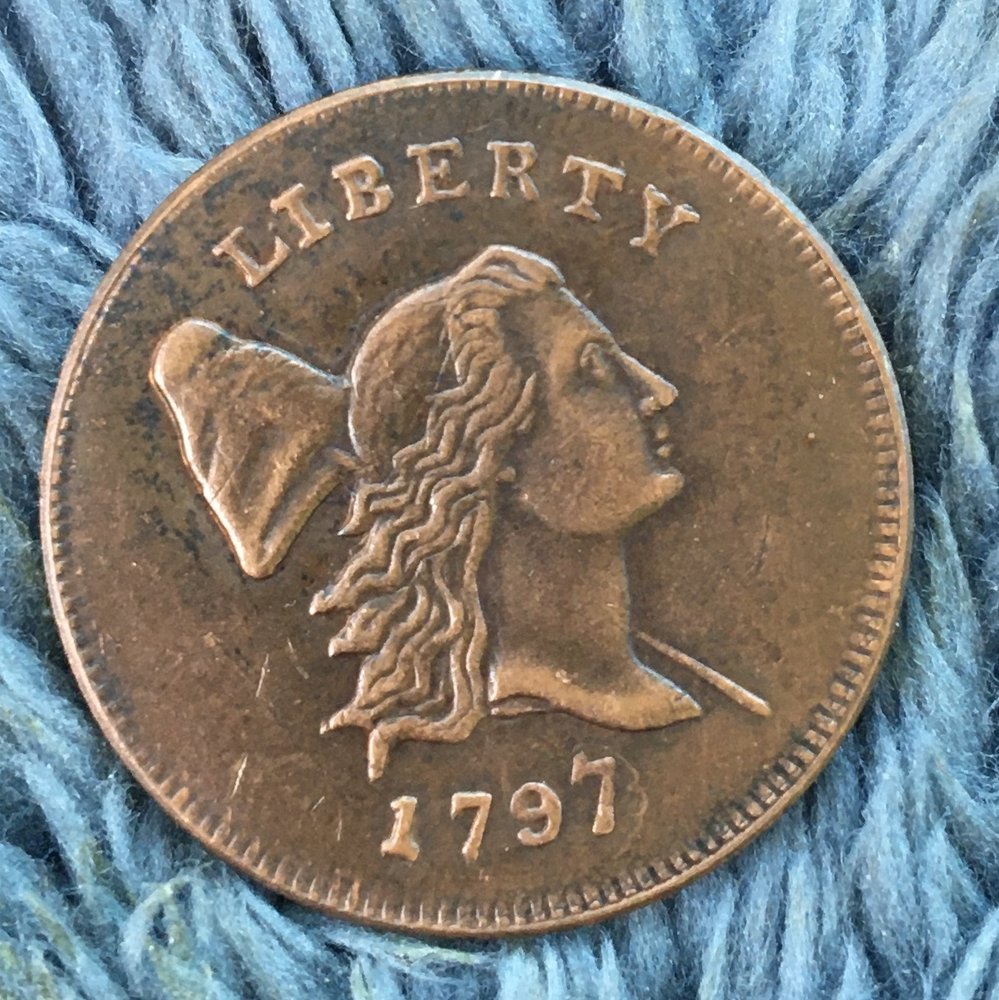
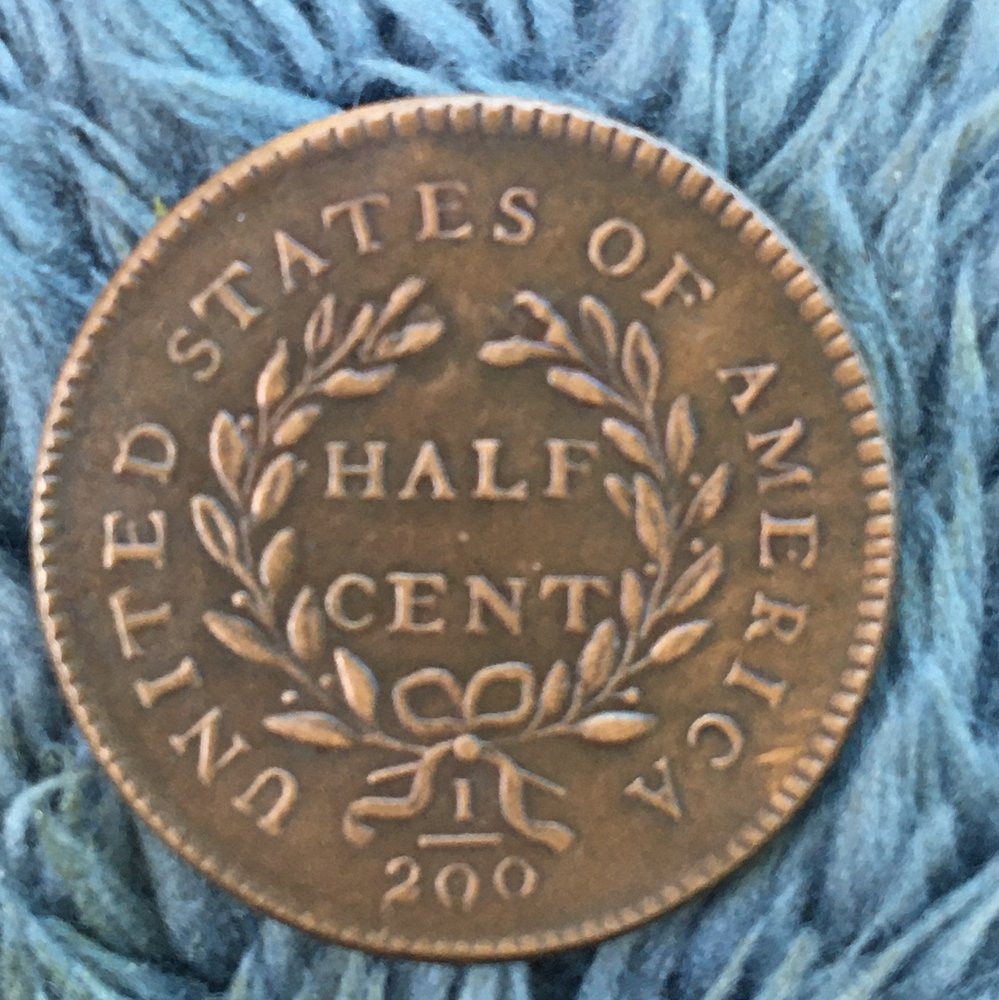
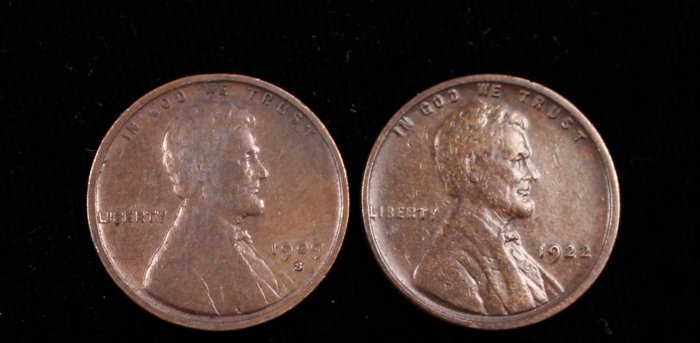
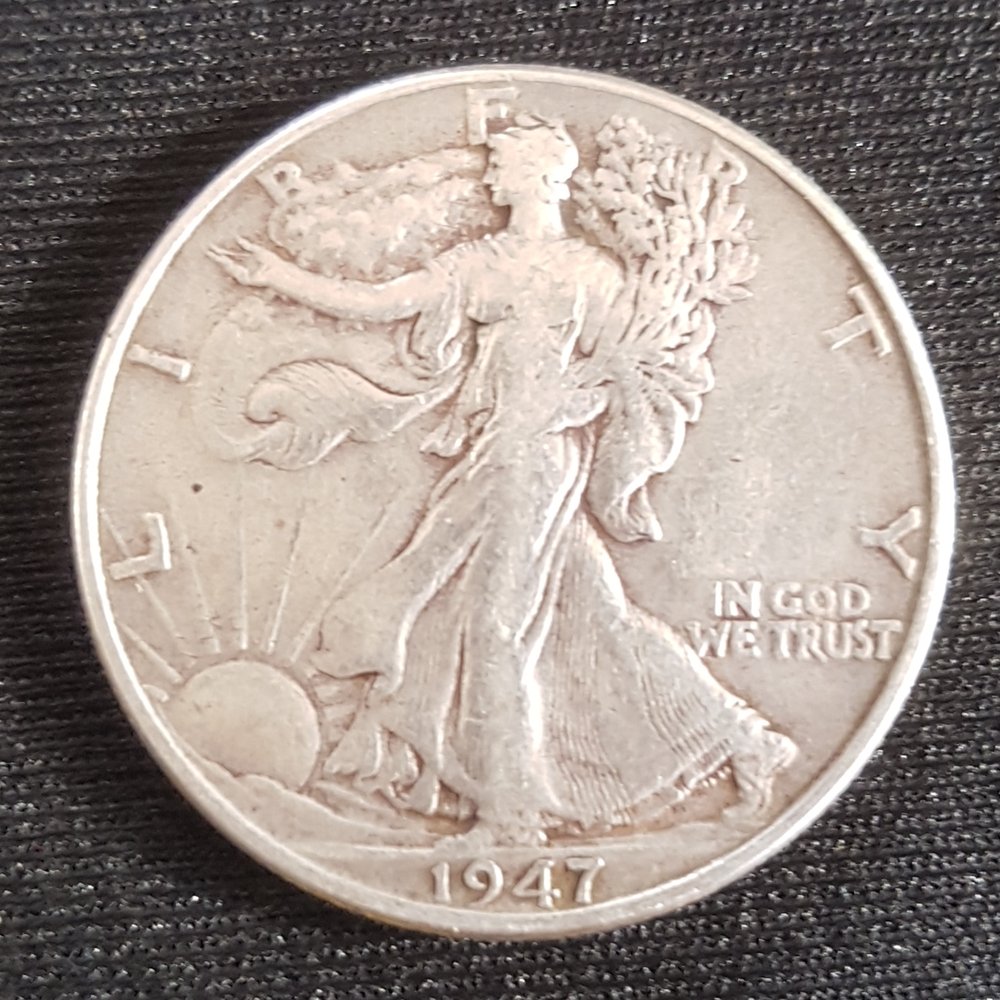
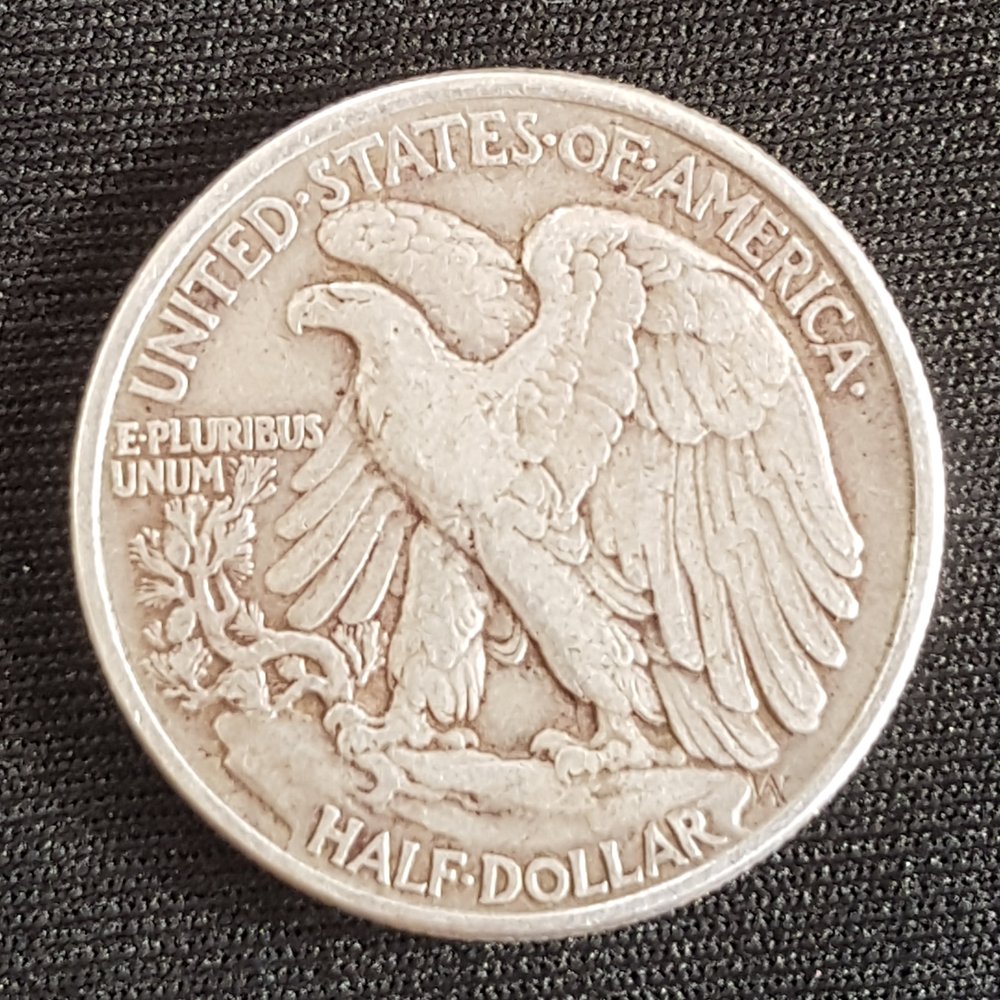
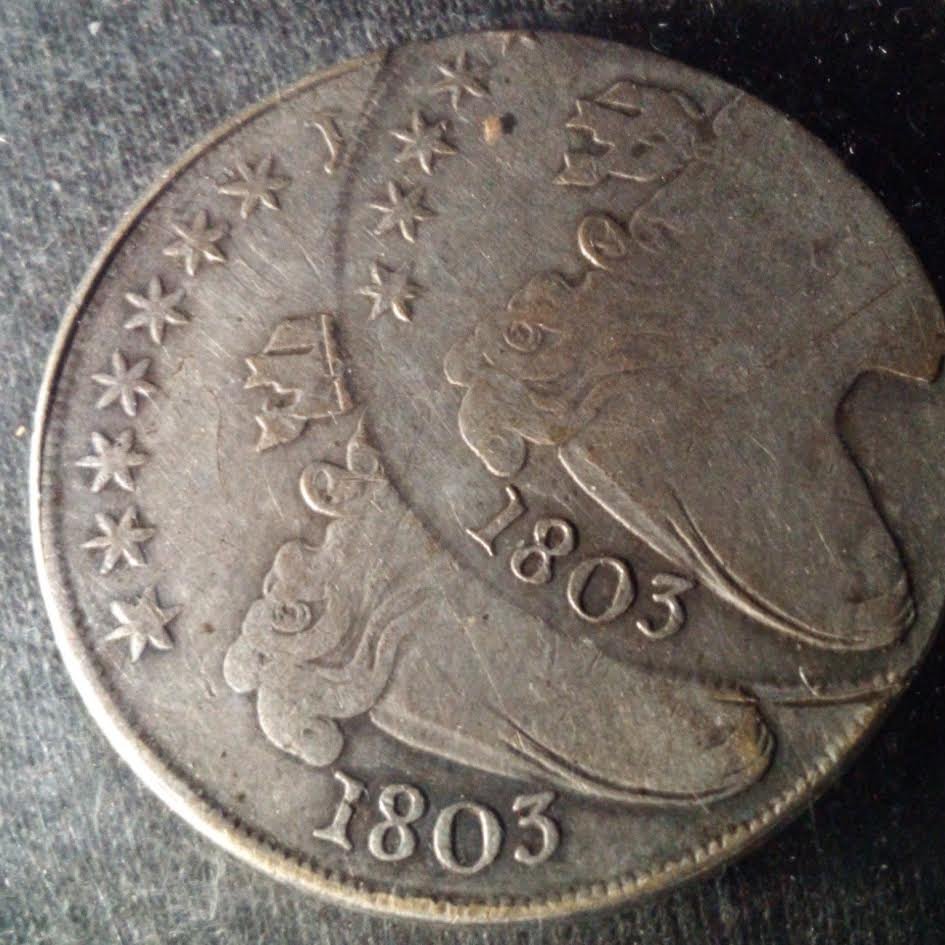
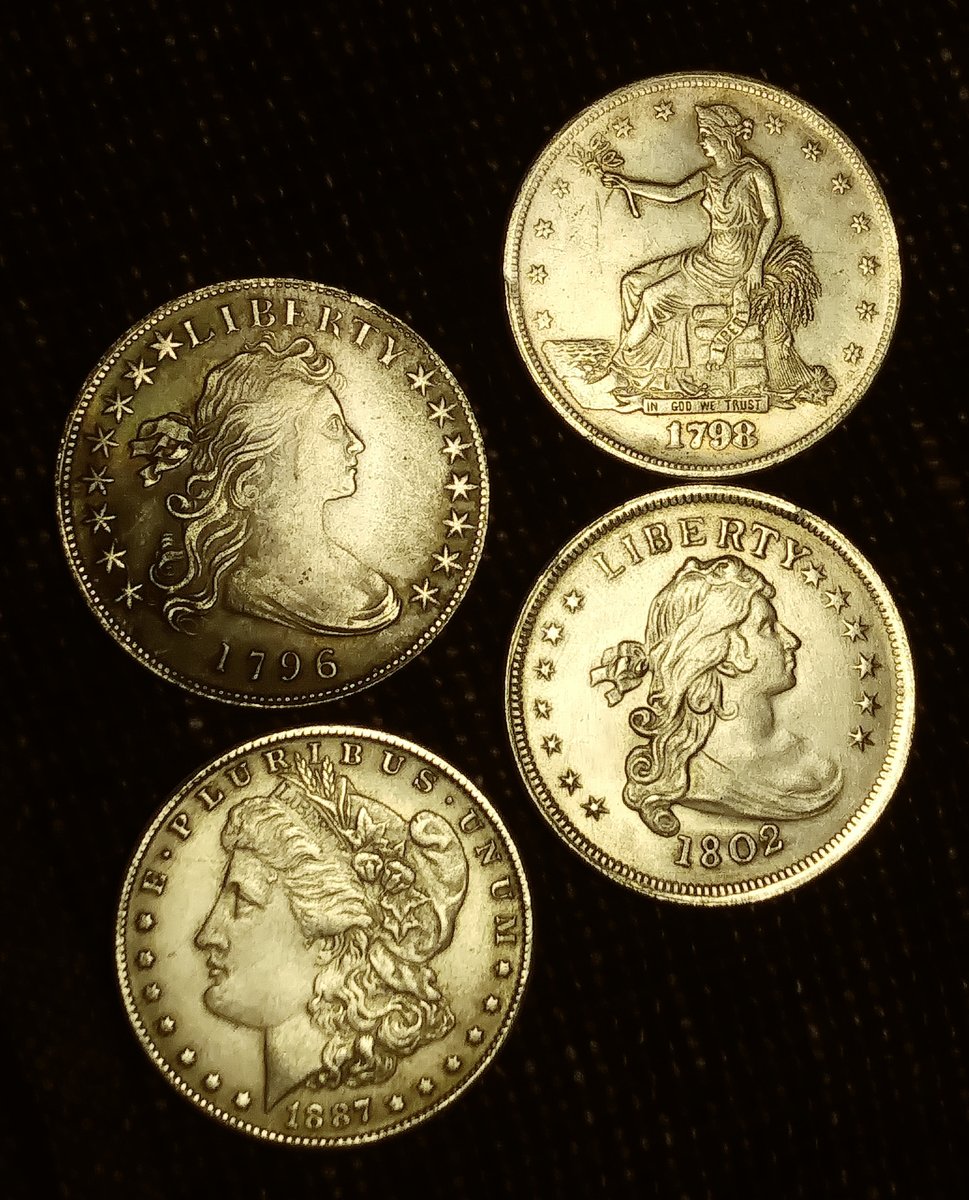
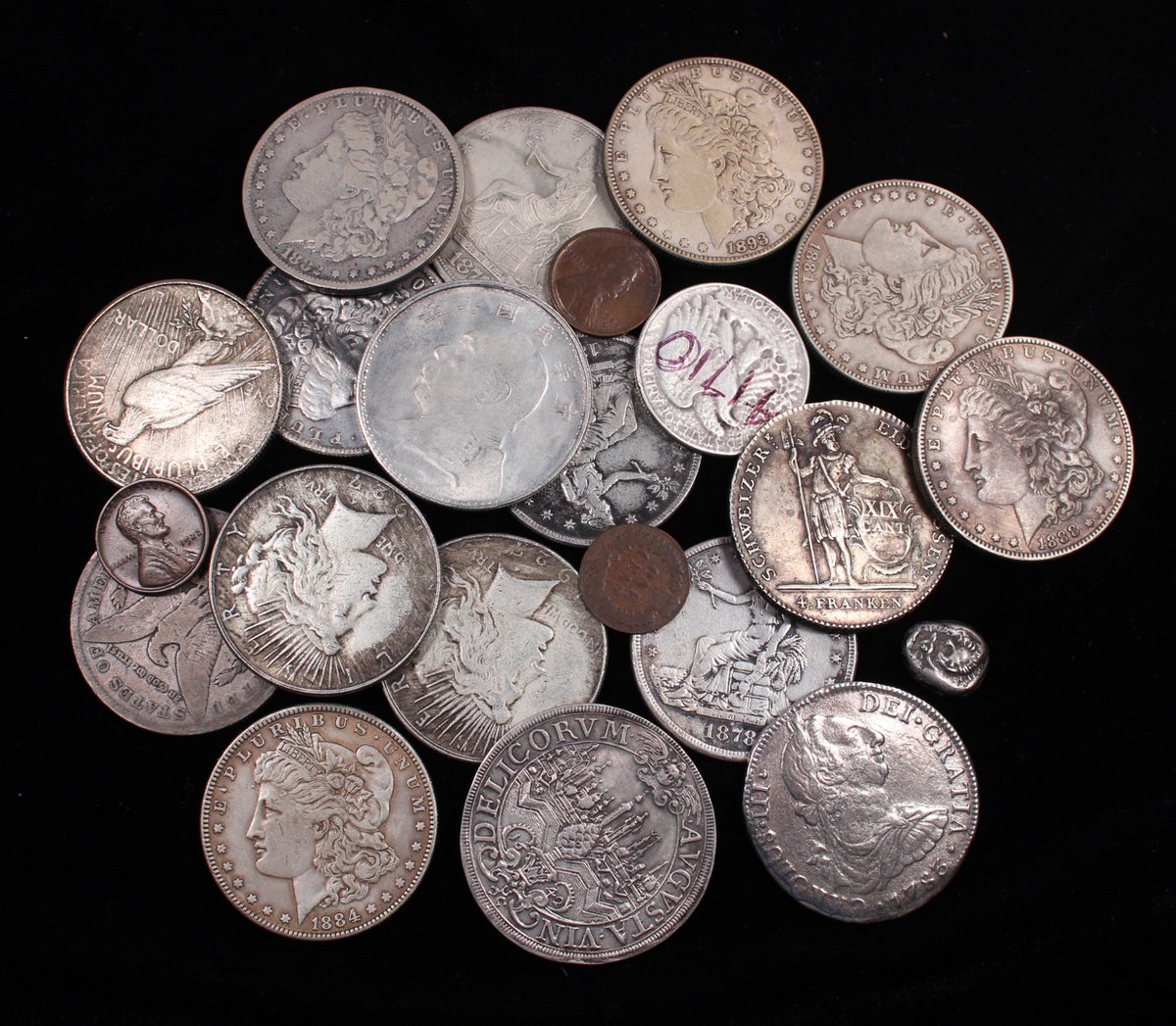
What to look for: Early dollars, halves and cents are among the most faked U.S. coins. Check that the reverse design matches the date, and look for casting bubbles, edge seams and painted-on toning.

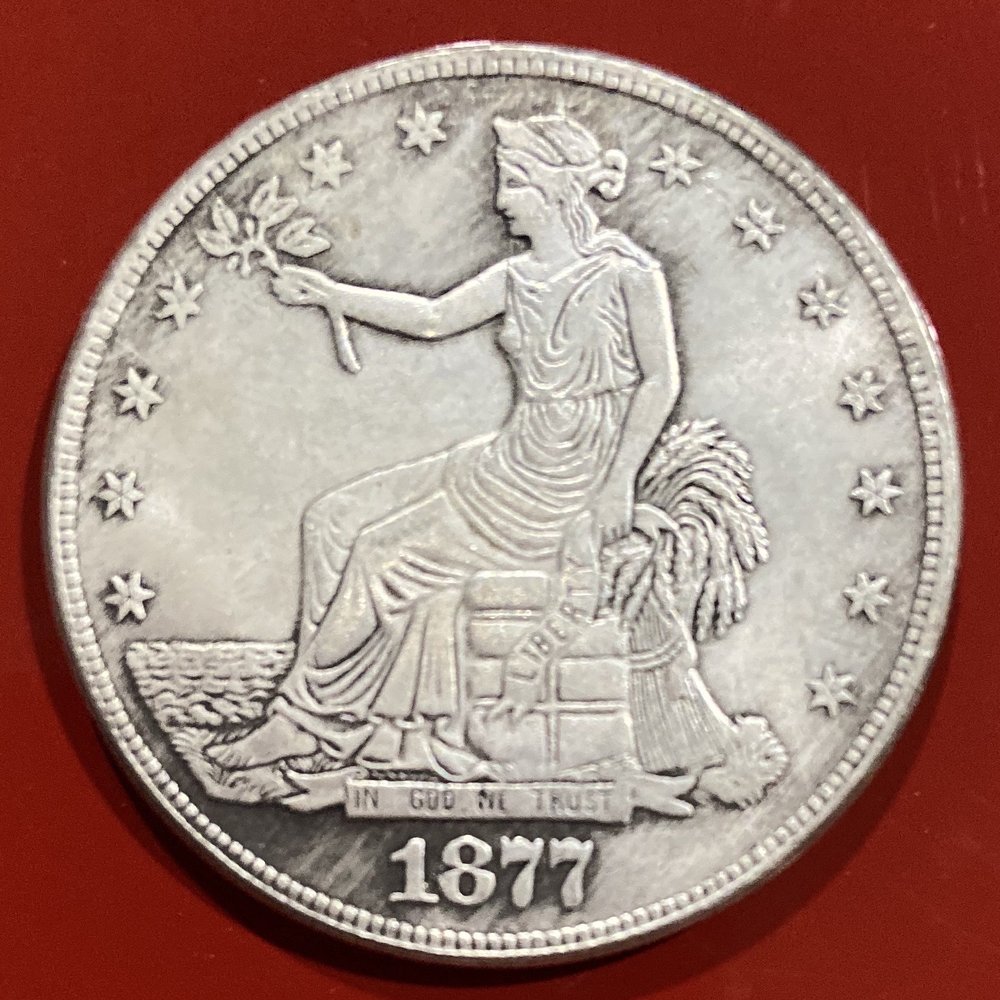
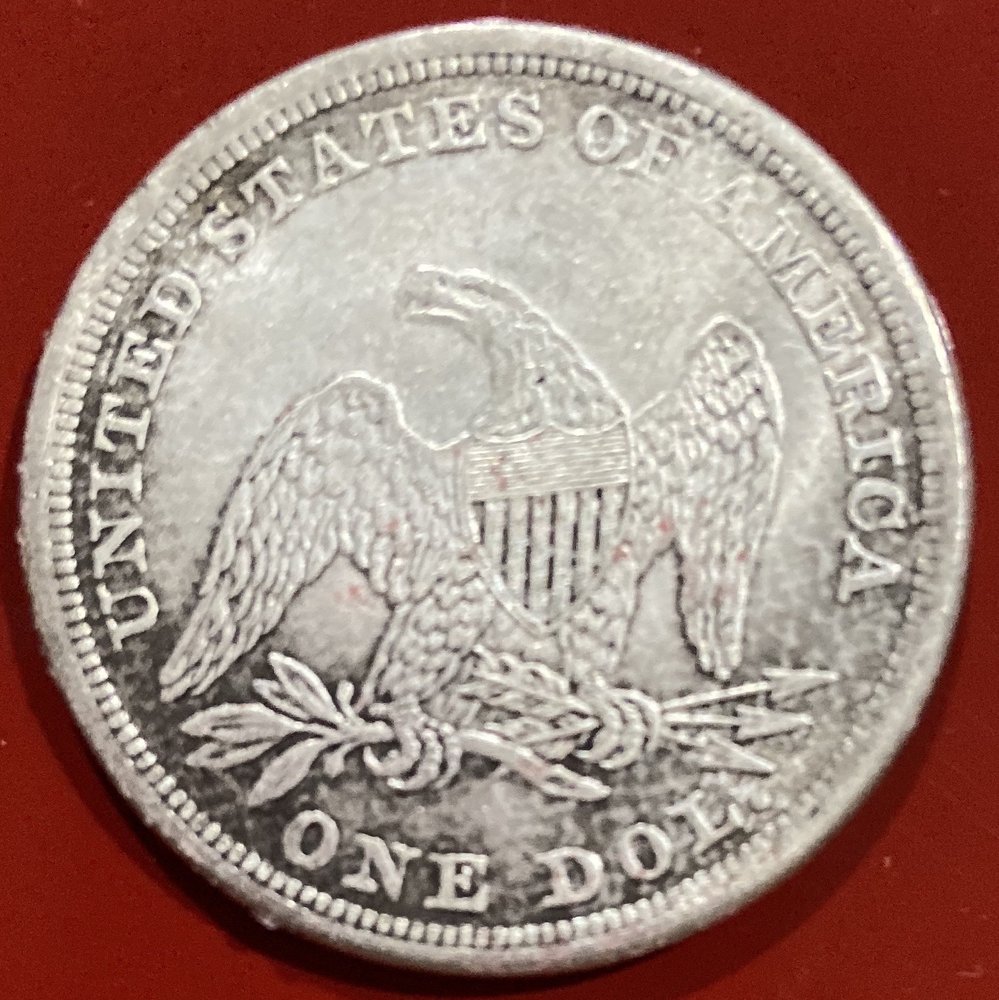
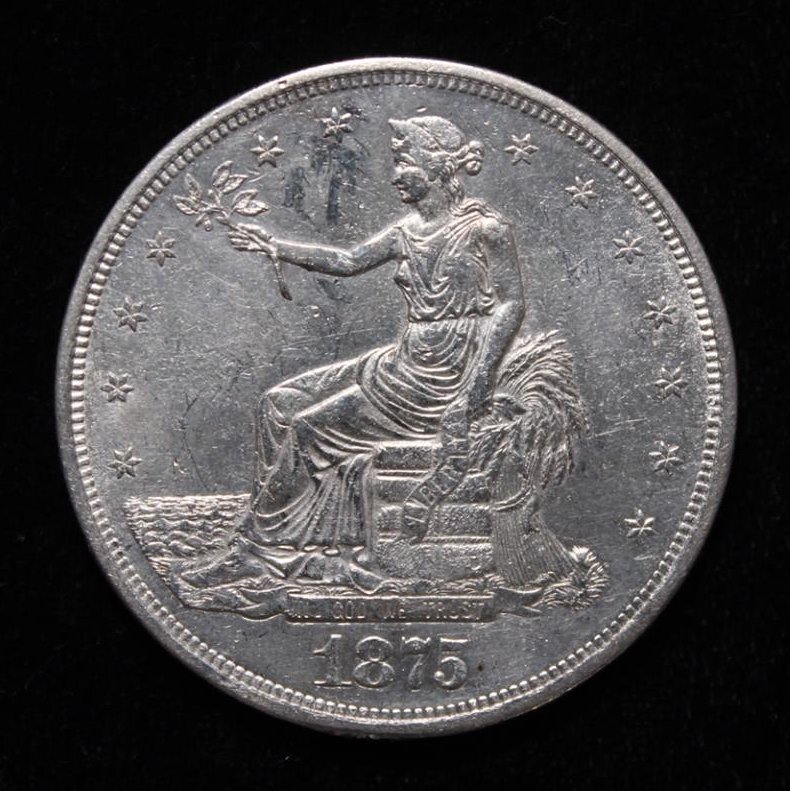
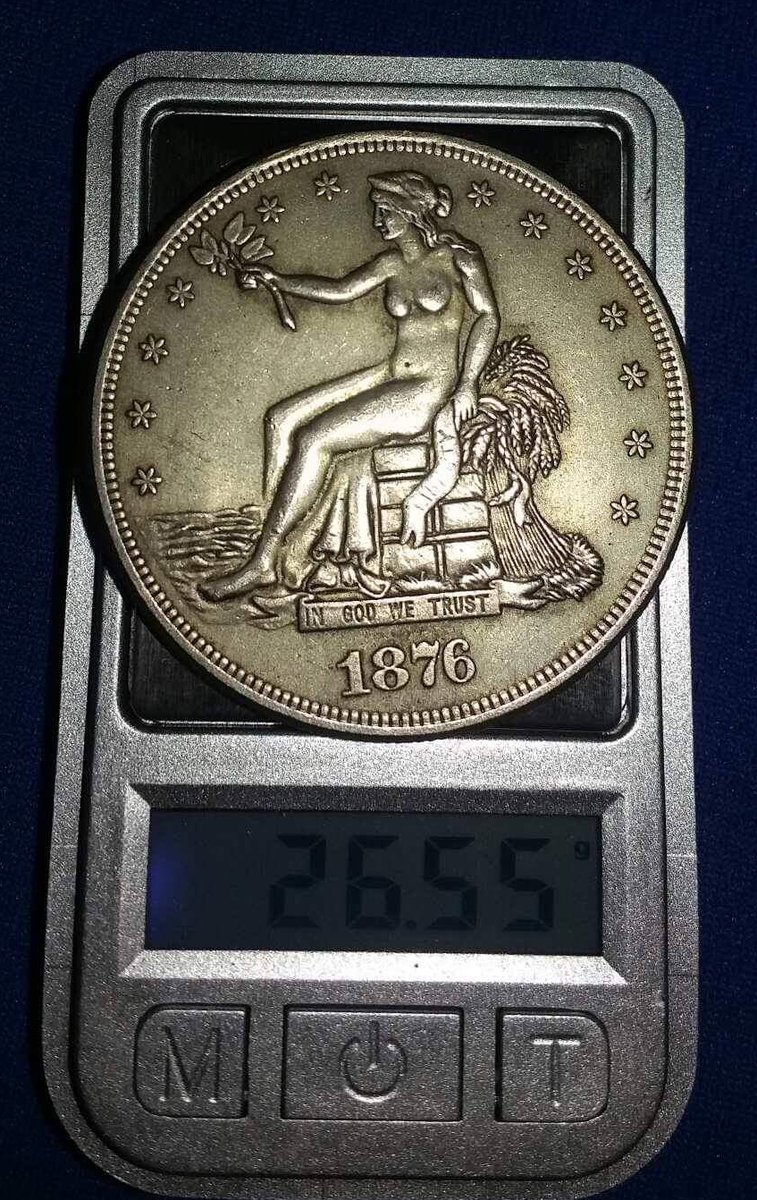
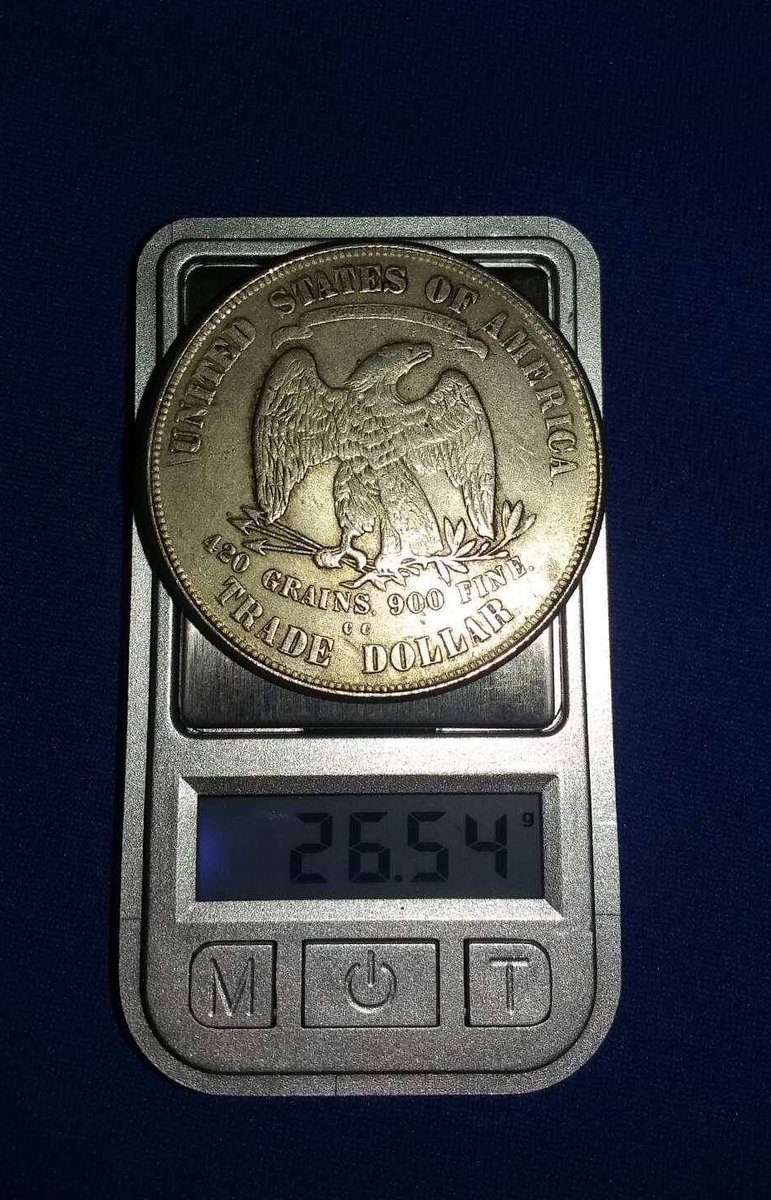
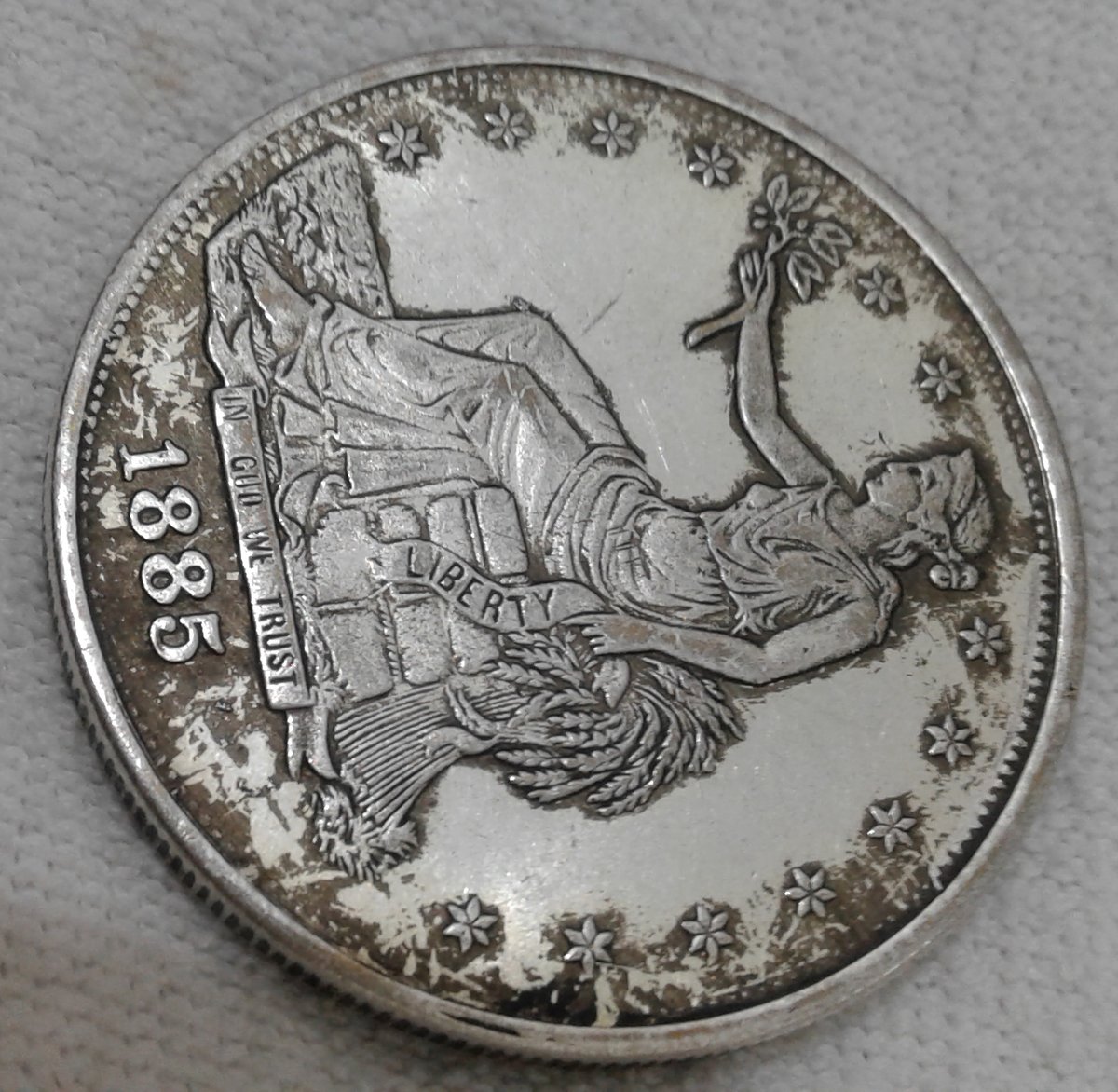
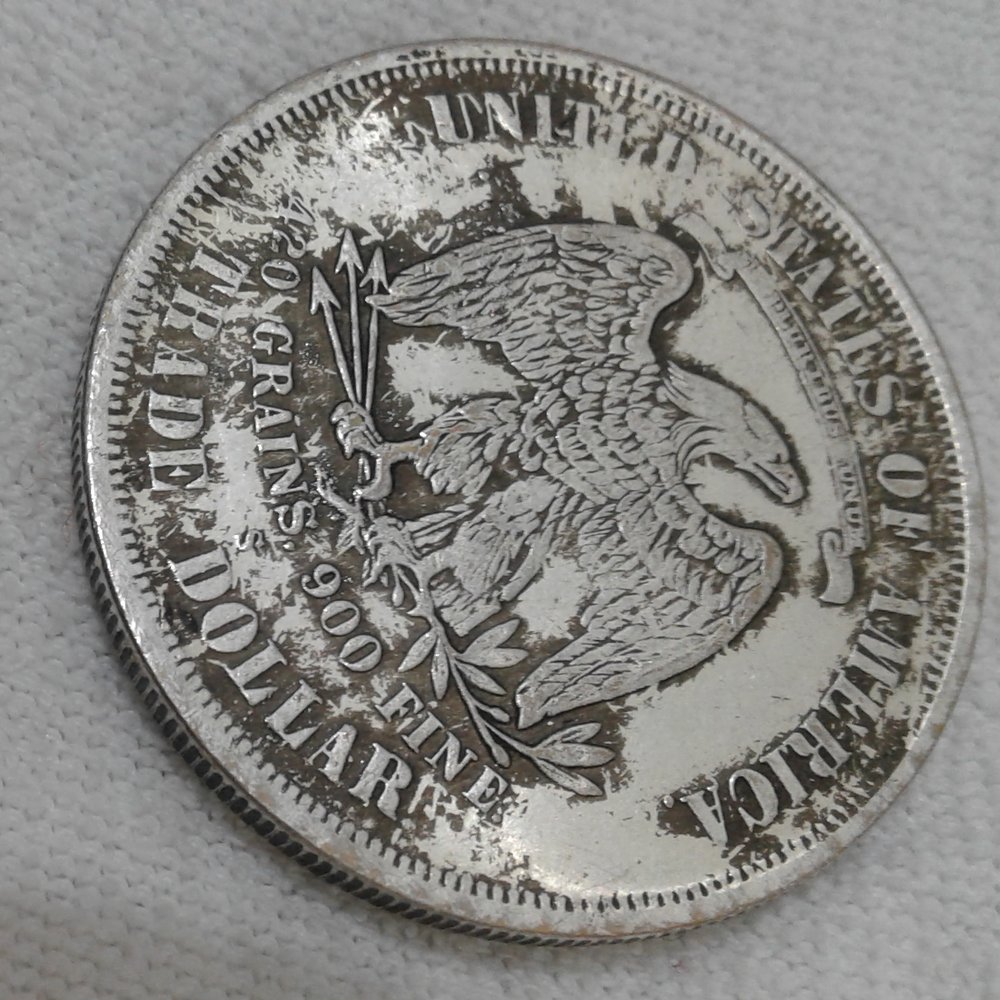
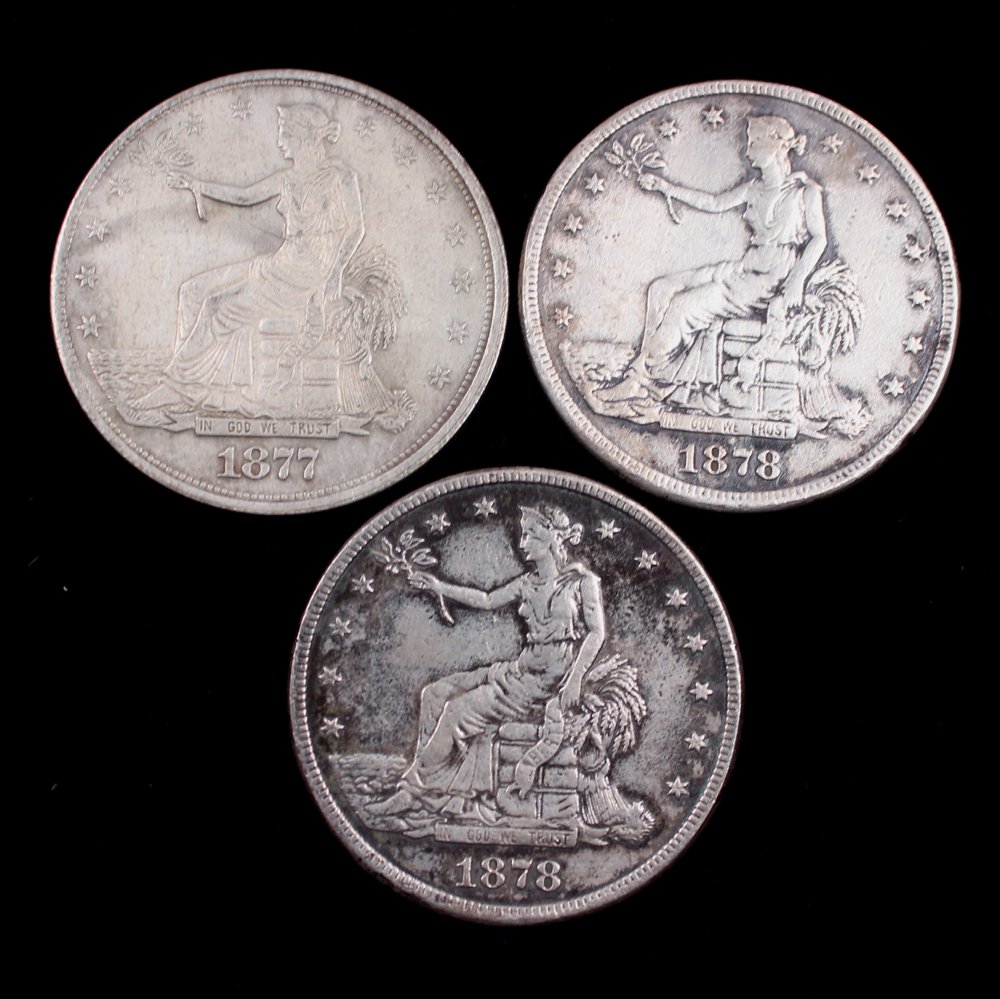
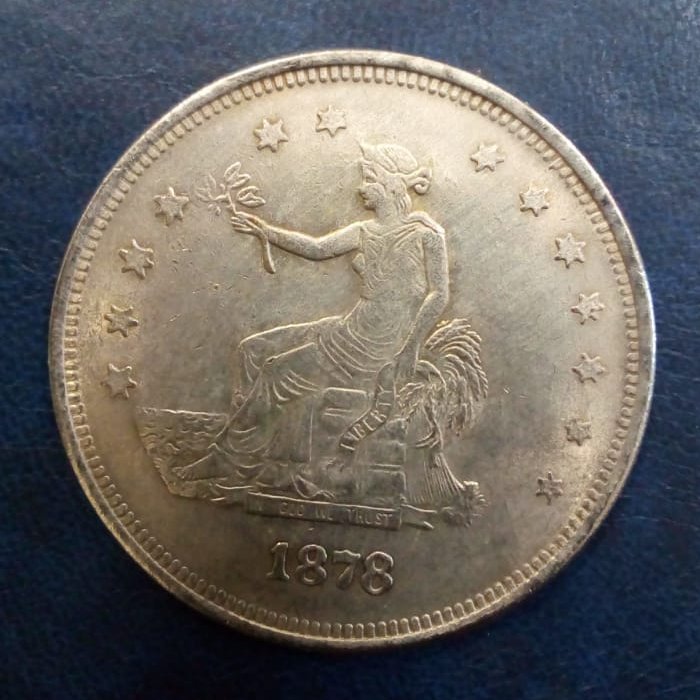
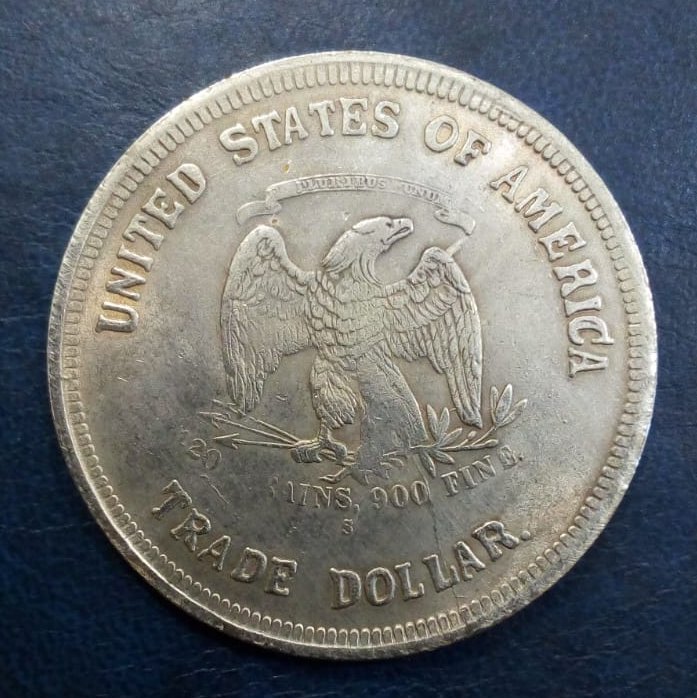
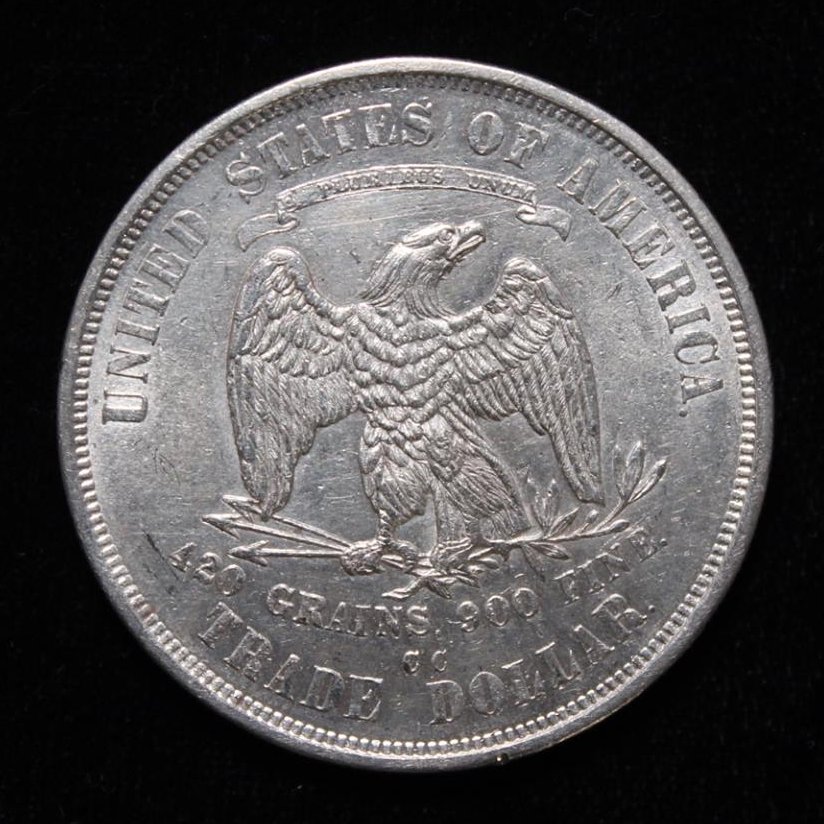
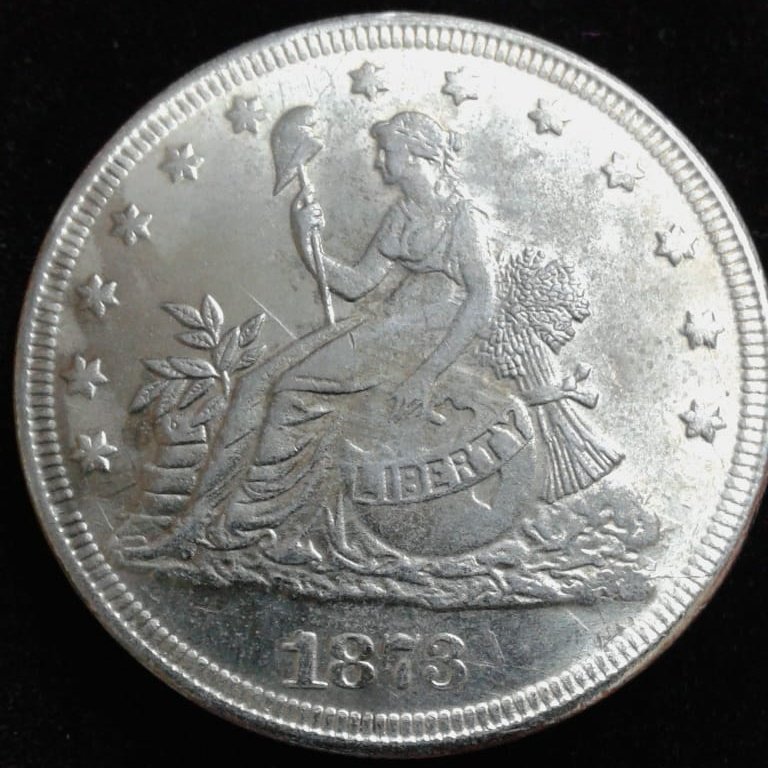
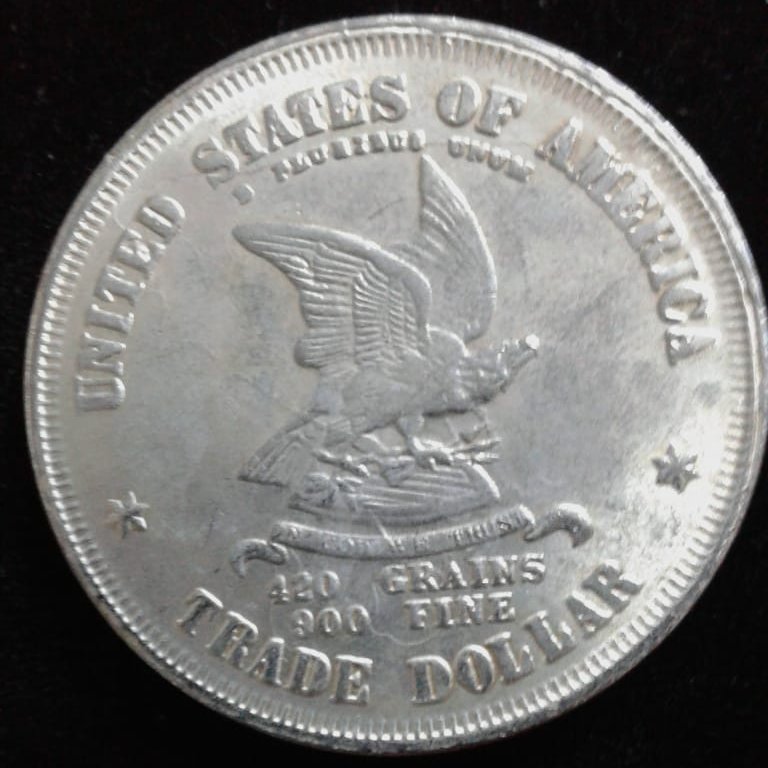
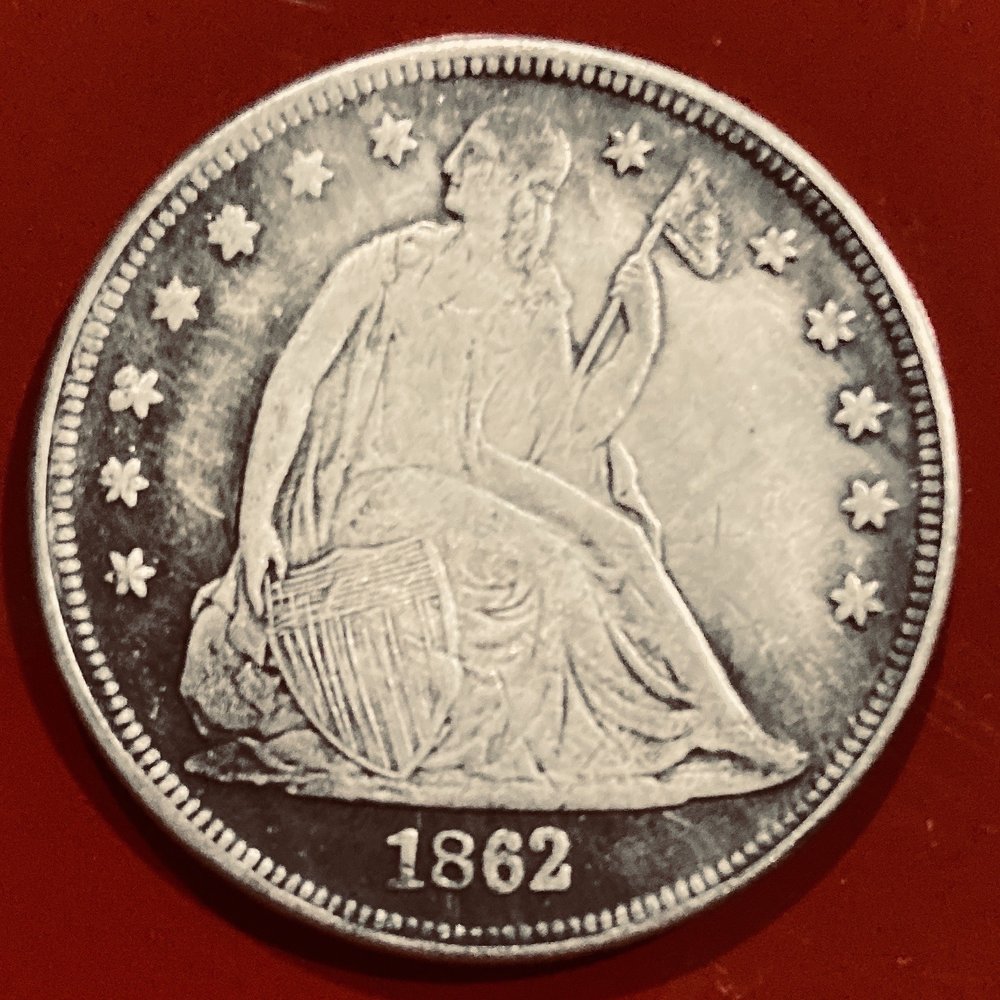
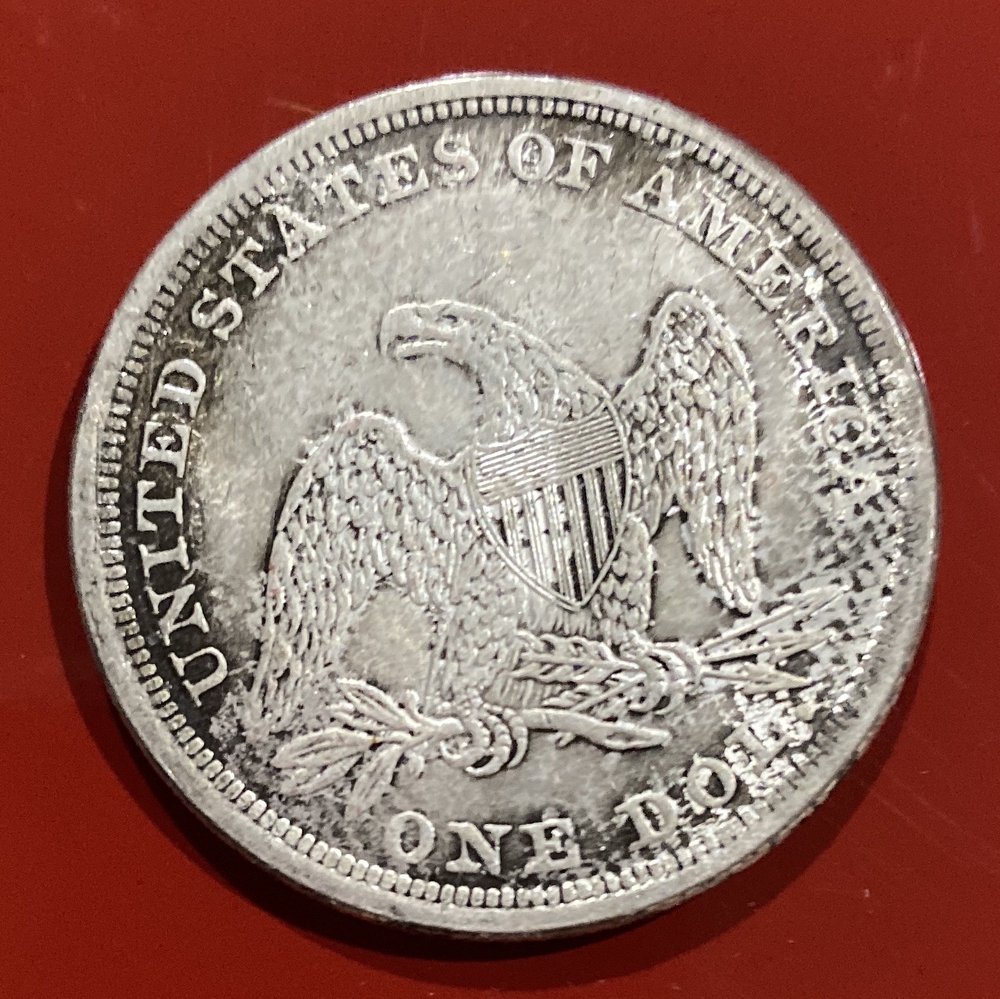
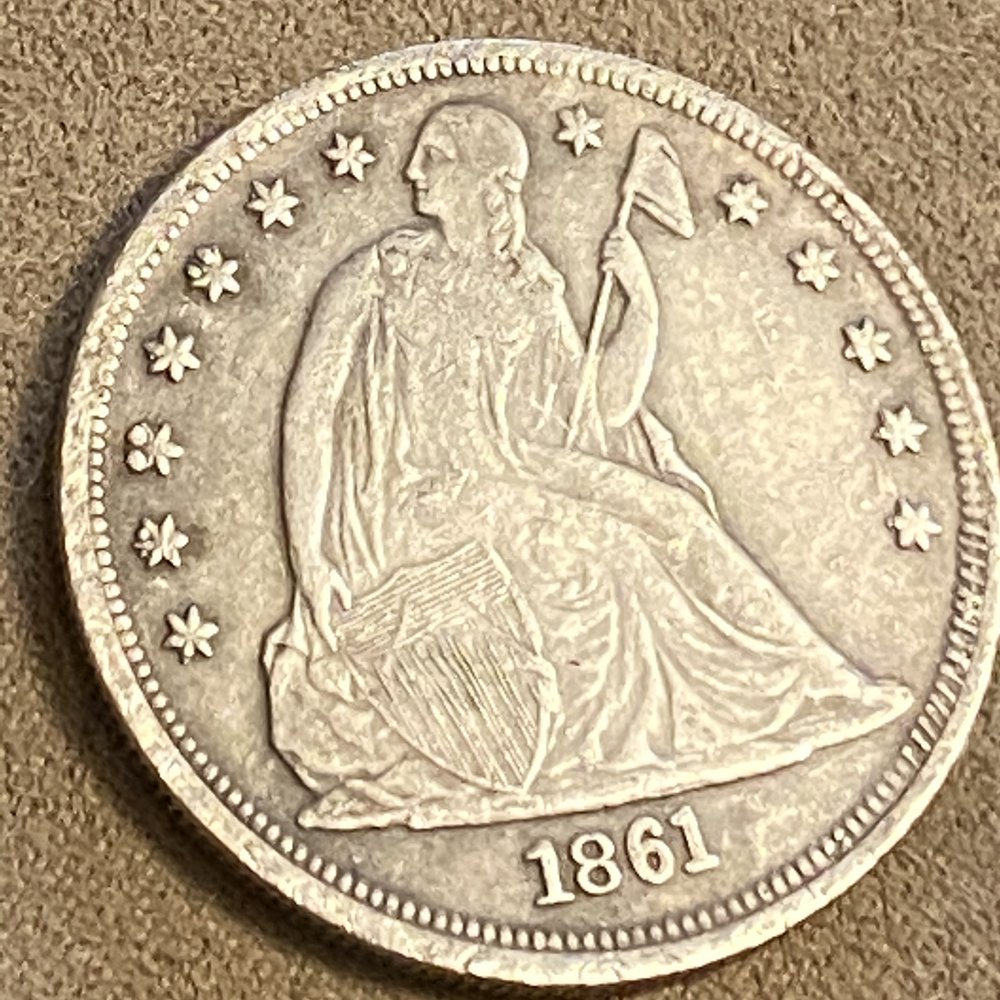
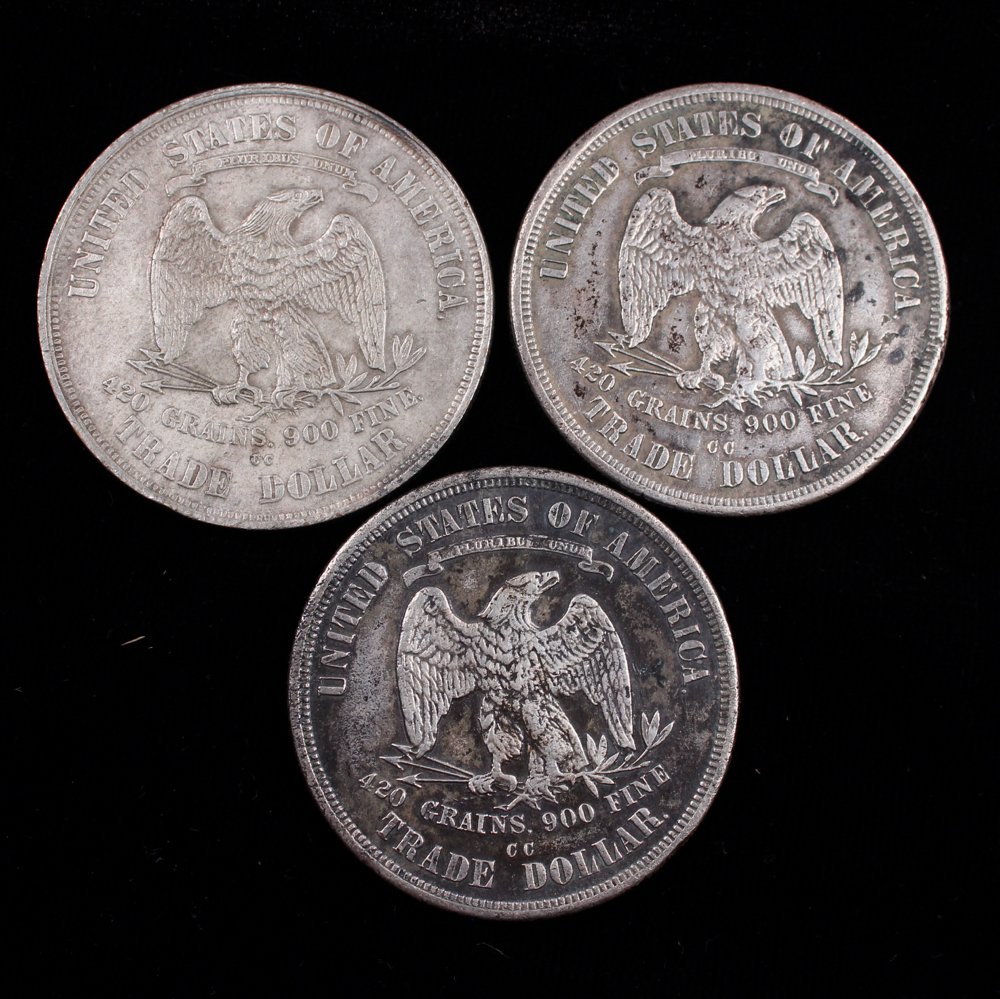
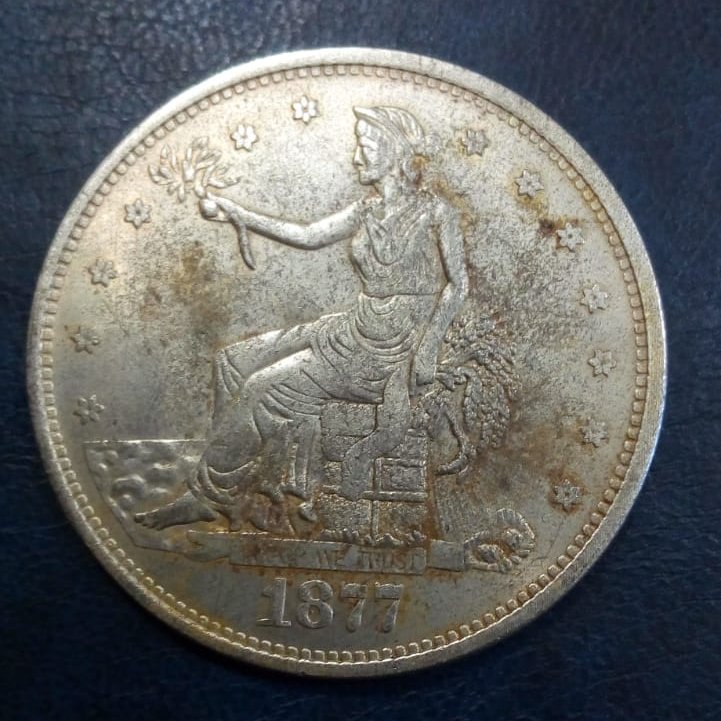
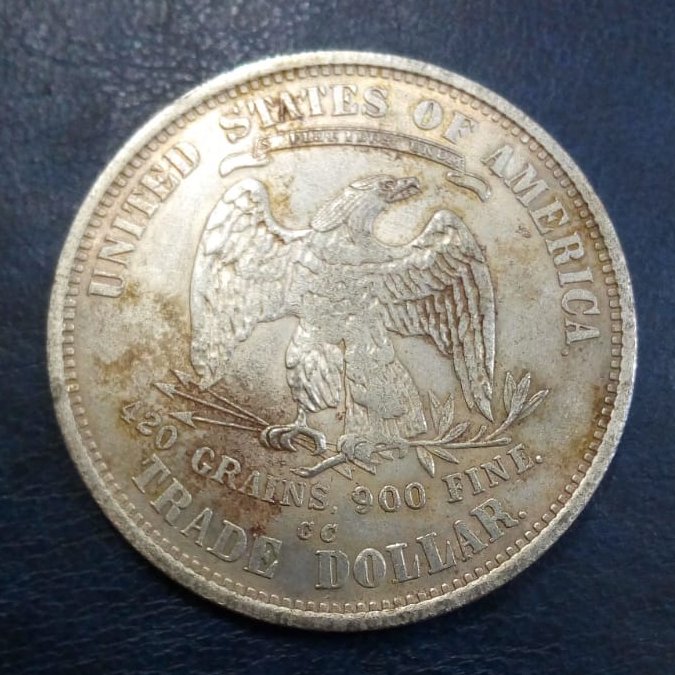
Fake Seated Liberty and Trade Dollars

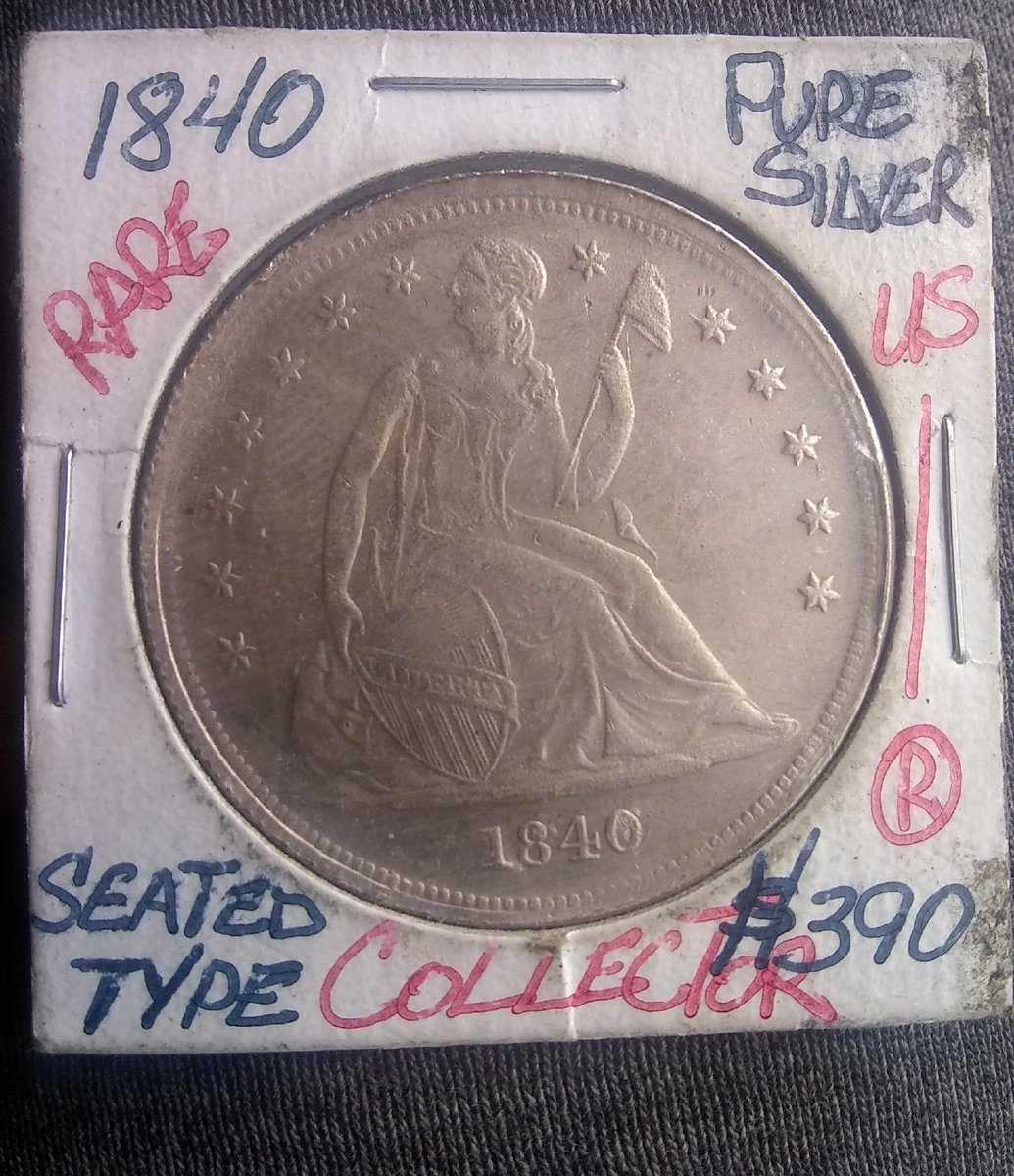
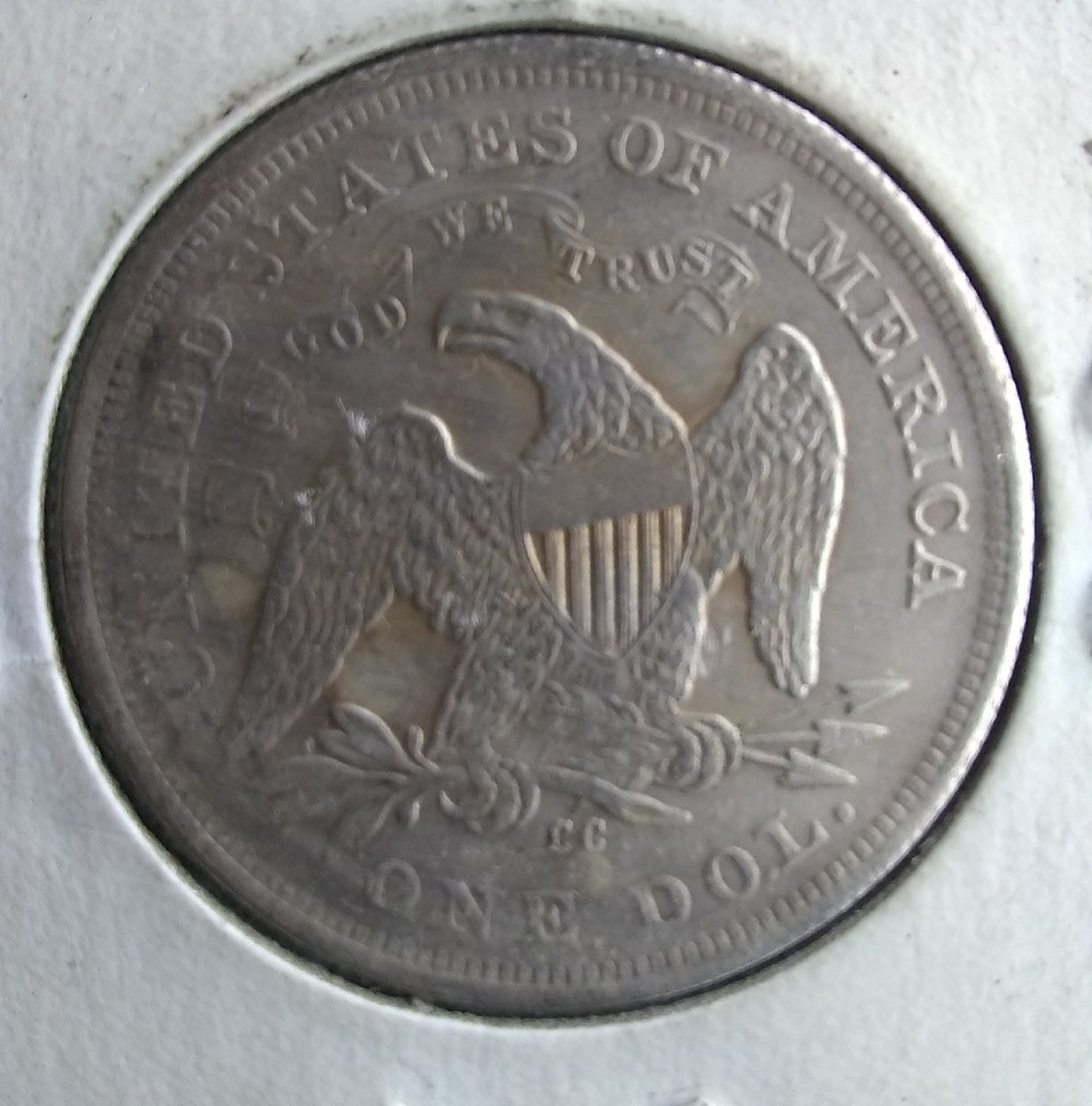
What to look for: Check that the date and mint mark exist: the Carson City Mint did not open until 1870, so an 1840-CC is impossible. A trade dollar should weigh 27.22 grams.

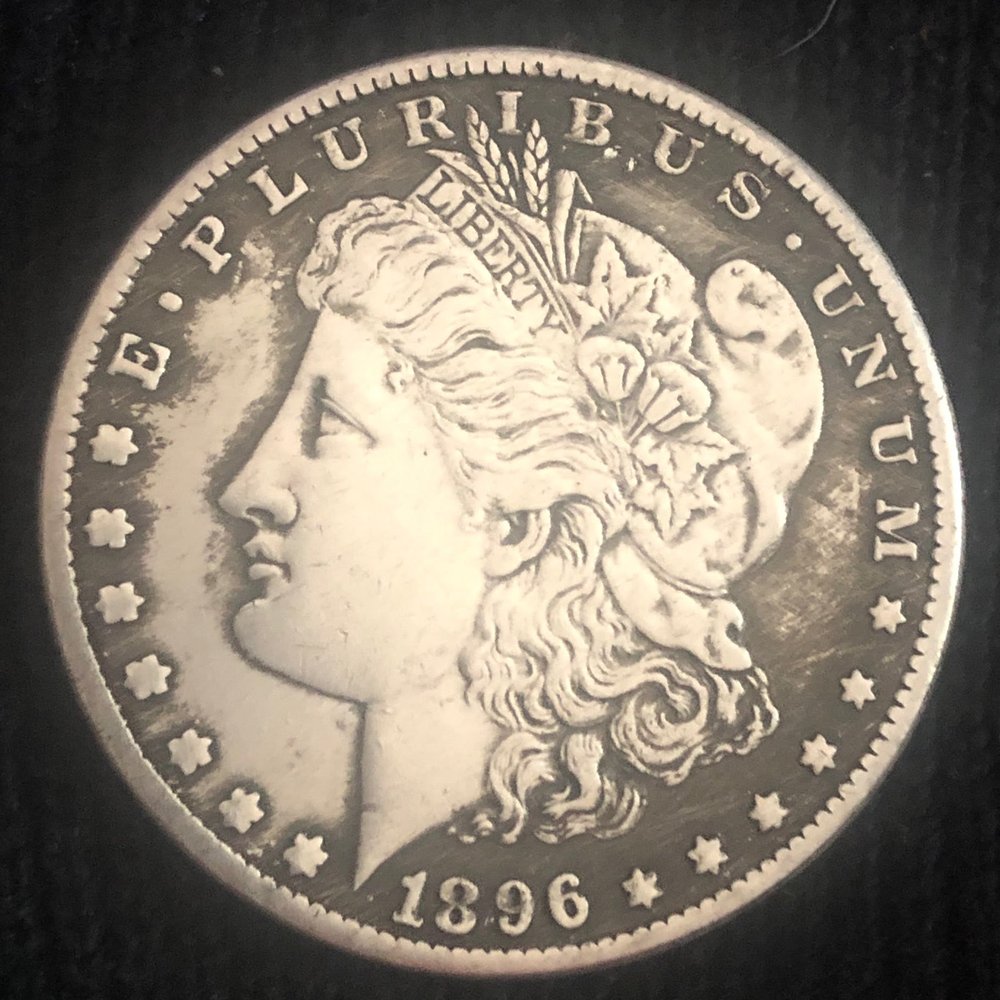
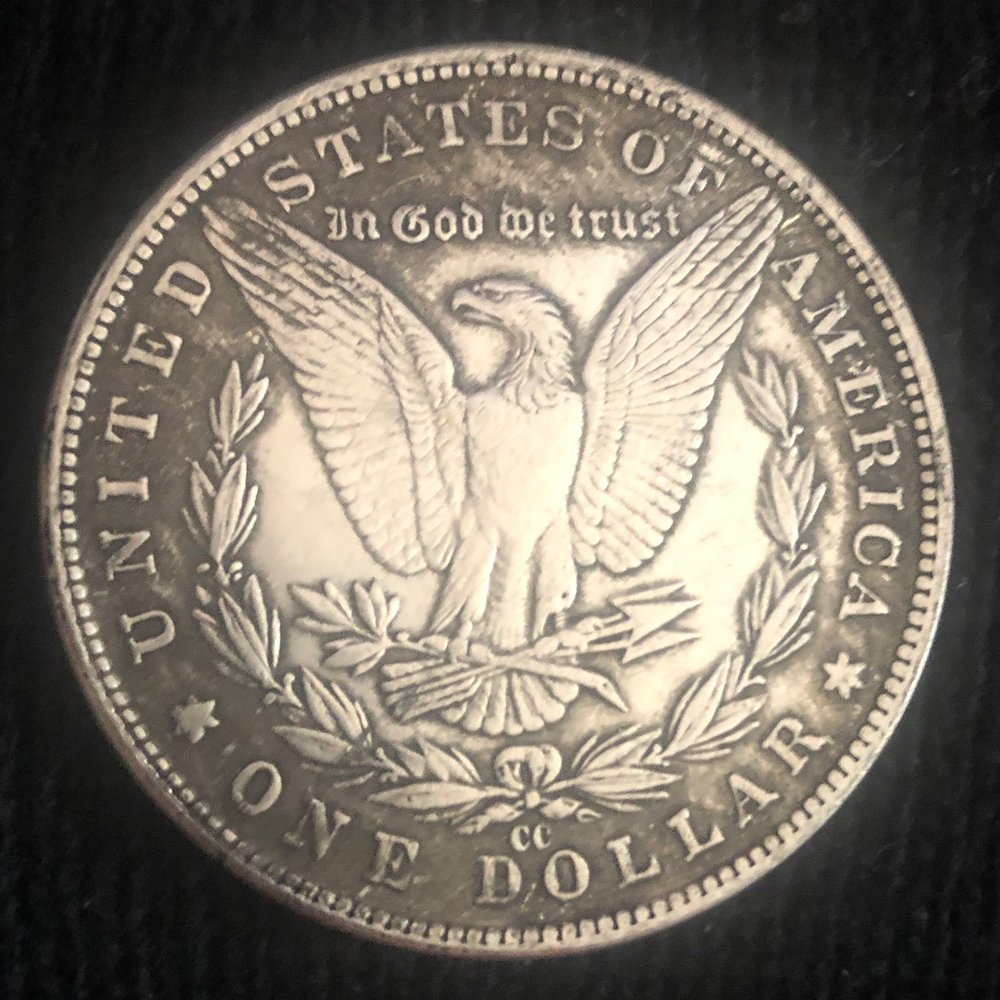
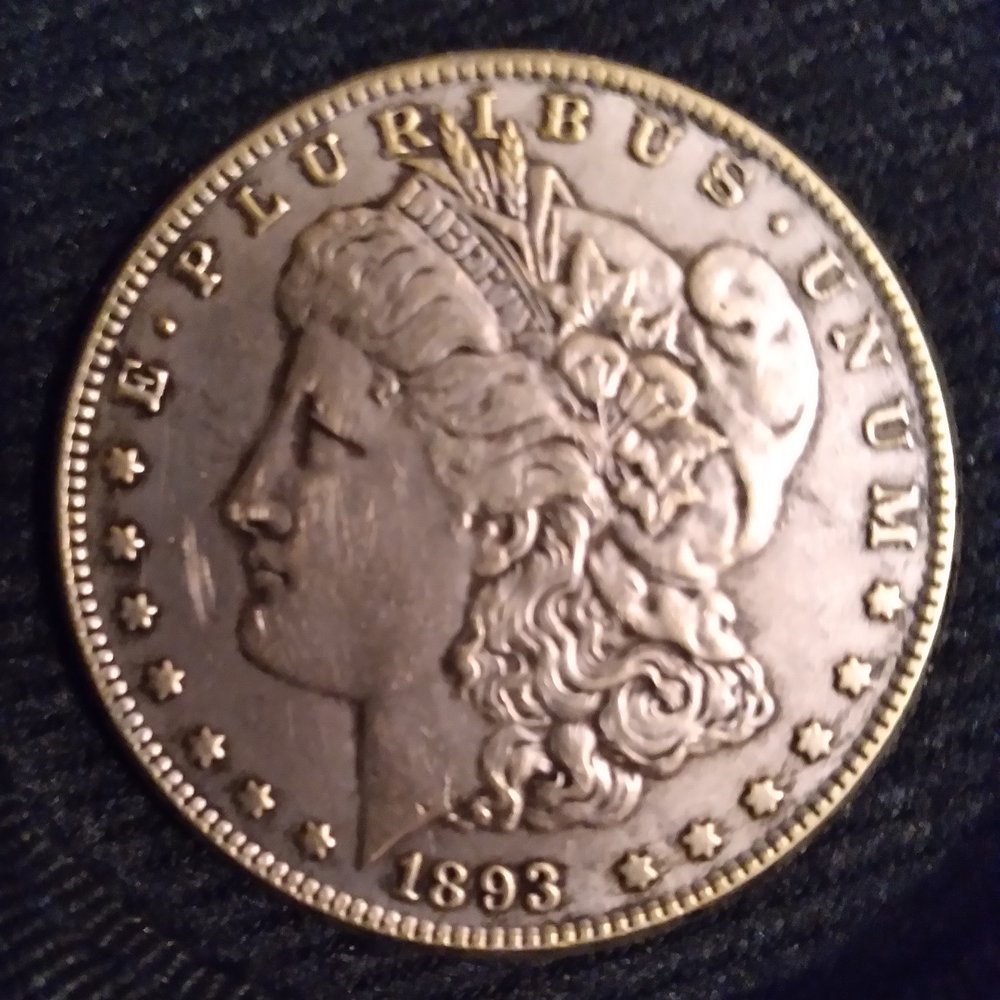
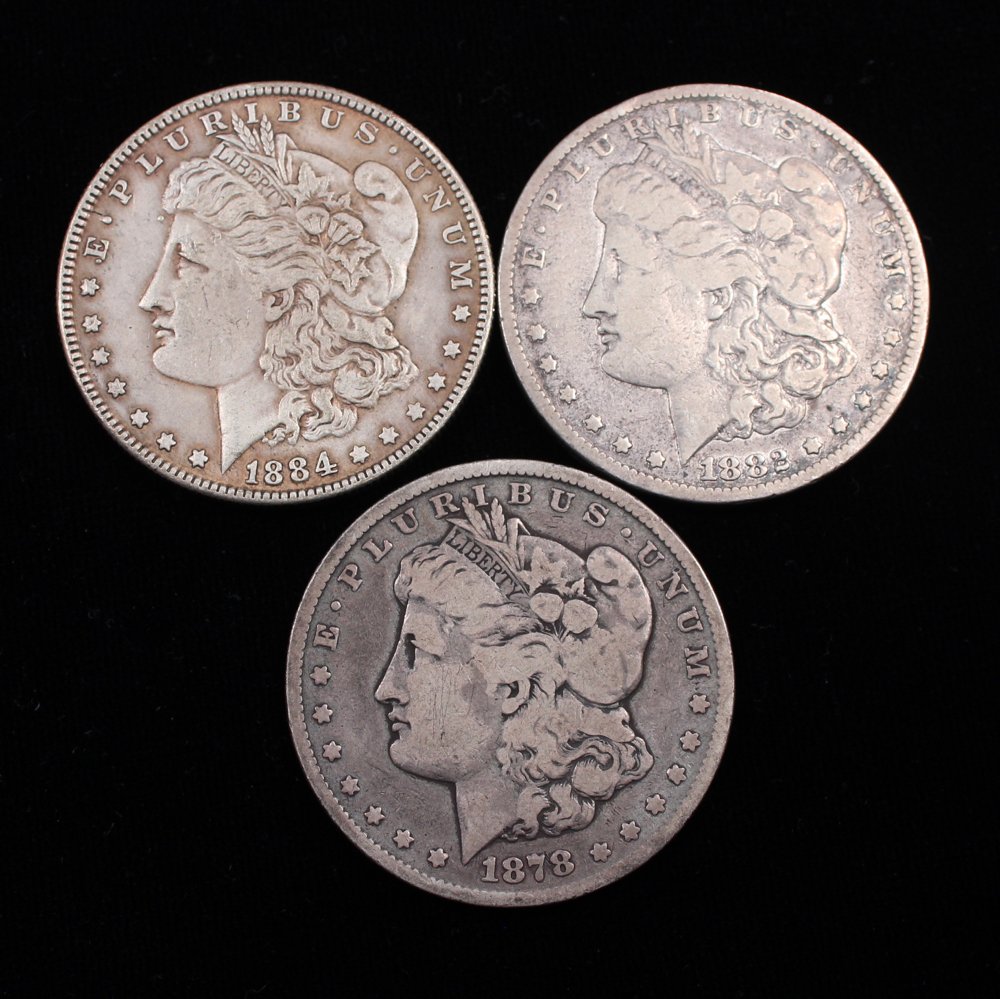
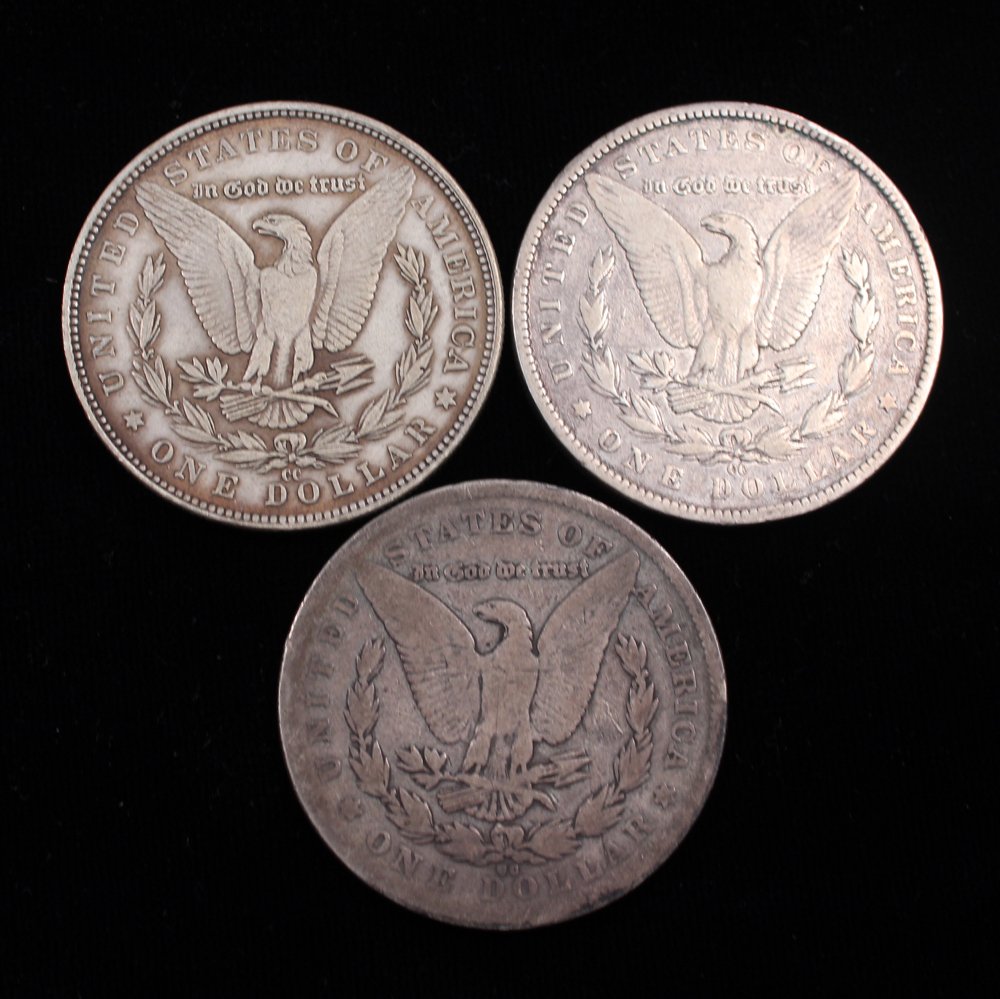
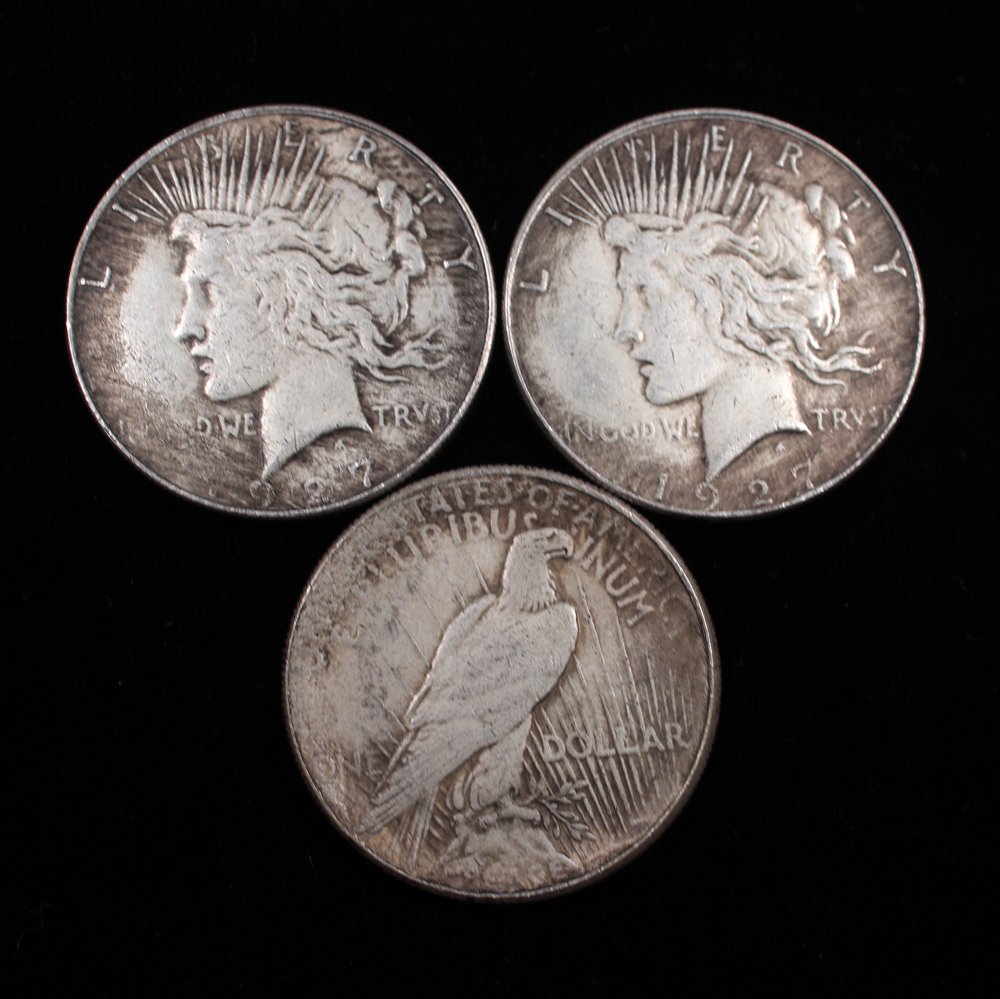
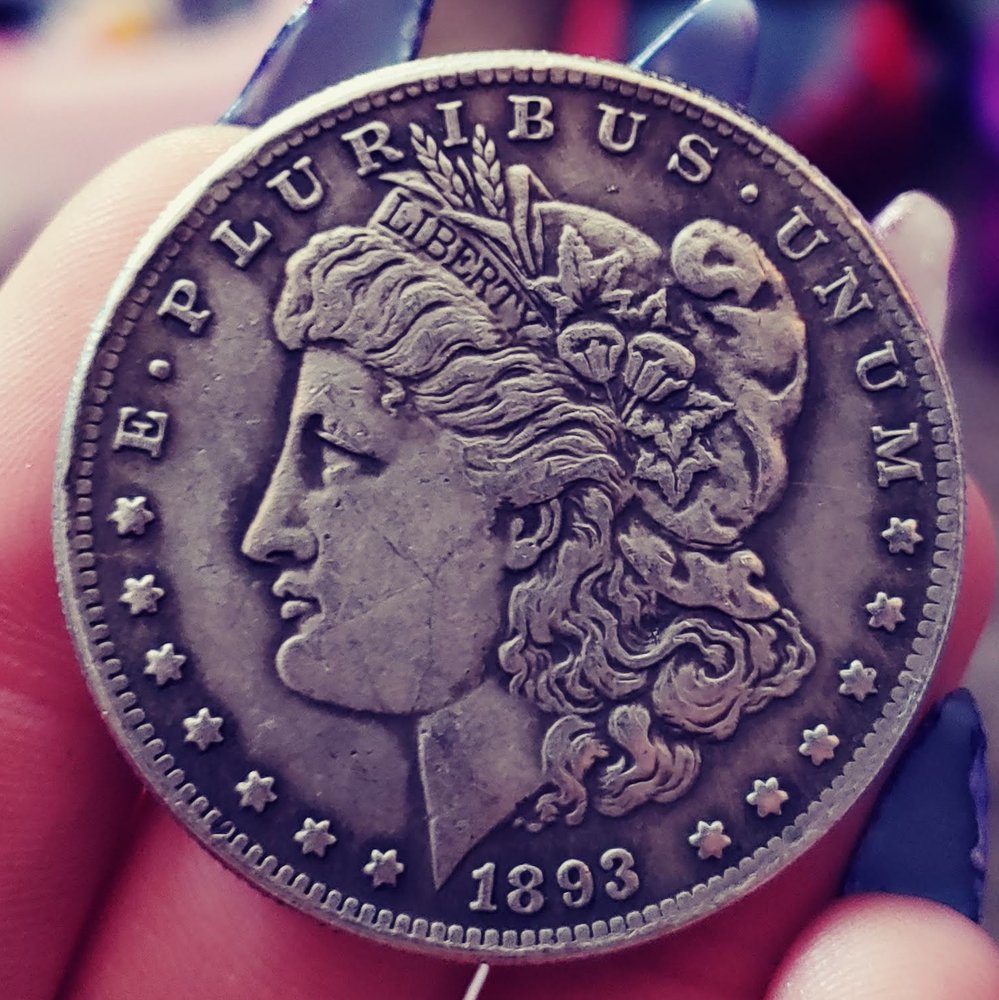
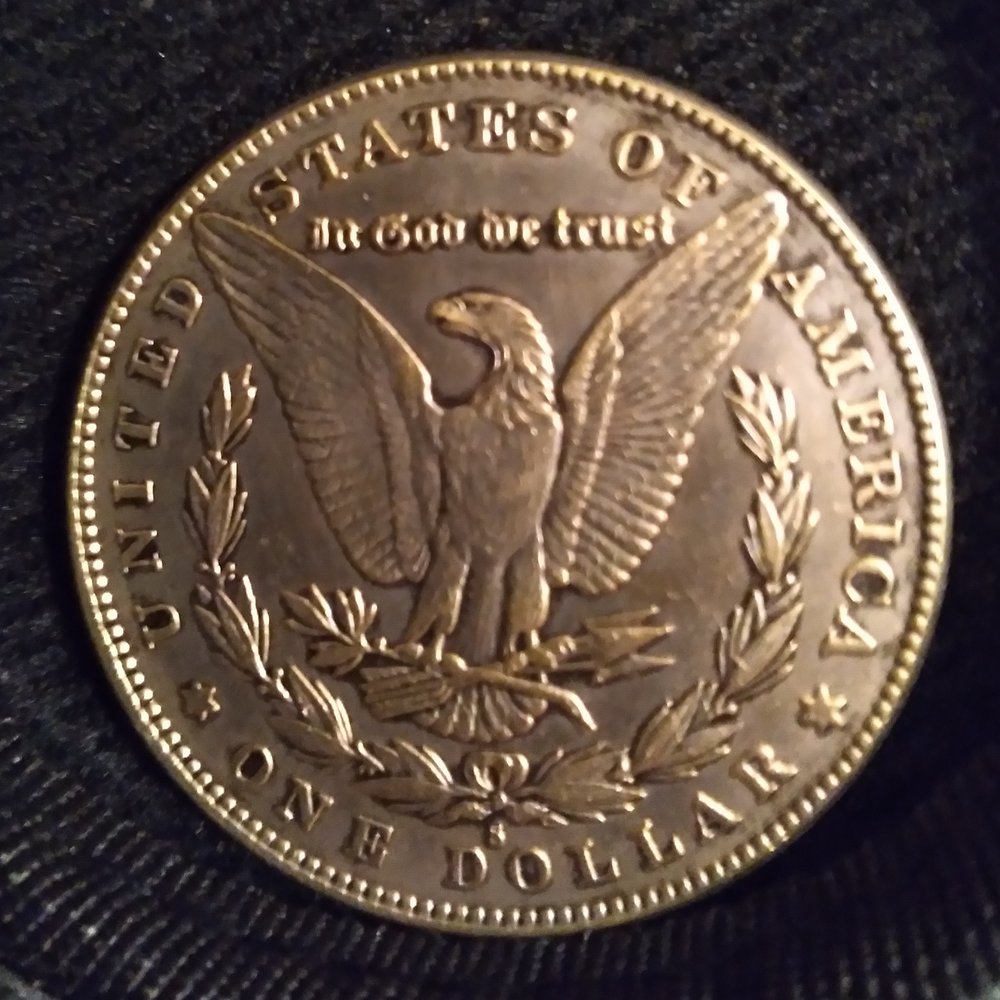
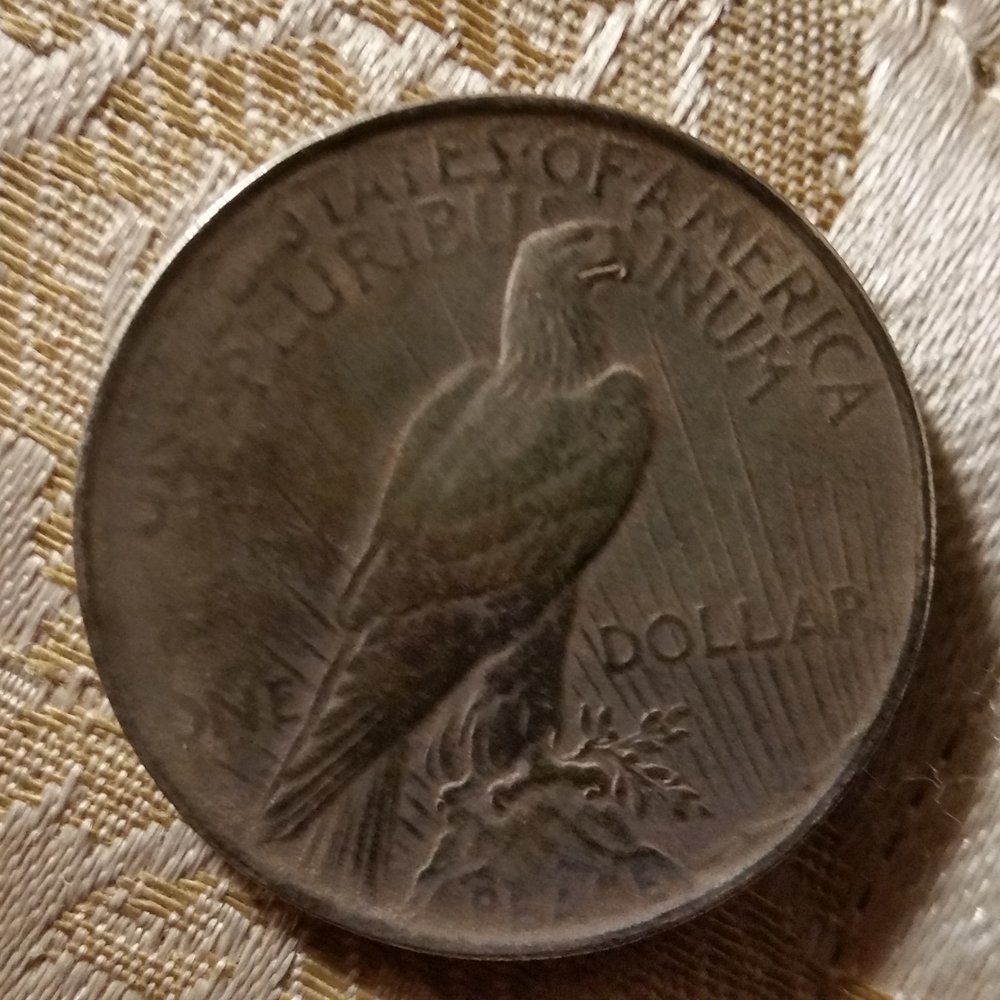
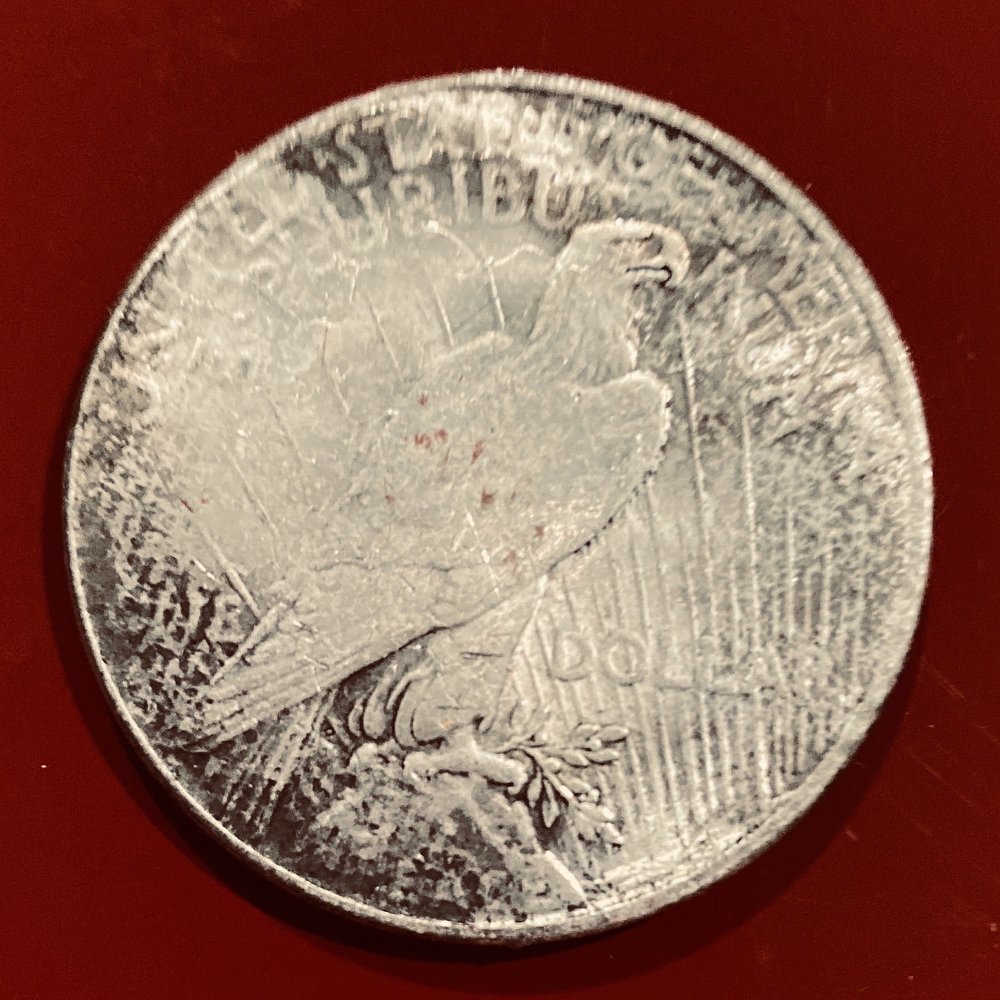
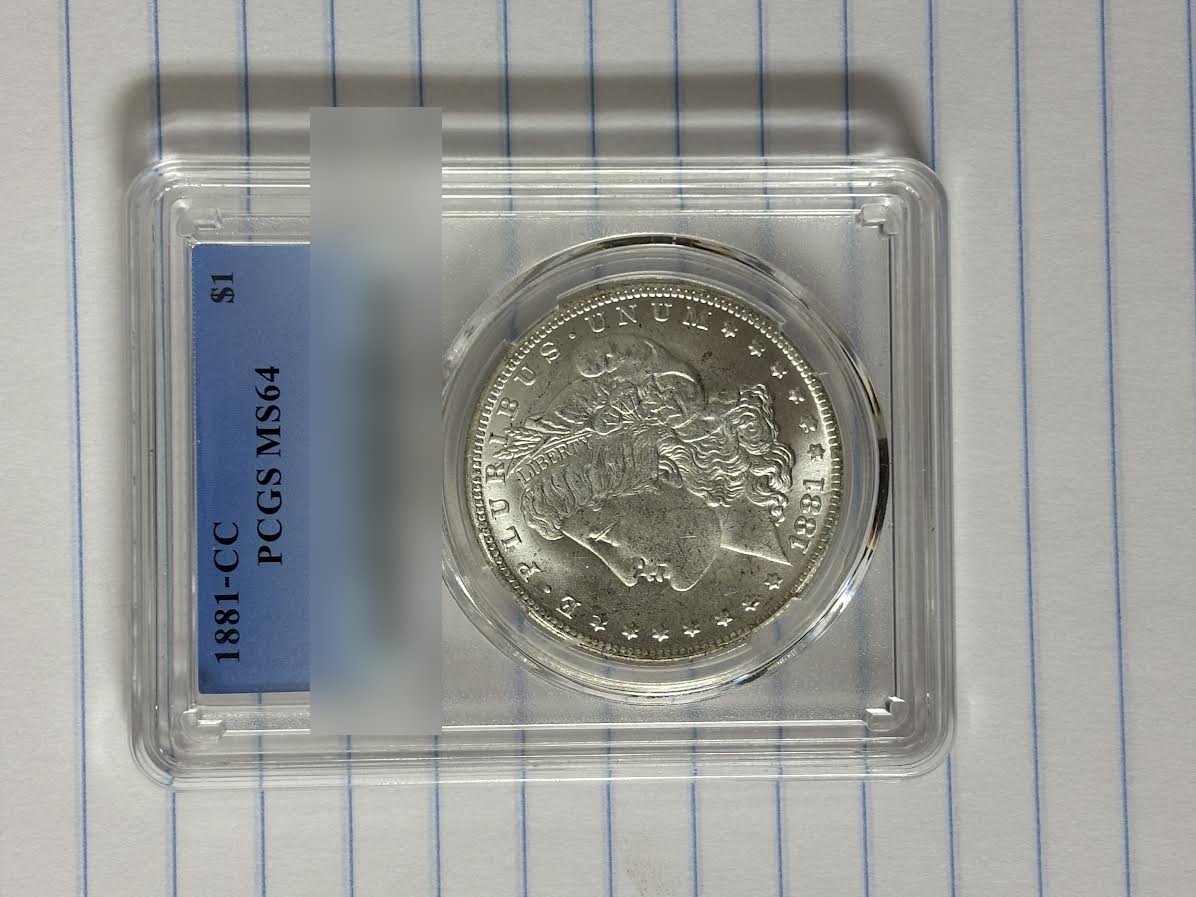
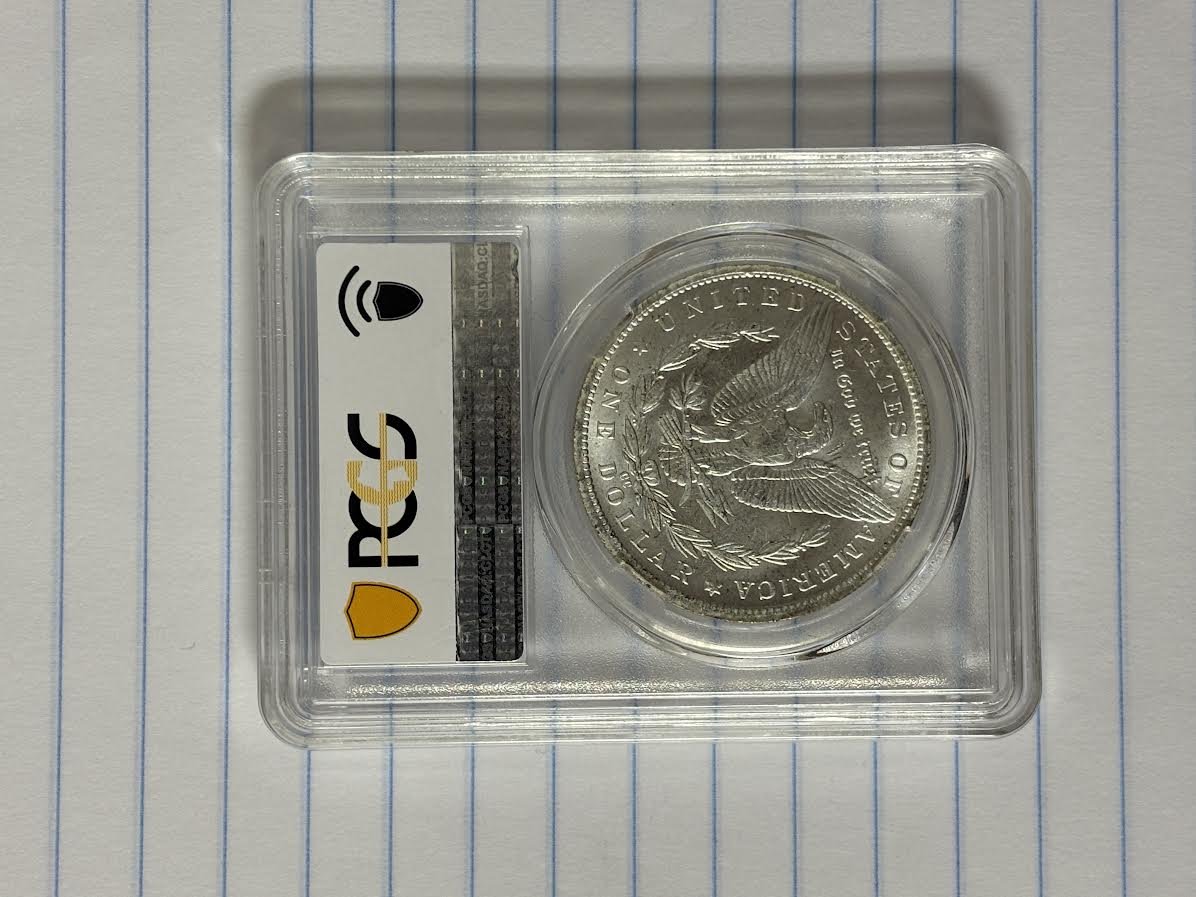
Fake Morgan and Peace Silver Dollars

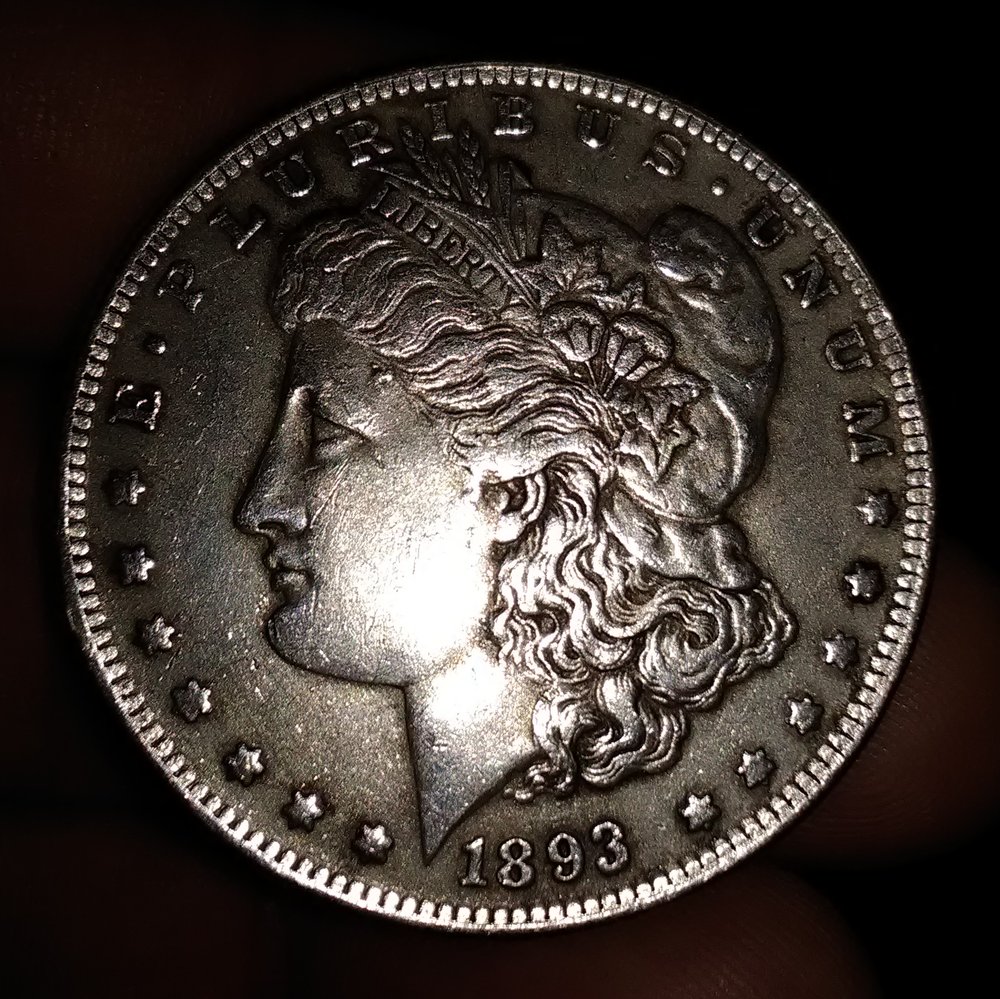
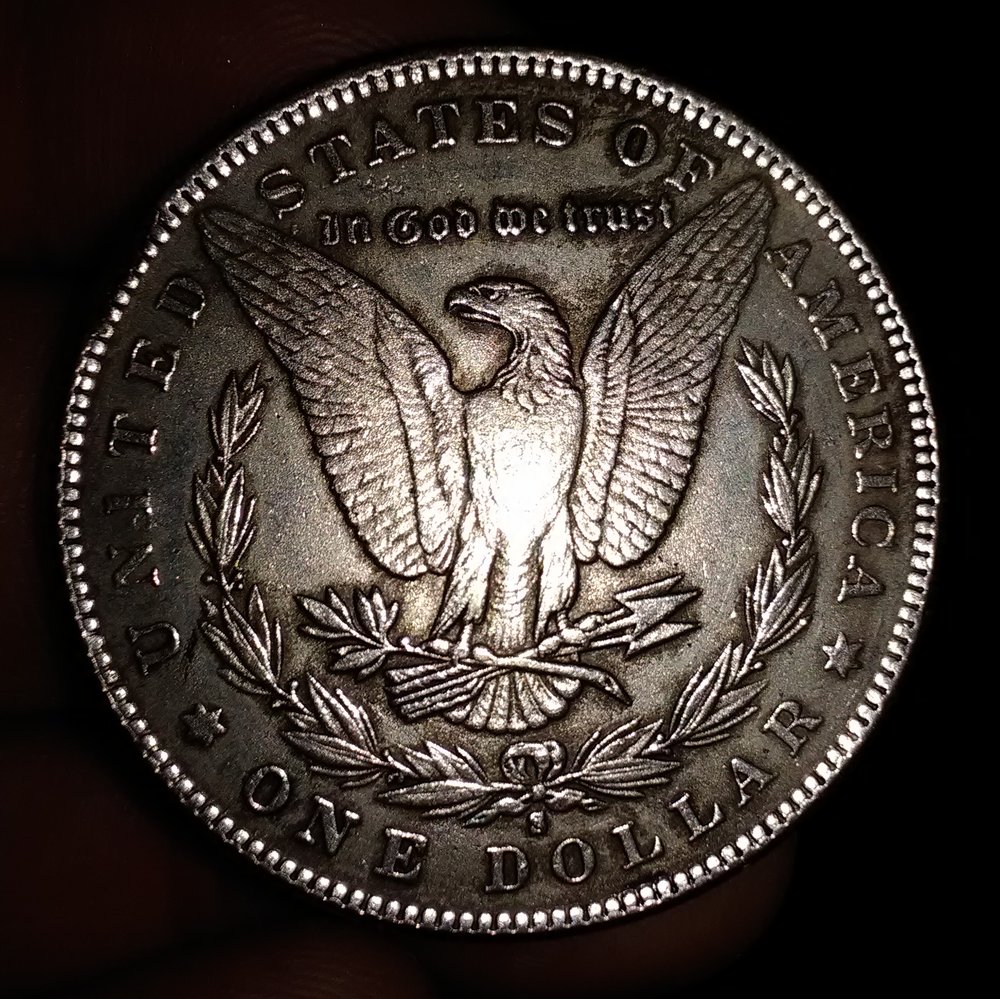
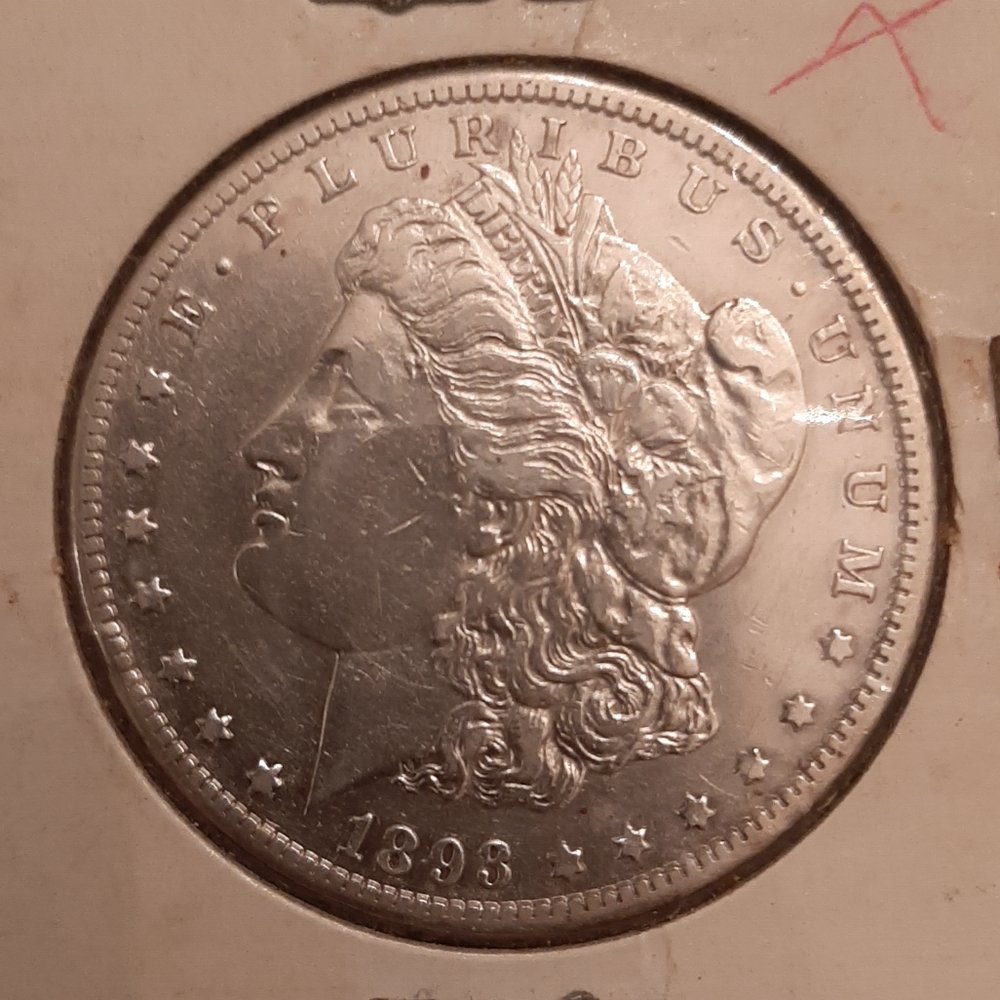
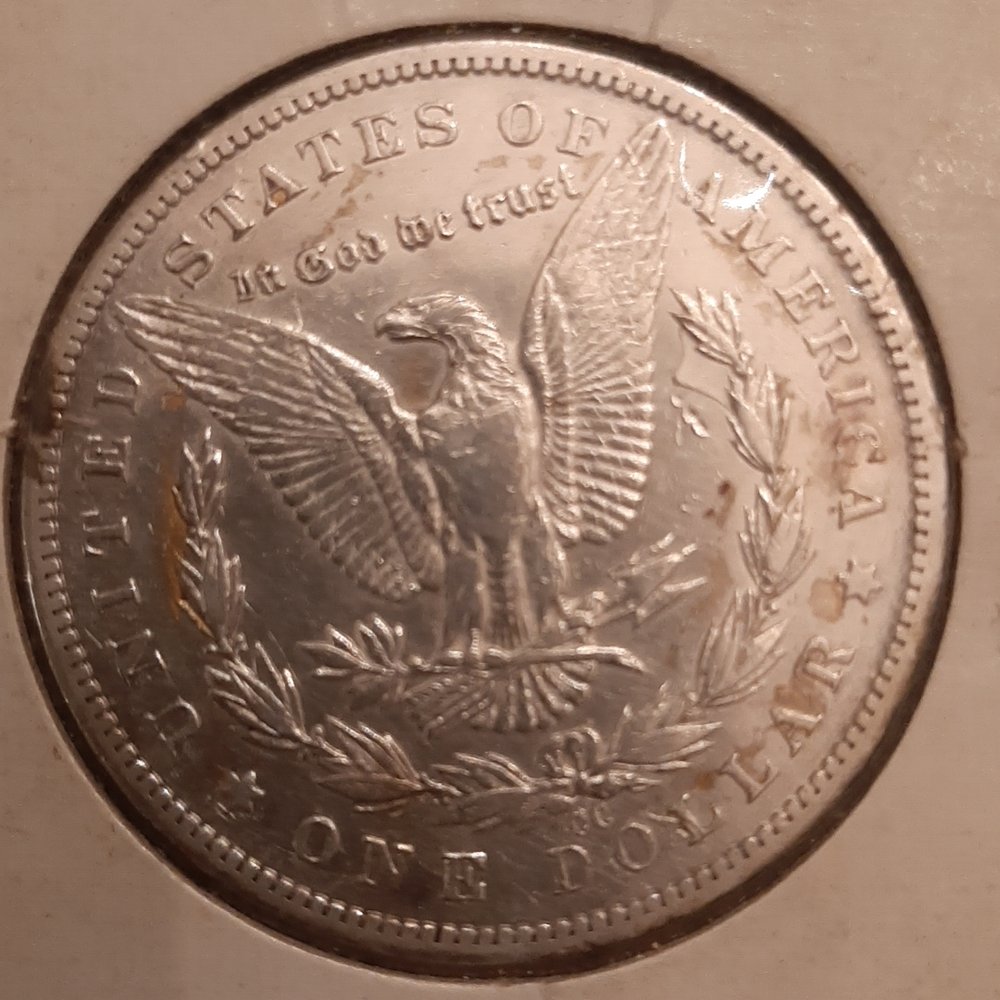
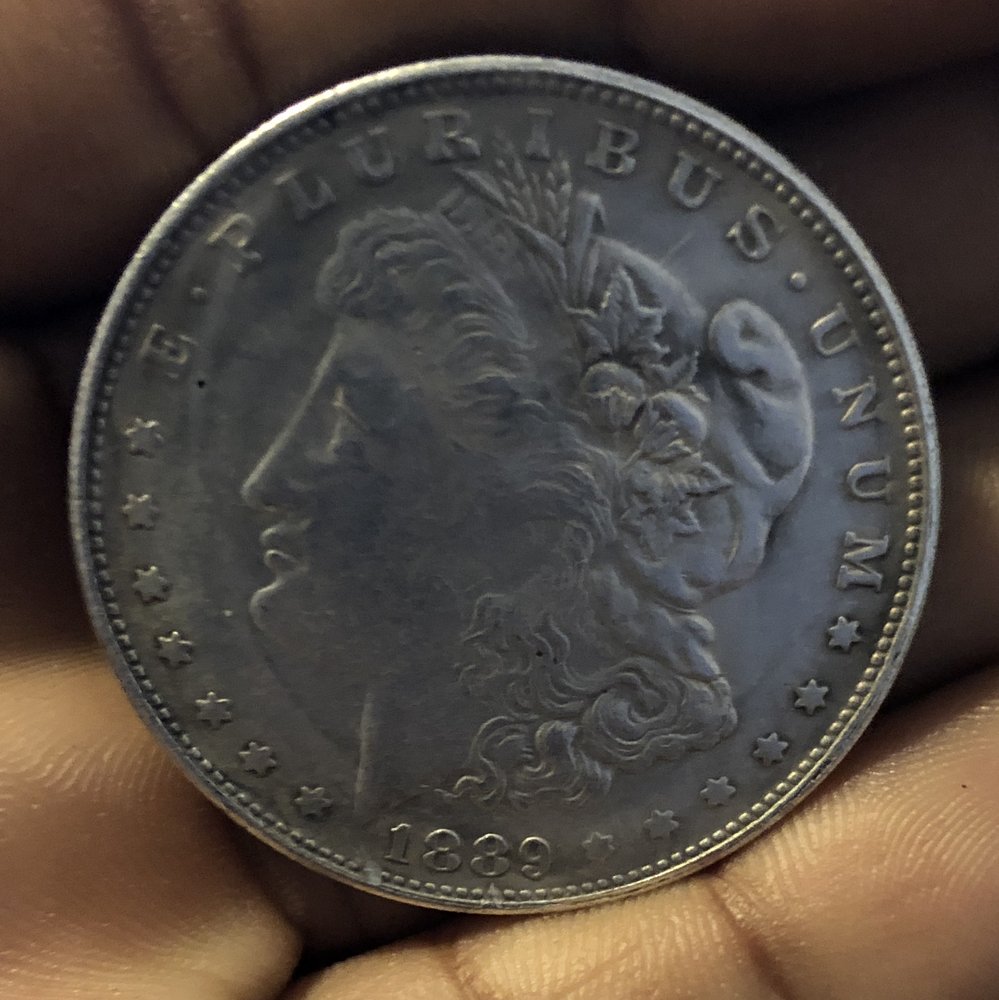
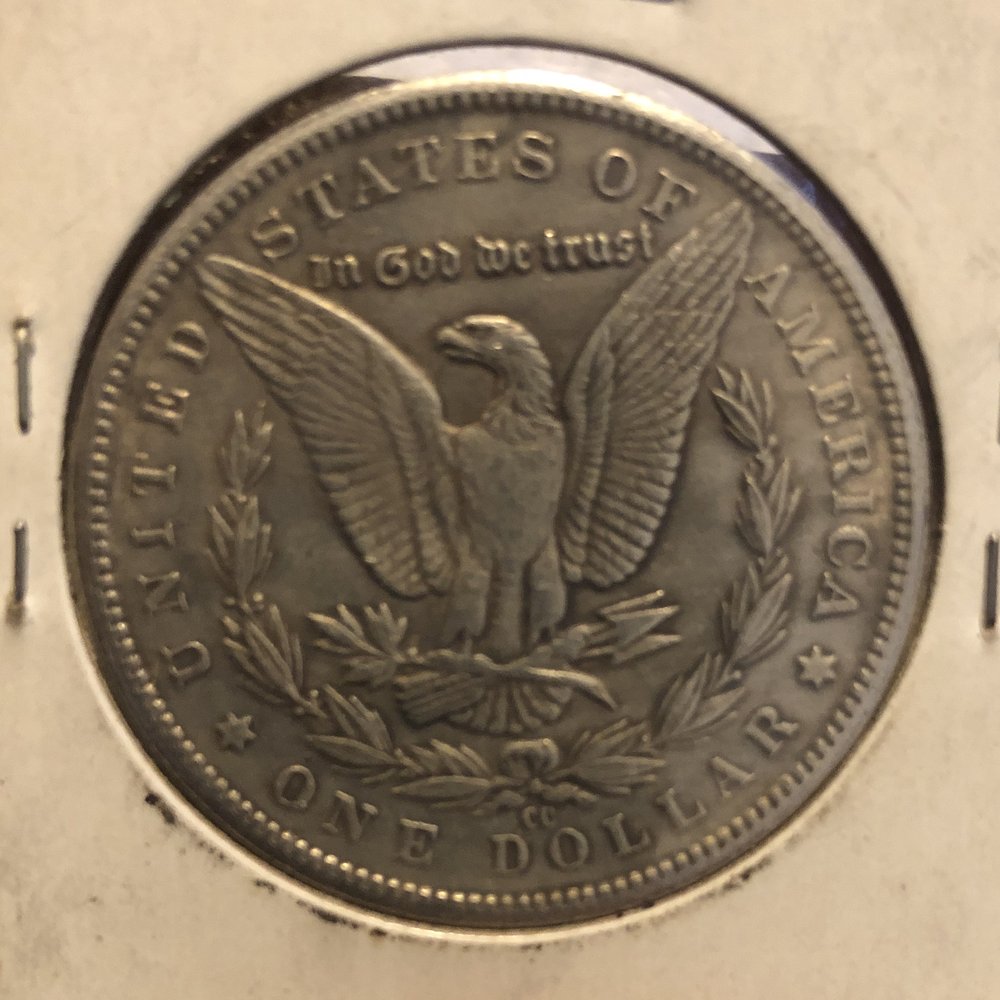
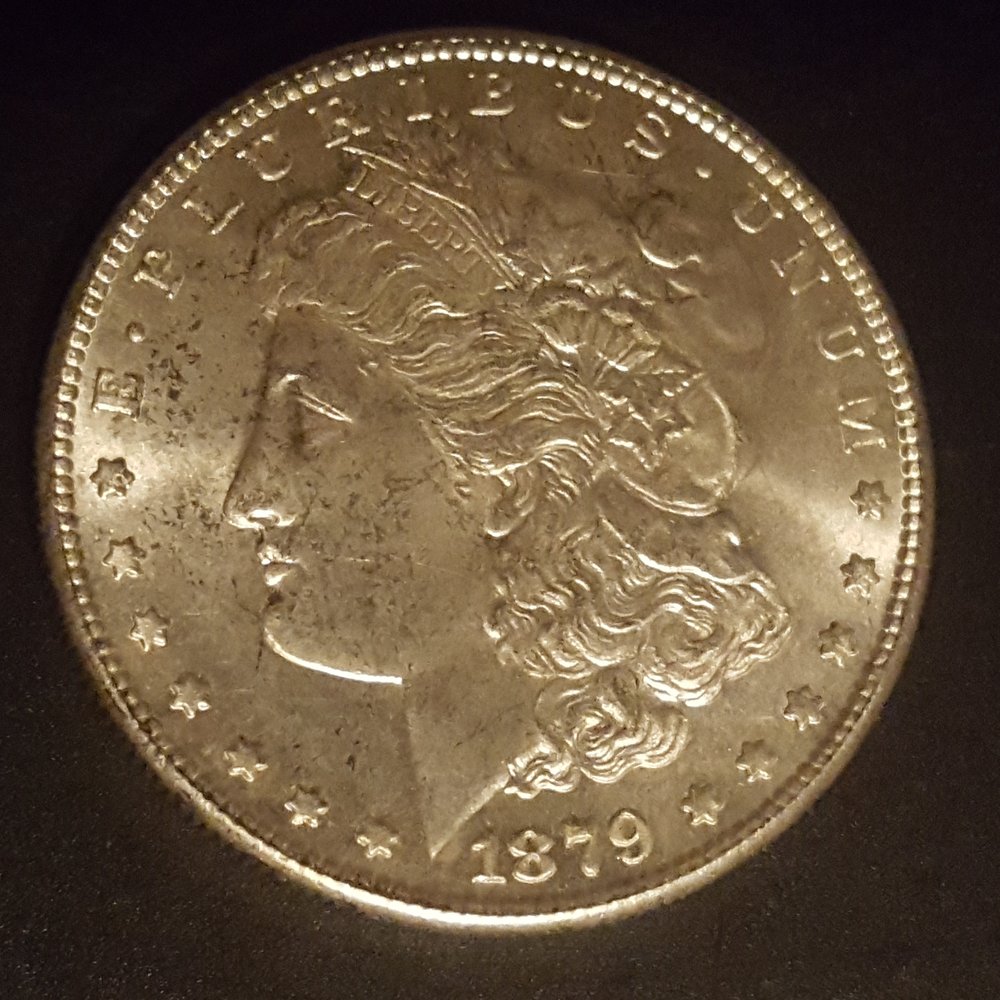
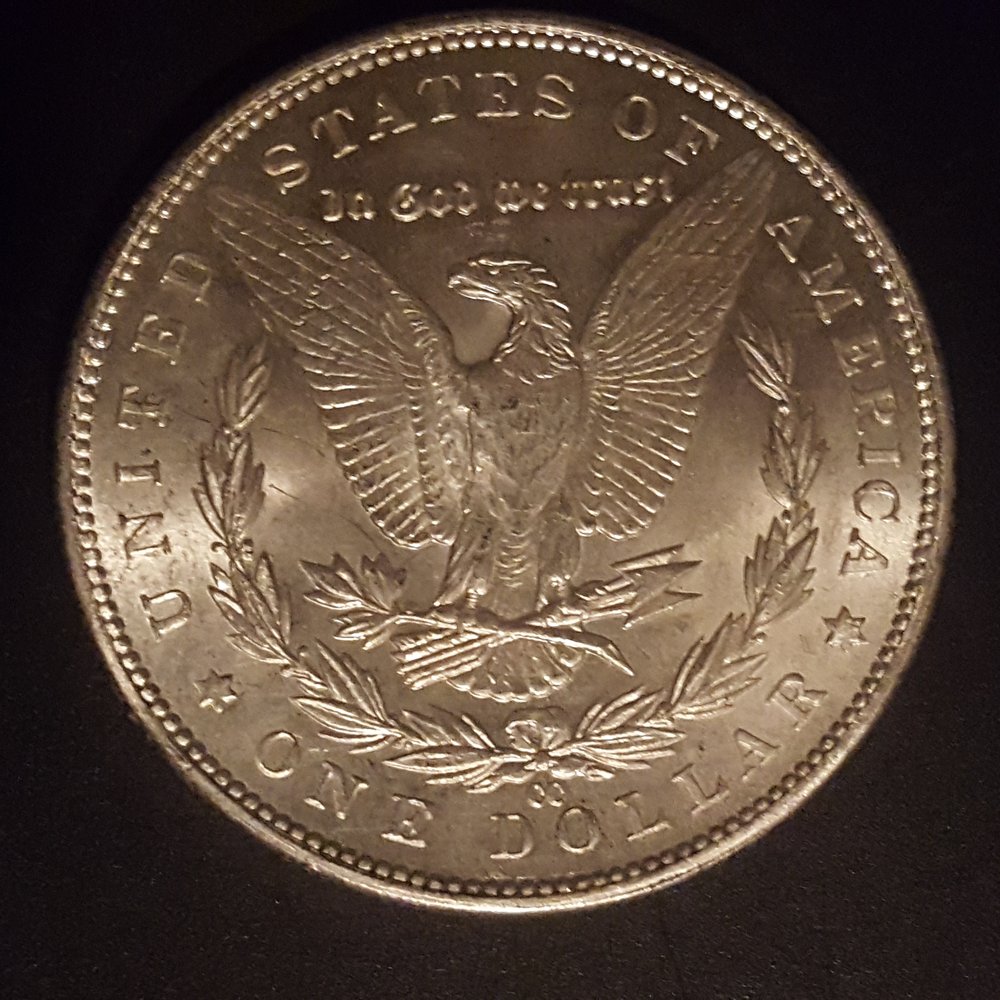
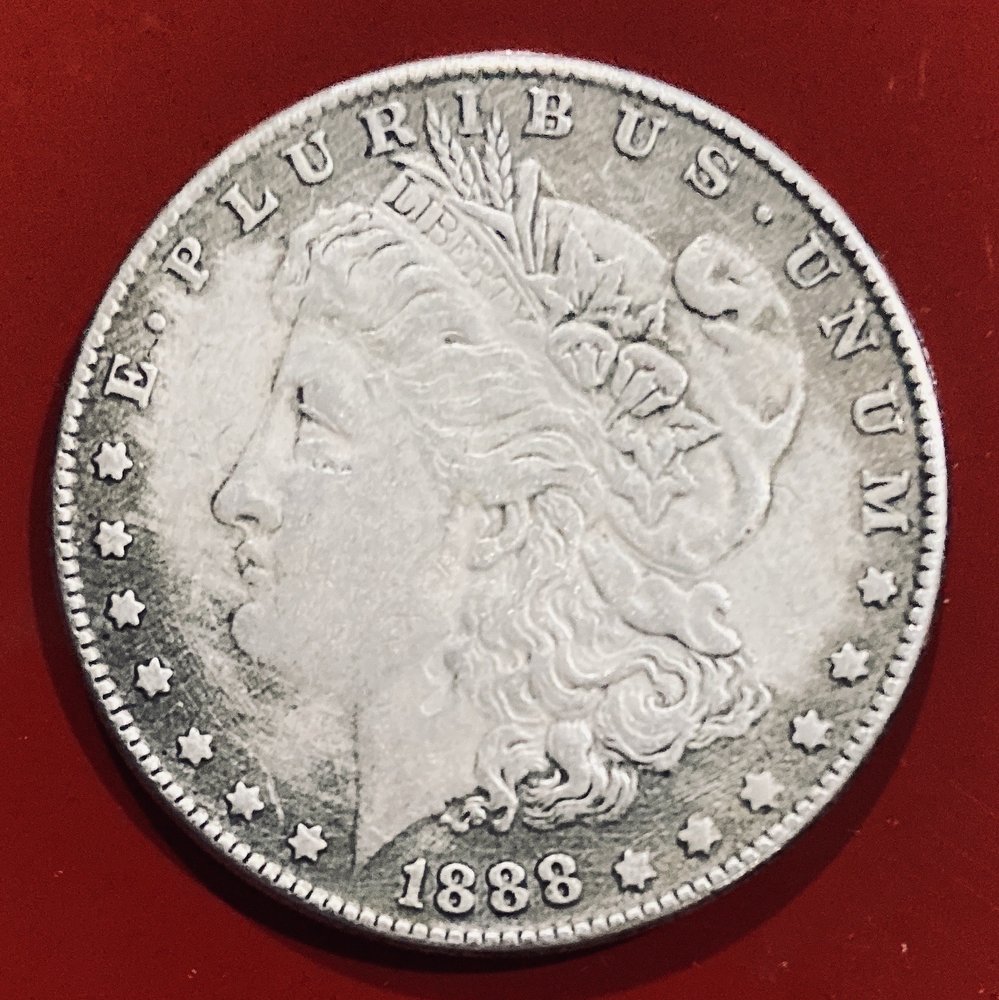
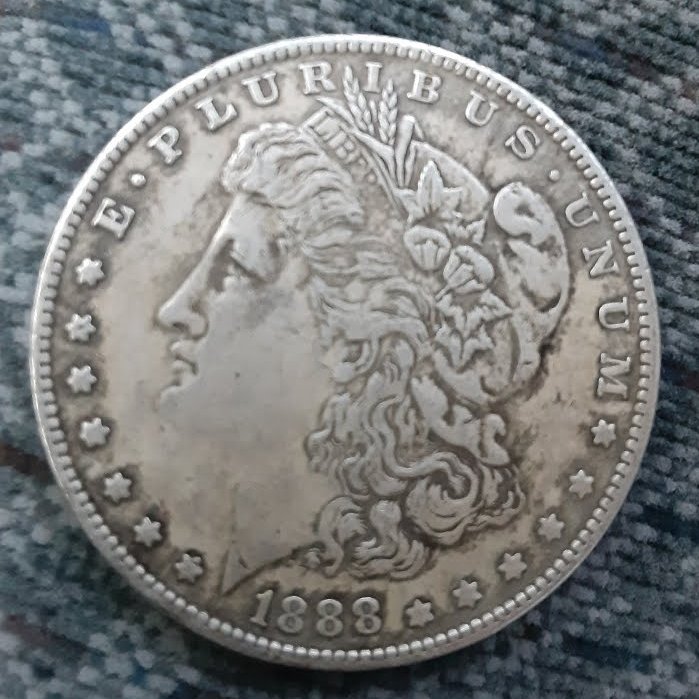
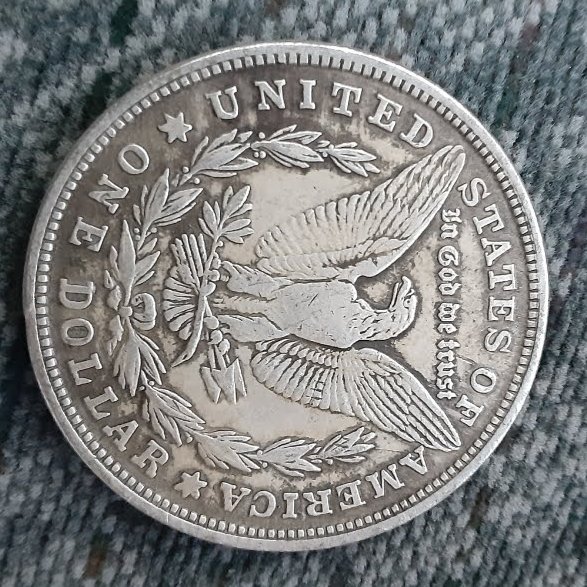
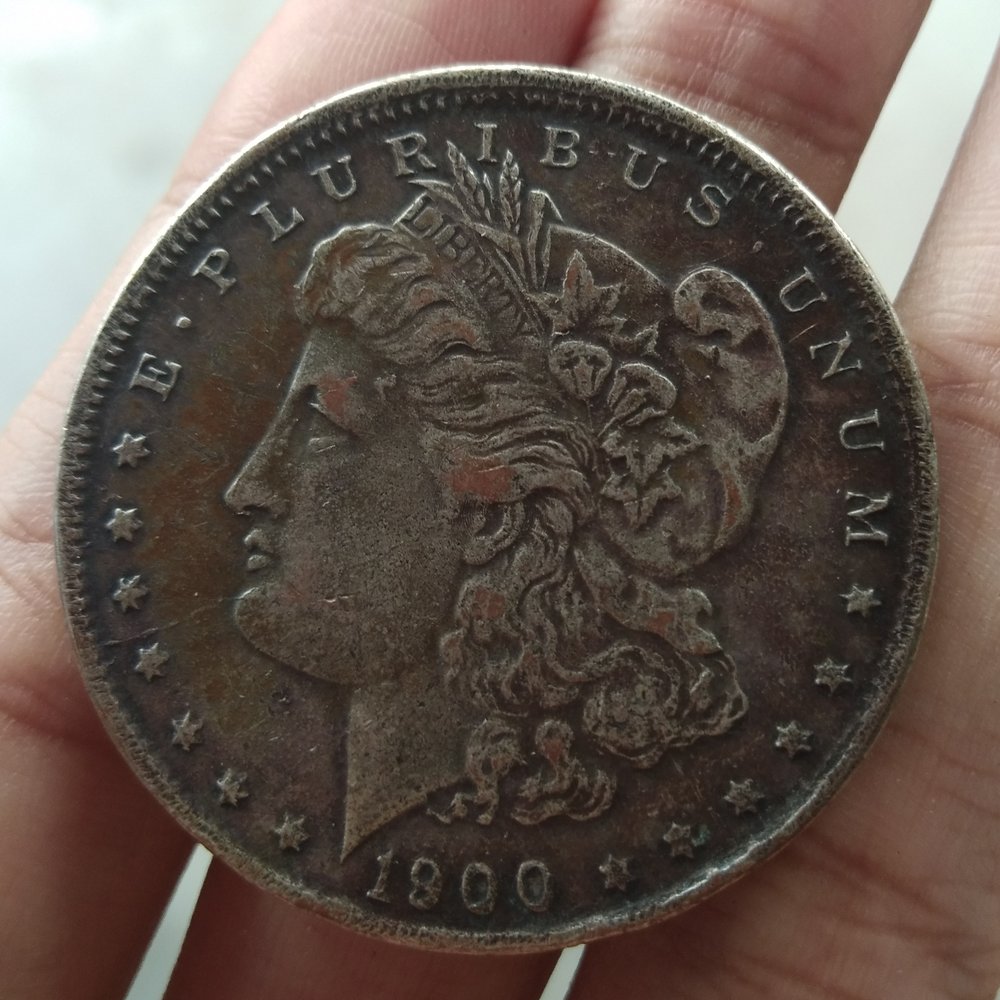
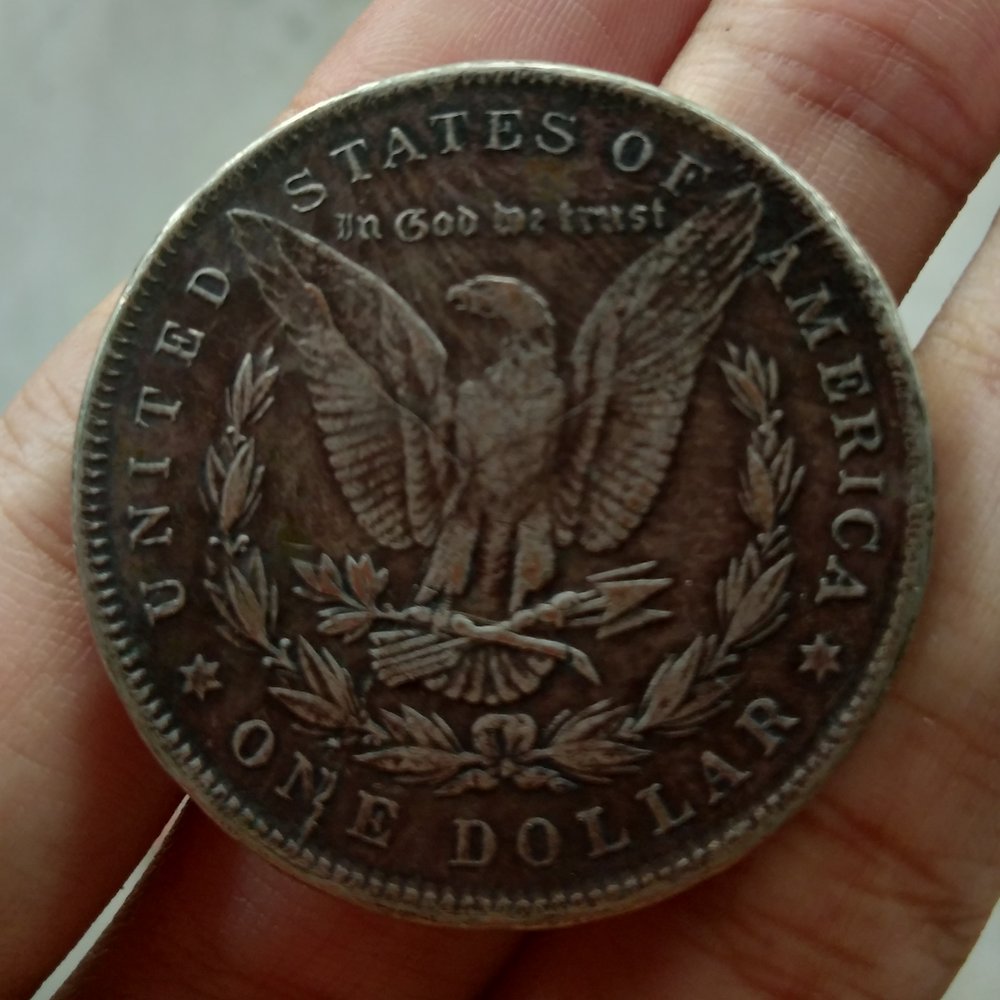
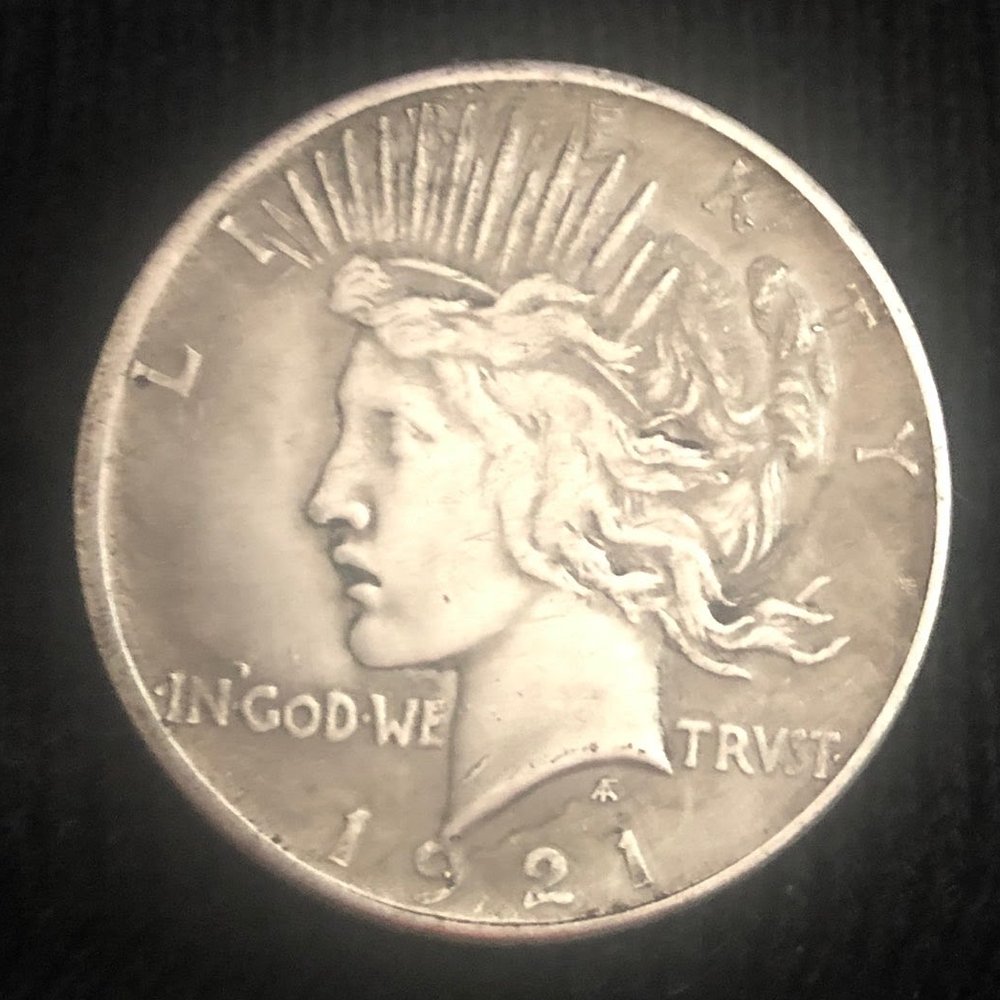
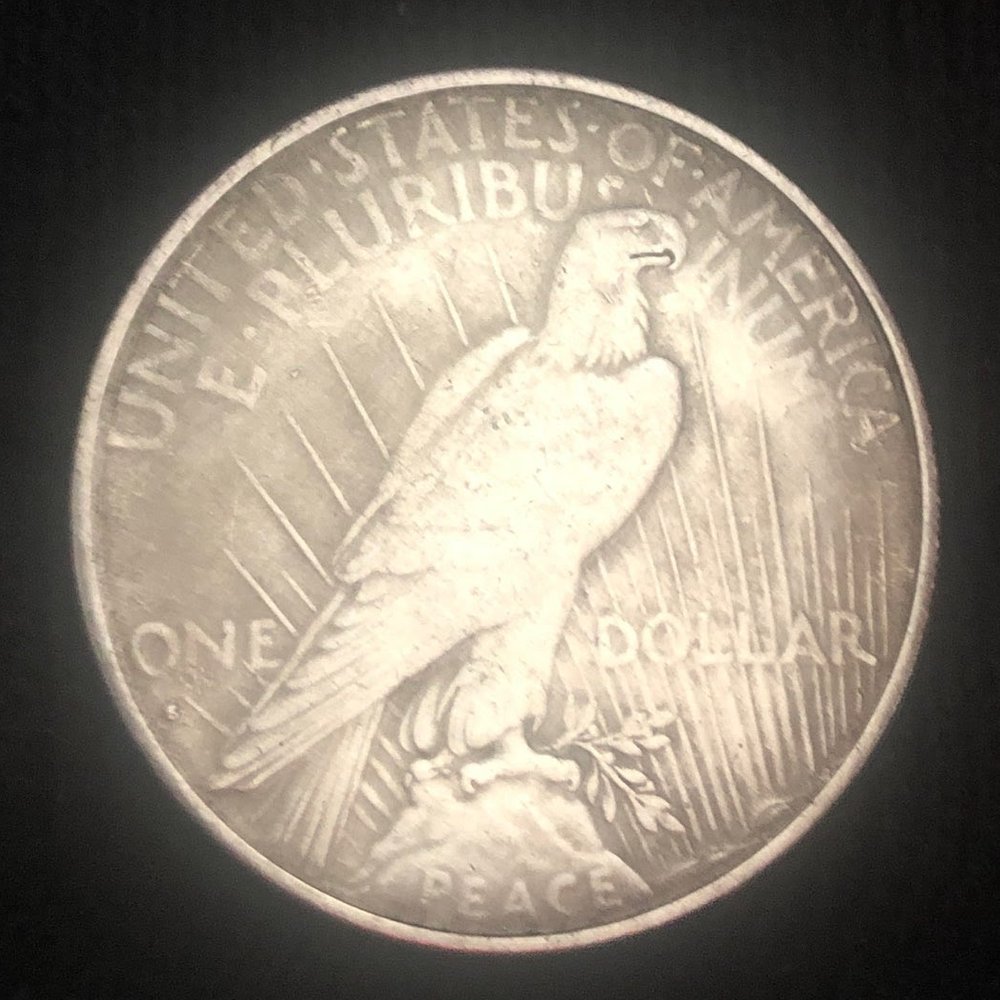
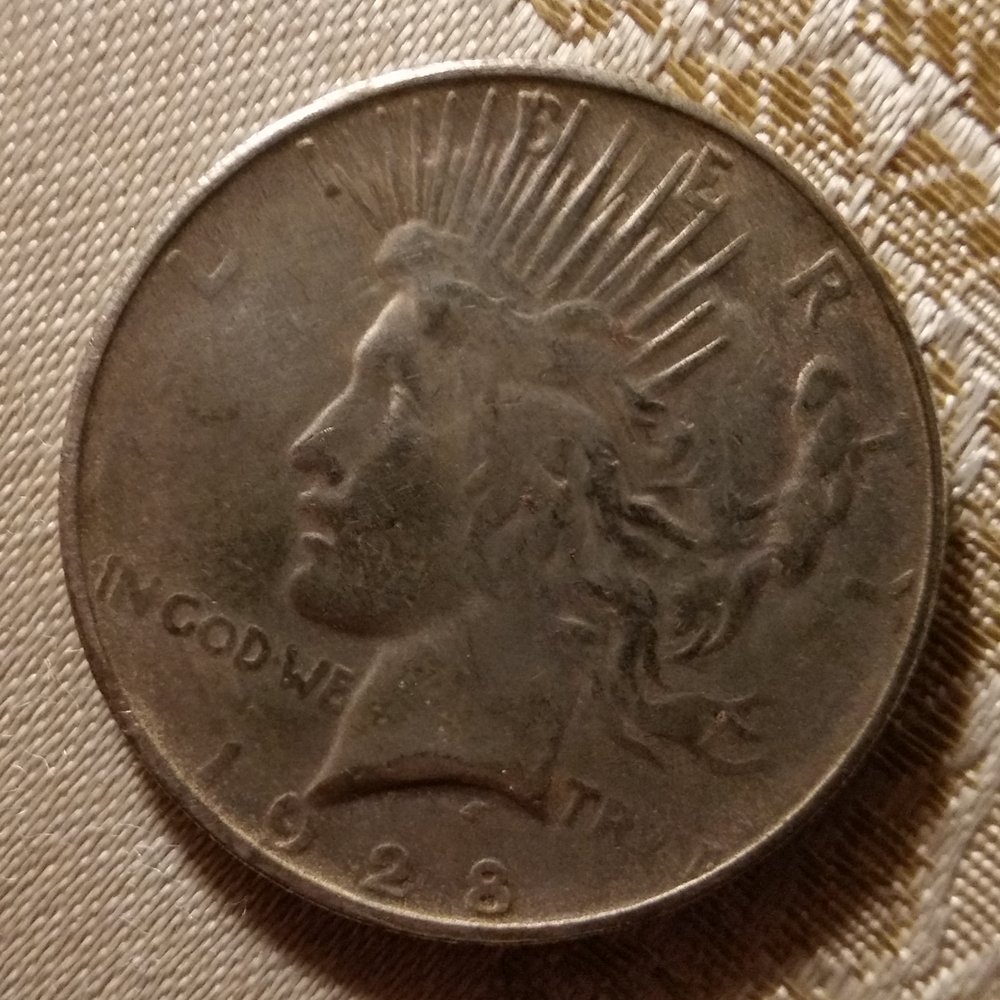
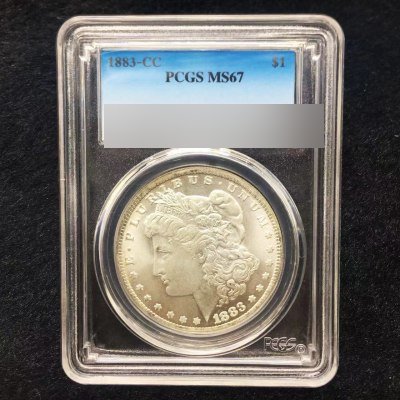
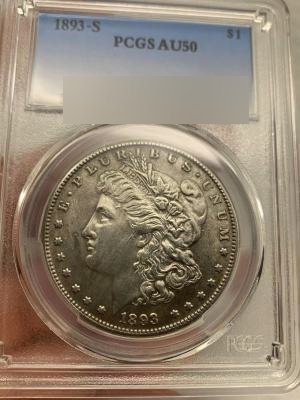
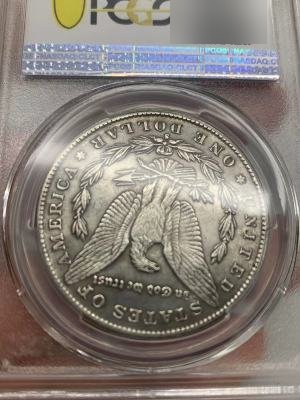
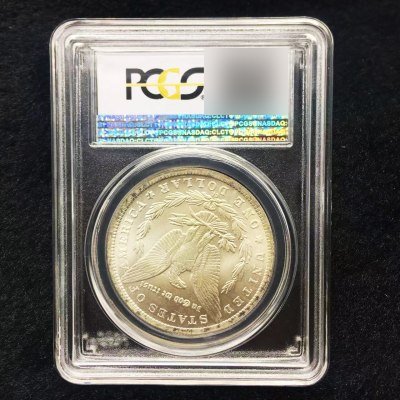
What to look for: Chinese-made Morgan and Peace dollars are everywhere online. Denver struck Morgans only in 1921 and Carson City stopped in 1893. A genuine coin weighs 26.73 grams; fakes often have grainy fields and soft details.

Related: U.S. silver dollar values

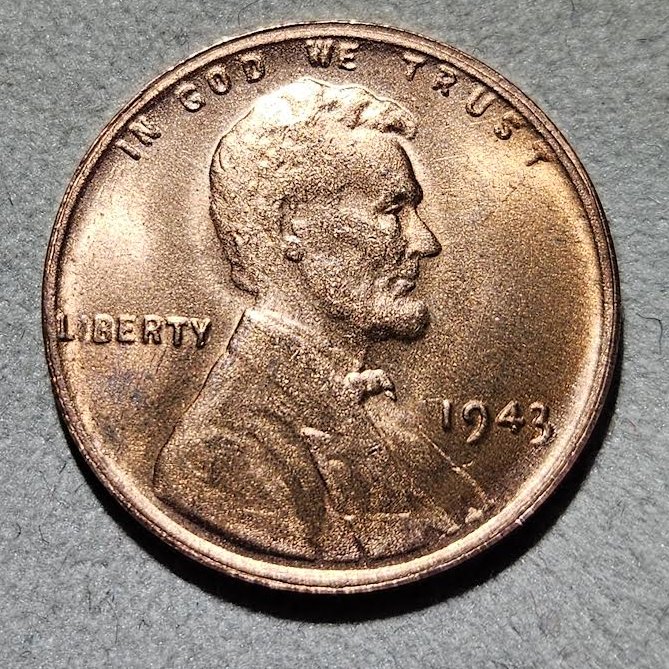
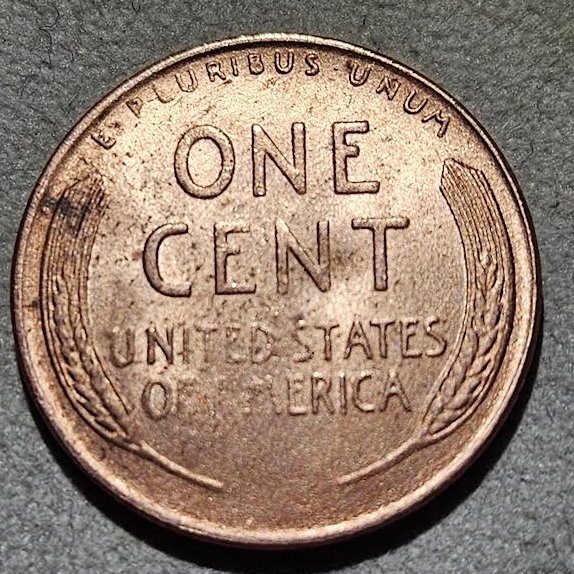
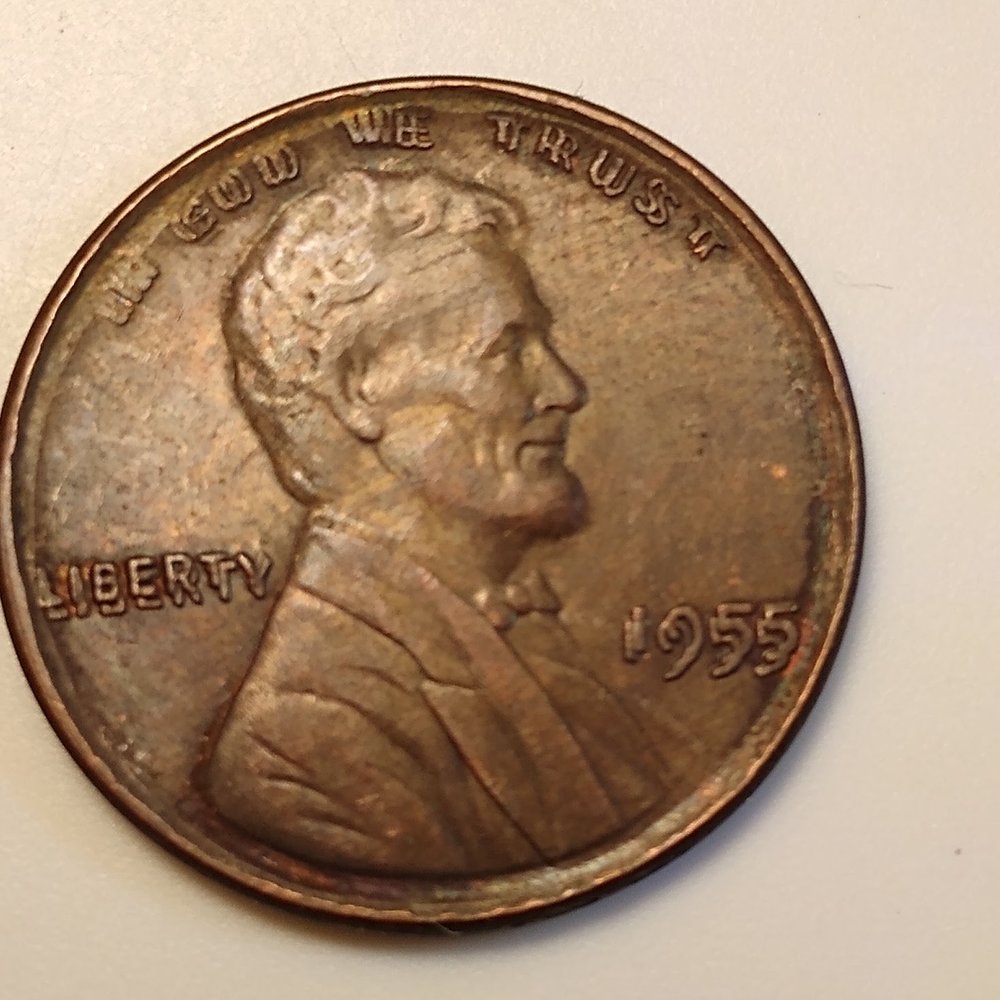
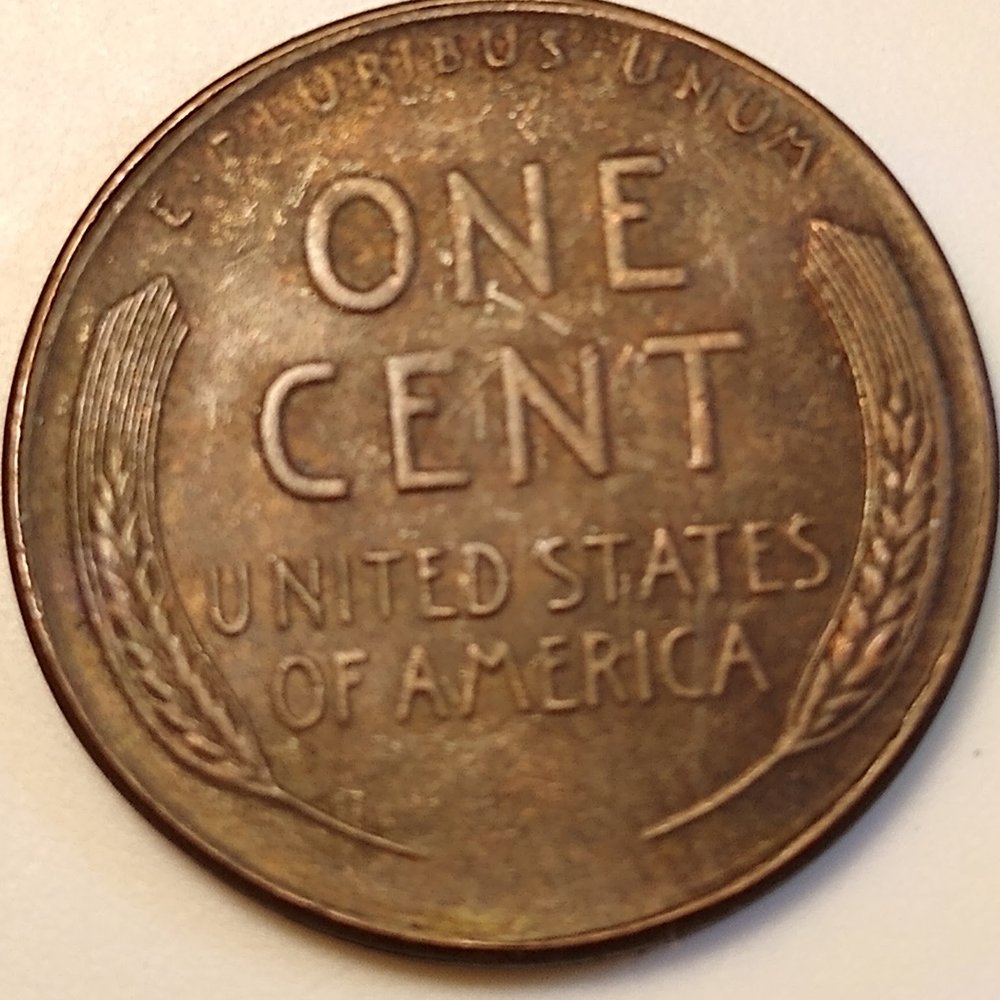
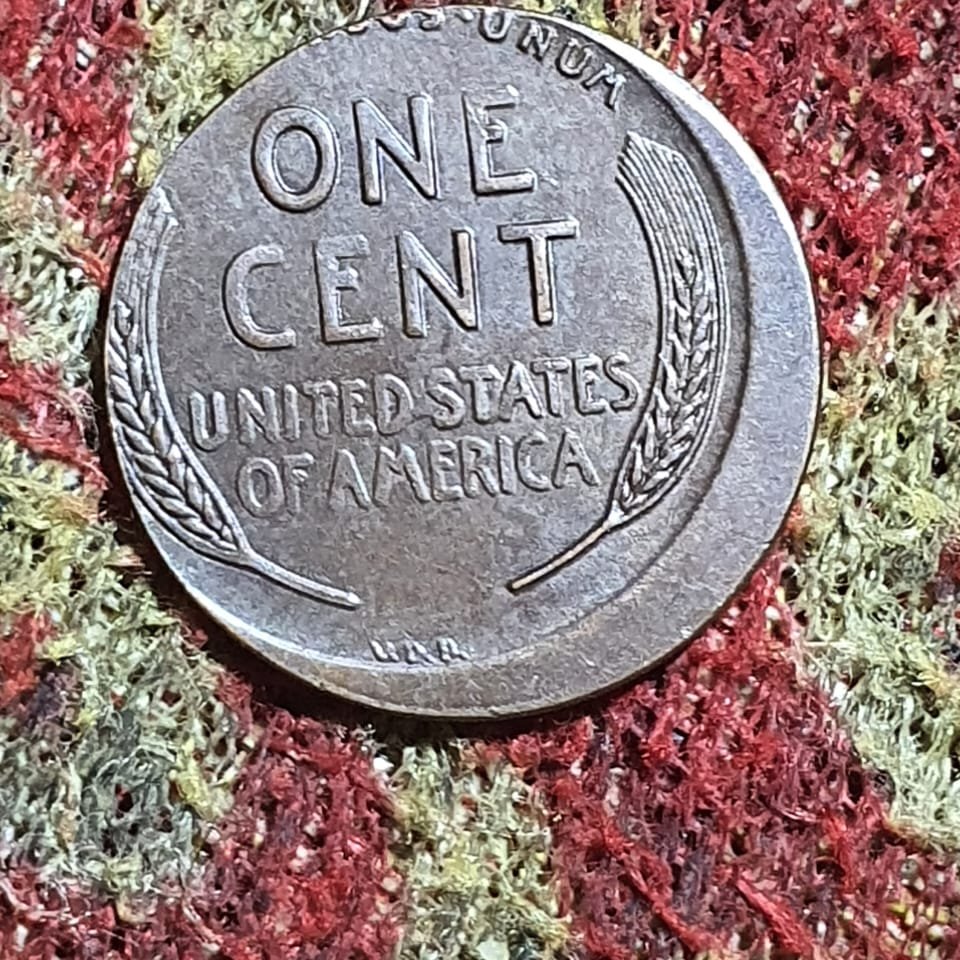
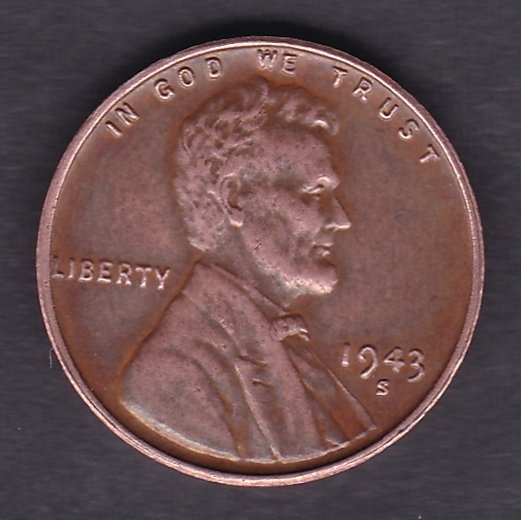
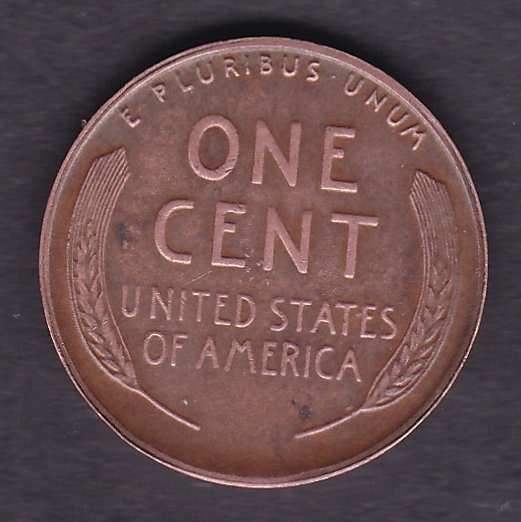
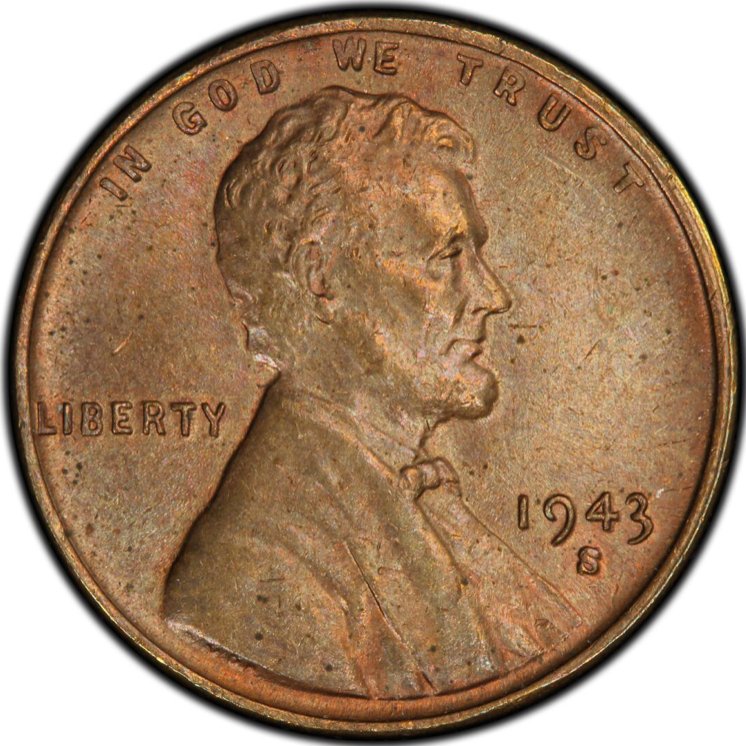
Altered Dates, Added Mint Marks and Key-Date Fakes

What to look for: Look for an added mint mark, a re-cut date digit or a plated common coin. Check for seams around the mint mark, tool marks near the date and uneven rims, and always weigh the coin. Steel 1943 cents stick to a magnet.

Related: 1943 steel cent vs. 1943 copper cent · 1955 doubled die cent

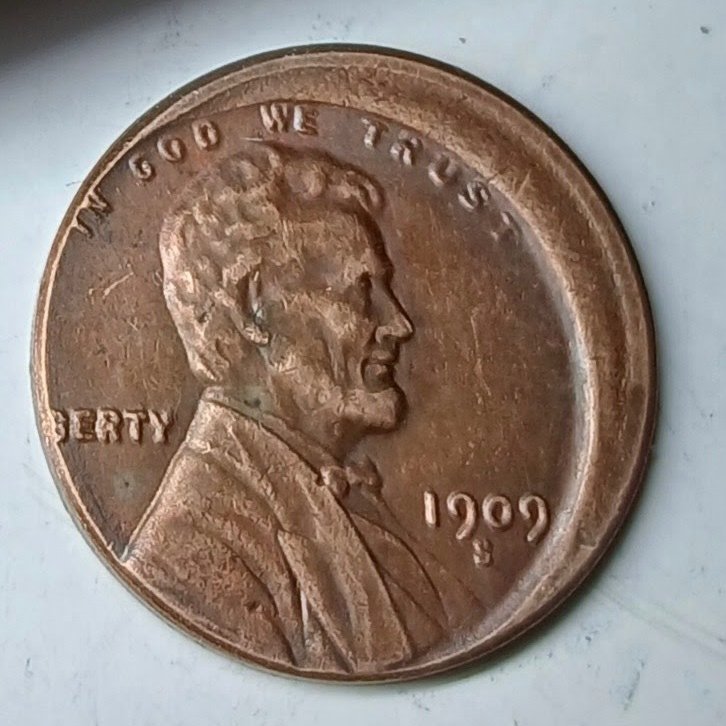
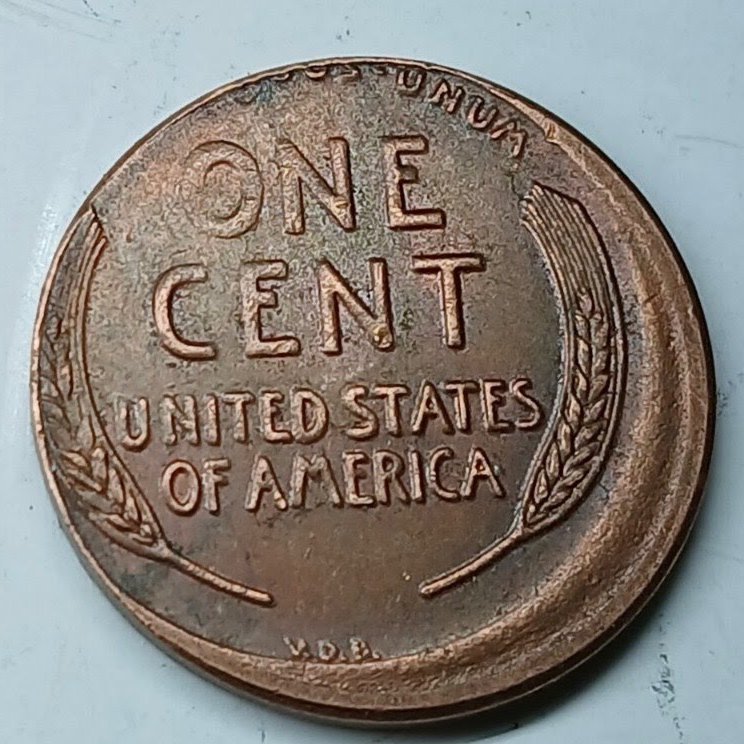
Fake Error Coins

What to look for: Dramatic "errors" on rare early coins are almost always made to fool error collectors. Check that the doubled or extra design is truly struck into the metal.
Fantasy Coins and Replicas: Coins That Never Existed

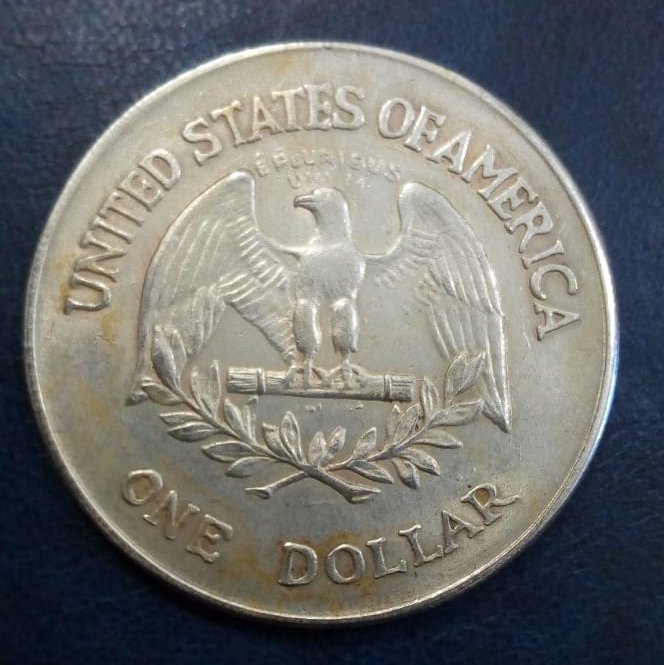
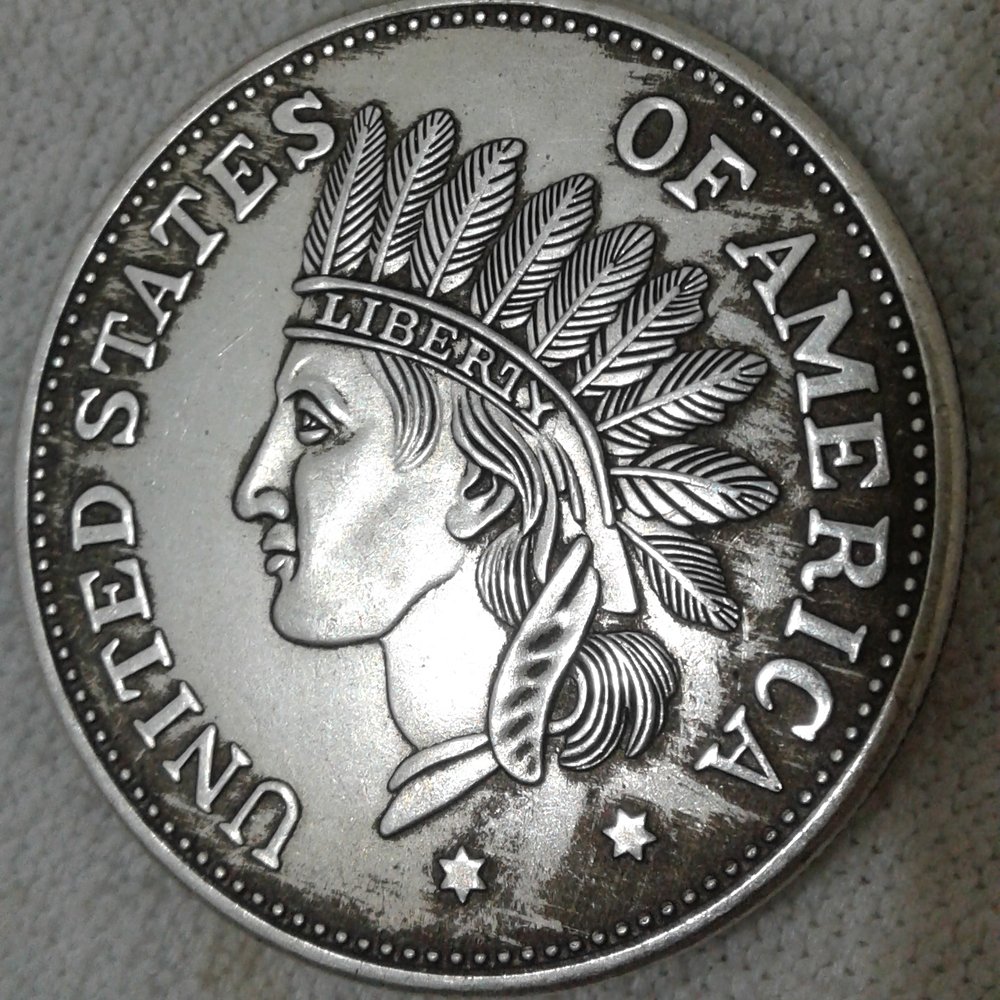
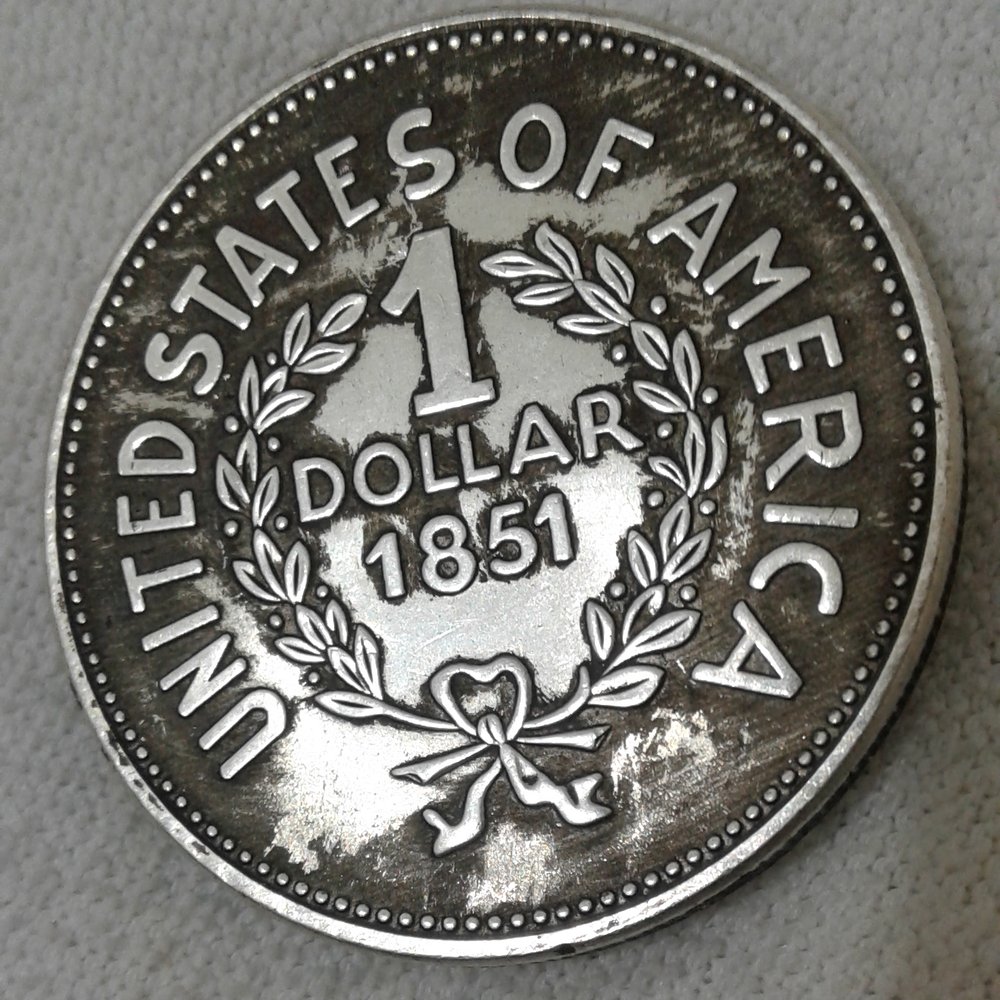
What to look for: A fantasy coin copies no real coin: a date never struck, a design used before it existed, or a denomination the Mint never made. No genuine U.S. silver dollar is dated 1807.

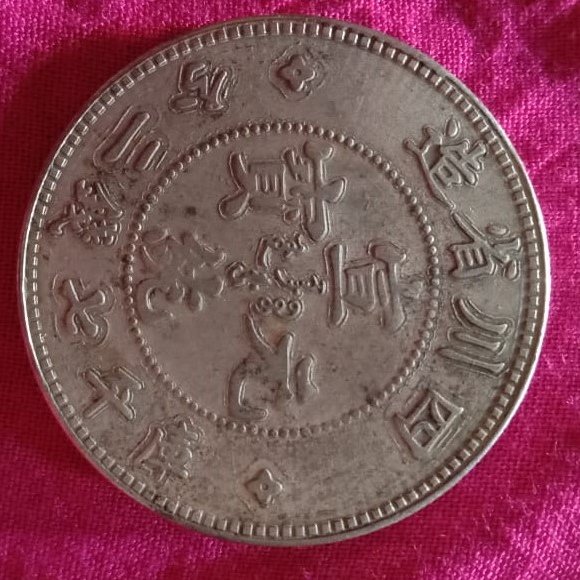
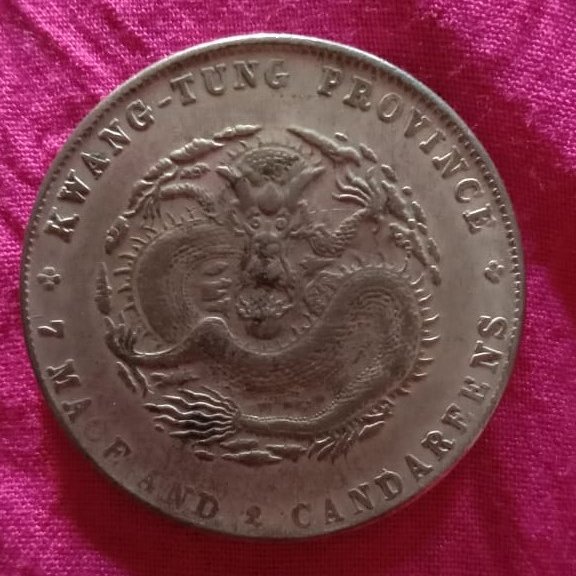
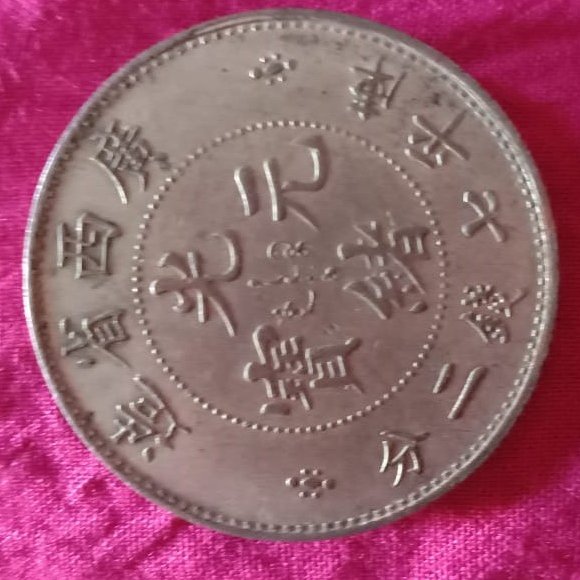
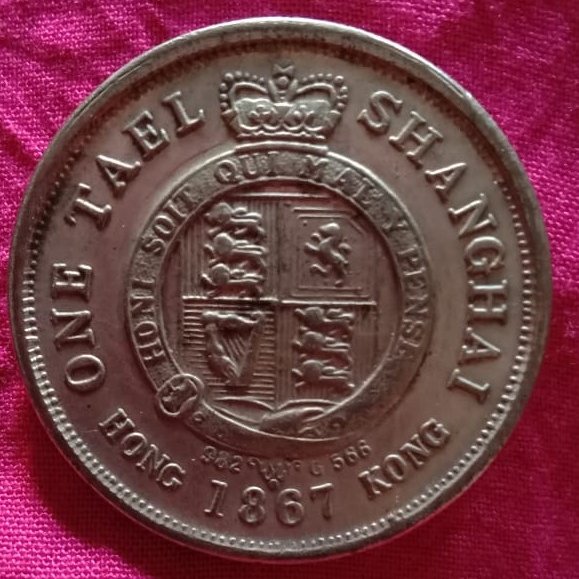
Fake Chinese and Foreign Coins

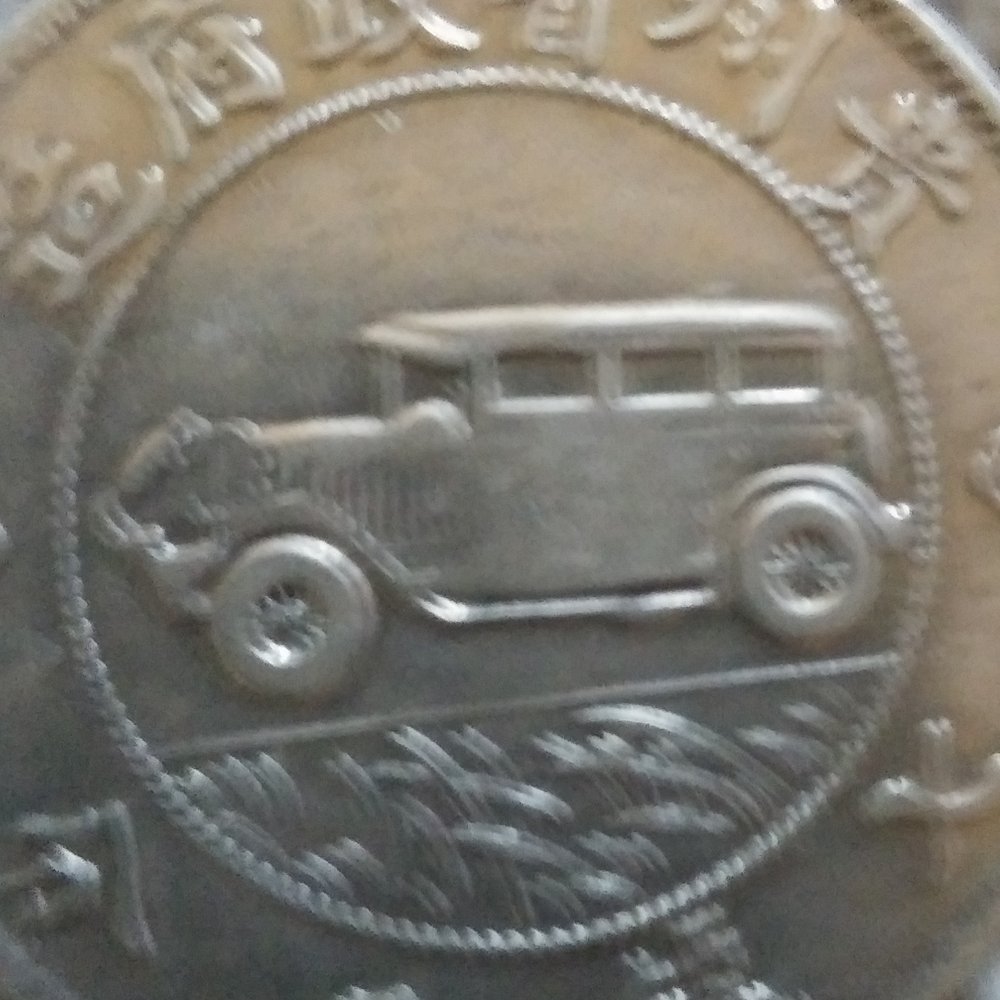
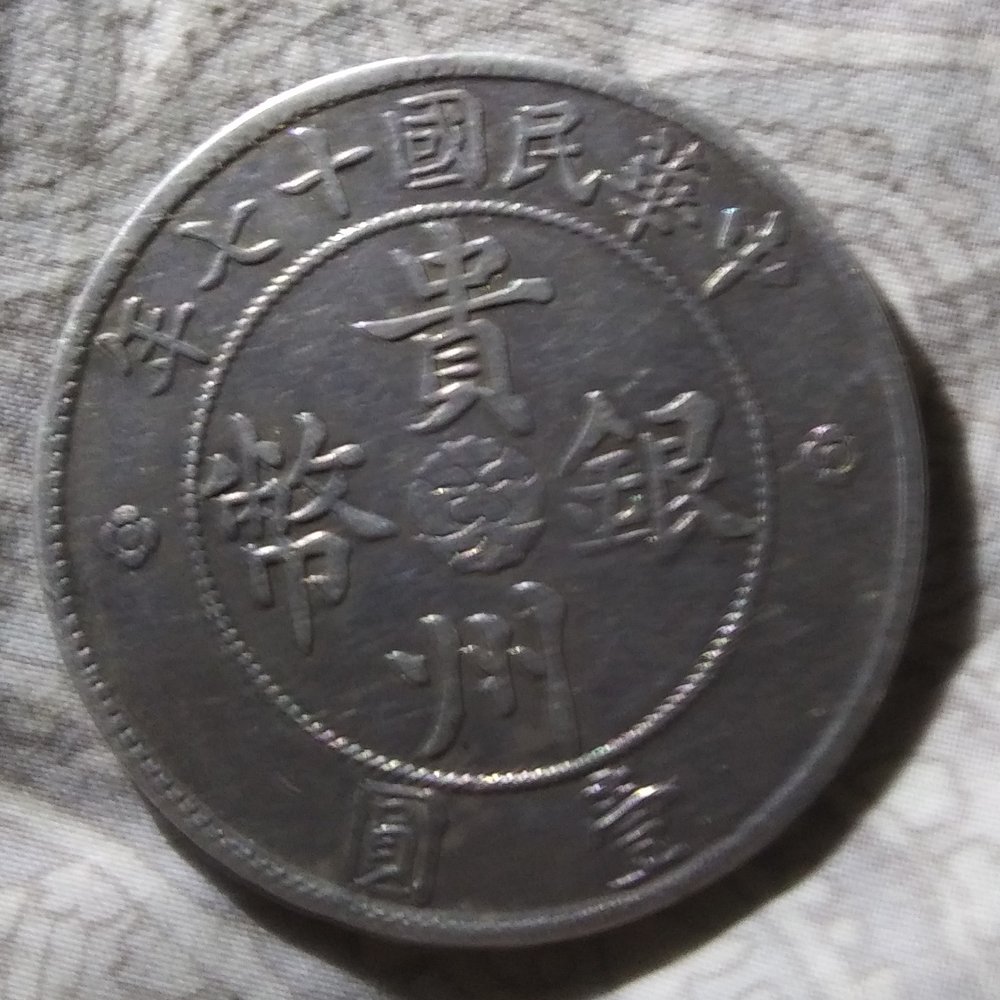
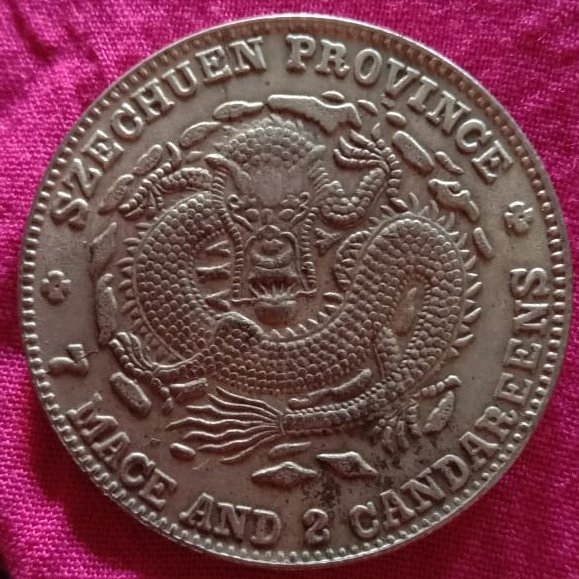
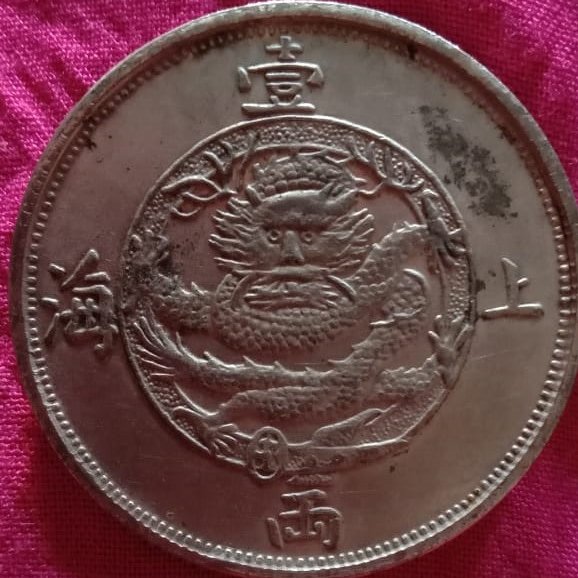
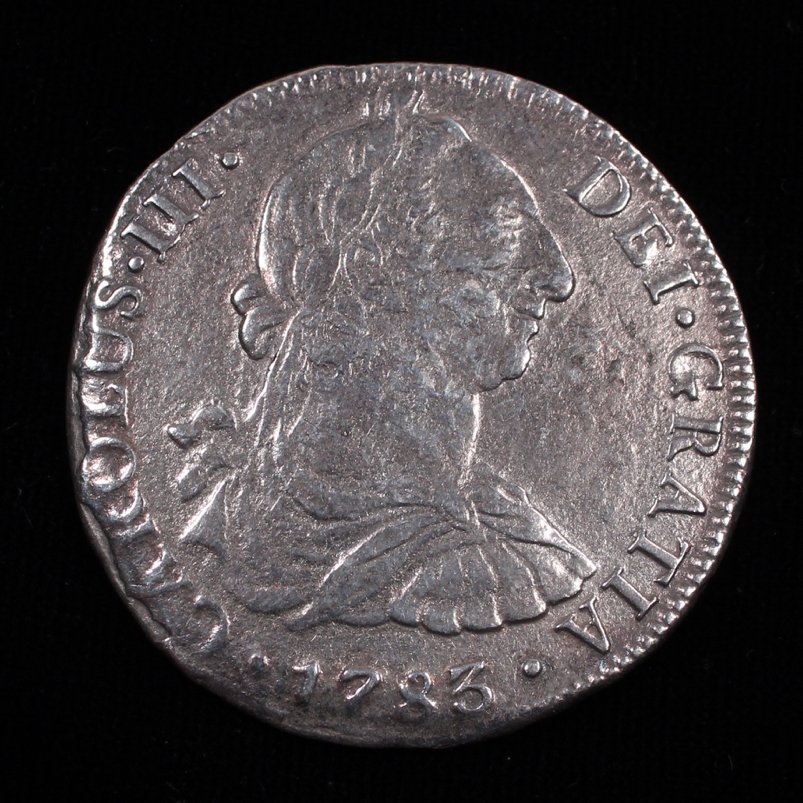
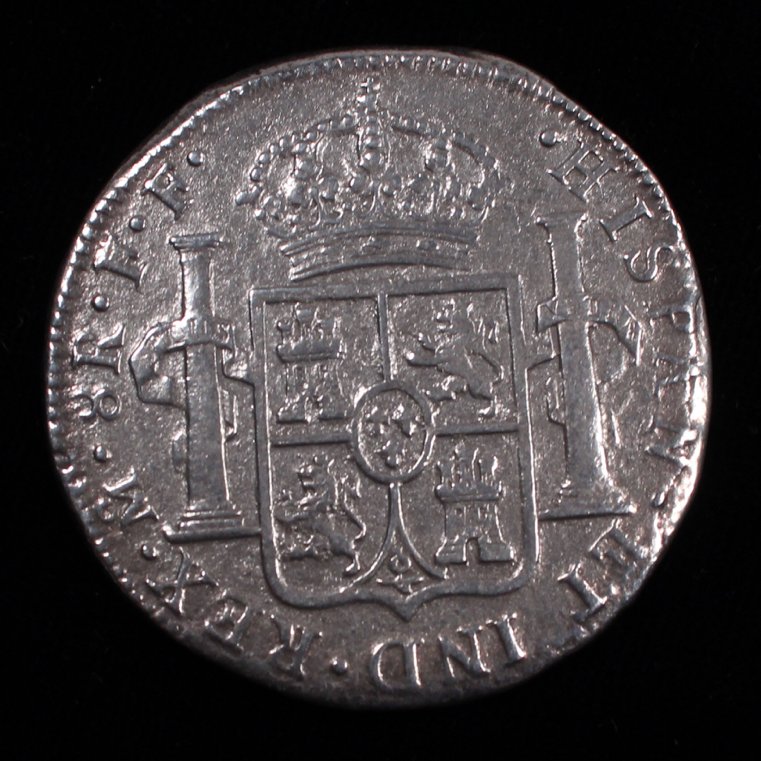
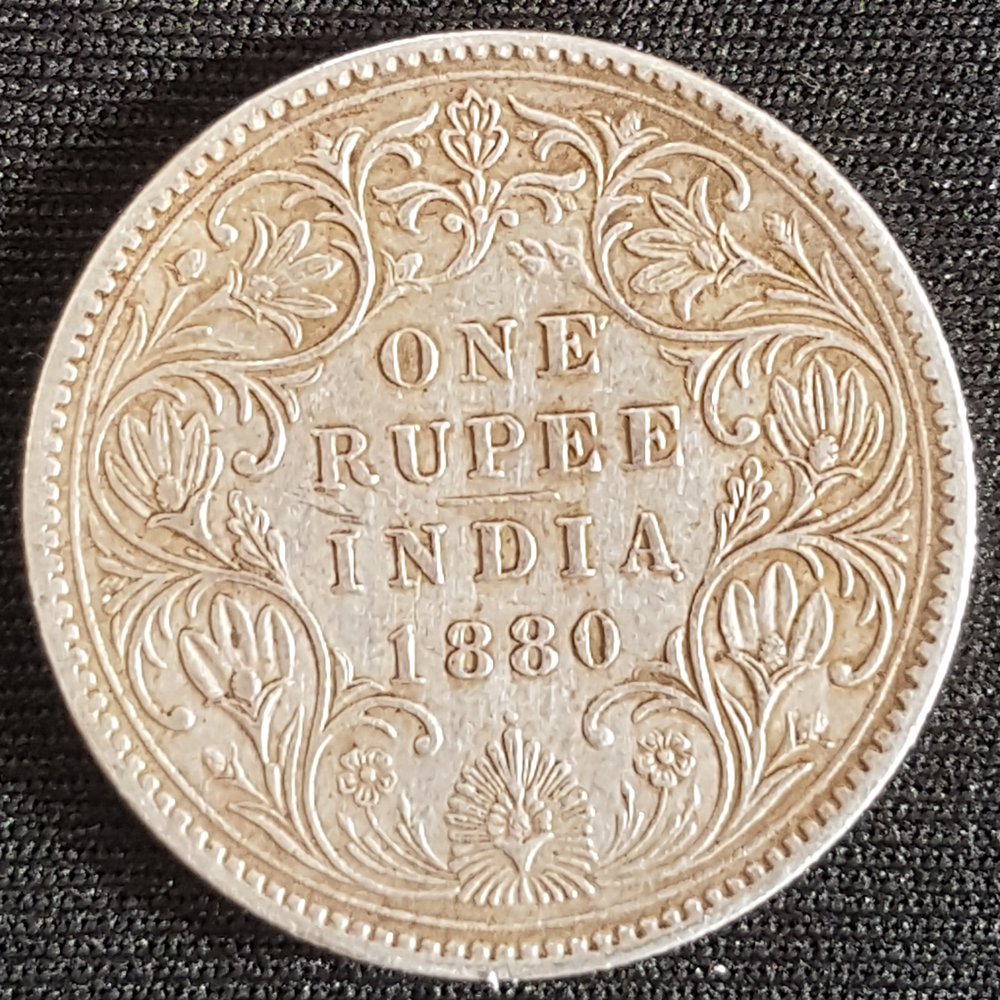
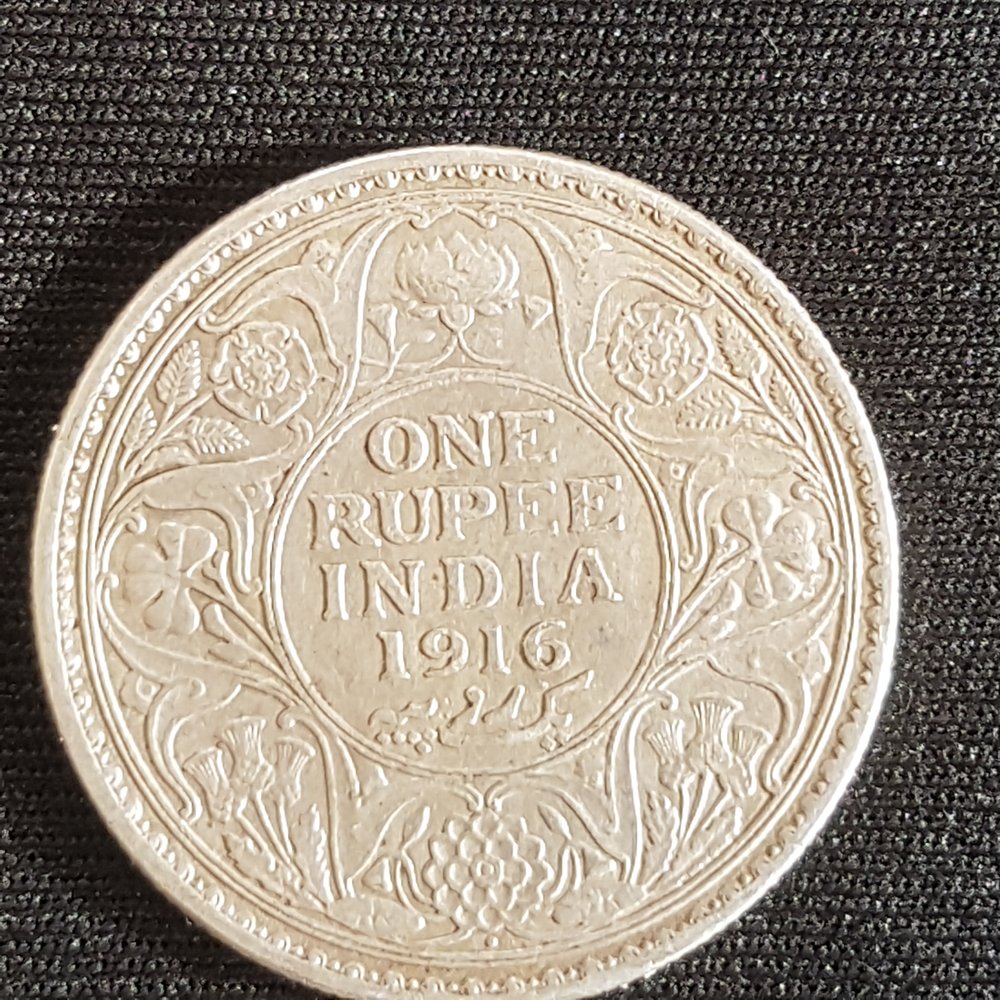
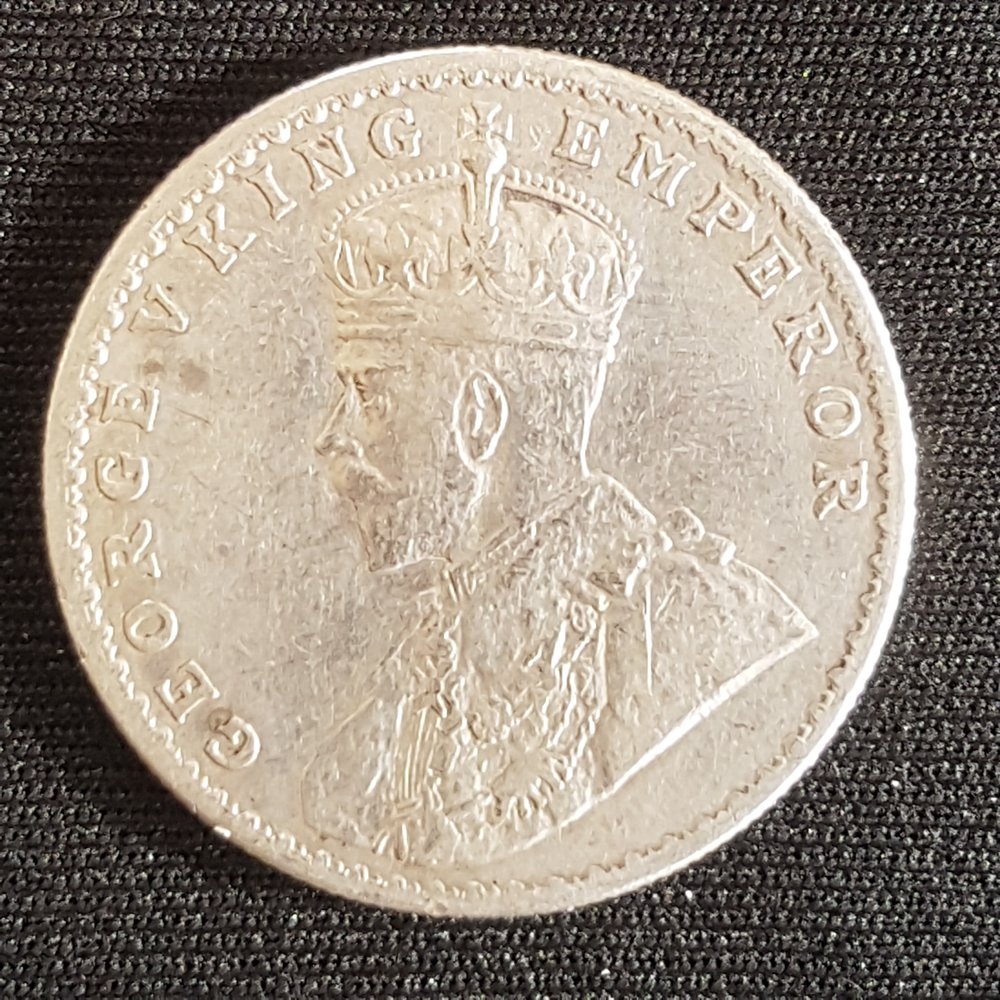
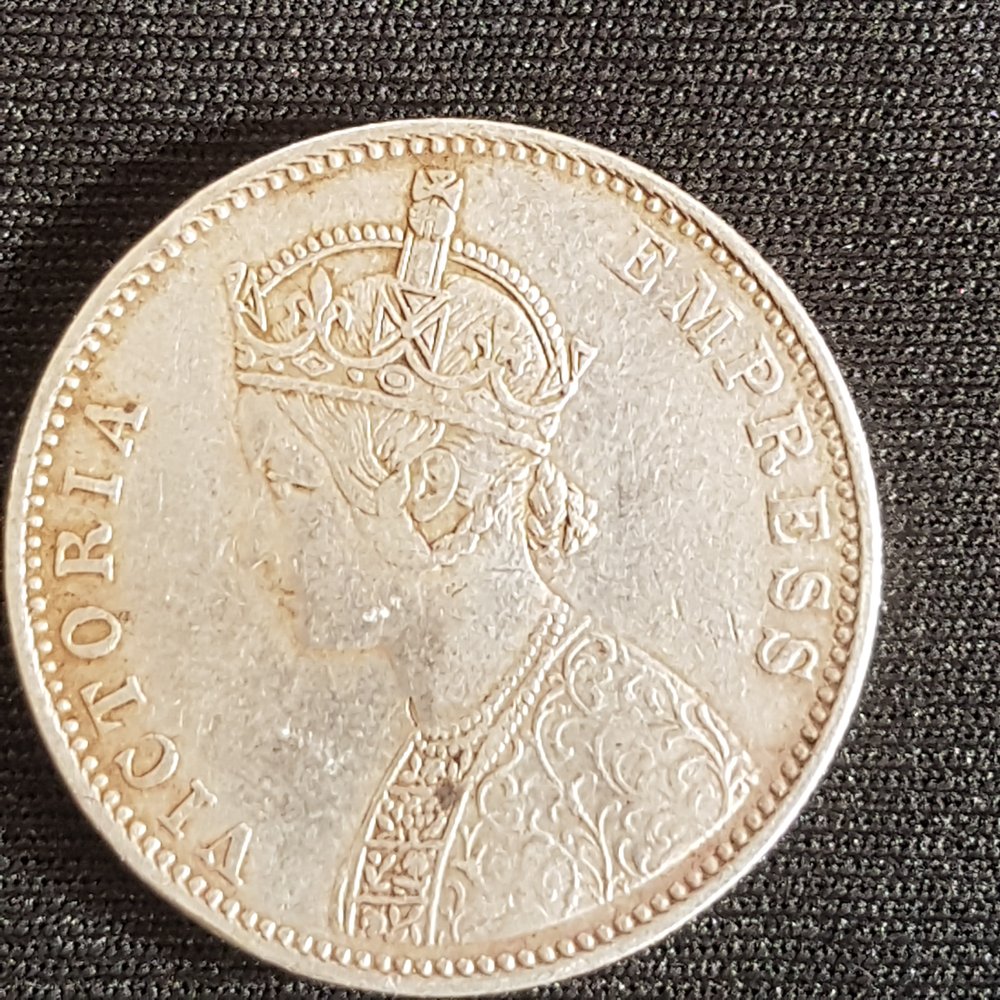
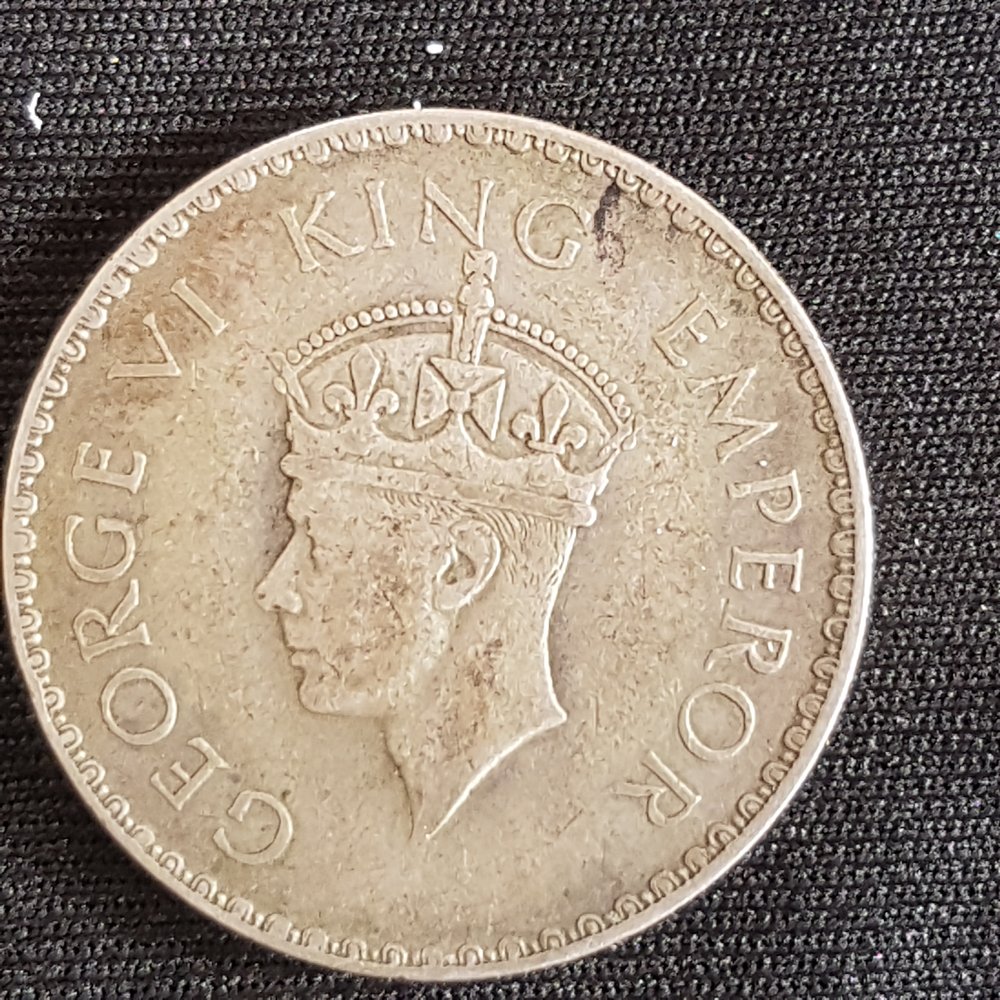
What to look for: China makes most of the world's counterfeits, and its own dragon dollars, Kweichow auto dollars and taels are heavily copied. Spanish colonial, British India and Japanese coins are copied too; check weight and fine detail.
Related: Chinese rare coins · Sell foreign coins

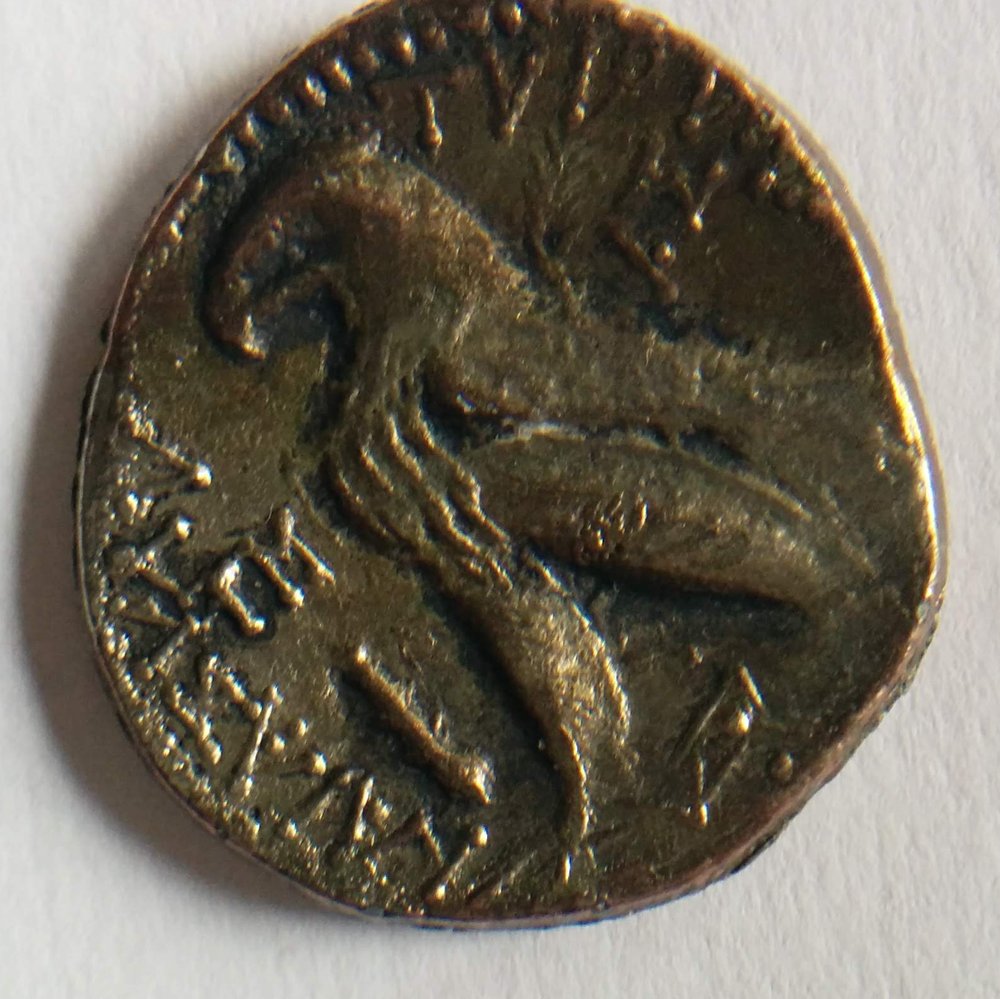
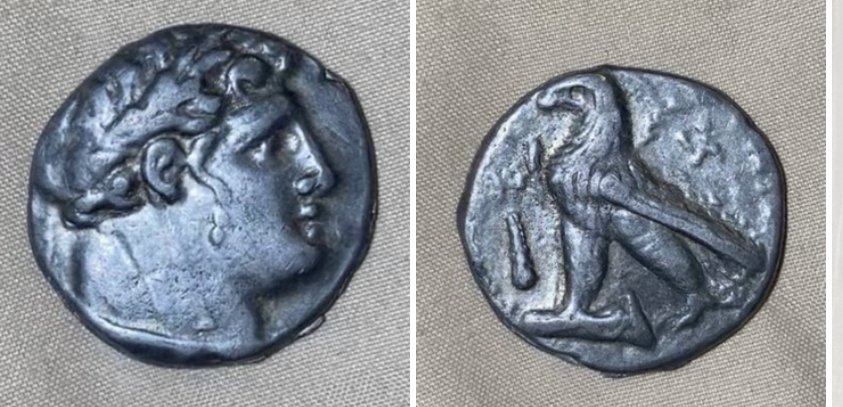
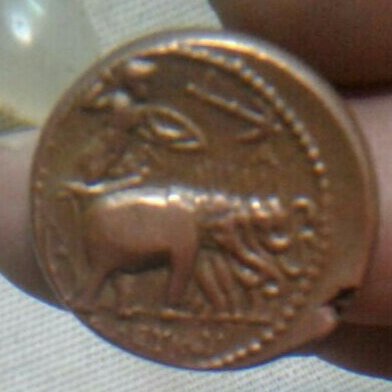
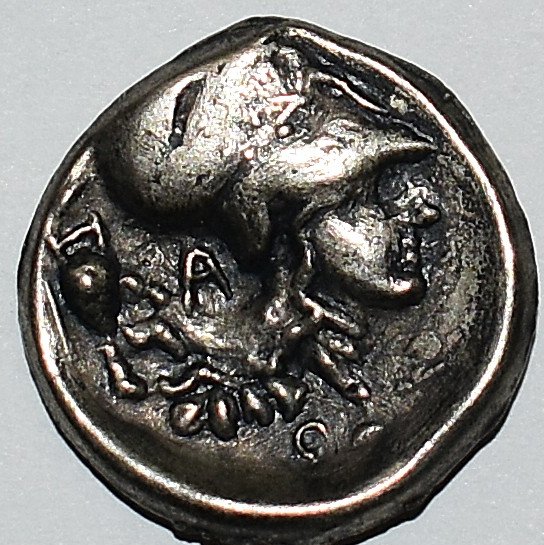
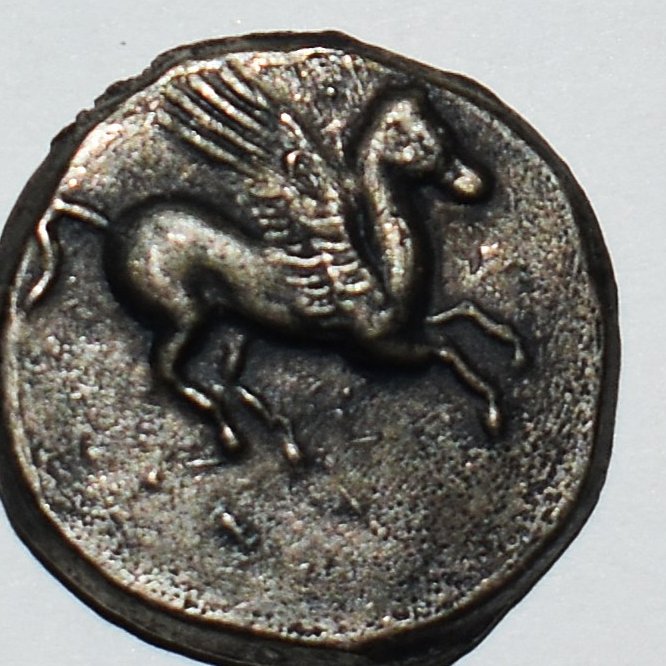
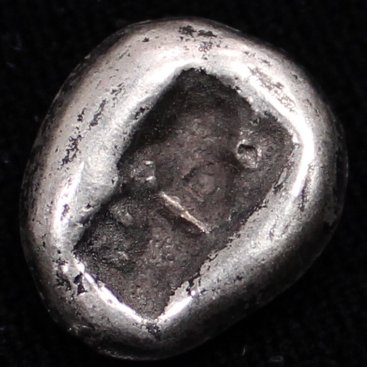
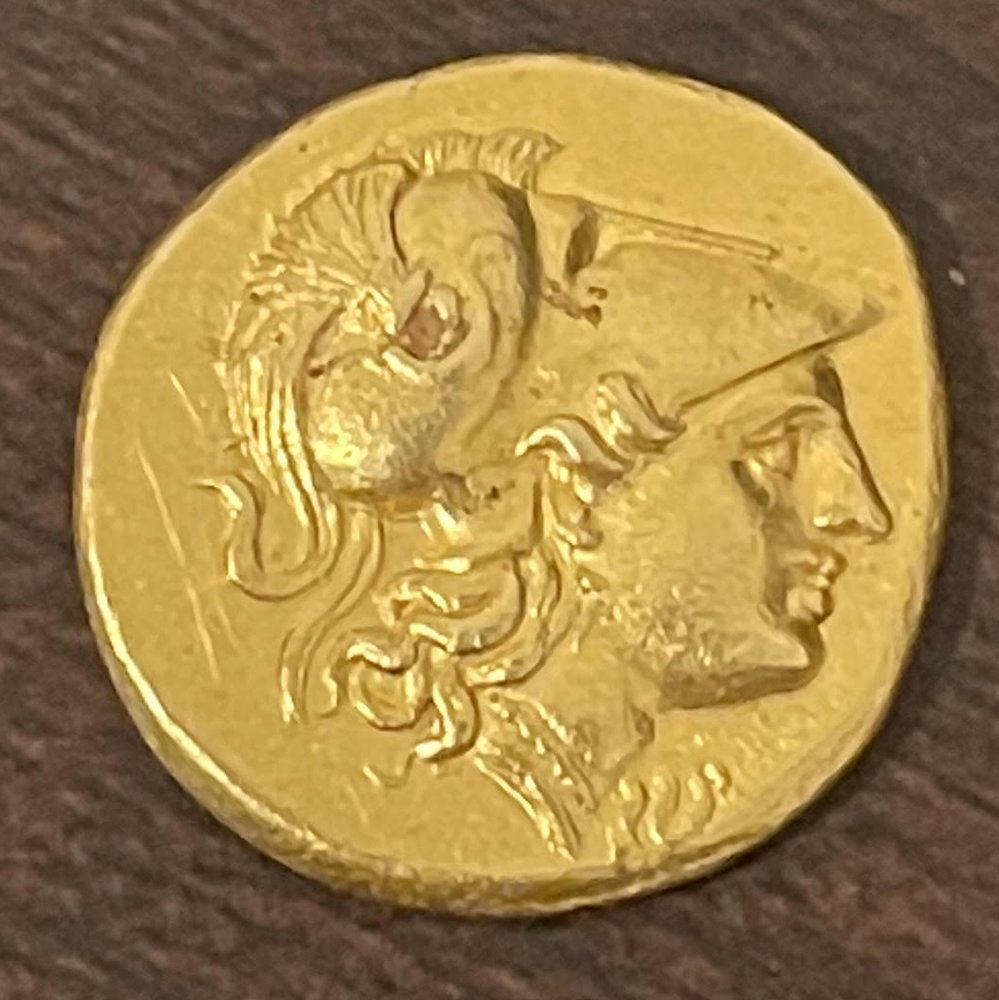
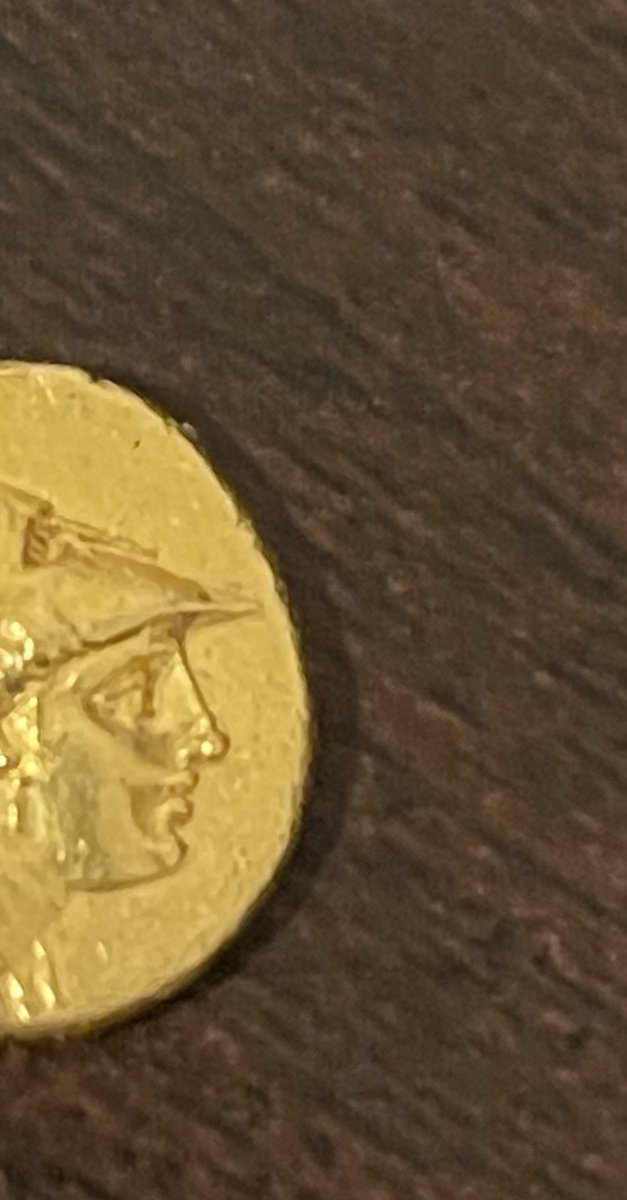
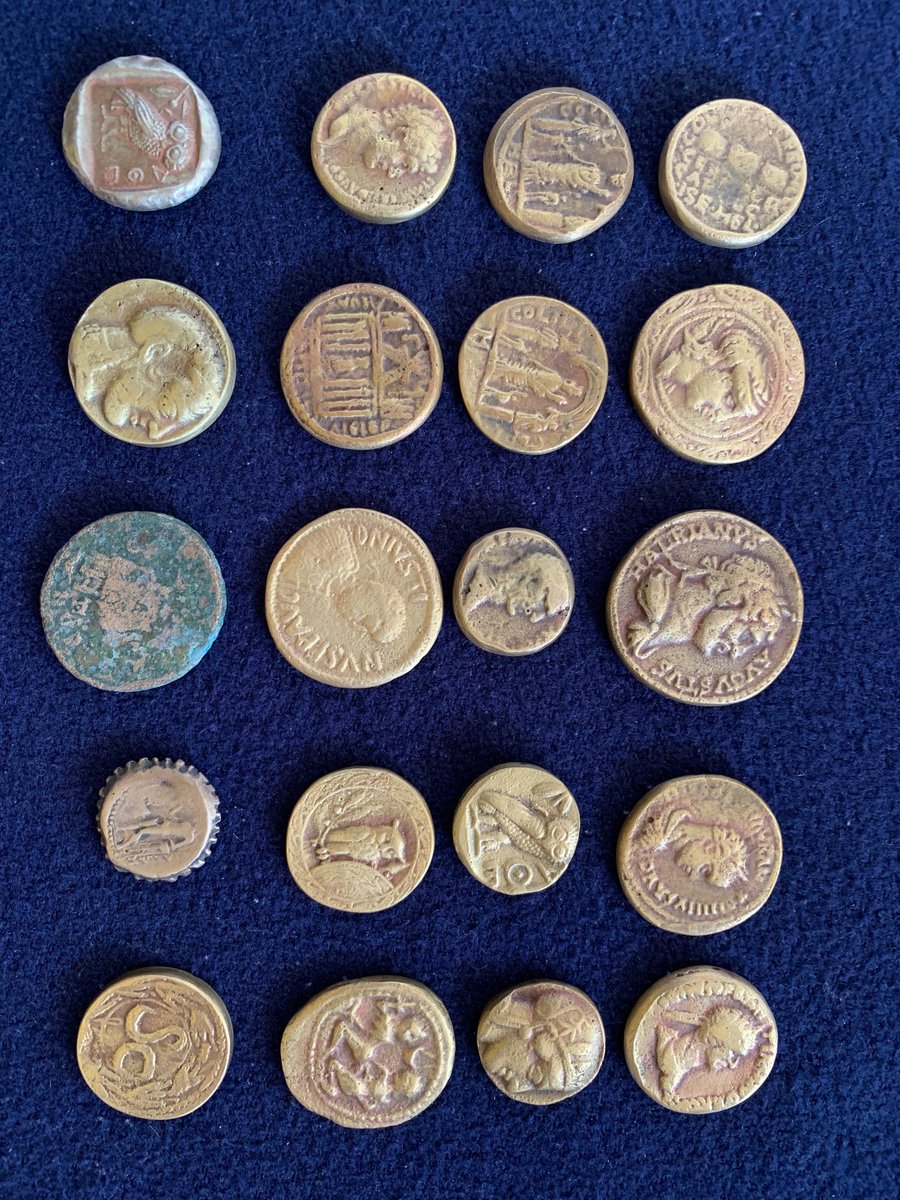
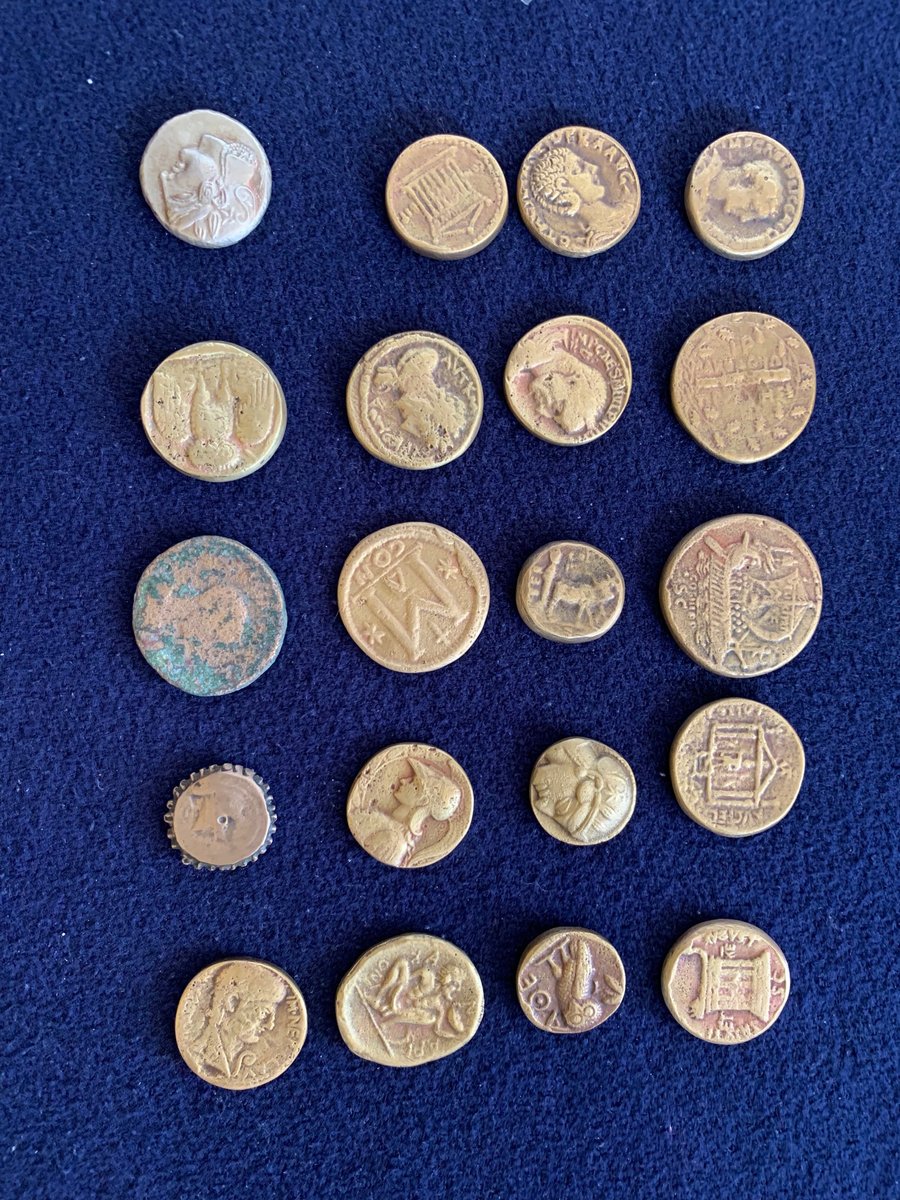
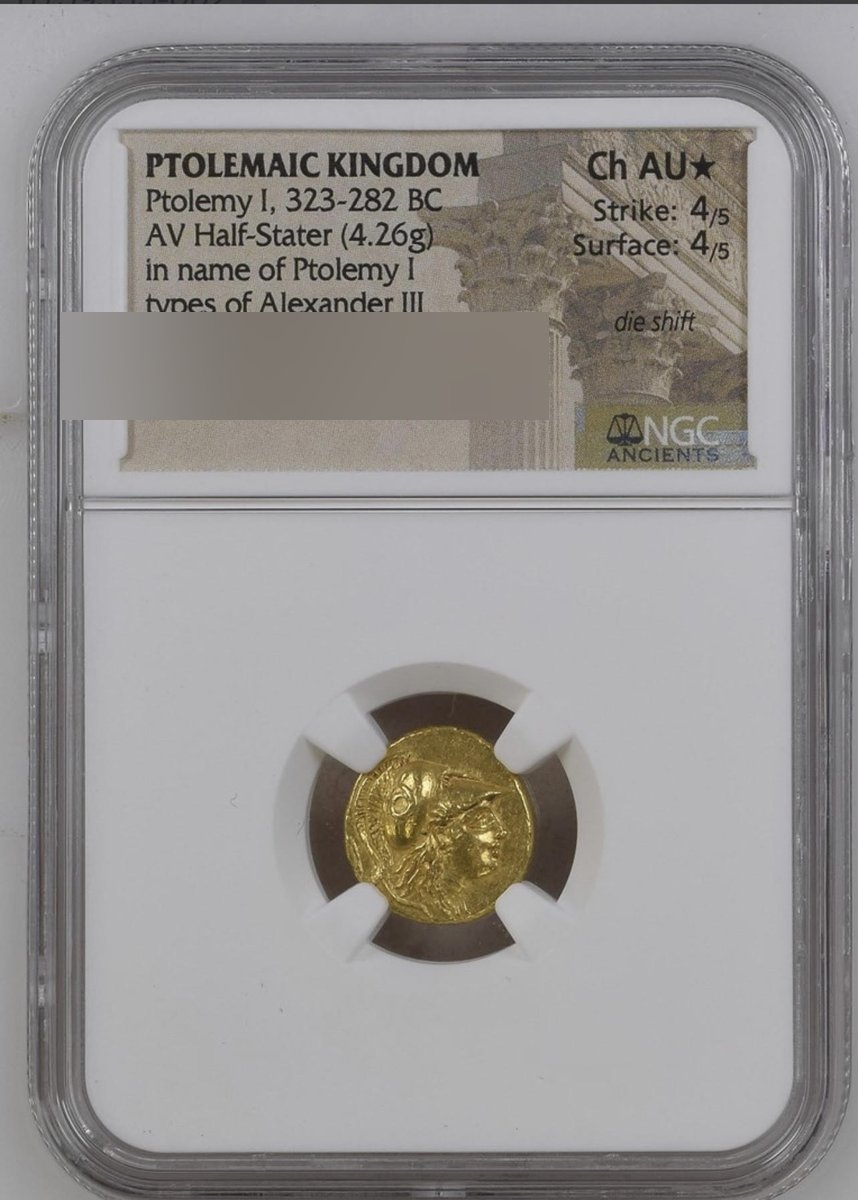
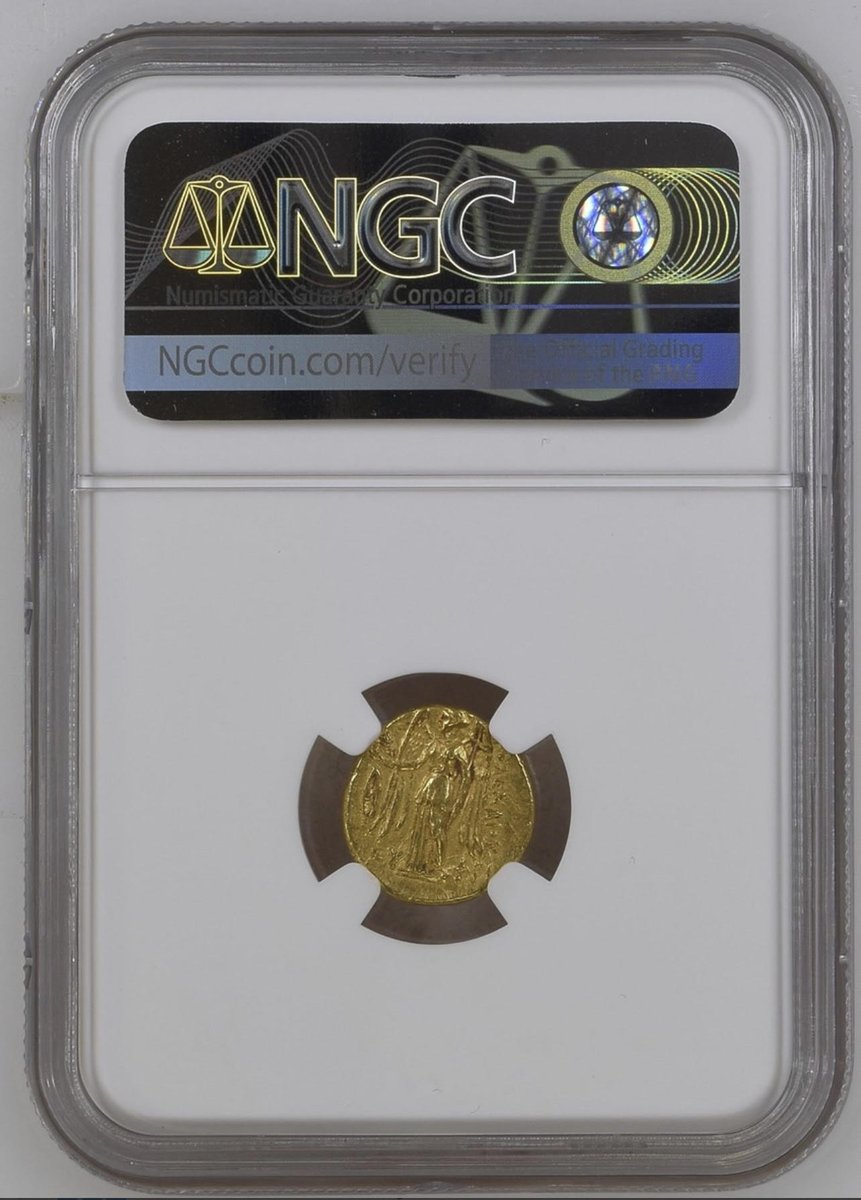
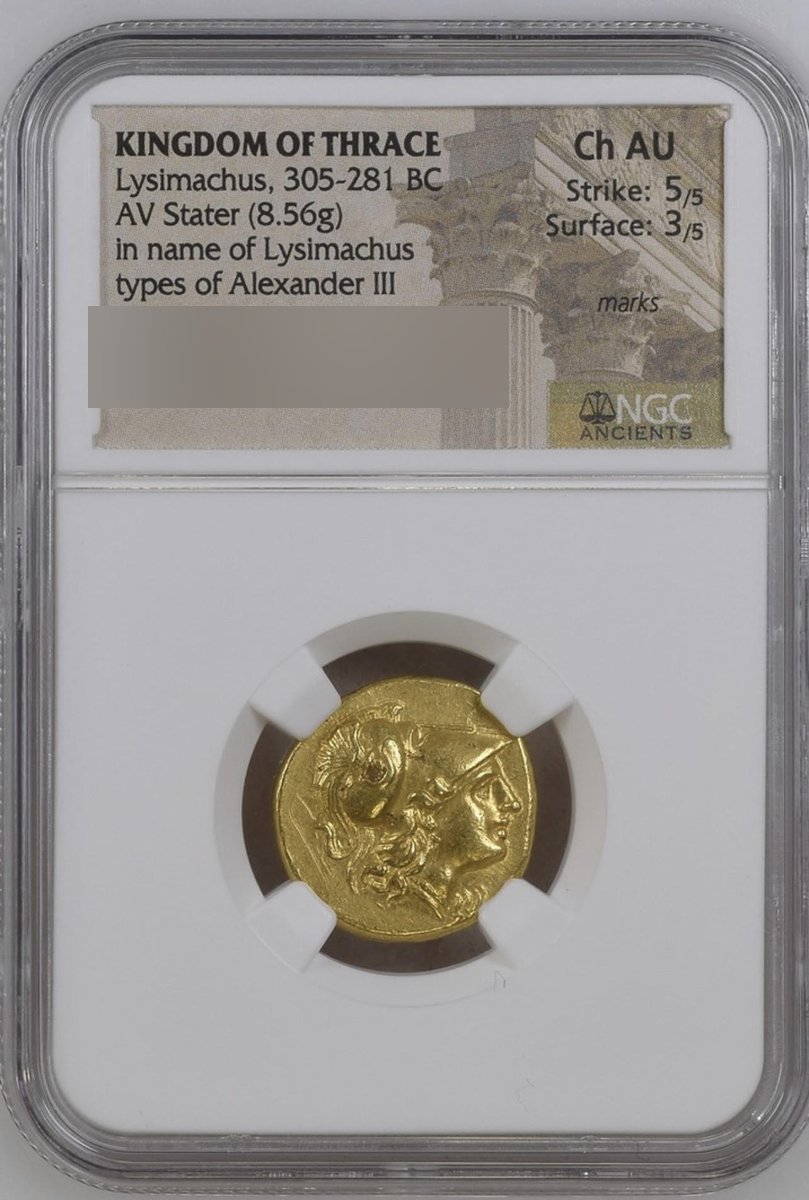
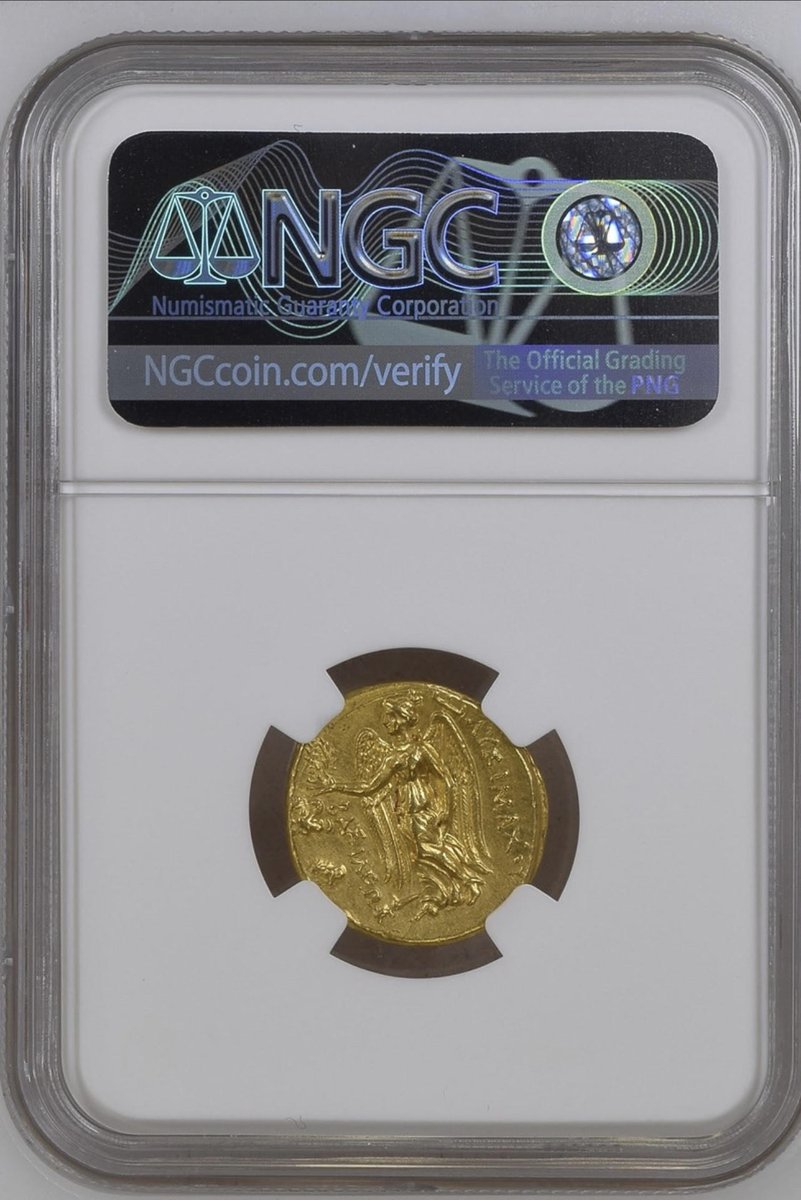
Fake Ancient Coins

What to look for: Ancient fakes are cast or struck from modern dies. Look for edge seams, file marks, bubbles and soft details, and be wary of lots that look too good.
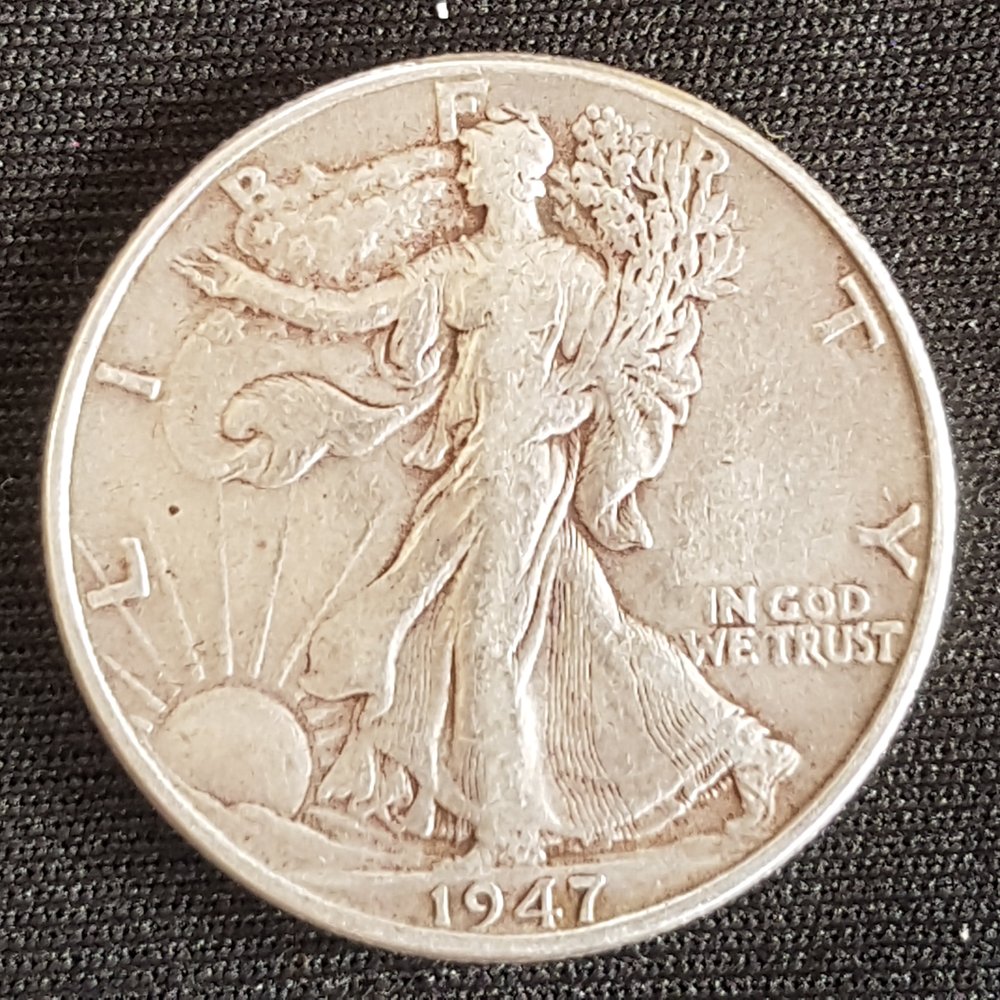
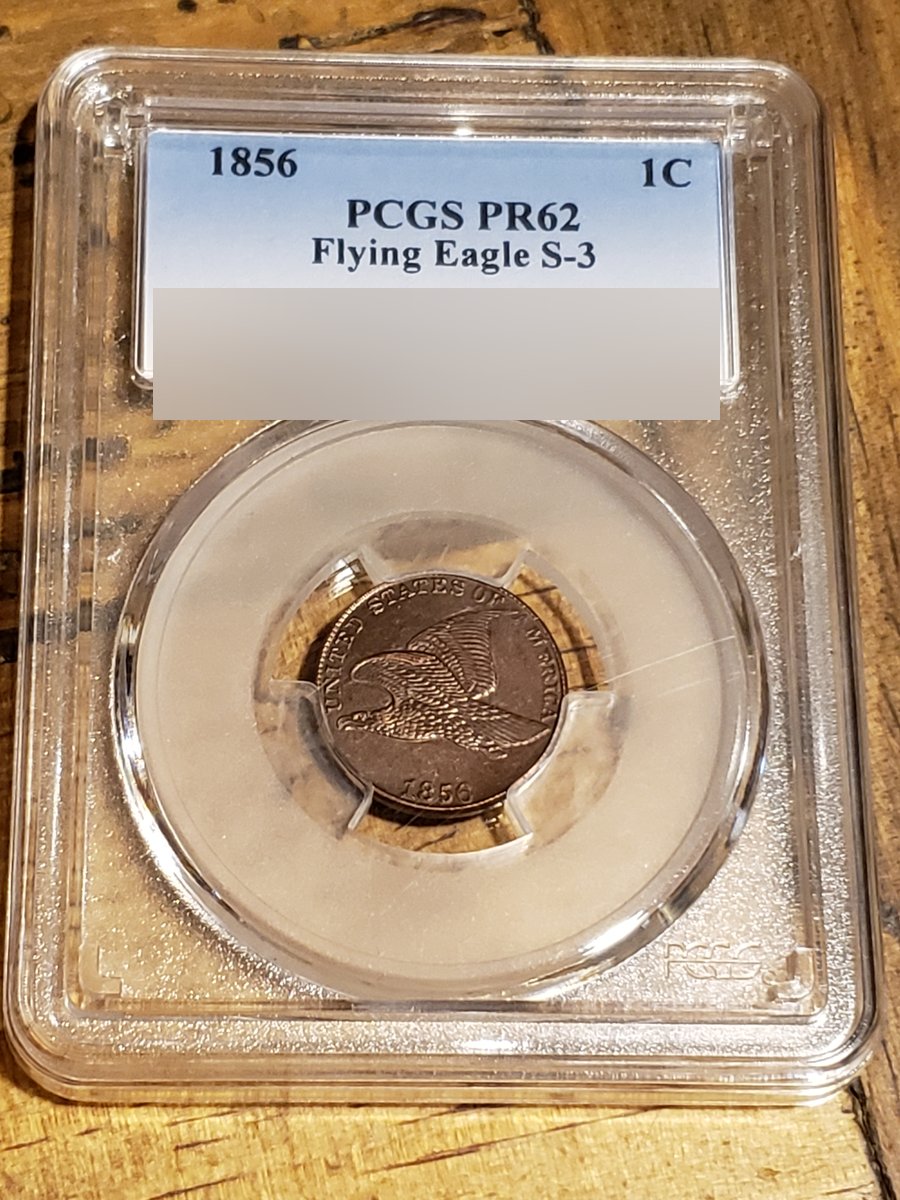
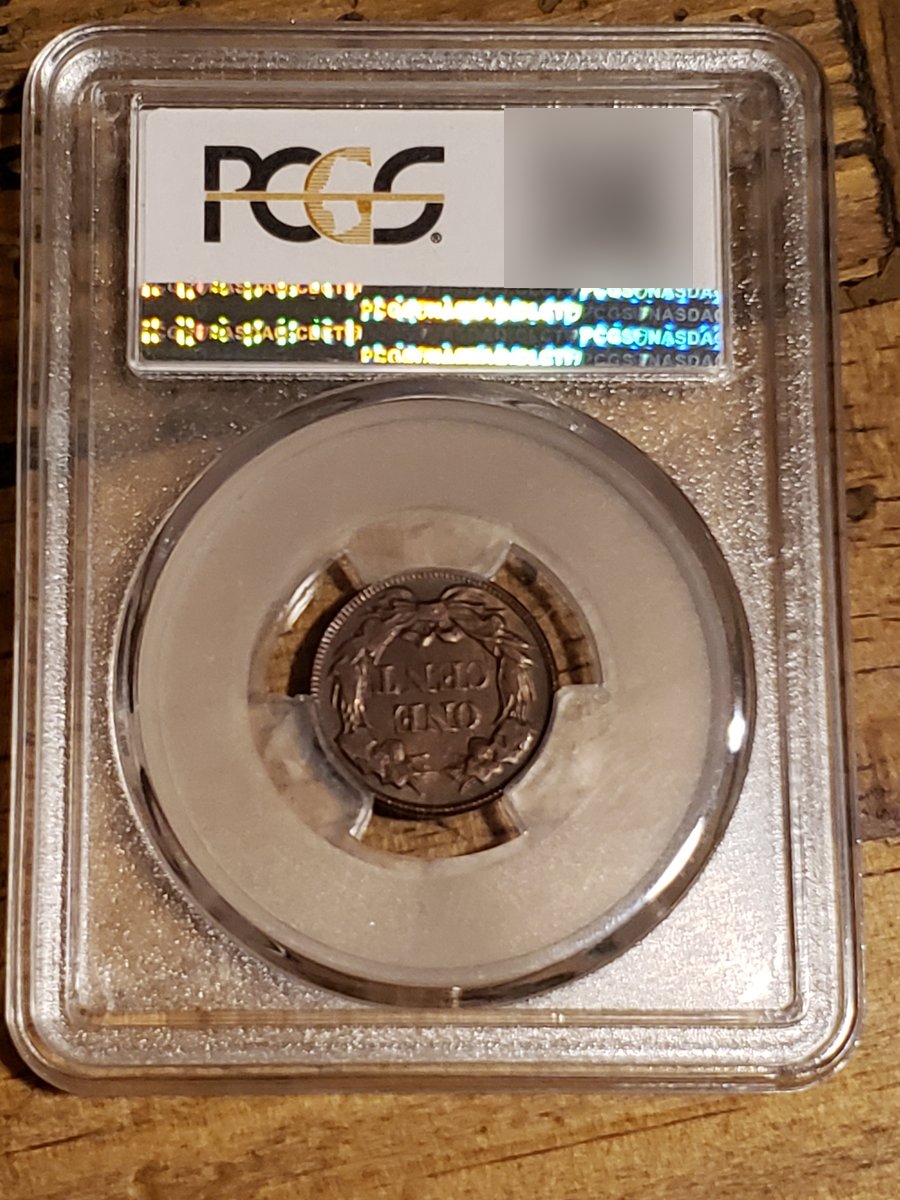
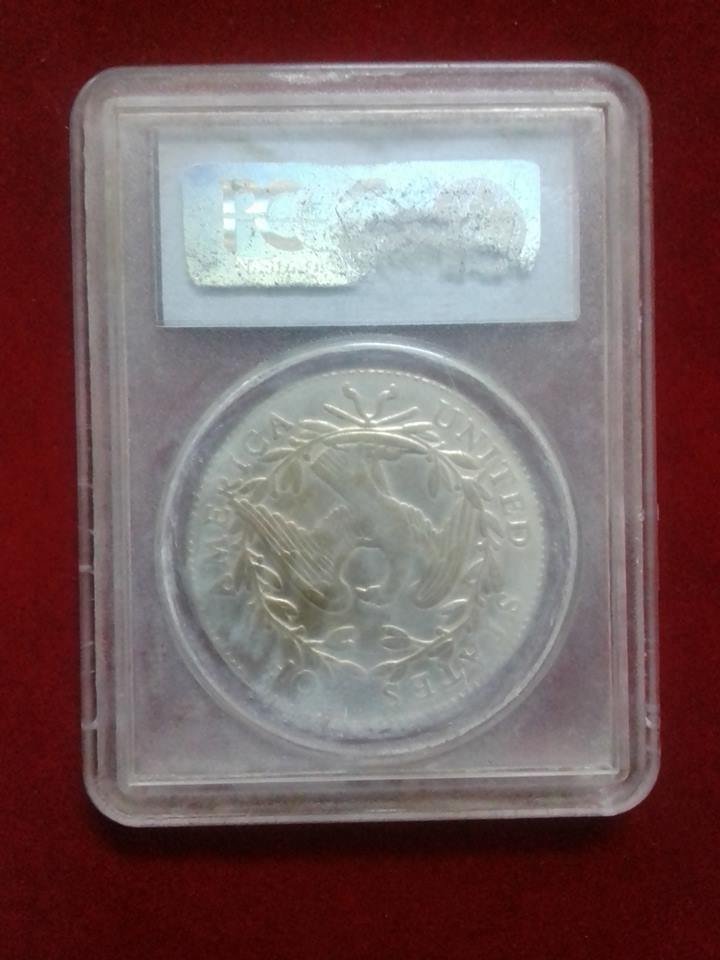
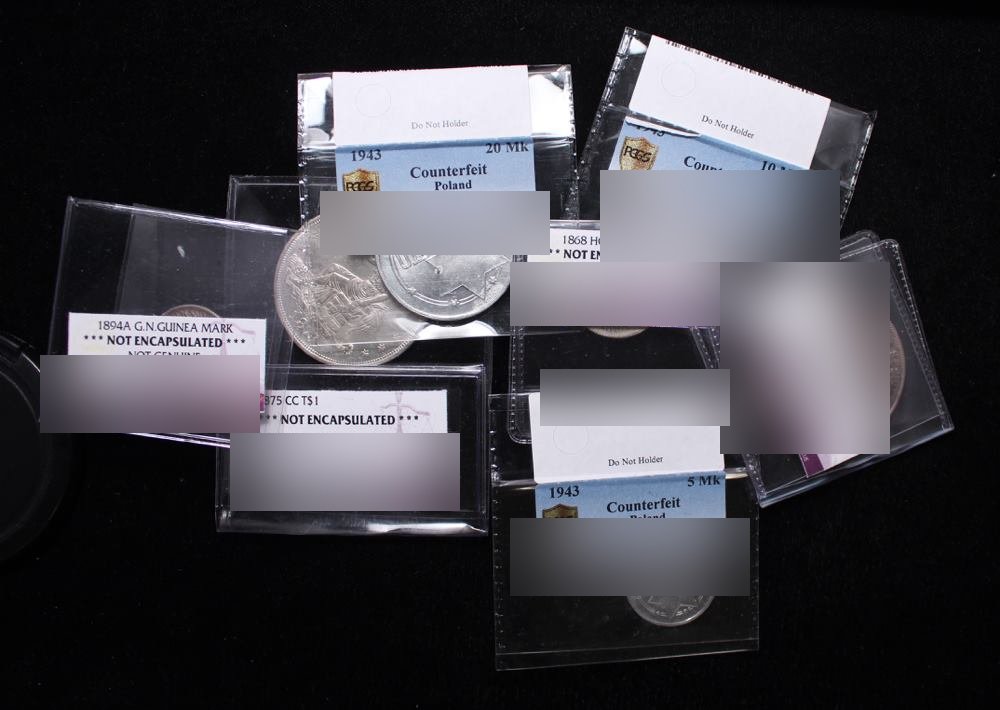
Fake Slabs and Coins Rejected by Grading Services

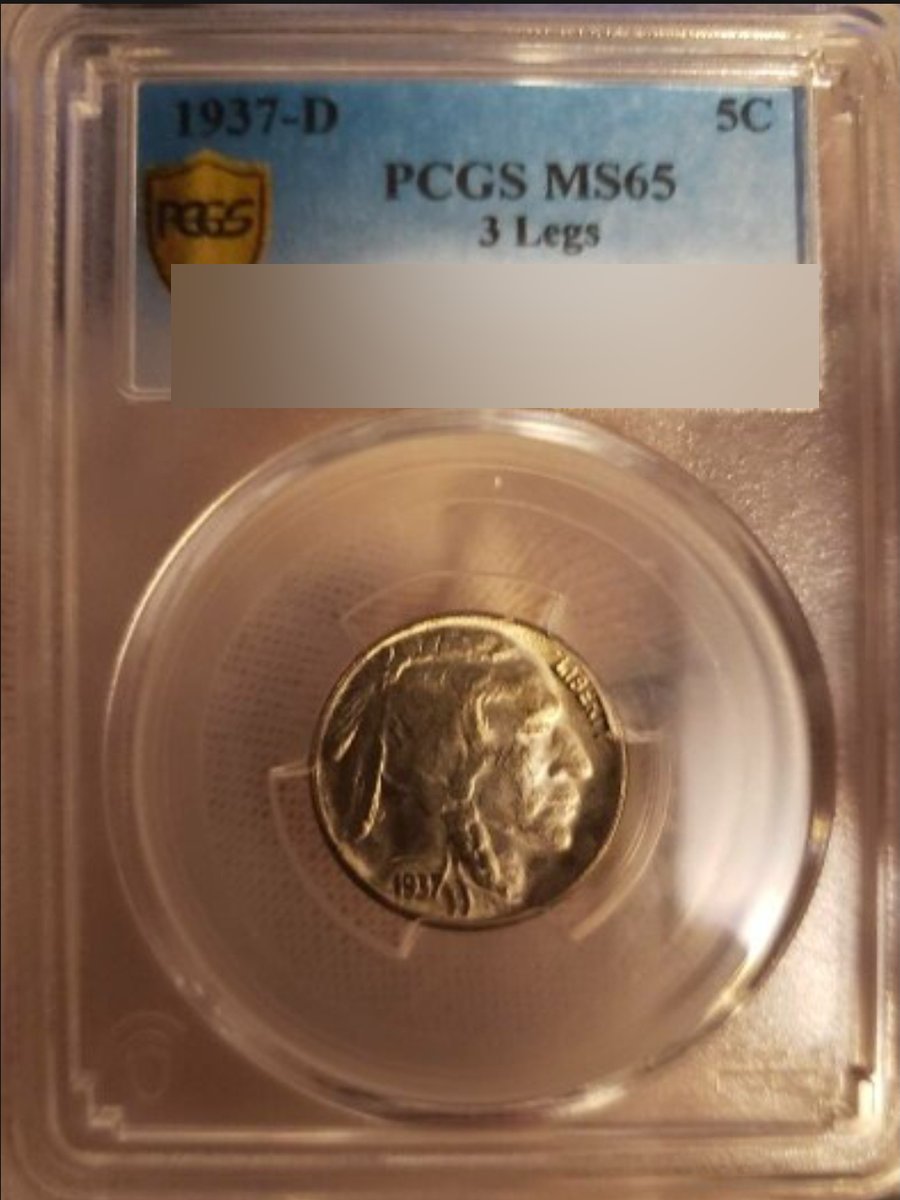
What to look for: Counterfeiters copy PCGS and NGC holders and labels, so a holder alone proves nothing. Look up the cert number on the grader's website and compare the photo. Cert numbers and barcodes are blurred in these pictures.

Related: Fake certified coin case study

How Fake Coins Are Sold

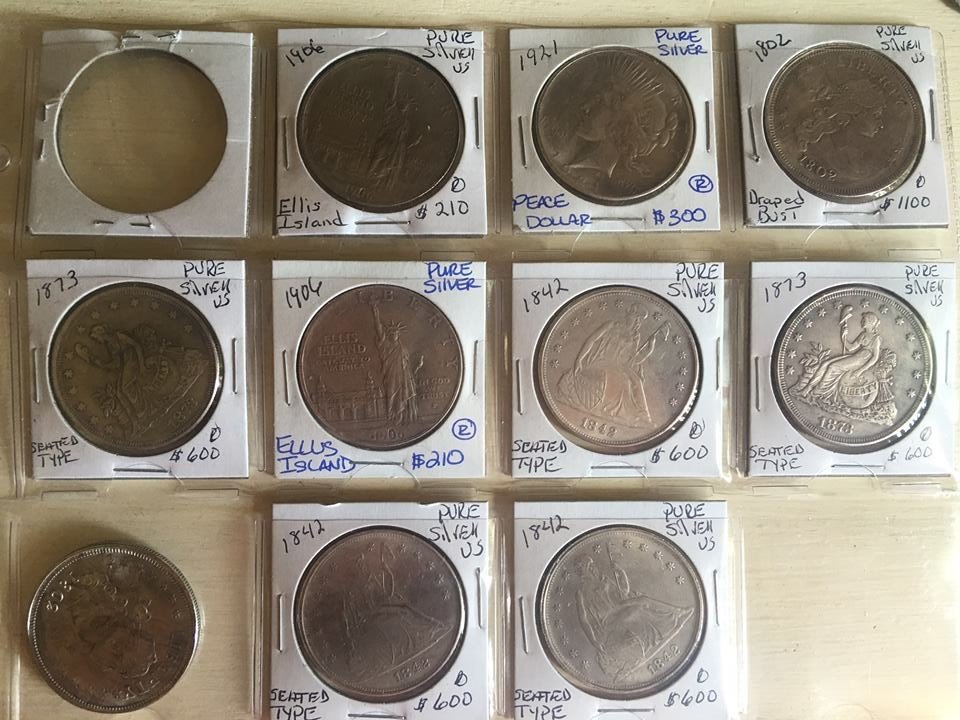
What to look for: Fakes are often sold in hand-labeled flips marked "Rare" or "Pure Silver" at bargain prices. Treat any coin like this as suspect until an expert has examined it.

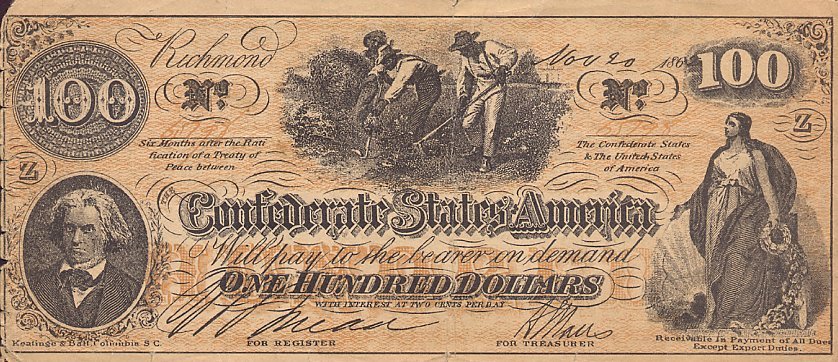
Counterfeit Paper Money

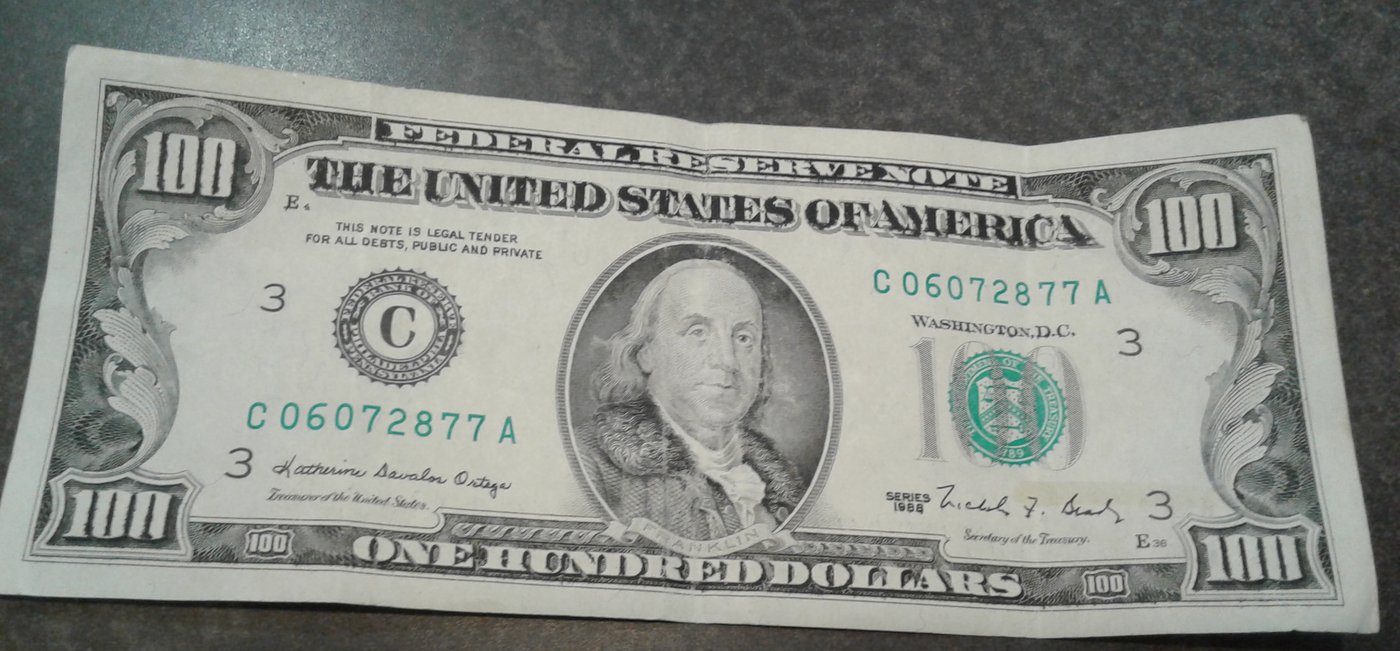
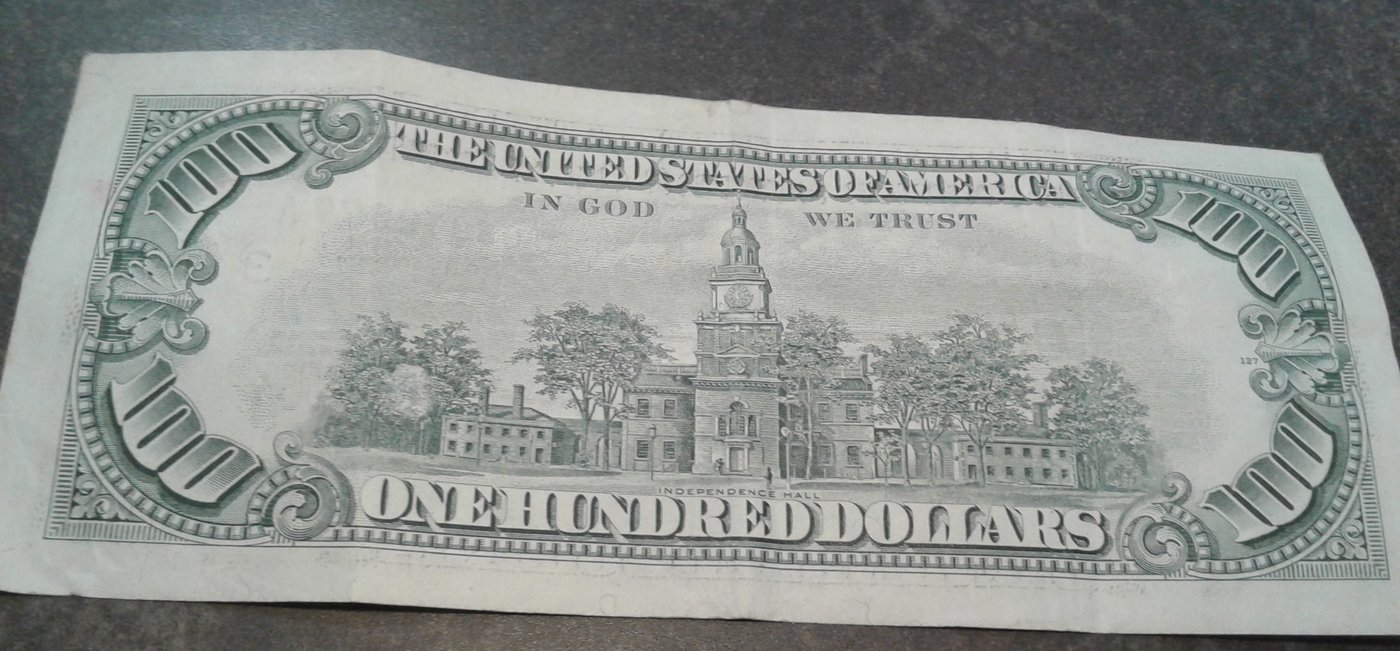
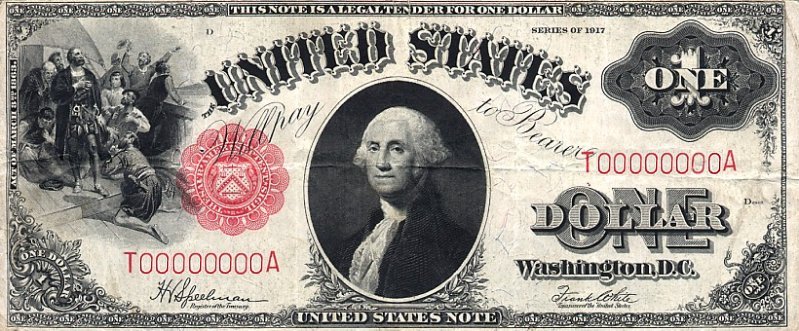
What to look for: Check serial numbers, printing sharpness and the security features for the note's series. Repeated, blank or all-zero serials and flat, fuzzy printing are warning signs.

Related: Sell paper currency

Think You Have a Fake? Get a Free, No-Obligation Authentication and Appraisal

American Rarities has been in business since 1990. We are BBB A+ rated, an ANA Life Member, and have appraisers in every state, so we see genuine coins and fakes every day.

  • Use the form at americanrarities.com to send photos and a description
  • Text photos to 720-600-4740
  • Email staff@americanrarities.com

There is no cost and no obligation. If your coin is genuine, we will tell you what it is worth.


Accepted file types: jpg, gif, png, pdf, bmp, jpeg, xls, csv, xlsx.

Upload unlimited inventory and item image files.

Attach an unlimited number of inventory list or image files below. A red "x" will appear near each file as it is accepted. The red "x" can be clicked if you want to remove a specific file. PLEASE NOTE: Sometimes the form appears to hang, but it does submit your information and attachments and notifies us.


    Fake Coin FAQ

    How can I tell if my coin is fake?

    Check weight and diameter, then make sure the date and mint mark combination exists. Under magnification, look for mushy details, grainy surfaces, edge seams and tool marks. An expert examination is the surest answer.

    Is a coin in a PCGS or NGC holder always genuine?

    No. Counterfeiters copy holders and labels. Look up the cert number on the grading service's website and compare the coin with the photo on file.

    What is a fantasy coin?

    A piece that copies no real coin, such as a date that was never struck or a denomination the Mint never made.

    Are fake coins worth anything?

    Generally no. Most are base metal or plated, and they should never be sold as genuine.

    Can you authenticate my coin for free?

    Yes. Use the form at americanrarities.com or text photos to 720-600-4740 for a free, no-obligation authentication and appraisal.