
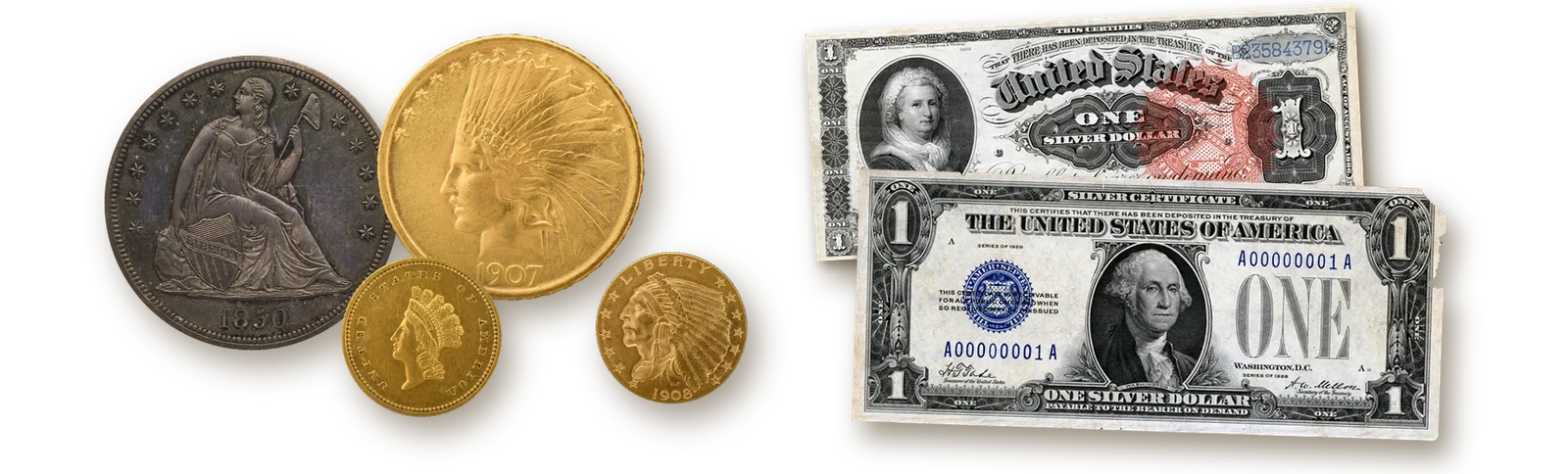

Melt Value vs. Collector Premium
Before you look up a value, sort your coins into two groups: common-date coins, which trade mainly on their silver or gold content, and better-date coins, which carry a collector premium on top of the metal.
Silver Coins: The “Junk Silver” Factor
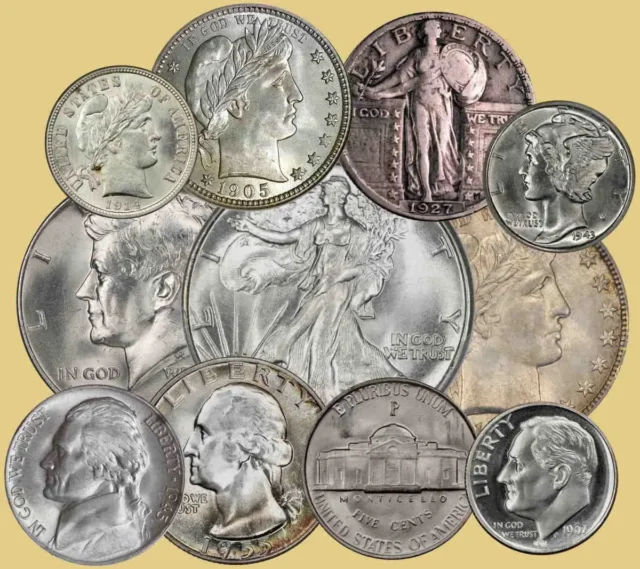
Most U.S. dimes, quarters and half dollars dated 1964 or earlier are 90% silver. Common dates are known as “junk silver”, and their value moves daily with the silver spot price. For an executor or fiduciary, spotting these bulk silver holdings is a key part of valuing an estate. See the melt value table below.
The “Condition Rarity” Exception
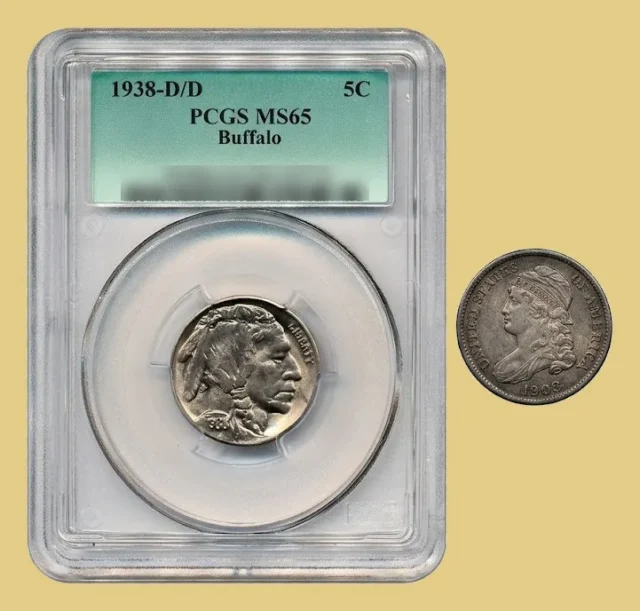
Most ranges below run from circulated (worn) to lower uncirculated grades. Coins that look brand new, with original mint luster, can be worth much more, and a single point on the 70-point grading scale can sometimes double or triple the value of a coin. That is why a common date can still be valuable in a top grade.
How to Use This Price Guide
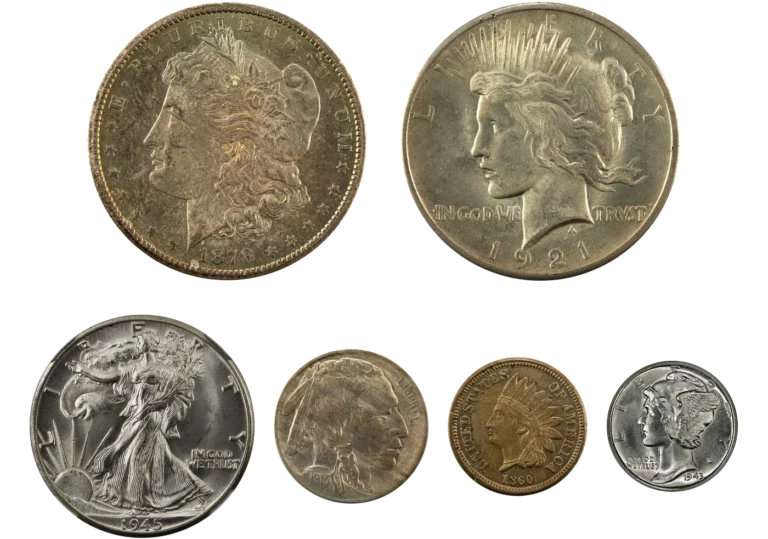
- Identify the type and date. Find the coin or note type in the tables below, then check the date and mint mark (a small letter such as D, S, O or CC on coins). A single date can be worth a few dollars or thousands, so the key dates are listed separately.
- Estimate the condition. Circulated coins range from Good (heavily worn, but the main design is visible) through Fine and Very Fine to Extremely Fine, or XF (light wear on the high points only). Uncirculated coins show no wear and are graded MS60 to MS70 on the Sheldon scale; MS60 to MS63 is typical for an uncirculated coin with some marks. For notes, folds, tears, stains and missing corners all lower the value.
- Read the range. The low number fits the lower grade and the high number fits the better grade. Values are approximate retail prices, which is what collectors typically pay a dealer. A dealer’s offer to buy is usually lower, and coins that have been cleaned, polished or damaged sell for less.
- Check the metal. Gold coins and 90% silver coins are rarely worth less than their melt value, so check the melt value table when spot prices are high.
Most coins dated before 1965 that look like silver are 90% silver. Learn the details in our guide to selling silver coins.
Not sure which coin you have? Our coin value finder walks you through the date, mint mark, metal, condition and varieties step by step, and our coin value search guide explains how to check auction records and sold listings online. For a series-by-series overview from cents through gold, see our price guide for U.S. coins.
Half Cents and Large Cents
Prices last updated: October 2026
Values are approximate retail prices (what collectors typically pay) and change with the market. Dealer offers are usually lower. Dates and mint marks matter, so check your exact coin.
Copper half cents and large cents were struck from 1793 to 1857. Earlier dates (1793 to 1814) are much scarcer than the examples shown.
| Coin (example date) | Circulated (Good to XF) | Uncirculated (MS60 to MS63) |
|---|---|---|
| Braided Hair half cent (1840–1857), 1851 | $61 – $145 | $345 – $610 |
| Coronet large cent (1816–1839), 1838 | $30 – $185 | $420 – $690 |
| Braided Hair large cent (1839–1857), 1851 | $30 – $185 | $315 – $555 |
Source: approximate ranges from USA CoinBook value charts (numismatic values last updated by USA CoinBook in February 2026): Braided Hair half cents, Coronet large cents, Braided Hair large cents. Common-date figures are for the example date shown; other dates can be worth much more.
Small Cents: Flying Eagle, Indian Head and Lincoln Wheat Cents
Prices last updated: October 2026
Values are approximate retail prices (what collectors typically pay) and change with the market. Dealer offers are usually lower. Dates and mint marks matter, so check your exact coin.
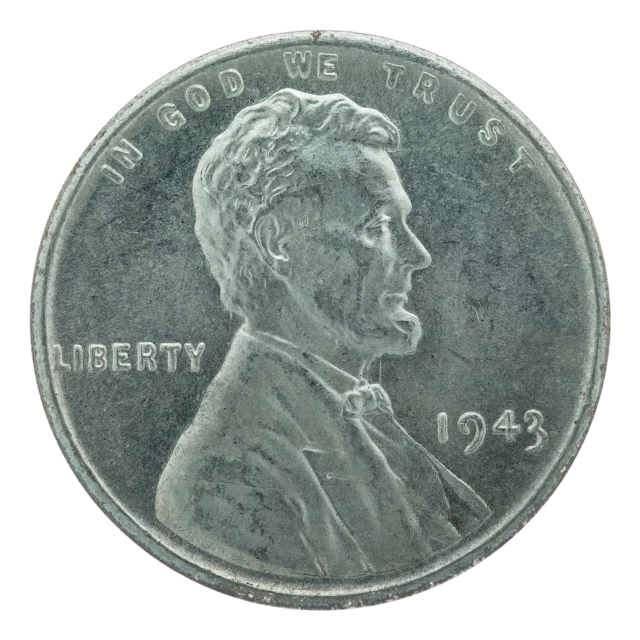
Most wheat cents are worth only a few cents, but a handful of key dates and errors are valuable. See our articles on the 1943 steel and copper cents and the 1955 doubled die cent.
| Coin (example date) | Circulated (Good to XF) | Uncirculated (MS60 to MS63) |
|---|---|---|
| Flying Eagle cent (1856–1858), 1857 | $38 – $175 | $665 – $1,300 |
| Key date: 1856 Flying Eagle cent | $9,330 – $16,600 | $20,100 – $30,600 |
| Indian Head cent (1859–1909), 1907 | $2.50 – $12 | $50 – $81 |
| Key date: 1877 Indian Head cent | $665 – $2,770 | $5,220 – $7,810 |
| Key date: 1909-S Indian Head cent | $375 – $720 | $1,340 – $1,600 |
| Lincoln wheat cent (1909–1958), 1944 | $0.06 – $0.24 | $1.24 – $6.25 |
| 1943 zinc-coated steel cent | $0.18 – $0.49 | $3.08 – $10 (MS65) |
| Key date: 1909-S VDB Lincoln cent | $860 – $1,340 | $2,030 – $2,500 |
| Key date: 1955 doubled die obverse cent | $790 – $1,680 | $5,620 – $18,700 |
Source: approximate ranges from USA CoinBook value charts (numismatic values last updated by USA CoinBook in February 2026): Flying Eagle cents, Indian Head cents, Lincoln wheat cents. Common-date figures are for the example date shown; other dates can be worth much more.
Two-Cent and Three-Cent Pieces
Prices last updated: October 2026
Values are approximate retail prices (what collectors typically pay) and change with the market. Dealer offers are usually lower. Dates and mint marks matter, so check your exact coin.
| Coin (example date) | Circulated (Good to XF) | Uncirculated (MS60 to MS63) |
|---|---|---|
| Two-cent piece (1864–1873), 1864 Large Motto | $25 – $69 | $145 – $215 |
| Three-cent nickel (1865–1889), 1865 | $26 – $61 | $155 – $215 (MS65) |
| Three-cent silver (1851–1873), 1853 | $53 – $125 | $290 – $405 |
Source: approximate ranges from USA CoinBook value charts (numismatic values last updated by USA CoinBook in February 2026): Two-cent pieces, Nickel three-cent pieces, Silver three-cent pieces. Common-date figures are for the example date shown; other dates can be worth much more.
Nickels: Shield, Liberty Head, Buffalo and Wartime Jefferson
Prices last updated: October 2026
Values are approximate retail prices (what collectors typically pay) and change with the market. Dealer offers are usually lower. Dates and mint marks matter, so check your exact coin.
Wartime Jefferson nickels from 1942 to 1945 with a large mint mark above Monticello contain 35% silver.
| Coin (example date) | Circulated (Good to XF) | Uncirculated (MS60 to MS63) |
|---|---|---|
| Shield nickel (1866–1883), 1868 | $38 – $91 | $180 – $280 |
| Liberty Head nickel (1883–1913), 1900 | $2.50 – $38 | $110 – $175 |
| Key date: 1885 Liberty Head nickel | $345 – $1,440 | $2,500 – $4,250 |
| Buffalo nickel (1913–1938), 1937 | $1.56 – $3.62 | $30 – $50 |
| Key date: 1937-D 3-Legged Buffalo nickel | $560 – $895 | $2,260 – $5,220 |
| Wartime silver Jefferson nickel (1942–1945), 1943-P | $3.79 – $5.85 | $9.52 – $27 (MS65) |
Source: approximate ranges from USA CoinBook value charts (numismatic values last updated by USA CoinBook in February 2026): Shield nickels, Liberty Head nickels, Buffalo nickels, Jefferson nickels. Common-date figures are for the example date shown; other dates can be worth much more.
Half Dimes and Dimes
Prices last updated: October 2026
Values are approximate retail prices (what collectors typically pay) and change with the market. Dealer offers are usually lower. Dates and mint marks matter, so check your exact coin.
All dimes dated 1964 and earlier are 90% silver.
| Coin (example date) | Circulated (Good to XF) | Uncirculated (MS60 to MS63) |
|---|---|---|
| Seated Liberty half dime (1837–1873), 1857 | $32 – $74 | $220 – $355 |
| Seated Liberty dime (1837–1891), 1891 | $21 – $46 | $190 – $315 |
| Barber dime (1892–1916), 1911 | $10 – $40 | $165 – $250 |
| Mercury dime (1916–1945), 1941 | $5.06 – $6.79 | $12 – $40 (MS65) |
| Key date: 1916-D Mercury dime | $1,250 – $7,340 | $15,300 – $32,700 (MS65) |
| Silver Roosevelt dime (1946–1964), 1964 | $5.06 – $6.79 | $7.48 – $10 (MS65) |
Source: approximate ranges from USA CoinBook value charts (numismatic values last updated by USA CoinBook in February 2026): Seated half dimes, Seated dimes, Barber dimes, Mercury dimes, Roosevelt dimes. Common-date figures are for the example date shown; other dates can be worth much more.
Twenty-Cent Pieces and Quarters
Prices last updated: October 2026
Values are approximate retail prices (what collectors typically pay) and change with the market. Dealer offers are usually lower. Dates and mint marks matter, so check your exact coin.
All quarters dated 1964 and earlier are 90% silver.
| Coin (example date) | Circulated (Good to XF) | Uncirculated (MS60 to MS63) |
|---|---|---|
| Twenty-cent piece (1875–1878), 1875-S | $140 – $285 | $865 – $1,300 |
| Seated Liberty quarter (1838–1891), 1877 | $45 – $88 | $350 – $675 |
| Barber quarter (1892–1916), 1914 | $19 – $88 | $305 – $475 |
| Standing Liberty quarter (1916–1930), 1929 | $16 – $50 | $170 – $290 |
| Silver Washington quarter (1932–1964), 1964 | About $15 | $18 – $26 (MS65) |
| Key date: 1932-D Washington quarter | $120 – $255 | $1,250 – $12,200 (MS65) |
Source: approximate ranges from USA CoinBook value charts (numismatic values last updated by USA CoinBook in February 2026): Twenty-cent pieces, Seated quarters, Barber quarters, Standing Liberty quarters, Washington quarters. Common-date figures are for the example date shown; other dates can be worth much more.
Half Dollars
Prices last updated: October 2026
Values are approximate retail prices (what collectors typically pay) and change with the market. Dealer offers are usually lower. Dates and mint marks matter, so check your exact coin.
Half dollars through 1964 are 90% silver; Kennedy halves from 1965 to 1970 are 40% silver. See our half dollar collector’s guide. Commemorative half dollars are valued separately; see our guide to commemorative coins value.
| Coin (example date) | Circulated (Good to XF) | Uncirculated (MS60 to MS63) |
|---|---|---|
| Seated Liberty half dollar (1839–1891), 1876 | $75 – $265 | $600 – $1,010 |
| Barber half dollar (1892–1915), 1908 | $41 – $265 | $625 – $1,010 |
| Walking Liberty half dollar (1916–1947), 1943 | $30 – $37 | $57 – $75 |
| Franklin half dollar (1948–1963), 1963 | $28 – $32 | $33 – $70 (MS65) |
| Kennedy half dollar, 90% silver, 1964 | About $28 | $29 – $57 (MS65) |
| Kennedy half dollar, 40% silver (1965–1970), 1967 | About $12 | $13 – $97 (MS65) |
Source: approximate ranges from USA CoinBook value charts (numismatic values last updated by USA CoinBook in February 2026): Seated halves, Barber halves, Walking Liberty halves, Franklin halves, Kennedy halves. Common-date figures are for the example date shown; other dates can be worth much more.
Silver Dollars: Morgan, Peace, Trade and Eisenhower
Prices last updated: October 2026
Values are approximate retail prices (what collectors typically pay) and change with the market. Dealer offers are usually lower. Dates and mint marks matter, so check your exact coin.
Common Morgan and Peace dollars trade close to their silver value, while Carson City and other key dates carry large premiums.
| Coin (example date) | Circulated (Good to XF) | Uncirculated (MS60 to MS63) |
|---|---|---|
| Morgan dollar (1878–1904, 1921), 1921 | $68 – $83 | $105 – $300 (MS65) |
| Key date: 1889-CC Morgan dollar | $1,160 – $4,400 | $28,100 – $361,600 (MS65) |
| Key date: 1893-S Morgan dollar | $4,970 – $12,200 | $231,700 – $726,500 (MS65) |
| Peace dollar (1921–1935), 1923 | $56 – $76 | $87 – $225 (MS65) |
| Key date: 1928 Peace dollar | $280 – $405 | $605 – $4,280 (MS65) |
| Trade dollar (1873–1885), 1877-S | $225 – $405 | $1,160 – $1,910 |
| Eisenhower dollar, 40% silver collector issue, 1971-S | — | $31 |
Source: approximate ranges from USA CoinBook value charts (numismatic values last updated by USA CoinBook in February 2026): Morgan dollars, Peace dollars, Trade dollars, Eisenhower dollars. Common-date figures are for the example date shown; other dates can be worth much more.
For Morgan dollar values by date and grade from the NGC price guide, see our Morgan silver dollar price guide.
U.S. Gold Coins (Pre-1933)
Prices last updated: October 2026
Values are approximate retail prices (what collectors typically pay) and change with the market. Dealer offers are usually lower. Dates and mint marks matter, so check your exact coin.
Common-date U.S. gold coins trade at a premium over their gold value, so these figures move with the gold price. Scarce dates and branch mints such as Carson City, Charlotte and Dahlonega are worth much more.
| Coin (example date) | Circulated (VF to XF) | Uncirculated (MS60 to MS63) |
|---|---|---|
| Liberty Head gold dollar (1849–1854), 1853 | $440 – $460 | $535 – $805 |
| Liberty Head $2.50 quarter eagle (1840–1907), 1907 | $825 – $905 | $970 – $1,040 |
| Indian Head $2.50 quarter eagle (1908–1929), 1925-D | $795 – $825 | $880 – $1,180 |
| Liberty Head $5 half eagle (1839–1908), 1901-S | $1,150 – $1,180 | $1,250 – $1,360 |
| Indian Head $5 half eagle (1908–1929), 1909-D | $1,280 – $1,320 | $1,550 – $1,950 |
| Liberty Head $10 eagle (1838–1907), 1901-S | $2,200 – $2,220 | $2,300 – $2,370 |
| Indian Head $10 eagle (1907–1933), 1932 | $2,300 – $2,370 | $2,490 – $2,630 |
| Liberty Head $20 double eagle (1850–1907), 1904 | $4,330 – $4,360 | $4,430 – $4,790 |
| Saint-Gaudens $20 double eagle (1907–1933), 1924 | $4,330 – $4,390 | $4,380 – $4,470 |
Source: approximate ranges from USA CoinBook value charts (numismatic values last updated by USA CoinBook in February 2026): Gold dollars, Liberty $2.50, Indian $2.50, Liberty $5, Indian $5, Liberty $10, Indian $10, Liberty $20, Saint-Gaudens $20. Common-date figures are for the example date shown; other dates can be worth much more.
Paper Money Basics
Prices last updated: October 2026
Values are approximate and change with the market. Ranges depend on condition; dealer offers are usually lower. Star notes, rare blocks and serial numbers can be worth much more.
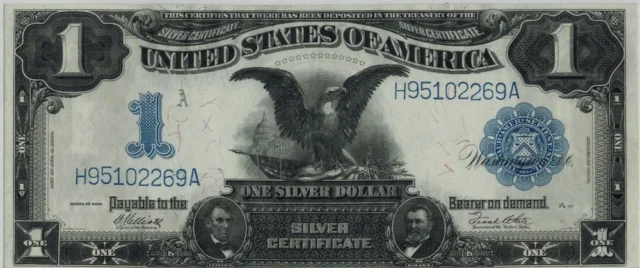
U.S. paper money is easiest to sort by size and seal color. Notes printed before 1928 are noticeably larger than today’s bills and are known as large-size notes, or “horseblankets.” Since 1928, all notes have been small size. The color of the Treasury seal tells you the type: blue for silver certificates, red for United States (Legal Tender) notes, yellow-gold for gold certificates, brown for National Bank Notes and Federal Reserve Bank Notes, and green for Federal Reserve Notes.
Most modern notes are worth face value. The tables below cover the types that can carry a premium. To learn more, read our guide to collecting paper money. To identify your note type and seal color, see our U.S. paper currency information page.
| Usually worth face value or less | Approximate value |
|---|---|
| Most circulated modern Federal Reserve Notes | Face value |
| Most $2 Federal Reserve Notes, 1976 and 1995 | Face value |
| Most $2 and $5 red seal notes | Little premium over face value |
| Replica notes, including the 1840 $1,000 Bank of the United States note with serial number 8894 | No collector value |
Source: approximate ranges based on published paper money price guides and recent auction records (as of December 2025). For detailed values, the Standard Guide to Small Size U.S. Paper Money by Dean Oakes and John Schwartz is a standard reference.
Thinking about selling your notes? See our sell paper currency and paper money values page, or learn how to sell paper currency step by step.
Small-Size Silver Certificates (Blue Seal)
Prices last updated: October 2026
Values are approximate and change with the market. Ranges depend on condition; dealer offers are usually lower. Star notes, rare blocks and serial numbers can be worth much more.
| Note | Approximate value |
|---|---|
| $1 silver certificate, series 1935 and 1957, circulated | $1.25 – $1.50 |
| $1 silver certificate, series 1935 and 1957, uncirculated | $2 – $4 |
| $5 and $10 silver certificates, series 1934 and 1953, circulated | 10% to 30% over face value |
| Uncirculated $5 and $10 silver certificates | Larger premium, depending on issue and grade |
| Exceptions: star notes, 1935A Hawaii and North Africa (World War II) notes, experimental notes, the 1933 $10 and other rare blocks | Worth more; ask for an appraisal |
Source: approximate ranges based on published paper money price guides and recent auction records (as of December 2025). For detailed values, the Standard Guide to Small Size U.S. Paper Money by Dean Oakes and John Schwartz is a standard reference.
Red Seal U.S. Notes (Legal Tender)
Prices last updated: October 2026
Values are approximate and change with the market. Ranges depend on condition; dealer offers are usually lower. Star notes, rare blocks and serial numbers can be worth much more.
Red seal notes of 1928, 1953, 1963 and 1966 are the most sought after.
| Note | Approximate value |
|---|---|
| Most $2 and $5 red seals (circulated, common series) | Very little premium over face value |
| $1 red seals (1928) | Scarce; quite valuable in higher grades |
| $100 red seals (1966) | 20% to 40% over face value, even circulated |
Source: approximate ranges based on published paper money price guides and recent auction records (as of December 2025). For detailed values, the Standard Guide to Small Size U.S. Paper Money by Dean Oakes and John Schwartz is a standard reference.
Gold Certificates (Yellow-Gold Seal)
Prices last updated: October 2026
Values are approximate and change with the market. Ranges depend on condition; dealer offers are usually lower. Star notes, rare blocks and serial numbers can be worth much more.
The 1928 series gold certificates are legal to own and highly collectible.
| Note | Approximate value |
|---|---|
| 1928 $10 and $20 gold certificates | About twice face value to $100 or more, depending on condition |
| 1928 $50 and $100 gold certificates | More valuable than the $10 and $20 |
| 1928 $500 and $1,000 gold certificates | Scarce; ask for an appraisal |
Source: approximate ranges based on published paper money price guides and recent auction records (as of December 2025). For detailed values, the Standard Guide to Small Size U.S. Paper Money by Dean Oakes and John Schwartz is a standard reference.
Federal Reserve Notes (Green Seal)
Prices last updated: October 2026
Values are approximate and change with the market. Ranges depend on condition; dealer offers are usually lower. Star notes, rare blocks and serial numbers can be worth much more.
Most circulated Federal Reserve Notes from modern series are worth face value. Early series and high denominations can carry a premium.
| Note | Approximate value |
|---|---|
| Circulated 1928 and 1934 series notes | Small premium, usually 10% to 30% over face value (higher for $5 and $10 than for $20, $50 and $100) |
| $2 star notes, 1976 and 1995, common districts, uncirculated | $10 – $20 |
| $2 star notes from Kansas City (J) and Minneapolis (I), uncirculated | More than $100 |
| 1934 $500 bill, circulated | $500 – $800 |
| 1934 $1,000 bill, circulated | $1,000 – $1,400 |
| 1928 series $500 and $1,000 bills | About 10% to 20% more than the 1934 series |
| Uncirculated $500 and $1,000 bills | Desirable, but usually no more than twice face value |
| $5,000 and $10,000 bills, and star notes of any high denomination | Very rare; worth much more than face value unless damaged |
Source: approximate ranges based on published paper money price guides and recent auction records (as of December 2025). For detailed values, the Standard Guide to Small Size U.S. Paper Money by Dean Oakes and John Schwartz is a standard reference.
National Bank Notes and Federal Reserve Bank Notes (Brown Seal)
Prices last updated: October 2026
Values are approximate and change with the market. Ranges depend on condition; dealer offers are usually lower. Star notes, rare blocks and serial numbers can be worth much more.
Both say “National Currency” above the portrait. A Federal Reserve Bank Note names one of the 12 Federal Reserve Banks; a National Bank Note names a local bank, such as “The First National Bank of…” More than 14,000 national banks issued notes, so value depends on the bank, town and state.
| Note | Rarity |
|---|---|
| Most Federal Reserve Bank Notes | Common |
| Federal Reserve Bank Notes from the Dallas bank | Rare |
| Federal Reserve Bank Note star notes | Scarce |
| National Bank Notes | Mostly inexpensive, but some banks are rare; the range is very wide |
Source: approximate ranges based on published paper money price guides and recent auction records (as of December 2025). For detailed values, the Standard Guide to Small Size U.S. Paper Money by Dean Oakes and John Schwartz is a standard reference.
Large-Size Notes (Before 1928)
Prices last updated: October 2026
Values are approximate and change with the market. Ranges depend on condition; dealer offers are usually lower. Star notes, rare blocks and serial numbers can be worth much more.
Large-size notes range from common to ultra-rare pieces worth tens of thousands of dollars. These are the types seen most often.
| Note | Approximate value |
|---|---|
| 1923 $1 silver certificate (blue seal) | $20 – $150 |
| 1899 $1 silver certificate (“Black Eagle”) | $40 – $250 |
| 1917 $1 Legal Tender note | $40 – $150 |
| 1907 $5 Legal Tender note (“Woodchopper”) | $80 – $200 |
| 1862 $1 Legal Tender note | $100 – $1,000 |
| Other large-size types (Treasury or “coin” notes, gold certificates, National Bank Notes and others) | Varies widely; ask for an appraisal |
Source: approximate ranges based on published paper money price guides and recent auction records (as of December 2025). For detailed values, the Standard Guide to Small Size U.S. Paper Money by Dean Oakes and John Schwartz is a standard reference.
Confederate and Civil War Currency
Prices last updated: October 2026
Values are approximate and change with the market. Ranges depend on condition; dealer offers are usually lower. Star notes, rare blocks and serial numbers can be worth much more.
All genuine Confederate currency has some collector value. Genuine notes are hand-signed and numbered; replicas are common and are often printed on crisp brown “antique” paper.
| Note | Approximate value |
|---|---|
| Most 1864 issue Confederate notes | Common |
| 1864 $500 Confederate note | $200 – $400 |
| 1861 Montgomery issues | Very valuable; ask for an appraisal |
| Contemporary counterfeits made to circulate at the time | $10 – $100 or more |
| Modern replicas | No collector value |
Source: approximate ranges based on published paper money price guides and recent auction records (as of December 2025). For detailed values, the Standard Guide to Small Size U.S. Paper Money by Dean Oakes and John Schwartz is a standard reference.
What Makes a Coin or Note Worth More Than the Guide?
The Key Date Hunt
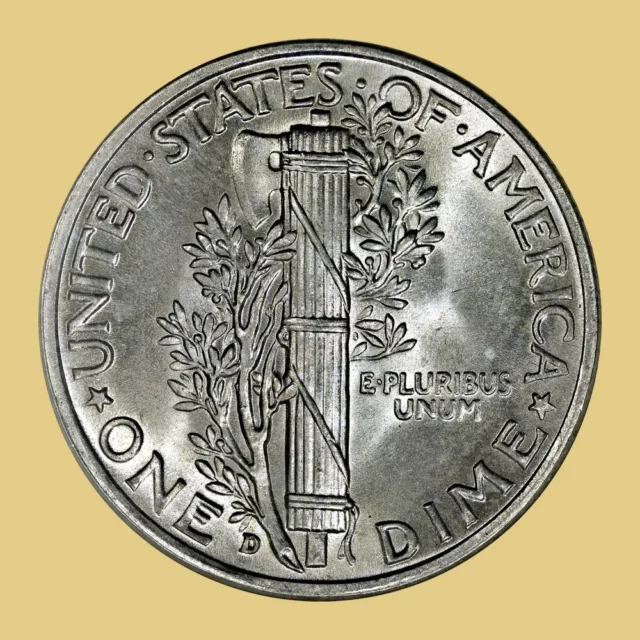
Some date and mint mark combinations were made in very small numbers. A common 1916 Mercury dime is worth a few dollars, while a 1916-D from the Denver Mint is a major rarity worth thousands. We help heirs and executors find these keys so they are not sold at bulk silver prices.
Errors and Die Varieties
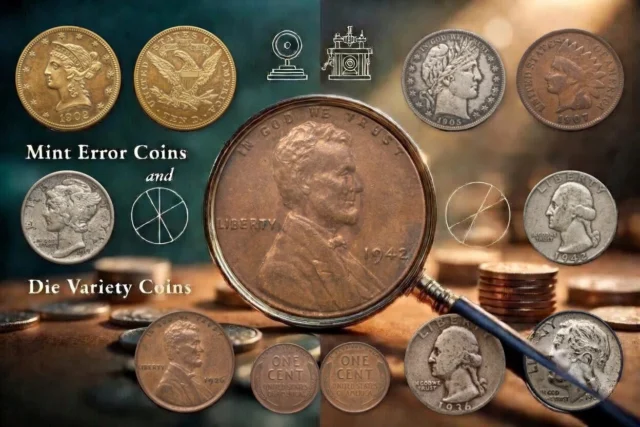
Coins with doubled dies, clipped planchets or “transitional” metal errors (like the 1943 copper cent) can be worth a fortune. Our appraisers use magnification and XRF metal testing to verify these high-value pieces.
Other Things That Add Value
- Key dates and mint marks. Low-mintage dates like the 1909-S VDB cent, the 1916-D dime and the 1893-S Morgan dollar sell for many times the price of common dates.
- Higher grades. Above MS63, prices can climb steeply, which is why the uncirculated column is only a starting point for gem coins. Read how PCGS, NGC and ANACS grade coins.
- Errors and die varieties. Doubled dies, overdates and off-metal strikes, like the 1943 copper cent, can be worth far more than normal coins. See real examples on our error coins and variety coins page.
- Star notes and serial numbers. A star (★) after or before the serial number marks a replacement note. Low serial numbers (such as 00000001) and “fancy” serials can also add value.
- Originality. Never clean coins or press, tape or repair notes. Cleaning and repairs lower the value, often sharply.
- Authenticity. Counterfeits of key-date coins and replicas of old notes are common. See our coin authentication guide and our fake coin pictures.
For a scannable list of valuable U.S. coins, from doubled-die cents to million-dollar rarities, with NGC value ranges, see our rare coins value list.
Free Grading and Appraisals From American Rarities
A price guide gets you in the right range. To know what your coins and notes are really worth, let our experts look at them. We grade coins for free (we give you our grading opinion but do not encapsulate coins), and if a coin is worth certifying, we can submit it to PCGS, NGC or ANACS for you.
- Founded in 1990. Over 30 years in business and over $400 million in coins and collections purchased.
- 4.7-star Google rating, an A+ BBB rating, and American Numismatic Association Life Members.
- PCGS and NGC authorized dealer and ANACS submission center.
- Two kinds of appraisal: a liquid value appraisal (an offer to buy) is free, and appraisals are usually done within 24 hours; an insurance or replacement appraisal, or an IRS-approved written appraisal for an estate or a donation, is a paid service. Just ask.
- Home visits nationwide, or mail your items to us. Mail-in shipments are fully covered with no deductible.
- Payment by cash, check, ACH or wire, immediately after your items arrive. For major rarities, our auction house partnerships give you access to preferential auction fees.
Learn more about our free online coin appraisal, coin collection appraisal, coin appraisers in your area and estate appraisals services, or find a coin dealer near you.
Three Ways to Get Your Free Written Offer
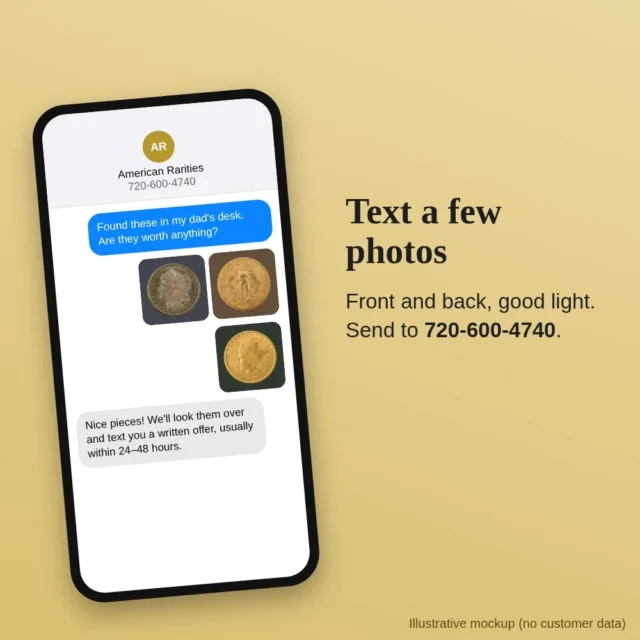 Send photos or a list: Text clear photos to 720-600-4740, email them or your inventory list to staff@americanrarities.com, or use the form. Our appraisers use current market data, and appraisals are usually done within 24 hours.
 Meet in person or a home visit: For larger collections and estates, our buyers travel nationwide. We can meet you at your home, a law office, or your bank.
 Ship fully insured: Mail your coins to us fully insured at our expense, with tracking from your door to our office. If you decline our offer, we return your items fully insured.
Auction House Partnerships
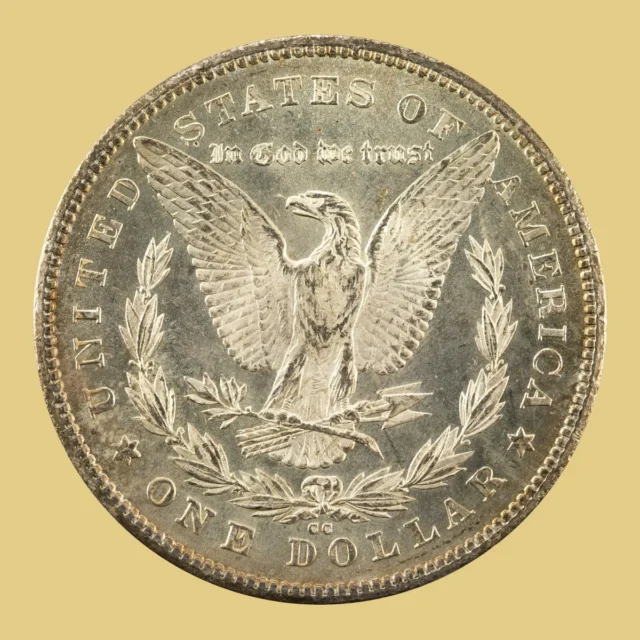
We buy directly and pay right away, but some trophy rarities, such as a rare Carson City silver dollar, can do better at auction. Through our auction house partnerships, we can manage the consignment for you, often at preferential fees.
More world coin guides: foreign coins value, US and foreign rare coin values, foreign coin buyers and selling a foreign coin collection.
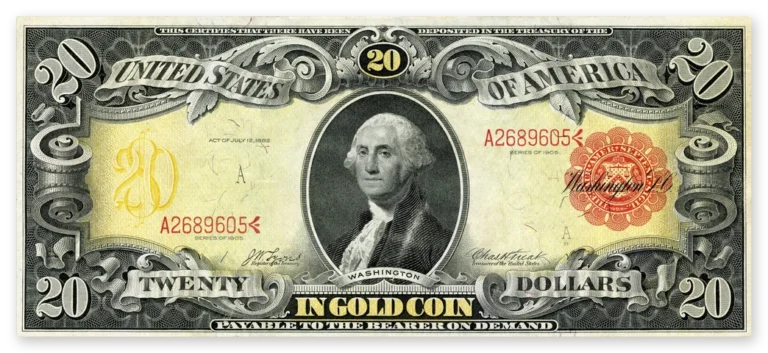 Sell Your U.S. Paper CurrencyFree appraisal and a cash offer for your notes
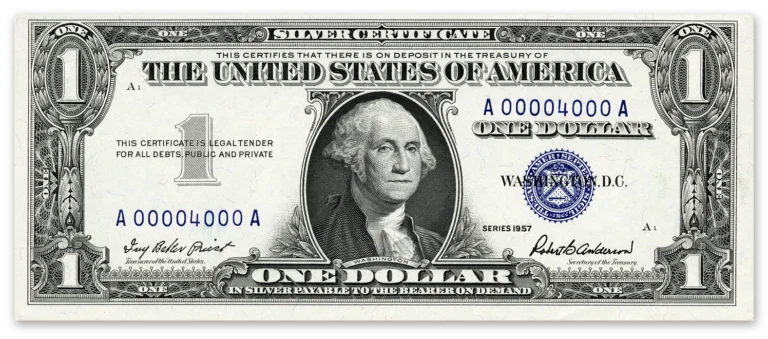 How to Sell Paper CurrencyFive steps to take before you sell
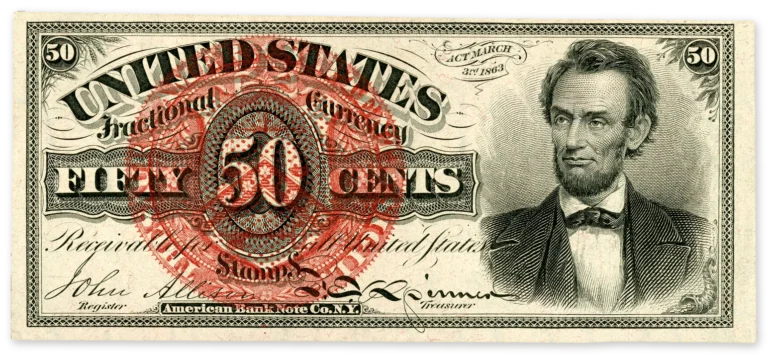 U.S. Paper Currency InformationHistory, types and how to identify U.S. notes
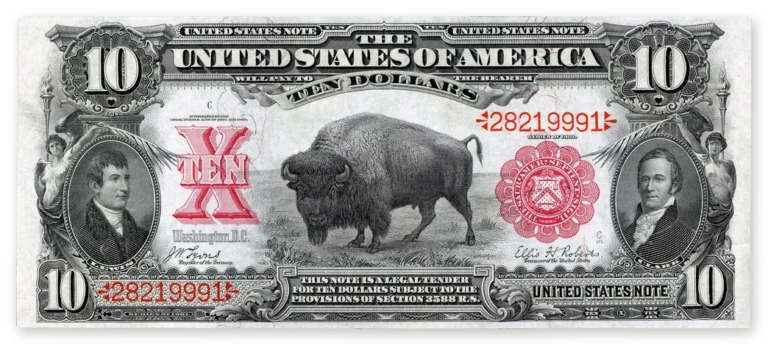 Collecting Paper MoneyNote types, grading, condition and care
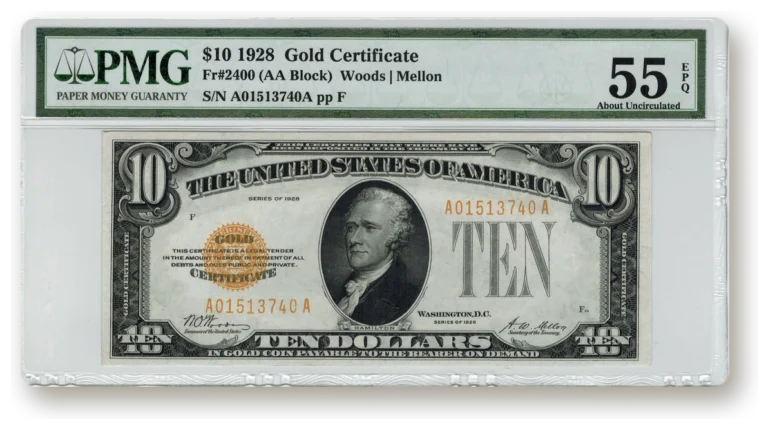 Paper Currency GradingHow PMG and PCGS Banknote grade notes
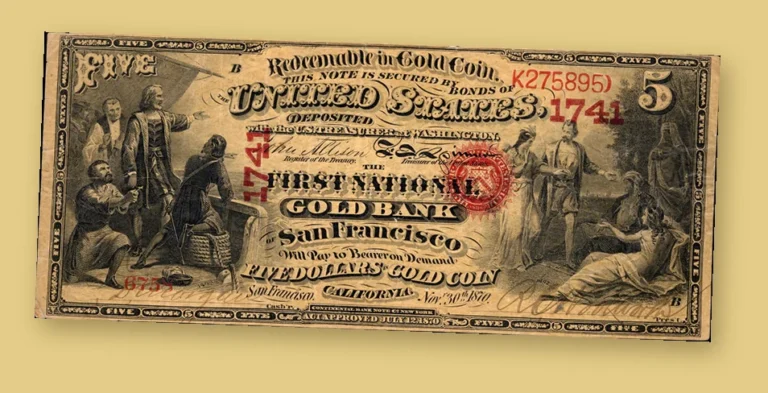 National Currency Notes GuideIdentify and value National Bank Notes
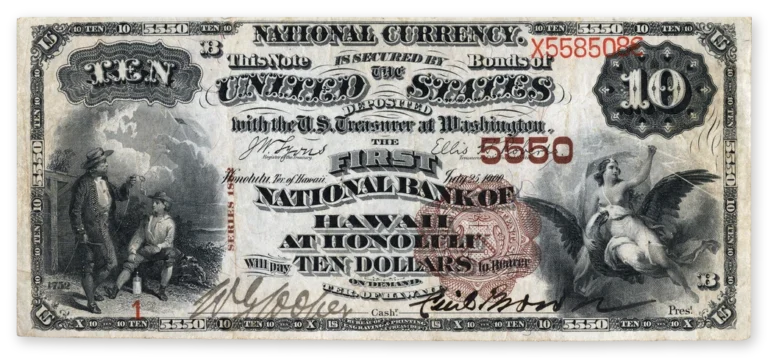 Sell National Currency NotesHow we appraise and buy National Bank Notes
 Sell Mexican Paper MoneyBank, Revolution and Banco de México notes
