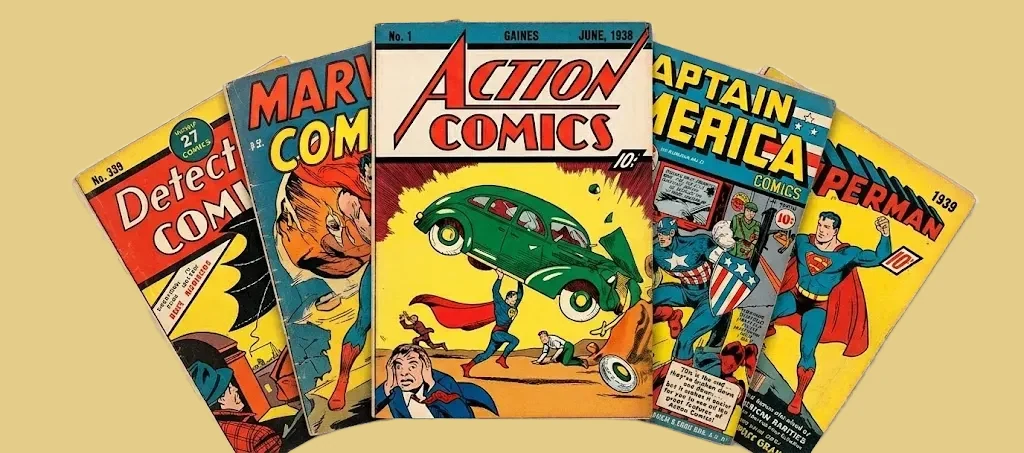
Unveiling the Giants: A Guide to the Rarest Golden Age Comic Books and Their Market Value
The period between 1938 and 1956 is known in the collecting world as the Golden Age of comic books. It was an era of explosive creativity that birthed the modern mythology of the superhero. Today, these fragile paper artifacts have transitioned from children’s entertainment into some of the most sophisticated tangible assets on the planet. For a family in New Orleans, Louisiana, or an estate executor in Phoenix, Arizona, discovering a stack of 1940s comics can be a life-changing event.
At American Rarities, we have provided expert appraisal services for over 30 years and have purchased over $400 million in collectibles. While many know us as premier coin buyers, our deep roots in high-value collectibles make us a strong partner for liquidating vintage comic book collections. We understand that a comic book is more than ink and paper; it is a historical document that requires a professional hand to value correctly. For a broader look at how we buy comics across eras, see our guide to selling the rarest Golden Age comics, our comic book buying page, and Unveiling the Marvels of Comic Book Collecting.
What Defines a “Golden Age” Treasure?
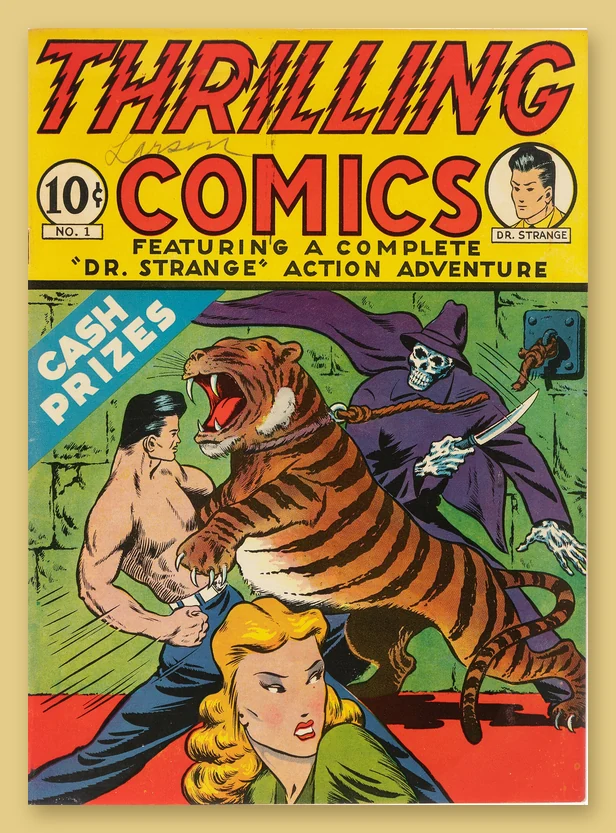
Not every old comic is a gold mine. In Golden Age collecting, three primary factors decide whether a book is worth serious money or mainly sentimental value.
1. Key Issues and First Appearances
The most valuable comics introduced a character who became a cultural icon. These are known as key issues. If a comic features the first appearance of a hero like Superman, Batman or Wonder Woman, its value is significantly higher than later issues in the same series.
2. Historical Context and Cover Art
Some comics are prized for historical significance. Early 1940s books with patriotic themes or wartime covers are sought after as artifacts of American history. Iconic cover art by artists such as Lou Fine or Jack Kirby can also drive a premium.
3. The Critical Factor: Condition
Unlike coins, comic books are printed on highly acidic newsprint. They are fragile and prone to tanning, spine stress and moisture damage. A comic that looks nearly new can be worth many times more than the same issue with a missing back cover or tape repairs. Professional grading (CGC or CBCS) reports a consensus grade; we buy both graded and raw books and can advise whether grading is worth the cost before you spend on it.
The Five Holy Grails of the Golden Age
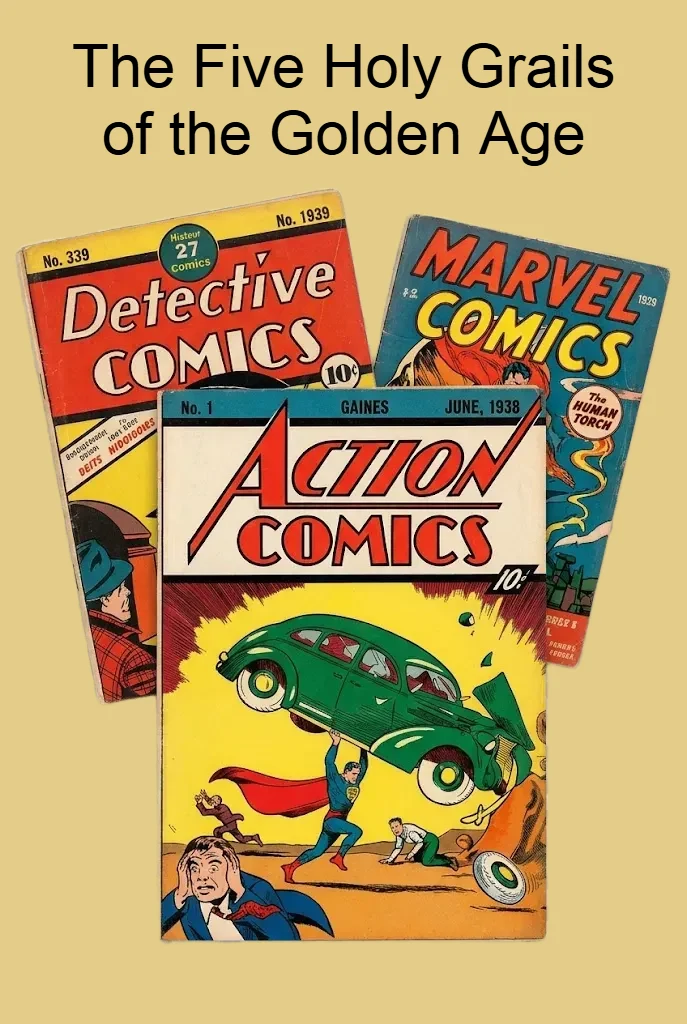
These five books sit at the top of the market. They are also a useful benchmark for the kinds of finds we look for in private collections. Values move with grade, pedigree and restoration status, so any figure below is a market-context note, not an offer.
Action Comics #1 (1938) – The Birth of Superman
Published in June 1938, Action Comics #1 introduced Superman and launched the superhero genre. Out of an original print run of roughly 200,000, fewer than 100 copies are known to survive. High-grade examples have sold in the multi-million-dollar range and remain the ultimate benchmark for any Golden Age collection.
Detective Comics #27 (1939) – The Debut of Batman
Months after Superman arrived, Detective Comics #27 introduced Batman. Survival rates are extremely low, and high-grade copies are scarce. Top examples have sold for more than $3 million, with strong demand from collectors and investors drawn to the character’s lasting cultural impact.
Marvel Comics #1 (1939) – The Foundation of the Marvel Universe
Originally titled Marvel Comics (later Marvel Mystery Comics), this Timely Publications issue introduced the original Human Torch and Namor the Sub-Mariner. High-grade pay copies and top survivors have sold for over $2.4 million, with ongoing demand from Marvel collectors.
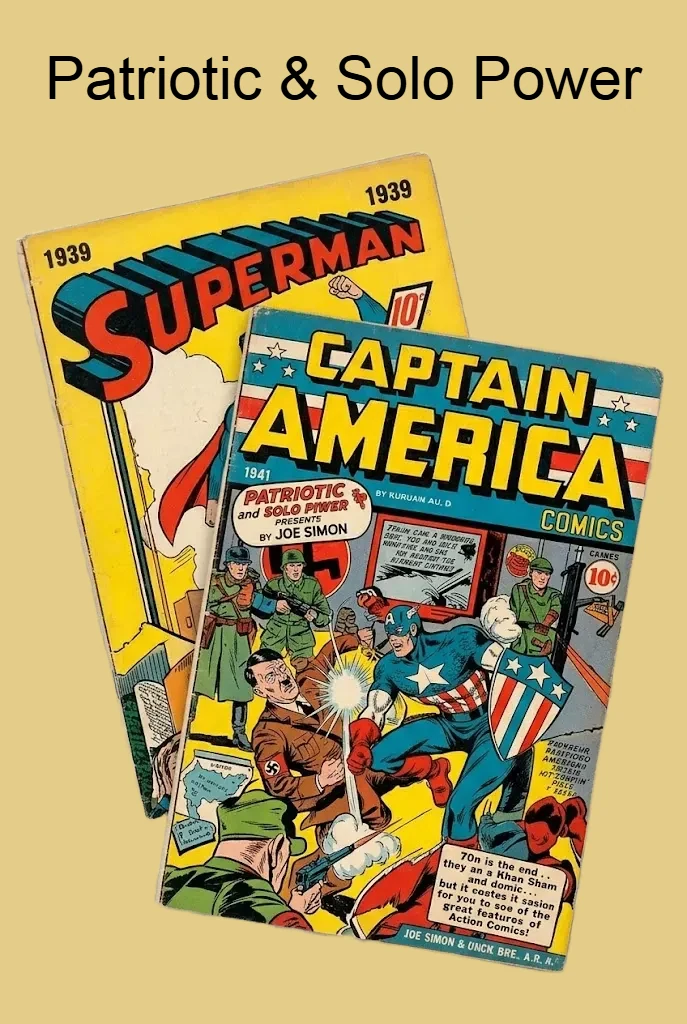
Captain America Comics #1 (1941) – Punching Hitler Before America Entered WWII
Joe Simon and Jack Kirby’s Captain America Comics #1 features Cap delivering a right hook to Adolf Hitler on the cover. Released a full year before the U.S. entered World War II, it marked the first appearance of Captain America and Bucky Barnes. Top-condition copies have sold for over $3 million.
Superman #1 (1939) – The Man of Steel’s Solo Title
After his breakout in Action Comics, Superman earned his own series with Superman #1. More copies survive than Action Comics #1, but high-grade examples remain rare. Exceptional copies have reached record prices in recent years, making this a cornerstone for Superman collectors.
Other Golden Age Comics That Could Hold Hidden Value
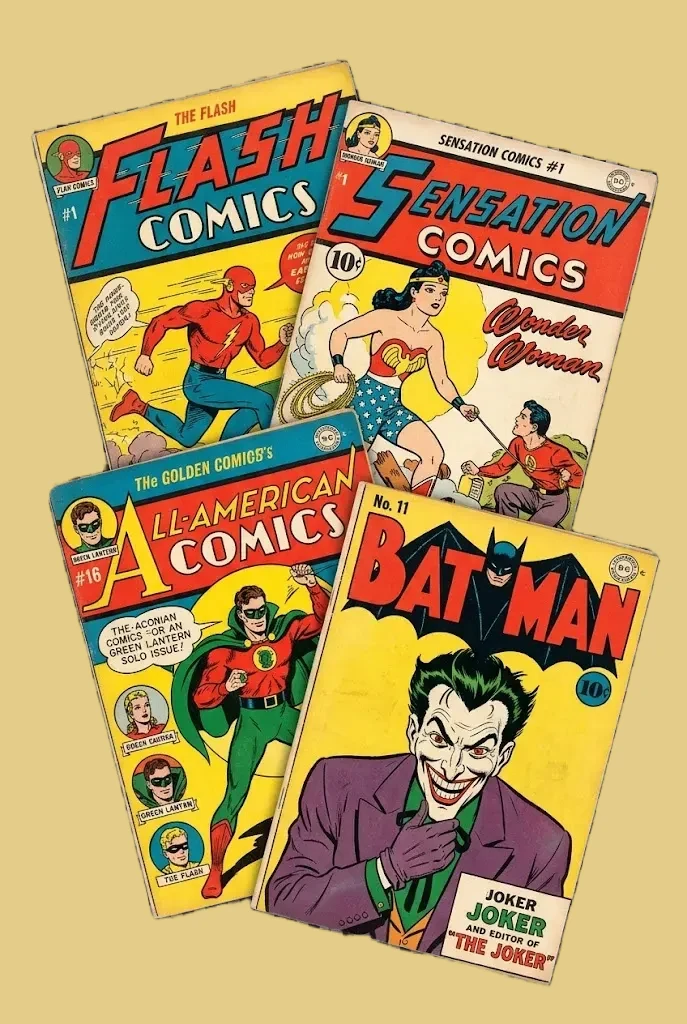
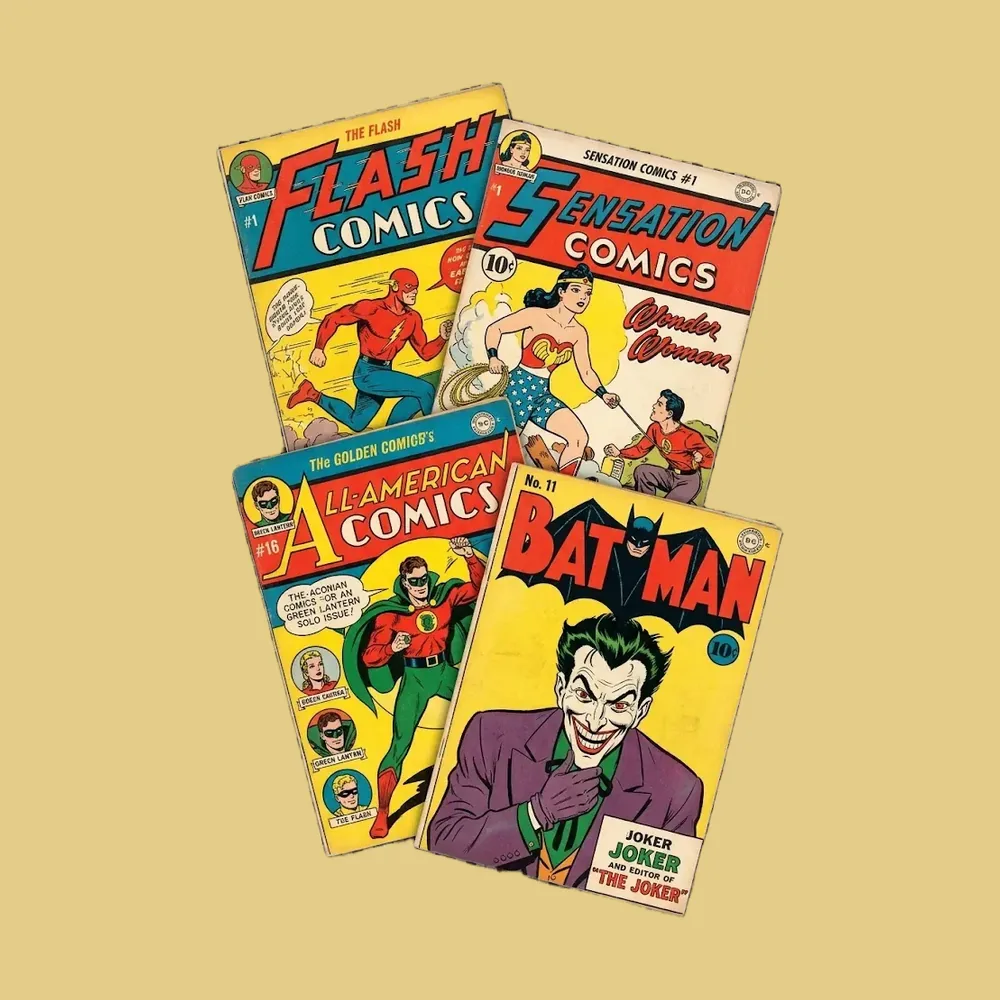
While the top 5 grab headlines, many other issues from the era can be surprisingly valuable. Look for first appearances of major heroes or villains (Joker, Catwoman, Wonder Woman, The Flash, Green Lantern), early Wonder Woman or All-Star Comics issues, or any 1940s superhero titles in decent condition. Even non-key books with strong covers or ties to significant events can add up in a full collection. For a wider tour of valuable Golden Age material beyond these five, see Selling the Rarest Golden Age Comics.
Condition is everything. Creases, tears or missing pages reduce value dramatically. Never attempt to clean or repair old comics yourself; professional conservation preserves both history and market worth.
Why Sell Your Comics to American Rarities?
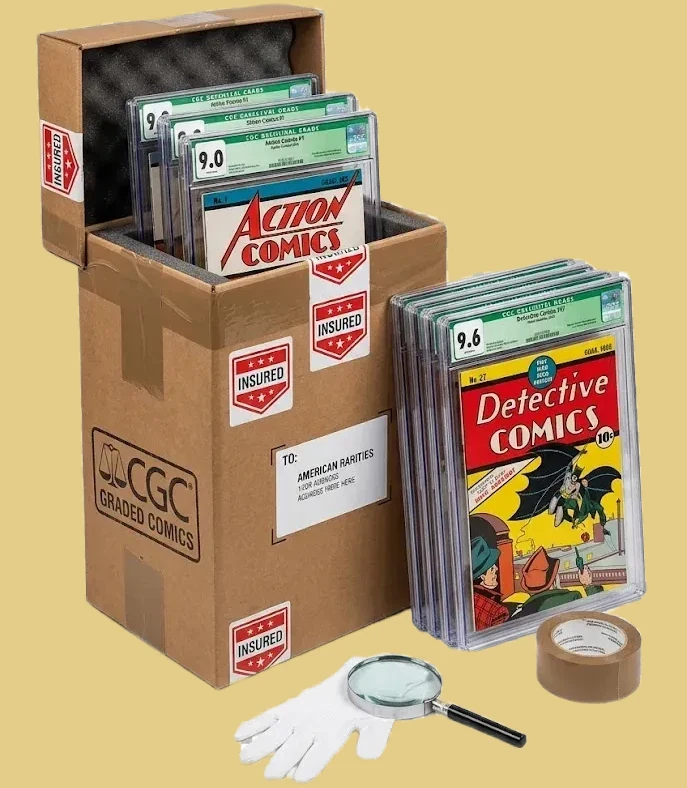
If you have discovered a collection, your first instinct might be to visit a local comic shop. Many local shops focus on modern readers and may not have the capital or specialized knowledge to handle a major Golden Age find.
Professional Remote Appraisals
Send us an inventory list or digital photographs of your comics. Our team reviews the titles, checks for key issues and provides a written offer. All appraisal requests are reviewed in the order they are received. Some appraisals take minutes, while larger, more complex collections can take a few days. Either way, you’ll get a response from us.
Direct Purchase or Managed Auction
For most collections, our direct purchase offer provides the most immediate financial reward. We pay you and handle logistics. For museum-quality rarities that need a global audience, we can manage the auction process through long-standing associations with leading collectible auction houses, including preferential fees not available to the general public.
Security and Guaranteed Insurance
We provide a fully insured mail-in service with no deductible. From the moment your package is scanned, it is protected. For large, high-value estates we can also arrange a private in-person meeting with one of our buyers. Payment is by cash, check, ACH or wire after items arrive and are verified.
Common Questions About Selling Golden Age Comics
Should I get my comics professionally graded (CGC/CBCS) before selling?
Professional grading can add value, but it is expensive and time-consuming. Contact us first. We can evaluate your comics raw and tell you whether the cost of grading is worth the investment. We are not a CGC dealer; we are active buyers of both graded and ungraded collections.
I have funny comics from the 1940s with no superheroes. Are they valuable?
While superheroes are the most famous, many Golden Age genres—early horror, sci-fi, western, romance and certain humor titles—carry significant value. We evaluate all types of vintage comics within the eras we buy. Condition, scarcity and early appearances of popular characters drive value, so send photos of the covers and we will tell you which books stand out.
What if my comics are in poor condition or have tape on them?
Even worn copies of key Golden Age issues have value. Never throw away an old comic based on its appearance until an expert has seen it. Do not try to remove tape, clean or press a comic yourself, since amateur repairs usually lower value further. Leave each book as it is, in a bag and board if you have them.
How do you determine the price?
We use real-time market data from recent auctions and specialized price guides. Our goal is a fair, competitive offer that reflects current demand for your specific issues, grade and restoration status. Every offer is in writing, and there is no obligation to sell.
Which comic eras does American Rarities buy?
We buy Platinum Age (1890s–1937), Golden Age (1938–1956) and Silver Age (1956–1970) comics. Bronze Age is hit-or-miss. Copper Age has almost no value for our purposes. Send photos of anything from these eras for a free appraisal.
Get Your Free Comic Book Appraisal Today
Don’t leave history in a dusty box. Whether you have one rare key issue or a large estate collection of Golden Age treasures, American Rarities is ready to help you unlock their value.
- Text photos to: 720-600-4740
- Email an inventory list to: staff@americanrarities.com
- Submit our secure contact form below.
From Boston to Dallas, American Rarities provides expert appraisal and purchasing services nationwide. Your collection is our priority.