Why Rarity Outpaces the Bullion Market
In 2026, the savvy investor knows that “gold is just the baseline.” While bullion bars track the spot price, investment-grade numismatics move on a different trajectory, one driven by absolute scarcity and historical significance.
For high-net-worth individuals, numismatic assets provide a non-correlated hedge. When the spot market dips, a “Key Date” rarity often holds its value because its supply is fixed and its demand is driven by a global elite, not just commodity traders.
The Top 10 Assets for Your Portfolio
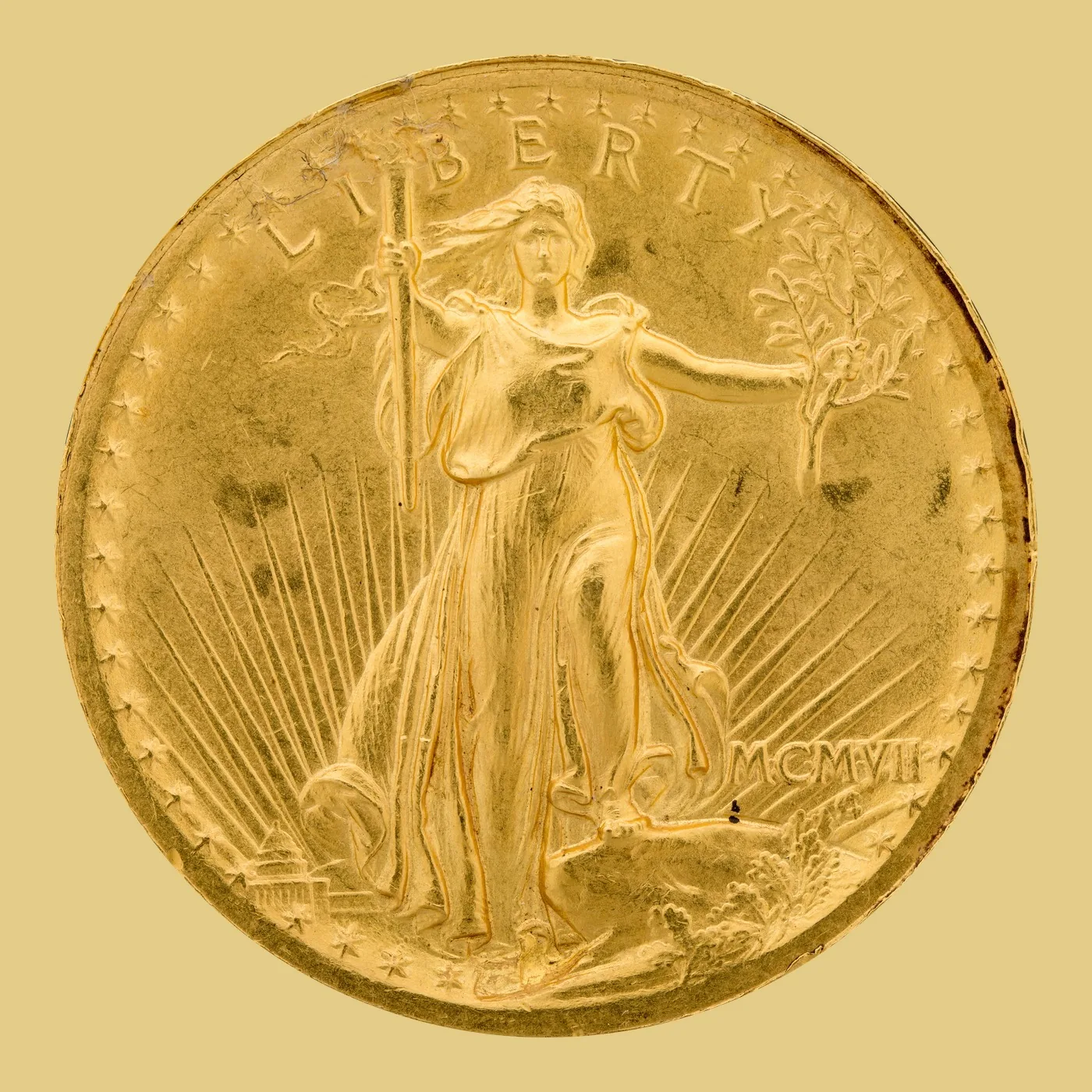
1. 1907 $20 Saint-Gaudens High Relief (Wire Edge/Flat Rim)

Commonly cited as the most beautiful coin in U.S. history, this coin is a cornerstone of any serious portfolio. Its “High Relief” design makes it a sculptural masterpiece that transcends the value of its gold content.
2. Pre-1933 $20 Liberty Double Eagles (MS-65 or Higher)

While common dates exist, “Gem” quality specimens (MS-65+) are exceptionally rare. These were the workhorses of international trade, and finding them in pristine, uncirculated condition offers significant premium growth potential.
3. $10 “Indian Head” Eagles (MS-64+)

Designed by Augustus Saint-Gaudens, these coins feature the iconic Lady Liberty in a Native American headdress. They are highly sought after for their artistic merit and shrinking population in high grades.
4. $5 and $2.50 “Incuse” Indian Head Gold

The only U.S. coins with a recessed (sunken) design. Because they were difficult to strike and prone to wear, high-grade specimens are “Condition Rarities” that command massive premiums over their melt value.
5. Late 18th and Early 19th Century “Draped Bust” Silver Dollars

For the investor seeking “Artistry plus Age,” the Draped Bust series represents the dawn of the U.S. Mint. These are “Blue Chip” assets that have shown consistent decade-over-decade appreciation.
6. GSA-Hoard Carson City Morgan Dollars (Original Boxes)

The Carson City “CC” mint mark is the most famous in numismatics. Coins still in their original 1970s GSA (General Services Administration) government slabs carry a “provenance premium” that adds a layer of collectible security.
7. Series 1882 $10 or $20 Gold Certificates
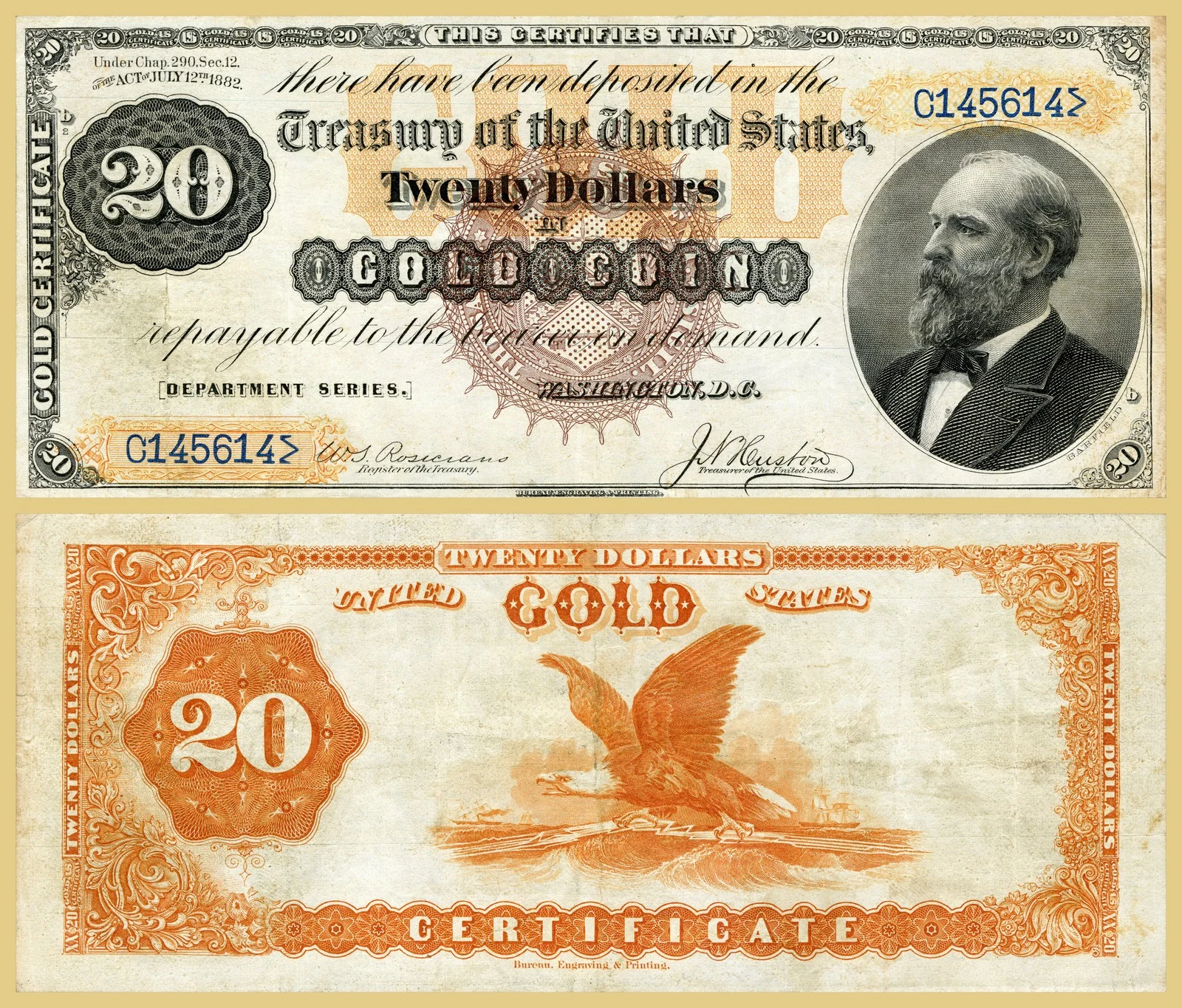
In 2026, rare paper currency is seeing a massive resurgence. Gold Certificates, with their vibrant orange backs, represent a time when U.S. paper was literally “as good as gold.”
8. “Key Date” Lincoln Cents (1909-S VDB, 1914-D)
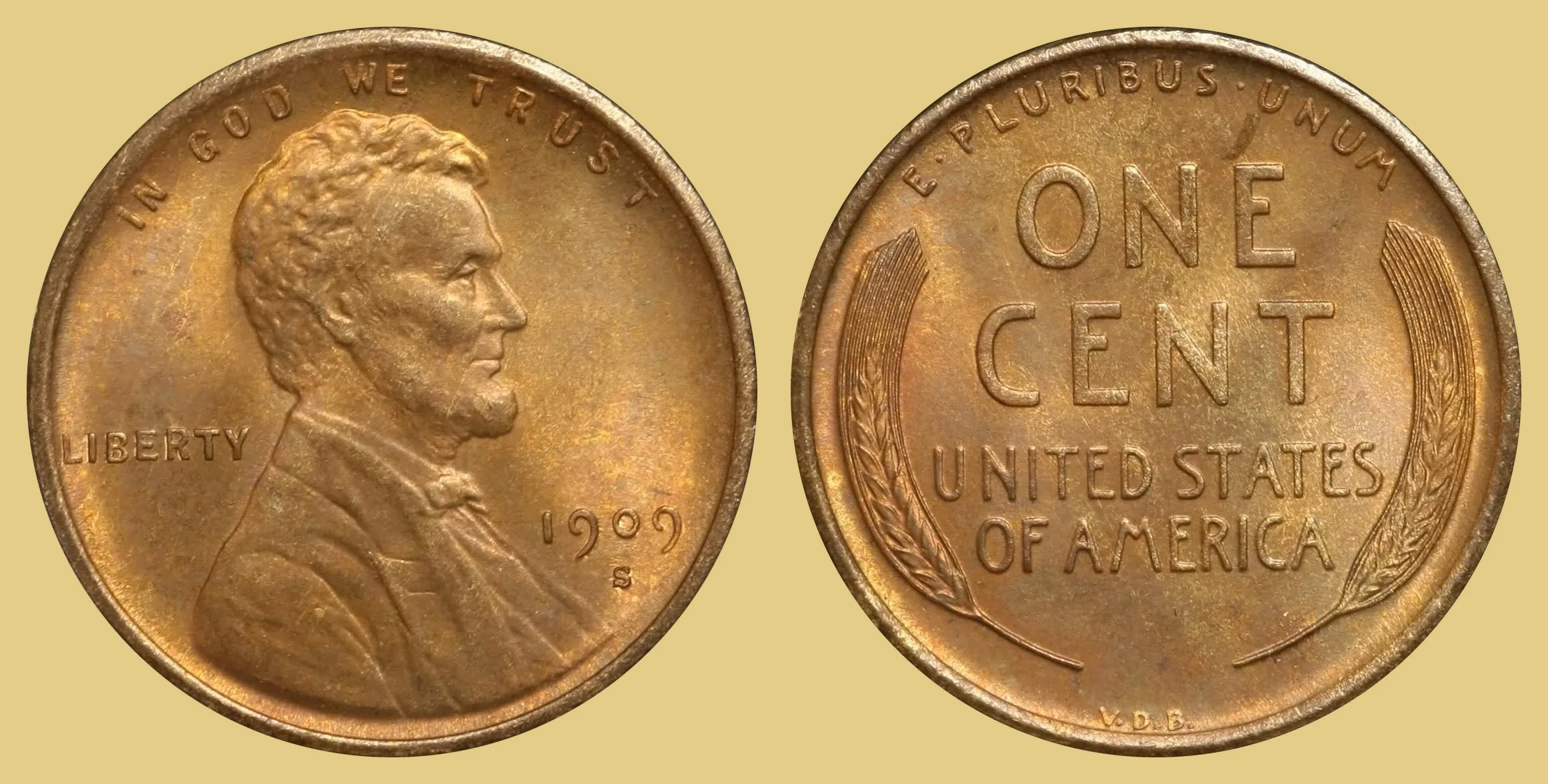
While a copper cent might seem small for a wealth portfolio, “Key Dates” are the most liquid assets in the market. They are the “entry-level” for billionaires, making them easy to liquidate in any market cycle.
9. “Proof-Like” (PL) and “Deep Proof-Like” (DPL) Morgan Dollars

These are coins struck for circulation that accidentally achieved a mirror-like finish. They are statistically rare, and “DPL” specimens often trade for 5x to 10x the price of a standard uncirculated coin.
10. CAC-Verified “Gold Sticker” Specimens
In 2026, the “Gold Sticker” from CAC (Certified Acceptance Corporation), which verifies coins with its sticker and now also grades coins through CACG, is the ultimate seal of approval. It indicates a coin is “high-end” for its grade. A CAC-stickered coin is the most liquid and defensible asset in a high-end portfolio.
Strategic Summary: The “Quality Over Quantity” Rule

A $1,000,000 portfolio of common gold bars is a commodity play. A $1,000,000 portfolio of MS-65+ Pre-1933 Gold is a legacy play.
At American Rarities, we don’t just buy and appraise gold; we help fiduciaries and private clients curate portfolios that stand up to the scrutiny of time and inflation.
Curious what the numismatic assets in your own portfolio are worth? Get a free, no-obligation appraisal by using the form at americanrarities.com or by texting 720-600-4740.