
The Short Answer
In a coin collection in divorce, coins bought during the marriage are usually marital or community property, divided under your state’s law. To divide them fairly, both sides need the same itemized appraisal, made as of the valuation date your state or your agreement uses, and stated at fair market value rather than insurance or retail value.
Transfers of coins between spouses as part of a divorce are generally not taxable, but the receiving spouse takes over the original basis. Two lots of equal value can therefore carry very different tax when they are later sold.
Not tax or legal advice. This guide is general information about federal rules as of November 2026. Tax law changes and every situation is different, so confirm the details with your CPA, tax attorney or estate attorney before you file, sign or transfer anything.
Marital Coins and Separate Coins
Every state sorts property into what is shared and what belongs to one spouse, but the rules differ. Nine states use community property: Arizona, California, Idaho, Louisiana, Nevada, New Mexico, Texas, Washington and Wisconsin. Most others use equitable distribution, which divides marital property fairly but not always equally.
Coins one spouse owned before the marriage, inherited or received as a personal gift are often separate property. That can change if they were mixed into a jointly built collection, bought with joint funds or traded for other coins. Records decide these questions, so gather:
- Purchase invoices, auction receipts and dealer statements, with dates and how they were paid for
- Estate papers or gift records for inherited or gifted coins
- Older inventories, insurance schedules and photos that show what was owned when
- Safe deposit box records and statements for any storage accounts
Your attorney will tell you how your state treats appreciation on separate coins and commingled collections.
The Valuation Date and the Standard of Value
Depending on the state and the court, coins may be valued as of the date of separation, the date the divorce was filed, the trial date or a date the spouses agree on. Gold and silver can move a lot over a long case, so the appraisal should state its effective date, and bullion can be updated quickly if the date changes.
Agree in writing on the standard of value:
| Value | What it means | Use in divorce |
|---|---|---|
| Fair market value | What a willing buyer would pay a willing seller | The usual standard for dividing property |
| Replacement value | What it would cost to buy similar coins from a dealer | Used for insurance; usually higher than fair market value |
| Offer to buy | What a buyer will actually pay today | Useful evidence of value, and the number that matters if the coins are sold |
An insurance schedule tends to overstate what a collection is worth to the person who keeps it. Our coin insurance appraisal guide explains why.
What an Appraisal for Attorneys and Mediators Should Include
A neutral appraisal that both sides can rely on saves time and fees. It should include:
- An itemized list with photos, dates, mint marks, grades and PCGS, NGC or ANACS certification numbers
- The effective date and the standard of value
- The method used and the comparable sales relied on for rare coins, and the spot prices used for bullion
- The appraiser’s qualifications and a statement that they have no interest in the outcome
- A count that both spouses initial, so later questions about missing coins can be answered
For what separates a solid report from a weak one, see our top 10 red flags in a tangible asset appraisal.
Ways to Split a Collection Fairly
- Divide in kind. Build two lots of equal appraised value and let the spouses choose, or assign them by agreement. Our guide to dividing a coin collection among heirs shows how to balance lots.
- Buyout. One spouse keeps the collection and pays the other half its appraised value, or trades other assets for it.
- Sell and split. The coins are sold and the proceeds divided. A written offer gives both sides a number to check.
Watch the tax basis. Under Internal Revenue Code section 1041, no gain or loss is recognized on a transfer to a spouse, or to a former spouse if it is incident to the divorce, generally within one year after the marriage ends or related to ending it. The receiving spouse takes the transferor’s basis. Publication 504 explains the rule. Because coins are collectibles, taxed at up to 28% on long-term gains, a lot bought long ago at low prices can be worth less after tax than a lot of recent purchases with the same appraised value. Ask your attorney and CPA to compare lots after tax.
How American Rarities Helps
Founded in 1990, American Rarities has purchased over $400 million in rare coins, bullion and collectibles. We are ANA Life Members, an authorized PCGS, NGC and ANACS dealer, rated A+ by the BBB and 4.7 stars on Google. In a divorce we can:
- Prepare a neutral, itemized written appraisal for both attorneys or the mediator, for a fee when there is no sale.
- Give a free written offer for the whole collection or for each proposed lot, if any coins will be sold.
- Meet both parties at a bank, so the coins never have to leave the box unattended.
To get started, text photos to 720-600-4740, email staff@americanrarities.com or use the form below.
Four Steps for a Divorce Appraisal
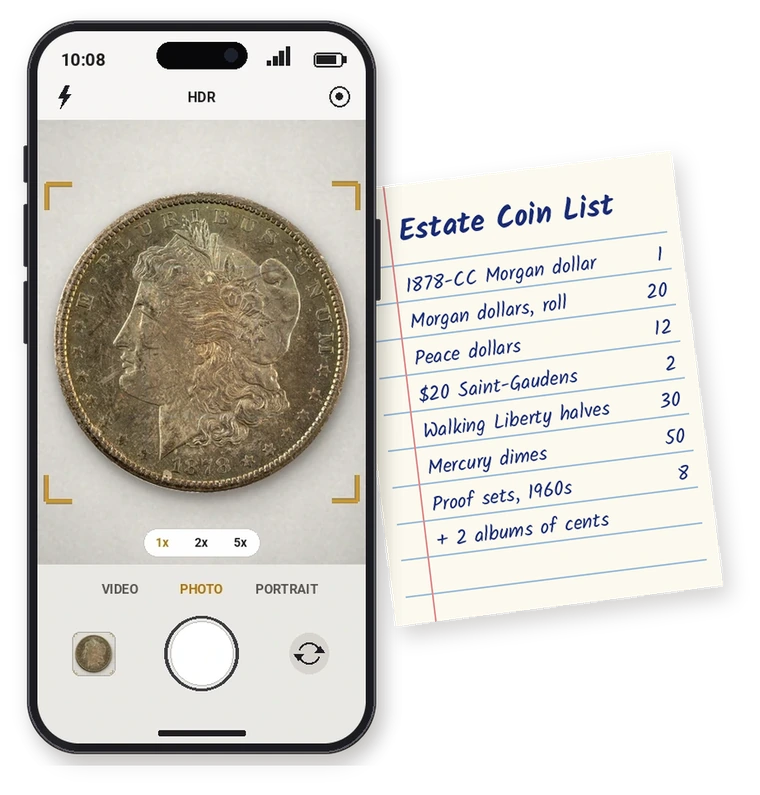
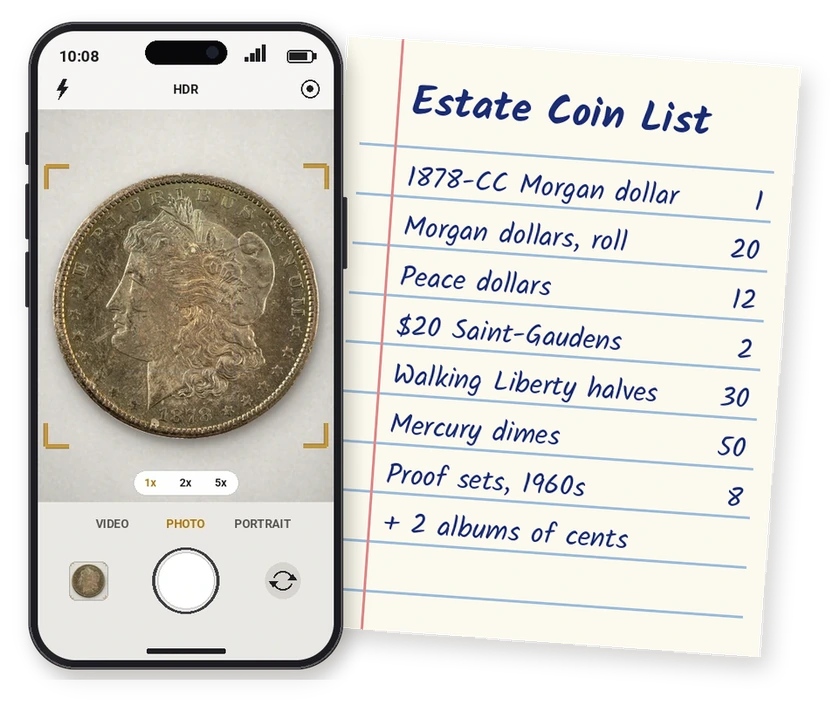
Send Photos and/or a List
Send photos or the inventory: text photos to 720-600-4740, email staff@americanrarities.com or use the form below. Tell us the valuation date and whether you need a formal report, an offer or both.
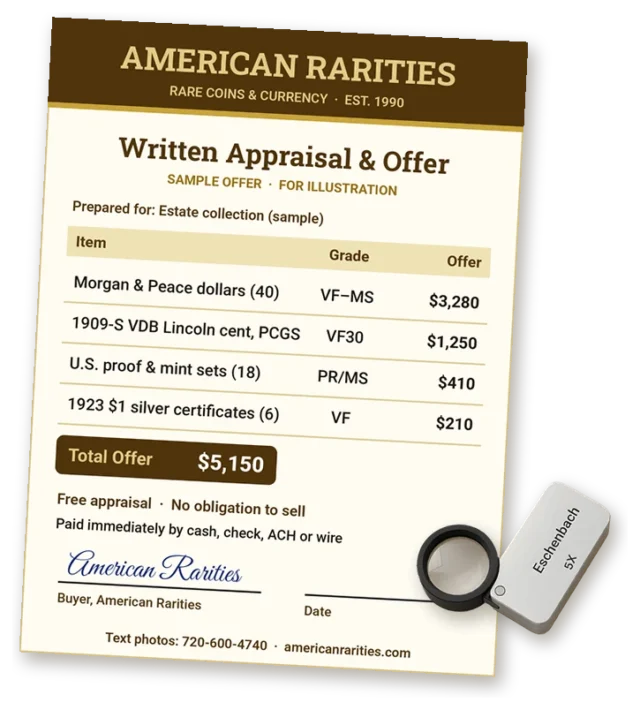

Free Appraisal and Written Offer
Appraisals are usually done within 24 hours, though larger collections may take longer. If so, we’ll let you know. A formal, neutral appraisal report for the attorneys is a separate, fee-based document.


Ship or Meet
Ship fully insured at our expense, or meet us in person. We can meet you at your bank. If you decline our offer, we return your items fully insured.
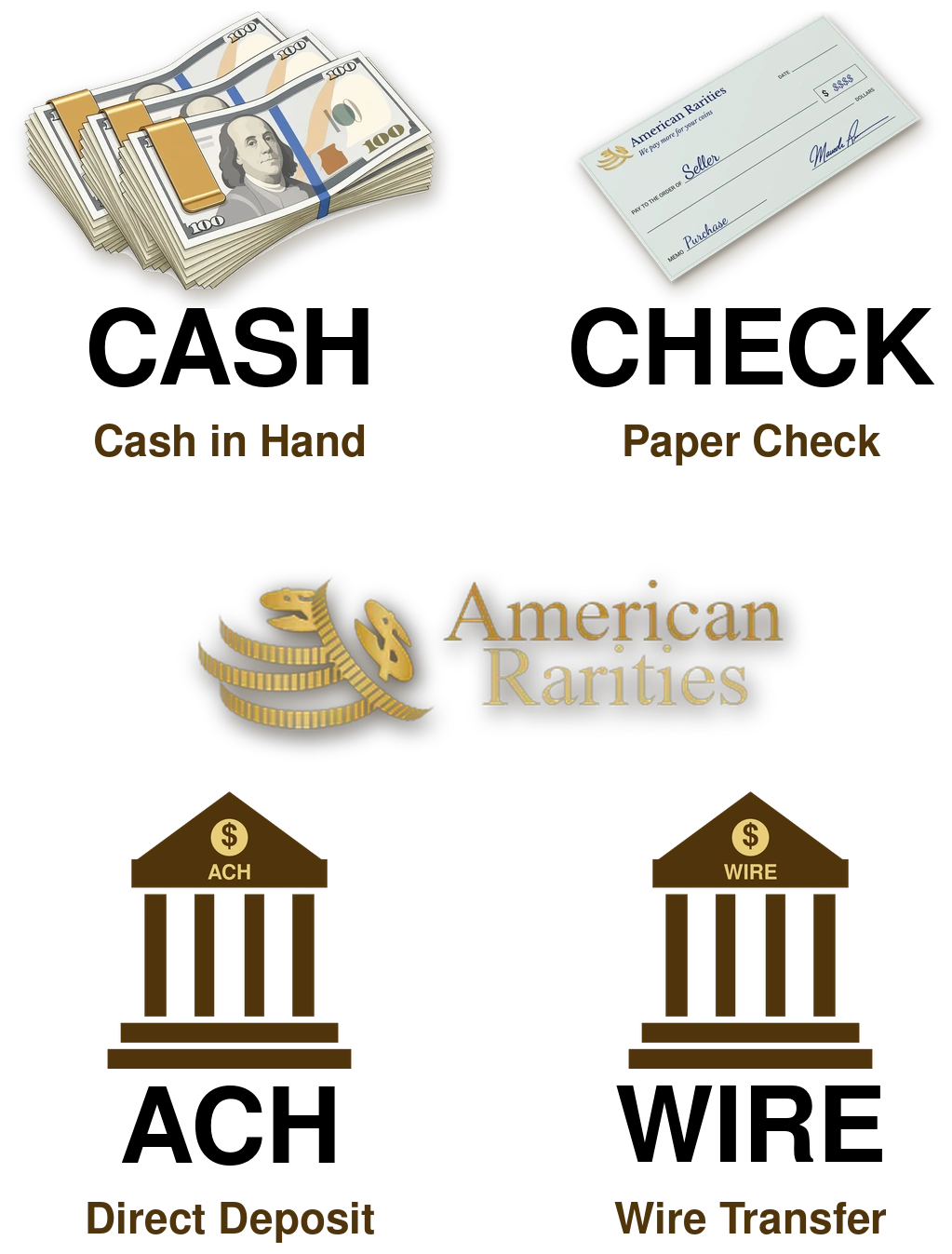
Get Paid
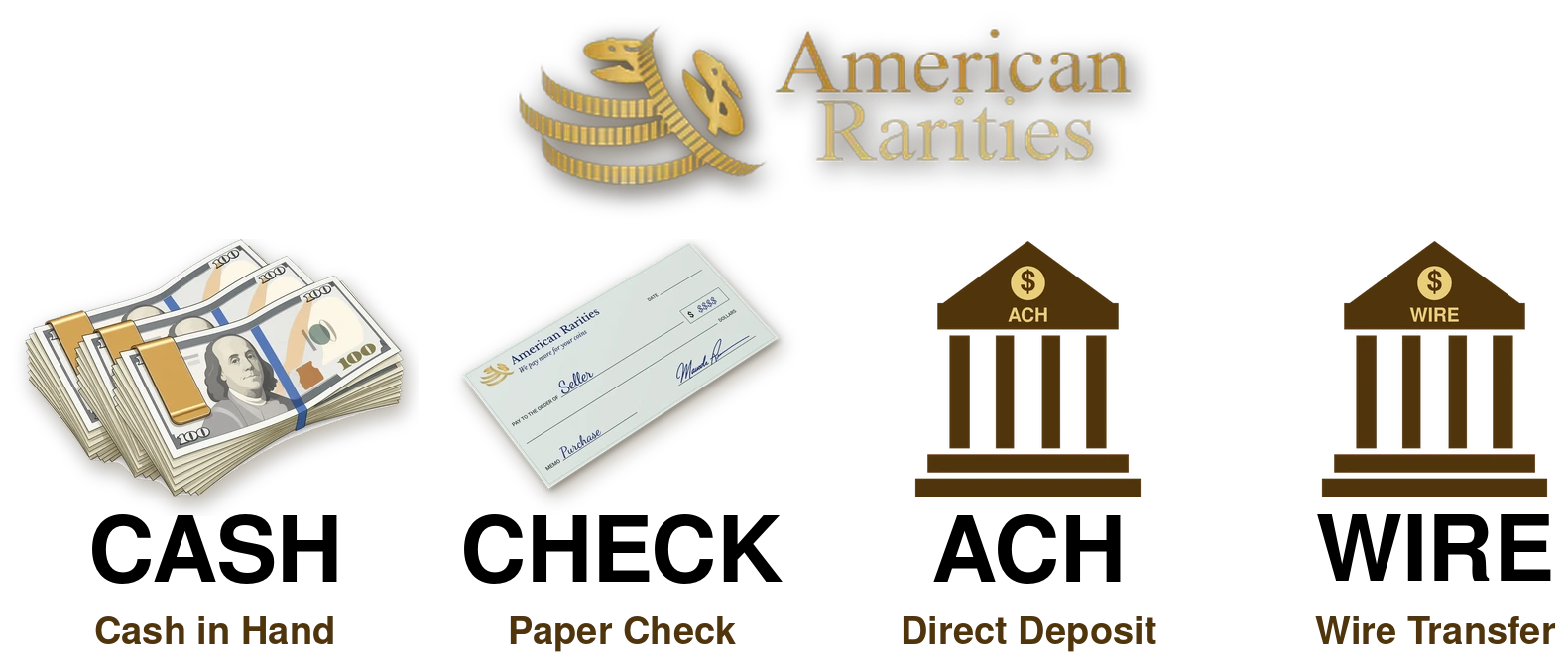
If you accept our offer, you choose how you are paid: cash, check, ACH or wire.
Related Guides
This guide is part of our series for CPAs, attorneys, executors and families. Every estate guide we publish is collected on our coin appraisals for CPAs and estates page.
More Guides in This Series
- Donating Coins to Charity: Form 8283 and Qualified Appraisals
- Gifting Coins: Form 709, the Annual Exclusion and Carryover Basis
- Gold IRA Coins: IRS Rules on Eligible Coins and Collectibles
- Dividing a Coin Collection Among Heirs
- Probate Inventory of Coins: An Executor’s Guide
- Coin Insurance Appraisals: Replacement Value vs Fair Market Value
Related Estate and Tax Guides
Coin Collections in Divorce: Frequently Asked Questions
Are coins I inherited part of the marital estate?
Often not, but it depends on your state and on whether the coins were mixed into the shared collection. Inheritance records and dated inventories help your attorney make the case.
What date are the coins valued on?
It depends on the state and the court. Common choices are the date of separation, the filing date, the trial date or a date the spouses agree on. The appraisal should state the date it uses.
Is giving coins to my spouse in the divorce a taxable sale?
Generally no. Under section 1041, transfers between spouses incident to divorce are not taxable, and the receiving spouse keeps the original basis.
Should we use price guide or insurance values?
Usually not. Price guides and insurance schedules often show retail or replacement figures. Dividing property normally uses fair market value.
Can you appraise the collection without buying it?
Yes. We prepare formal, itemized written appraisals for a fee when there is no sale. If the coins will be sold, our appraisal and written offer are free.
Can each spouse get an offer on their share?
Yes. We can give a written offer for the whole collection and for each lot, so both sides see the same numbers.
Free Appraisal for a Collection in a Divorce
Email, Text, or Use This Form To Send Us Your Inventory List or Pictures
Email: staff@americanrarities.com | Text: 720-600-4740