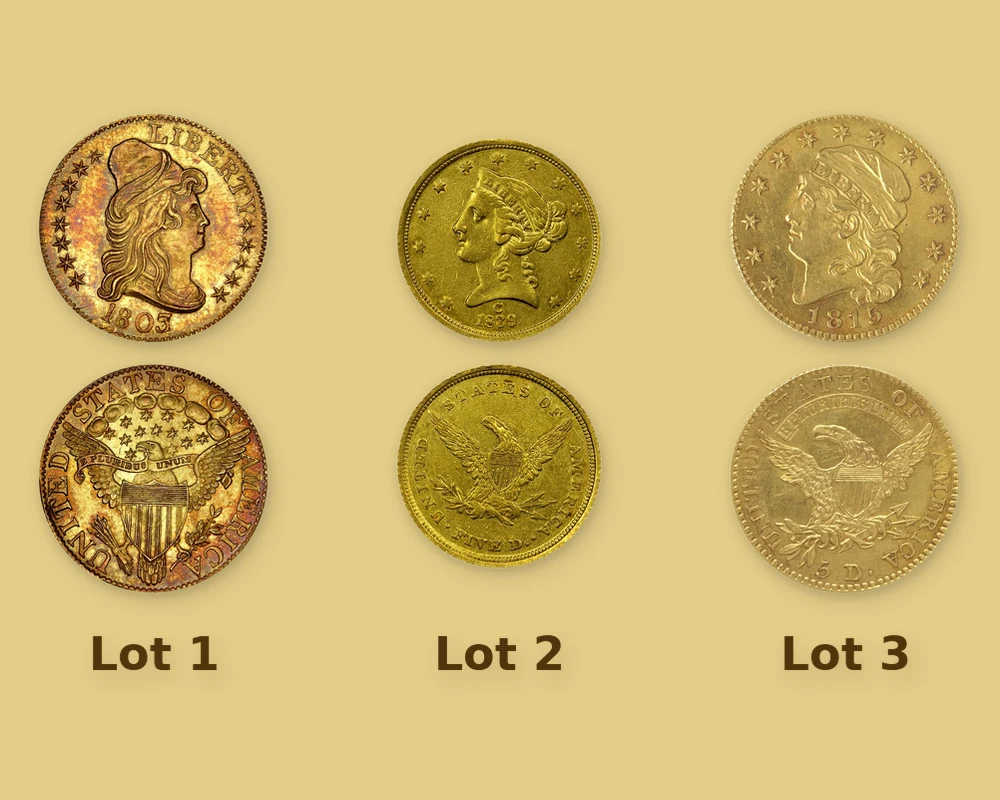

The Short Answer
Dividing a coin collection among heirs starts with one itemized, fair market value appraisal that every heir can see. The same appraisal supports the estate’s records and sets each heir’s basis. Then follow the will or trust, and if it is silent, pick a method everyone agrees to: equal-value lots, rotation picks, a buyout or a sale with the cash divided.
Most family disputes over coins start when one person knows more than the others. Sharing the same list, photos and numbers with everyone is the simplest way to keep things fair.
Not tax or legal advice. This guide is general information about federal rules as of November 2026. Tax law changes and every situation is different, so confirm the details with your CPA, tax attorney or estate attorney before you file, sign or transfer anything.
Secure and Inventory the Coins First
- Keep the coins in one secure place, and keep a record of who has access. If they are in a safe deposit box, check the bank’s and your state’s rules before anything is removed.
- Make a working list of what is there: albums, rolls, proof and mint sets, certified coins and loose coins. Photograph everything.
- Do not clean coins or take them out of their holders, folders or original government packaging. Cleaning can cut a coin’s value sharply.
- Do not let anyone take “just one” before the appraisal.
Our guide to old coins found in an estate covers this stage in more detail.
Get One Appraisal Everyone Can See
Use fair market value, not insurance or retail value. For inherited coins, the date-of-death appraisal does double duty: it supports the estate’s inventory and, if required, Form 706, and it sets each heir’s stepped-up basis. If the coins are distributed months later and the will or your attorney calls for values at distribution, bullion can be updated to current spot prices quickly.
See our probate inventory guide for what the court filing needs, and our Form 706 checklist for what the IRS expects.
Five Ways to Divide a Collection
| Method | Works best when | Watch out for |
|---|---|---|
| Equal-value lots | Heirs want coins, not cash | Lots must balance by value, not by count |
| Rotation picks | Several heirs want specific pieces | Draw the pick order by lot and use the appraisal values to keep score |
| Buyout | One heir wants the whole collection | Use the appraised value and put the payment in writing |
| Sell and divide the cash | Nobody collects, or the heirs live far apart | Get written offers everyone can see |
| Keep some, sell the rest | A few pieces have sentimental value | Count the kept pieces at appraised value |
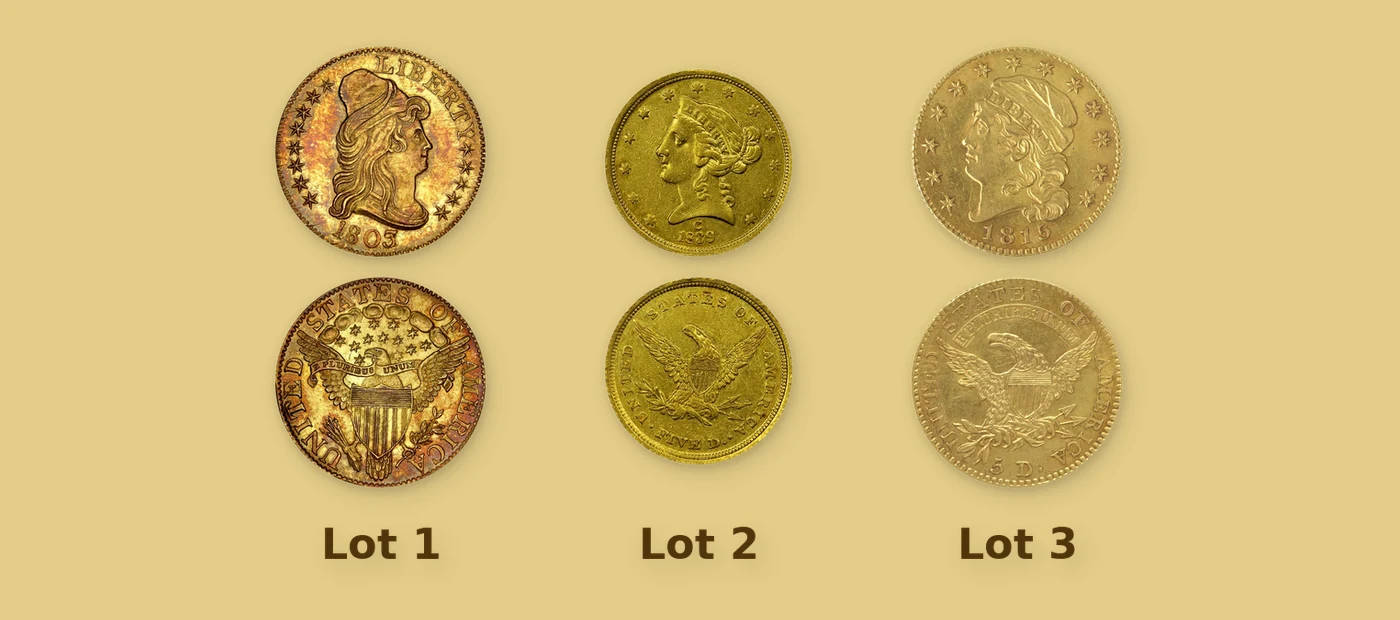
Building equal lots. Mix bullion and rare coins so each lot is close in value. Keep sets together, such as a complete album or a run of proof sets, because they are often worth more intact. Number the lots, let the heirs draw for them and have each heir sign a receipt listing the coins they took.
Sell or Keep?
Inherited coins generally get a basis equal to their value on the date of death, so selling soon after usually produces little taxable gain. They are also treated as held long-term, however briefly the heir owns them. If an heir keeps coins and they rise in value, the later gain is taxed as a collectibles gain, at up to 28% federally. If the estate filed Form 706, basis may have to match the values reported to the IRS on Form 8971.
Our guides to step-up in basis and bullion vs. rare coin taxes go further. If the family decides to sell, see how to sell inherited coins.
Keeping Things Fair Between Siblings
- Send every heir the same inventory, photos and appraisal at the same time.
- Use a neutral appraiser, or let any heir get a second opinion at their own cost.
- Put the method, the pick order and each heir’s share in writing before anyone takes a coin.
- If the will or trust gives the executor or trustee discretion, they should explain how they used it.
For executors and trustees, our page on estate appraisals and liquidation explains how we work with fiduciaries.
How American Rarities Helps
Founded in 1990, American Rarities has purchased over $400 million in rare coins, bullion and collectibles. We are ANA Life Members, an authorized PCGS, NGC and ANACS dealer, rated A+ by the BBB and 4.7 stars on Google. For an estate with several heirs, we can:
- Give a free appraisal and itemized written offer for the whole collection and for each proposed lot.
- Prepare a formal date-of-death appraisal report for a fee when the coins will not be sold.
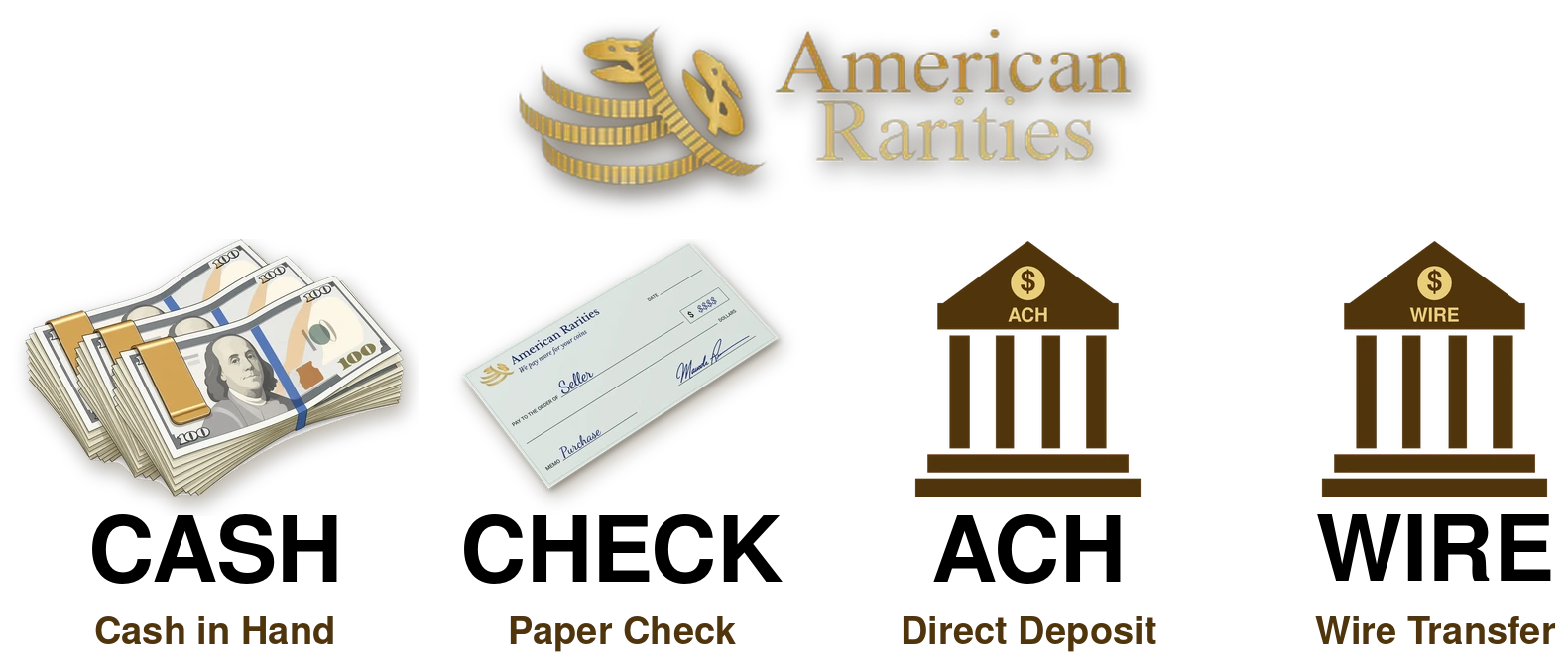
- Meet the executor and heirs together, including at the bank, and pay the estate by check, ACH or wire.
To get started, text photos to 720-600-4740, email staff@americanrarities.com or use the form below.
Five Steps for an Estate
- 1
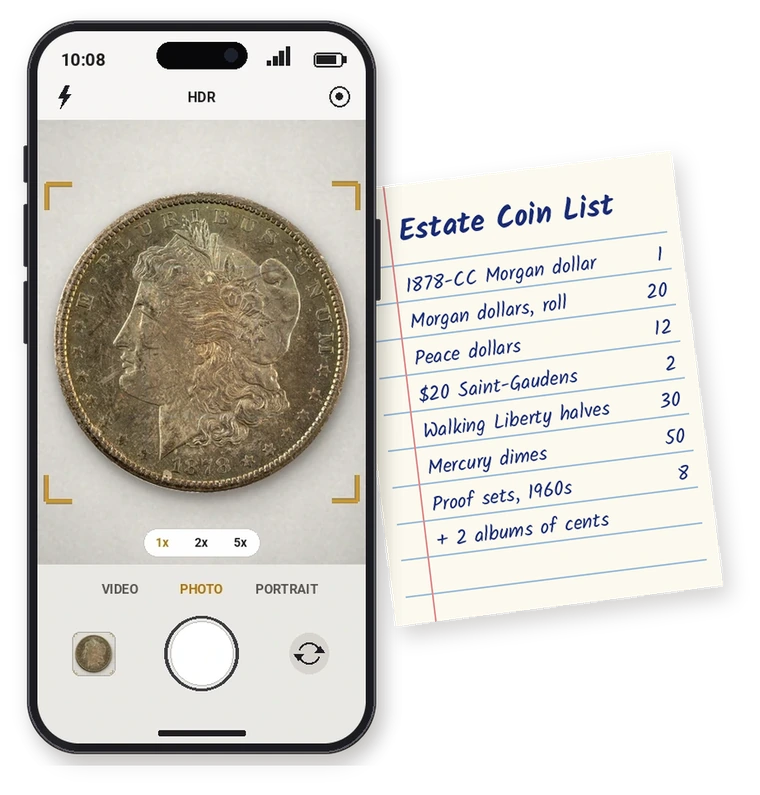
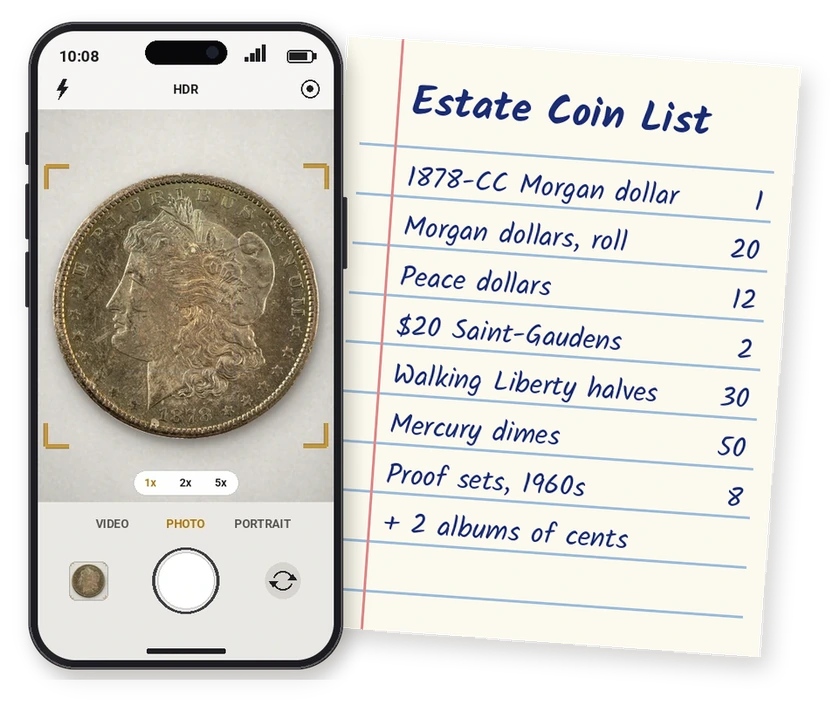
Send Photos and/or a List
Text photos or the inventory to 720-600-4740, email them to us or use the form below.
- 2
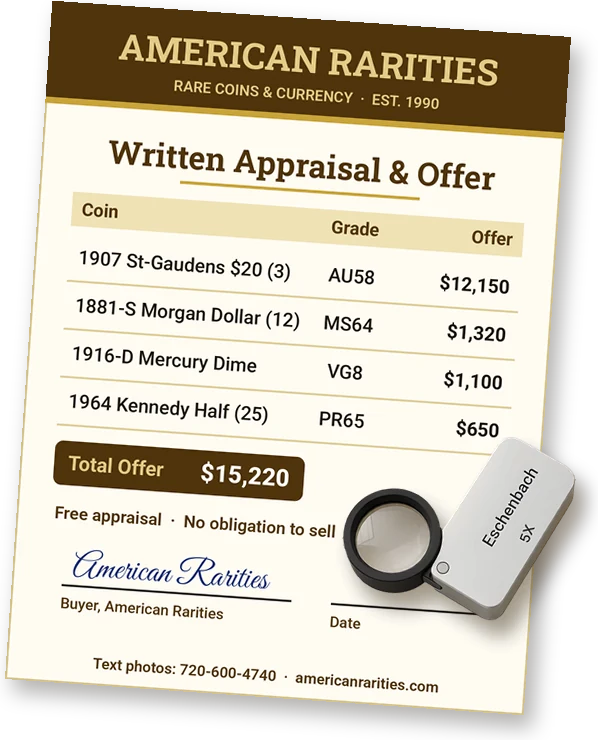

Free Appraisal and Written Offer
Appraisals are usually done within 24 hours, though larger collections may take longer. If so, we’ll let you know. We can price each lot separately.
- 3
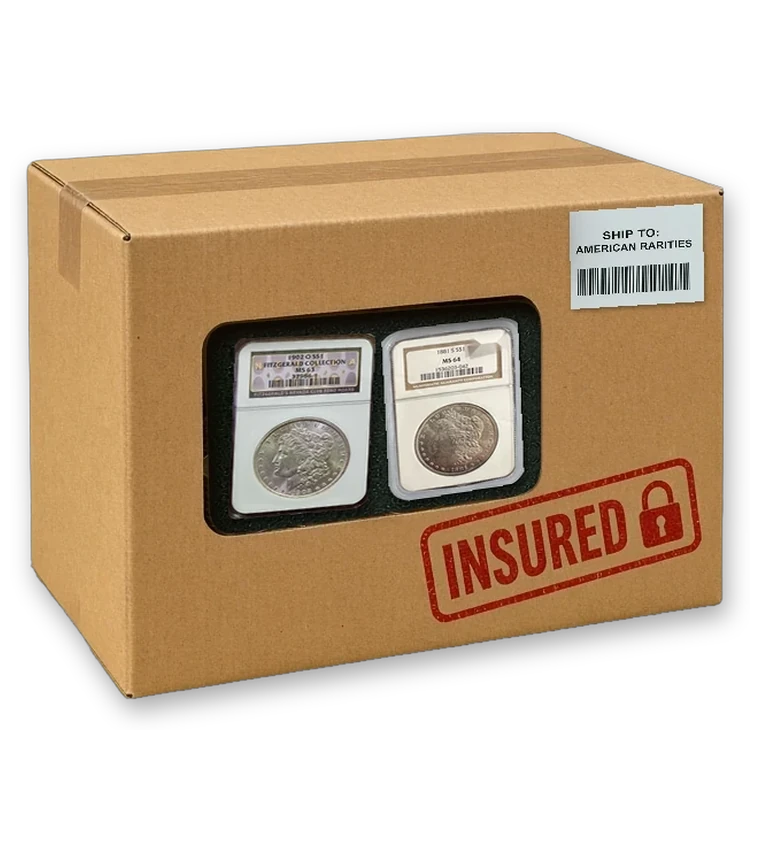
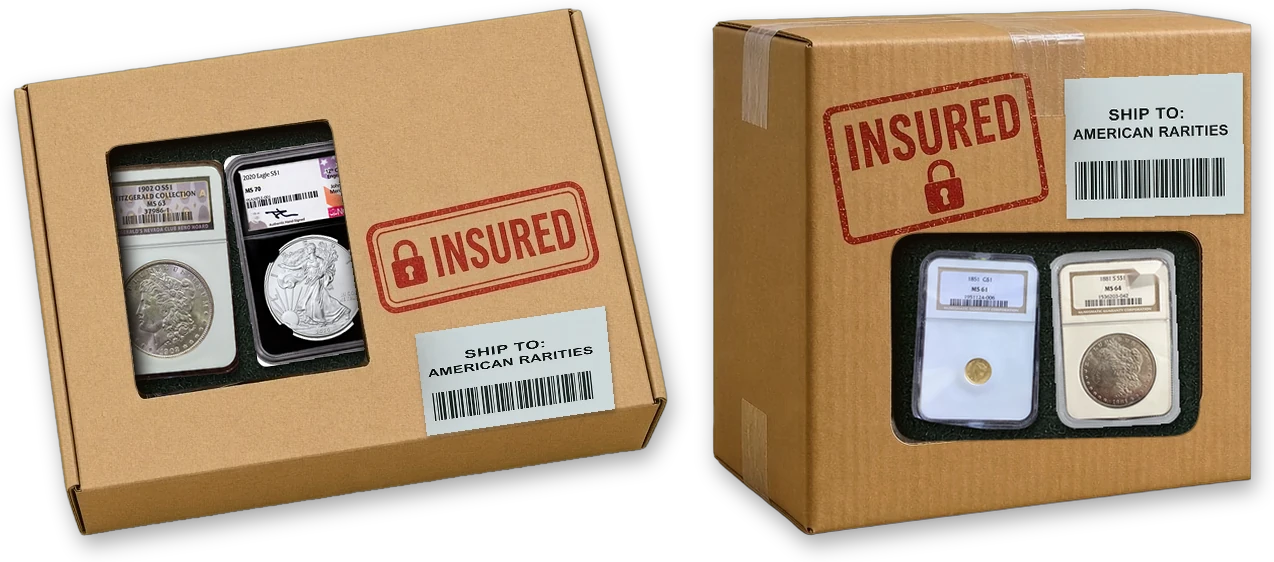
Ship Fully Insured
Ship fully insured at our expense. Pack coins securely so nothing moves.
- 4
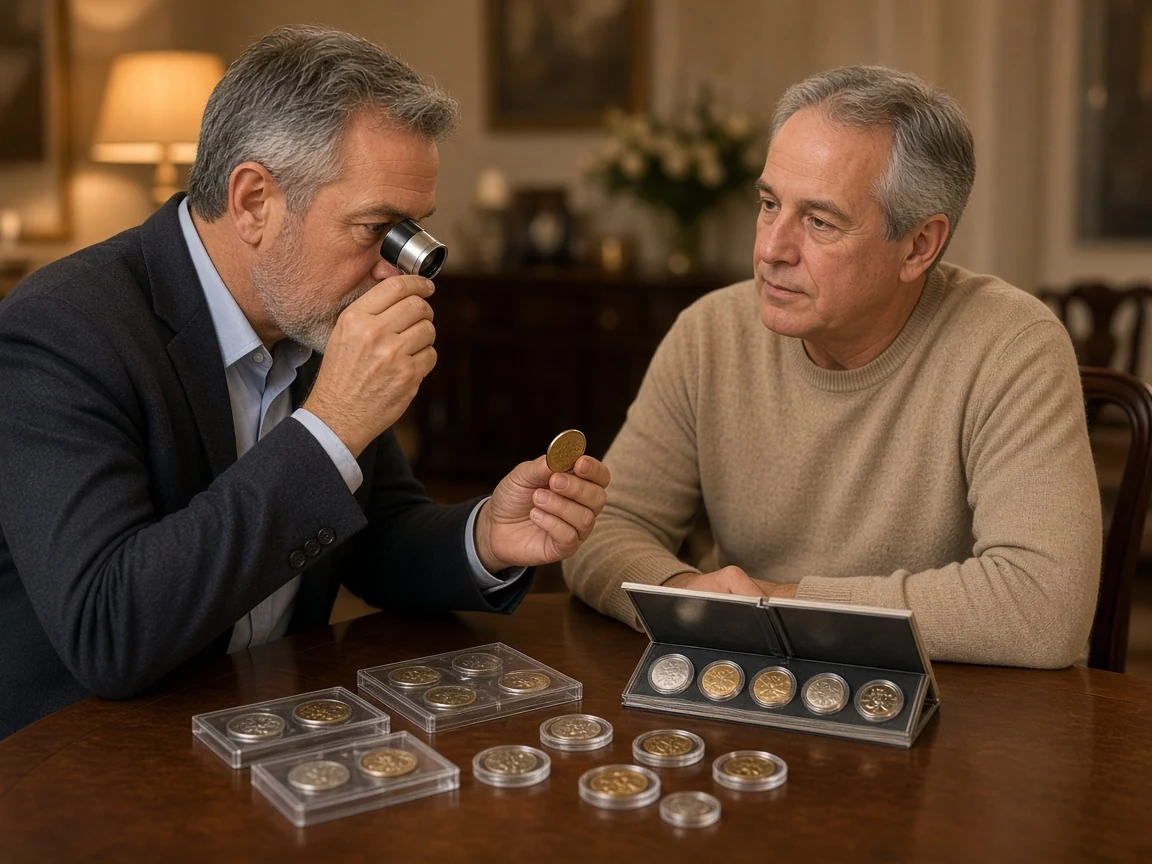

Meet in Person
For larger estates, we can meet the family in person, including at the bank.
- 5
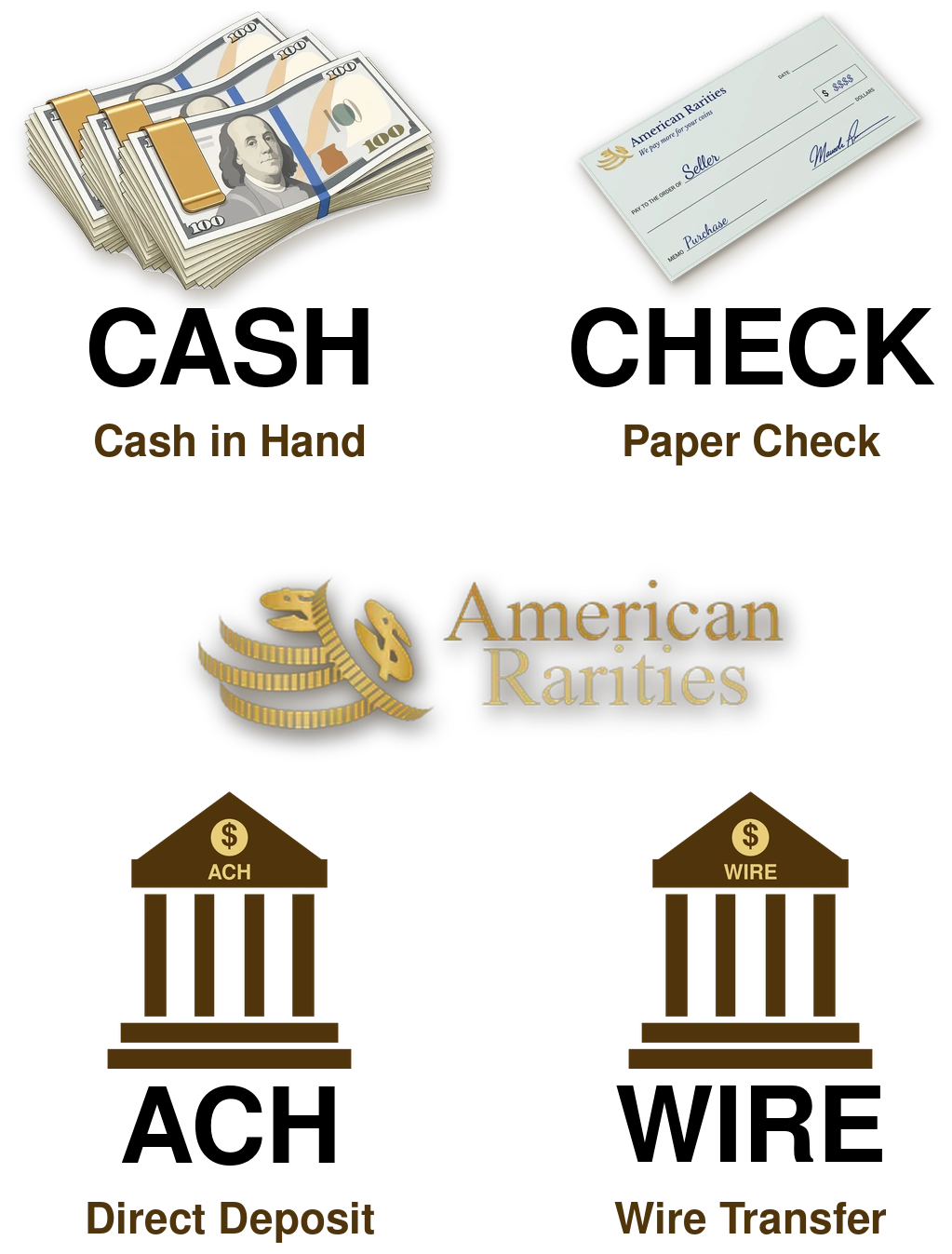

Get Paid
If the family accepts our offer, the estate or each heir chooses cash, check, ACH or wire.
Related Guides
This guide is part of our series for CPAs, attorneys, executors and families. Every estate guide we publish is collected on our coin appraisals for CPAs and estates page.
More Guides in This Series
- Donating Coins to Charity: Form 8283 and Qualified Appraisals
- Gifting Coins: Form 709, the Annual Exclusion and Carryover Basis
- Dividing a Coin Collection in Divorce
- Gold IRA Coins: IRS Rules on Eligible Coins and Collectibles
- Probate Inventory of Coins: An Executor’s Guide
- Coin Insurance Appraisals: Replacement Value vs Fair Market Value
Related Estate and Tax Guides
Dividing Coins Among Heirs: Frequently Asked Questions
Who decides how the coins are divided?
The will or trust comes first. If it is silent, the executor or trustee usually decides under state law, often with the heirs’ agreement. A court can decide if the heirs cannot agree.
What value should we use to divide the coins?
Fair market value from an itemized appraisal, not insurance, retail or price guide figures. Use the same appraisal for everyone.
Do heirs pay tax when they receive inherited coins?
Generally not when they receive them. When an heir later sells, tax is figured on the gain over the stepped-up basis, usually the date-of-death value.
Can one heir buy out the others?
Yes. The buying heir pays the others their share of the appraised value. Put the terms in writing.
Should we clean the coins before dividing them?
No. Cleaning can sharply reduce a coin’s value. Leave coins as they are, in their original holders.
Can you appraise each lot separately?
Yes. We give a free appraisal and itemized written offer for the whole collection and for each lot, and we prepare formal date-of-death reports for a fee when there is no sale.
Free Appraisal for an Inherited Collection
Email, Text, or Use This Form To Send Us Your Inventory List or Pictures
Email: staff@americanrarities.com | Text: 720-600-4740