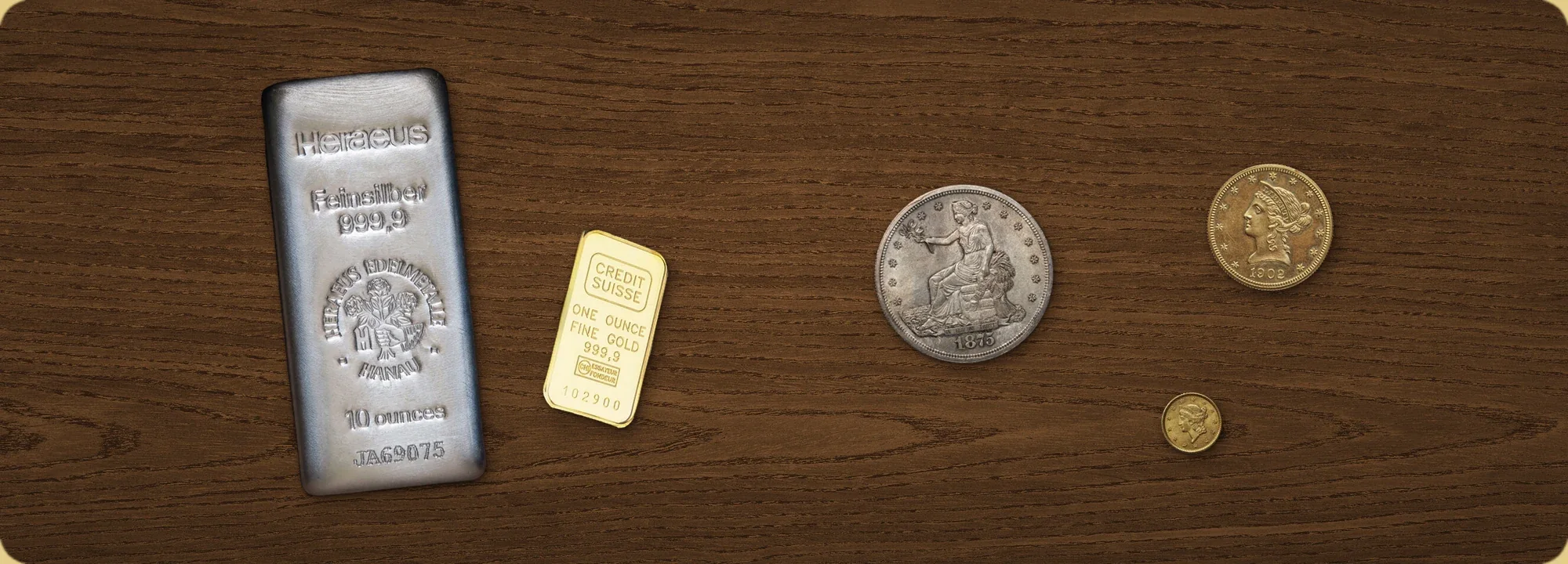

Date-of-Death Value Becomes the New Basis
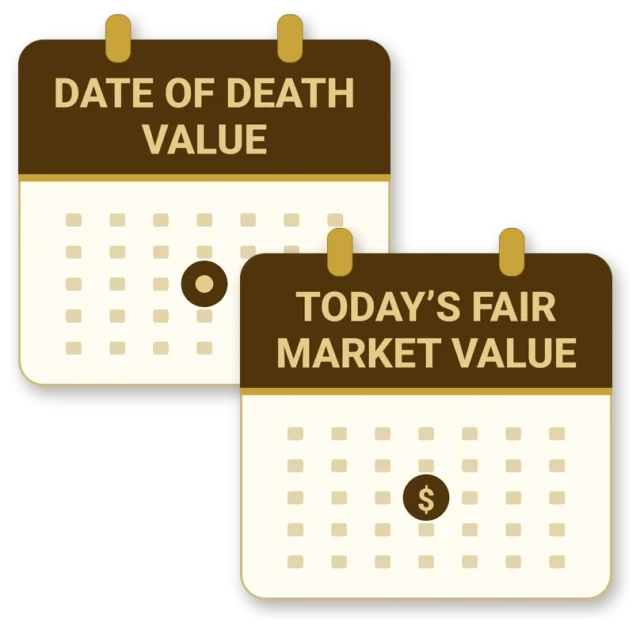
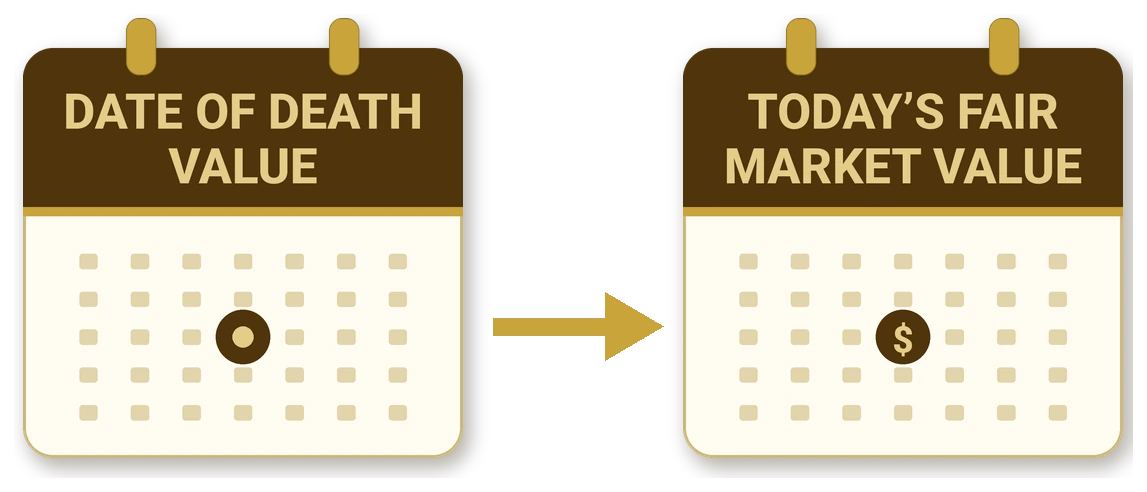
Under section 1014 of the Internal Revenue Code, the basis of property you acquire from someone who has died is generally its fair market value on the date of death, or on the alternate valuation date if the executor elects it. This is often called a step-up in basis, although it works the same way if values have fallen. IRS Publication 551 explains the basis of inherited property.
For coins, this usually means that what the original owner paid decades ago no longer matters to the heirs. Gain or loss on a later sale is measured from the value on the date of death.
Fair market value has a specific meaning. Treasury Regulation 20.2031-1(b) defines it as the price at which property would change hands between a willing buyer and a willing seller, neither being under any compulsion to buy or sell and both having reasonable knowledge of the relevant facts. It is not a forced-sale price, and it is based on the market where the item is most commonly sold to the public. A few points can change the basis an heir uses:
- Gifts that come back. If the person who died received the coins as a gift within one year before death, and the coins pass back to the person who gave them (or that person’s spouse), the step-up does not apply under section 1014(e).
- Consistent basis. When an estate is required to file an estate tax return, the executor may also have to file Form 8971 and give each beneficiary a Schedule A, and the heirs’ basis must be consistent with the value finally determined for estate tax purposes.
- Community property. In community property states, Publication 551 explains that both halves of community property can receive a new basis when one spouse dies, if at least half of the property is included in the decedent’s estate.
The Alternate Valuation Date
Section 2032 lets the executor elect to value the estate’s property as of six months after the date of death instead of the date of death itself. Any property that is sold, distributed or otherwise disposed of within those six months is valued as of the date it left the estate.

The election comes with limits. It is allowed only if it reduces both the value of the gross estate and the total estate and generation-skipping transfer tax, so it is available only to estates that actually owe estate tax. It is made on the estate tax return, Form 706, it applies to the estate’s property as a whole rather than to selected items, it cannot be revoked once made, and it is not allowed if the return is filed more than a year late.
Gold and silver prices change every day, so an estate that owes estate tax and holds a large amount of bullion may want its CPA to compare both dates if metal prices fall after death. Rare coin values depend more on collector demand and condition than on the daily metal price. As of 2026, the IRS lists a basic exclusion amount of $15,000,000 for people who die in 2026, which means most estates owe no federal estate tax and cannot use this election. Check the IRS page on what’s new for estate and gift tax and the Form 706 instructions for the current figures and filing rules.
Bullion and Rare Coins Are Both Collectibles
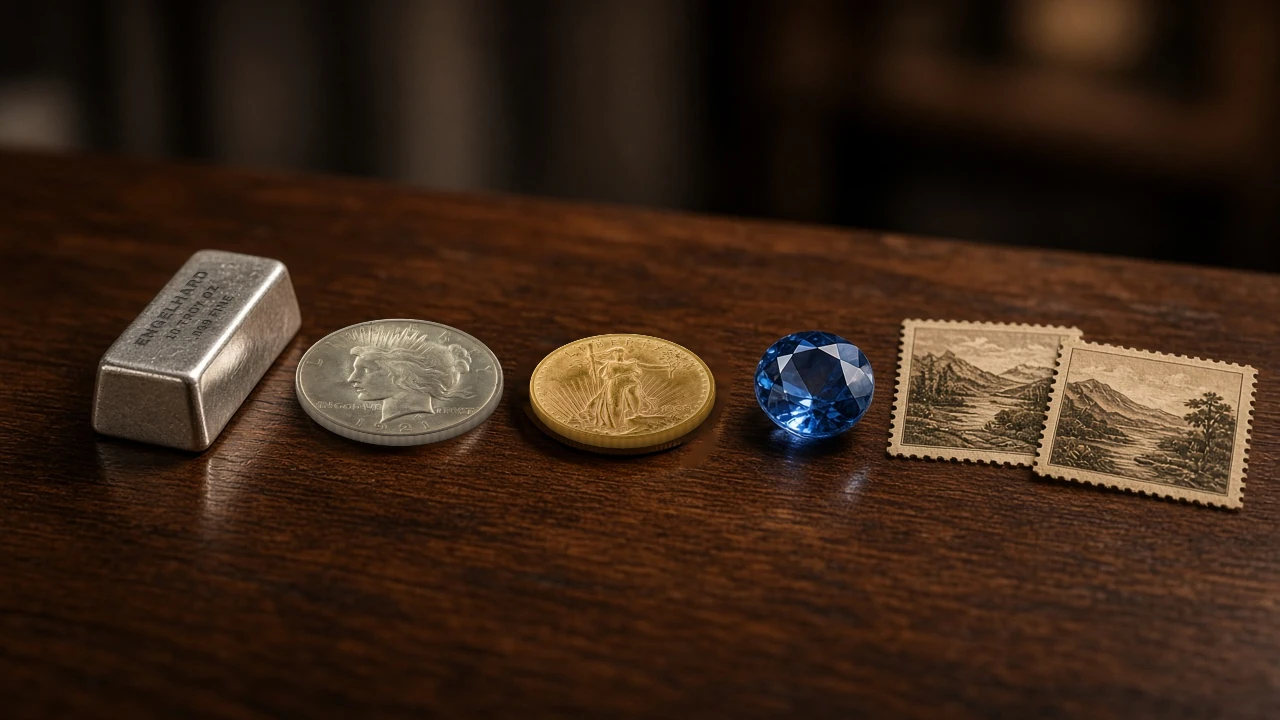
A common assumption is that bullion is taxed like stocks while rare coins are taxed as collectibles. Under federal law, both are generally collectibles. Section 408(m) defines a collectible to include “any metal or gem” and “any stamp or coin.” That section also has an exception that lets certain American Eagle coins and high-purity bullion be held in an IRA, but section 1(h)(5) applies the collectibles definition to capital gains without that exception. In other words, even American Eagles and .999 fine bars are treated as collectibles when the capital gains rate is figured. Our guide to gold IRA coins explains which coins an IRA can hold.
IRS Tax Topic 409 explains that net capital gain from selling collectibles, such as coins or art, is taxed at a maximum 28% rate. That is a ceiling, not a flat rate: sellers in lower tax brackets can pay less. Higher-income sellers may also owe the 3.8% Net Investment Income Tax described in Tax Topic 559, and estates and trusts reach that tax at a much lower income level than individuals do.
Inherited Coins Are Long-Term Automatically
Normally, coins held one year or less produce short-term gain, which is taxed at ordinary income rates, and coins held more than one year produce long-term gain. Inherited property is different. Section 1223(9) treats property whose basis comes from section 1014 as held for more than one year, even if it is sold the week after the funeral. The Form 8949 instructions tell heirs to report inherited property as long-term and to enter “INHERITED” in place of the date acquired.
The short-term rules matter only for coins or bullion an heir or the estate bought on its own, not for what was inherited.
Valuation: Metal Price Versus Collector Premium
The tax rules may be the same, but the valuation is not, and valuation is where executors spend most of their effort. Every dollar of date-of-death value becomes basis, so a careful valuation protects both the estate and the heirs.
Bullion: Valued by Metal Content
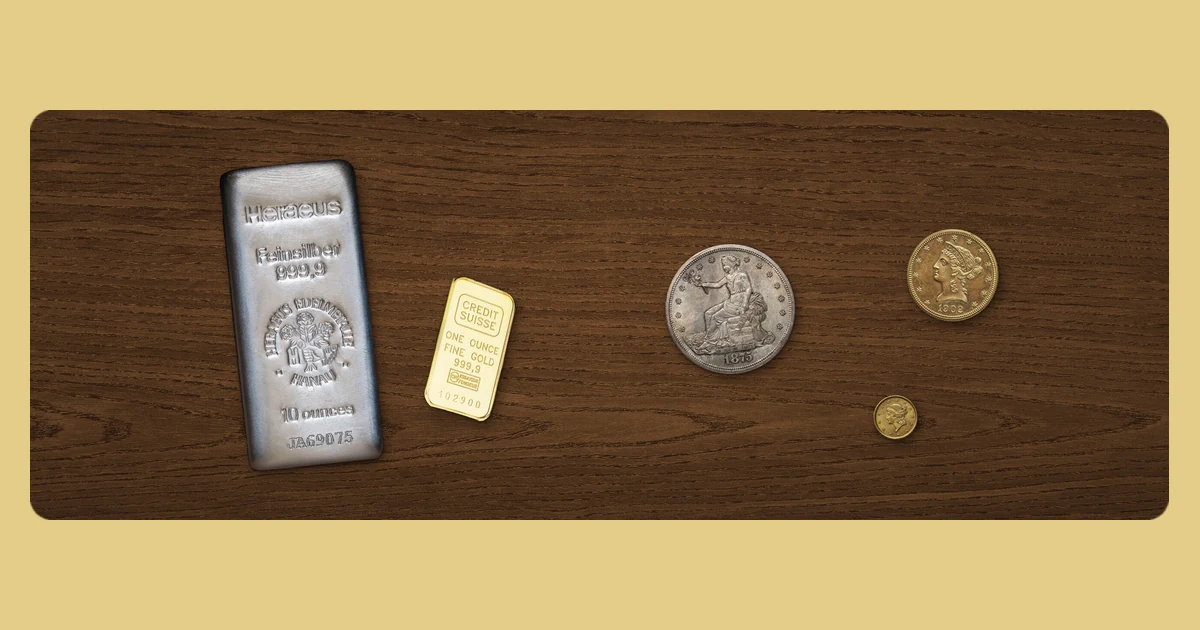
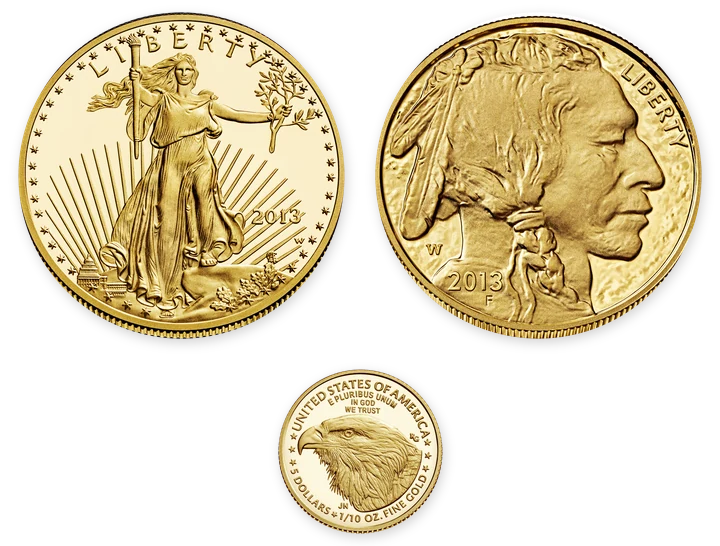
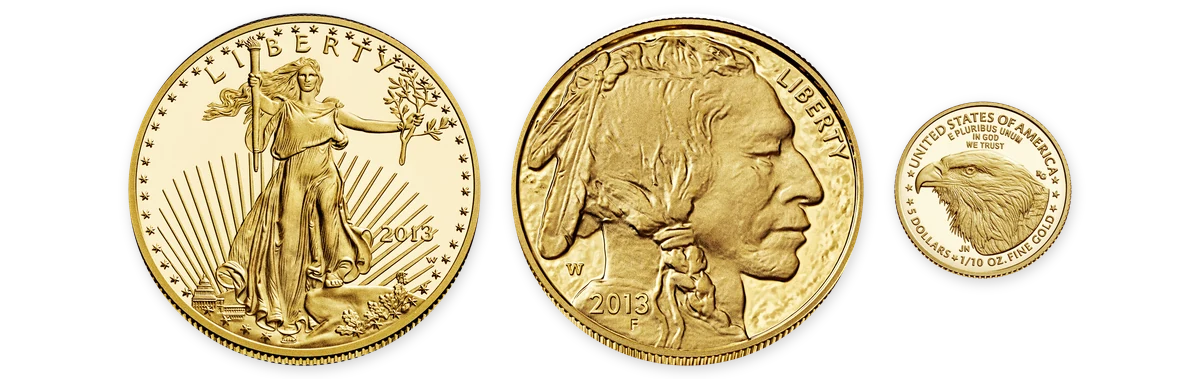
Bars, rounds and common bullion coins are valued mainly by their weight, their purity and the gold or silver price on the valuation date, plus or minus the usual market premium. That makes bullion fairly easy to document. A list of each item and its weight, the published metal price for the date of death and a dealer’s written valuation for that date usually make a solid record.
Our guides on how to sell gold coins and how to sell silver dollars explain how metal content is priced.
Rare Coins: Valued by Date, Grade and Rarity
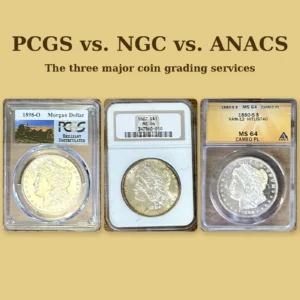
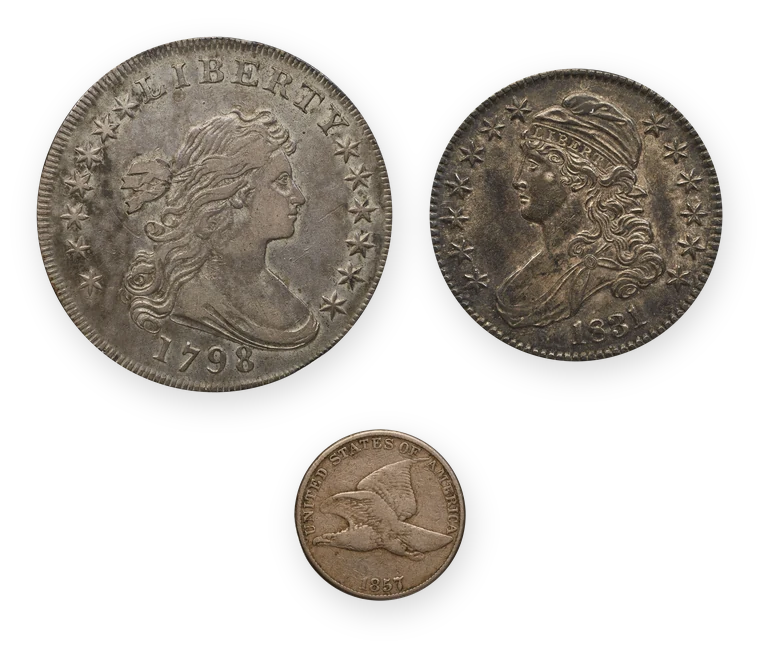
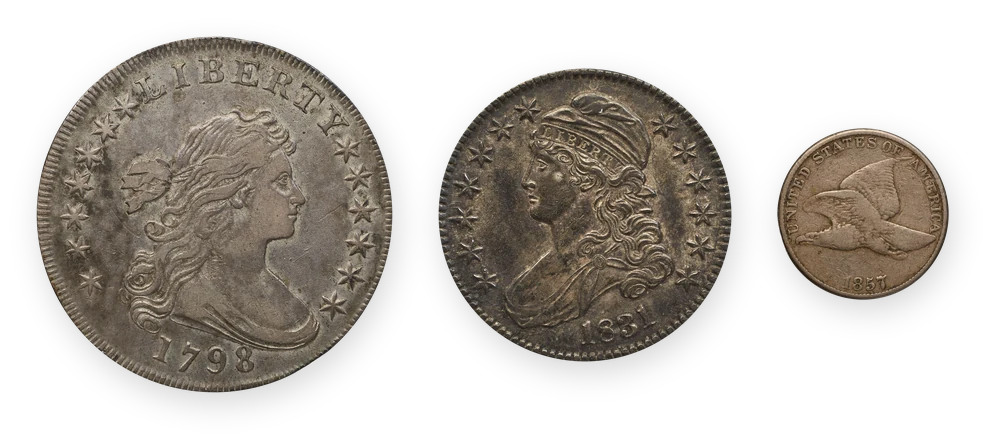
Rare coins are valued by date, mint mark, variety, grade, eye appeal and certification, and two coins of the same design can differ in value many times over. The metal price says little about them, so an estate needs a qualified numismatic appraisal. Coins already graded by PCGS, NGC or ANACS should stay in their holders, as our page to sell PCGS, NGC and ANACS coins explains.
When an estate tax return is filed, Treasury Regulation 20.2031-6(b) and the Form 706 instructions call for the appraisal of an expert, under oath, when articles of marked artistic or intrinsic value, including coin collections, total more than $3,000. That rule is not limited to rare coins, so a large bullion holding may need it too, but rare coins are where a specialist’s judgment matters most.
Even when no estate tax return is required, a written, itemized date-of-death appraisal is the heirs’ best evidence of their basis. Publication 551 notes that if no Schedule A is required, heirs can generally use the appraised value used for state inheritance tax purposes, if there is one. Our page on estate appraisals and liquidation explains how we prepare date-of-death appraisals.
Bullion vs. Rare Coins at a Glance
| Bullion | Rare Coins | |
|---|---|---|
| Federal tax category | Collectible | Collectible |
| Maximum federal long-term rate | 28% | 28% |
| Holding period if inherited | Long-term automatically | Long-term automatically |
| Heir’s basis | Value on the date of death or alternate valuation date | Value on the date of death or alternate valuation date |
| What sets the value | Weight, purity and the metal price | Date, mint mark, grade, rarity and certification |
| Typical records | Inventory with weights, dated metal price, dealer valuation | Itemized written appraisal by a qualified numismatist |
| Dealer Form 1099-B | Only certain forms and minimum quantities | Usually not required |
Who Sells: The Estate or the Heirs
Whether the executor sells before distributing the coins, or the heirs sell after they receive them, decides whose tax return reports the sale.
- The estate sells. If the executor sells coins before they are distributed, the estate reports the gain or loss on its own income tax return, Form 1041. IRS Publication 559 explains that a domestic estate with gross income of $600 or more for its tax year must file Form 1041, and that the estate can choose a calendar year or a fiscal year.
- The heirs sell after distribution. If coins are distributed first, each heir reports their own sale on Form 8949 and Schedule D, using the date-of-death value as basis and reporting it as long-term. Publication 559 explains that a distribution in kind generally does not create gain or loss for the estate, unless it is used to pay a specific dollar amount or a gift of other specific property, or the executor makes a special election under section 643(e)(3).
Which path works better depends on the heirs’ tax brackets, whether anyone wants to keep certain pieces and how quickly the estate needs cash, which makes it a good question for the estate’s CPA. Bullion is easy to divide because one ounce of the same bar or coin is much like another. Rare coins usually are not, which is one reason executors often sell them and divide the cash, or use an itemized appraisal to split them fairly. Our guide to dividing a coin collection among heirs compares the options. Attorneys and fiduciaries can read more on our pages for the probate and estate lawyer and for the bank trust officer.
State Taxes Vary
Everything above is federal law. States treat these sales differently: most states with an income tax also tax capital gains, a few states have no income tax at all, and some states have their own estate or inheritance taxes with their own thresholds. Sales tax rules on buying coins and bullion vary as well. Check with your state’s department of revenue or your CPA before you file.
Selling Soon After Death and Keeping Good Records
Because basis is the value on the date of death, coins sold soon after death often produce little gain or loss, since the sale price and the basis are close together. The longer the estate or the heirs wait, the more the price can drift away from that value, up or down, and bullion can move faster than rare coins because it follows the daily metal price. Selling quickly is not always the right choice, but it does keep the tax side simple.

Whatever you decide, keep one file for the coins with:
- The valuation. The date-of-death appraisal, itemized by coin or group, with the appraiser’s qualifications.
- Bullion prices. The metal prices used for bullion, with their source and date.
- Estate tax filings. Form 706 and Form 8971 with Schedule A, if they were filed.
- Every sale. The dealer’s written offer, the bill of sale and the payment record.
- Distributions. The inventory, photos and a record of who received which coins.
These records support the basis reported on Form 8949 or Form 1041 and help settle questions among heirs. If the estate holds a large or complicated collection, our page on selling a large coin collection and our guide on how to sell a coin collection can help you plan.
Important Note
This guide is general information, not tax or legal advice. Tax rules change and every estate is different, so please confirm your situation with a CPA or estate attorney. Figures are stated as of October 2026, and we link to the IRS and the Internal Revenue Code so you can check the current rules.
Ready to Sell Bullion or Rare Coins From an Estate?
Whether the estate holds a few rolls of silver eagles, a box of gold coins or a lifetime collection of rare U.S. coins, the process is the same, and the paperwork you get from us fits neatly into the estate’s tax file. Founded in 1990, American Rarities has purchased over $400 million in rare coins, bullion and collectibles, and much of that has come from estates.
Four Steps to Sell Estate Bullion and Rare Coins
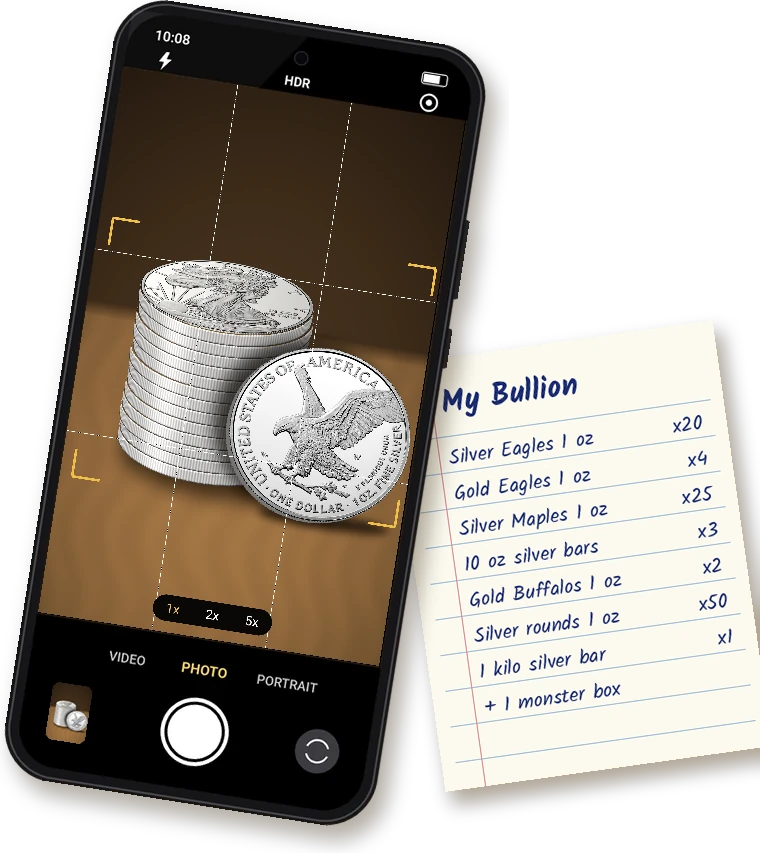
Send Photos and/or a List
Text photos to 720-600-4740, email them with your inventory to staff@americanrarities.com or use the form below. For bullion, a list of types and weights is enough. For rare coins, add photos of the better pieces.
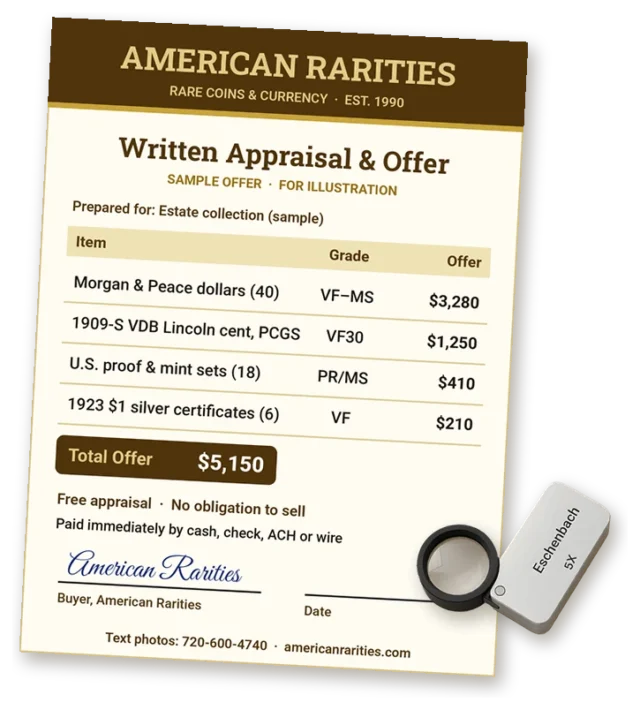

Free Appraisal and Written Offer
All appraisal requests are reviewed in the order they are received. Some appraisals take minutes, while larger, more complex collections can take a few days. Either way, you’ll get a response from us. You get a free, no-obligation written offer, itemized so the executor, the heirs and the CPA can see the value of each item or group.

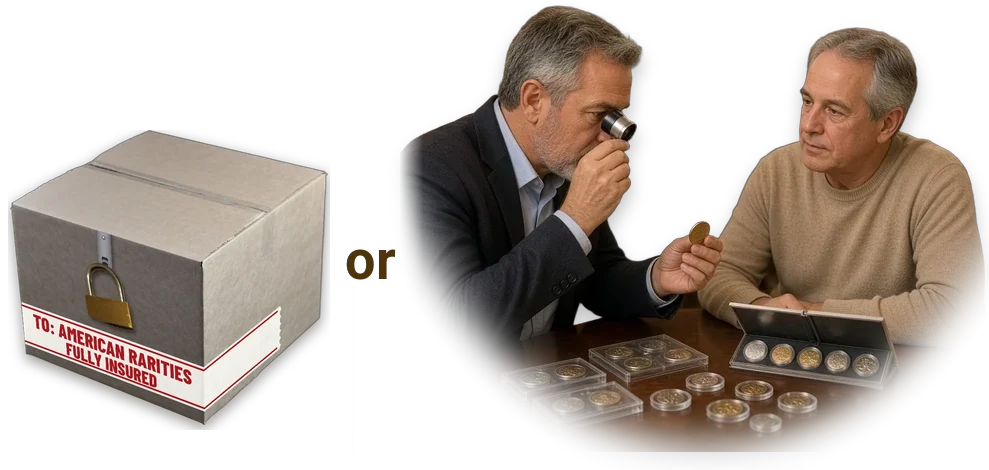
Ship Insured or Meet in Person
Ship fully insured, or meet us in person for larger estates.
Get Paid
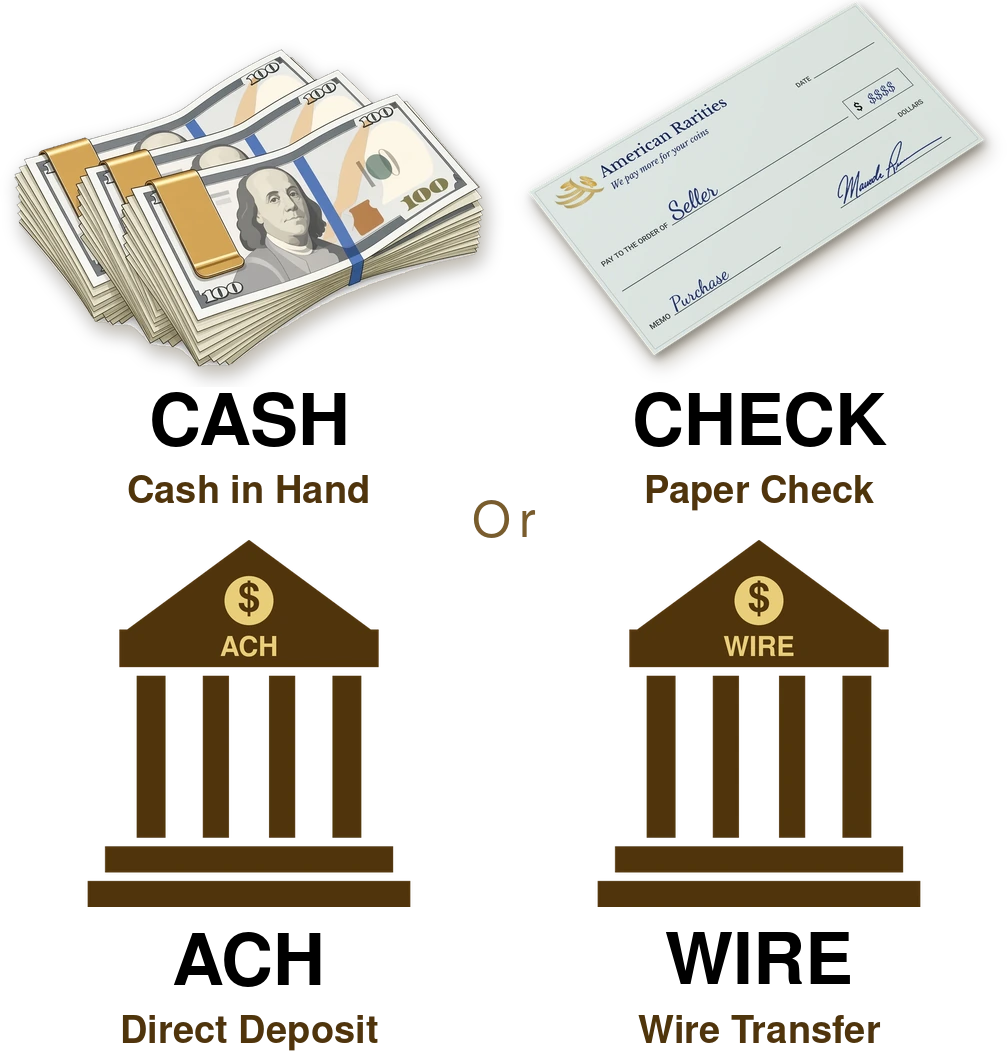
When you accept, we pay you immediately by cash, check, ACH or wire. Keep the itemized offer and payment record in the estate’s tax file.
American Rarities holds a 4.7-star Google rating and an A+ rating with the BBB, we are ANA Life Members, and we are an authorized PCGS, NGC and ANACS dealer. Estate planners can learn more on our page for estate planners.
You can also call 800-622-5680. Calls go to our answering service, so leave a message and we will call you back. Or visit our contact a rare coin buyer page.