
Before You Sell: Protect the Value You Already Have
The first three tips are about what not to do. A collection can lose much of its value before a buyer ever sees it, and most of that loss is avoidable.
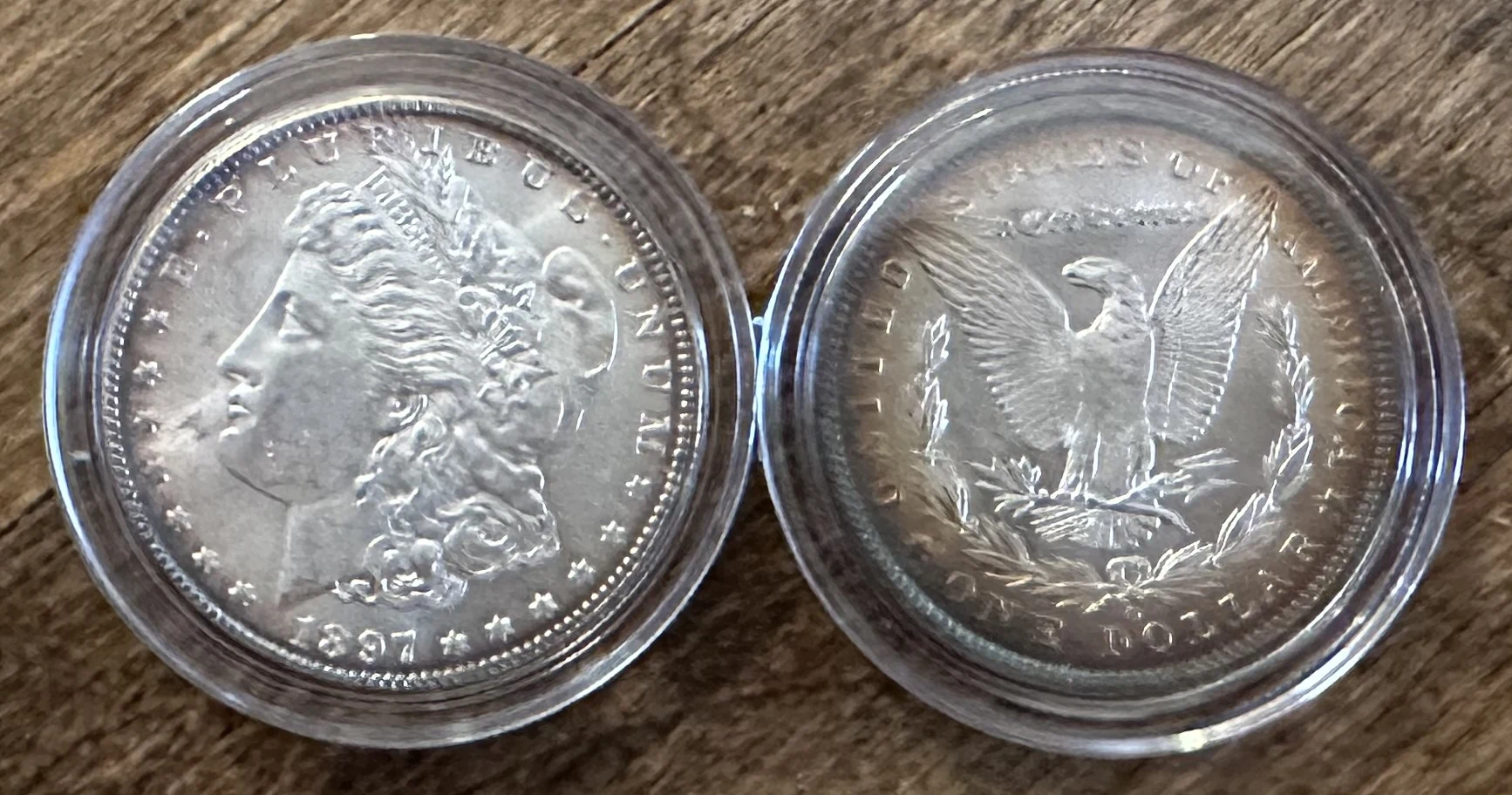
Don’t Clean Your Coins
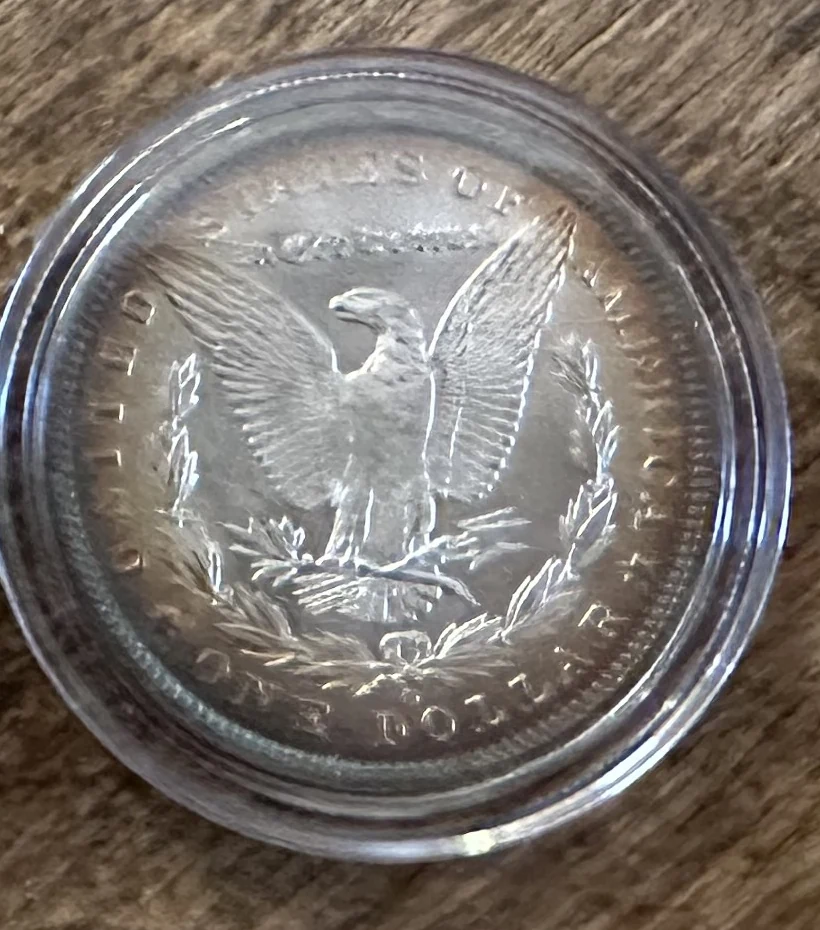
This is the most important tip on the page. Polishing, rubbing, dipping or even gently wiping a coin leaves fine scratches and strips away the original surface that collectors pay for. The natural toning on old silver dollars like these is part of their original surface, and many collectors seek it out.
Grading services such as PCGS, NGC and ANACS give cleaned coins a “details” grade instead of a regular numeric grade, and experienced buyers spot cleaning right away. The damage cannot be undone. Our articles on the coin cleaning mistake that can destroy a collection’s value and why cleaning your coins is not recommended explain more. Old coins are supposed to look old, so leave them as they are.
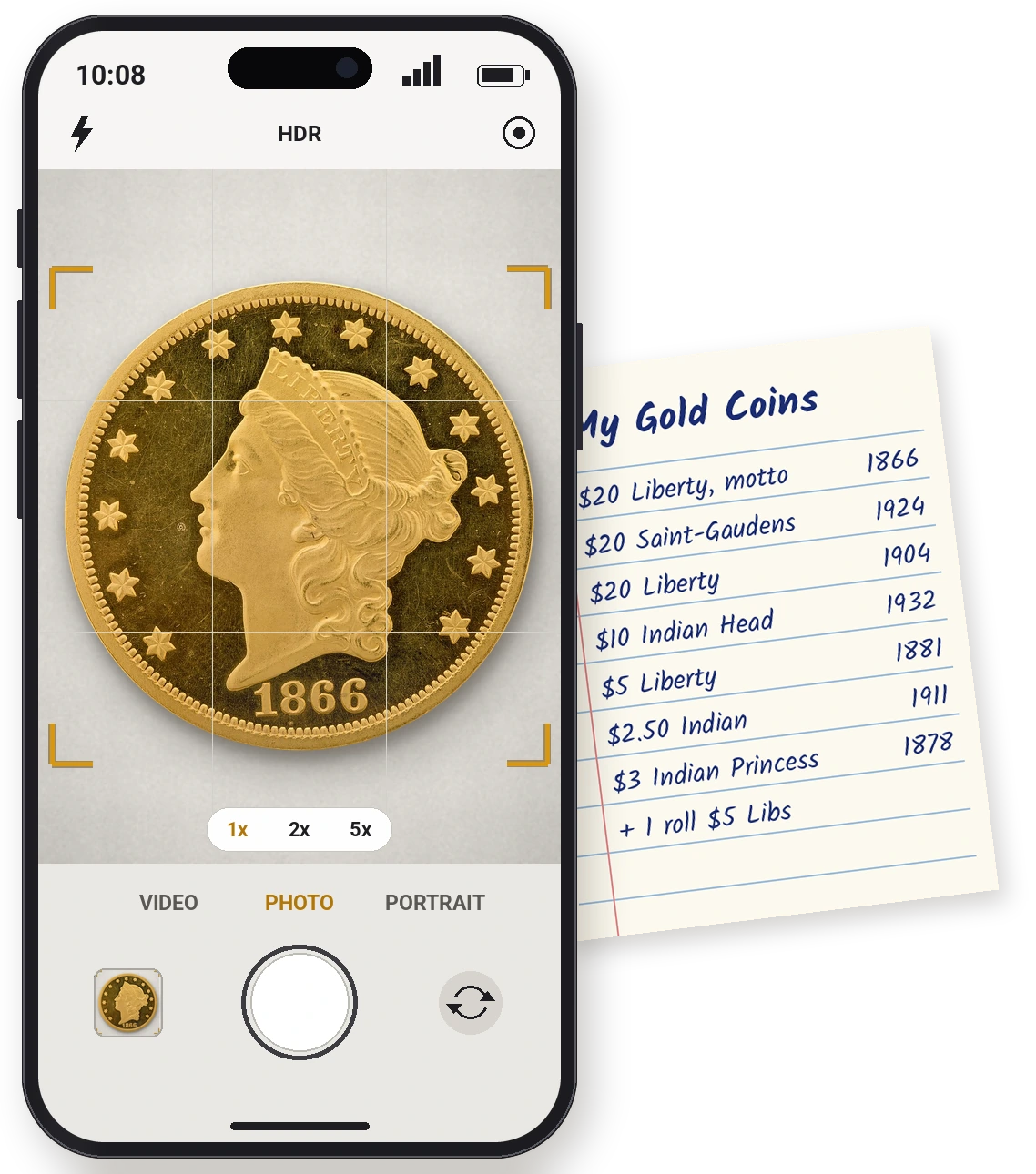
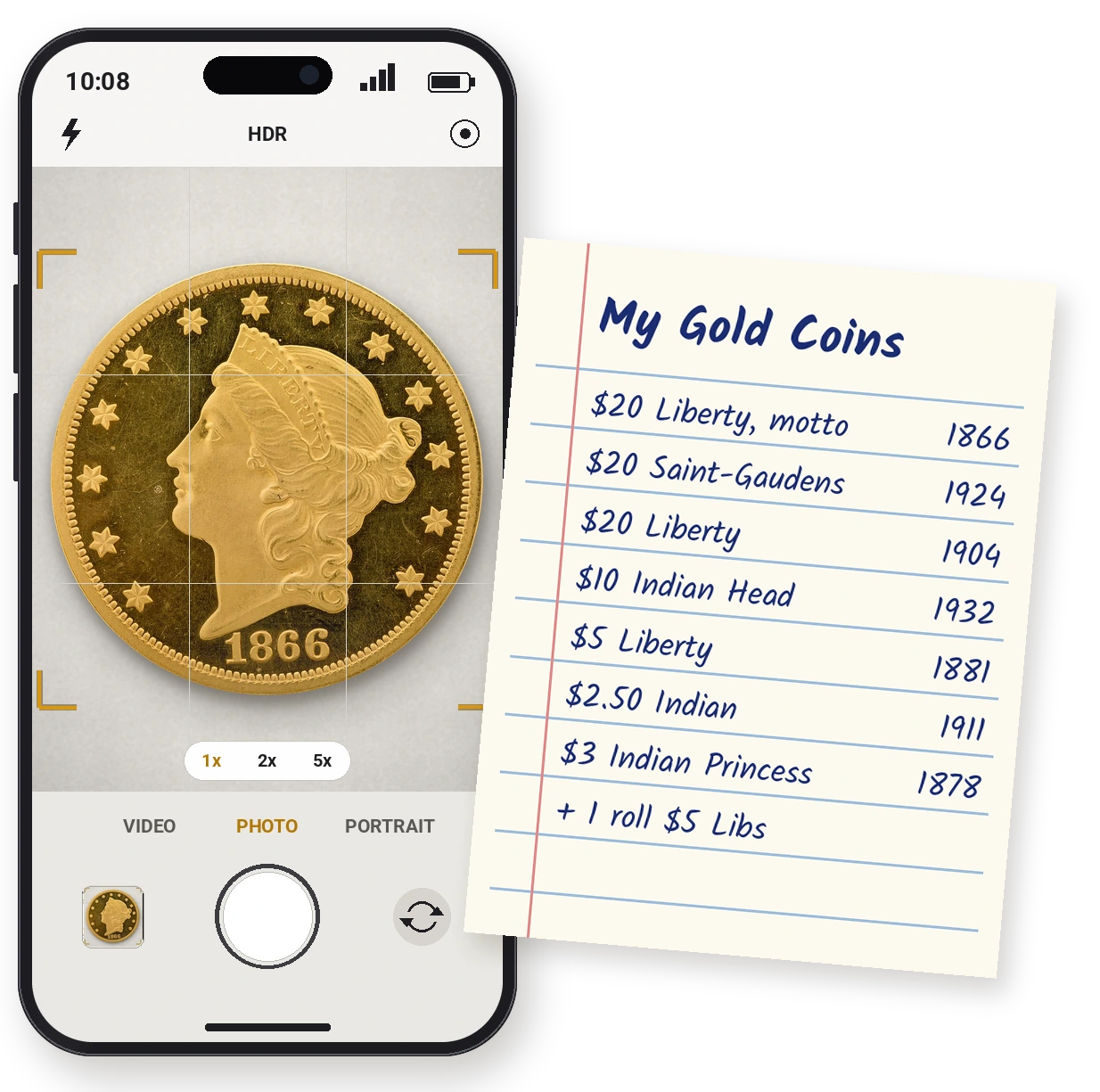
Take an Inventory First
Before you talk to any buyer, make a simple list of what you have. You don’t need to identify or value anything. Write down what each item looks like and how many there are, the way you see it: “blue folder of Lincoln cents,” “roll of half dollars,” “three coins in plastic holders,” “box marked proof sets.” Note any dates, mint marks or labels you can read.
Then take clear photos with your phone: one of each container and both sides of any coin that looks old, gold or unusual. A list and photos let a buyer give you a fast, accurate appraisal without the coins leaving your home, and they give you a record of exactly what you own. Our free online coin appraisal page explains what to send.
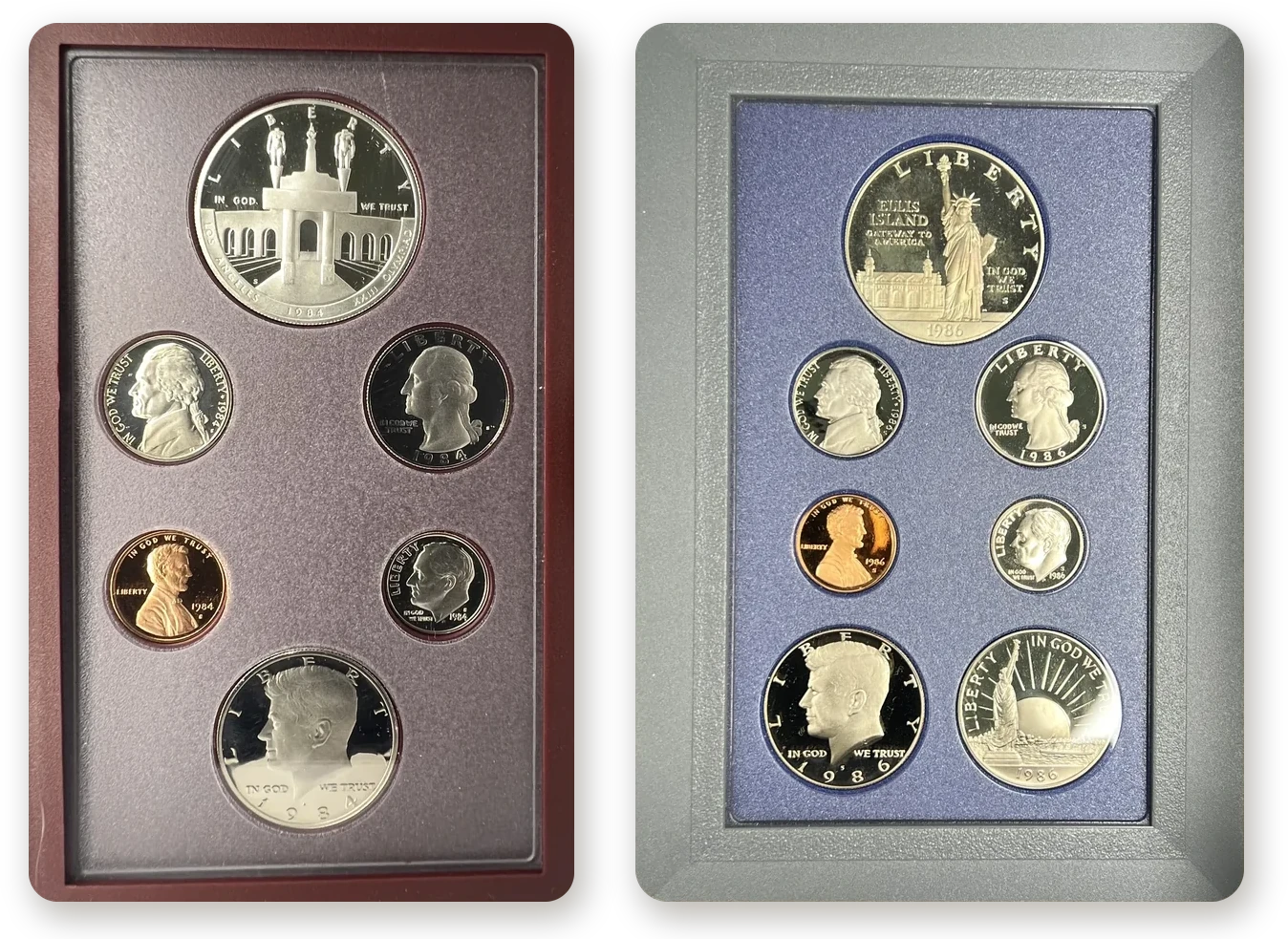
Keep Sets, Folders and Holders Intact
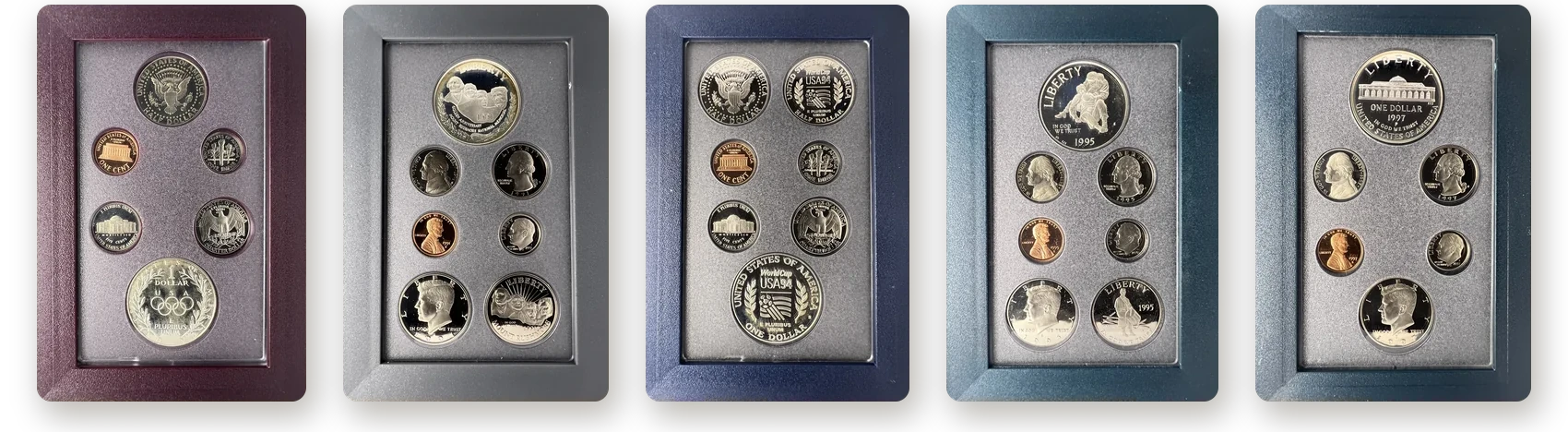
Leave coin folders and albums closed, keep rolls wrapped, and keep proof sets and mint sets in their original government packaging, with the boxes, lenses, envelopes and certificates. Never pry open a sealed grading holder, or “slab,” from PCGS, NGC or ANACS. The label and certification number are part of the coin’s value.
Keep the paperwork too: receipts, old appraisals and handwritten notes from the collector often show what was bought and when. A complete set in its original packaging is usually worth more than the same coins loose. Our guide on how to sell proof and mint sets shows why the packaging matters.
Know What Your Coins Are Worth
You don’t need to become a coin expert to sell well. You only need to understand how coins are valued, so you can tell a fair offer from a lowball one.
Know Melt Value From Collector Value
Every coin has two possible values. Melt value is what its metal is worth. Collector value, or numismatic value, is what collectors will pay for its rarity, date, mint mark and condition. A rare coin can be worth many times its melt value, while a common worn coin may be worth little more than its metal.
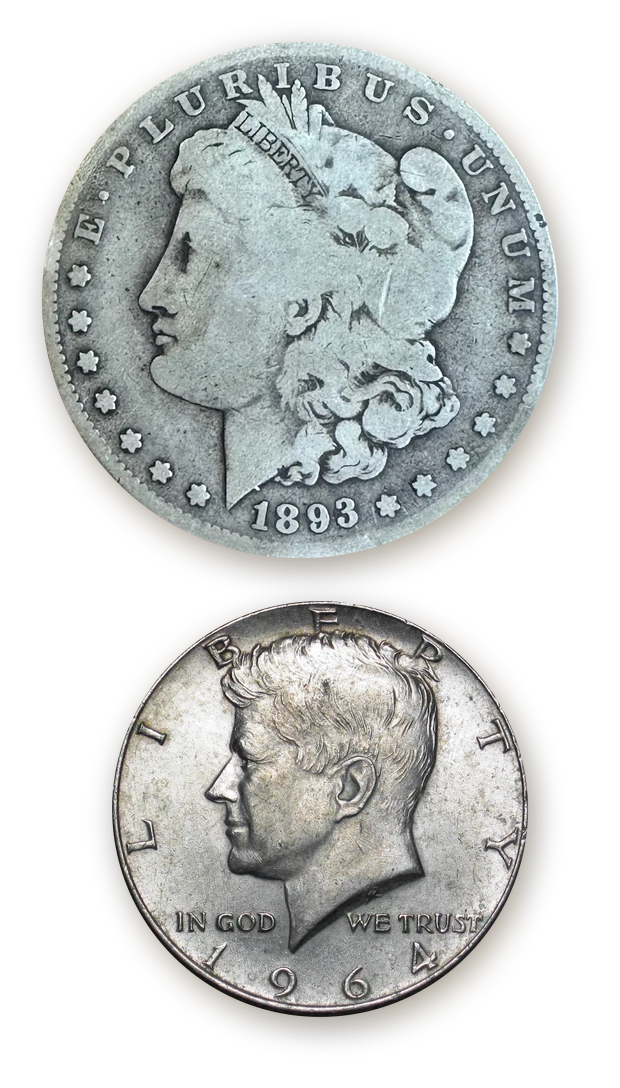
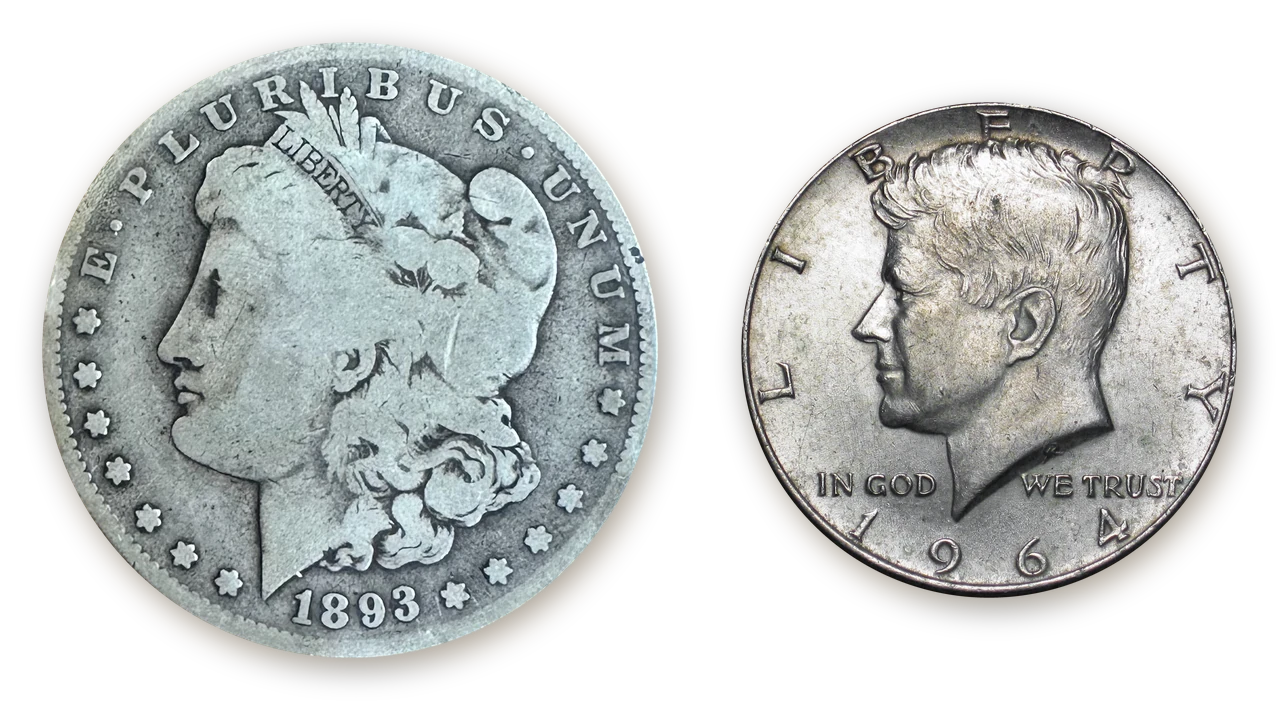
U.S. dimes, quarters and half dollars dated 1964 and earlier are 90% silver, and so are silver dollars dated 1935 and earlier. Kennedy half dollars from 1965 to 1970 are 40% silver. The worn 1893-S Morgan dollar shown here with a 1964 Kennedy half dollar, at true relative size, is a good example of the difference. Its date and mint mark make it a key coin to collectors, so it is worth far more than its silver, even in a low grade. A buyer who pays only for the metal, or weighs your coins as scrap, leaves that collector value on the table.
Learn more on our pages about 90% silver coin values and selling 90% silver coins, our silver dollar buyer page and our guides on how to sell silver dollars and how to sell gold coins. Our article on how to determine the value of your rare coins goes deeper.
Get Written, Itemized Offers
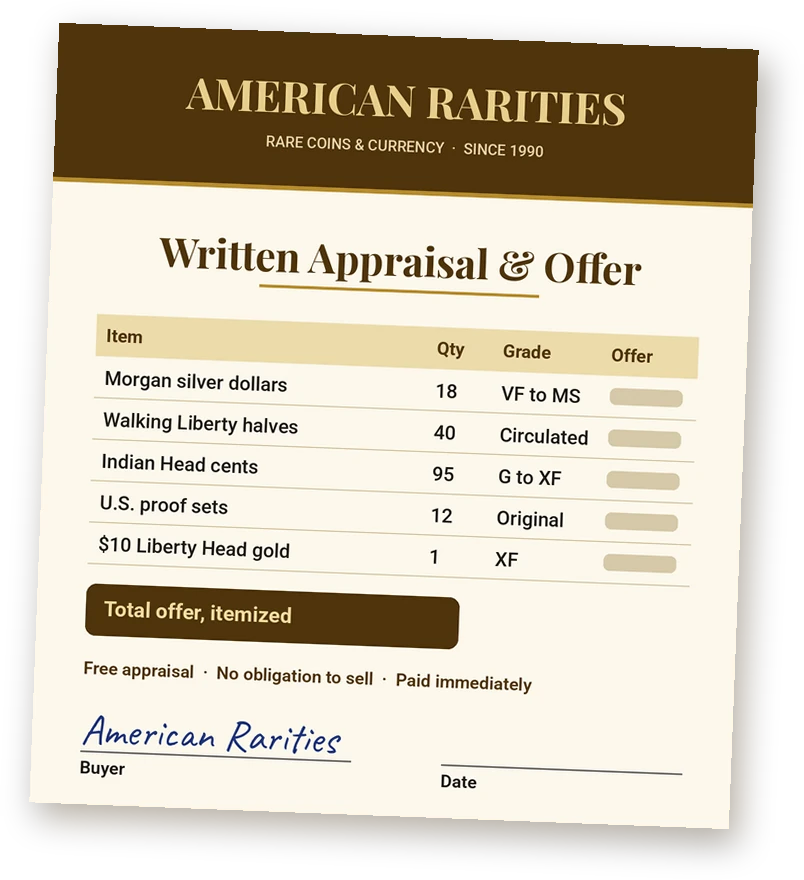
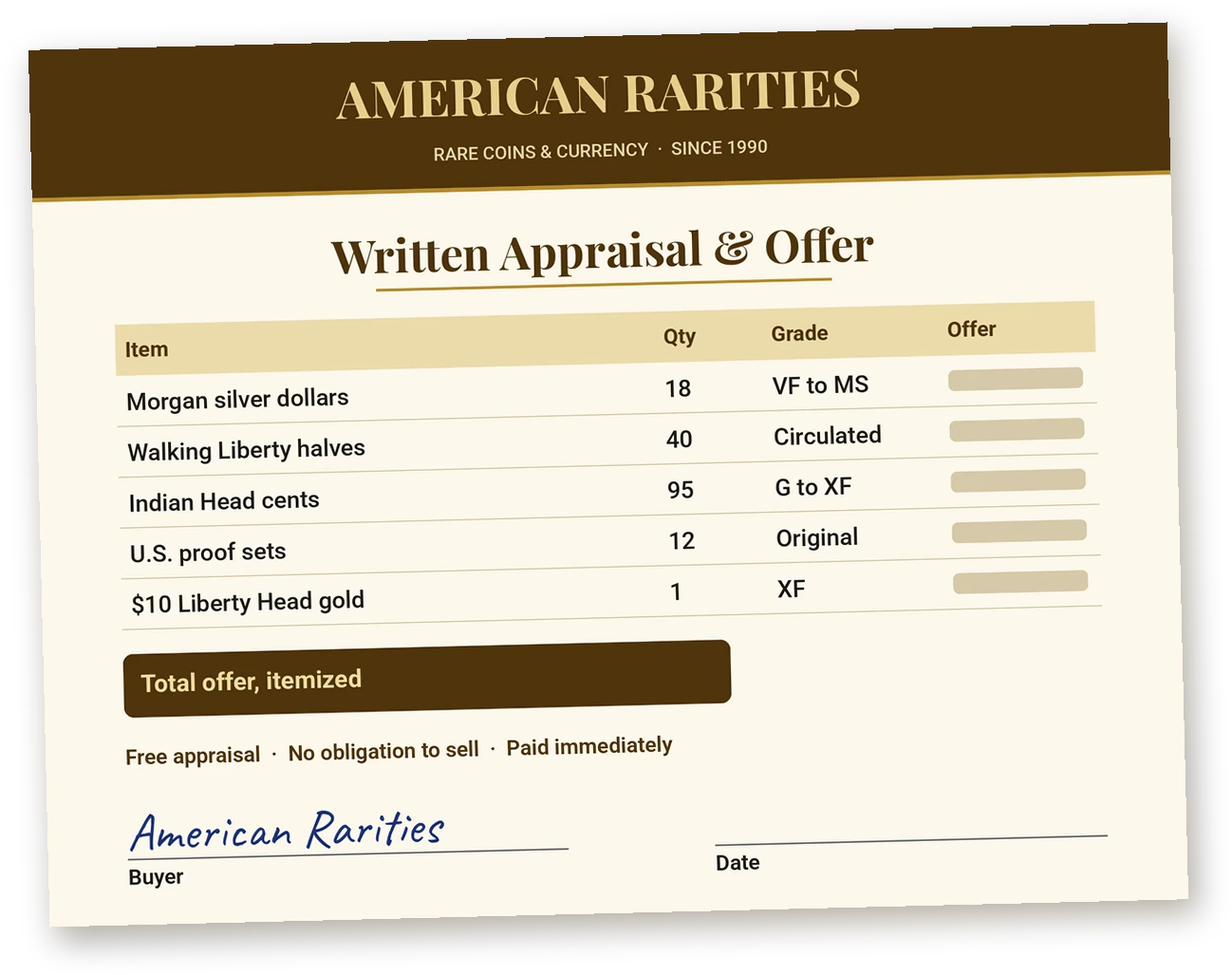
A verbal number for “the whole box” tells you nothing. Ask every buyer for a written offer that lists each coin or group of coins with its own price. An itemized offer shows you where the value in your collection is, lets you compare buyers line by line, and makes it hard for anyone to quietly undervalue your best pieces.
Be wary of pressure to decide on the spot. A fair buyer will put the offer in writing and give you time to think it over or get a second opinion. When an estate is involved, an itemized offer also gives the executor and the heirs a clear record. Our coin collection appraisal page explains how we value collections item by item.
Grade Coins Only When It Pays
Professional grading by PCGS, NGC or ANACS can add real value to a scarce coin in high grade. For most coins, though, the grading fees and shipping costs are more than the grade adds. Sending a whole collection off to be graded usually costs you money and months of waiting.
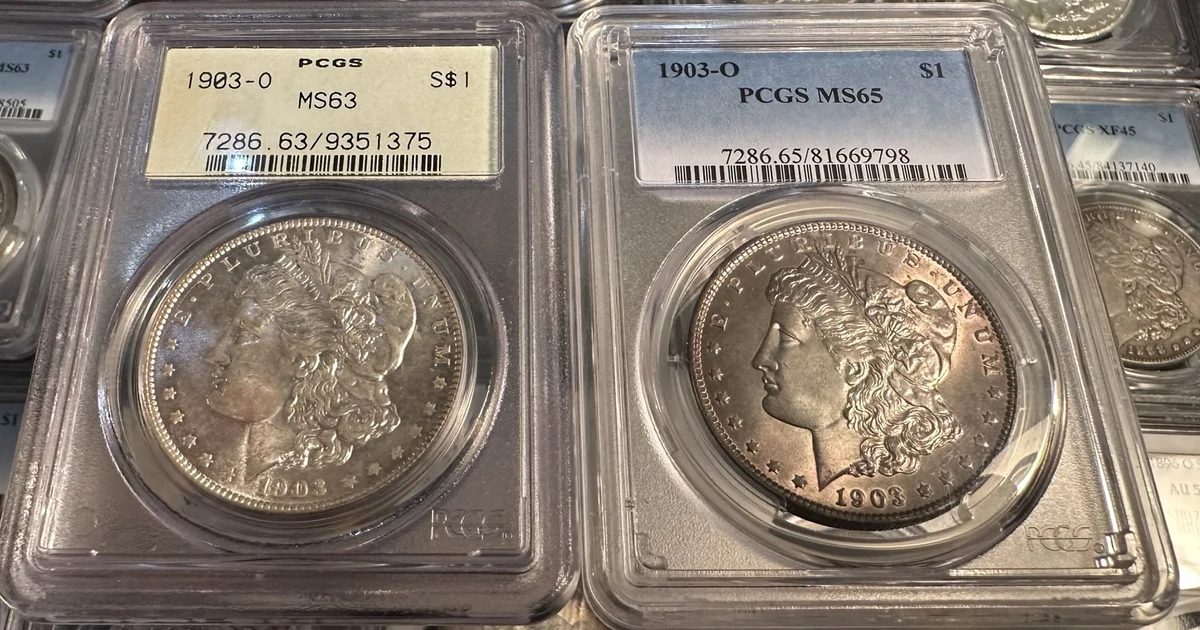
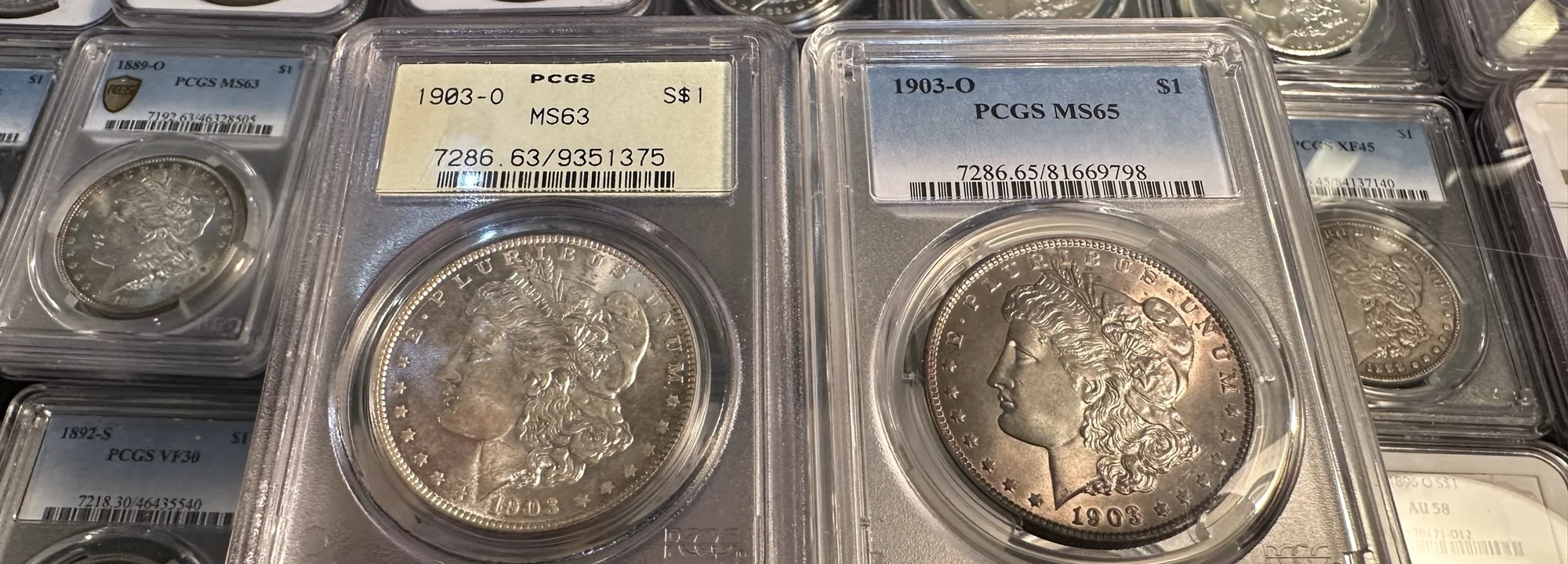
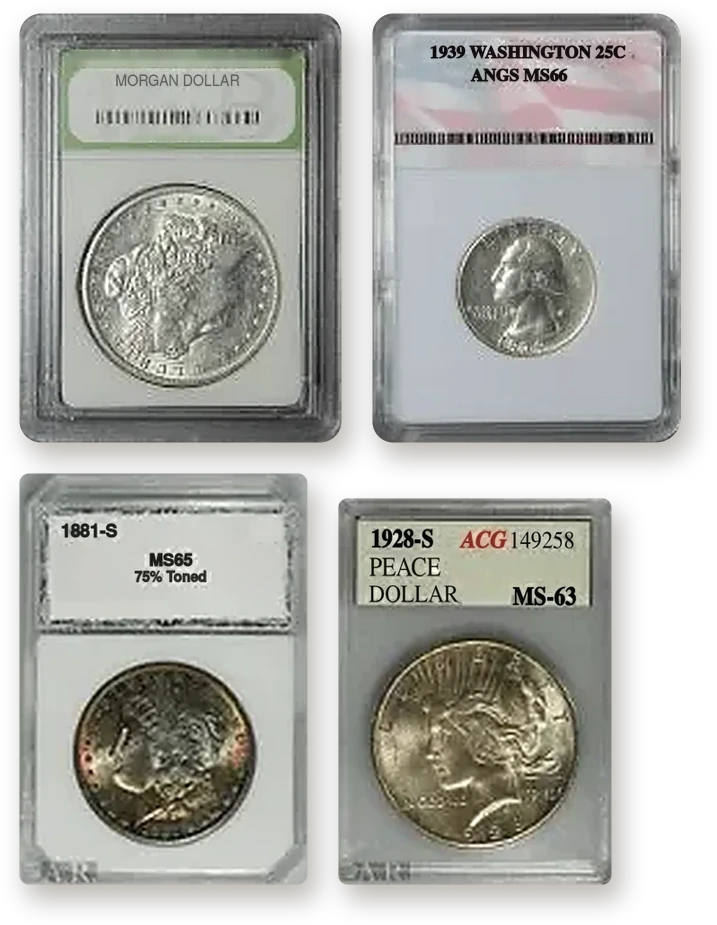
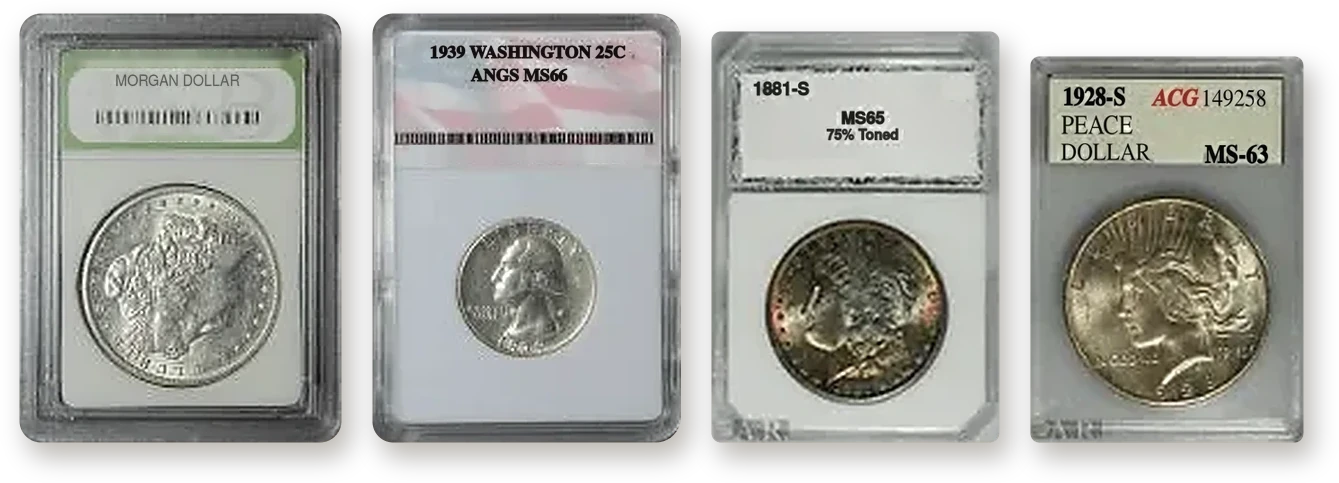
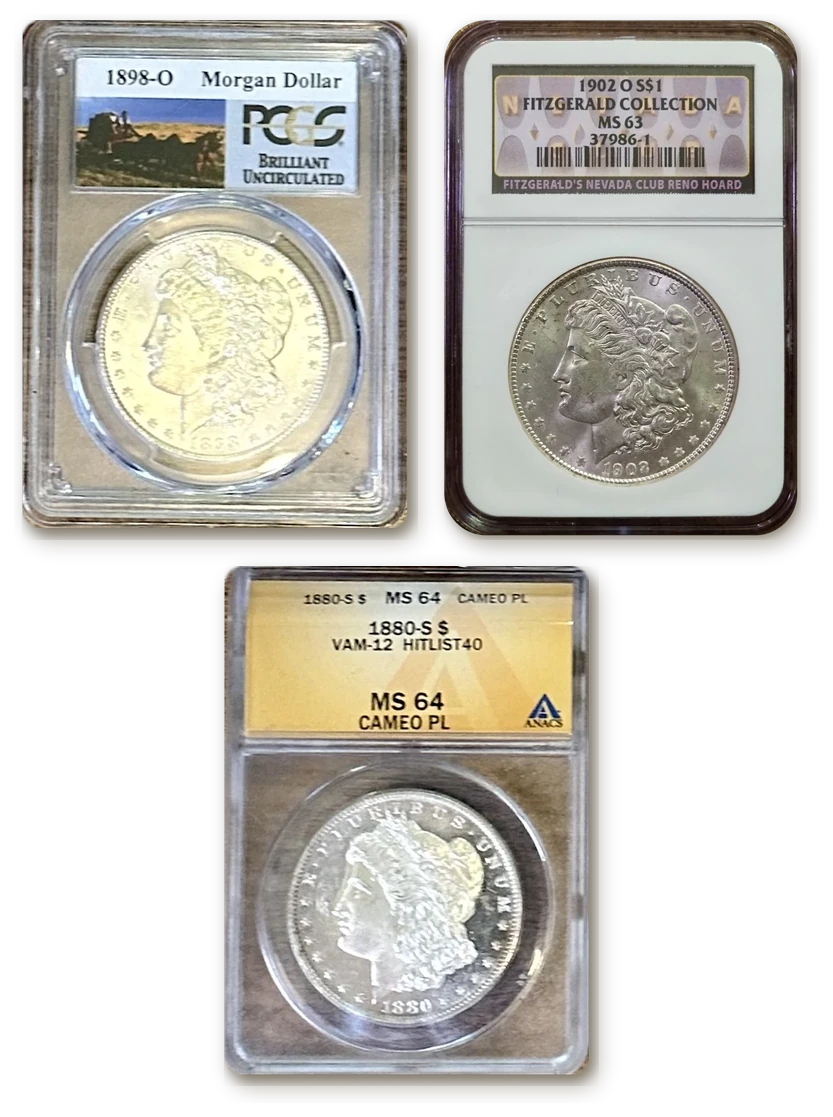
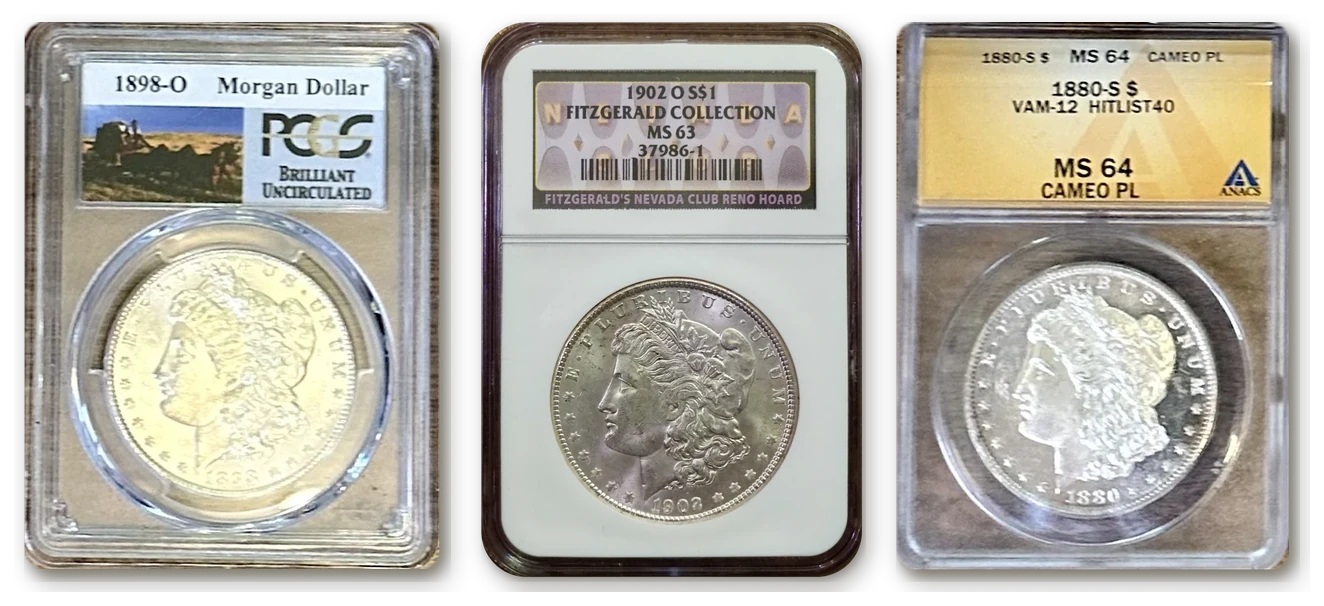
Not every plastic holder is equal, either. Coins in holders from lesser-known graders, like the ones shown here, are often valued as if they were raw, because buyers don’t rely on those grades. Our page on off-brand slabbed coins and our article on the differences between PCGS, NGC and ANACS explain why. As an authorized PCGS, NGC and ANACS dealer, we can give you a free grading opinion on which coins, if any, are worth submitting.
Choose the Right Buyer
Where you sell matters as much as what you sell. Pawn shops, scrap buyers and online marketplaces work for some sellers, but a knowledgeable dealer is usually the safest way to be paid for both the metal and the collector value. Our guide on how to choose the best place to sell your coins compares the options.
Choose an Established Dealer
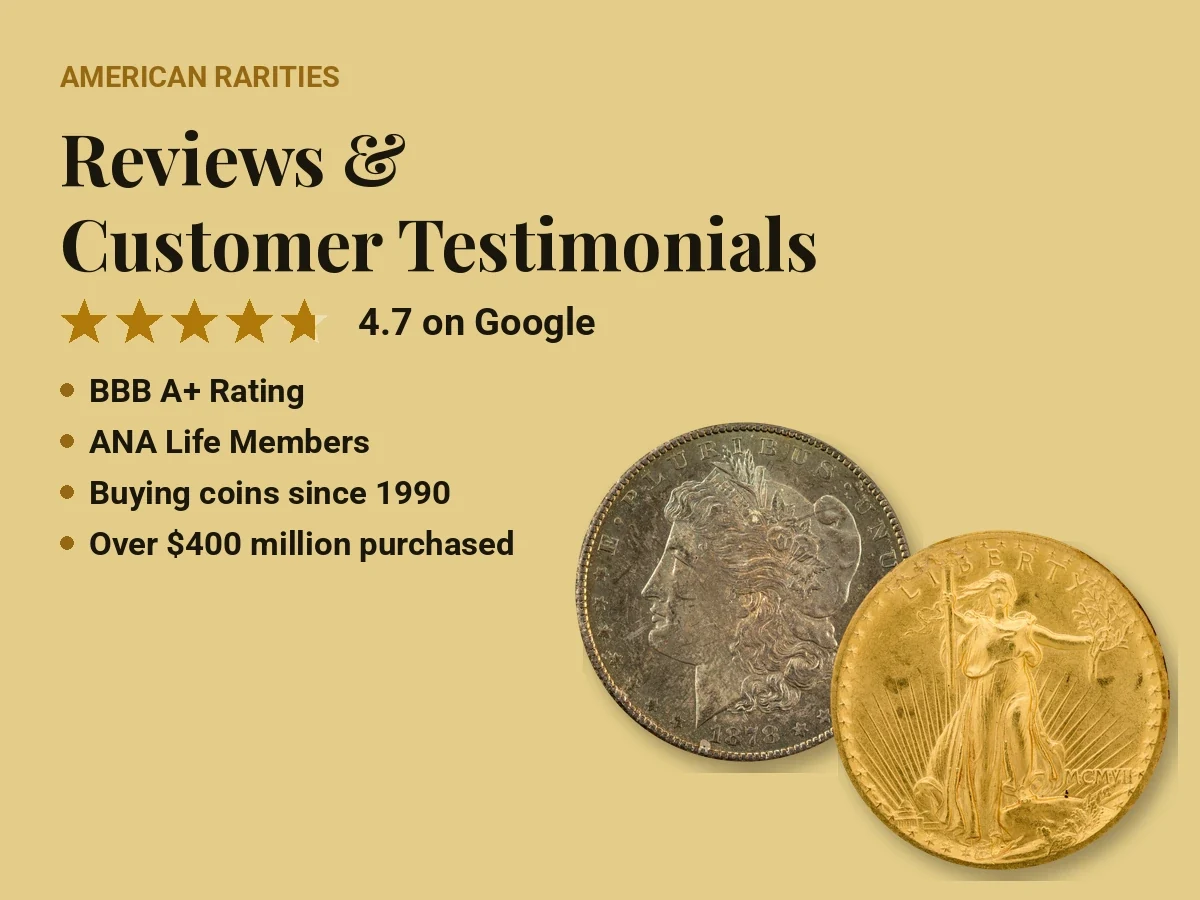
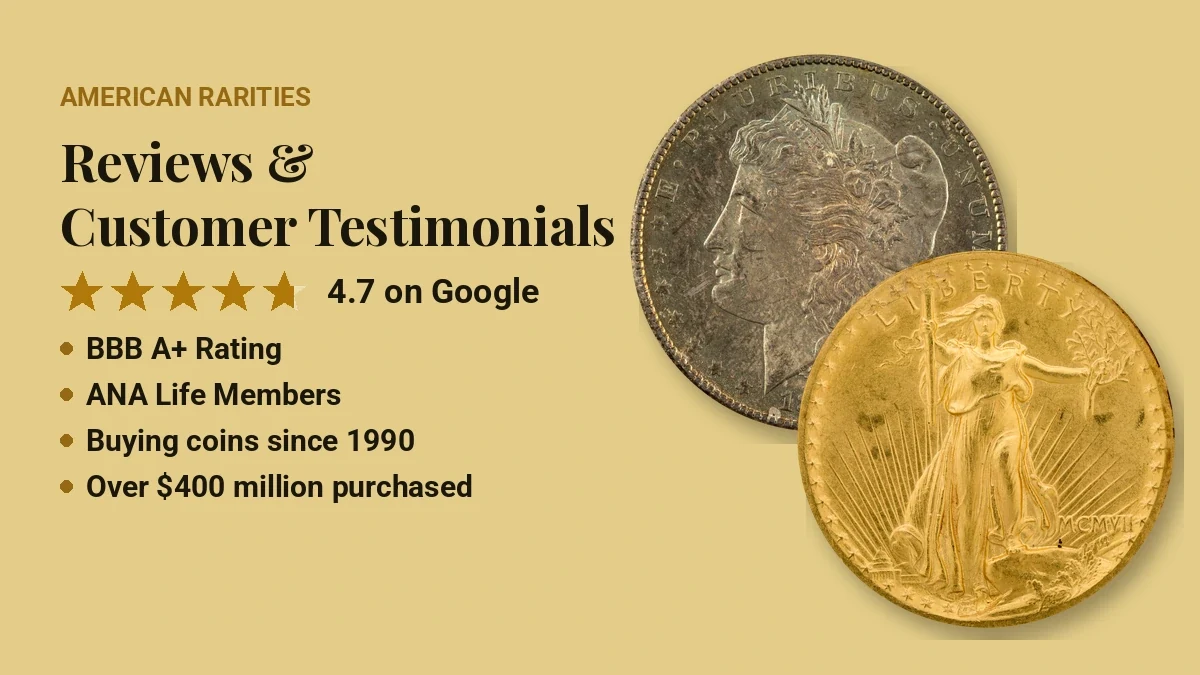
Before you hand your coins to anyone, check the buyer’s record. Look for years in business, a strong Better Business Bureau rating, membership in the American Numismatic Association, and reviews from real sellers on Google. Ask whether the dealer is authorized by the major grading services, and whether they will put their offer in writing.
American Rarities has been buying coins since 1990 and has purchased over $400 million in rare coins, bullion and collectibles. We hold an A+ rating with the BBB and a 4.7-star Google rating, we are ANA Life Members, and we are an authorized PCGS, NGC and ANACS dealer. See why sellers choose us on our coin collection buyers page and our page on the best place to sell a coin collection.
Don’t Let Anyone Cherry-Pick
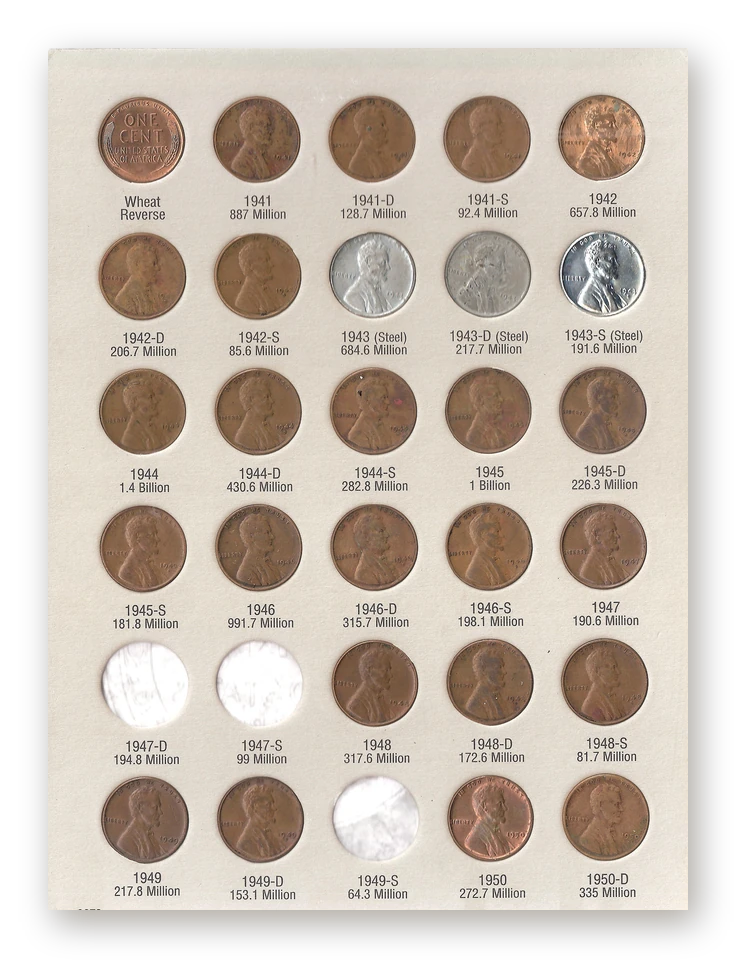
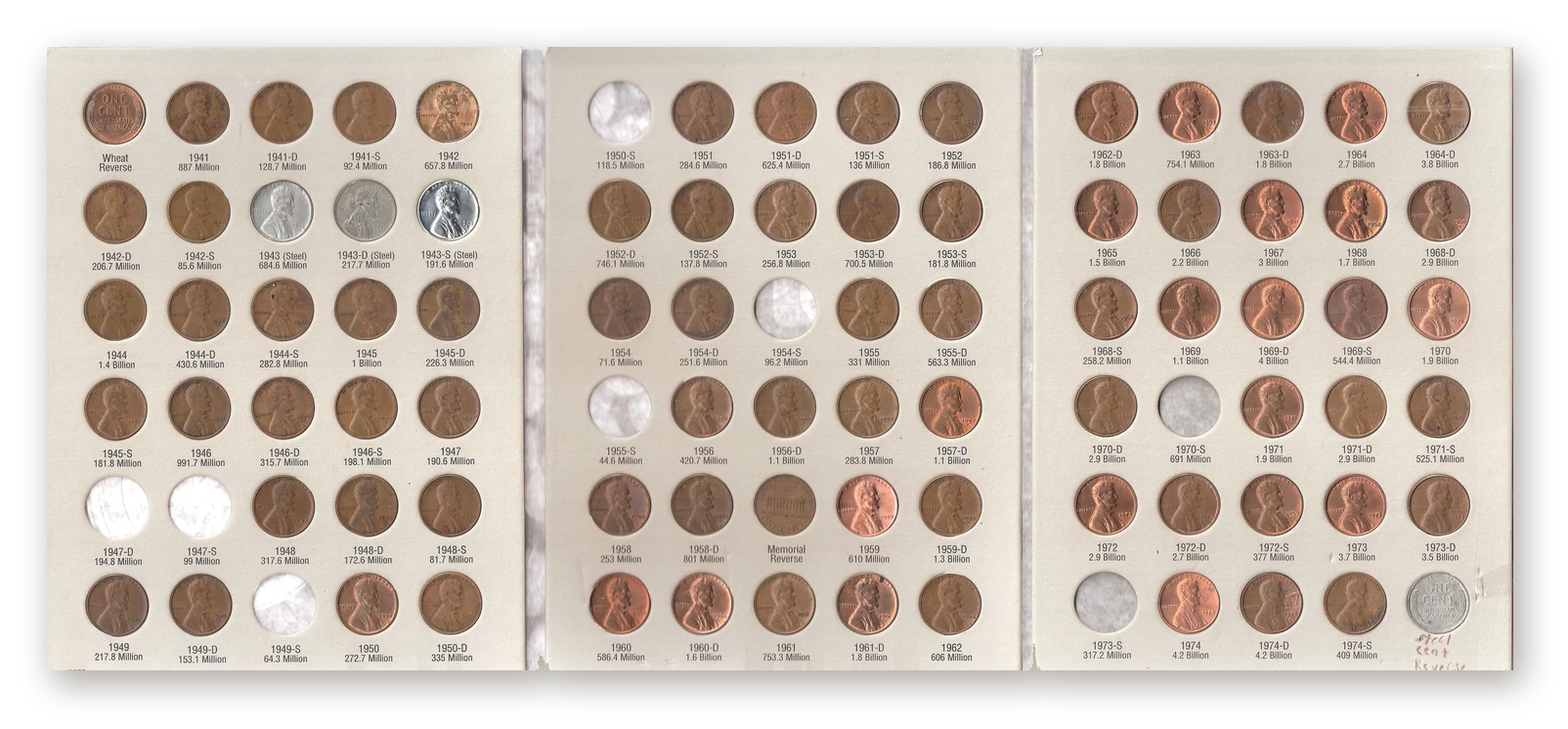
Cherry-picking is when a buyer takes only the best coins out of a collection and leaves you with the rest. It happens at estate sales, coin shows and kitchen tables. A few key dates pulled from a Lincoln cent folder like this one can carry much of its value, and once they are gone, what is left is harder to sell and often worth less as a group.
Get the whole collection appraised before you sell any of it, and be cautious of buyers who only want “the good ones.” If you do choose to sell in pieces, sell with a full itemized appraisal in hand, so you know exactly what you are giving up. Our article on mistakes to avoid when selling rare coins covers cherry-picking and other common pitfalls, and silver sellers should also read what to avoid when selling 90% silver coins.
Close the Sale Safely
Once you have an offer you like, the last two tips protect you while the coins and the money change hands.
Ship Fully Insured or Meet in Person
Never mail coins without full insurance and tracking, and never carry a valuable collection to a stranger’s home or a parking lot. With a reputable dealer, you have two safe choices.
- Ship fully insured. For smaller collections, we pay for fully insured shipping. You pack the coins snugly in a sturdy box of your own, and if you decline our offer, we return your items fully insured.
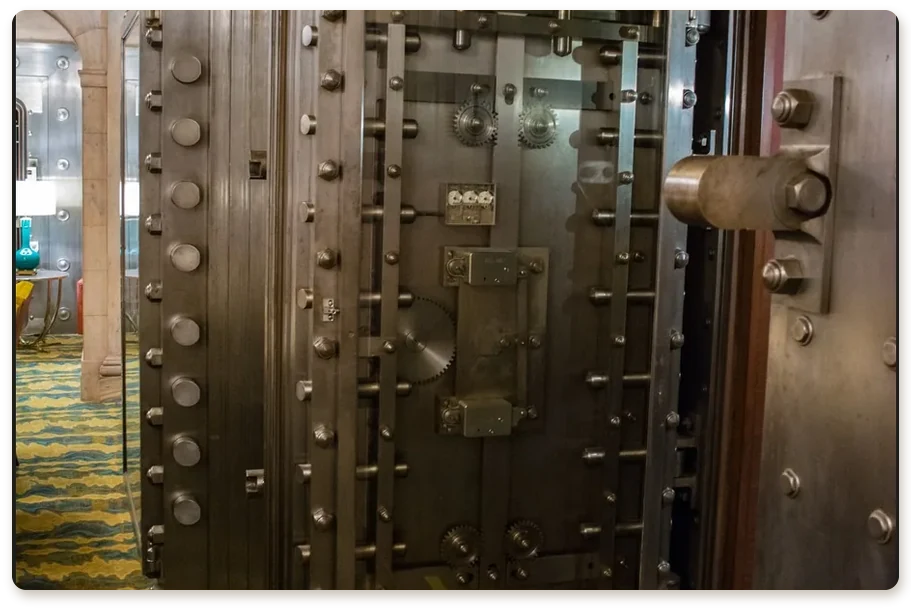
- Meet in person. For larger collections, we meet you at your home or at your bank anywhere in the country. Meeting at your bank keeps the coins close to your safe deposit box and makes the visit easy and secure.
Our page to sell a large coin collection describes how in-person visits work, and our estate appraisals and liquidation page explains how we help executors and families. Before you mail anything, see our guide on how to ship a coin collection safely.

Know How You’ll Be Paid
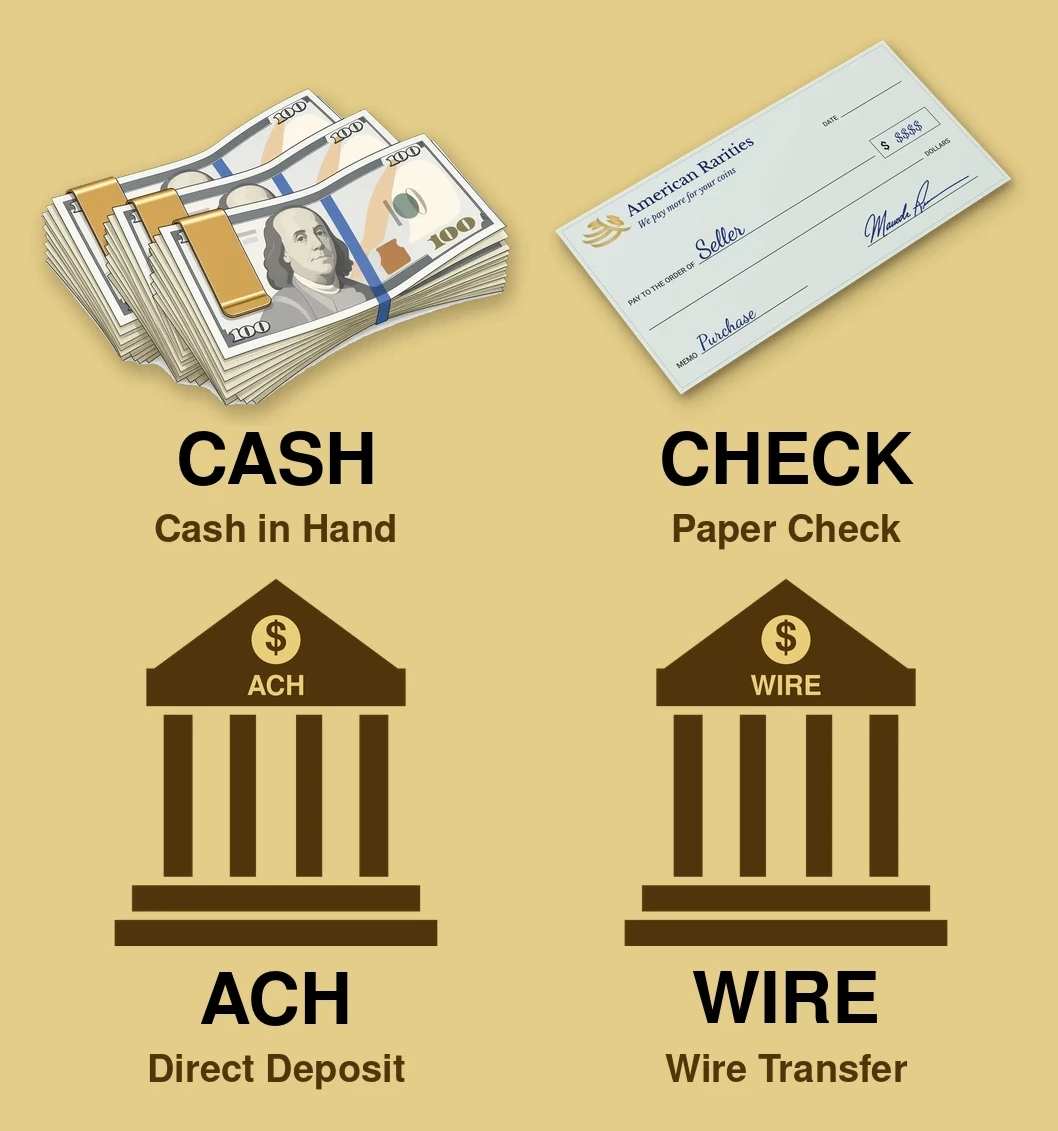
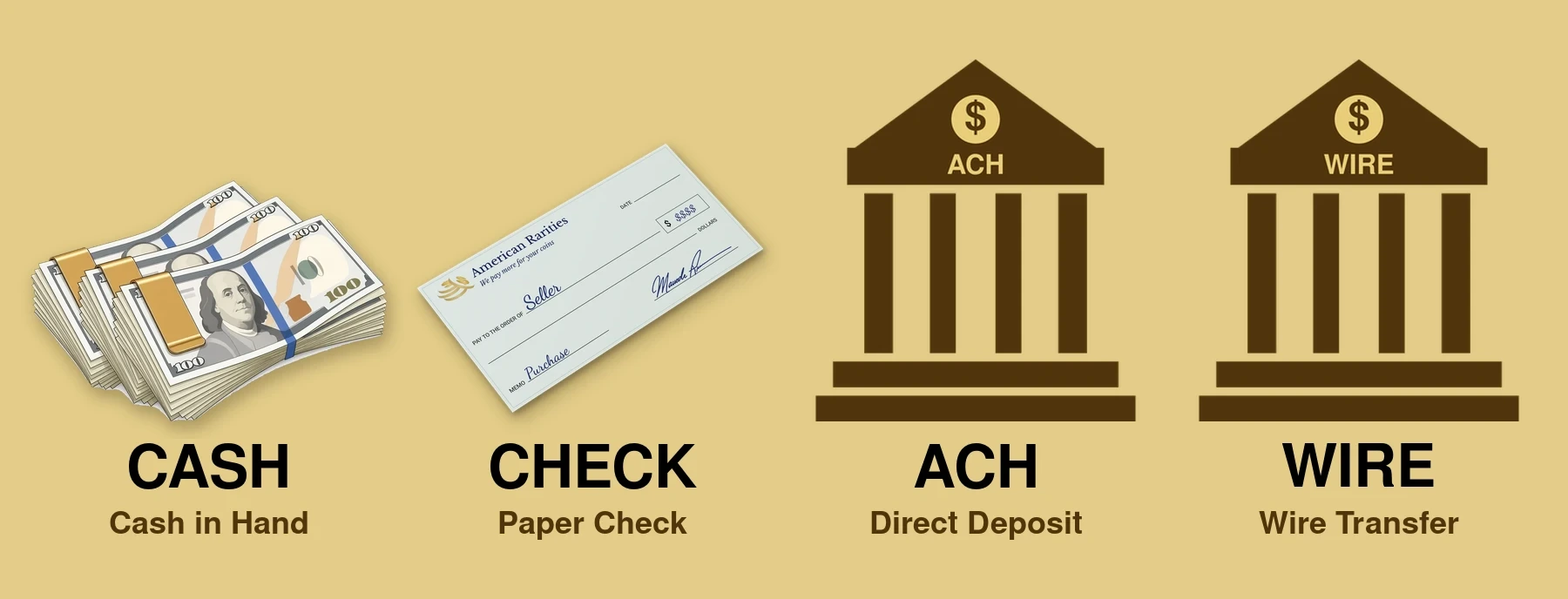
Agree on how and when you will be paid before you hand anything over. Ask whether the buyer pays immediately, and by what method. Cash in hand, a business check, an ACH direct deposit and a bank wire are all common, and each has its place. For larger sales, a bank wire or ACH payment is usually the safest and leaves a clear record.
Get an itemized bill of sale that lists what you sold and what you were paid. Keep it with your records for your tax preparer. If you are selling for an estate, our guides on the tax implications of liquidating bullion vs. rare coins in an estate and for CPAs on step-up in basis and date-of-death values explain why those records matter. When you sell to American Rarities, we pay you immediately by cash, check, ACH or wire.
Ready to Sell Your Coin Collection?
Put these tips to work with a free, no-obligation appraisal. The process is the same for a single folder of coins or a houseful of collections.
Send Photos and/or a List
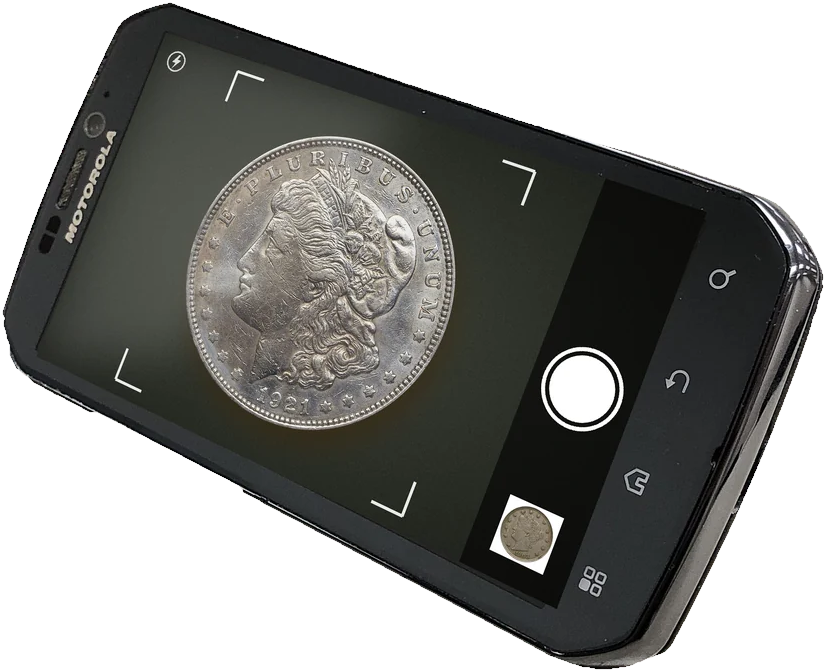
Text photos to 720-600-4740, email them to staff@americanrarities.com or use the form below. A simple list of what you have is a great start. Appraisals are usually done within 24 hours, and you get a free, itemized written offer with no obligation.
Free Grading Opinion
Not sure whether any of your coins are worth sending to PCGS, NGC or ANACS? We’ll tell you which ones, if any, would pay for grading, so you don’t spend money you won’t get back. If you accept our offer, ship fully insured at our expense, or we can meet you at your bank.
Get Paid
When you accept our offer, we pay you immediately by cash, check, ACH or wire, with an itemized bill of sale for your records.
Founded in 1990, American Rarities has purchased over $400 million in rare coins, bullion and collectibles. We hold a 4.7-star Google rating and an A+ rating with the BBB, we are ANA Life Members, and we are an authorized PCGS, NGC and ANACS dealer.
More guides for sellers: how to sell a coin collection, how to sell inherited coins, what to do with old coins found in an estate, how to sell gold coins, how to sell silver dollars, how to sell proof and mint sets, how to sell paper currency, tax implications of liquidating bullion vs. rare coins in an estate, a guide for CPAs on step-up in basis and a what to do first guide for professional organizers.
You can also call 800-622-5680. Calls go to our answering service, so leave a message and we will call you back. Or visit our contact a rare coin buyer page.