The Paradox of Preservation: Why “Taking Care” of Your Coins Can Destroy Their Value
In the world of rare collectibles, the road to financial ruin is often paved with good intentions. For a collector in the historic plains of Lincoln, Nebraska, or an Executor in Birmingham, Alabama, who has inherited a legacy collection, the instinct to “improve” the appearance of old currency is powerful. We call this the story of “the guy who took real good care of his coins”, a cautionary tale from our three decades in the numismatic industry. It illustrates how a single afternoon of well-meaning “maintenance” can wipe out 90% of a collection’s market value. In the 2026 market, where “originality” and “technical surface integrity” are the primary drivers of price, understanding what not to do is the most important skill an heir or Trustee can possess.
Founded in 1990, American Rarities has spent more than 30 years helping families navigate the delicate balance of coin preservation, and we have purchased over $350 million in rare coins and collectibles along the way. Our nationwide team of reputable buyers understands that a rare coin is a historical artifact whose value is tied to its “original skin.” We provide the transparency, security, and professional guidance necessary to ensure that individuals and professional fiduciaries receive a fair, written evaluation of their assets before a simple mistake turns a treasure into a tragedy. If you are unsure whether your coins have been cleaned, start with a free online coin appraisal before you touch them.
The Texas Case Study: A $50,000 Mistake

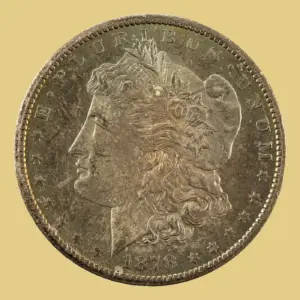
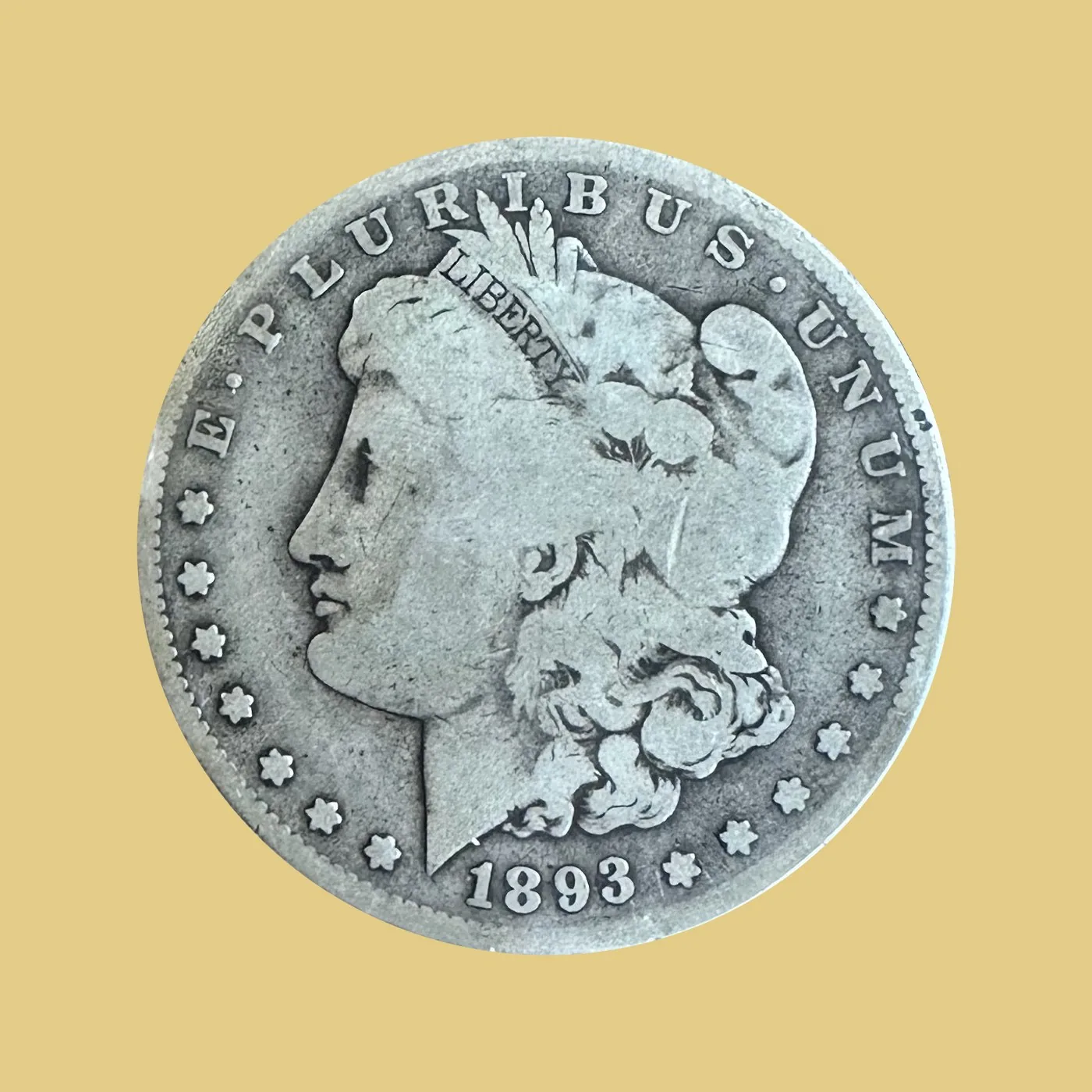
We once received a call from a gentleman in Texas who was ready to sell a significant collection he had “maintained” for years. The inventory included a high-grade 1893-S Morgan Silver Dollar, a “holy grail” of American coinage that can realize tens of thousands of dollars at a major auction. However, the owner had committed two catastrophic errors based on a misunderstanding of how to “care” for precious metals.
Deciding where to sell a coin like this? Compare the options in our guide to coin shop vs. coin auction.
Error #1: The “Olive Oil Bath”

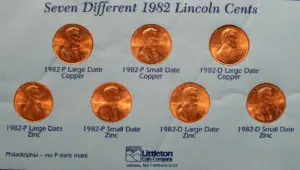
Believing that olive oil would preserve the copper in his Lincoln Wheat Cents, the owner had submerged thousands of coins in plastic containers filled with oil.
- The Reality: Coins are reactive. Household substances like olive oil can become acidic over time, chemically altering the surface of the metal. Furthermore, storing coins in non-inert household plastics can cause “PVC damage,” a green, sticky residue that eats into the coin’s surface. Proper storage requires chemically inert, PVC-free holders or professional “slabs.”
Error #2: Harsh Mechanical Cleaning
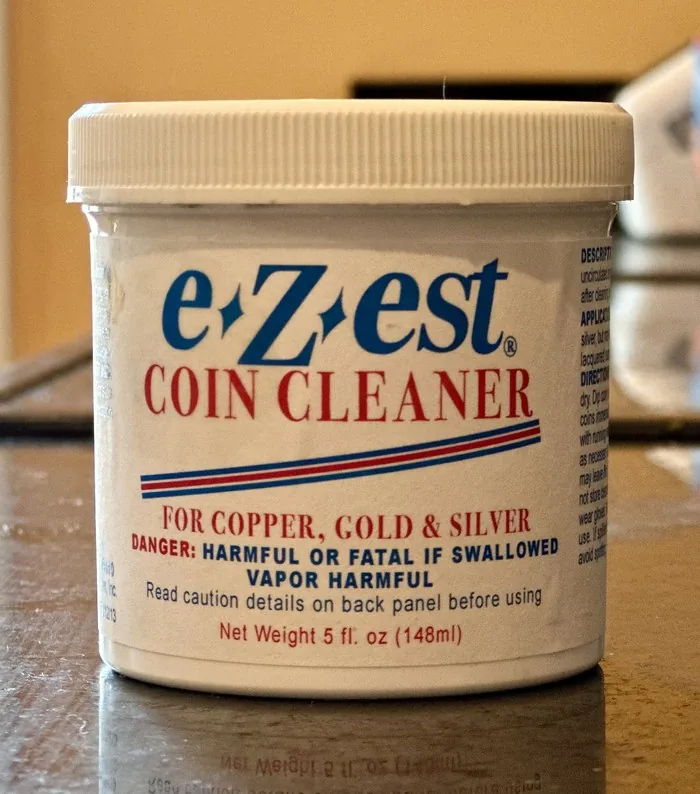
Perhaps the most heartbreaking moment came when the owner decided his 1893-S Morgan Dollar wasn’t “shiny” enough for our visit. He used a commercial silver polish and a cloth to scrub the coin until it gleamed like a new mirror.
- The Reality: In numismatics, “shiny” is rarely synonymous with “valuable.” A coin’s value is derived from its original mint luster and its natural “patina” (toning). Cleaning a coin creates microscopic scratches (hairlines) and removes the original surface of the metal. To a professional appraiser, a cleaned coin is instantly recognizable and is often valued at only a fraction of its “original” counterparts.
Toning vs. Cleaning: Understanding Surface Integrity in 2026
For an Heir or Fiduciary, distinguishing between “dirty” and “toned” is the difference between a high-value asset and a common one.
The Beauty of Original Toning

Over decades, silver and copper coins react with the environment to develop a “skin” of color known as toning. This can range from subtle ambers to vibrant “rainbow” hues. In the 2026 market, “originality” is highly prized. Collectors will often pay a massive premium for a coin with beautiful, natural toning because it proves the coin has never been chemically messed with.
The “Whizzed” and Polished Trap

Many people mistake a “whizzed” coin (one that has been mechanically buffed, often with a rotary wire brush) for a high-grade specimen because it is extremely bright. However, “whizzing” is considered a form of severe damage. Professional grading services like PCGS and NGC will refuse to assign a numeric grade to these coins, and instead return them in “details” holders with notes such as “Cleaned” or “Altered Surfaces.” We provide the high-powered magnification necessary to identify these alterations for our clients.
Proper Preservation: The “Do Nothing” Rule
If you are an Executor or Trustee managing a coin estate, the best advice we can give is to do absolutely nothing.
1. Safe Handling Protocols

If you must move the coins, handle them only by the edges. Even the natural oils on your fingertips can leave permanent prints on a pristine copper or silver surface. We recommend using powder-free nitrile or lint-free cotton gloves.
2. Climate-Controlled Storage
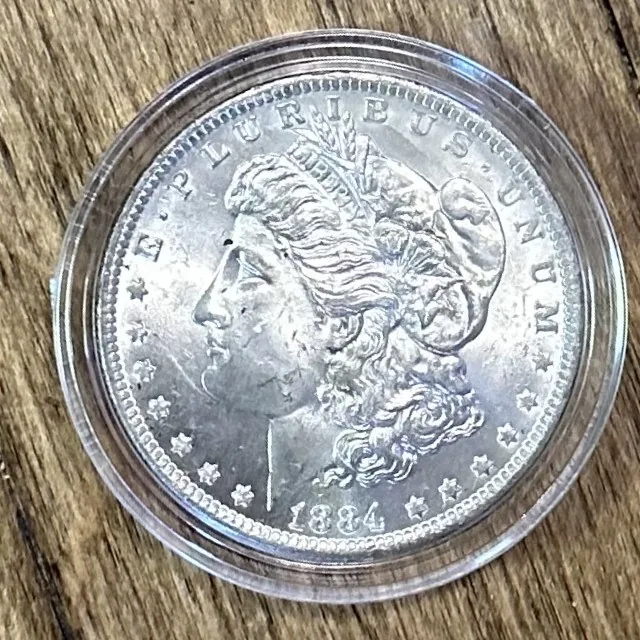
Rare coins should be kept in a cool, dry place. Humidity is the enemy of numismatic value, as it accelerates oxidation and spotting. Avoid basements or attics. A bank safe deposit box or a home safe with a desiccant pack is the ideal environment.
3. Avoiding the “Improvement” Urge
Never use soap, water, vinegar, baking soda, or metal polish on a coin. If a coin looks dark or “dirty,” leave it as is. A professional buyer will appreciate the “originality” of the piece far more than a synthetic shine.
The American Rarities Advantage: Professional Integrity
Liquidating a collection, especially one that has been “cleaned”, requires a partner who provides an honest, transparent assessment based on 2026 market realities.
Credentials and Proven Integrity: Our 30-Year Legacy
We are proud Life Members of the American Numismatic Association (ANA) and maintain an A+ rating with the Better Business Bureau. Our commitment to professional ethics is further reflected in our 4.7-star Google rating from 86 reviews, and we provide IRS-compliant written appraisals when an estate needs documentation. For a Fiduciary, these credentials provide the necessary “due diligence” proof needed to satisfy the legal requirements of an estate settlement.
Three Paths to a Professional Evaluation in 2026
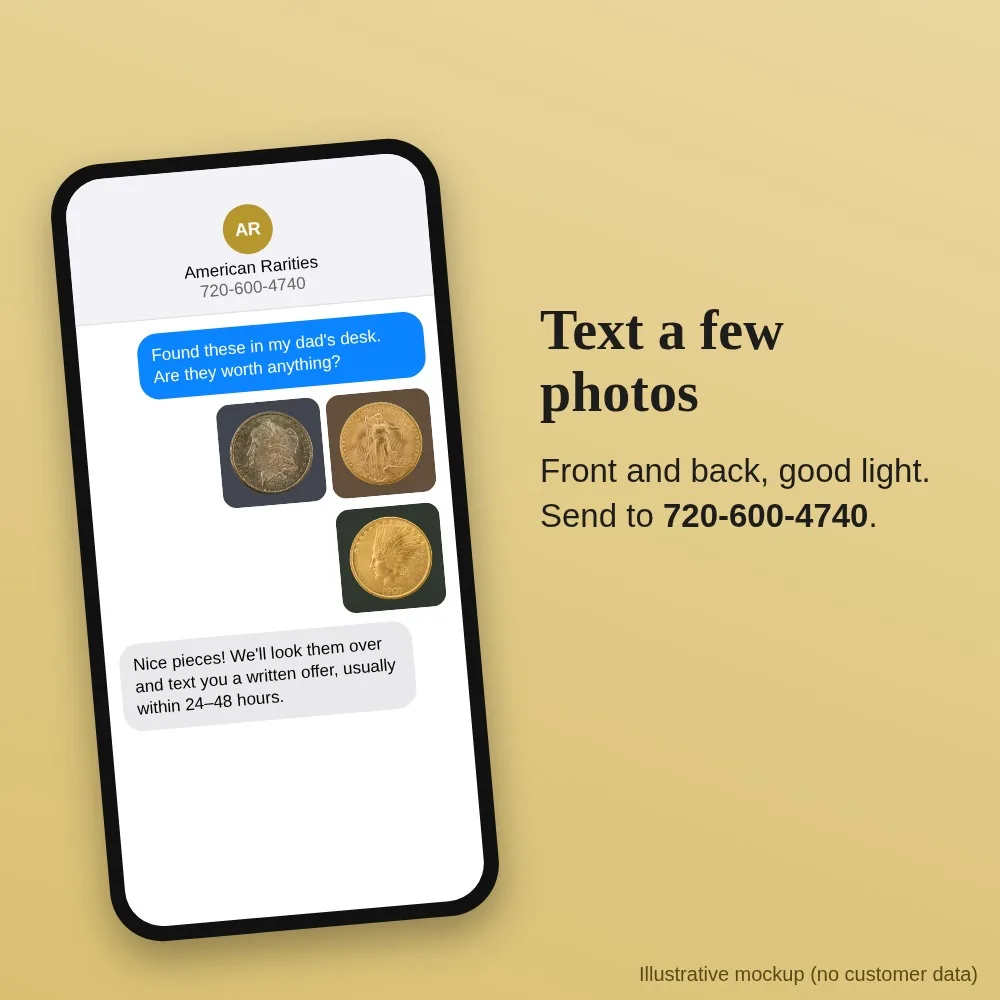
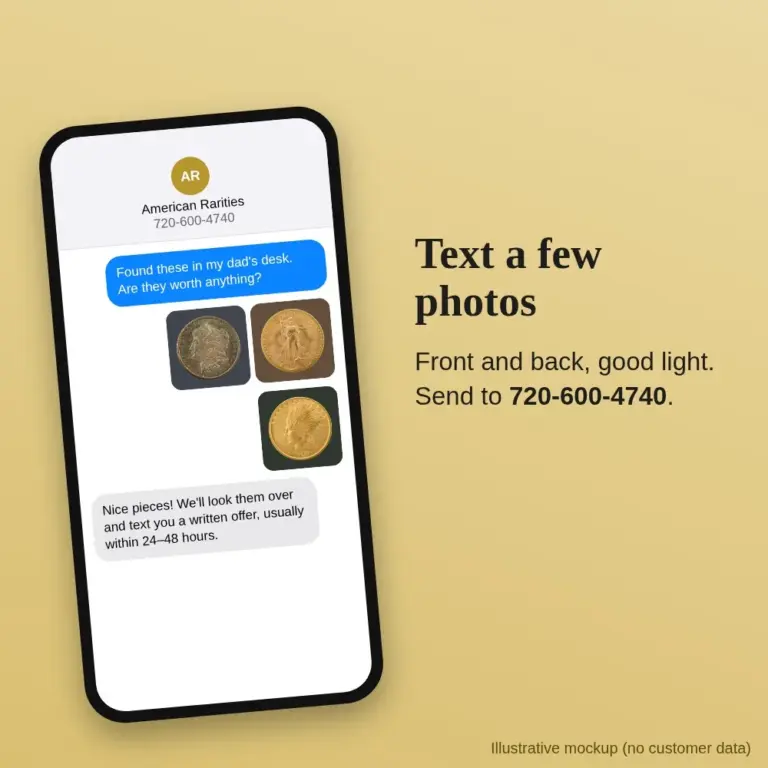 Private Remote Appraisal: This is our most efficient entry point. Simply text or email clear, high-resolution photos of your coins. Our senior appraisers can quickly identify if a coin has been cleaned or if it possesses original toning. We provide a preliminary valuation and a formal written offer within 24 to 48 hours.
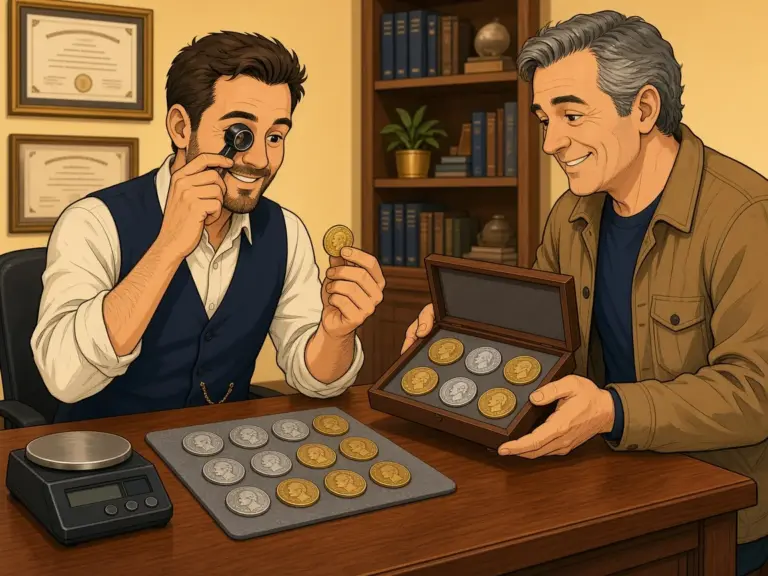 Reputable Home and Office Visits: For significant collections or high-value estate holdings, our reputable buyers travel nationwide to provide private, in-person evaluations. We can meet you at your home, law office, or bank vault for a secure, professional inventory.
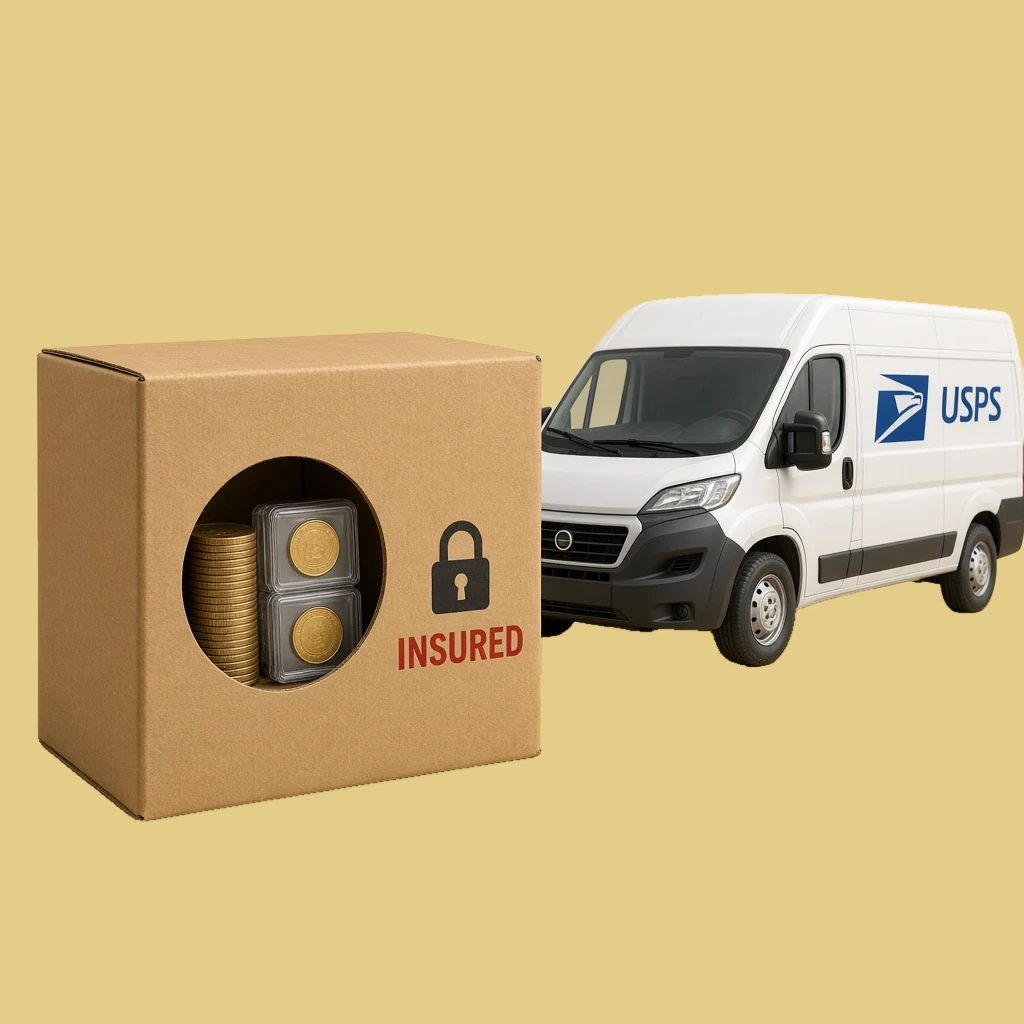
 100% No-Risk Mail-In Service: For those who prefer a digital-first approach, we offer a secure, insured shipping process. Your collection is fully covered with no deductible, and we provide active tracking from the moment it leaves your door until it arrives at our secure facility.

Strategic Auction House Partnerships
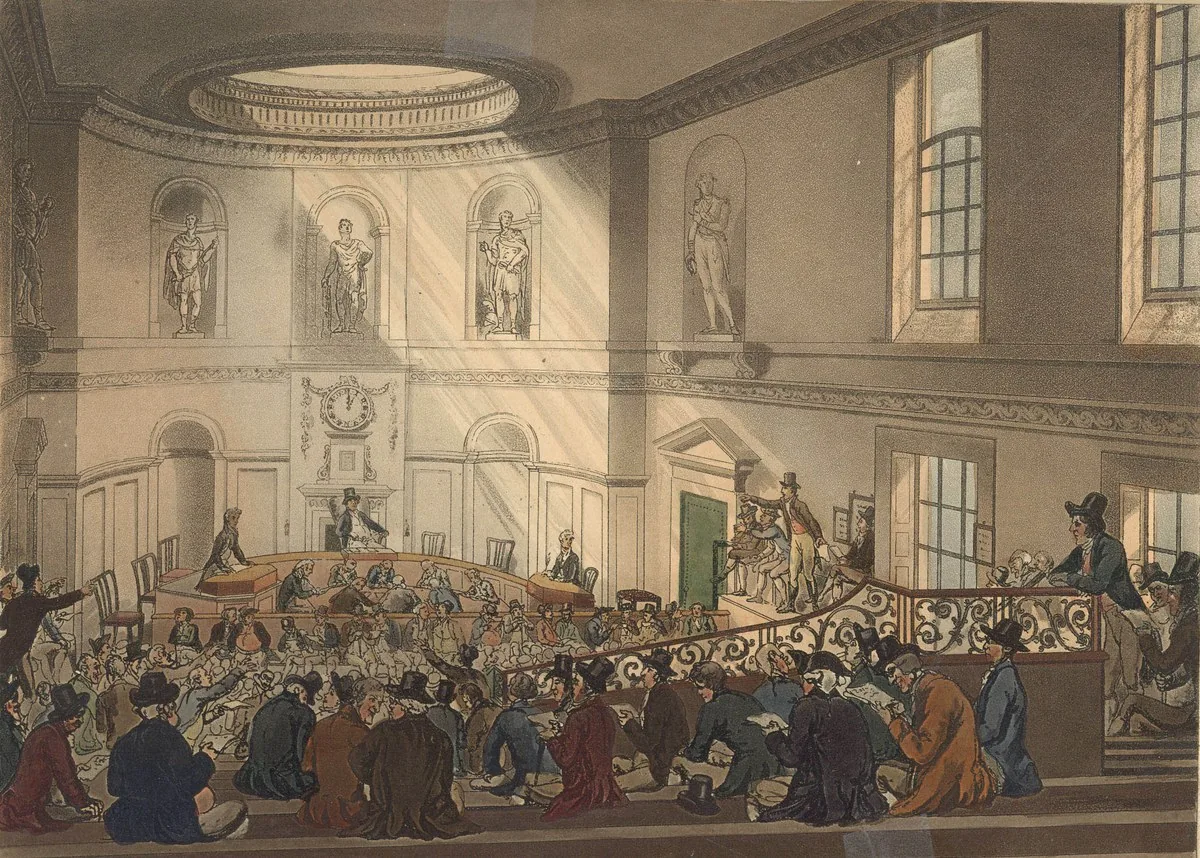
While we are aggressive direct buyers who provide immediate capital, we also recognize when a “trophy” rarity, perhaps an untouched Morgan Dollar with world-class toning, belongs on a global stage. Through our long-standing Auction House Partnerships, we can manage the consignment process for you. We often secure preferential auction fees and rates for our clients, ensuring your highest-tier assets achieve their maximum potential. Original, uncleaned surfaces are a big part of why top coins bring record prices; see the most expensive coins ever sold for examples. If you are weighing a direct sale against auction for a big holding, our guide on how to sell a large coin collection walks through both options, and our guide to coin selling sites compares marketplaces, auction houses and direct buyers.
Cleaning Coins: Quick Answers
Does cleaning a coin ever increase its value?
Almost never. Ordinary cleaning lowers value. Only professional conservation, such as NCS, is acceptable, and only for specific problems like harmful residue.
I already cleaned my coins. Are they worth anything?
Yes. Cleaned coins lose their collector premium but keep their metal value and some collector value. We buy cleaned coins every day.
How do I know if my coins have PVC damage?
Look for a green, slimy film or a plastic smell. Move the coins to PVC-free holders right away and send us photos so we can judge the damage.
Professional Support for Fiduciaries and Estate Professionals
For Estate Planners, Fiduciaries, and Trustees, a rare coin collection is a fragile asset that requires expert handling. By working with a reputable, national firm like American Rarities, you avoid the administrative burden and legal liability of mismanaging “cleaned” or “damaged” assets. We offer a comprehensive, “one-stop” solution for liquidating the numismatic portion of any estate, providing you with a documented, transparent transaction from start to finish. Learn more about our estate appraisals and liquidation services.
Realize the Value of Your Original Collection Today
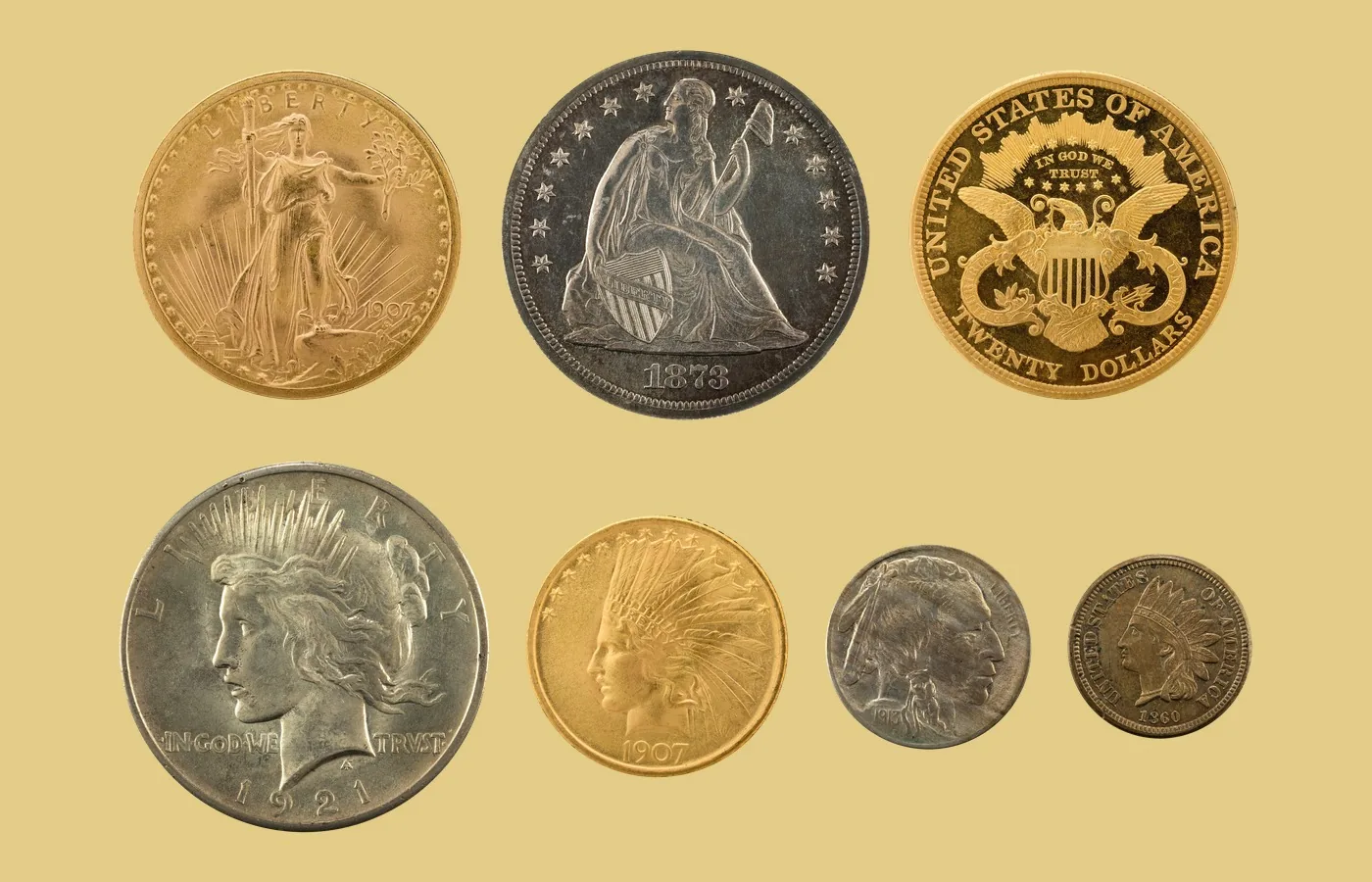
Your coins represent a significant investment of time and history. Don’t let a “cleaning” mistake destroy that legacy. Whether you have a pristine uncirculated set or a collection in need of professional evaluation, American Rarities is ready to provide the expertise and the top-dollar offer you deserve.
Ready to start your no-obligation 2026 appraisal?
- Text photos to: 720-600-4740
- Email an inventory list to: staff@americanrarities.com
- Submit our secure contact form below, or request a free online coin appraisal.
From the historic plains of Nebraska to the industrial heart of the Deep South, American Rarities provides expert appraisal and purchasing services across the entire United States. Your legacy is our priority. Let’s protect your value together.