

Step 1: Know What Kind of Set You Have
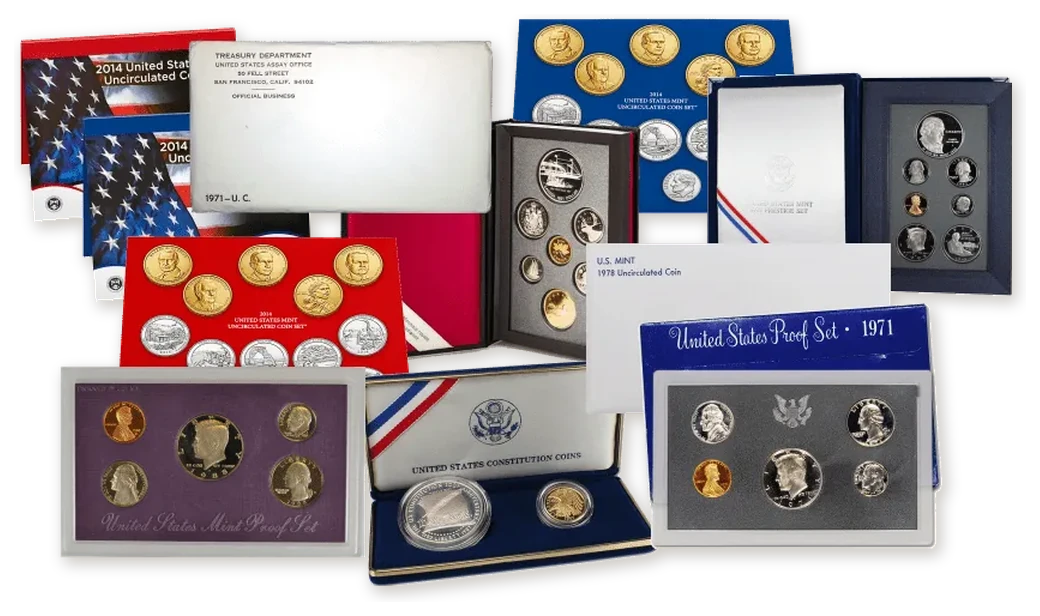
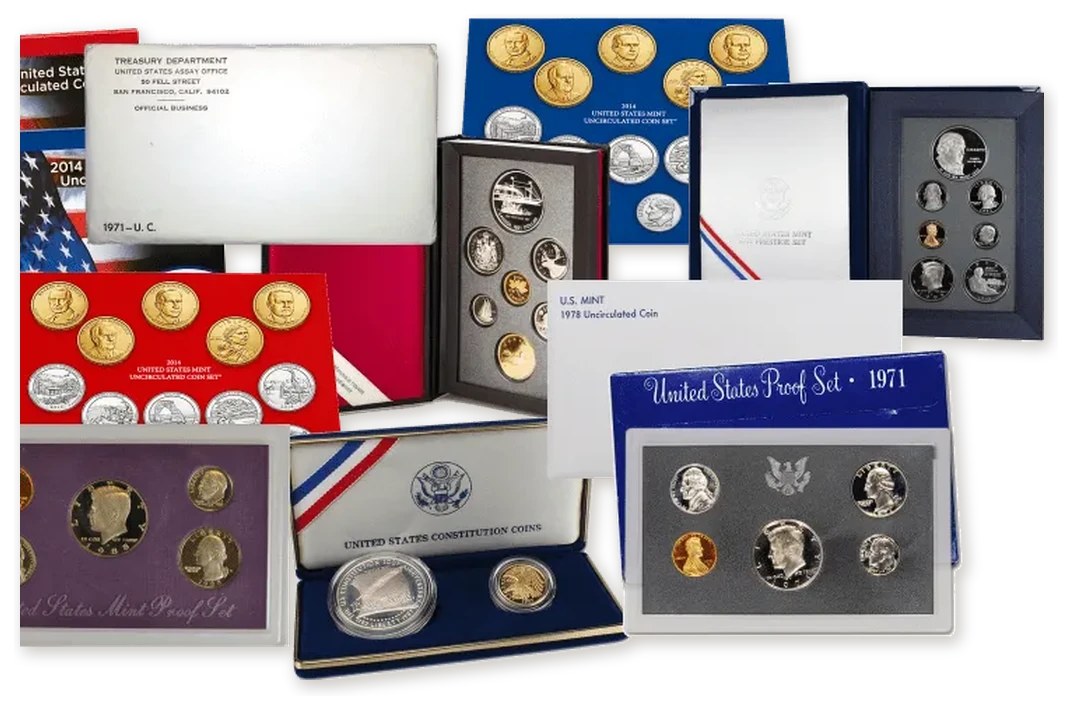
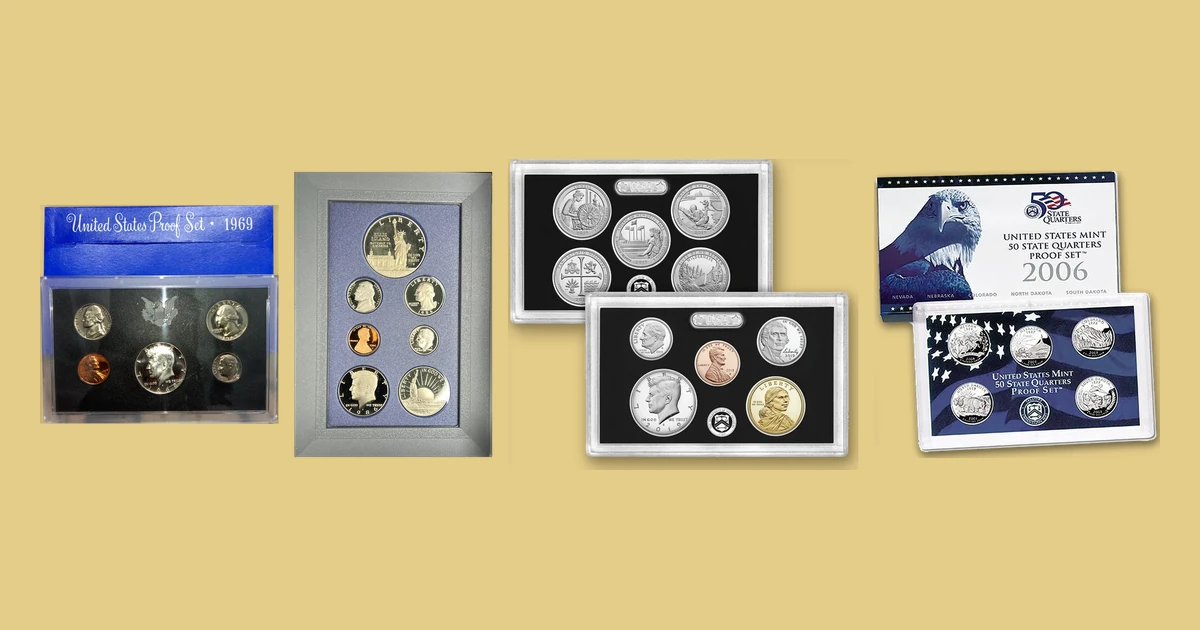
The U.S. Mint has sold several kinds of sets to collectors, and each has its own market. Proof sets and mint sets are the most common, but most collections also include a few Prestige sets, silver sets or commemorative sets. The type of set is usually printed on the box, envelope or certificate, so start there.
Coins in a proof set have mirror-like backgrounds, and many have frosted designs. Coins in a mint set have the ordinary satin finish of coins made for circulation, just never spent. If the coins look like small mirrors, it is almost certainly a proof set.
- Proof sets. Proof coins are struck at least twice with polished dies on specially prepared blanks. The Mint sold proof sets from 1936 to 1942, from 1950 to 1964 and every year since 1968. Early sets came in small boxes, sets from mid-1955 to 1964 came in flat cellophane packs, and since 1968 they have come in hard plastic holders, called lenses, with an S mintmark for San Francisco.
- Mint sets. Also called uncirculated sets, these hold one of each coin from each mint for the year. Sets from 1947 to 1958 were double sets with two of each coin in cardboard holders. Later sets came in cellophane or plastic. There were no regular mint sets from 1965 to 1967 or in 1982 and 1983, and sets from 2005 to 2010 have a special satin finish.
- Special Mint Sets. In 1965, 1966 and 1967, the Mint made no proof sets or regular mint sets. Instead, it sold Special Mint Sets in soft plastic holders, with coins of better quality than circulation strikes but not true proofs.
- Prestige sets. In most years from 1983 to 1997, the Mint sold Prestige proof sets, which add that year’s commemorative coins to the regular proof coins in a velvet-lined case.
- Silver proof sets, commemorative sets and other special sets. Since 1992, the Mint has sold silver versions of its proof sets, along with commemorative coin sets, State Quarters sets, Bicentennial sets and many other special products. Step 2 covers the silver sets, and our page on commemorative coins value covers commemoratives.
Our pages on U.S. and foreign mint sets, proof sets and commemorative coins and coin proof sets value explain more about each kind of set.
Step 2: Find the Silver Sets
Silver is the most common reason a set is worth more than face value, and the silver sets in a collection often account for much of its value. These sets contain silver:
- Proof sets from 1936 to 1942 and 1950 to 1964. The dime, quarter and half dollar are 90% silver.
- Mint sets from 1947 to 1964. The dimes, quarters and half dollars are 90% silver.
- Kennedy half dollars from 1965 to 1970. These are 40% silver, so Special Mint Sets, the 1968 to 1970 proof sets and the 1968 to 1970 mint sets all contain some silver.
- 1976 Bicentennial silver sets. The three-coin sets with the Bicentennial quarter, half dollar and dollar are 40% silver.
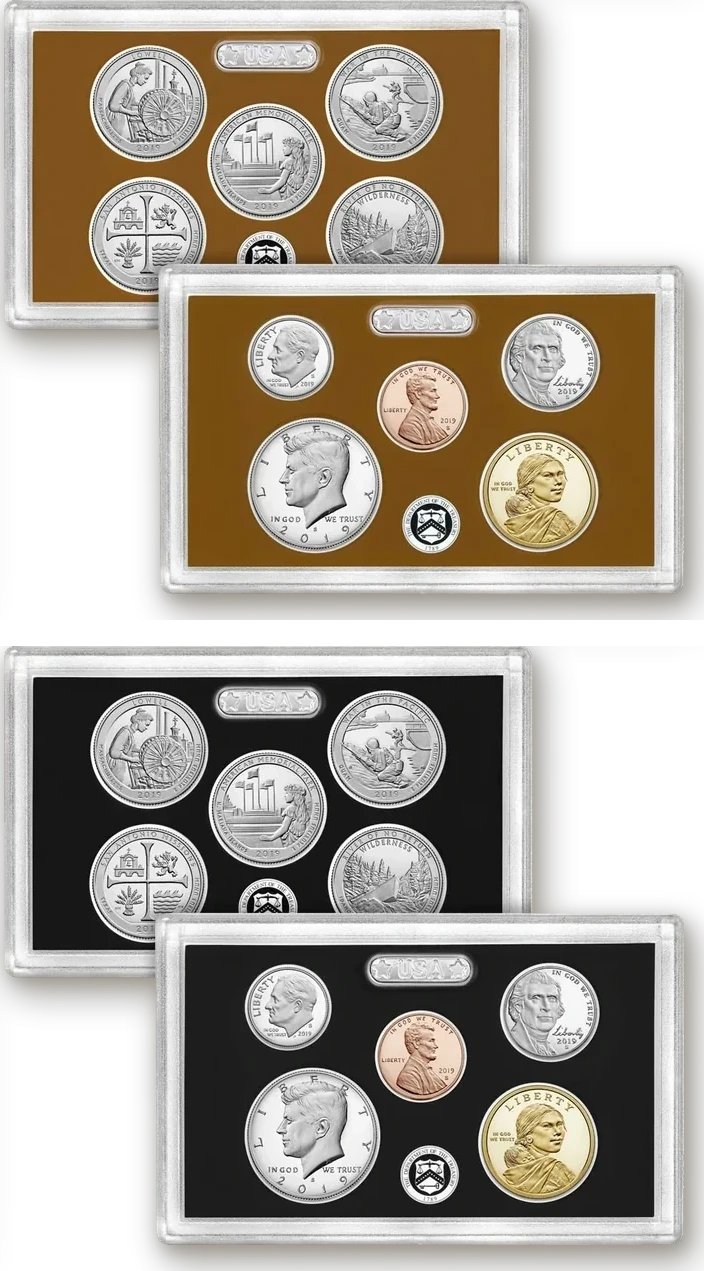
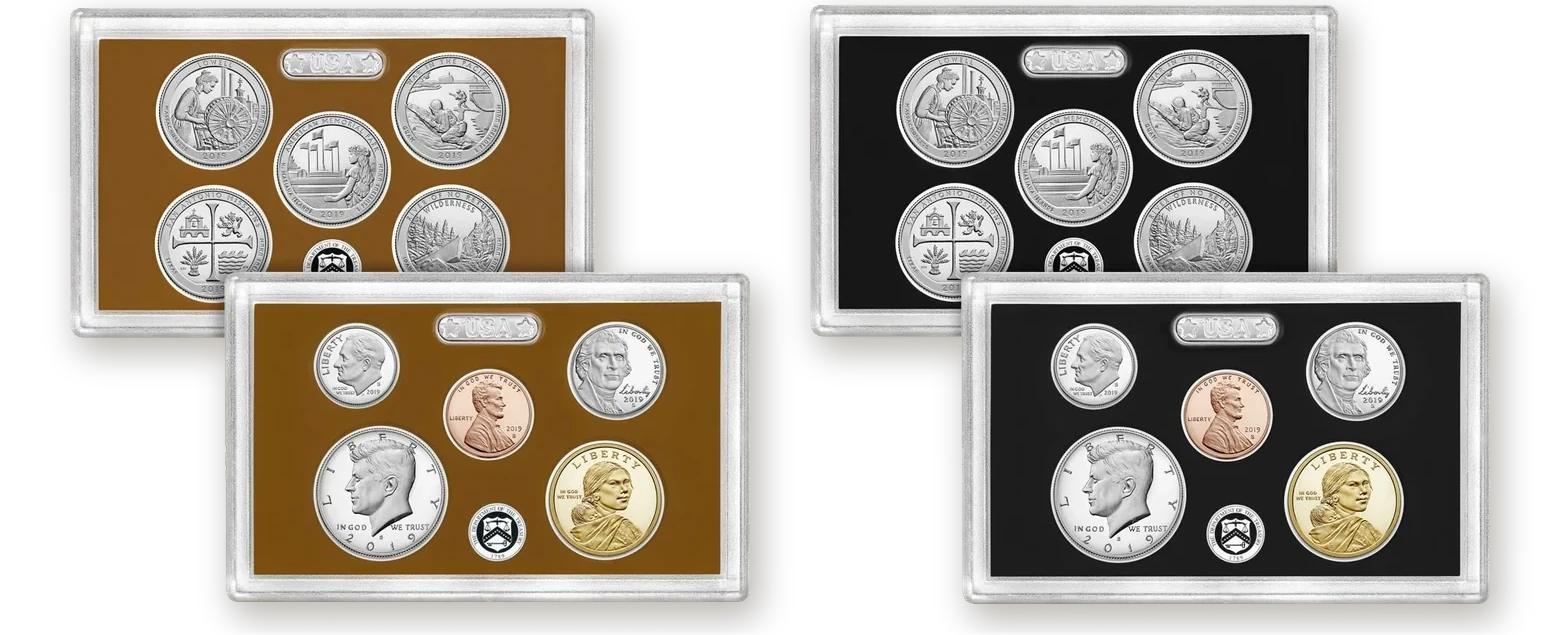
- Silver proof sets from 1992 on. The dime, quarters and half dollar are 90% silver through 2018 and .999 fine silver from 2019.
- Prestige sets and commemorative sets. Many include a silver commemorative dollar, and some include a silver half dollar.
Modern silver proof sets look almost exactly like the regular clad sets from the same year, as the 2019 sets shown here do. The box, the color of the insert and the certificate are often the easiest way to tell them apart, so keep everything together. Our page on 90% silver coins value explains how silver content is valued, and our silver proof set values page covers the silver sets year by year.
Step 3: Check for Key Dates, Varieties and Errors

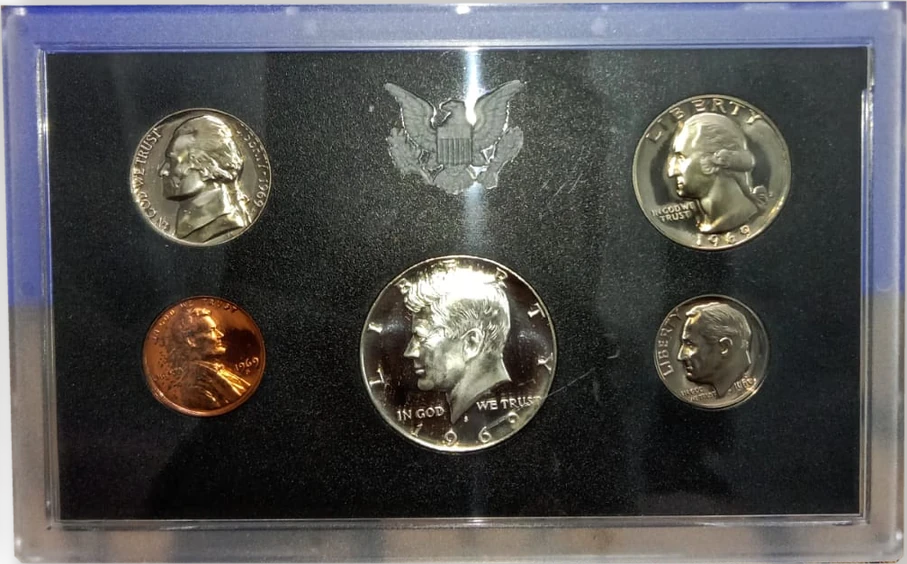
Within any era, a few sets are worth much more than the rest, often because of a single coin inside. Most of these differences are small, so look closely through the holder with a magnifier, but do not open it. Before you sell, check whether you have any of these:
- The 1970-S small date cent. Some 1970 proof sets hold a Lincoln cent with a smaller, lower date, a scarce variety that makes the set worth far more than a regular 1970 set.
- No-S proofs. A handful of proof coins were struck without the S mintmark: the 1968, 1970, 1975 and 1983 dimes, the 1971 nickel and the 1990 cent. All of them are rare, and the 1975 no-S dime is one of the rarest modern U.S. coins.
- Coins found only in sets. The 1970-D Kennedy half dollar was sold only in mint sets, and 1987 Kennedy halves were made only for collector sets, which makes those sets more desirable.
- Scarcer modern sets. Some sets were made in smaller numbers or are in steady demand, including the 1999 silver proof set and the 1997 Prestige set with the Botanic Garden dollar.
- Cameo and deep cameo coins. Proof coins with strongly frosted designs against deep mirror backgrounds, called cameo or deep cameo, can be worth much more, especially in sets from the 1950s and 1960s.
- Varieties and errors. Some 1960 proof sets hold a scarcer small date cent, and doubled dies and other errors turn up in sets from many years.
Our pages on error coins and variety coins and how to tell if you have an error coin explain more, and our guide to half dollars worth money covers the Kennedy halves in many sets. If you are not sure what you have, send us photos, and we will look for you.
Step 4: Keep Sets Intact and in Their Original Packaging

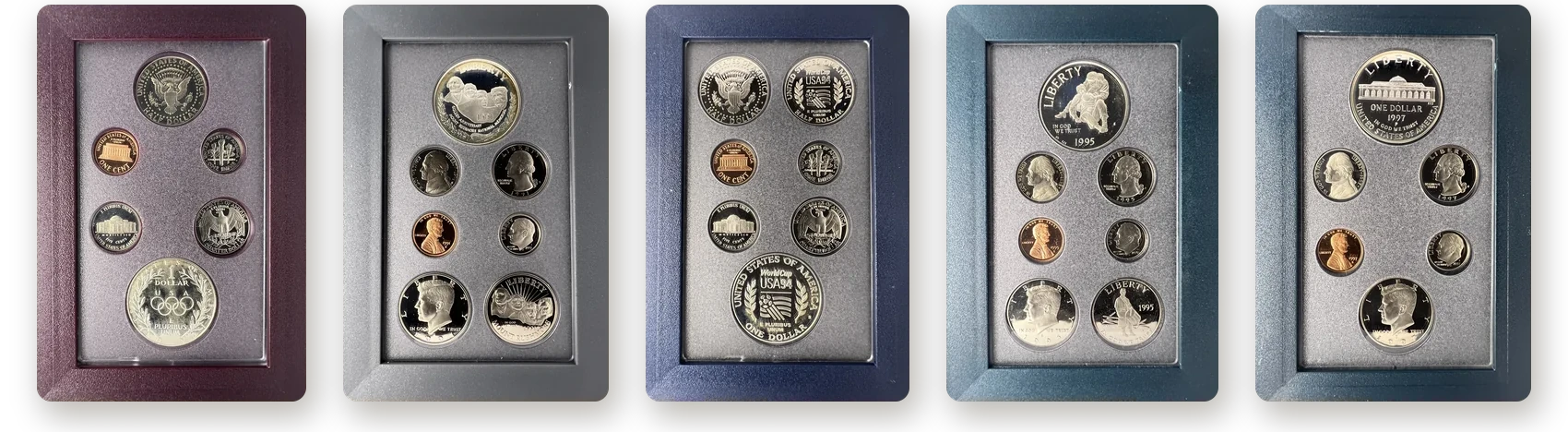
A complete set in its original Mint packaging is easier to sell, and is usually worth more, than the same coins loose. Collectors and dealers expect the original box or envelope, the holder and, for modern sets, the Certificate of Authenticity.
- Do not break up sets. Cutting open a cellophane pack or prying open a lens can scratch the coins and turns a complete set into loose coins. If one coin might be worth grading on its own, let an appraiser make that call.
- Do not clean the coins or polish the holders. Cleaning ruins the mirror surfaces of proof coins and is easy for buyers to spot. Leave toning and haze as they are.
- Keep the boxes, sleeves and certificates. Prestige sets and modern silver sets without their outer boxes or certificates can be harder to sell.
- Store sets flat in a cool, dry place. Heat and humidity can cause spots and haze inside the holders over time.
Condition counts even inside the packaging. Cracked lenses, haze, spots and dark toning all affect value, and a set with bright, clean coins is worth more than a set with problems. Show us any damage in your photos so your offer is accurate.
What About Broken Sets?
Broken sets, meaning loose proof coins or sets with a missing coin or packaging, still have value, especially when they include silver or key coins. They are usually worth less than the same sets complete, but do not throw away loose proof coins or partial sets. Include them with the rest of your sets. Our article on mistakes to avoid when selling rare coins covers more of the pitfalls.
Step 5: Be Realistic About Modern Sets

This is the part many people are surprised to hear. The Mint made modern proof sets and mint sets by the millions, and most buyers kept them in perfect condition. Because so many survive, most clad proof sets and mint sets from the 1970s onward sell for close to their face value or a modest premium, and most modern silver sets sell for close to the value of their silver.
That says nothing about how carefully the sets were bought or kept. Many were bought as gifts or to mark a birth year, and they remain a lovely keepsake. It simply means the value usually comes from silver, a scarce year or a variety rather than from the set itself.
The good news is that a few modern sets carry a real premium, as Step 3 explains, and a large group of modern sets can still add up. Our pages on U.S. proof set values and U.S. Mint proof set value cover the sets year by year.
Older Sets Are a Different Story
Proof sets from 1936 to 1942, proof sets from the early 1950s, original 1955 boxed sets and mint sets from 1947 to 1958 in their original cardboard holders were made in far smaller numbers. These sets are scarcer, and the best of them, especially those with cameo coins and original packaging, can be worth considerably more.
Ready to Sell Your Proof and Mint Sets?
Whether you have a single 1964 proof set or boxes of sets a family member bought every year, the steps are the same: identify what you have, find the silver, check for key dates and varieties, keep sets intact, set realistic expectations and work with a buyer who pays for everything your sets are worth. We have bought proof sets and mint sets from collectors, families and estates since 1990, and we would be glad to help you.
How to Get a Free Appraisal
Send Photos and/or a List
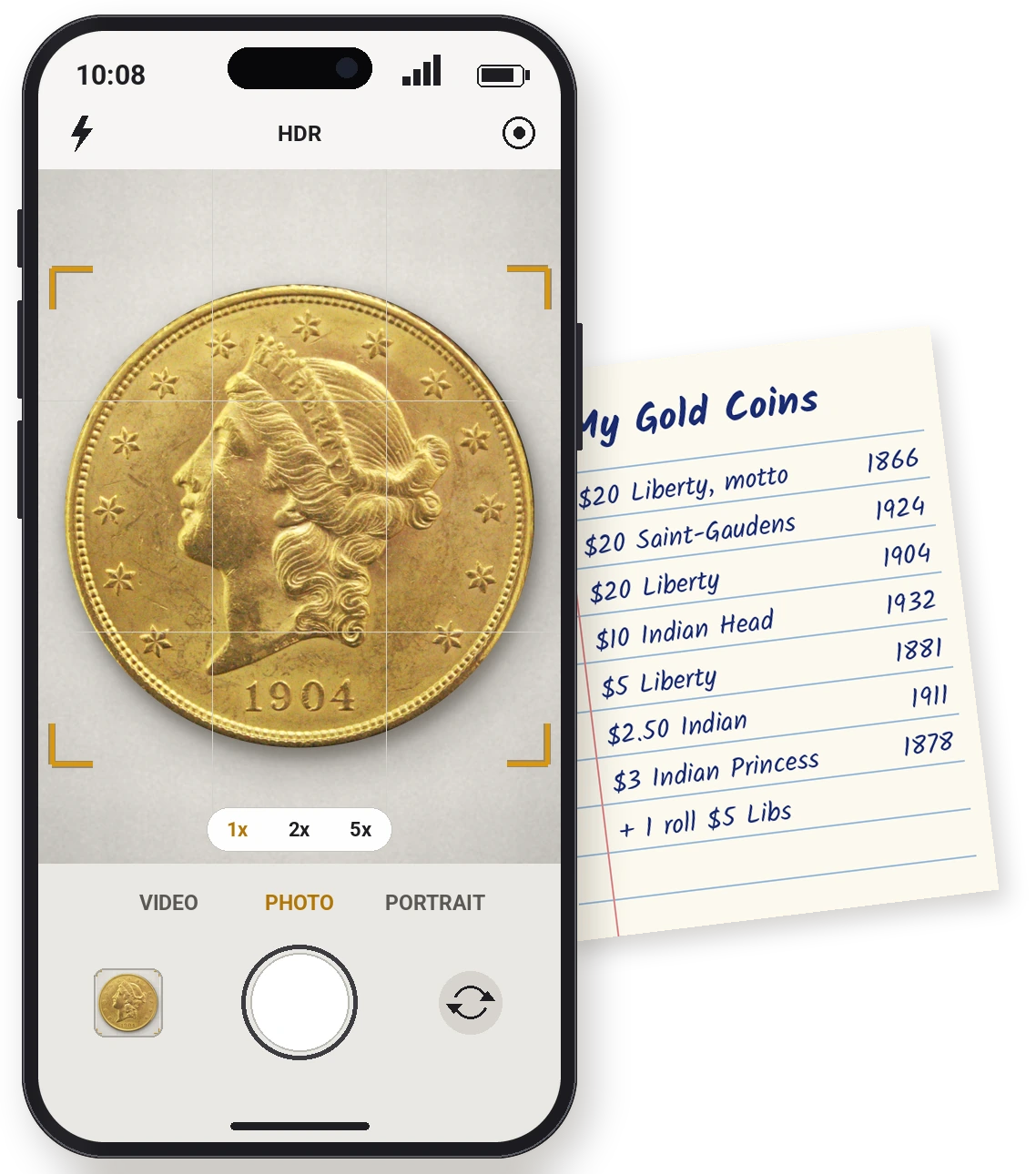

For sets, a list is often enough to start: the year and type of each set, how many you have and whether the boxes and certificates are included. Add photos of older sets, silver sets and any set you think may be special. Text them to 720-600-4740, email staff@americanrarities.com or use the form further down this page.
Get Your Free Written Offer


We send you a free, no-obligation written offer that lists each set or group with our price, like this sample (the figures are for illustration only). Appraisals are usually done within 24 hours, and you are welcome to compare our offer with others.
Ship Your Sets or Meet in Person
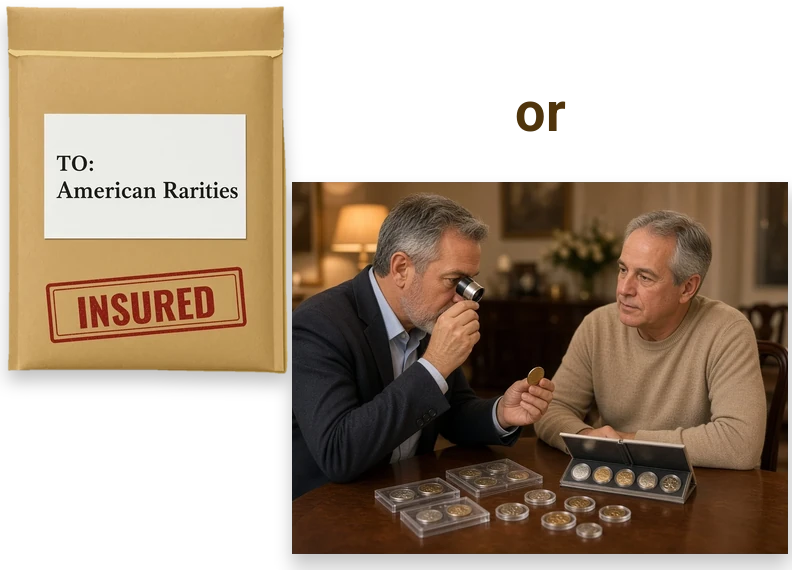
Pack your sets snugly in their boxes so they cannot shift, and ship them to us fully insured at our expense, or for larger collections we can meet you at your bank. If you decline our offer, we return your items fully insured.
Get Paid


When you accept our offer, we pay you immediately by cash, check, ACH or wire, whichever you prefer. There is never a fee for our appraisal.
American Rarities holds a 4.7-star Google rating and an A+ rating with the BBB, we are ANA Life Members, and we are an authorized PCGS, NGC and ANACS dealer. Learn more on our page to sell proof sets, mint sets and commemorative coins.
You can also call 800-622-5680. Calls go to our answering service, so leave a message and we will call you back. Or visit our contact a rare coin buyer page.