U.S. and Foreign Mint Sets, Proof Sets,
and Commemorative Coins Information
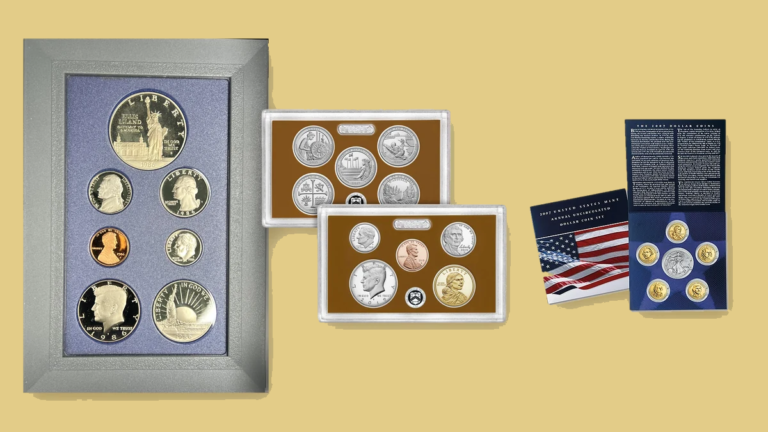
A 1986 Prestige Proof Set, 2019 Proof Set and 2007 Uncirculated Dollar Coin Set. Photos: Leonid.Zolotarev (CC0); United States Mint (public domain).
This is the American Rarities main guide to U.S. and foreign mint sets, proof sets and commemorative coins. It explains the different kinds of collector sets issued by the United States Mint and by government mints around the world, how to tell a mint set from a proof set or a commemorative, and where to look next to find out what your sets are worth. American Rarities has bought and appraised coin sets since 1990. If you are ready to sell, our step-by-step guide on how to sell proof and mint sets explains the process. For a free, no-obligation appraisal, use the form on this page or text 720-600-4740.
The United States as well as countries around the world produce coin sets specifically for the coin collectors. These sets run the gamut of copies of currently circulating coins called Uncirculated Mint Sets, specially struck proof coins with exceptional strike and finish called Uncirculated Proof Coin Sets, to commemorative coins and sets to memorialize events or causes, and even coins that are more bullion oriented.
The various types of mint coin sets are a staple of coin collector hobbyists ever since they have been produced or struck. Traditionally they have been an easy and relatively inexpensive way to collect. Unless damaged in some way like from improper storage, the condition or grades of the coins are usually within an acceptable range for most collectors. Since the coins are readily identified and generally in their own holder it is an easy matter to find a set that has not been mishandled and check the set off of your want list.
Types of U.S. and Foreign Coin Sets
Following is a list of major United States coin sets. Foreign mints produce similar sets, albeit with different names.
Mint Set vs. Proof Set vs. Commemorative: How to Tell Them Apart
The three most common kinds of U.S. collector sets look alike at first glance, but they are made differently and sold for different reasons. This table shows the main differences.
| Set type | What it contains | Finish | Years issued |
|---|---|---|---|
| Uncirculated Mint Set | Regular business-strike coins of the year from each mint, packaged by the Mint | Normal uncirculated finish (a satin finish from 2005 to 2010) | 1947 to date, except 1950, 1965 to 1967 and 1982 to 1983 |
| Proof Set | Specially struck proof versions of the year’s coins, in a sealed plastic holder or lens | Mirror-like fields, usually with frosted designs, struck more than once on polished blanks | 1936 to 1942 and 1950 to 1964, then 1968 to date |
| Special Mint Set (SMS) | Cent through half dollar, struck in place of proof and mint sets | Between a business strike and a proof | 1965 to 1967 |
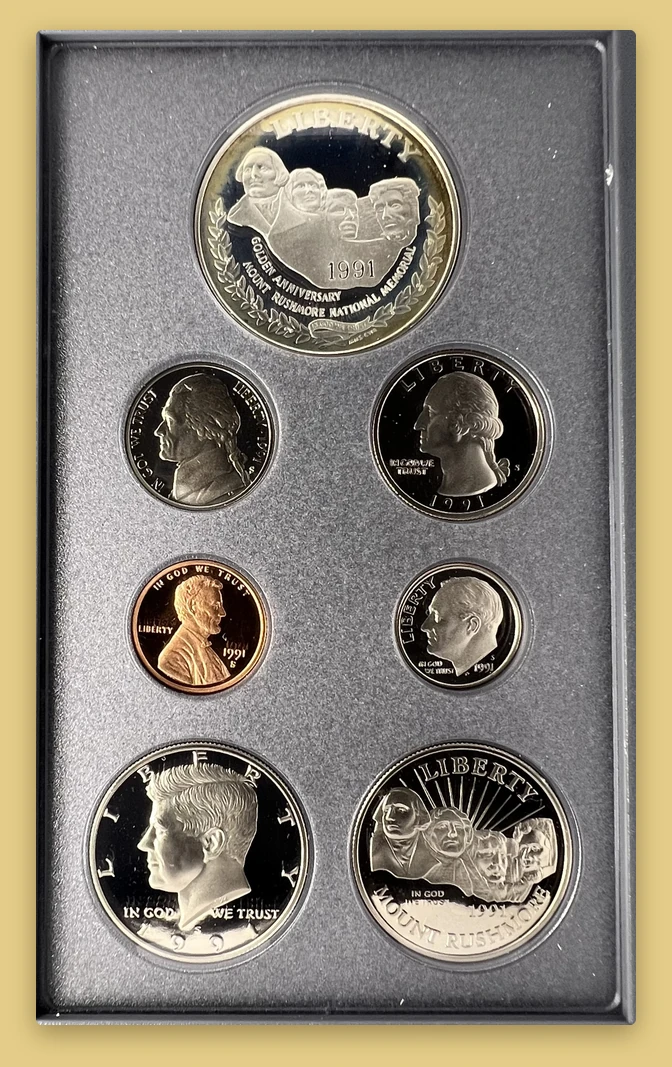
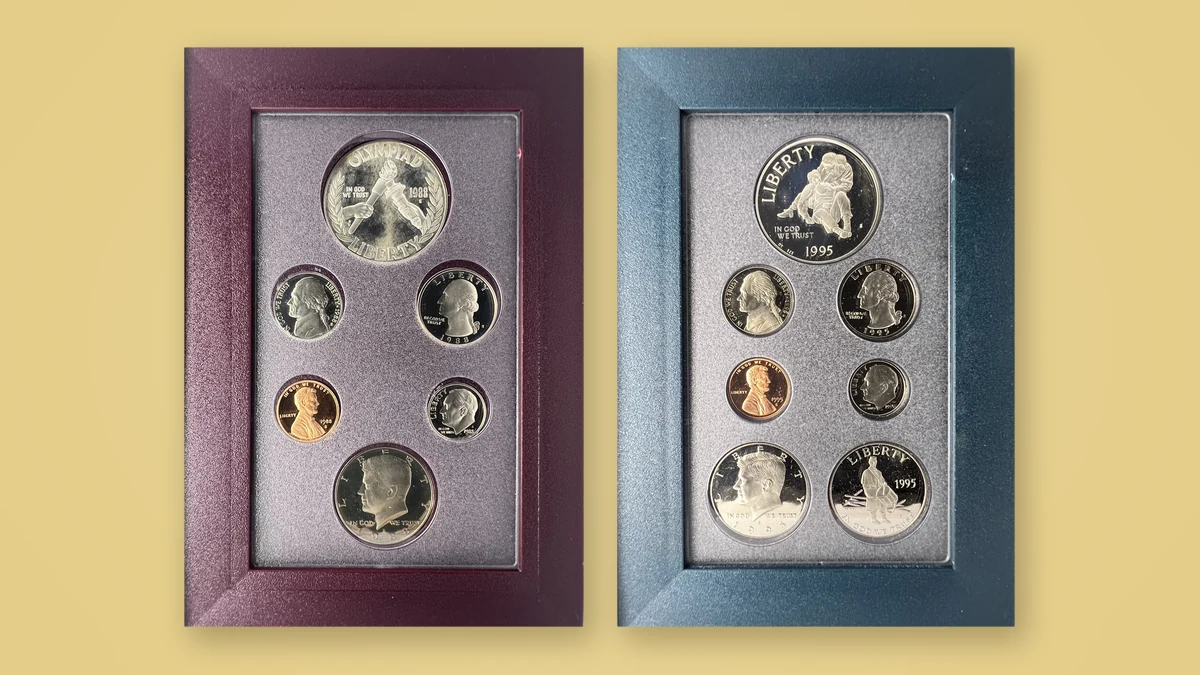
| Prestige Proof Set | The regular proof coins plus that year’s commemorative coins | Proof | 1983 to 1997 |
| Silver Proof Set | Proof set with the dime, quarters and half dollar struck in silver | Proof | 1992 to date |
| Commemorative coin or set | Coins authorized by Congress to honor a person, place or event, sold by the Mint, often with a surcharge for a cause | Proof or uncirculated | Classic issues 1892 to 1954; modern program 1982 to date |
For more detail, see proof coinage and commemorative coins of the United States on Wikipedia.
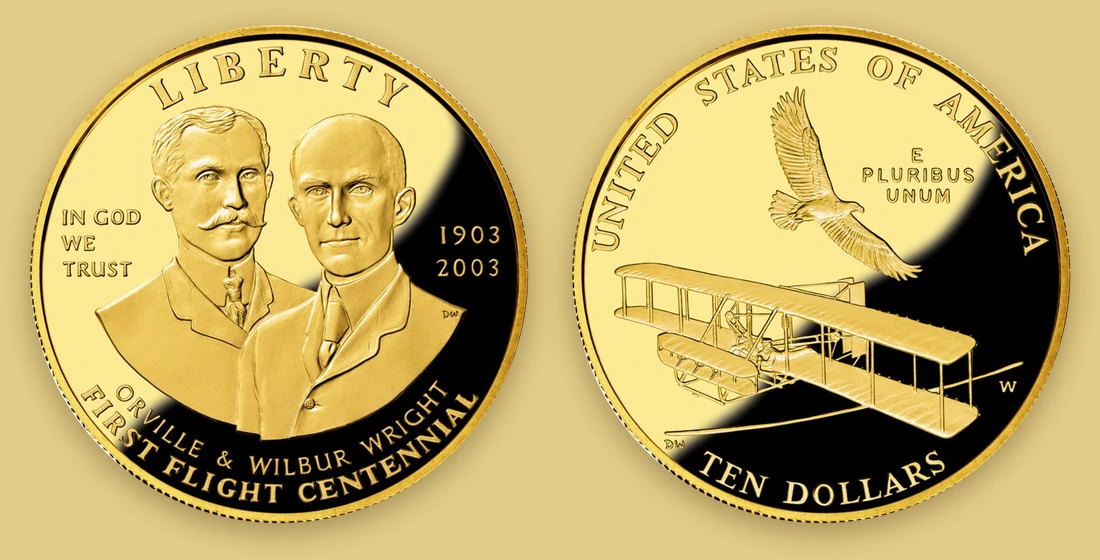
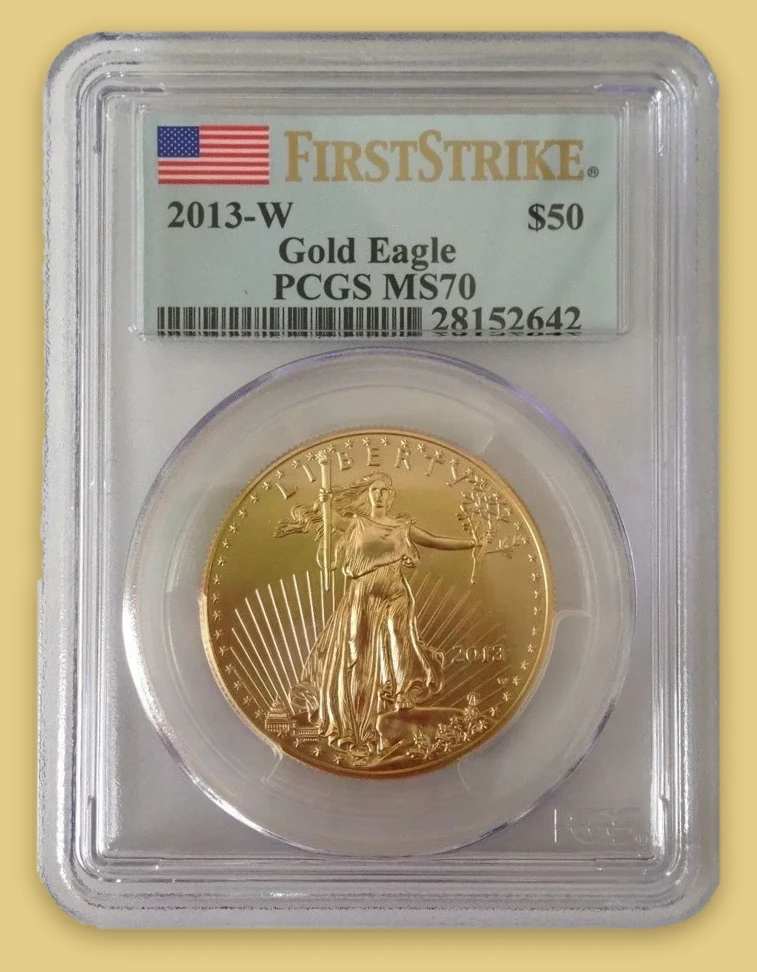
Many modern US Mint commemorative coins are certified by rare coin grading services like PCGS, NGC, and ANACS. These coins are often found in the high grades of MS-69 and MS-70, or PF-69 and PF-70. In some cases, these coins command a strong premium due to their high quality and low population. We have a strong market for these coins among our coin collector clientele, and are enthusiastic buyers. We even pay a premium for certified coins that still have their original mint packaging included.
Certified Uncirculated Mint Sets and Uncirculated Proof Sets
Less common is to find or have these types of sets certified and graded by one of the major coin grading services. The reasons collectors may opt to spend the extra money buying graded coins or having them graded themselves usually revolves around the coin(s) being a variety or being in an exceptional quality.
Variety Coins and Mint Error Coins
There are more than a few U.S. Mint coin sets that have varieties. These coins are subtly different from the norm and can increase a coin’s value as the population can be low and subsequent rarity high. It can be tough for even seasoned coin collectors to tell the difference.
In proof sets, varieties and errors often involve a coin struck without its mintmark or a coin with doubled design details. Because the rest of the set looks normal, these coins are easy to overlook. If one coin in your set looks different from the others, or the set has a known variety for its year, it is worth having it checked. Learn more in our guide to error coins and variety coins.
Coin Mints
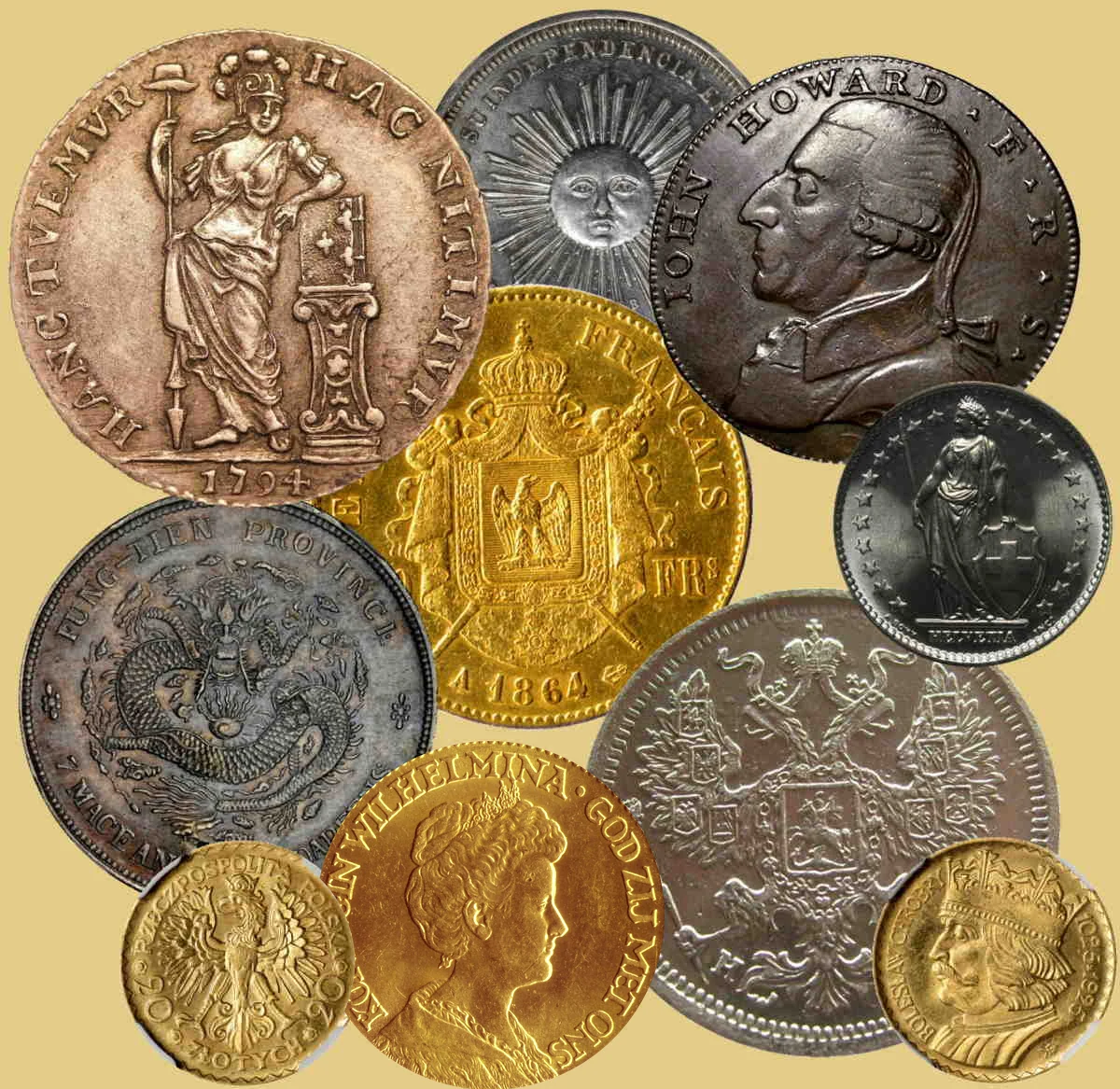
Mints used for the manufacture of coins have been around since the inception of coins around 600 BC by the Greeks. Coin mints have been established by most but not all governments. In some cases a country will contract with another country’s mint to strike their coins. The United States has and continues to produce coins for many countries. Here is a list of major foreign government mints around the world. In addition to sanctioned government mints there are also private mints. In some cases a private mint may produce coins for a country. Coins and medals struck by a private mint not sanctioned by an official government generally do not have the same collectibility as official coins.
Major government mints that issue annual mint sets, proof sets and commemorative coins for collectors include:
- Royal Canadian Mint (Canada)
- The Royal Mint (United Kingdom)
- Perth Mint (Australia)
- Royal Australian Mint (Australia)
- Monnaie de Paris (France)
- Austrian Mint (Austria)
- Casa de Moneda de México (Mexico)
- China Mint (China)
If you have foreign mint or proof sets, see our guide to foreign coin values.
To sell world mint sets, proof sets or any other foreign coins, see our sell foreign coins page.
What Is My U.S. or Foreign Coin Set worth?
To cut to the chase and easily find out your coin set’s value or commemorative coin’s value, go to our Free Appraisal and Purchasing web page. Generally it is as easy as submitting an inventory list for a quick appraisal and offer to purchase.
Values depend on the year, the type of set, its silver content, its packaging and the condition of the coins. Our five value guides each look at proof sets from a different angle:
- US proof set values: proof sets by era, and the scarce sets and errors collectors look for.
- US Mint proof set value: what affects the price of a set and how to check its value yourself.
- Silver proof set values: sets with 90% or .999 silver coins and how their silver content affects value.
- Coin proof sets value: what drives proof set value and how to check yours.
- Commemorative coins value: classic and modern commemorative coin values.
Ready to sell? See how to sell proof sets, mint sets and commemorative coins.
Quick Answers: Mint Sets, Proof Sets and Commemoratives
What is the difference between a mint set and a proof set?
A mint set contains regular uncirculated coins struck for circulation at each mint, packaged by the Mint for collectors. A proof set contains specially made proof coins, struck more than once on polished blanks so they have mirror-like fields and usually frosted designs. Proof sets were made in San Francisco from 1968, so most modern proof coins carry an S mintmark.
What is a Special Mint Set (SMS)?
From 1965 to 1967 the U.S. Mint did not make proof sets or regular mint sets. Instead it sold Special Mint Sets, struck in San Francisco with a finish between a business strike and a proof, though the coins carry no mintmark. They came in plastic holders, and each includes a 40% silver Kennedy half dollar.
What is a commemorative coin?
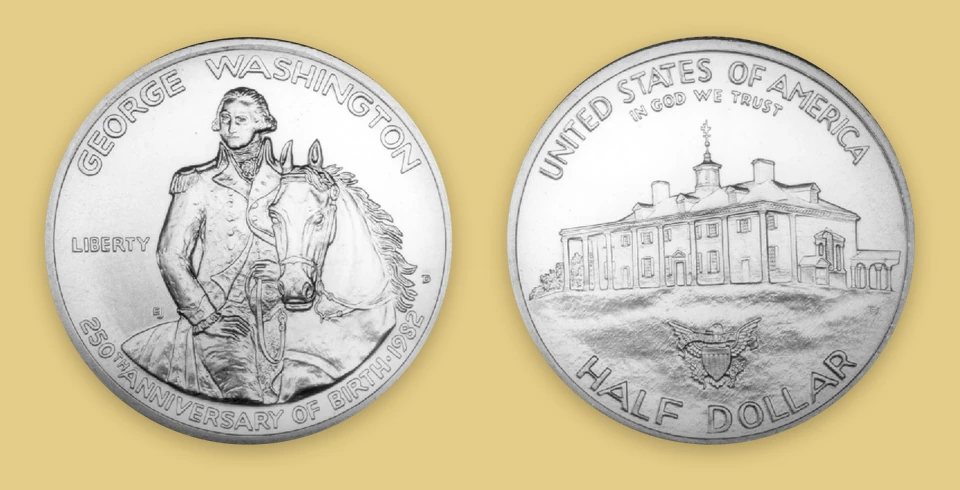
A commemorative coin is a special issue that honors a person, place or event and is sold to collectors rather than released for everyday use. U.S. classic commemoratives were struck from 1892 to 1954, and modern commemoratives began in 1982 with the George Washington half dollar. Many modern issues are sold in proof and uncirculated versions, in silver, gold or clad.
Are commemorative coin sets worth anything?
Most are worth at least their metal content, and some are worth much more. Modern silver dollars and gold $5 and $10 commemoratives often trade near their metal value, while low-mintage issues, such as the 1997 Jackie Robinson $5 gold coin, carry strong premiums. Classic commemoratives from 1892 to 1954 are collected by type, so condition matters most. Keep the original box and certificate with each coin.
Are foreign mint sets and proof sets collectible?
Yes. Government mints such as the Royal Canadian Mint, The Royal Mint and the Perth Mint issue annual sets that are collected around the world. Value depends on metal content, mintage and collector demand. Sets struck by private mints without government sanction are generally less collectible than official issues.
U.S. Proof Set Values, U.S. Mint Set Values,
and Commemorative Coin Values
Email, Text, or Use This Form To Send Us Your Inventory List or Pictures
Email: staff@americanrarities.com Text: 720-600-4740
Professional Associations