
Step 1: Know What Kind of Gold You Have
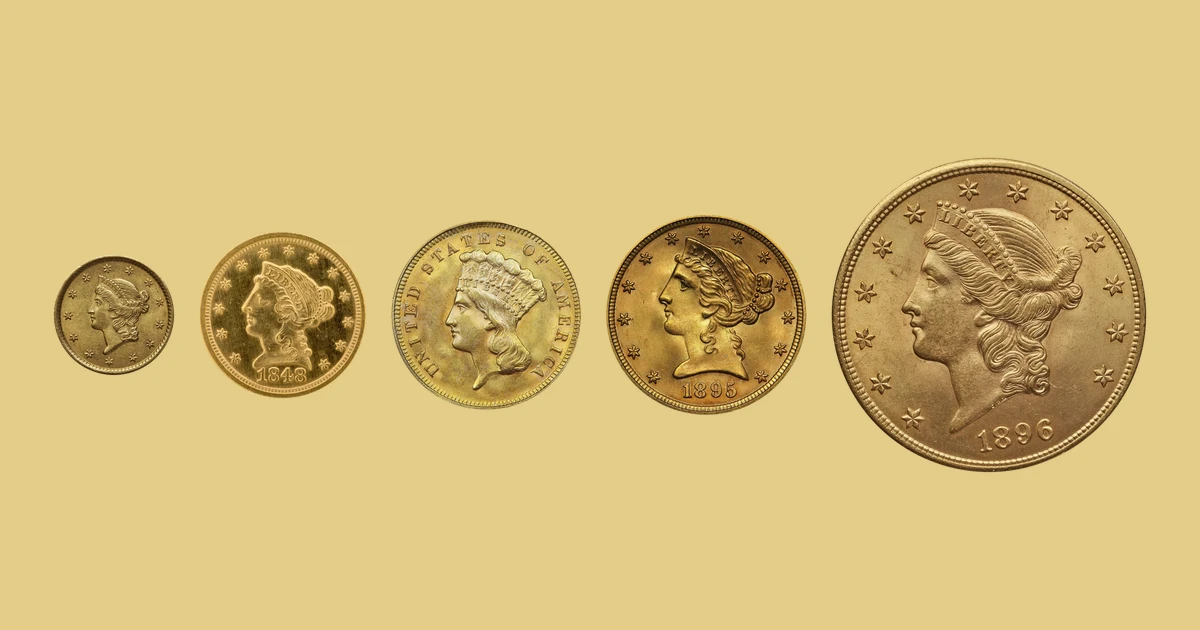
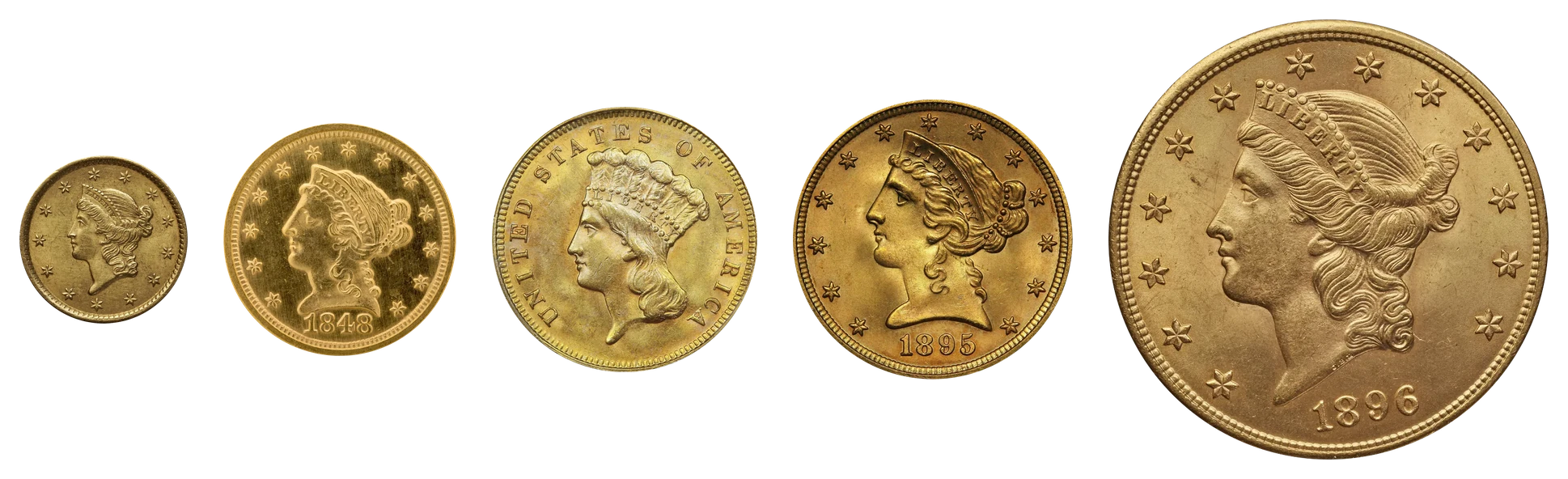
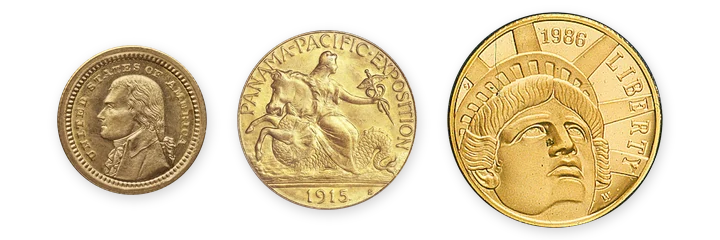
Not all gold coins are valued the same way. Before you ask anyone for a price, sort your coins into a few broad groups. Each group is priced differently, and a buyer who treats them all alike is not looking closely enough. The coins pictured in each group are shown at their true relative sizes.

Classic U.S. Gold Coins (1795 to 1933)
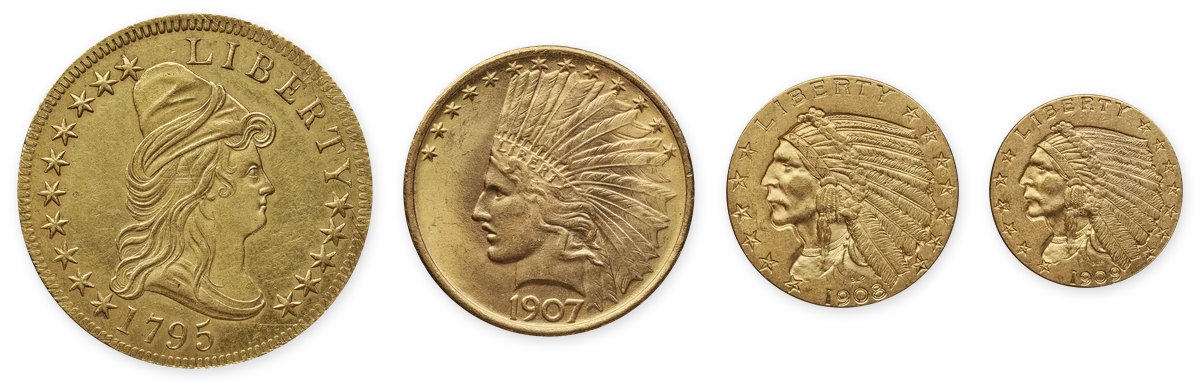
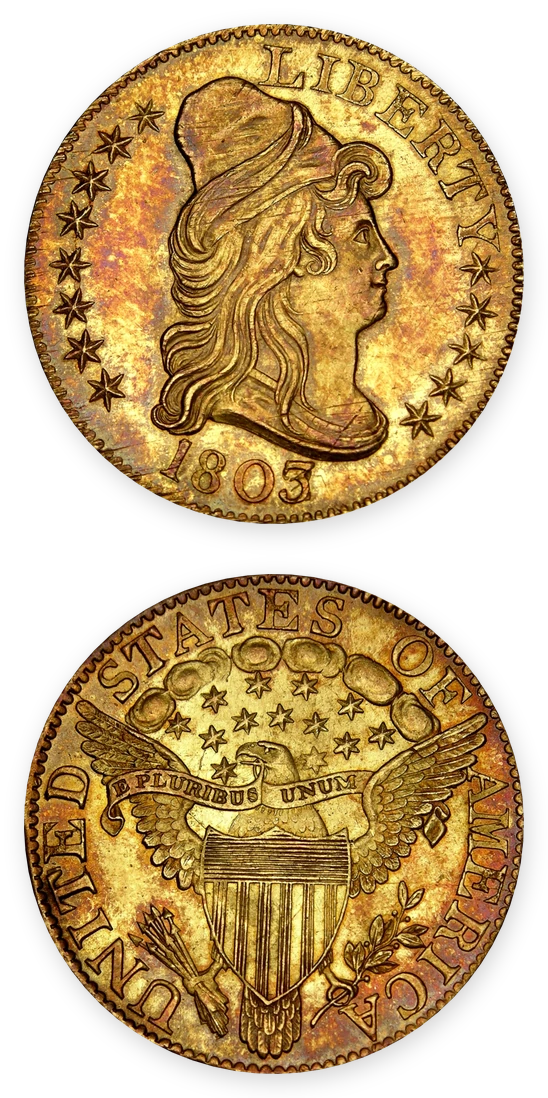
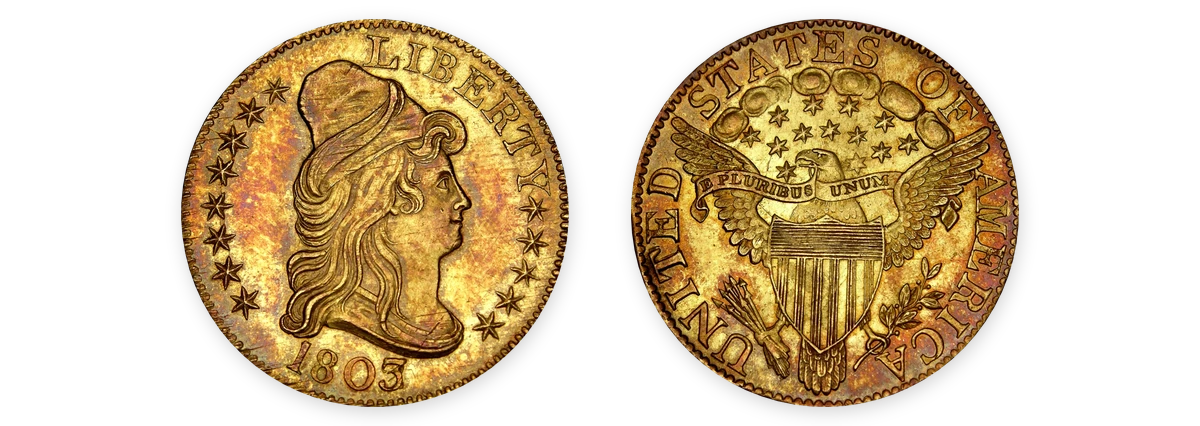
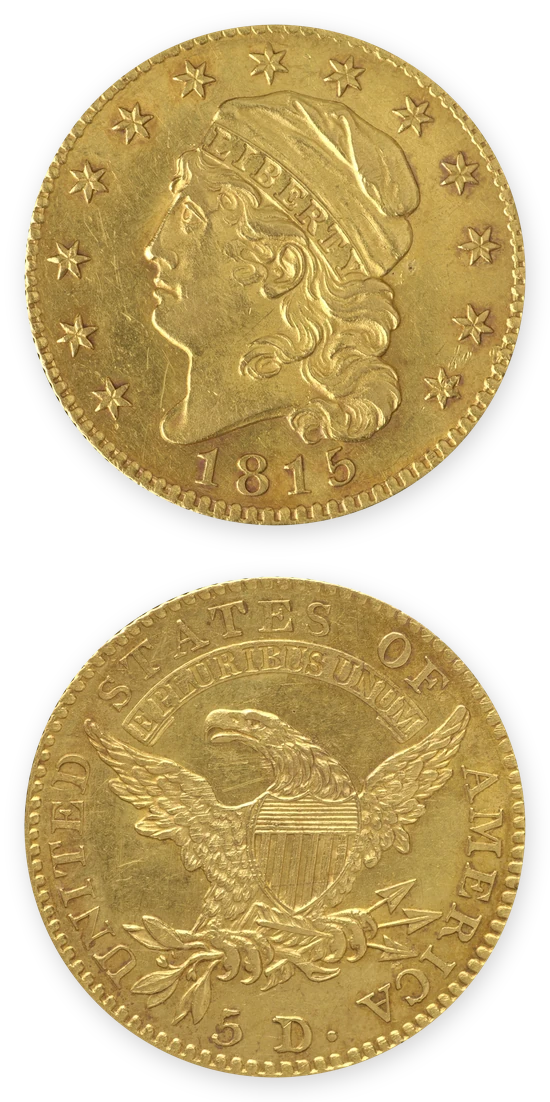
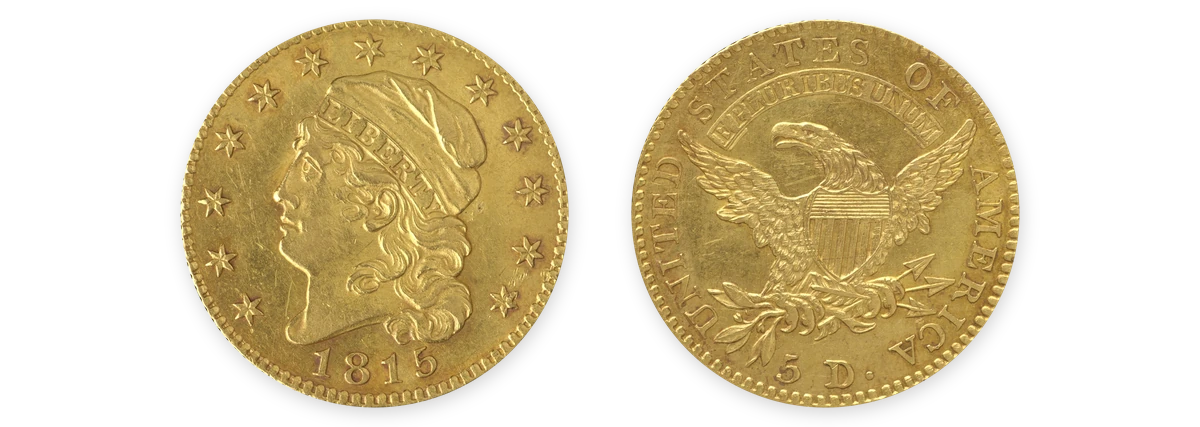
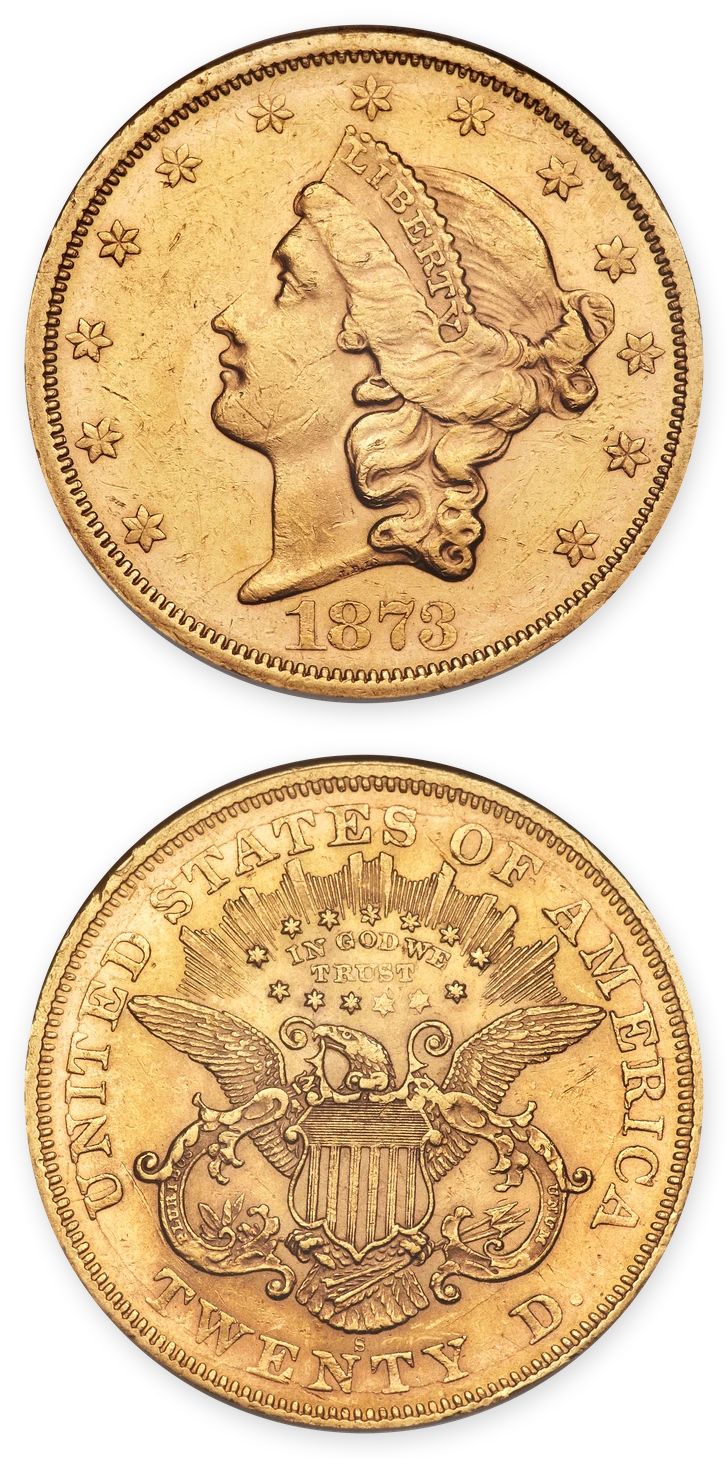
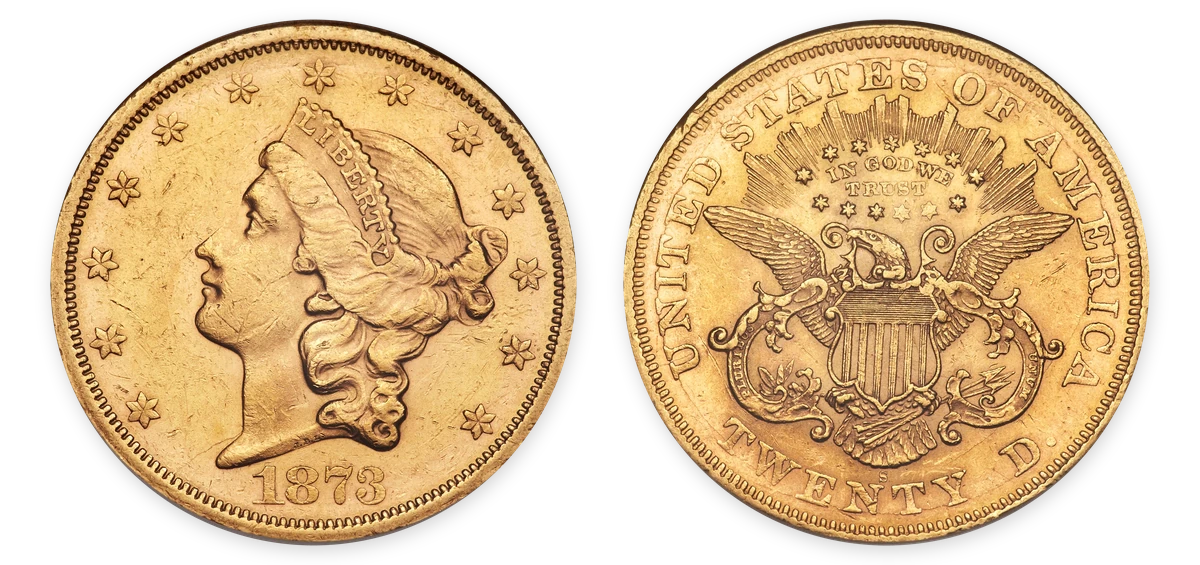
Gold dollars, quarter eagles ($2.50), three dollar pieces, half eagles ($5), eagles ($10) and double eagles ($20) were struck for everyday commerce until 1933. Most are 90% gold, and many carry a collector premium on top of their metal value. Early gold struck before 1834, three dollar pieces and many branch-mint dates are scarce in any condition. Our U.S. gold coin information page covers the history and the main design types in more detail.
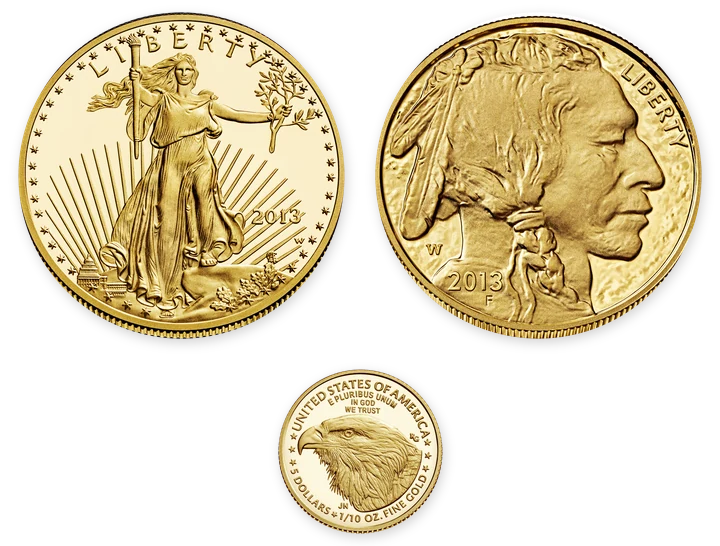
Modern Gold Bullion Coins
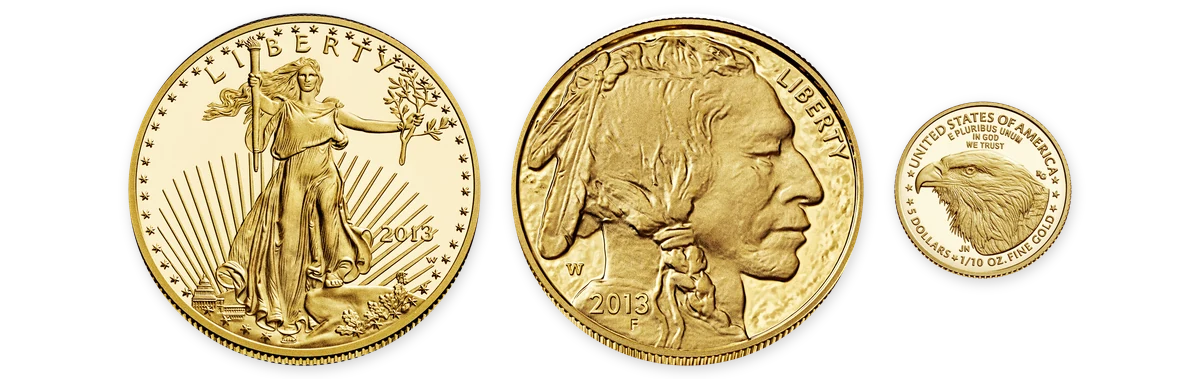
American Gold Eagles, American Gold Buffaloes and similar bullion coins, made in sizes from one ounce down to 1/10 ounce, are priced mainly on their gold content, plus a modest premium for condition and demand. Proof issues in their original government packaging, low-mintage dates and certified coins in top grades can bring more. Our page on how to sell gold bullion explains how we price bars, rounds and bullion coins.
Commemorative Gold

Since 1984 the U.S. Mint has issued gold commemoratives, usually $5 and $10 coins, in proof and uncirculated finishes. Early commemorative gold, such as the Louisiana Purchase, Lewis and Clark and McKinley gold dollars and the 1915-S Panama-Pacific issues, is far scarcer and is valued as a collectible first. Our commemorative coins value guide and our page to sell commemorative coins explain both.

Foreign Gold
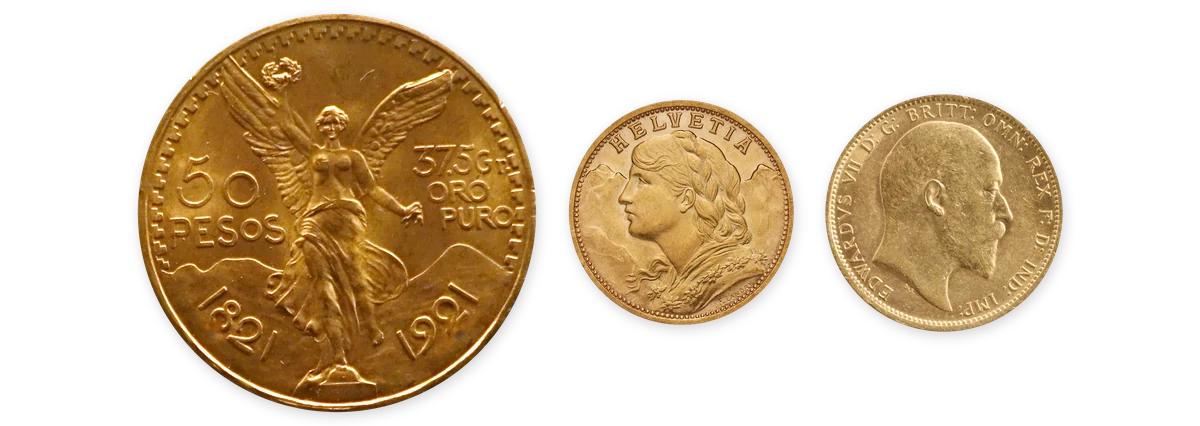
Many American families also hold Mexican 50 pesos, British sovereigns, Swiss 20 francs or other world gold. These coins are usually priced close to their gold content, with premiums for scarce dates. We buy them too, including Mexican gold pesos.
Step 2: Check the Date, Mint Mark and Condition
Two gold coins of the same type and weight can be worth very different amounts. The date and mint mark tell you how many were made and where, and the condition tells you how well a coin survived.
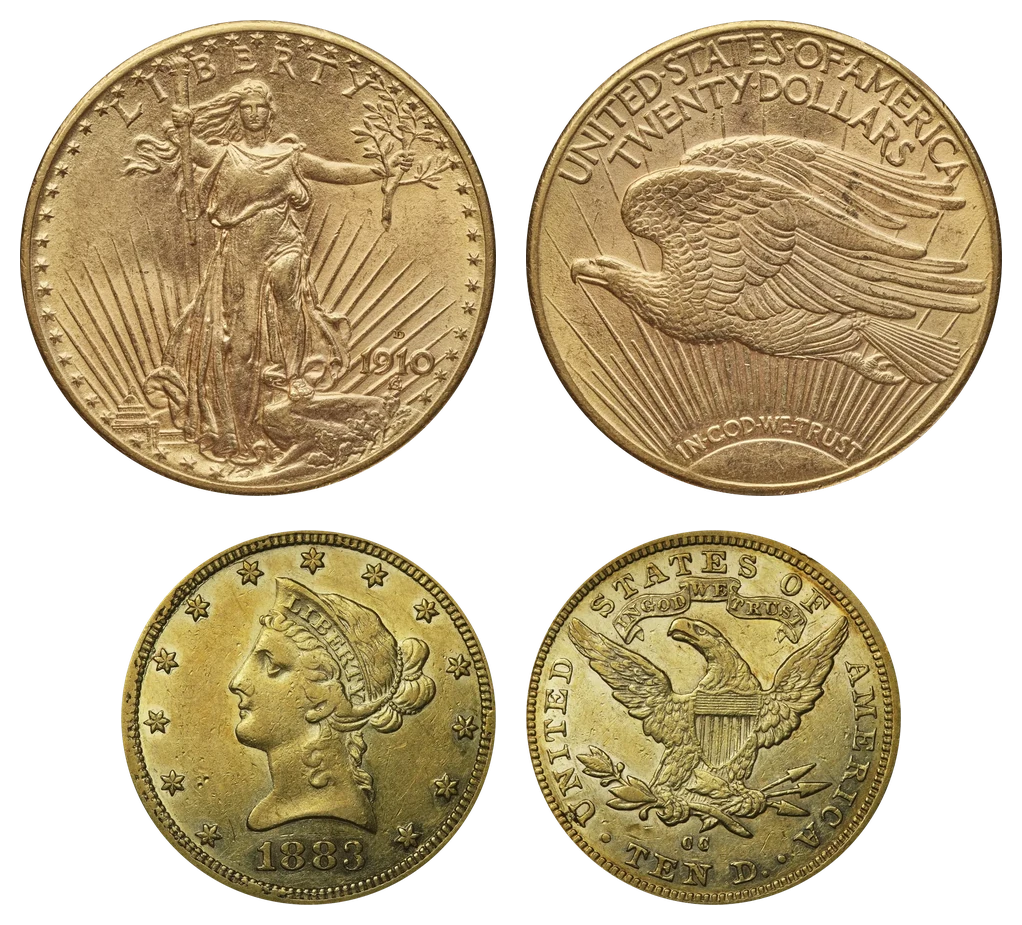
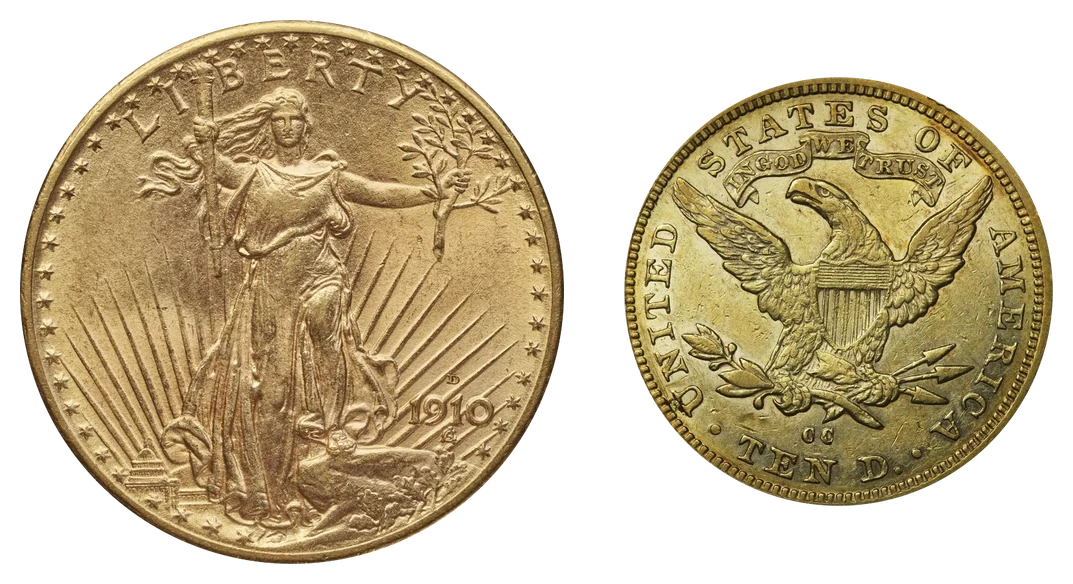
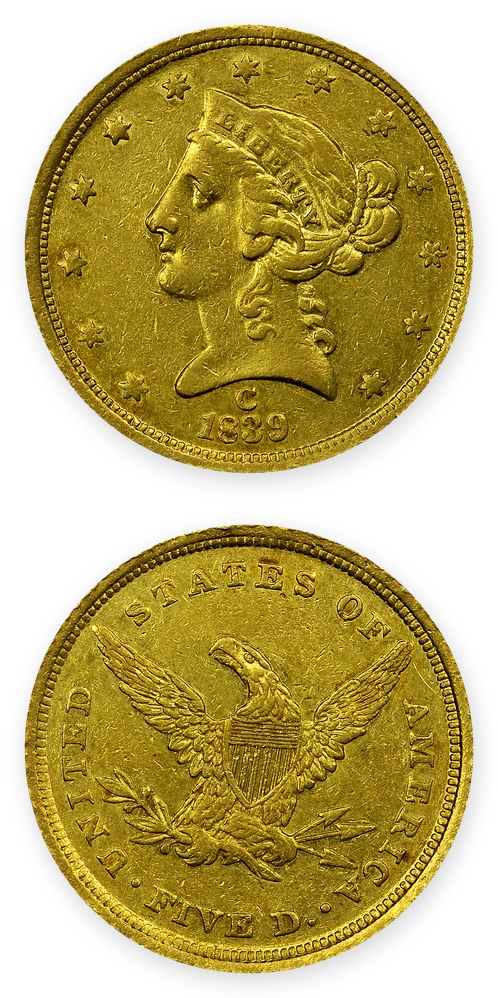
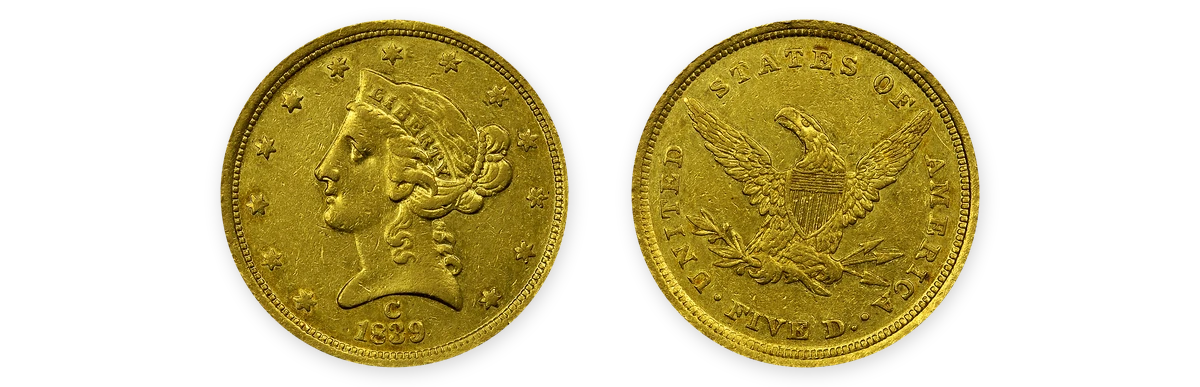
Find the mint mark. On Liberty Head gold, the mint mark sits on the reverse, below the eagle. On Saint-Gaudens double eagles, it is on the obverse, just above the date. A coin with no mint mark was usually struck in Philadelphia. Pay special attention to C (Charlotte), D before 1861 (Dahlonega), CC (Carson City) and O (New Orleans). These branch mints made far fewer gold coins than Philadelphia or San Francisco, and their coins often sell well above melt.
Understand how gold coins are priced. Every gold coin has a floor set by its gold content and the day’s spot price. A U.S. double eagle holds just under one troy ounce of pure gold, an eagle about half an ounce and a half eagle about a quarter ounce. On top of that floor, collectors pay a premium for scarcity and condition. For common dates that premium may be small. For a rare date in high grade, it can be the largest part of the coin’s value, which is why a weight-only offer can be so costly.
Look at the condition. Check the high points, such as Liberty’s hair and the eagle’s wings, for wear. Original mint luster, few bag marks and no rim damage all add value. Our U.S. gold coins value guide shows how type, date and grade work together.
Note any certification. If your coins are already graded by PCGS, NGC or ANACS, the grade and certification number are printed on the holder, which makes a sale simpler. You do not need to grade raw coins before you sell. We grade them as part of our free appraisal, and our guide to selling PCGS, NGC and ANACS coins explains when certification is worth it.
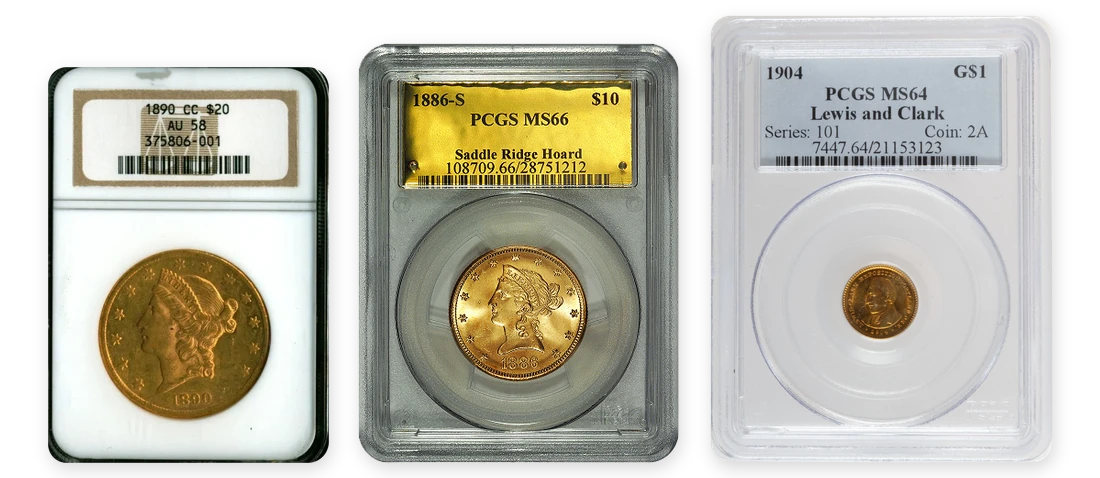

The holders above show an 1890-CC Liberty Head double eagle graded AU58 by NGC, an 1886-S Liberty Head eagle from the Saddle Ridge Hoard graded MS66 by PCGS and a 1904 Lewis and Clark gold dollar graded MS64 by PCGS. Each label lists the date, denomination, grade and a certification number you can look up on the grading service’s website.
Step 3: Protect Your Coins Before You Sell
The most common way sellers lose money is by trying to improve their coins. A few simple rules protect what you have:
- Never clean gold coins. Polishing or dipping leaves fine hairlines, strips the original luster and can cut a coin’s value sharply. Read why cleaning your coins is not recommended.
- Handle coins by the edges, over a soft surface, and avoid touching the faces with bare fingers.
- Keep coins in their holders, flips, tubes or original boxes. Never break a certified coin out of its holder.
- Save the paperwork. Receipts, certificates and old dealer invoices help us understand what you have.
Watch for counterfeits. Gold has been counterfeited for more than a century, and fake double eagles turn up often, even in holders that look official. Our fake $20 gold coin case study and fake coin pictures show what to look for, and our case study on how to spot a fake PCGS certified coin covers counterfeit holders. Authentication by an experienced dealer protects you as a seller, too.
Step 4: Make a Simple List and Take Photos
You do not need to be an expert to get an accurate appraisal. A short list helps any buyer give you a faster, more accurate offer. For each coin or group of coins, write down:
- The denomination, such as $5 or $20
- The date and mint mark
- How many you have
- Whether the coin is certified, and if so, the grading service, grade and certification number
Then take clear photos of both sides of each coin, the obverse (front) and the reverse (back), in natural light, without flash, with the coin filling most of the frame. For certified coins, a photo of the front of the holder is usually enough to get started.
Text your photos to 720-600-4740, email your list to staff@americanrarities.com, or send them with the form at the bottom of this page. For a large collection or an estate, a general description is fine to start. Our guide on how to sell inherited coins covers the estate side, our guide on how to sell paper currency covers any old bills and notes, our guide on how to sell proof and mint sets covers mint and proof sets, our guide on how to sell a coin collection covers the rest of a mixed collection, and our estate appraisals and liquidation team can help with the rest.
Step 5: Choose the Right Buyer
Where you sell matters as much as what you sell. Pawn shops, jewelry stores and many “we buy gold” storefronts price everything by weight. That can be fine for a common bullion coin, but for a scarce date or a high-grade classic coin, a weight-only offer can leave a large share of the value behind. Online auctions reach collectors, but they come with seller fees, photography, shipping risk and the chance of a non-paying buyer.
A specialist gold coin dealer pays for collector value as well as gold content. Whoever you consider, ask these questions:
- Will they give you a written offer that lists each coin?
- Do they pay for date, mint mark and grade, or only for gold weight?
- How long have they been in business, and what do their reviews say?
- Are they authorized dealers for the major grading services?
- How and when will you be paid?
American Rarities checks every box. We hold a 4.7-star Google rating and an A+ rating with the BBB, we are ANA Life Members, and we are an authorized PCGS, NGC and ANACS dealer. You can read what other sellers say on our customer testimonials page, and our article on mistakes to avoid when selling rare coins covers other common pitfalls. Looking for someone local? See our gold coin buyers near me page.
Step 6: Compare Written Offers and Plan for Taxes
Before you ship anything or hand it over, ask every buyer for a written offer. An itemized offer lets you see what each coin or group of coins is worth and compare buyers on equal terms. A fair written offer should show:
- Each coin or group of coins, with its date, mint mark and grade
- Whether the price covers only the gold content or includes a collector premium
- Any fees or shipping and insurance costs, which should be clear up front
- How long the offer is good for, since gold prices move every day
- How and when you will be paid
Be cautious of a buyer who quotes only a price per ounce for classic U.S. gold, or who pressures you to decide on the spot. For classic gold, our offers are often well above melt, because we pay for the date, mint mark and grade, not just the weight. Prices for scarce coins fall in wide ranges depending on condition, which is why we look at every coin individually instead of quoting a flat rate. Our written offers are free, with no fees and no obligation to sell.
Plan for taxes and paperwork. Selling gold can raise tax and reporting questions. Keep any receipts that show what you paid, or the estate valuation if the coins were inherited, and ask your tax advisor how a sale affects you. The rules also differ from state to state, and our guide to coin and bullion laws by state is a good place to start. If you need a formal valuation for an estate, a trust or a charitable gift, ask about our IRS-compliant numismatic appraisals.
Ready to Sell Your Gold Coins?
Whether you have one gold dollar or a complete set of double eagles, selling to American Rarities takes four simple steps. We have helped families, collectors and estate executors sell gold coins since 1990, and we have purchased over $400 million in rare coins and collectibles.
Send Photos or a List
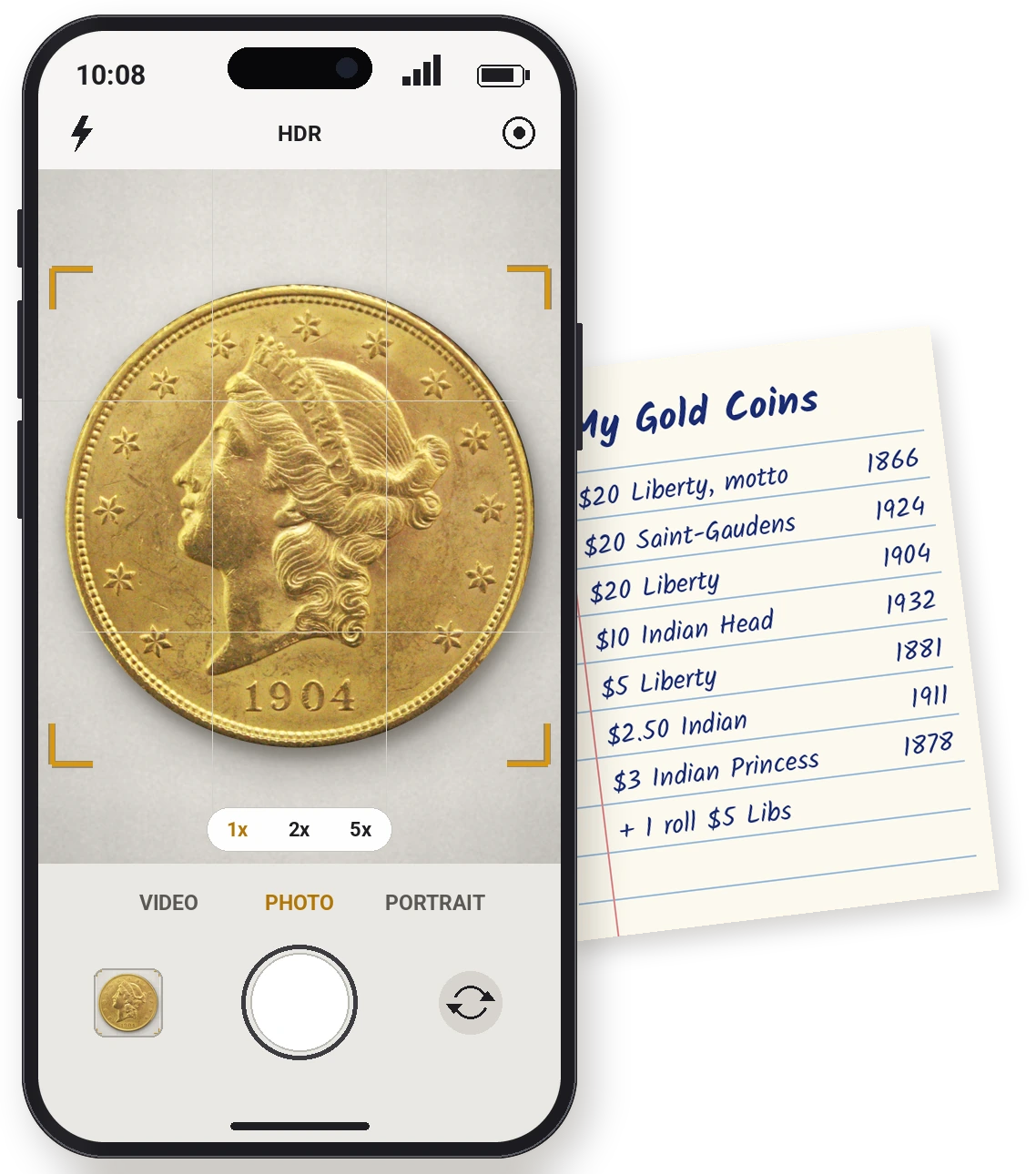

Text photos of both sides of your coins to 720-600-4740, email us your list or use the secure form below. For an estate, a general description is fine.
Get Your Free Written Offer


Appraisals are usually done within 24 hours. You receive a free, no-obligation written offer that lists your coins, priced for date, mint mark and grade, not just gold weight.
Ship or Meet in Person
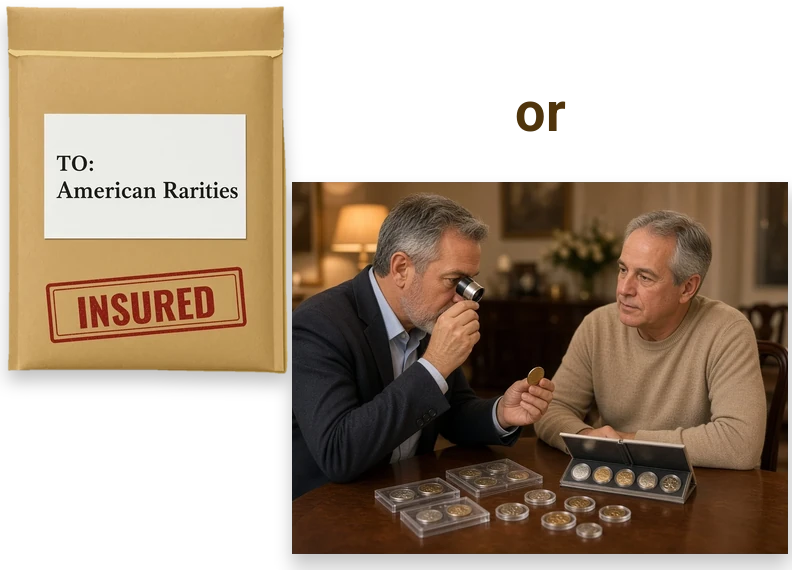
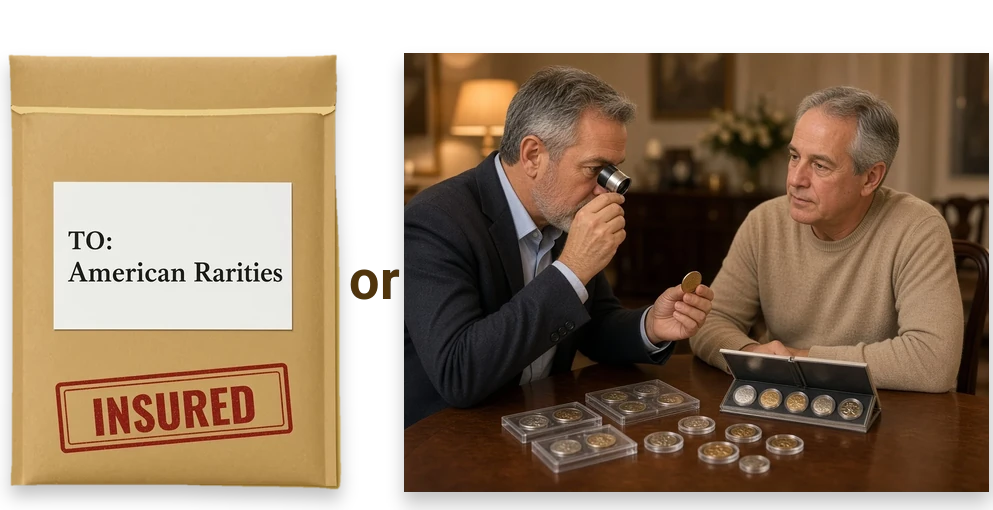
Mail your coins to us fully insured at our expense, or for larger collections, we can meet you at your bank. If you decline our offer, we return your items fully insured.
Get Paid Immediately


When you accept, we pay you immediately by cash, check, ACH or wire, whichever you prefer. There is never a fee for our appraisal.
Not sure where to begin? Start with a free online coin appraisal, or visit our contact a rare coin buyer page if you would rather talk first.