Articles Tagged: Coin Grading
This page serves as a definitive resource for collectors, focusing on the critical and often complex topic of coin grading. It acts as a central hub for articles and guides that explain what coin grading is, how it works, the standards used by top services, and why it is essential for determining a coin’s true market value.
By providing detailed, educational content on this fundamental numismatic process, American Rarities positions itself as a knowledgeable and trustworthy expert. This strategy builds a strong foundation of trust, encouraging collectors to seek out their professional appraisal services for an accurate assessment of their coins’ condition and authenticity.
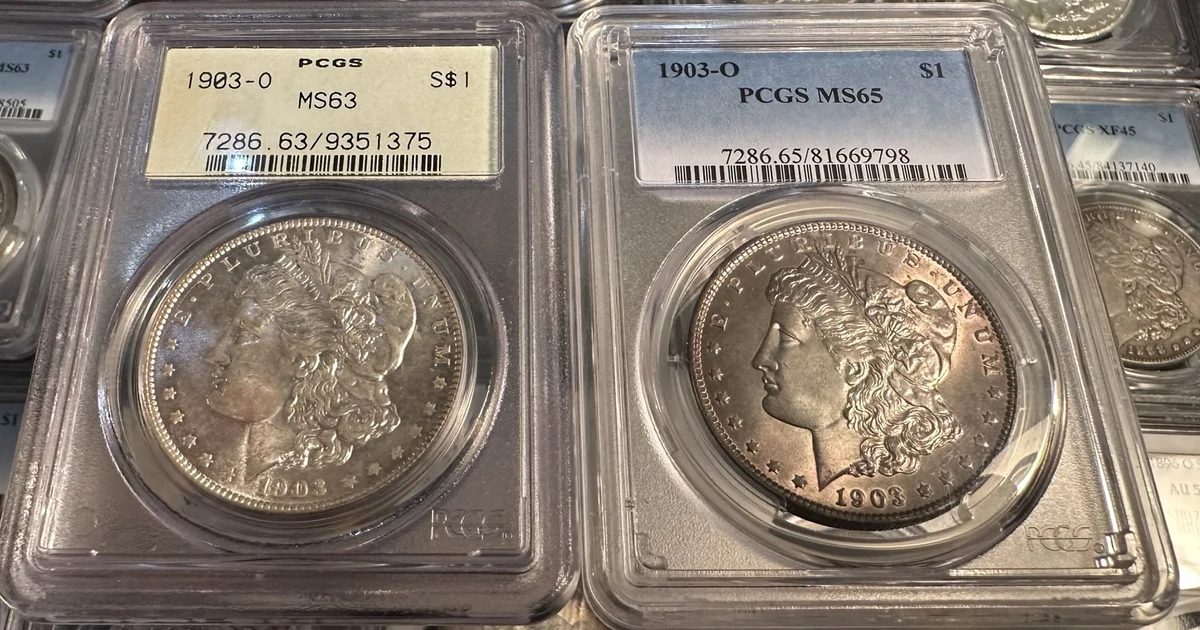
Certified coin slabs: photo by Bruxton, public domain, via Wikimedia Commons (
File:Coin slabs.jpg), cropped by American Rarities.
Ten practical tips for selling a coin collection: don’t clean your coins, take an inventory, keep sets intact, know melt value from collector value, get written itemized offers, grade only when it pays, choose an established dealer, don’t let anyone cherry-pick, ship insured or meet in person, and know how you’ll be paid.
© American Rarities. Illustrative photorealistic header image created for American Rarities.
Understanding coin grading can be one of the most confusing parts of selling a collection. As a seller from Belvidere, Illinois, recently learned, not all grading companies are created equal,…
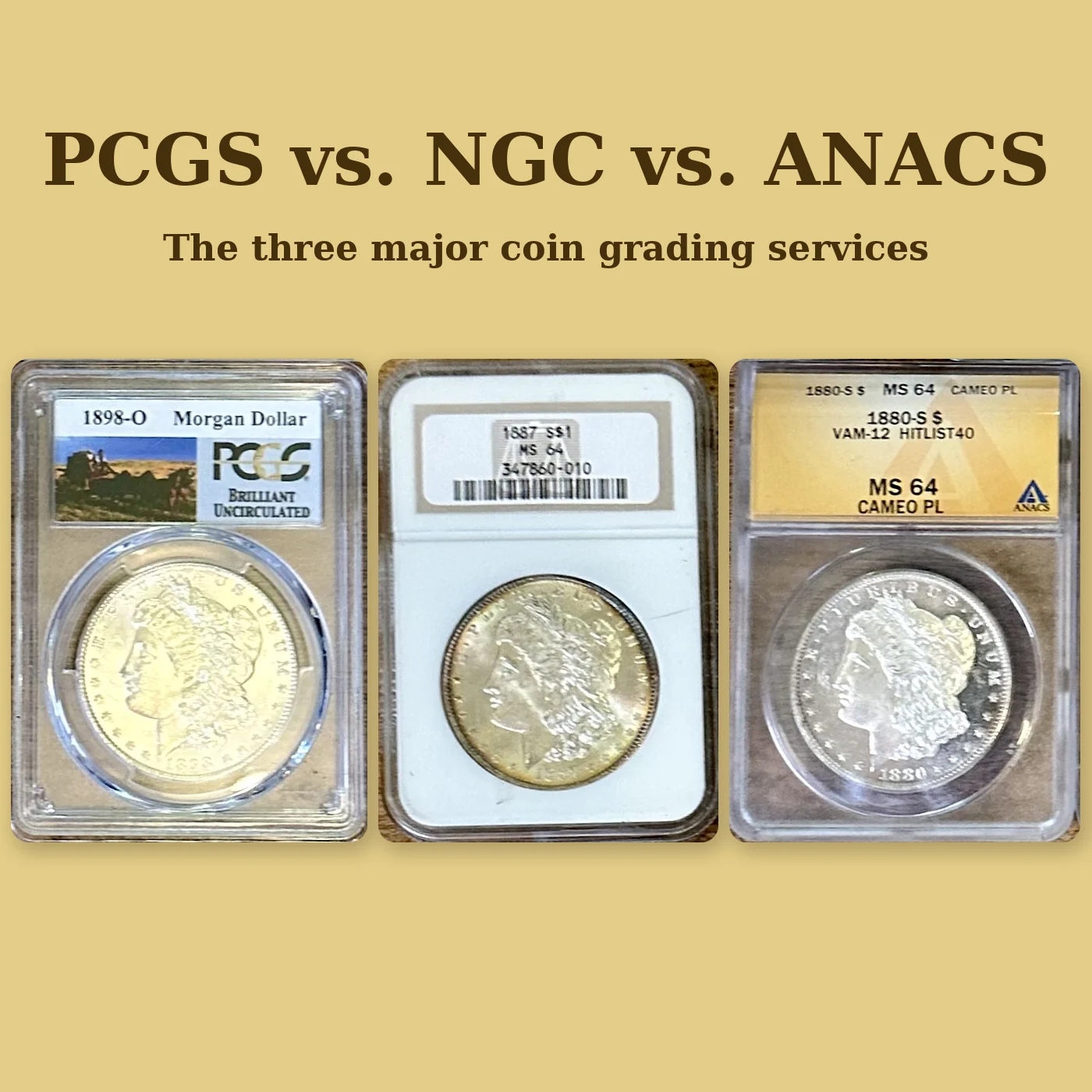
Morgan dollars certified by PCGS, NGC and ANACS. Photos: Bruxton, CC BY-SA 4.0, via Wikimedia Commons (adapted).
The differences between PCGS, NGC and ANACS, the three major coin grading services, and why the grading service on the holder matters when you sell.
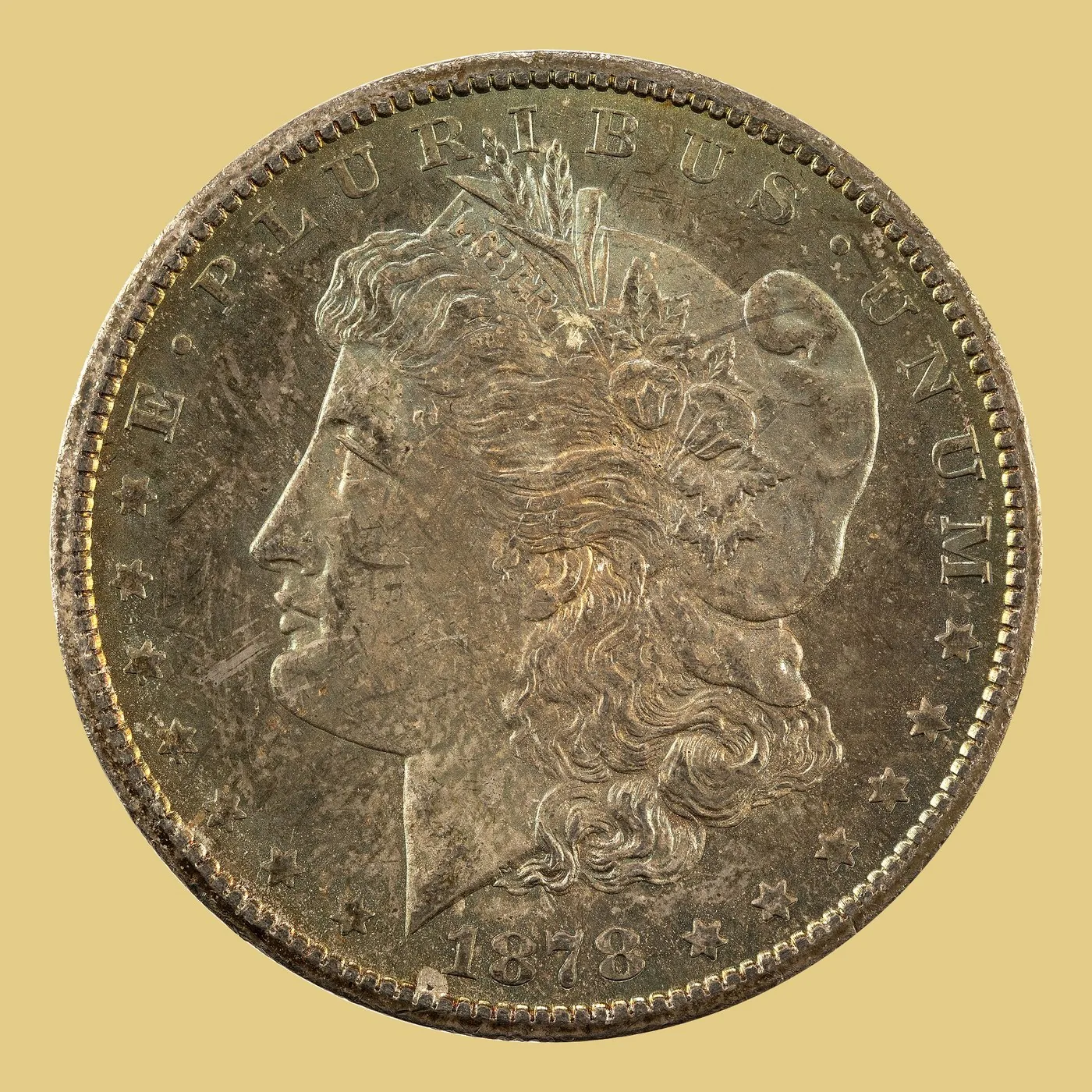
An 1878-CC Morgan silver dollar from the Carson City Mint.
Our top ten picks among classic U.S. rare coins, chosen for strong collector demand and lasting value.
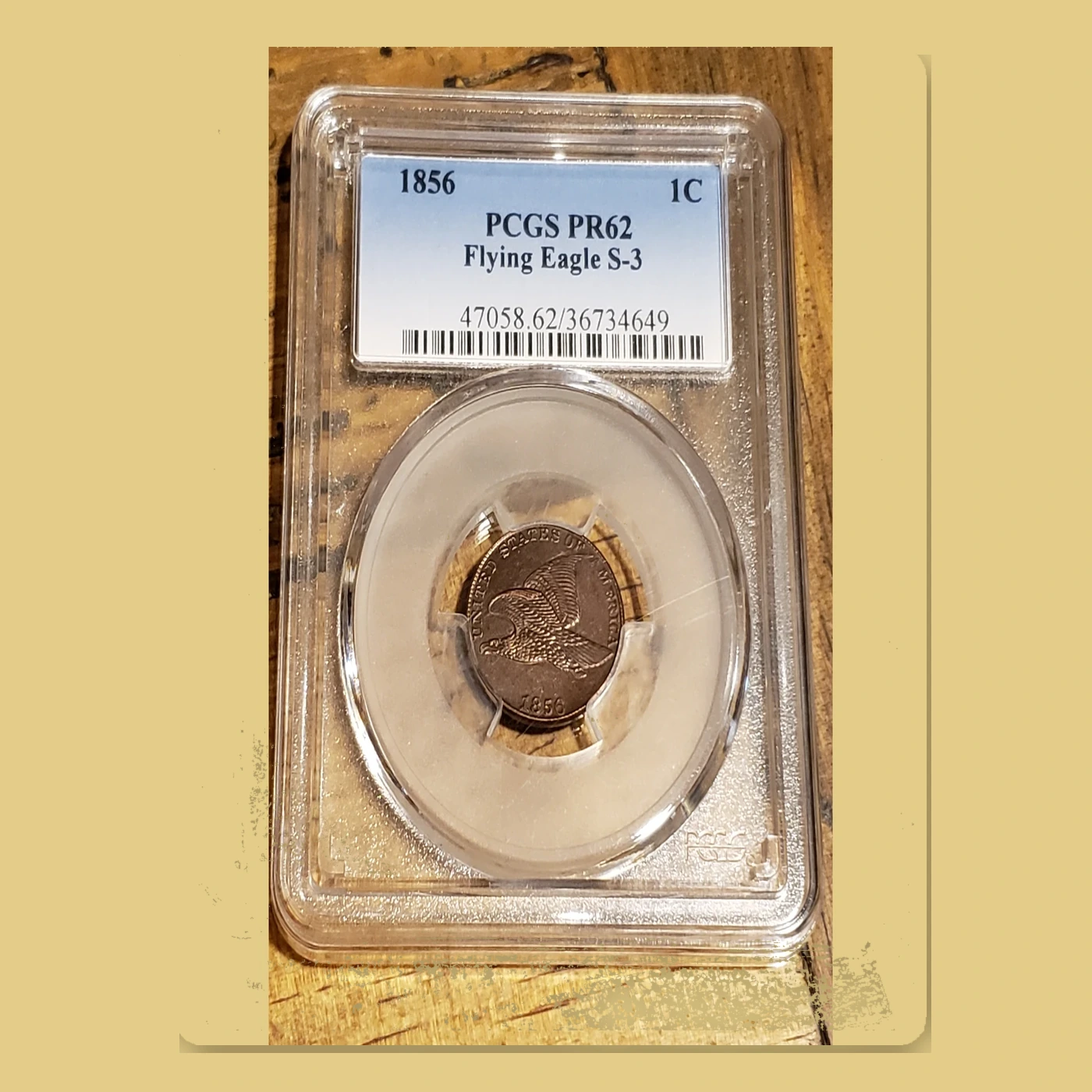
The counterfeit PCGS holder and fake 1856 Flying Eagle cent from this case study. The certification number on the label did not exist in the PCGS database.
A real case study of a counterfeit coin in a fake PCGS holder, and how to check a certified coin before you trust the slab.
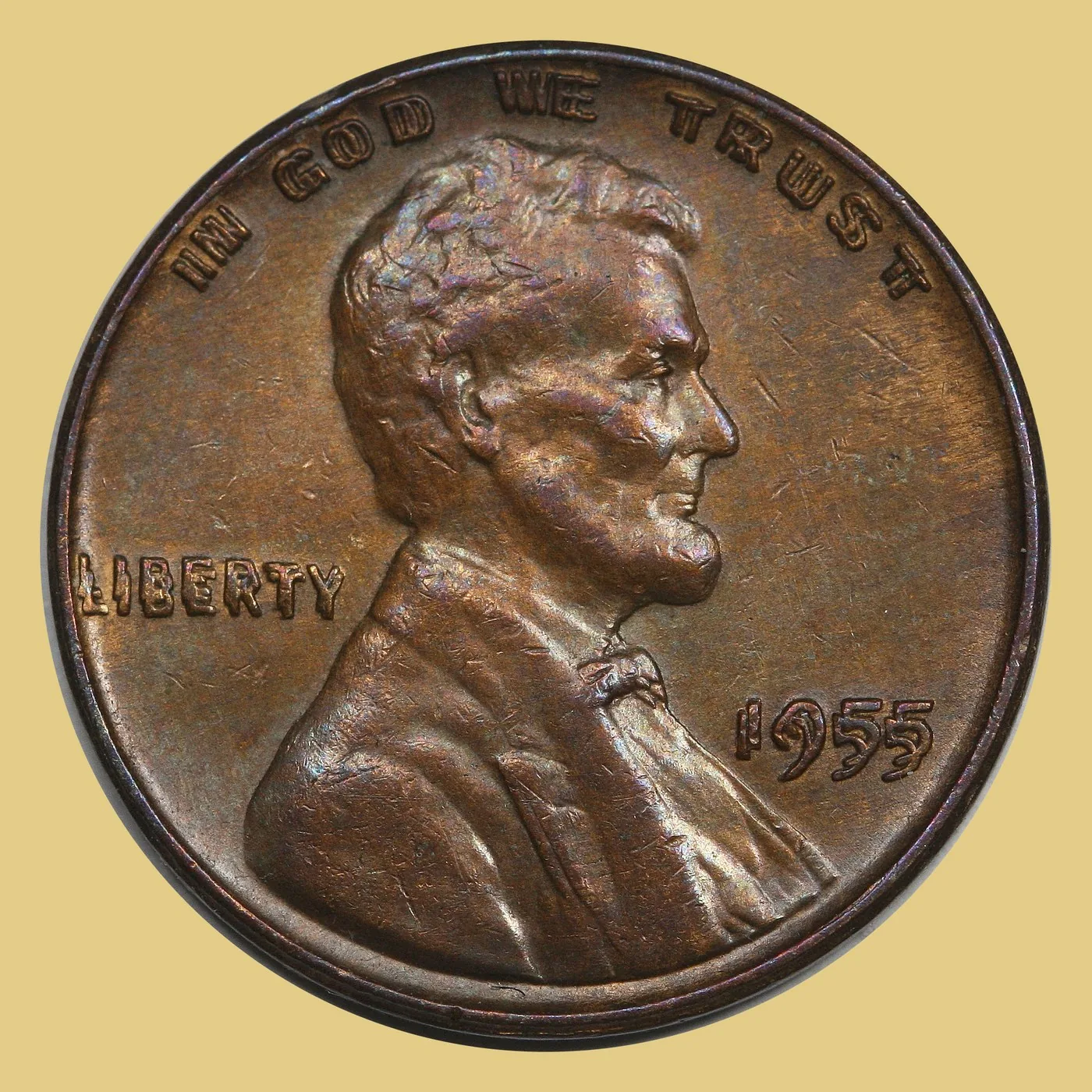
A genuine 1955 doubled die Lincoln cent, one of the most famous true mint errors.
Is your odd-looking coin a valuable mint error or just damage? How to tell genuine errors from post-mint damage.
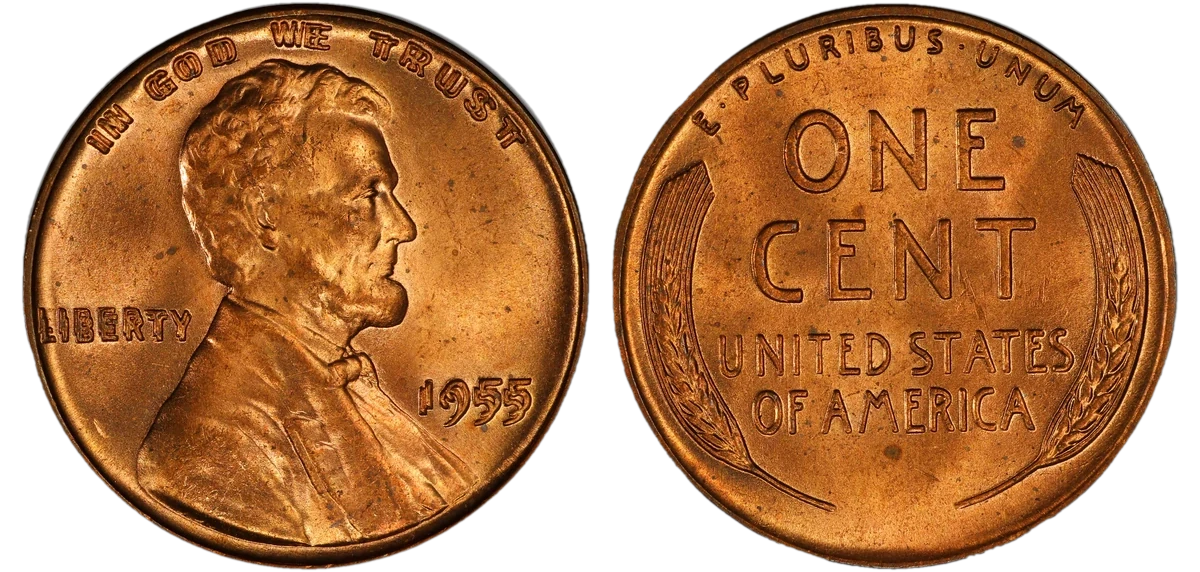
The 1955 Doubled Die Obverse Lincoln cent, the most famous "double stamped" coin.
What is a “double stamped” coin worth? How to tell a valuable doubled die or mint error from common mechanical doubling.

The obverse of a fake Saint-Gaudens double eagle in a fake PCGS holder.
A case study of a fake $20 Saint-Gaudens gold coin in a fake PCGS holder, and how to spot counterfeit gold coins.
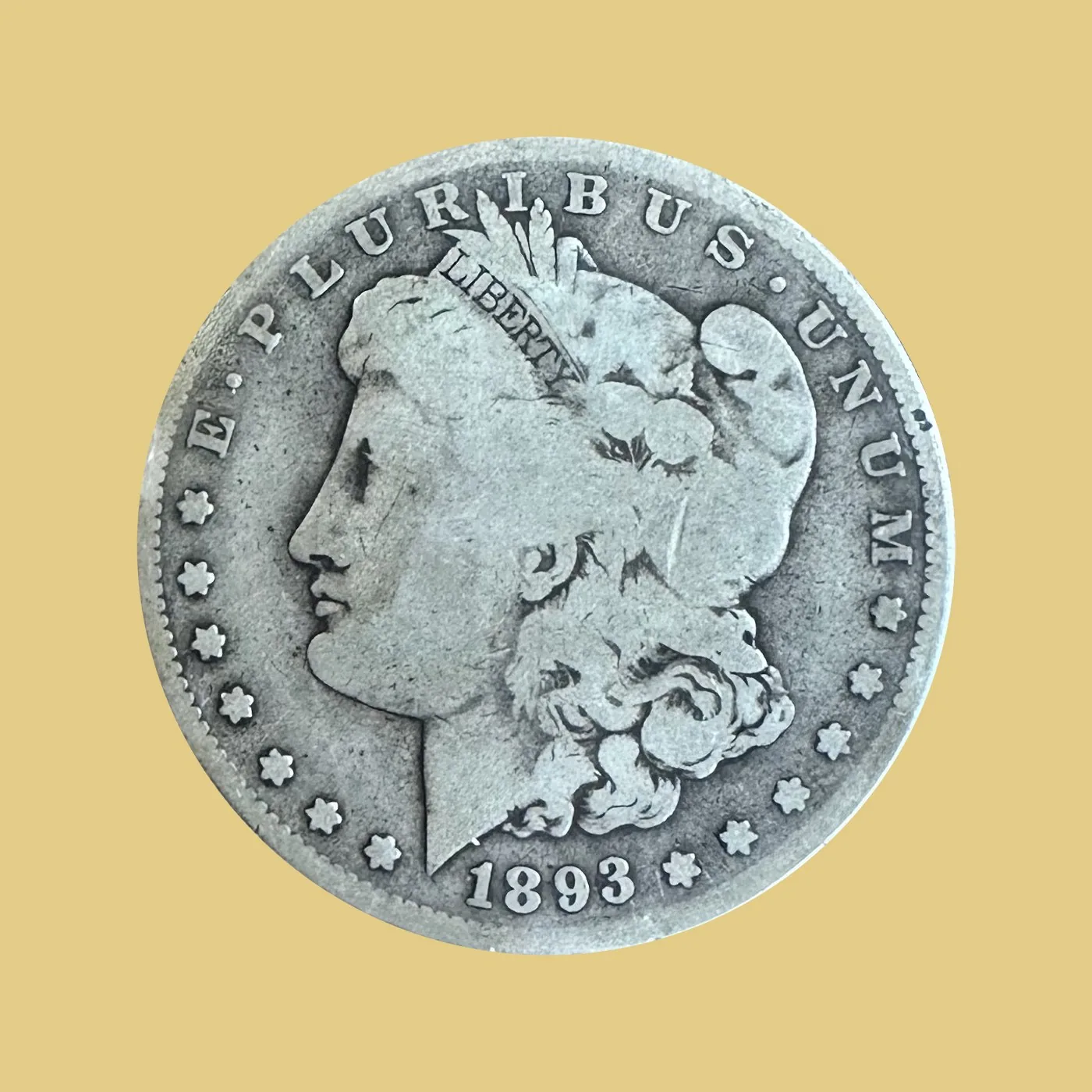
An uncleaned 1893-S Morgan dollar, the key-date coin at the center of this story. Its original surface is part of its value.
The number one mistake that can destroy a coin collection’s value: cleaning. A cautionary story from our years in the coin business.
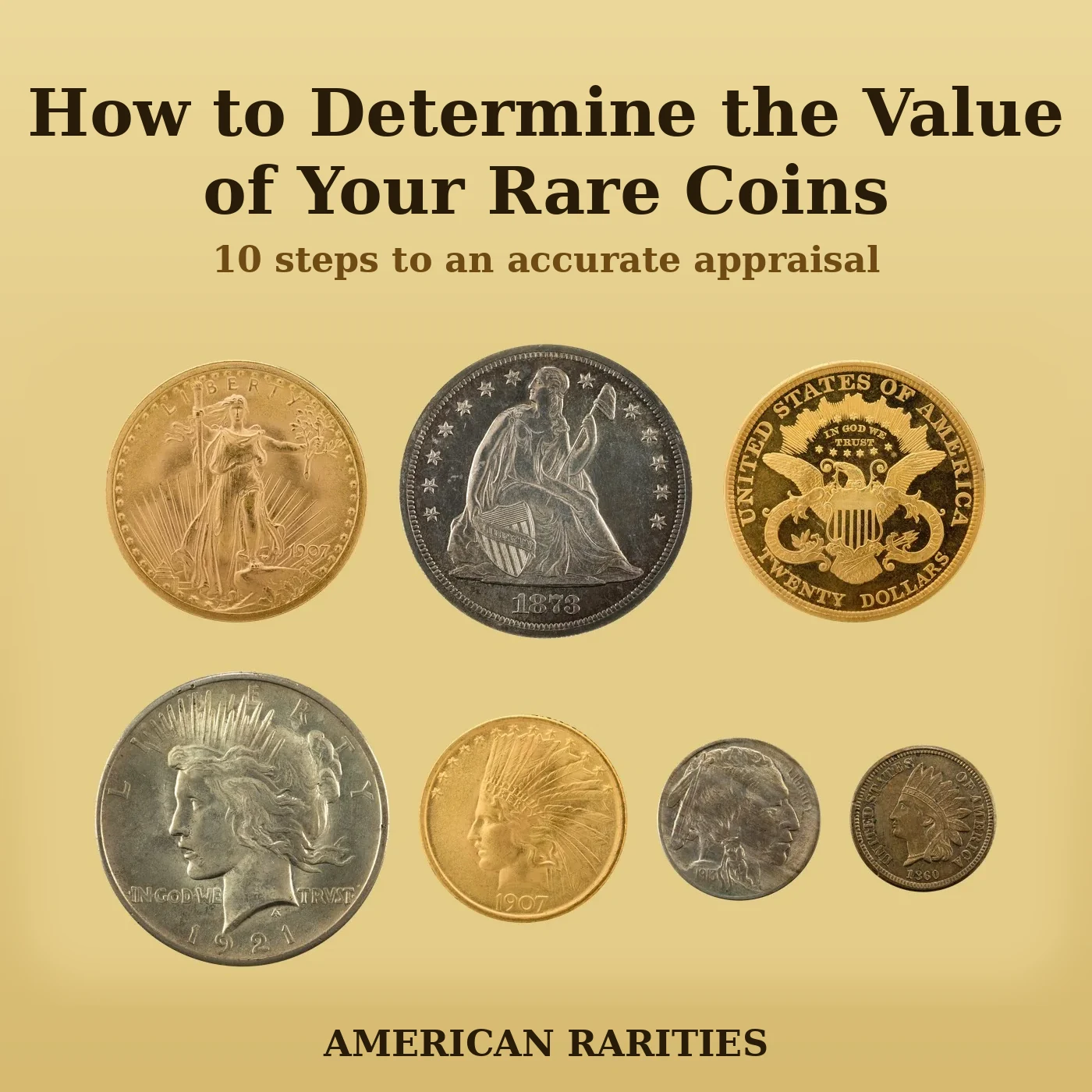
How to determine the value of your rare coins: 10 steps to an accurate appraisal.
Ten steps to determine the value of your rare coins, from identifying dates and mint marks to grading and getting a professional appraisal.