Articles Tagged: Error Coin
This page serves as a key resource for collectors, focusing on the fascinating and often valuable category of the error coin. It acts as a central hub for articles and guides that explain what constitutes a genuine mint error, how to identify different types of errors, and how they can significantly impact a coin’s value.
By providing clear, educational content on this popular topic, American Rarities positions itself as a knowledgeable and trustworthy authority. This strategy attracts a wide range of collectors who believe they may have found a valuable error, encouraging them to seek a professional appraisal from an expert source.
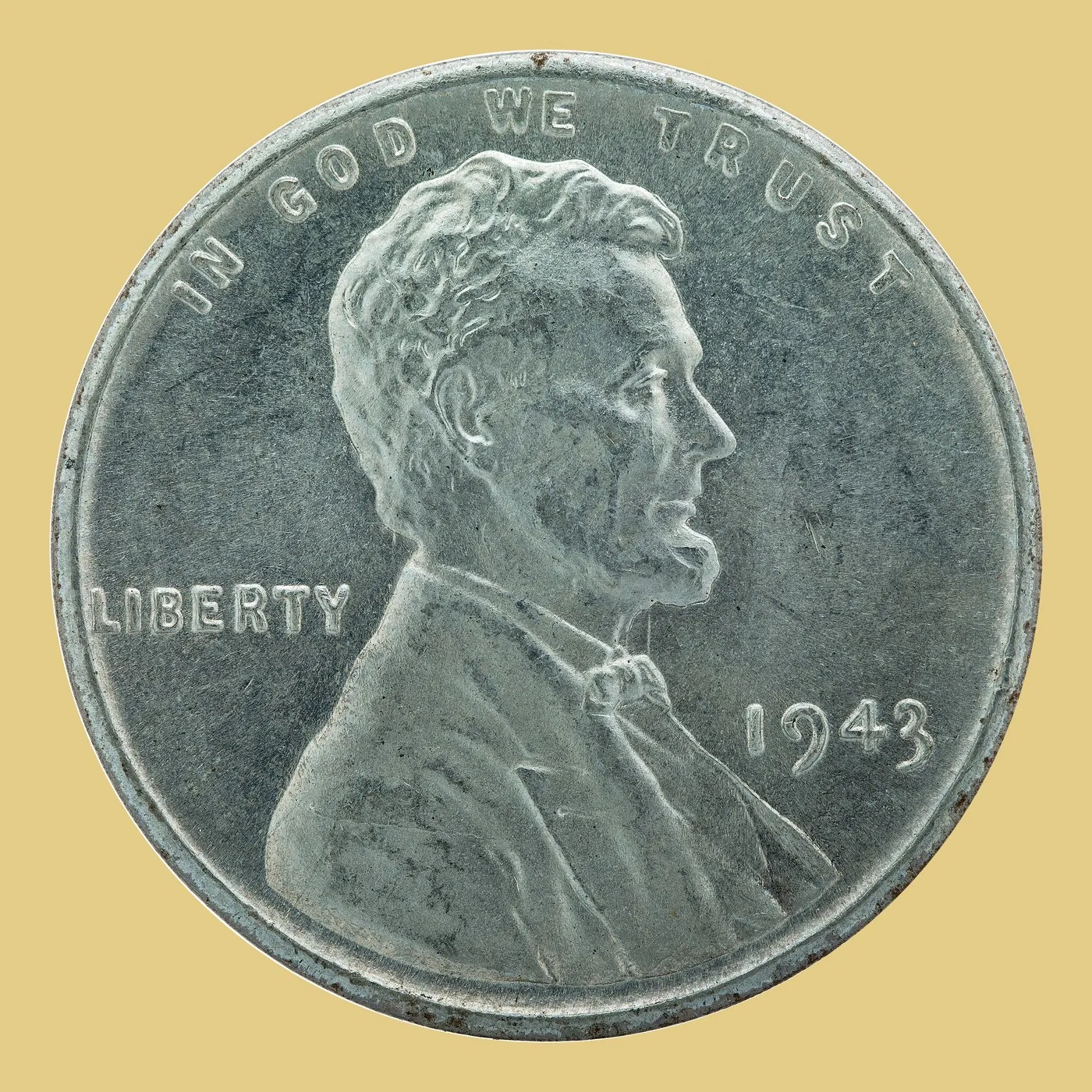
A 1943 zinc-coated steel Lincoln cent, the common wartime "steelie."
How to tell a common 1943 steel cent from the famous 1943 copper cent, one of the rarest U.S. mint errors, and how to check yours with a magnet.
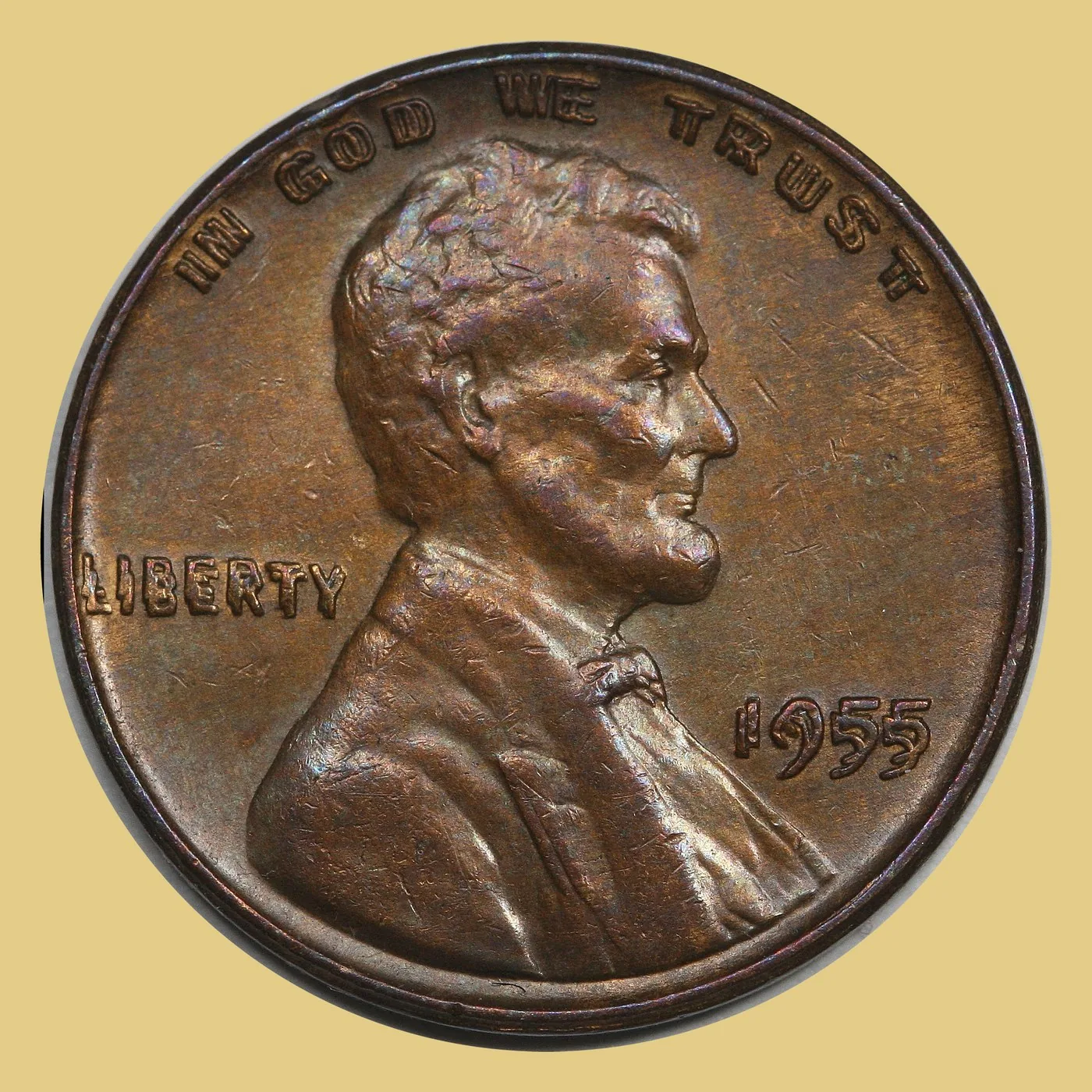
The 1955 doubled die obverse Lincoln cent, a die variety rather than a striking error.
Is the 1955 doubled die Lincoln cent a die variety or a mint error? How the doubling happened, how to spot a genuine one, and how to avoid fakes.
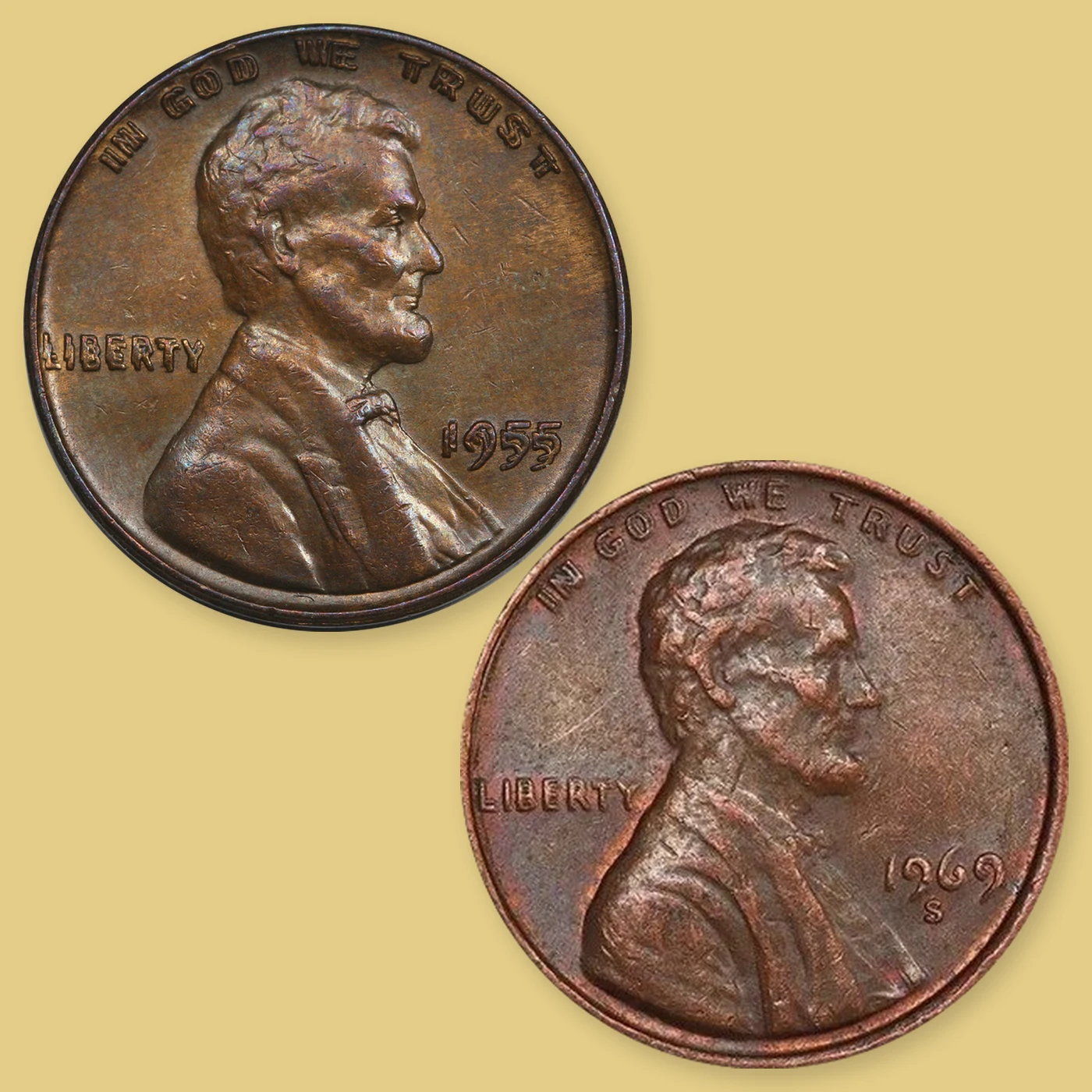
The 1955 doubled die obverse (top) and 1969-S doubled die obverse (bottom) Lincoln cents. 1955 photo: Lost Dutchman Rare Coins, CC BY-SA 3.0 US, via Wikimedia Commons.
Is your coin “double stamped”? Learn the difference between a true doubled die, which can be valuable, and mechanical doubling, which is common and adds little or no value.
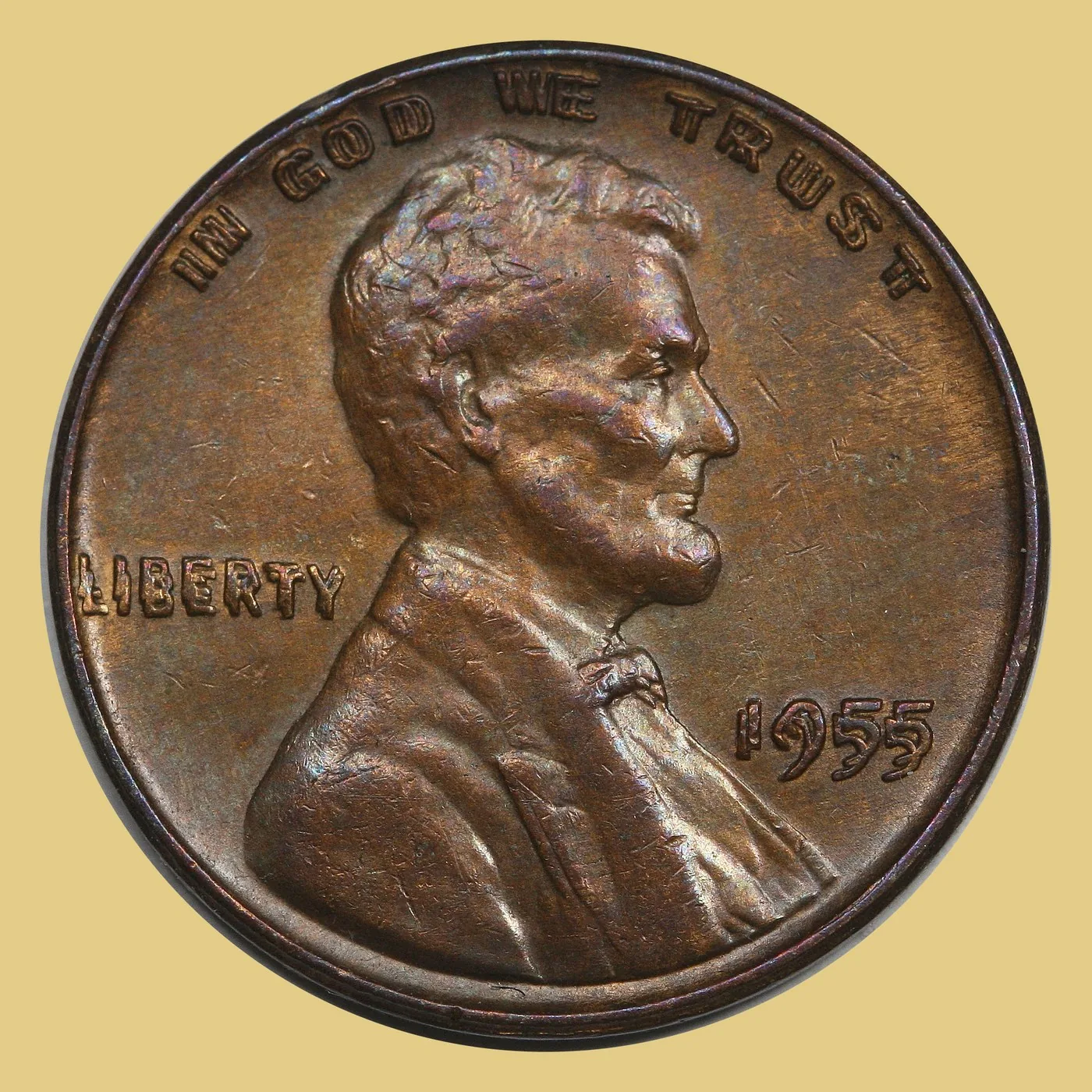
A genuine 1955 doubled die Lincoln cent, one of the most famous true mint errors.
Is your odd-looking coin a valuable mint error or just damage? How to tell genuine errors from post-mint damage.

Double Struck or Fake?
A case study of an 1802 Bust half dollar that raised the question “real or fake?” and what to check before you trust an early U.S. coin.
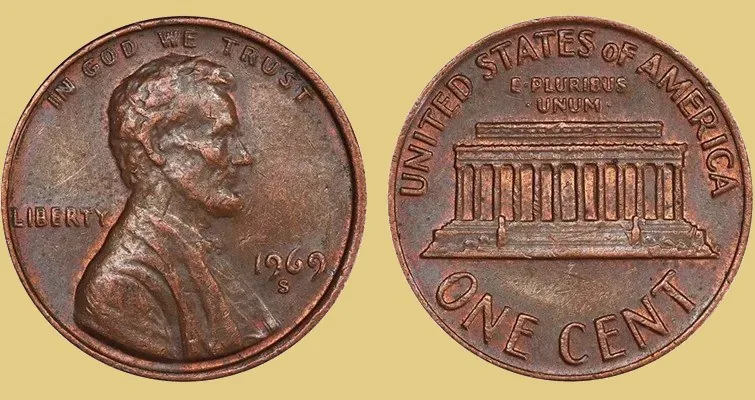
How a collector found a rare 1969-S doubled die cent by searching rolls, and how to spot the real thing among common cents and fakes.
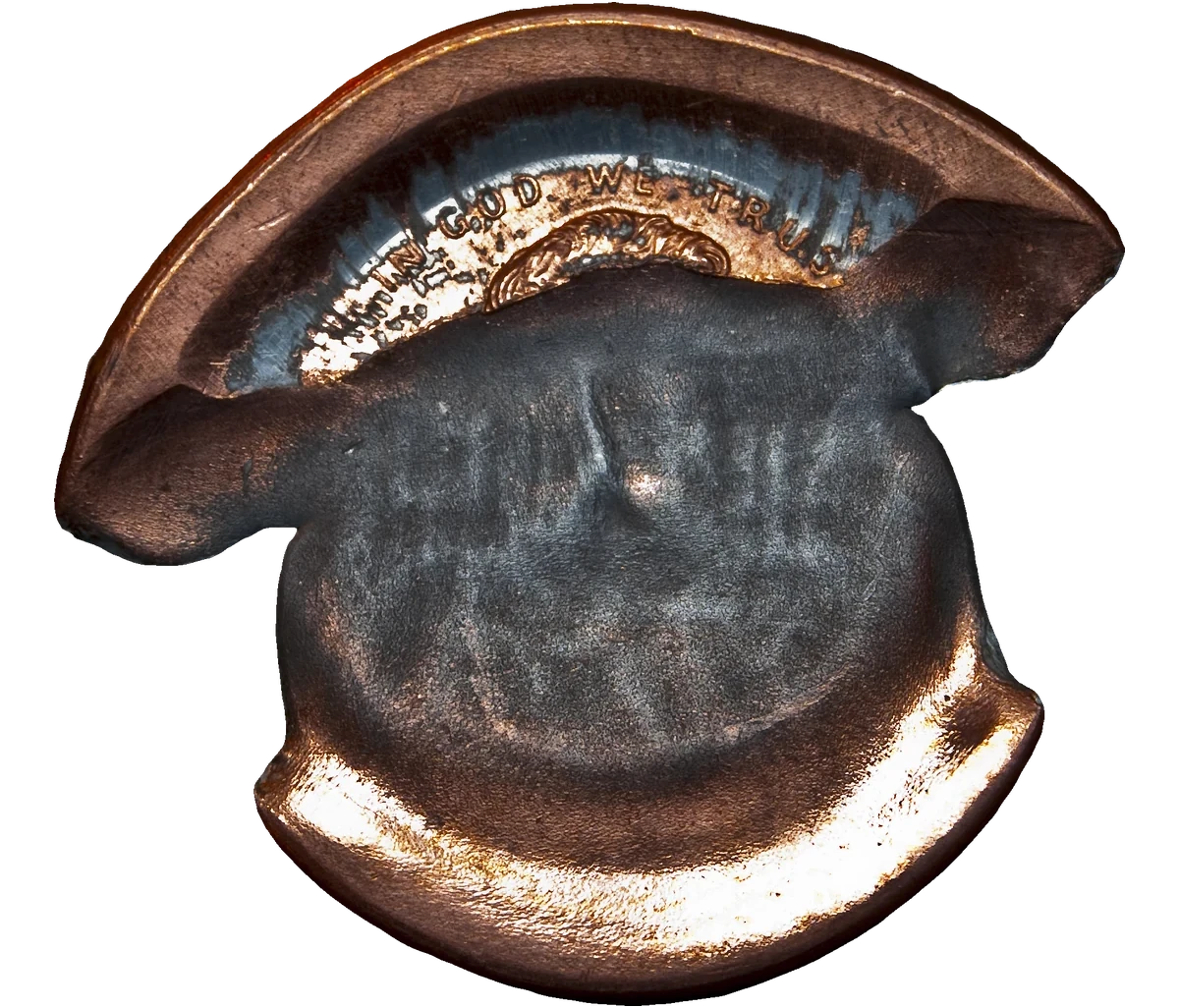
A broadstruck Lincoln cent with a large indent. Photo: No Fear Of Change, CC BY-SA 4.0, via Wikimedia Commons.
A guide to error coins and die varieties: what they are, how they happen and how to recognize the ones collectors value.