Articles Tagged: Coin Value
This page serves as a foundational resource for individuals seeking to understand coin value. It functions as a central hub for articles, guides, and services that explain how the worth of a coin is professionally assessed, from understanding rarity and condition to analyzing current market trends.
By creating a dedicated page for this critical topic, American Rarities positions itself as a primary authority and a trusted expert in the numismatic market. This strategy directly attracts high-intent users who are actively looking to discover the value of their holdings, building the confidence they need to proceed with a professional valuation.
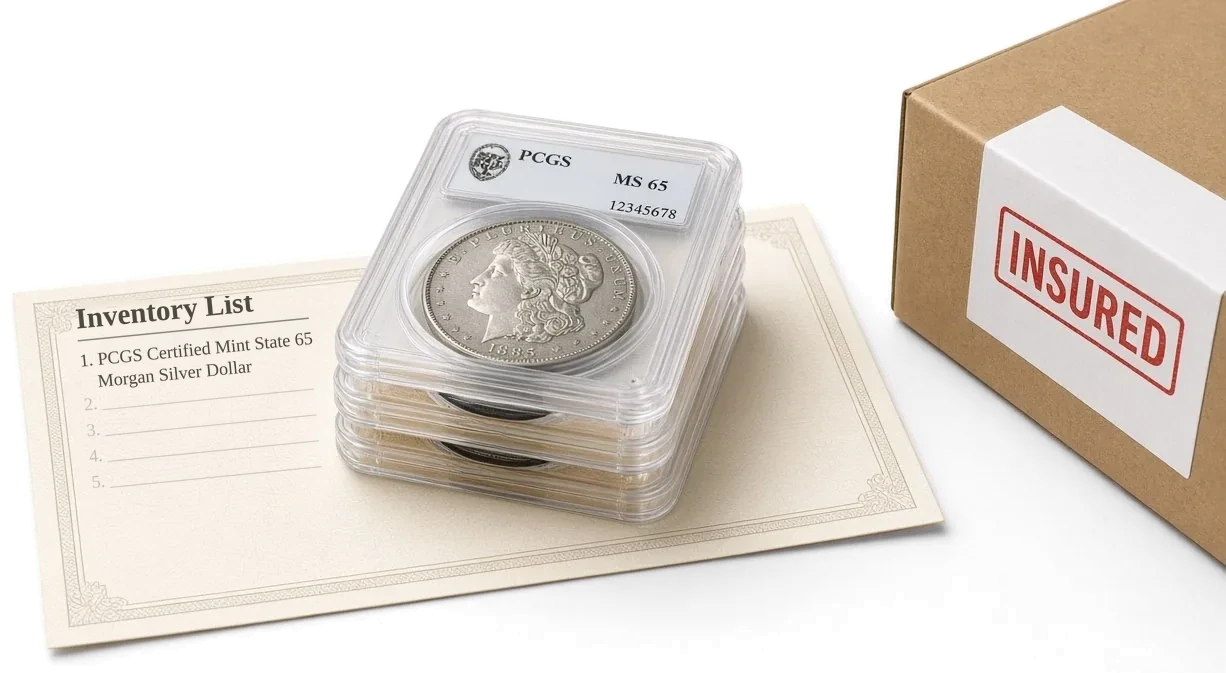
© American Rarities. A documented, insured way to sell a certified coin collection.
The most common mistakes people make when selling rare coins, from cleaning coins to accepting the first offer, and how to avoid them.
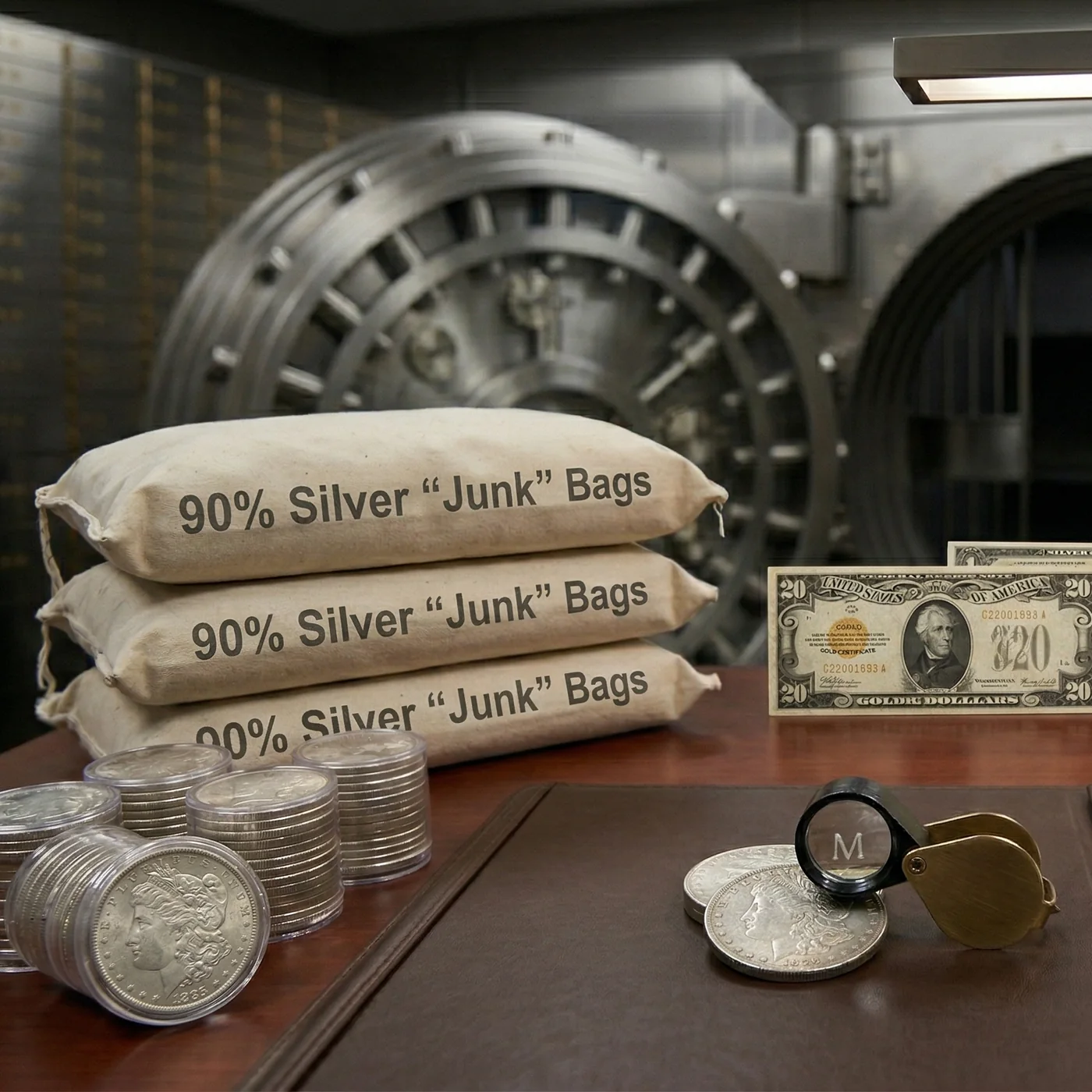
A lifetime collection of silver and paper money, ready for a professional appraisal.
Why one longtime collector chose to sell after 40 years of collecting, and lessons on planning a sale with your family in mind.
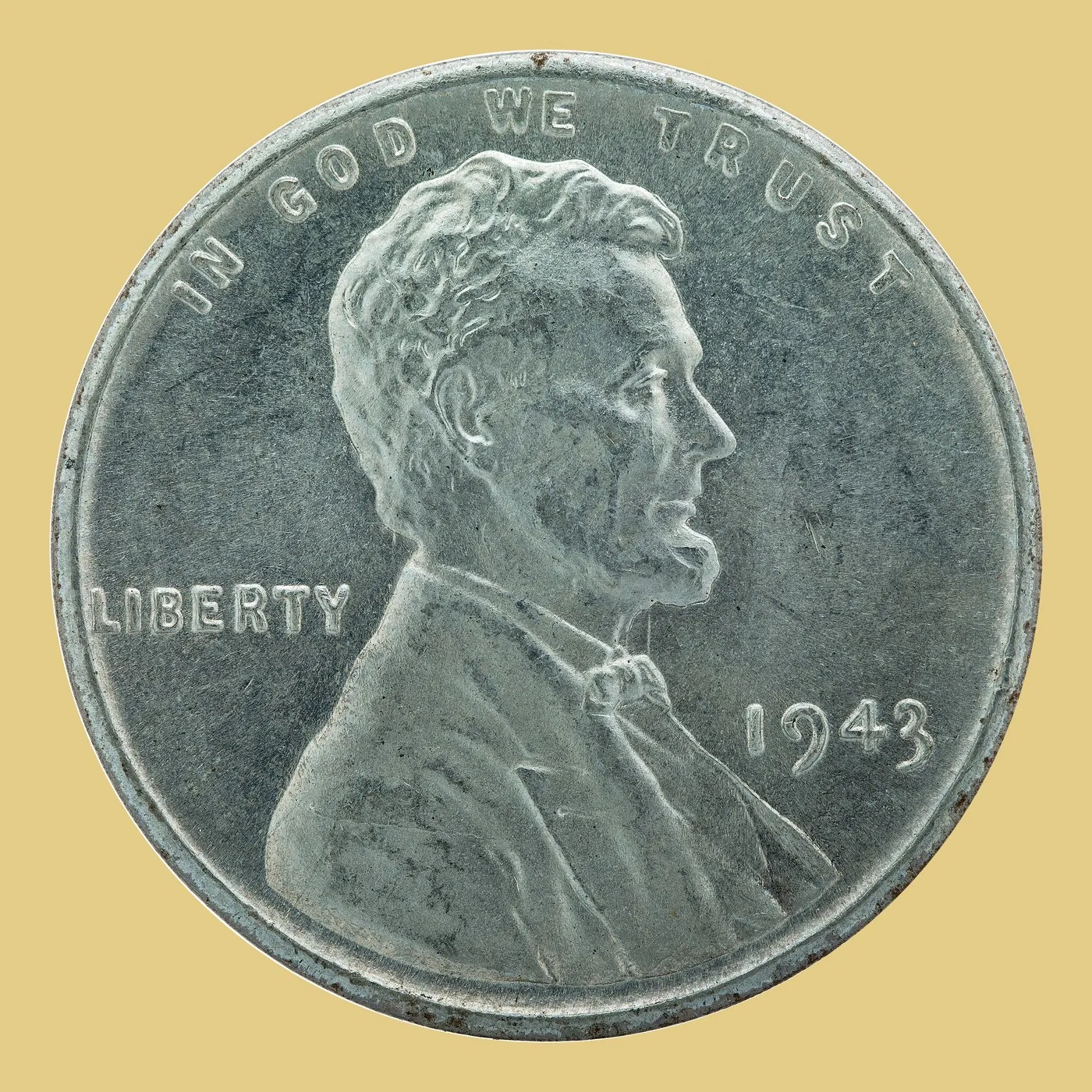
A 1943 zinc-coated steel Lincoln cent, the common wartime "steelie."
How to tell a common 1943 steel cent from the famous 1943 copper cent, one of the rarest U.S. mint errors, and how to check yours with a magnet.
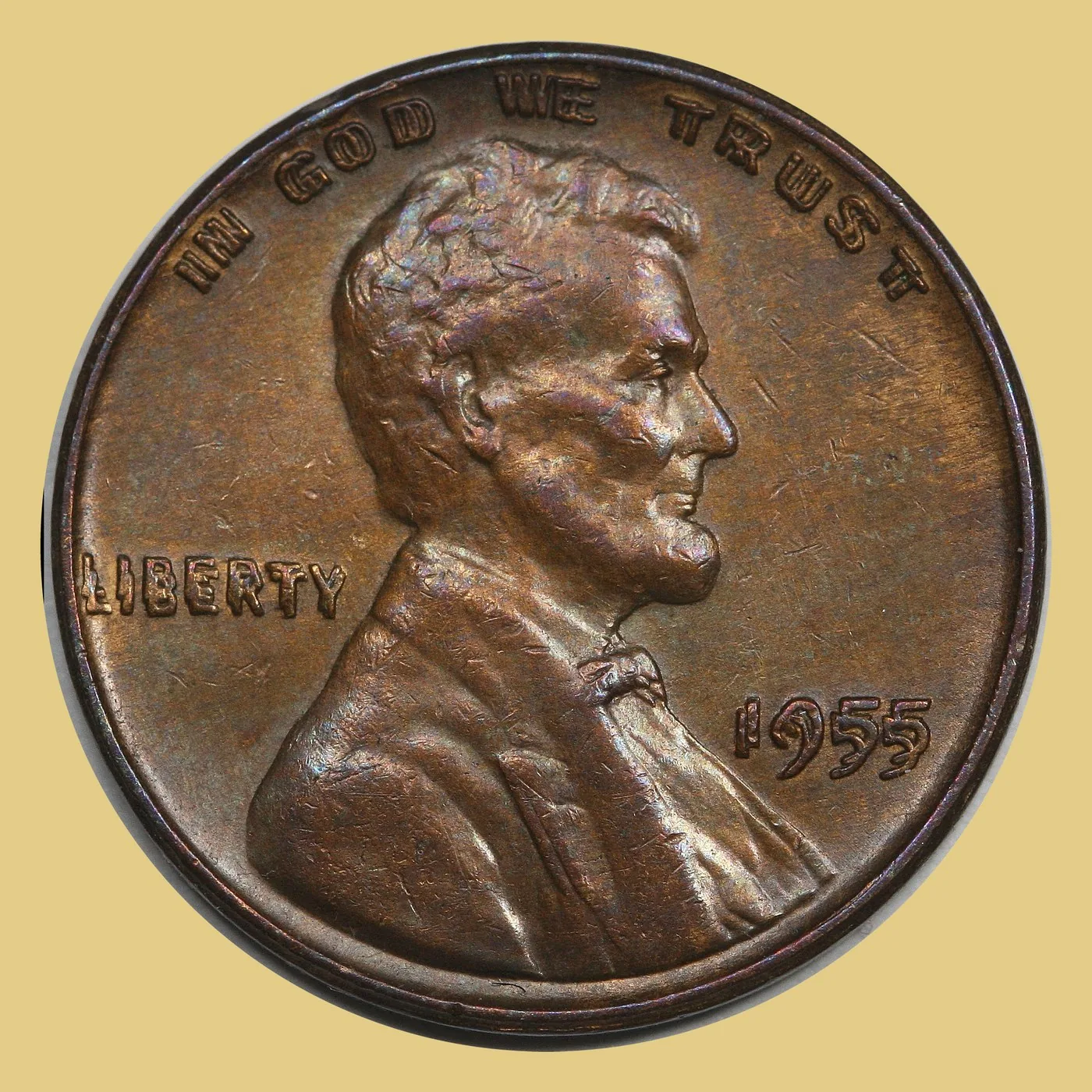
The 1955 doubled die obverse Lincoln cent, a die variety rather than a striking error.
Is the 1955 doubled die Lincoln cent a die variety or a mint error? How the doubling happened, how to spot a genuine one, and how to avoid fakes.
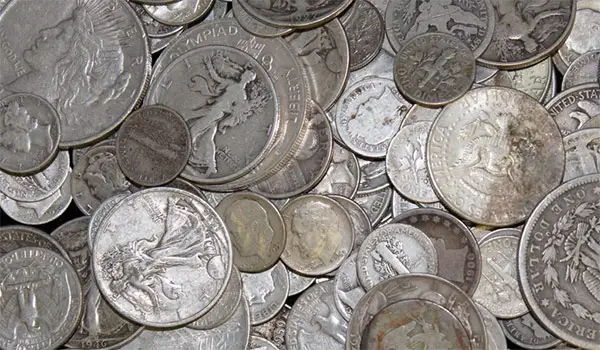
Common mistakes to avoid when selling 90% silver coins, the pre-1965 dimes, quarters and half dollars often called “junk silver,” so you get full value.
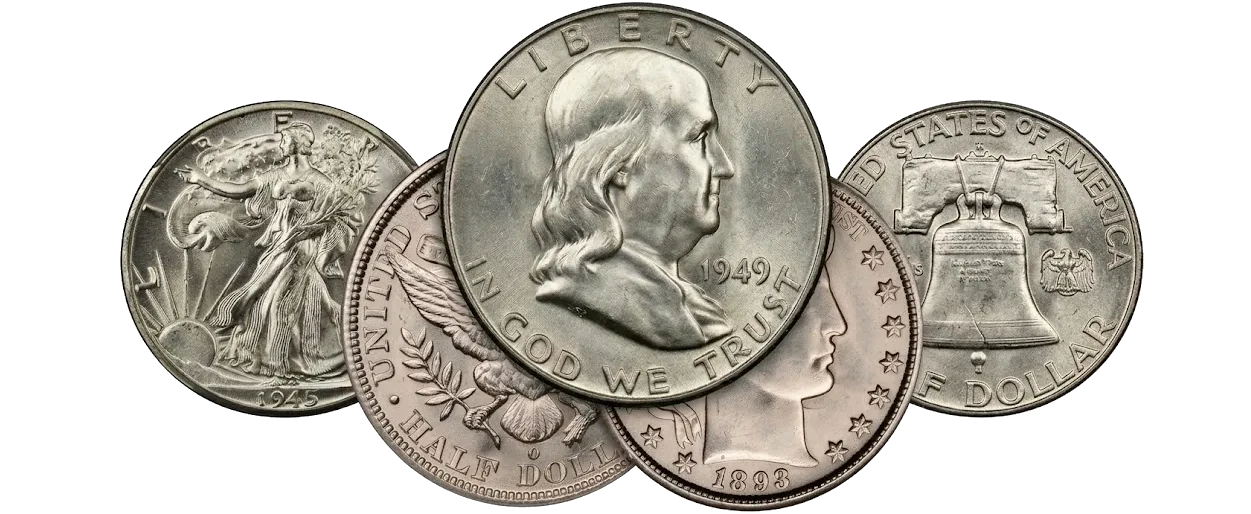
Which half dollars are worth money? How to spot silver and rare 50-cent pieces, from Walking Liberty and Franklin halves to Kennedy halves, and how to sell them.
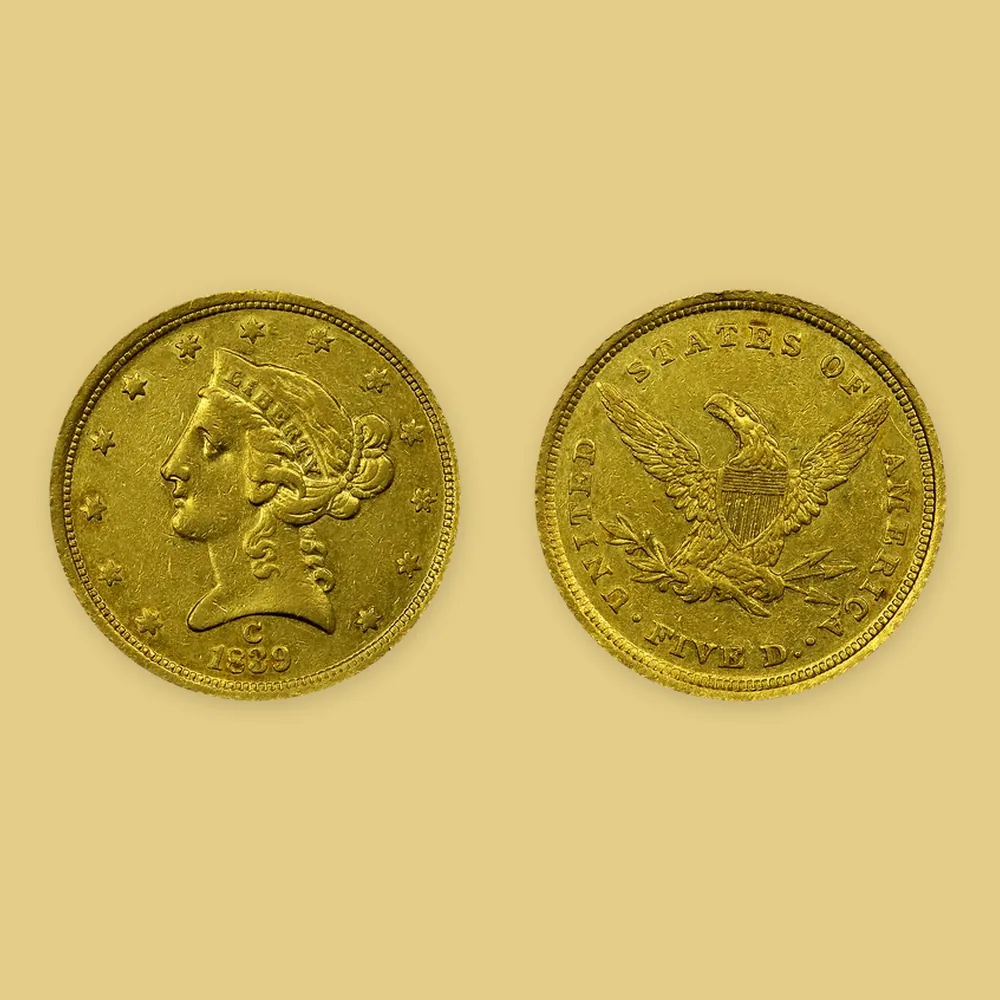
An improperly cleaned 1839-C half eagle. Photos: Eric P. Newman Numismatic Education Society, CC0, via Wikimedia Commons.
Why you should never clean your coins: how cleaning damages a coin’s original surface and can cost you much of its value.
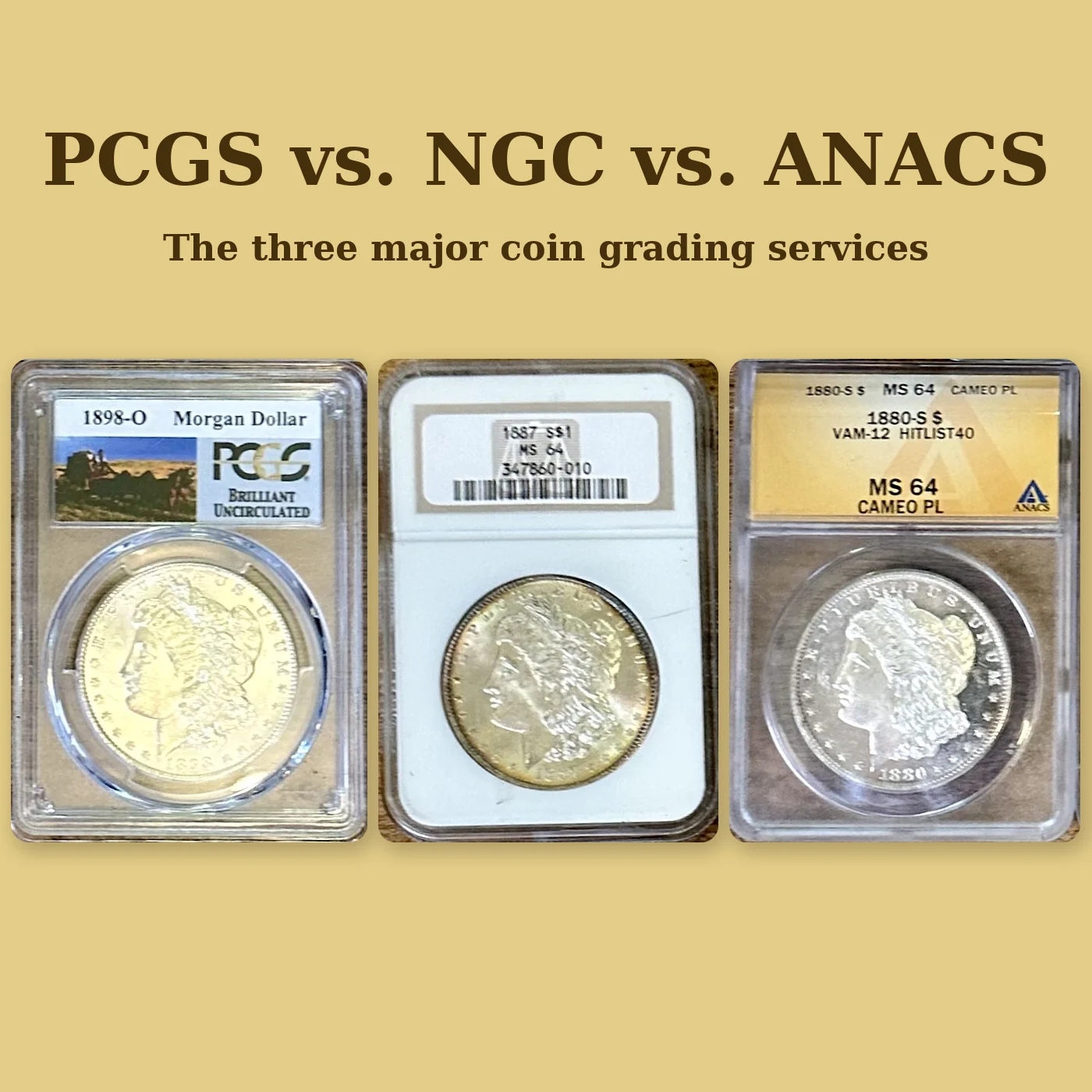
Morgan dollars certified by PCGS, NGC and ANACS. Photos: Bruxton, CC BY-SA 4.0, via Wikimedia Commons (adapted).
The differences between PCGS, NGC and ANACS, the three major coin grading services, and why the grading service on the holder matters when you sell.
A guide to the seven 1982 Lincoln cent varieties: copper or zinc, large or small date, and Philadelphia or Denver, plus the rare transitional error.
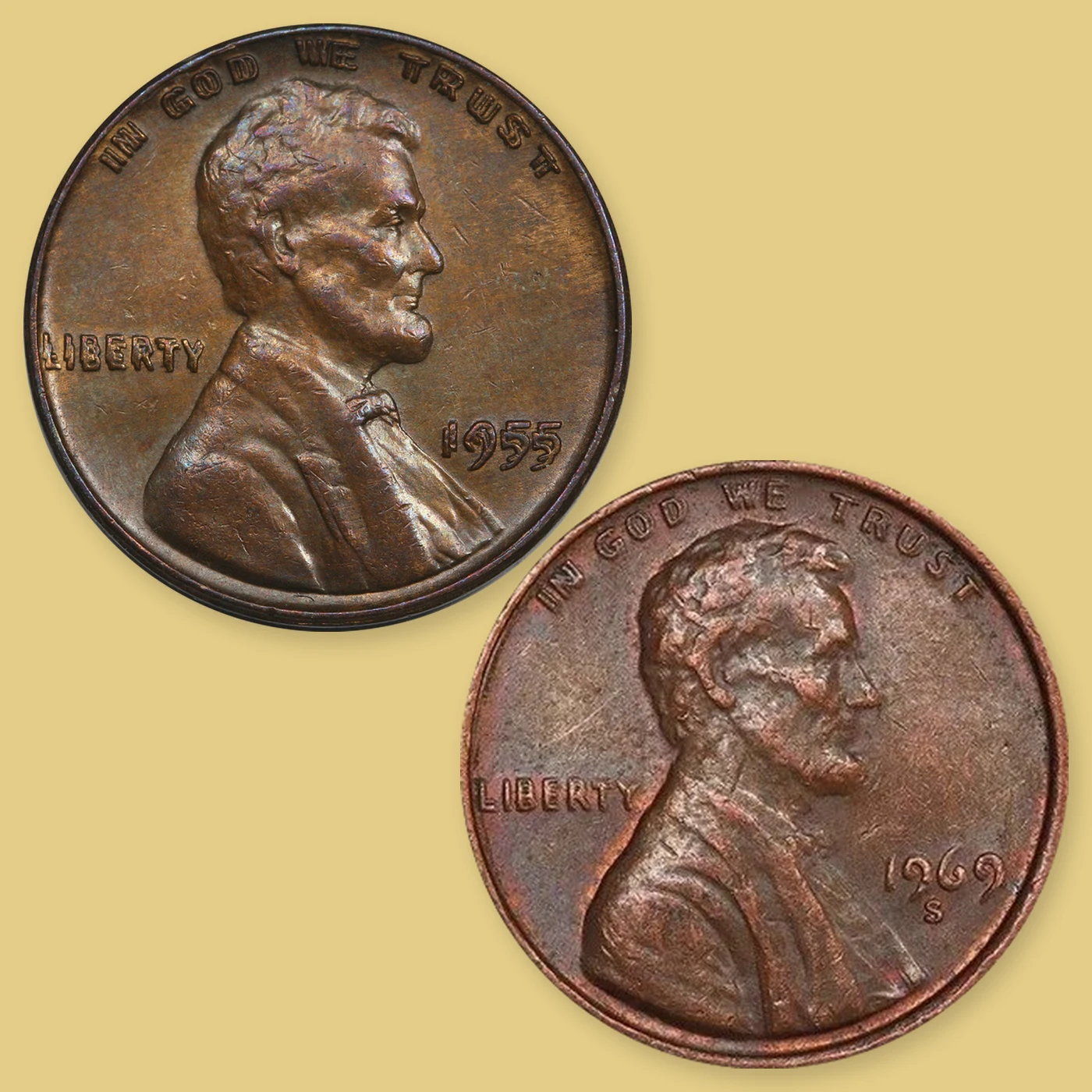
The 1955 doubled die obverse (top) and 1969-S doubled die obverse (bottom) Lincoln cents. 1955 photo: Lost Dutchman Rare Coins, CC BY-SA 3.0 US, via Wikimedia Commons.
Is your coin “double stamped”? Learn the difference between a true doubled die, which can be valuable, and mechanical doubling, which is common and adds little or no value.
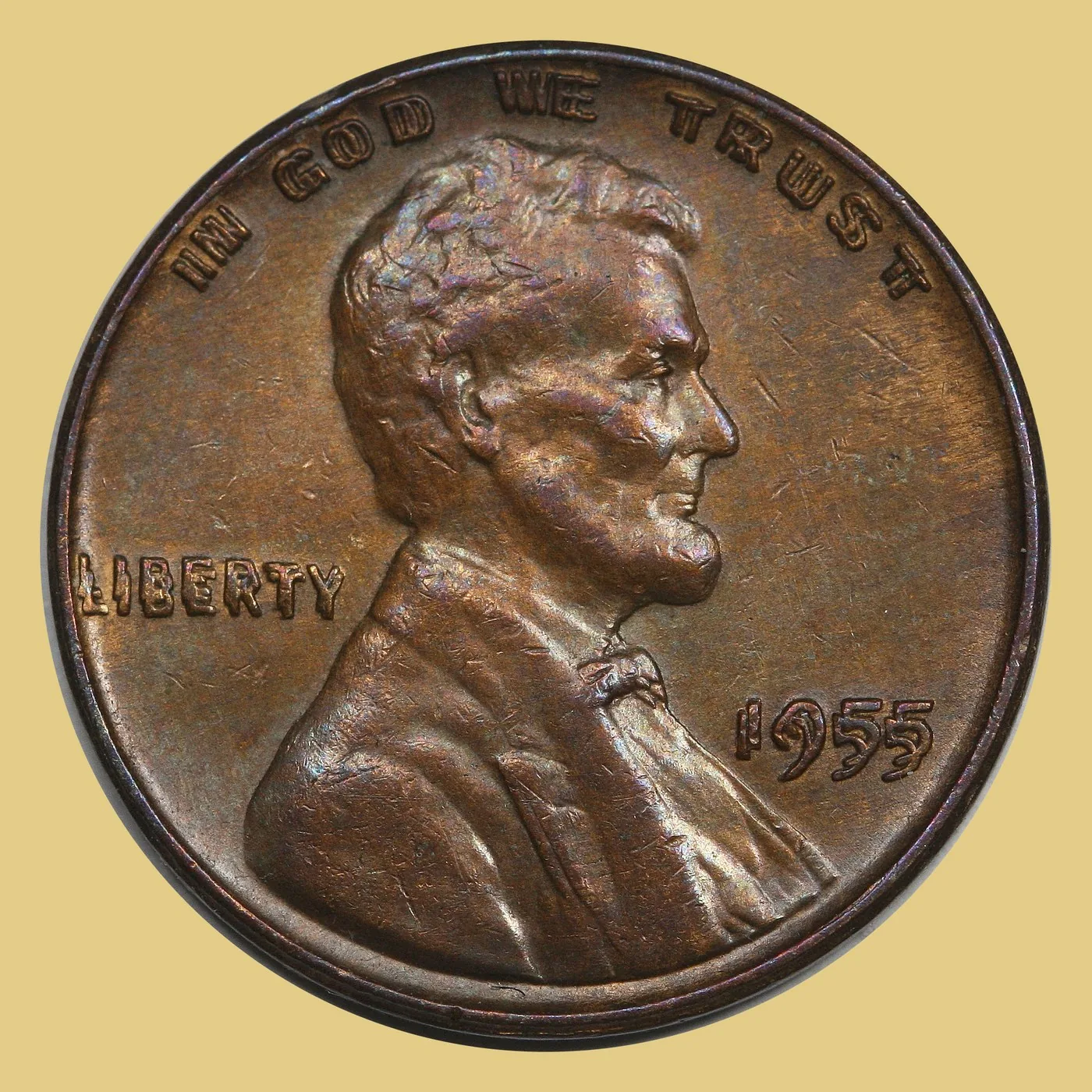
A genuine 1955 doubled die Lincoln cent, one of the most famous true mint errors.
Is your odd-looking coin a valuable mint error or just damage? How to tell genuine errors from post-mint damage.
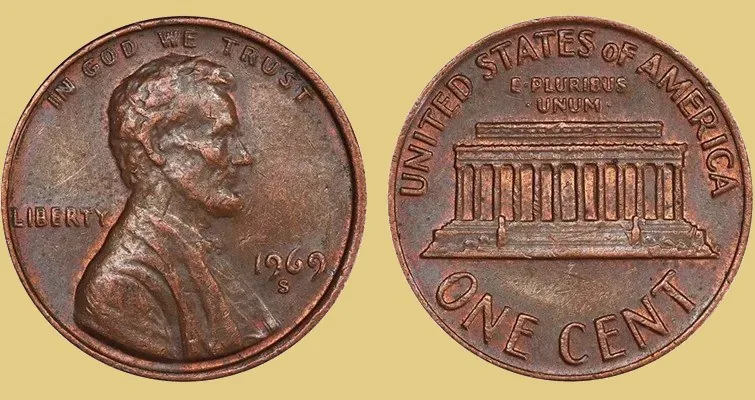
How a collector found a rare 1969-S doubled die cent by searching rolls, and how to spot the real thing among common cents and fakes.
Why selling to an experienced rare coin dealer can bring you more for your collection than a generalist buyer.
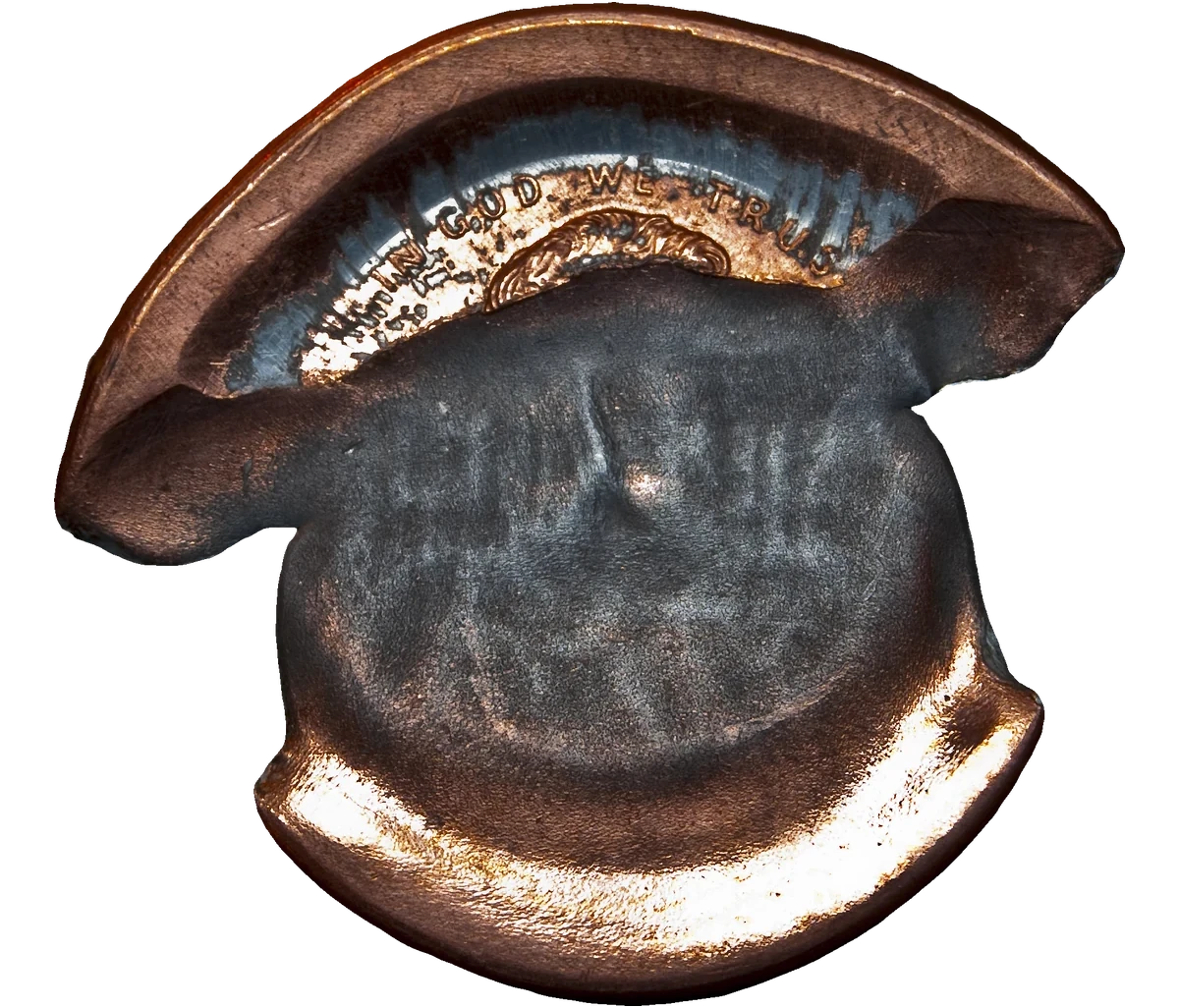
A broadstruck Lincoln cent with a large indent. Photo: No Fear Of Change, CC BY-SA 4.0, via Wikimedia Commons.
A guide to error coins and die varieties: what they are, how they happen and how to recognize the ones collectors value.
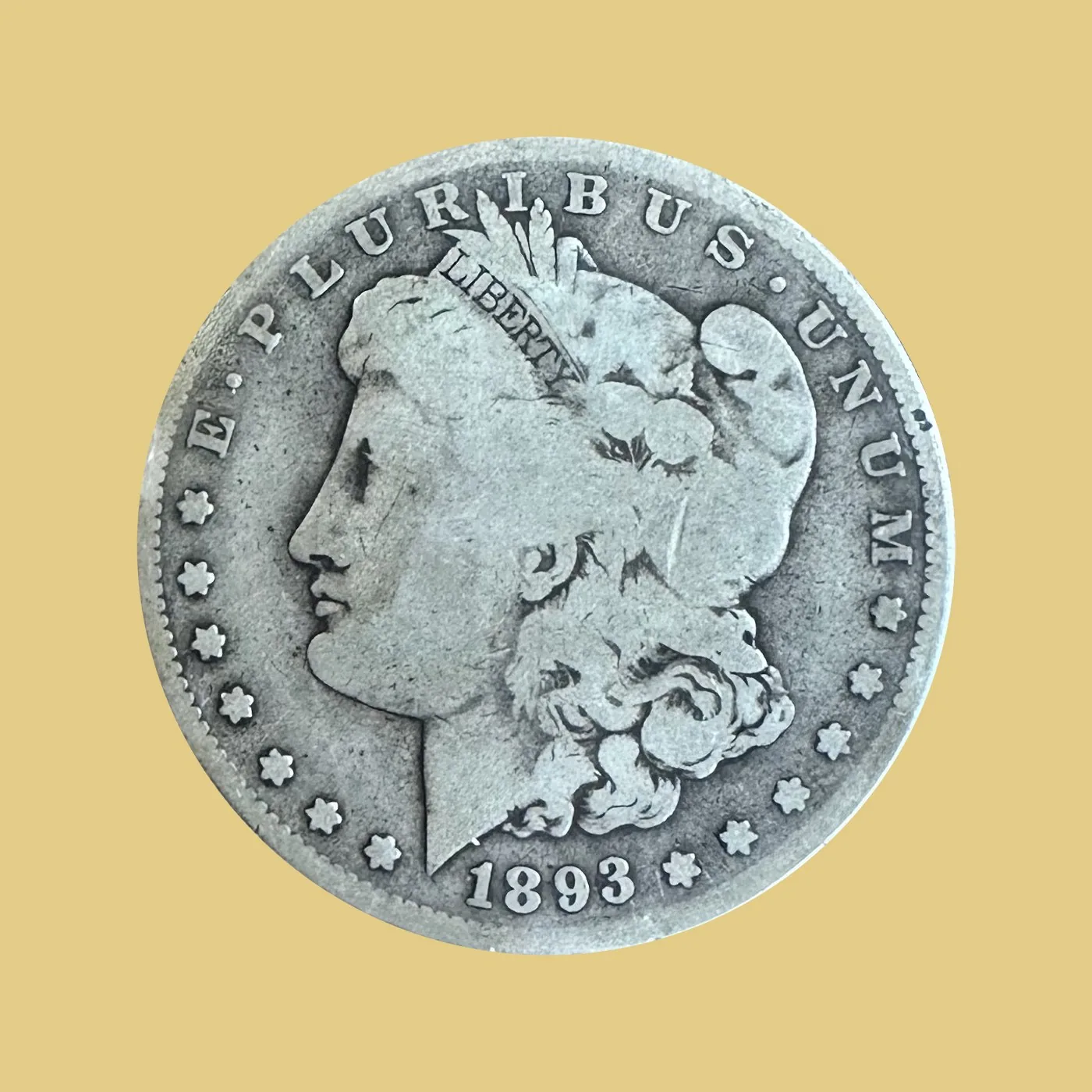
An uncleaned 1893-S Morgan dollar, the key-date coin at the center of this story. Its original surface is part of its value.
The number one mistake that can destroy a coin collection’s value: cleaning. A cautionary story from our years in the coin business.