Articles Tagged: Numismatics
This page serves as a comprehensive gateway for anyone interested in the scholarly hobby of numismatics. It functions as a central hub for articles, guides, and resources that cover the full spectrum of the study of currency, from understanding coin values and identifying rare finds to proper storage and selling strategies.
By creating a broad, authoritative page for this foundational topic, American Rarities positions itself as a leading expert and a go-to resource for the entire collecting community. This strategy attracts a wide audience, from beginners to advanced numismatists, building the brand recognition and trust needed to be the first choice for any appraisal or transaction.
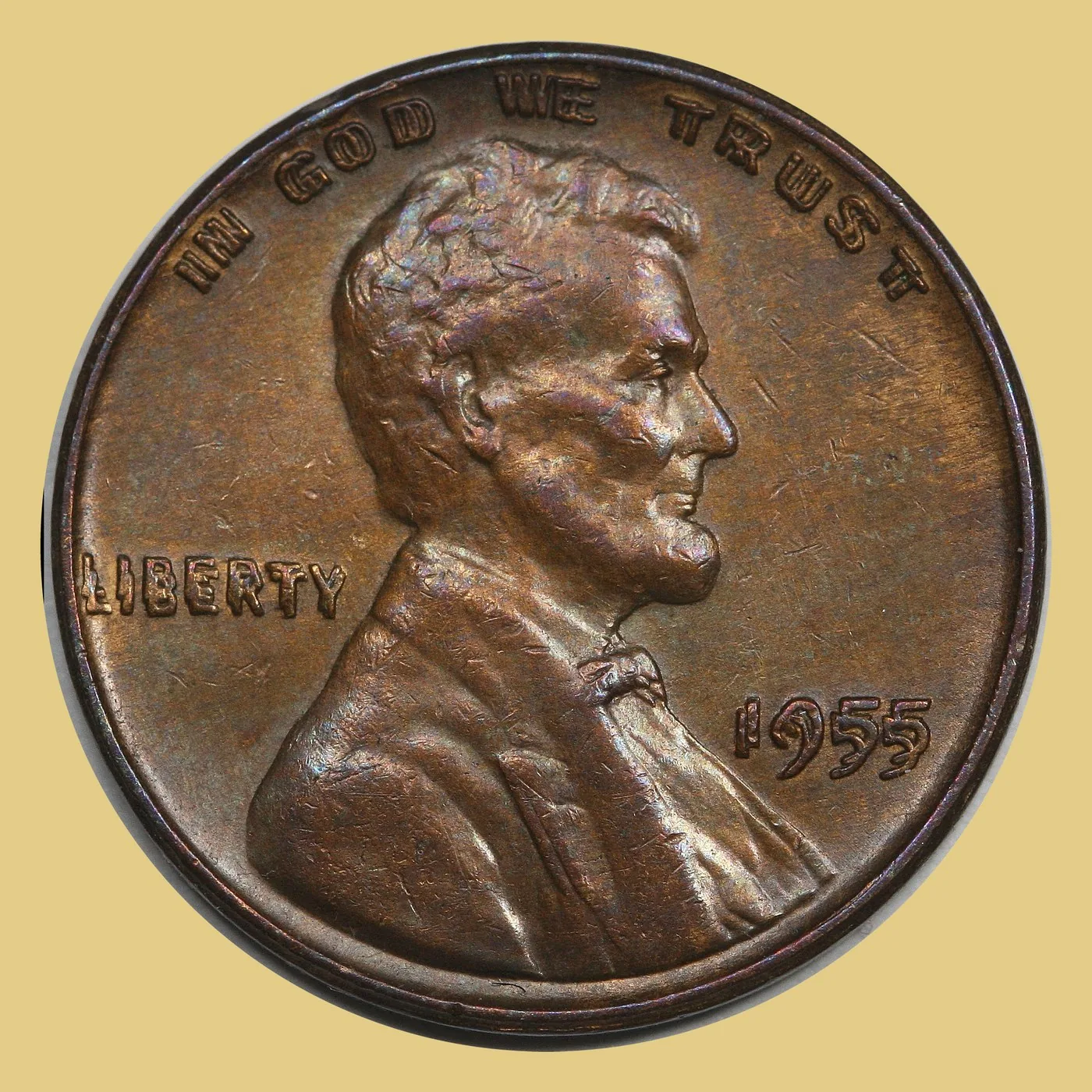
The 1955 doubled die obverse Lincoln cent, a die variety rather than a striking error.
Is the 1955 doubled die Lincoln cent a die variety or a mint error? How the doubling happened, how to spot a genuine one, and how to avoid fakes.
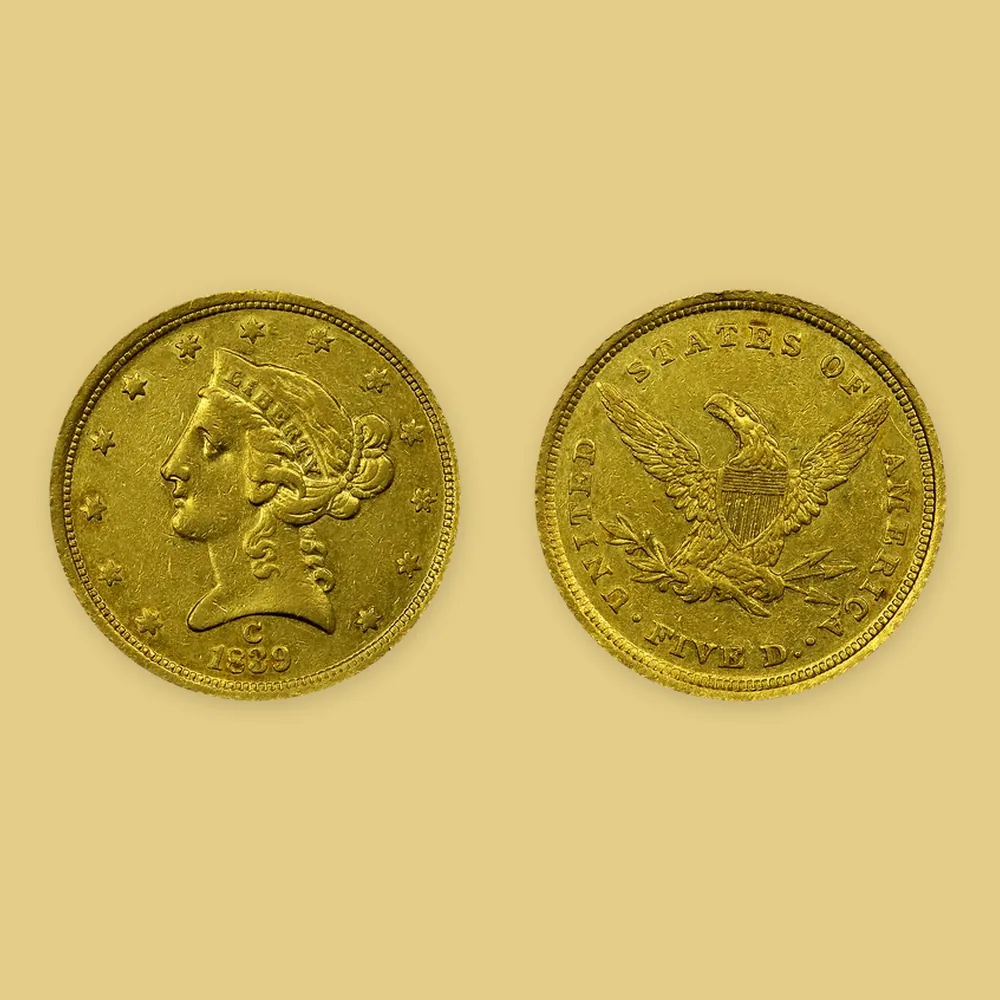
An improperly cleaned 1839-C half eagle. Photos: Eric P. Newman Numismatic Education Society, CC0, via Wikimedia Commons.
Why you should never clean your coins: how cleaning damages a coin’s original surface and can cost you much of its value.
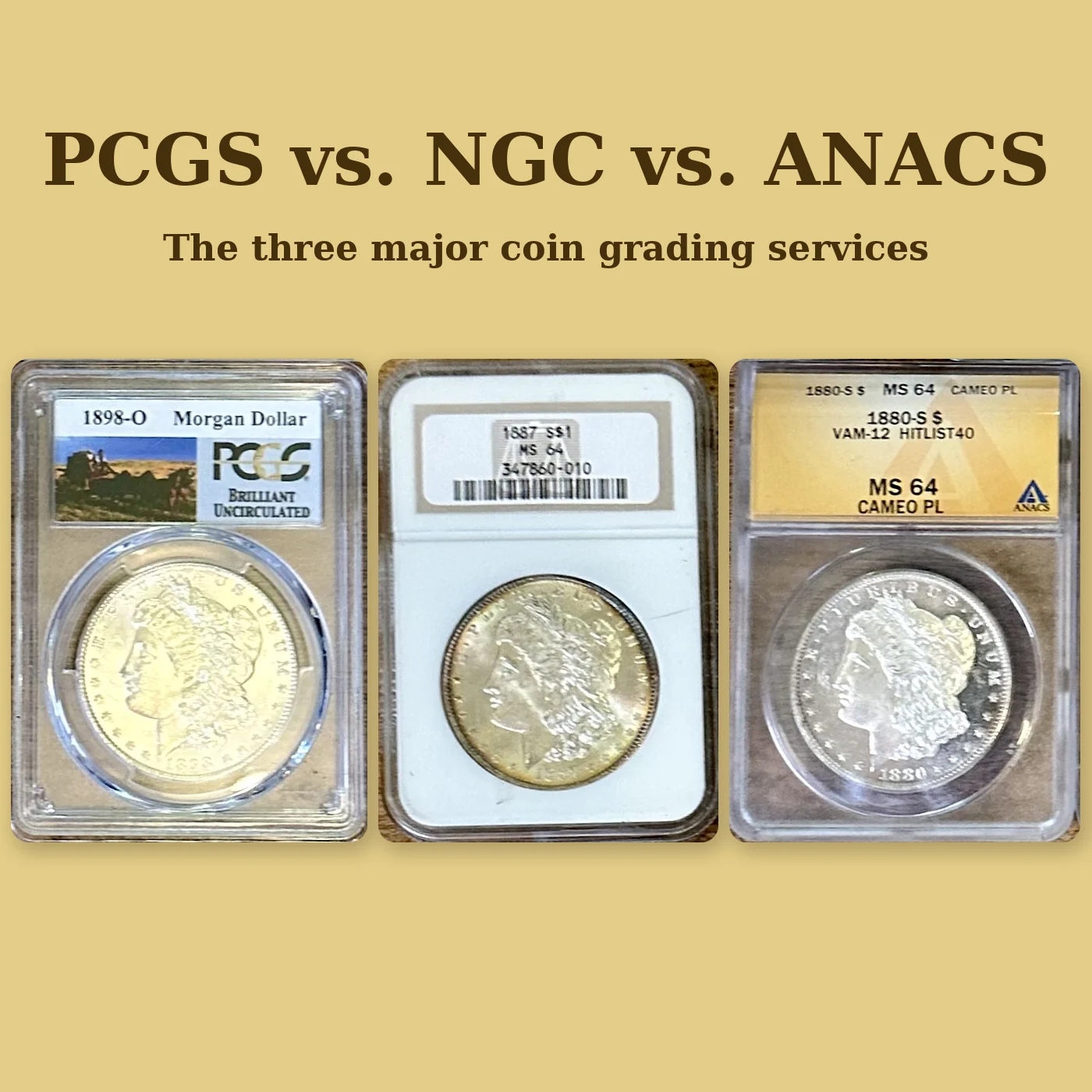
Morgan dollars certified by PCGS, NGC and ANACS. Photos: Bruxton, CC BY-SA 4.0, via Wikimedia Commons (adapted).
The differences between PCGS, NGC and ANACS, the three major coin grading services, and why the grading service on the holder matters when you sell.
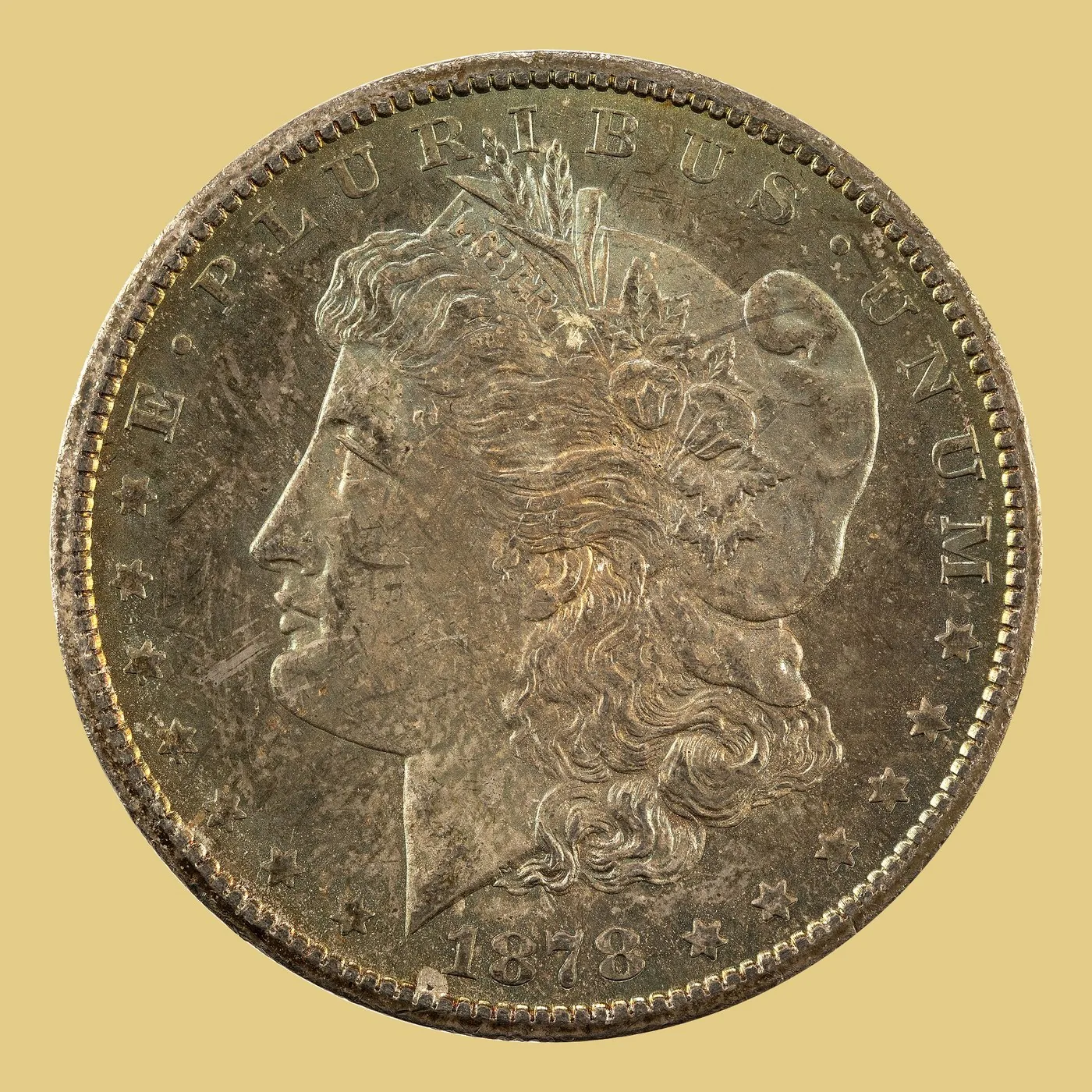
An 1878-CC Morgan silver dollar from the Carson City Mint.
Our top ten picks among classic U.S. rare coins, chosen for strong collector demand and lasting value.
A guide to the seven 1982 Lincoln cent varieties: copper or zinc, large or small date, and Philadelphia or Denver, plus the rare transitional error.
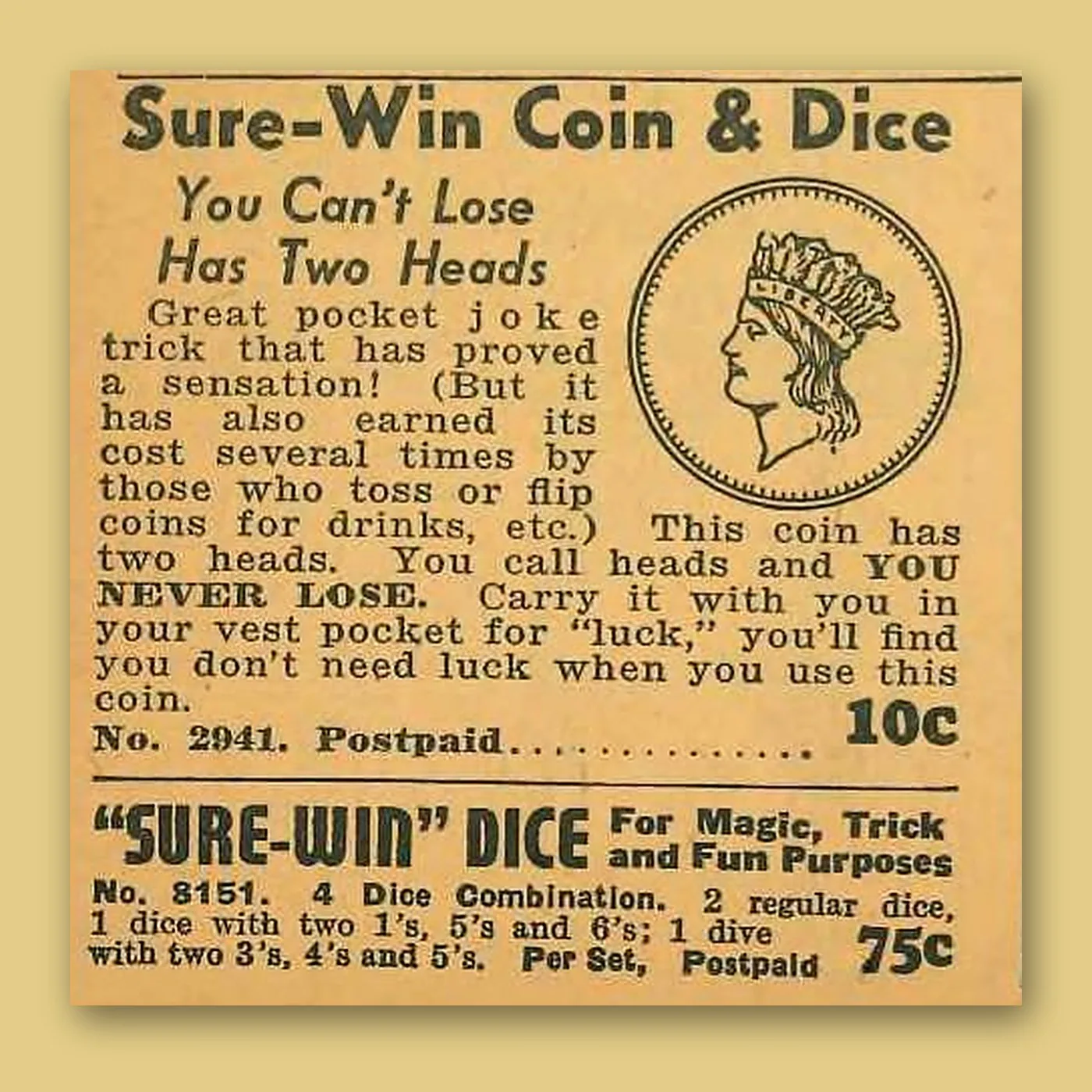
A circa-1942 Johnson Smith & Co. catalog ad selling a two-headed “Sure-Win” coin for 10¢.
Found a two-headed coin? Most are magician’s coins, not mint errors. Here’s how to tell a novelty coin from a genuine error.
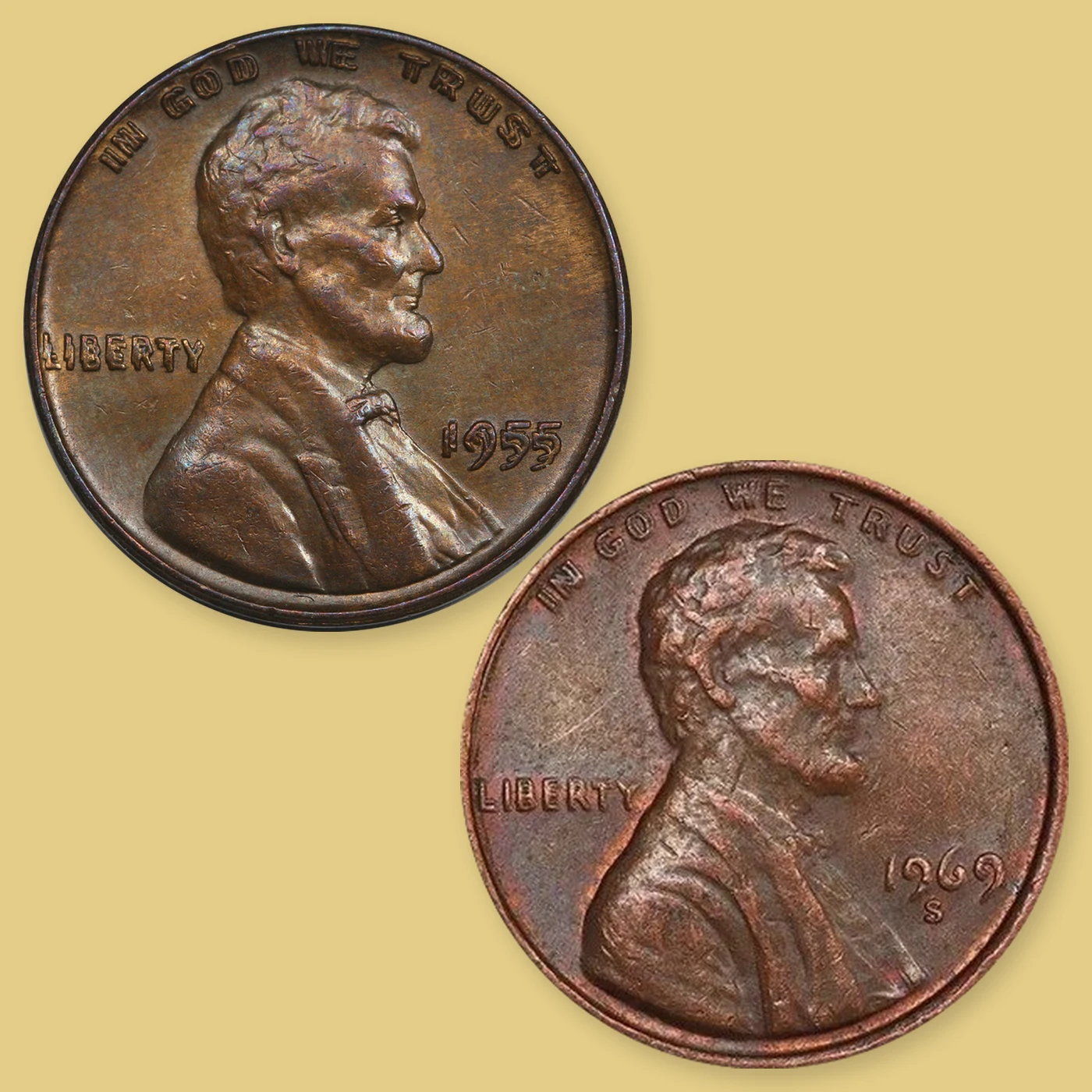
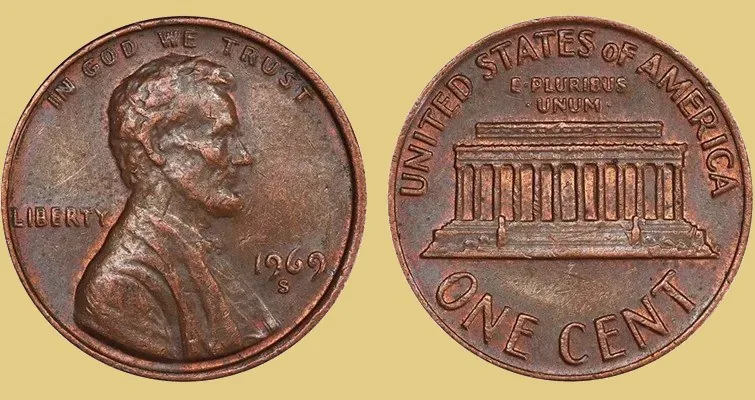
The 1955 doubled die obverse (top) and 1969-S doubled die obverse (bottom) Lincoln cents. 1955 photo: Lost Dutchman Rare Coins, CC BY-SA 3.0 US, via Wikimedia Commons.
Is your coin “double stamped”? Learn the difference between a true doubled die, which can be valuable, and mechanical doubling, which is common and adds little or no value.
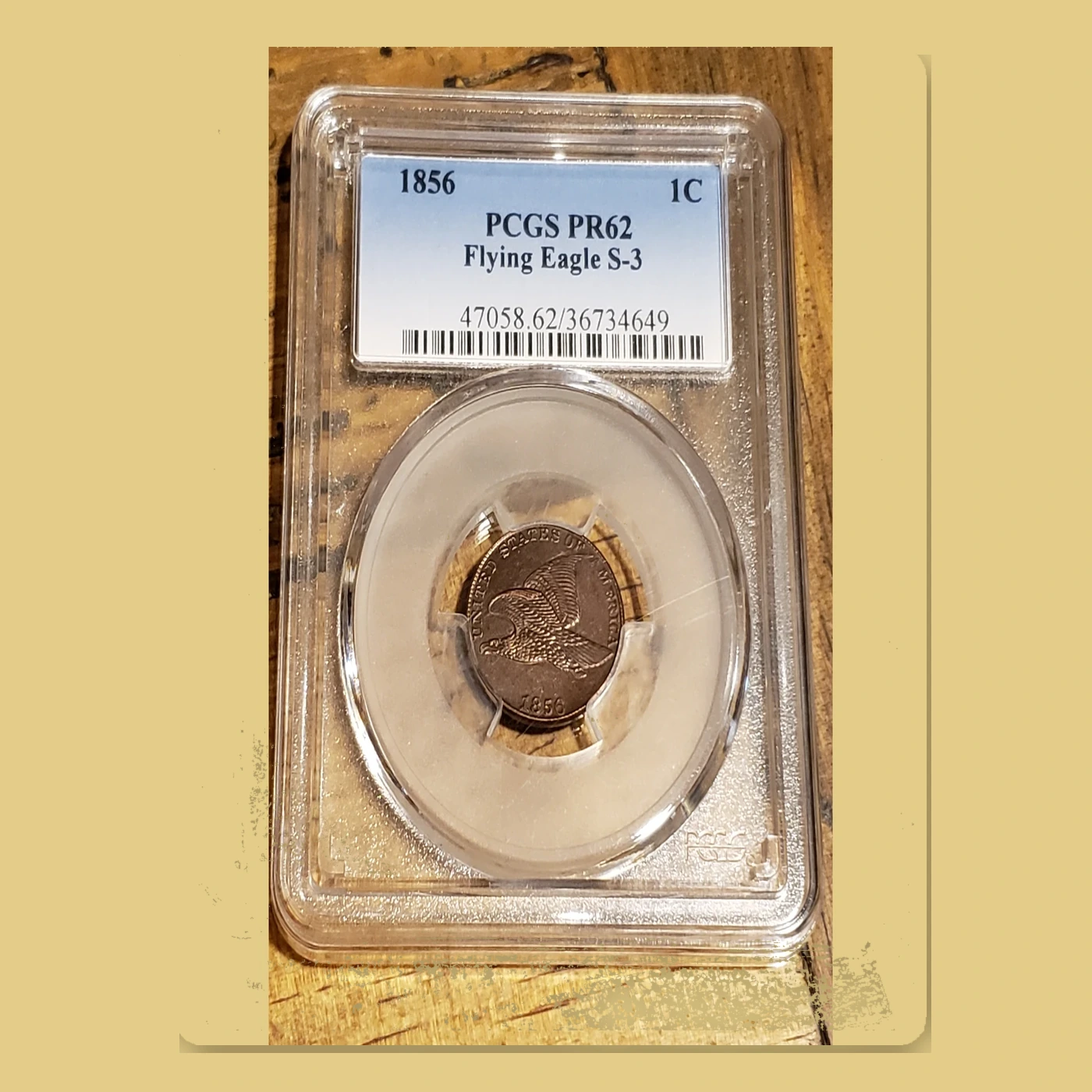
The counterfeit PCGS holder and fake 1856 Flying Eagle cent from this case study. The certification number on the label did not exist in the PCGS database.
A real case study of a counterfeit coin in a fake PCGS holder, and how to check a certified coin before you trust the slab.
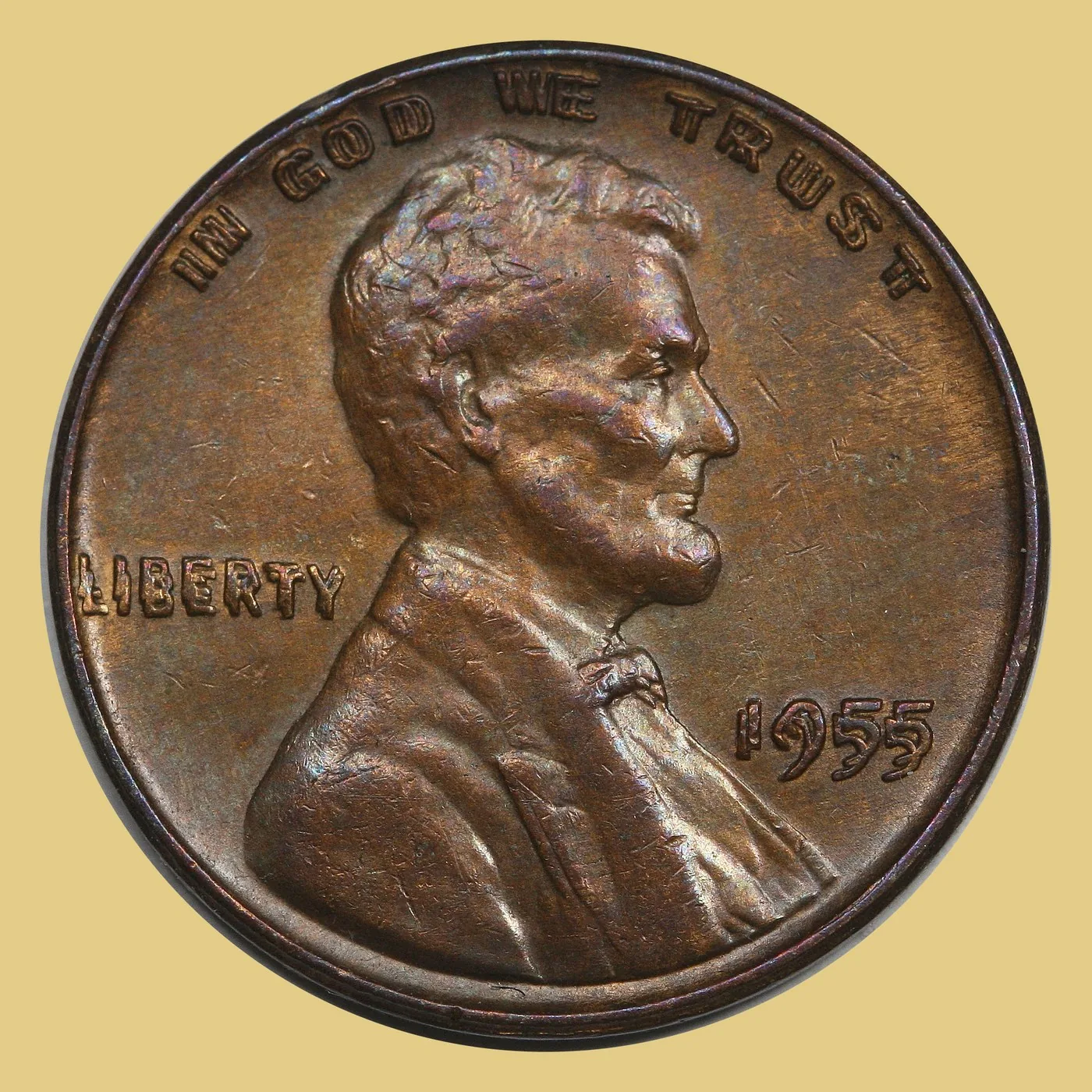
A genuine 1955 doubled die Lincoln cent, one of the most famous true mint errors.
Is your odd-looking coin a valuable mint error or just damage? How to tell genuine errors from post-mint damage.

Double Struck or Fake?
A case study of an 1802 Bust half dollar that raised the question “real or fake?” and what to check before you trust an early U.S. coin.
Why knowing your coins is the key to a valuable collection, whether you are building one or selling one.
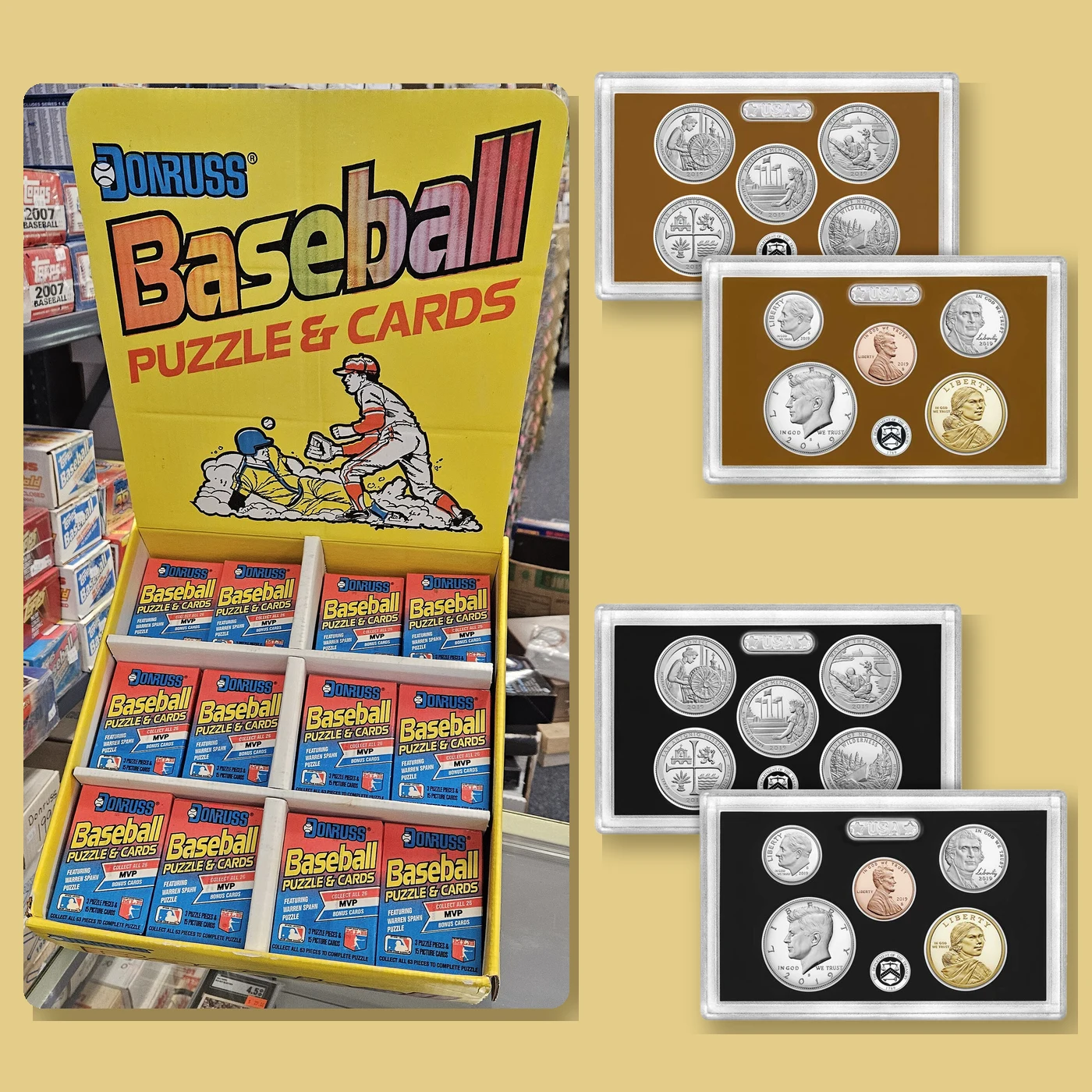
A 1980s Donruss wax pack display (photo: Davidellias, CC0) next to 2019 U.S. Mint clad and silver proof sets (U.S. Mint, public domain), via Wikimedia Commons.
What the baseball card overproduction of the late 1980s and early 1990s can teach collectors about modern U.S. Mint products.
How a collector found a rare 1969-S doubled die cent by searching rolls, and how to spot the real thing among common cents and fakes.
A true story from our years as a rare coin dealer, and the lengths we go to when a collection needs an in-person appraisal.
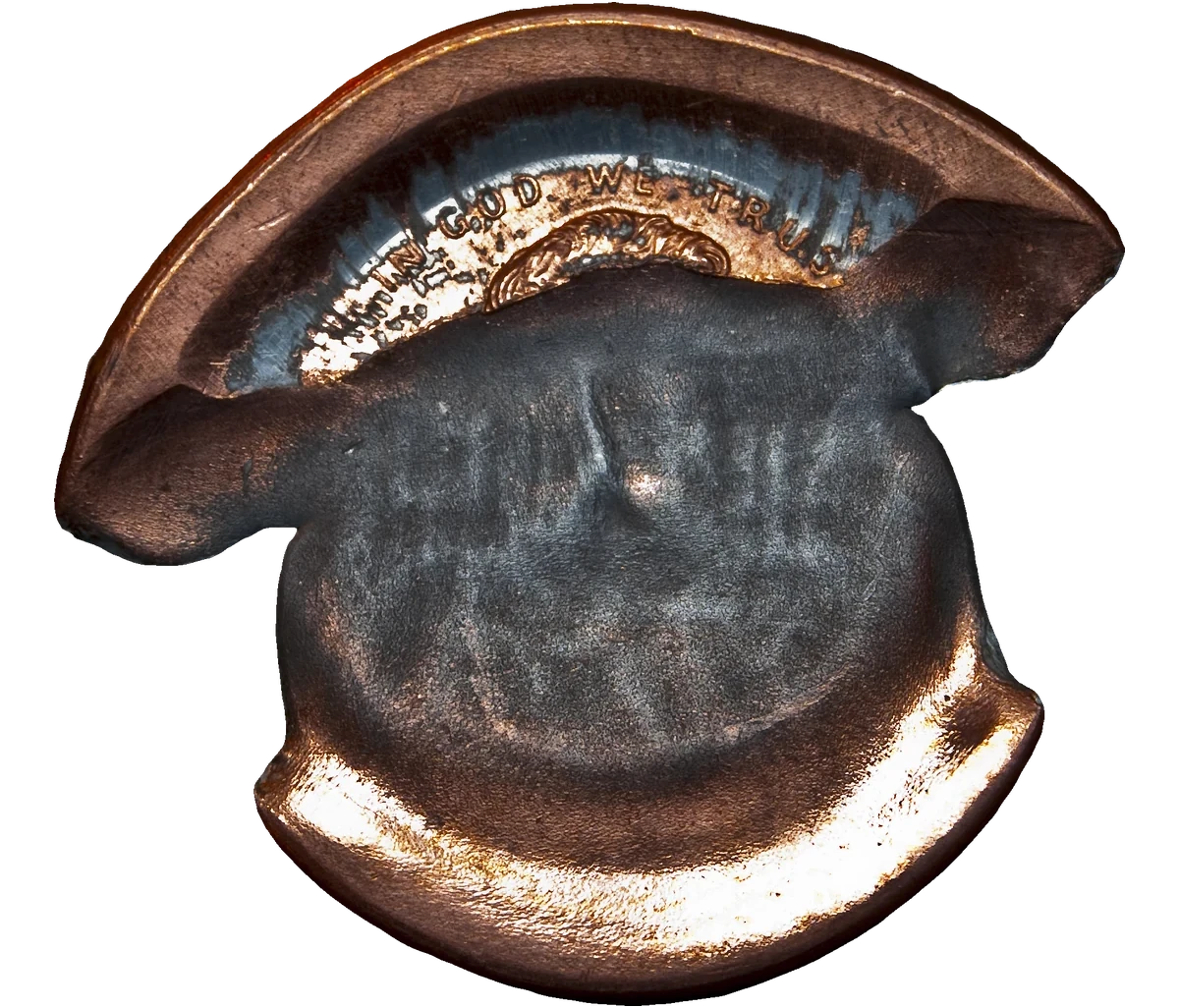
A broadstruck Lincoln cent with a large indent. Photo: No Fear Of Change, CC BY-SA 4.0, via Wikimedia Commons.
A guide to error coins and die varieties: what they are, how they happen and how to recognize the ones collectors value.
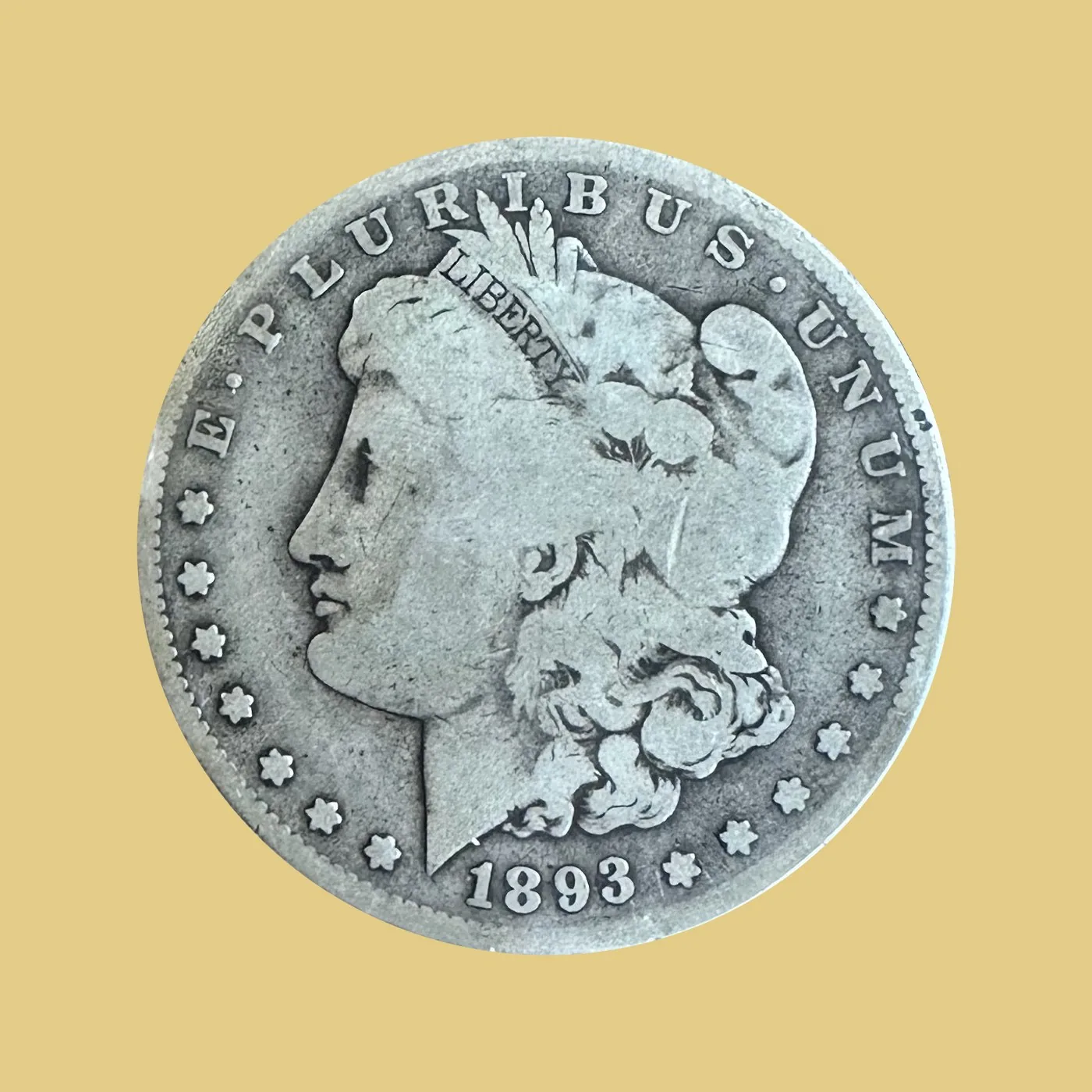
An uncleaned 1893-S Morgan dollar, the key-date coin at the center of this story. Its original surface is part of its value.
The number one mistake that can destroy a coin collection’s value: cleaning. A cautionary story from our years in the coin business.

Buried treasure really does exist.
The story of a buried cache of gold coins found in Texas in 2012, and what it took to recover, appraise and sell it.
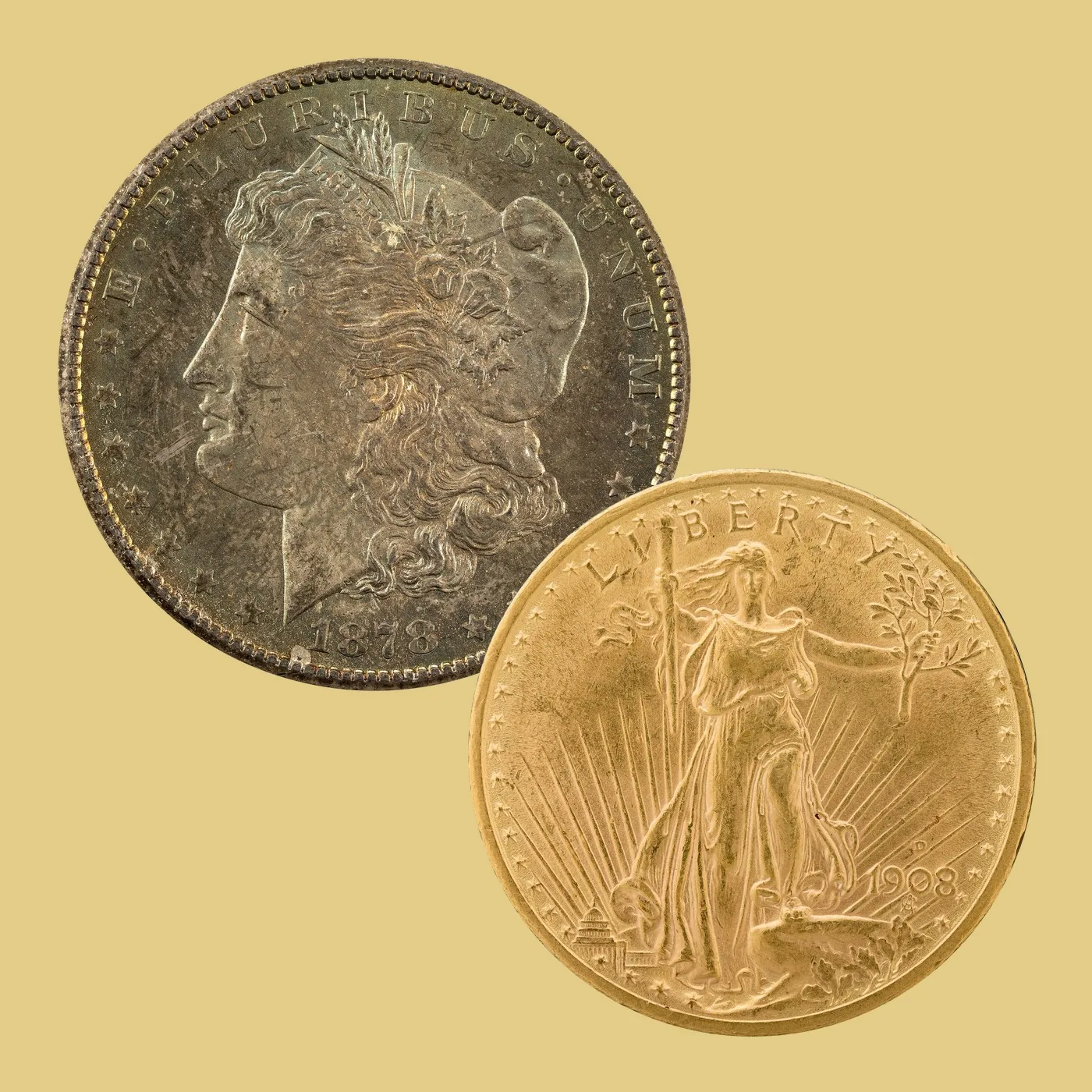
An 1878-CC Morgan silver dollar and a 1908-D Saint-Gaudens $20 gold double eagle.
How we helped a Nevada seller understand the true value of their rare coins, and why price and value are not always the same.
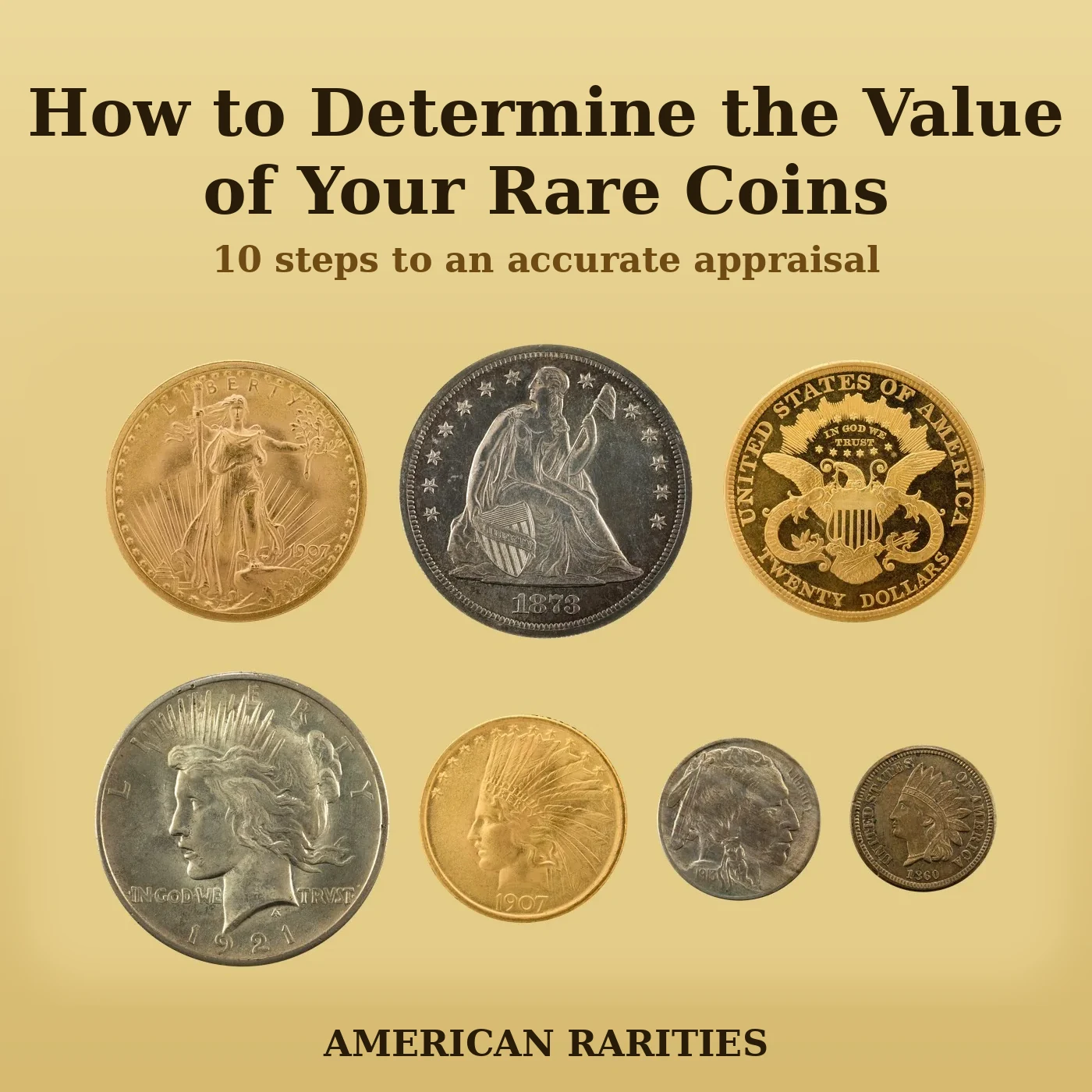
How to determine the value of your rare coins: 10 steps to an accurate appraisal.
Ten steps to determine the value of your rare coins, from identifying dates and mint marks to grading and getting a professional appraisal.