Articles Tagged: Sell Coins
This page is a comprehensive archive for individuals looking to sell coins. It serves as a central hub, linking to valuable resources that guide sellers, such as articles on finding trustworthy buyers and understanding the benefits of selling to a dealer.
By providing content that addresses the seller’s journey, including personal case studies like “Why I Divested From Coins,” the company builds a strong sense of trust and empathy. This strategy positions American Rarities as an understanding and expert partner, encouraging potential clients to confidently choose them for a professional and fair transaction.
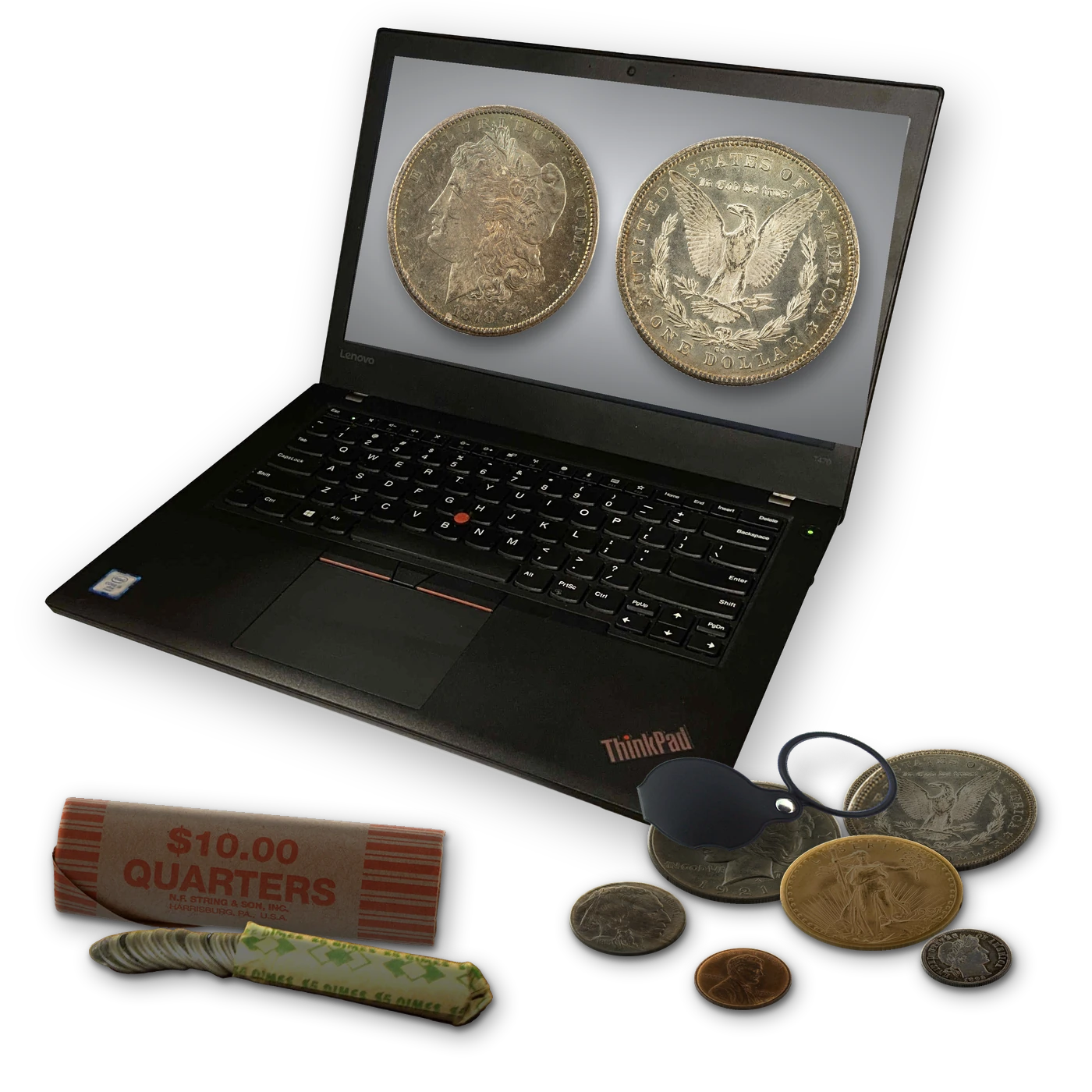
Coins: National Numismatic Collection, Smithsonian Institution (photo by Jaclyn Nash), public domain, via Wikimedia Commons. Laptop: Lenovo ThinkPad T470 photo by NickW1129, CC0. Quarters roll: Chris Woodrich, CC BY-SA 4.0, via Wikimedia Commons. Dime roll: Junk Silver photo, public domain, via Wikimedia Commons. Folding magnifier: Simon Speed, CC0, via Wikimedia Commons. Composite by American Rarities, CC BY-SA 4.0.
How to sell coins online in seven steps: know what you have, leave coins as they are, take photos and make a list, choose a buyer you can verify, get a free appraisal and written offer, ship fully insured or meet in person, and get paid.
How to ship a coin collection safely for an appraisal: when to meet in person instead, making an inventory and photos, packing coins in their holders, double boxing, choosing USPS Registered Mail over FedEx or UPS, declaring value, signatures and tracking, and shipping paper money.
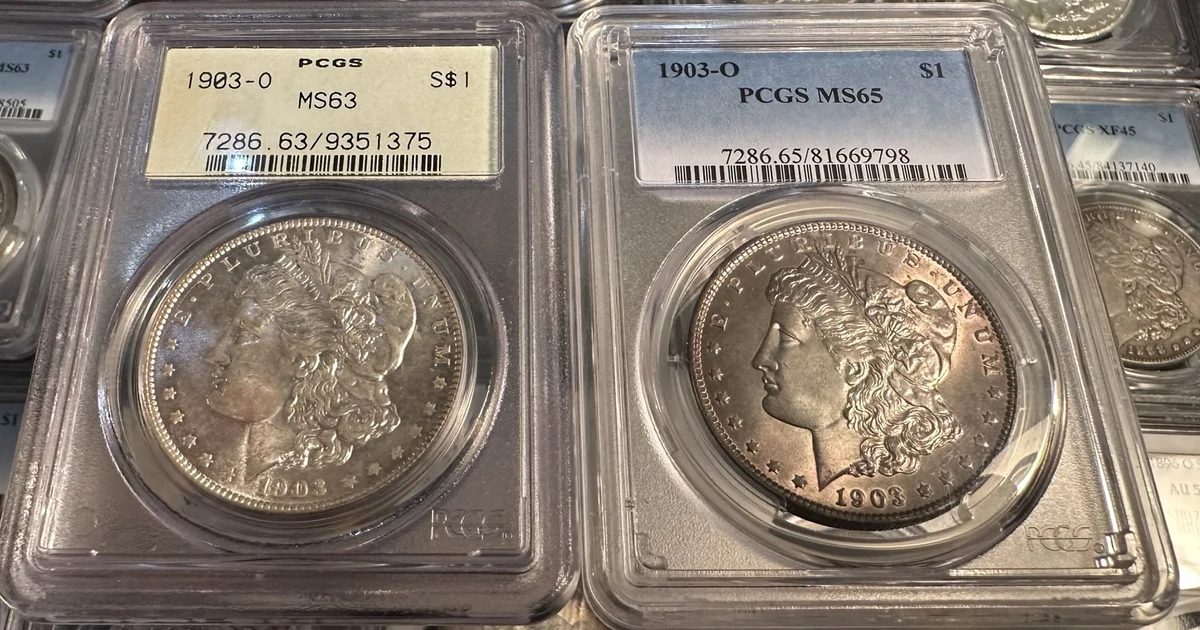
Certified coin slabs: photo by Bruxton, public domain, via Wikimedia Commons (
File:Coin slabs.jpg), cropped by American Rarities.
Ten practical tips for selling a coin collection: don’t clean your coins, take an inventory, keep sets intact, know melt value from collector value, get written itemized offers, grade only when it pays, choose an established dealer, don’t let anyone cherry-pick, ship insured or meet in person, and know how you’ll be paid.
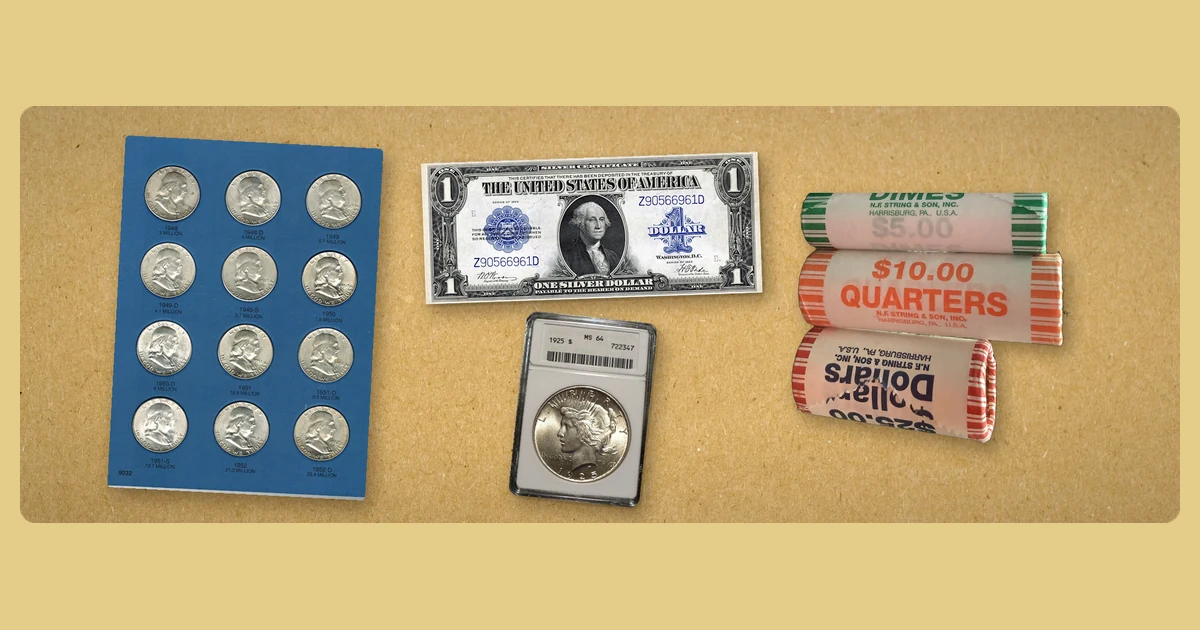
A “What to Do First” Guide for Professional Organizers and Downsizing Experts, from American Rarities. Whitman Franklin half dollar folder page: photo by Bruxton, public domain, via Wikimedia Commons (
File:Franklin half dollar Whitman coin folder first page.jpg). Series 1923 $1 silver certificate: National Numismatic Collection, Smithsonian, image by Godot13 via Wikimedia Commons; public domain design (PD-USGov-money, PD-Art), scan licensed CC BY-SA 4.0 outside the U.S.; background removed. 1925 Peace dollar ANACS MS64 holder: photo by American Rarities. Dime, quarter and dollar coin rolls: cropped from a photo by Protobowladdict,
CC BY 4.0, via Wikimedia Commons (
File:UscoInrolls.jpg), background removed and rotated. Items cut out and shown at true relative size by American Rarities. Cardboard background: photo by Humusak,
CC0, via Wikimedia Commons (
File:Cardboard-546867.jpg).
A “what to do first” guide for professional organizers, senior move managers, downsizing specialists and estate sale companies who find coins, bullion or paper money while clearing a home: the first hour, where coins hide, quick recognition, chain of custody and an inventory sheet, who can sell, keeping cherry-pickers away, a free appraisal and a printable checklist.
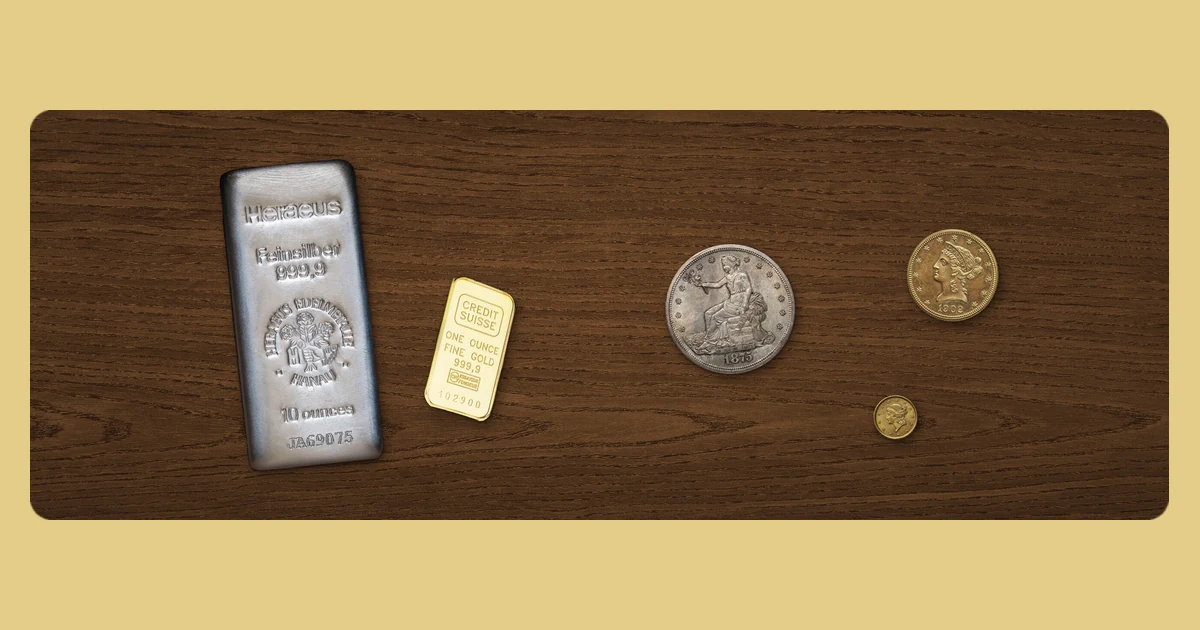
Tax Implications of Liquidating Bullion vs. Rare Coins in an Estate, a guide from American Rarities. Heraeus 10 oz silver bar: photo by Chi Ho Chan (eric2b01 on Flickr),
CC BY 2.0, via Wikimedia Commons (
File:Heraeus 10 oz 9999 fine silver bar (52202724589).jpg). Credit Suisse 1 oz gold bar: photo by Oleg Volk (olegvolk.net),
CC BY 2.5, via Wikimedia Commons (
File:Gold1oz.jpg). Backgrounds removed and shown at true relative size by American Rarities. Coin photos: Bibliothèque nationale de France, Département des Monnaies, médailles et antiques (Gallica), public domain, via Wikimedia Commons. Walnut tabletop: “American walnut veneer” scan by Poly Haven, CC0.
How federal taxes apply when an estate or its heirs sell gold and silver bullion versus rare coins: date-of-death basis, the alternate valuation date, the 28% maximum collectibles rate, automatic long-term treatment, valuation and appraisals, Form 1099-B and Form 8300, estate versus heir sales, state taxes and the records to keep.
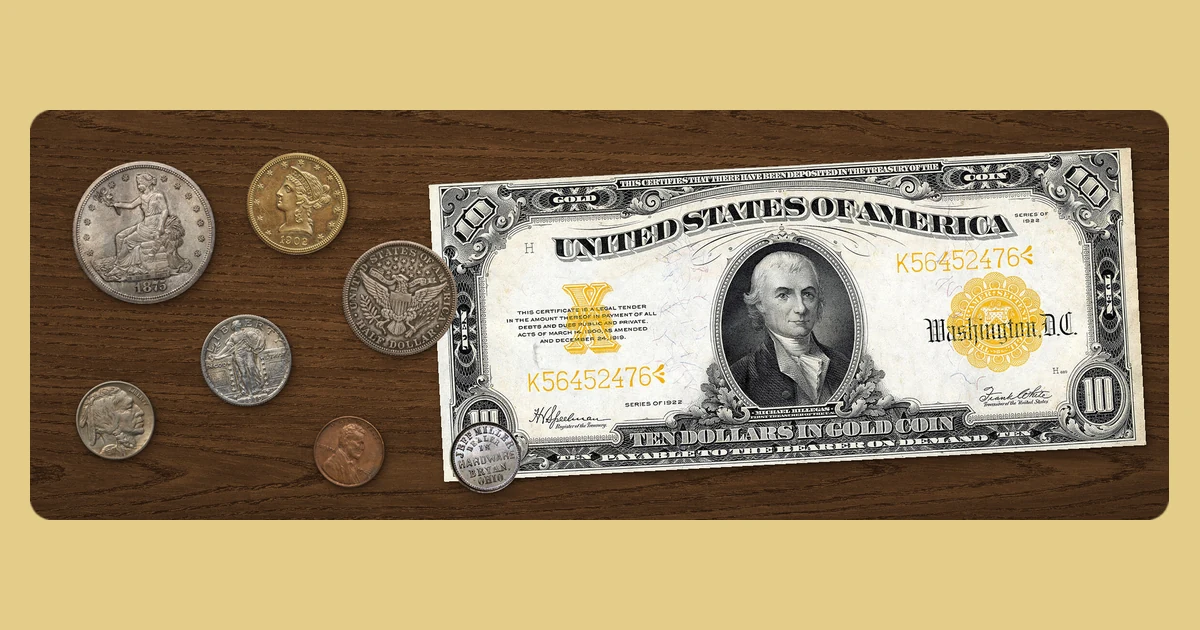
What to Do With Old Coins Found in an Estate, a guide from American Rarities. Coin photos: Bibliothèque nationale de France, Département des Monnaies, médailles et antiques (Gallica), public domain, via Wikimedia Commons. Token photos by Stevehayden via Wikimedia Commons, public domain (PD-Coin scan, PD-old). 1922 $10 gold certificate photo by Godot13 (National Numismatic Collection, National Museum of American History) via Wikimedia Commons, licensed
CC BY-SA 4.0 (
File:US-$10-GC-1922-Fr-1173.jpg); front cropped and placed on a tabletop by American Rarities, and this modified image is shared under CC BY-SA 4.0. Walnut tabletop: “American walnut veneer” scan by Poly Haven, CC0.
Found old coins while settling an estate? What to do first (secure them, do not clean them, keep them together), where to look, how to recognize silver, silver dollars, old cents and nickels, gold and tokens, which finds are common and which deserve a closer look, how to document coins for the executor, and how to get an appraisal and sell.

Selling an entire coin collection to a private coin buyer: one firm offer for the whole collection.
How to sell a coin collection without losing value: take inventory, sort silver, classic rare coins, gold, proof and mint sets, certified coins, paper money and foreign coins, leave coins uncleaned, understand melt and collector value, compare written, itemized offers and avoid common mistakes.
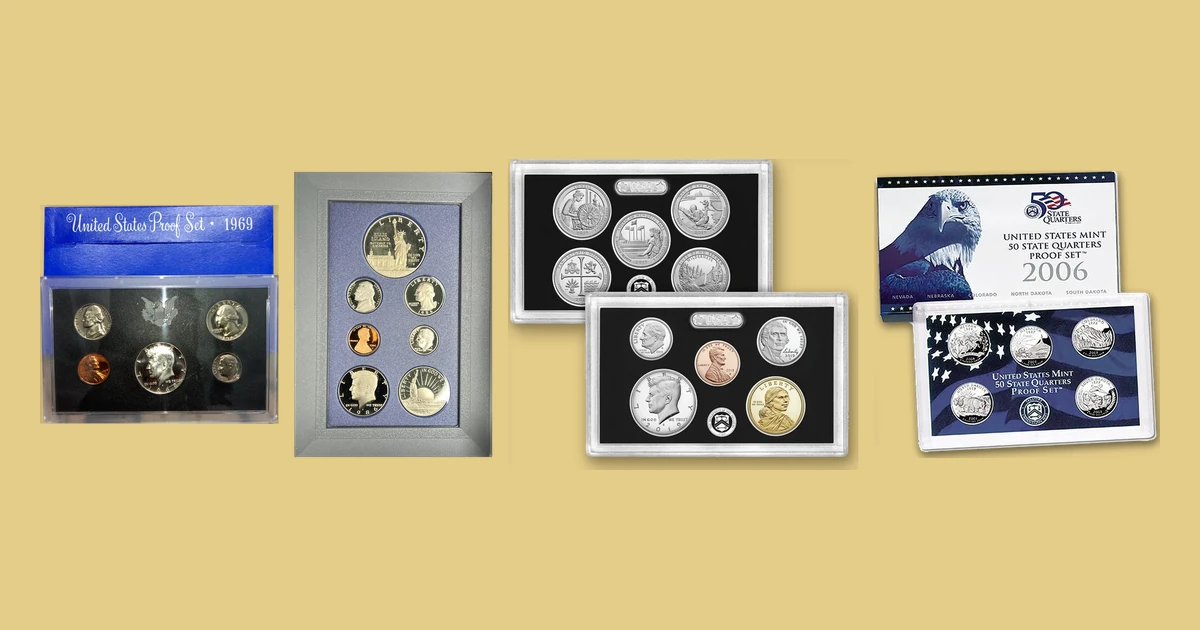
How to sell proof and mint sets without losing value: tell proof, mint, Special Mint and Prestige sets apart, find the silver sets, check for no-S proofs and other varieties, keep sets intact, set realistic expectations for modern sets and choose where to sell.
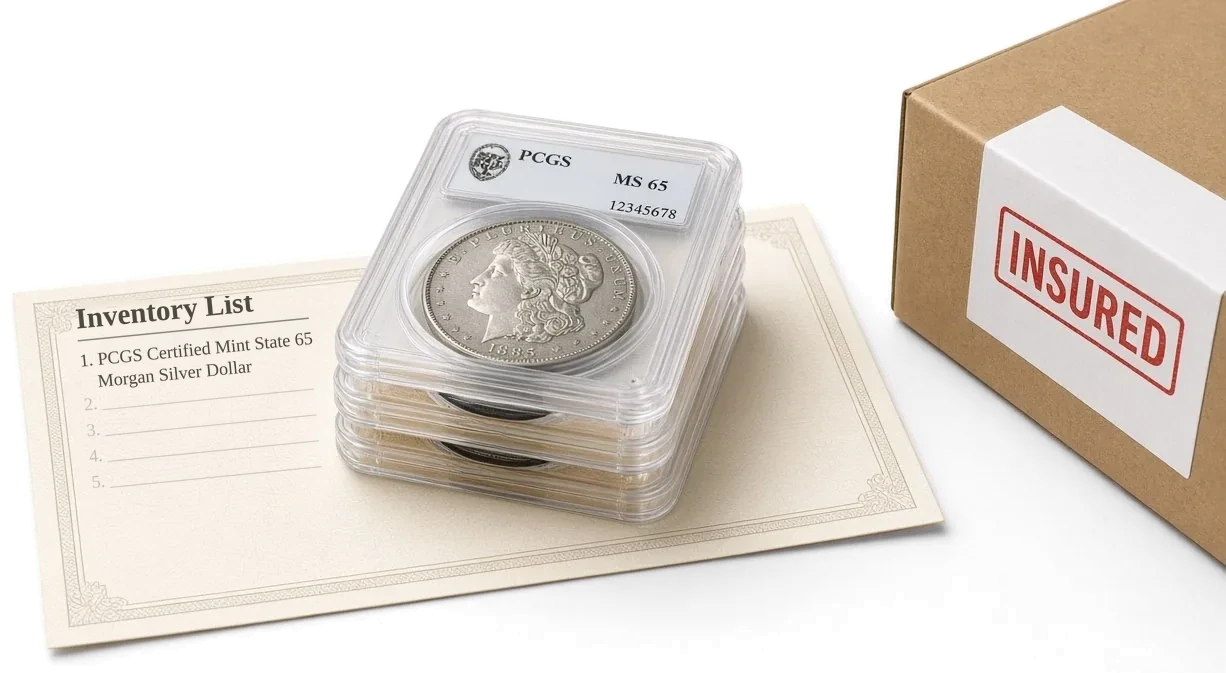
© American Rarities. A documented, insured way to sell a certified coin collection.
The most common mistakes people make when selling rare coins, from cleaning coins to accepting the first offer, and how to avoid them.
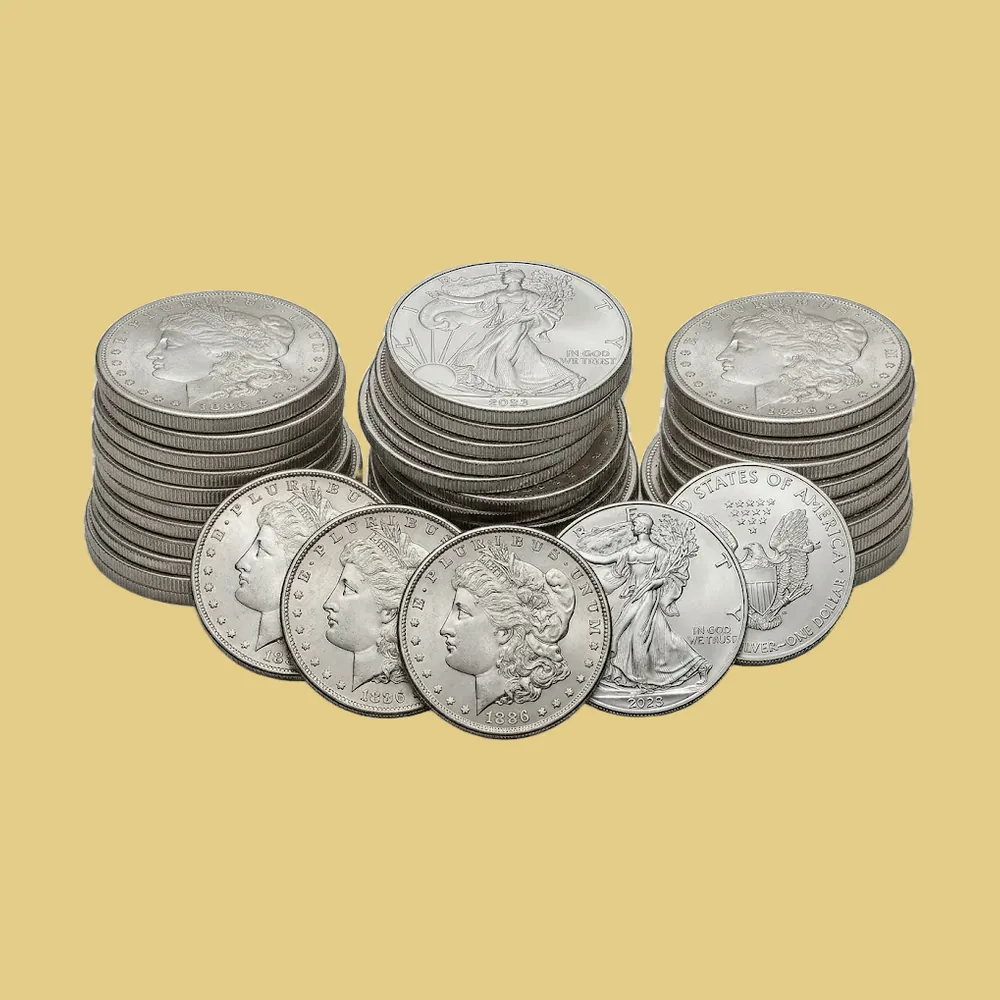
Silver Eagles and Morgan dollars.
How to choose the best place to sell your coins: comparing pawn shops, local dealers, auctions and national buyers, and what to look for in a buyer.
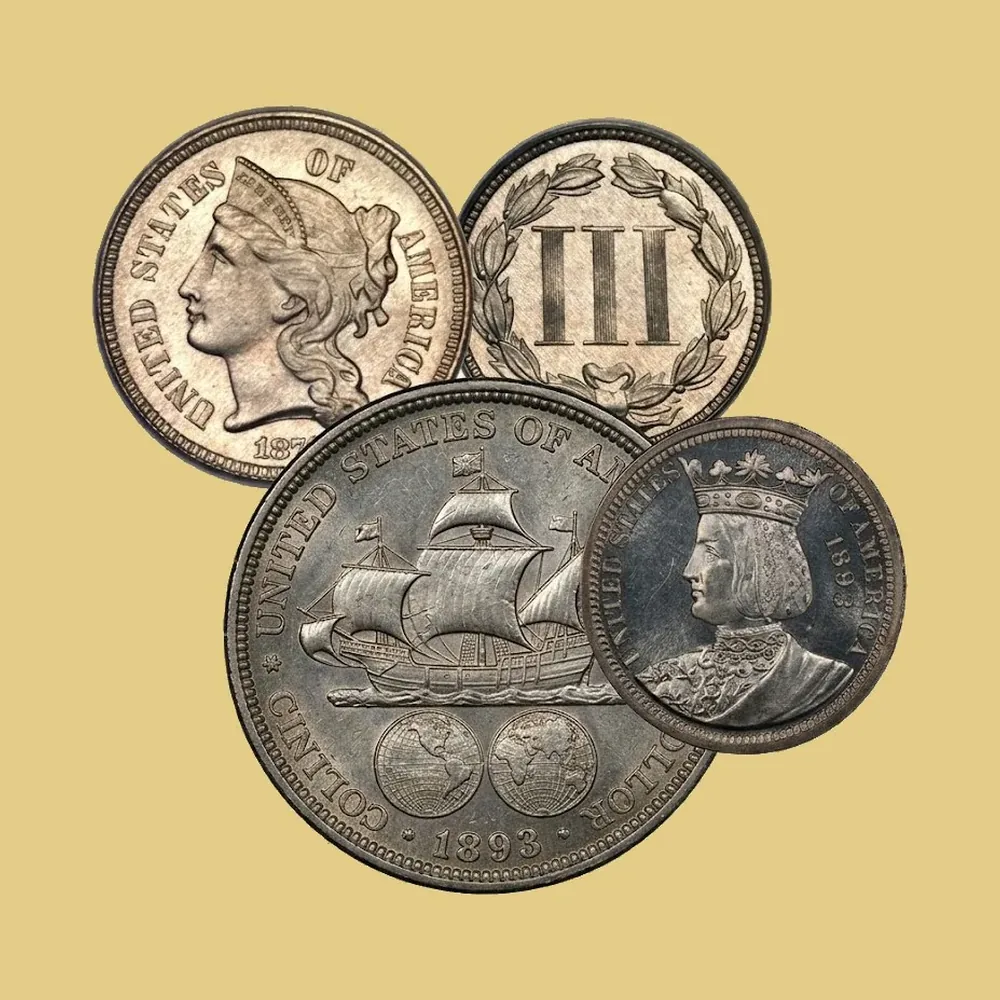
An 1893 Columbian half dollar, Isabella quarter and three cent nickel.
Local coin shop or national buyer? How to compare your options and why a national buyer may offer more for your collection.
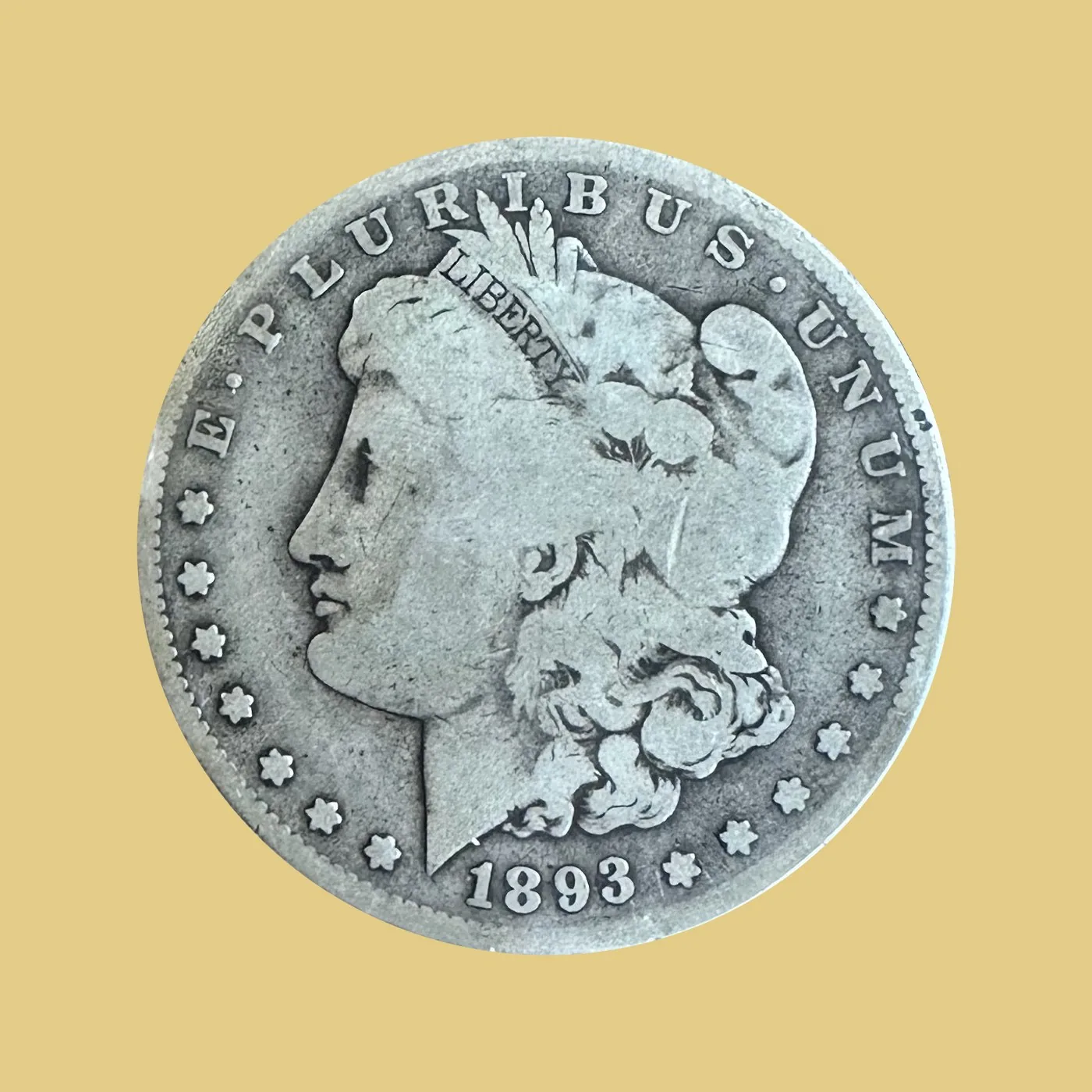
An uncleaned 1893-S Morgan dollar, the key-date coin at the center of this story. Its original surface is part of its value.
The number one mistake that can destroy a coin collection’s value: cleaning. A cautionary story from our years in the coin business.
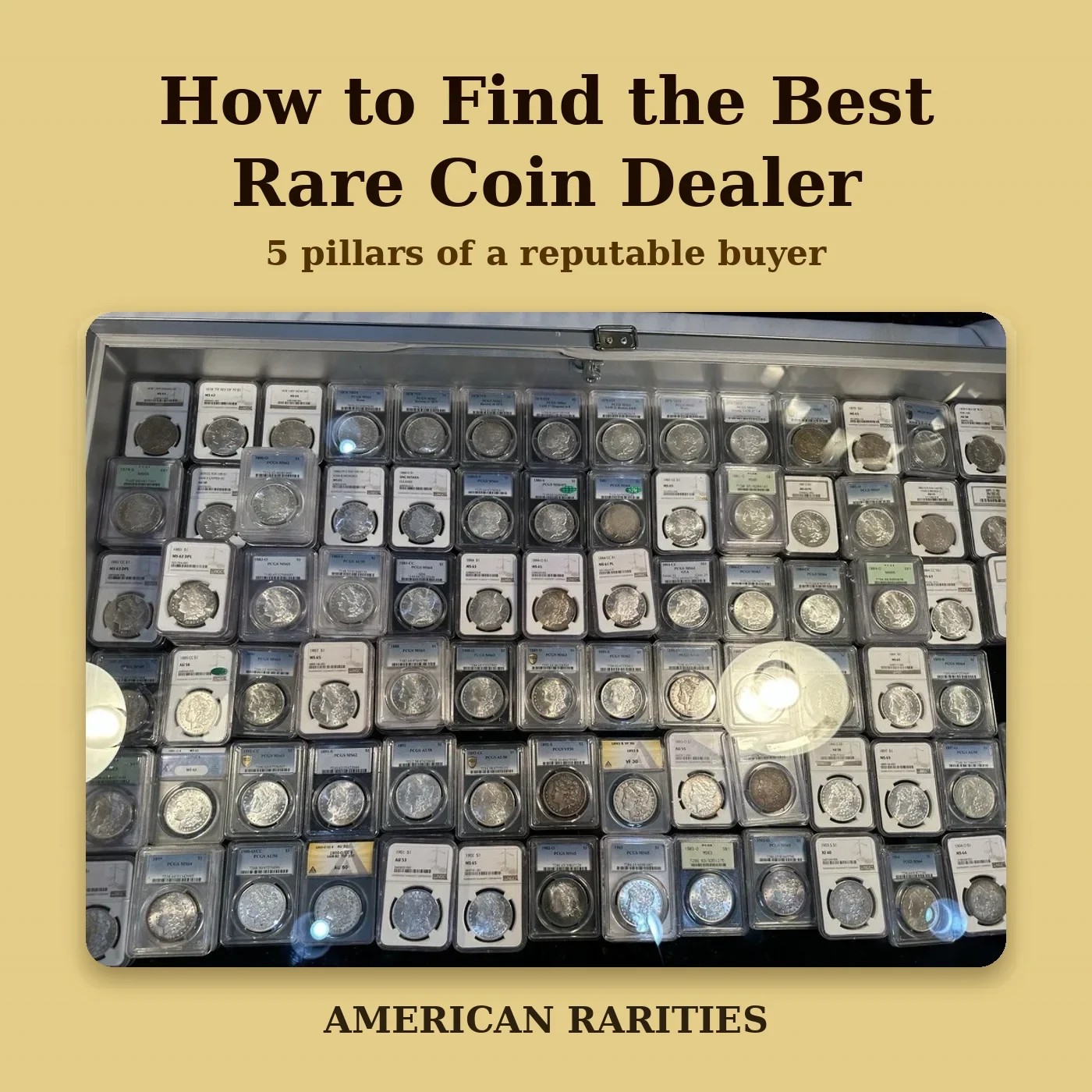
How to find the best rare coin dealer: the 5 pillars of a reputable buyer.
Five key steps to find the best rare coin dealer: credentials, experience, transparency and how to compare offers.