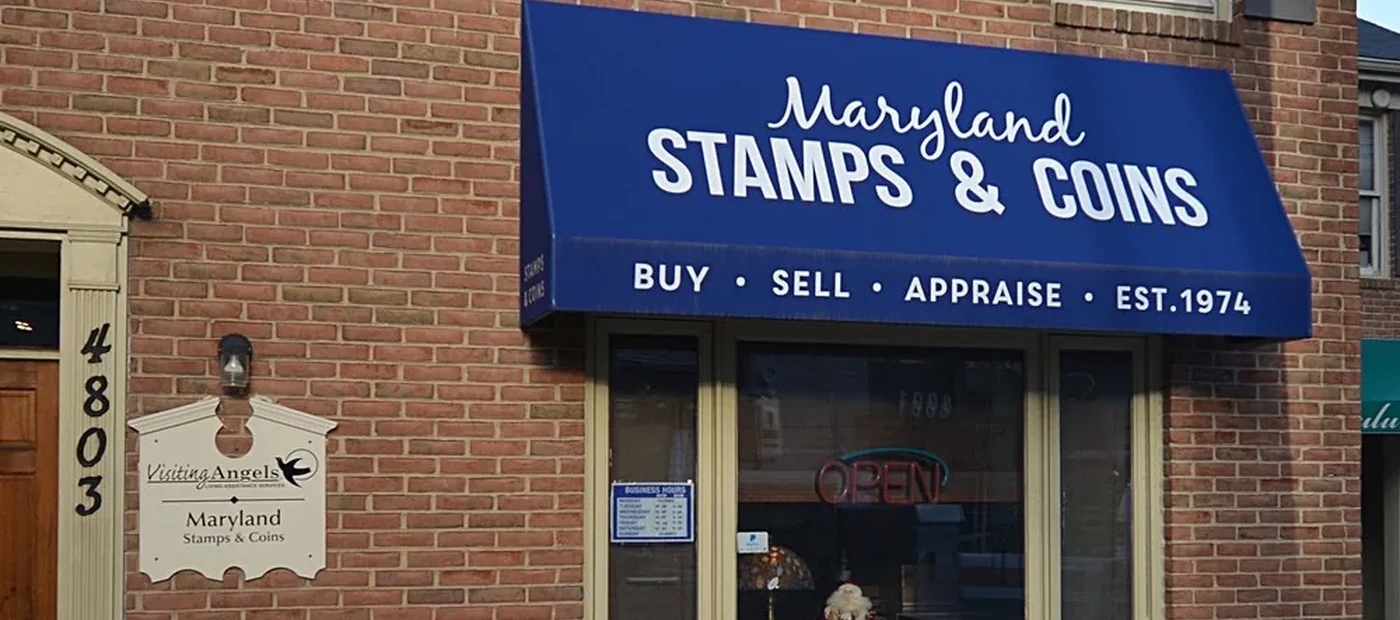
Before You Visit the Coin Shop Nearest You
Walking into a coin shop is still how many people sell coins. Knowing how a counter sale works, what the shop is looking at and why offers can differ makes the visit faster and helps you judge the offer you get.
American Rarities does not run a walk-in shop. We buy by photo review, by insured mail-in and, for larger collections, at arranged meetings. This page is meant to help you whichever buyer you choose.
What Happens at the Counter
- Inventory. The buyer looks over what you brought and may sort it into groups: common coins, silver, gold, certified coins and items needing a closer look.
- Inspection. Coins are checked for identity, condition and authenticity, sometimes with a loupe, scale or other tools.
- Questions. Expect to be asked where the coins came from and whether you want to sell everything.
- Offer. You receive a price, ideally in writing and itemized for important coins.
- Your decision. You can accept, decline or take time to compare. A reputable shop will not pressure you.
Why Two Offers Can Differ
Two honest shops can make different offers on the same coins. Common reasons:
- Where the coins will be resold. A shop with collectors waiting for a certain series can often pay more for it.
- Grade opinion. A small difference in grade can make a large difference in value for some coins.
- Scope. One offer may cover the whole collection while another covers only the best coins.
- Business costs. Every buyer has overhead and needs to resell what it buys.
That is why it pays to compare offers before you decide.
A Buy Offer Is Not a Guide Price
A published retail reference
Identity, grade and surfaces
What a buyer will pay today
A price guide shows a published reference, often a retail figure. A buy offer is what a buyer will pay for your specific coin after inspecting it. The two are different measures, so an offer below a guide figure is not by itself a sign of a bad offer. Learn to read retail versus buy prices in a price guide.

Before You Visit a Shop
- Call ahead. Ask whether the shop buys your kind of coins, whether you need an appointment and how it makes offers.
- Keep coins in their original holders. Do not clean them or remove them from slabs, flips or albums.
- Bring your records. Receipts, inventory lists and certification details help.
- Make your own list. Note what you brought so you can check it against the offer.
Counter Sale or Another Route?
| Route | Often suits |
|---|---|
| Coin shop counter | Smaller groups of coins when a suitable shop is close by. |
| Photo review and insured mail-in | Sellers without a suitable shop nearby, or with heavy collections. See how to sell without a shop visit. |
| Auction | Some important coins. Compare a dealer sale versus auction. |
You can also send us photos before you visit any shop. Our free liquid value appraisal (an offer to buy) is usually done within 24 hours and gives you a second offer to compare, though larger collections may take longer. If so, we’ll let you know.
Selling to a Coin Shop: Quick Answers
What should I bring to a coin shop?
Your coins in their original holders, any receipts or certification details, and your own list of what you brought.
Will the shop’s offer match a price guide?
Usually not. A price guide often shows a retail reference; a buy offer is what the buyer will pay today after inspecting your coins.
Should I clean my coins before visiting?
No. Cleaning can lower a coin’s value. Leave coins as they are.
Can I get a second opinion without visiting another shop?
Yes. Text photos to 720-600-4740, email staff@americanrarities.com or use the form below for a free liquid value appraisal (an offer to buy).
Free Appraisal for Your Coins and Coin Collections
Email, Text, or Use This Form To Send Us Your Inventory List or Pictures
Email: staff@americanrarities.com | Text: 720-600-4740
Other ways to sell, and selling pages
When a remote offer beats a counter visit.
Selling one coin or a small lot.
Junk silver, bullion and silver dollars.
Strong offers on junk silver.
World coins reviewed by specialists.
Professional Associations