Foreign and US Rare Coin Values — How Both Markets Set Prices

Most coin collections are a mix: a few US silver dollars and gold pieces, a jar of old pennies, and coins brought home from trips abroad or passed down from relatives. Collectors often ask whether the US coins or the foreign coins are the valuable ones. The answer is that both markets work on the same basic rules, but they differ in size, in how coins are graded, and in how prices are reported.
This guide compares the US and world coin markets and explains how rare coin values are set in both. If your coins are mostly from other countries, our foreign coins value guide goes country by country and type by type. American Rarities has been buying rare coins since 1990, and in more than 30 years we have purchased over $400 million in rare coins, US and foreign alike.
To sell world coins from any country, visit our sell foreign coins page.

What Sets a Rare Coin's Value in Any Market

Whether a coin was struck in Philadelphia, Mexico City or Vienna, four things decide what it is worth:
- Metal content. Gold and silver coins have a floor value based on the metal they contain. A worn US gold dollar and a worn French 20 francs are both worth at least their gold value.
- Rarity. How many were struck, and how many survive. Low mintages and coins that were melted in large numbers command a premium.
- Demand. How many collectors want the coin. A scarce coin with few collectors can be worth less than a more common coin that everyone wants.
- Condition. The grade of the coin, from heavily worn to a pristine proof. See coin grading for how the scale works.
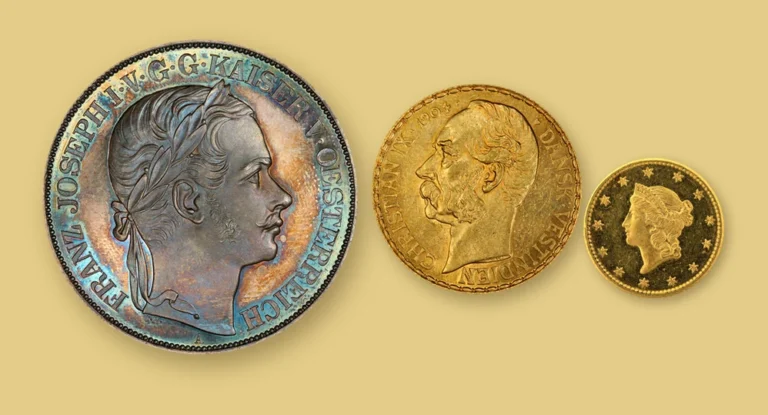
The coins pictured here show all four at work: an 1857 Austria 2 thaler struck as a proof, a 1904 gold 10 daler from the Danish West Indies, the islands that became the US Virgin Islands in 1917, and an 1849 US gold dollar, the smallest gold coin the US Mint ever made.
How the US Coin Market Sets Prices
The US rare coin market is the largest and most closely tracked in the world. Most series have been studied date by date and mint by mint for decades, mintage figures are well documented, and a large share of valuable US coins have been certified by PCGS or NGC. Because so many certified coins trade publicly, prices for common US dates in common grades are easy to look up, and small differences in grade can mean large differences in value.
For a starting point on everyday US coins and currency, see our coin and paper money price guide, the coin collectors price guide and our coin value finder. For gold, see US gold coins value.
How the World Coin Market Sets Prices

The world coin market covers every country and every era, from ancient Greek silver to modern gold. It is spread across many more series than the US market, and far fewer world coins have been certified, so prices are less transparent. Two coins of the same country and date can be worth very different amounts depending on variety, mint and grade, and an appraiser has to know where to look.
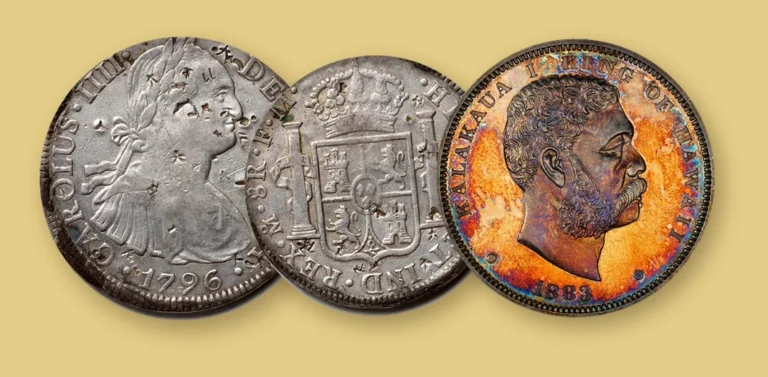
The two markets also overlap. The Spanish colonial 8 reales, the famous piece of eight, was legal tender in the United States until the Coinage Act of 1857, and the 1883 Hawaii dollar was struck at the San Francisco Mint for the Kingdom of Hawaii. Coins like these are wanted by collectors of both US and world coins.
Useful neutral references for world coins include the NGC world coin price guide, the Numista catalog and the National Numismatic Collection at the Smithsonian. For specific countries, see our pages on German rare coins, Chinese rare coins, Chinese modern coins, rare China coins value and Chinese old coins value.
US vs World Coins at a Glance
- Pricing information: plentiful for US coins; thinner and more scattered for many world coins.
- Certification: common for valuable US coins; many valuable world coins are still raw.
- Gold and silver: both markets have a metal floor under gold and silver coins, and world gold is often bought close to its metal value unless it is scarce or in high grade.
- Where the surprises are: in US coins, key dates and high grades; in world coins, low mintage issues from smaller countries, proofs, ancient coins and coins from countries with strong collector demand.
Either way, the best way to know what you have is an appraisal from someone who handles both. Our foreign coins value guide, foreign coin buyers page and foreign coin collection guide cover world coins in more depth.
Free Appraisals for US and Foreign Coins
American Rarities appraises US and foreign coins free of charge, with no obligation to sell. We are a PCGS and NGC authorized dealer and an ANACS submission center, and we grade coins in-house for free. We test metal content with XRF and examine coins under digital microscopy, which helps us catch counterfeits; see some of the fake coins we have caught.
To get started, send us an inventory list or clear photos of your coins. If you have many coins of one type, one photo of a few examples is enough. A few tips for good photos:
- Shoot in a well-lit room without a flash.
- Hold the camera flat over the coin, not at an angle.
- Get close, but keep the coin in focus and the camera steady.
- Photograph both sides of the coins you think are most valuable.
Once we agree on a price, we pay immediately by cash, check, ACH or wire transfer. For larger collections we offer home visits nationwide, and our mail-in service is fully covered with no deductible, with free or discounted shipping on selected collections. We are Life Members of the American Numismatic Association, hold an A+ rating with the Better Business Bureau and have a 4.7-star Google rating. See also our free online coin appraisal and coin collection appraisal pages.
To find out what your coins are worth, email us at staff@americanrarities.com, text photos to 720-600-4740 or use the form below.
US and Foreign Coin Values: Quick Answers
Are US coins or foreign coins worth more?
Neither across the board. Both markets have common coins worth little more than face or metal value and rarities worth thousands. It comes down to the individual coin.
How are rare coin values set in the US and world coin markets?
In both markets value starts with metal content, then rises with rarity, demand and condition, as shown by recent sales, price guides and certified grades.
Does grading matter as much for world coins as for US coins?
Condition matters in both, but more world coins are sold raw, so an accurate grade from an experienced appraiser can make a big difference.
Contact Us
Email, Text, or Use This Form To Send Us Your Inventory List or Pictures
Email: staff@americanrarities.com | Text: 720-600-4740
World Coin Guides
Mexican CoinsGold escudos, pesos, Caballitos and more
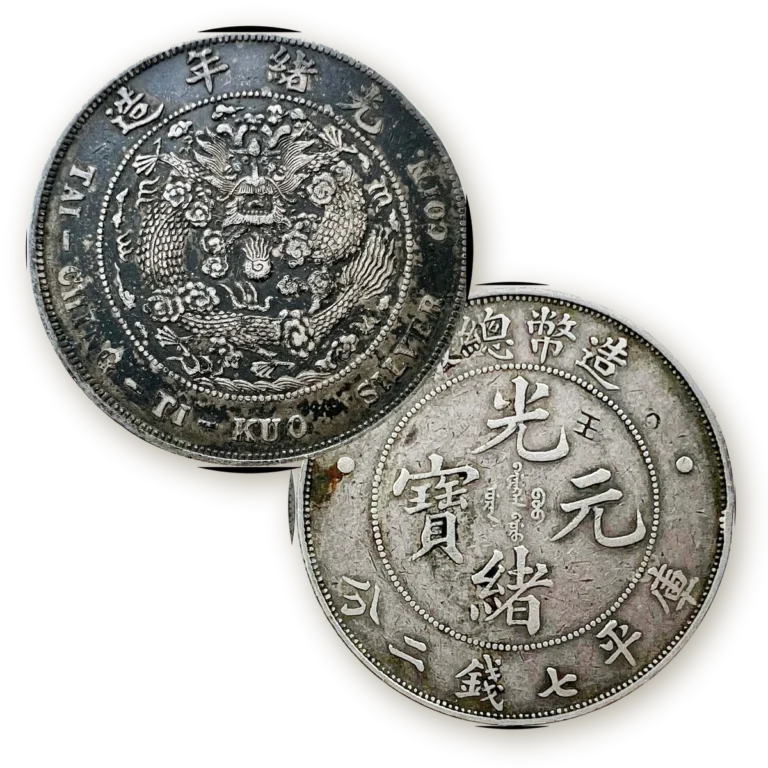
Chinese Rare CoinsDragon dollars, Fat Man dollars and Pandas
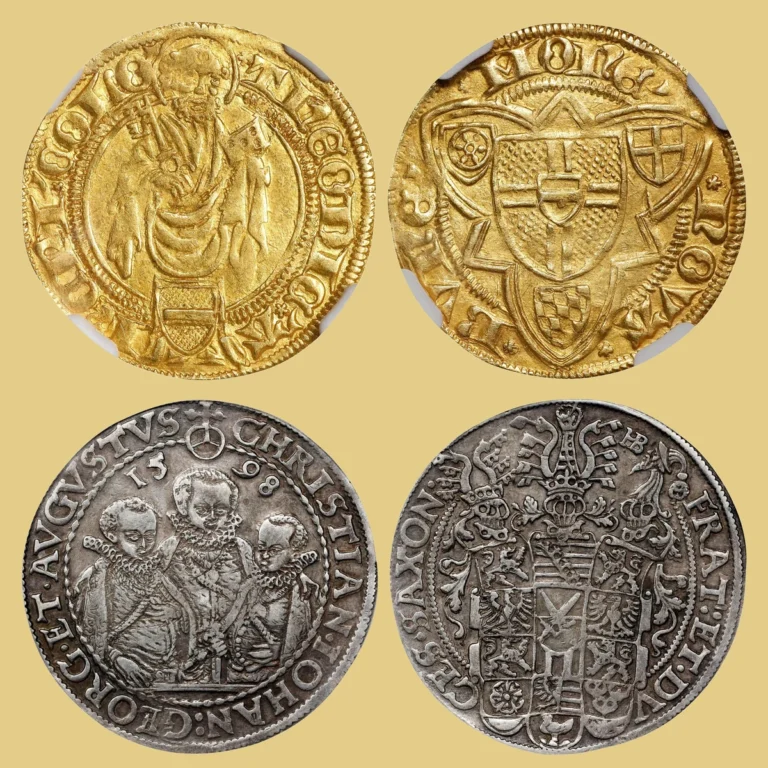
German Rare CoinsTalers, ducats and German Empire marks
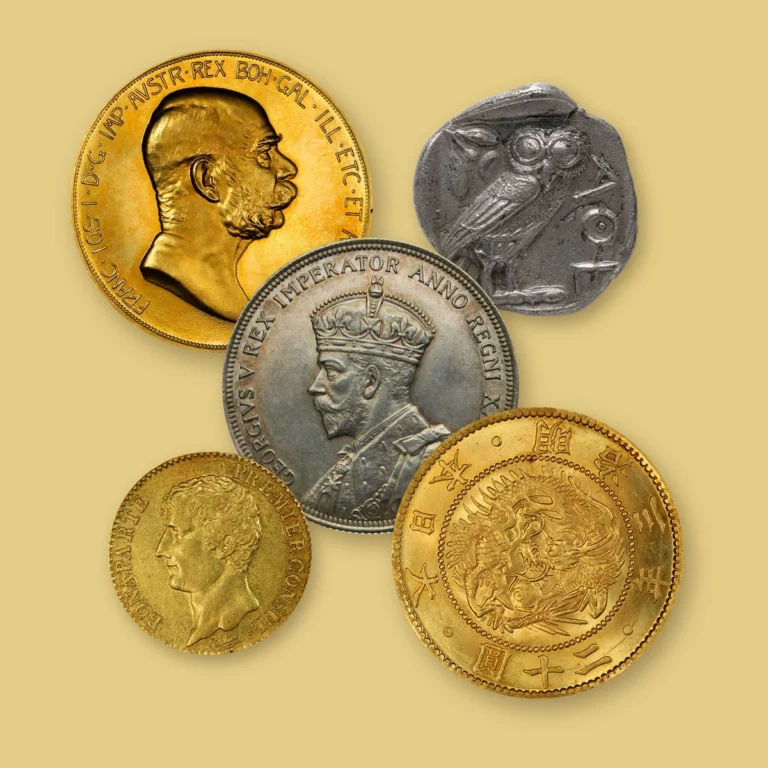
Foreign Coins ValueWhat makes a world coin worth more
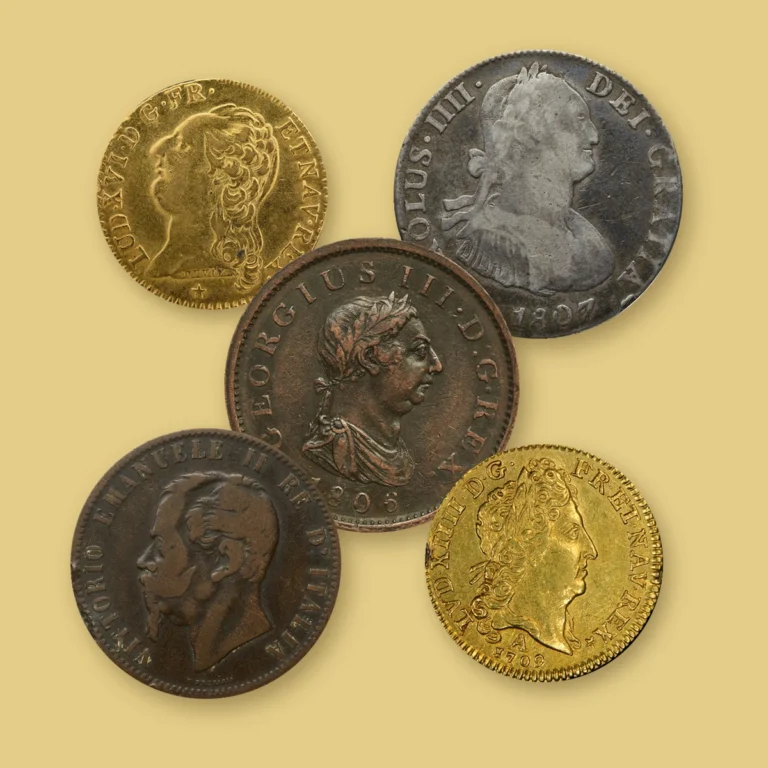
Foreign Coin CollectionSelling an inherited or lifetime collection
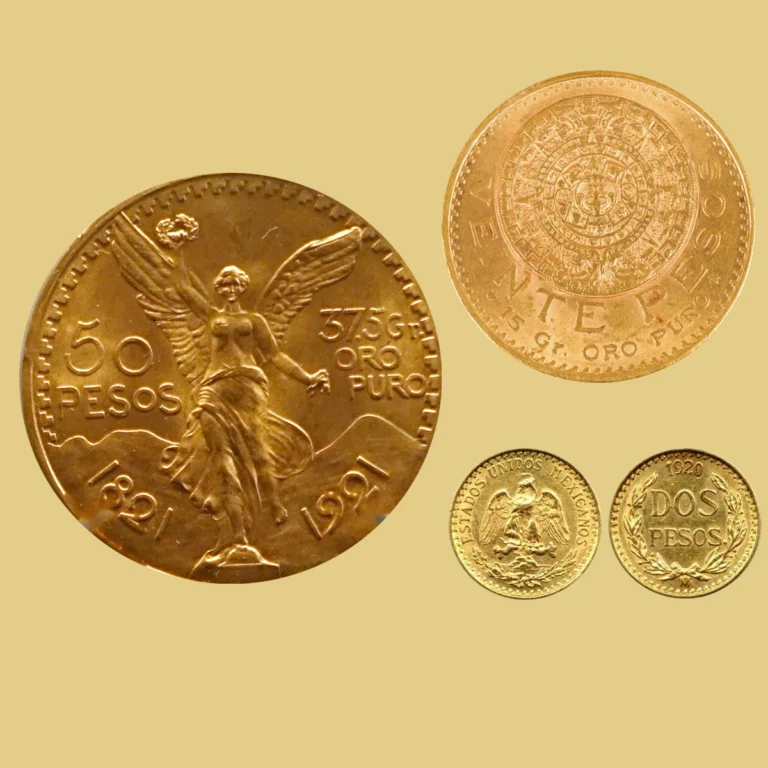
EspañolVender escudos de oro mexicanos
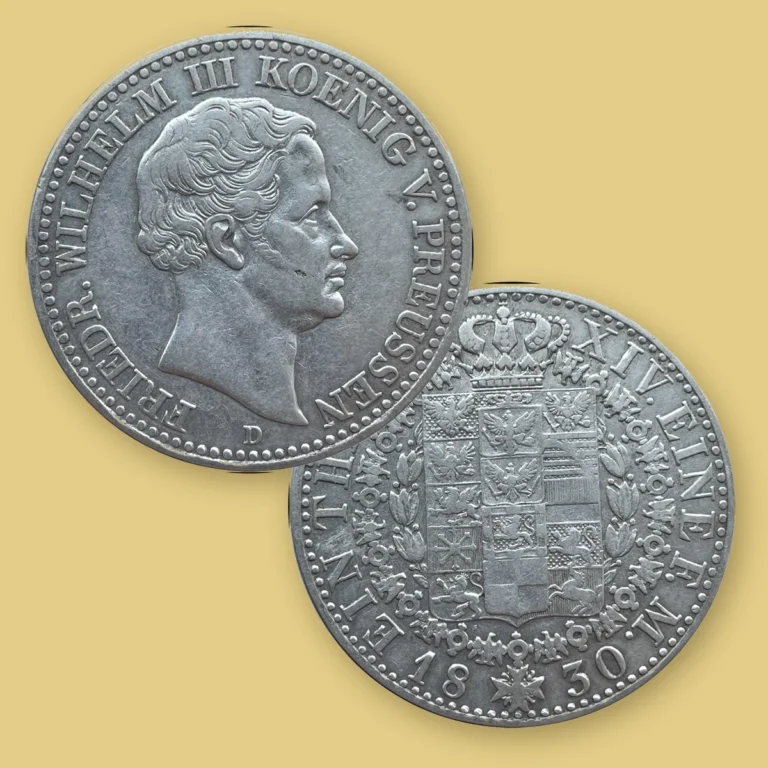
DeutschSeltene deutsche Münzen verkaufen
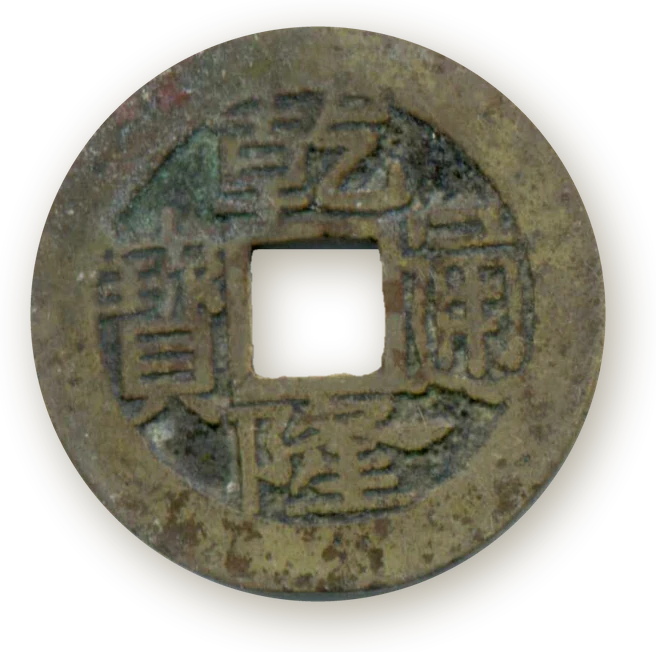
中文出售中国珍稀钱币Professional Associations