Articles Tagged: Free Appraisal
This page serves as a critical, high-conversion resource, focusing on the powerful offer of a free appraisal. It acts as a central hub for articles, testimonials, and contact forms that explain the company’s process for providing a no-obligation, expert valuation for rare coins and collectibles.
By creating a dedicated page for this key service, American Rarities directly addresses a primary need of potential sellers. This strategy removes a major barrier to entry, building trust and encouraging users to take the first step in the selling process by engaging with a risk-free, professional appraisal.
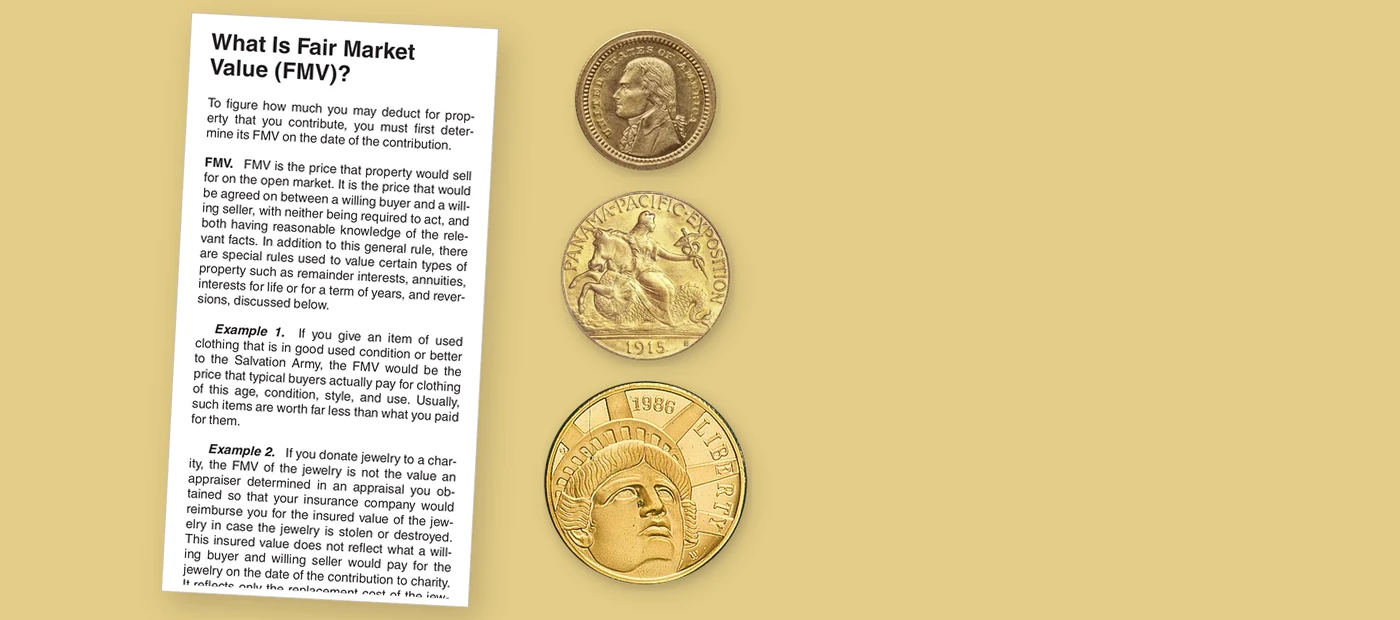
IRS Publication 561 (Rev. December 2025), page 2, What Is Fair Market Value, from
irs.gov; U.S. government work, public domain (IRS logo not shown). 1903 gold dollar: Bibliothèque nationale de France, Département des Monnaies, médailles et antiques (Gallica), public domain, via Wikimedia Commons. 1915-S Panama-Pacific quarter eagle: image courtesy of Heritage Auctions, CC BY 4.0, via Wikimedia Commons. 1986 $5: United States Mint, public domain (library media 42727). This montage is shared under CC BY 4.0.
What collectors, executors and advisors should know about coin insurance appraisals: why replacement value differs from fair market value, how coins are scheduled on a rider or collectibles policy, what documentation to keep and how often to update values.
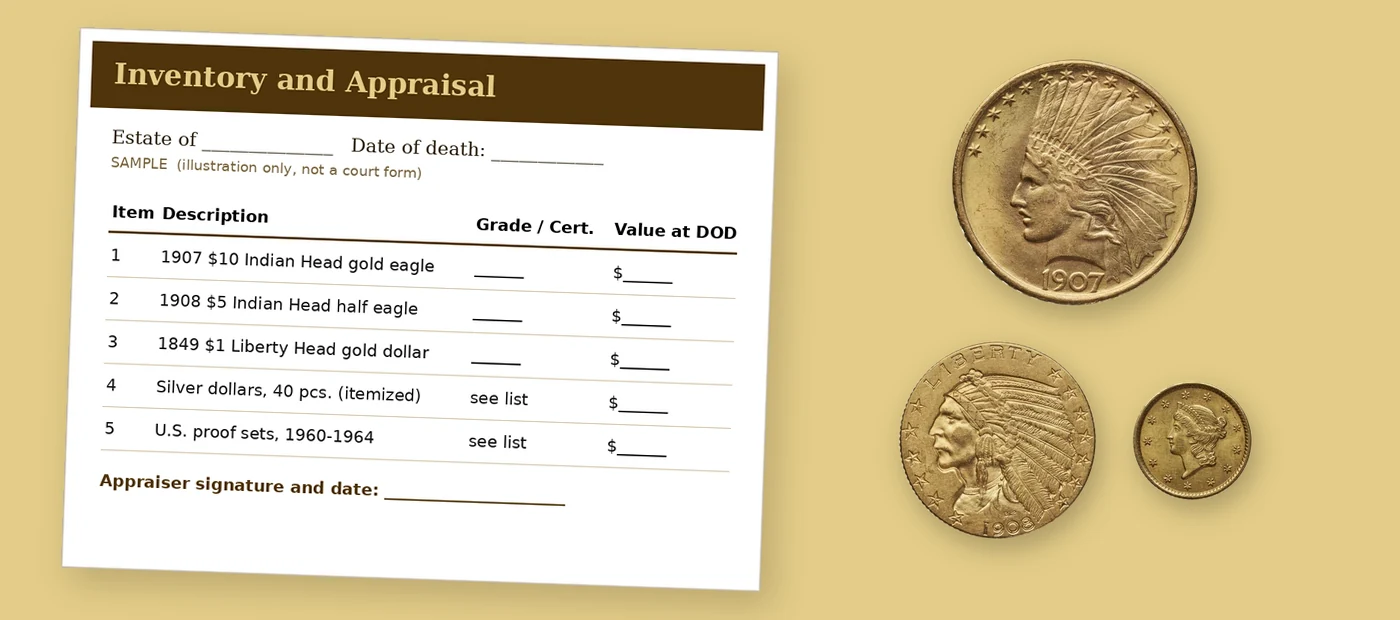
Sample inventory sheet: created by American Rarities. Coin photos: Bibliothèque nationale de France, Département des Monnaies, médailles et antiques (Gallica), public domain, via Wikimedia Commons (library media 42801).
An executor’s guide to the probate inventory of coins: securing the collection, building the list, valuing coins at date of death, what the court inventory needs compared with Form 706, supplemental inventories and selling coins during probate.
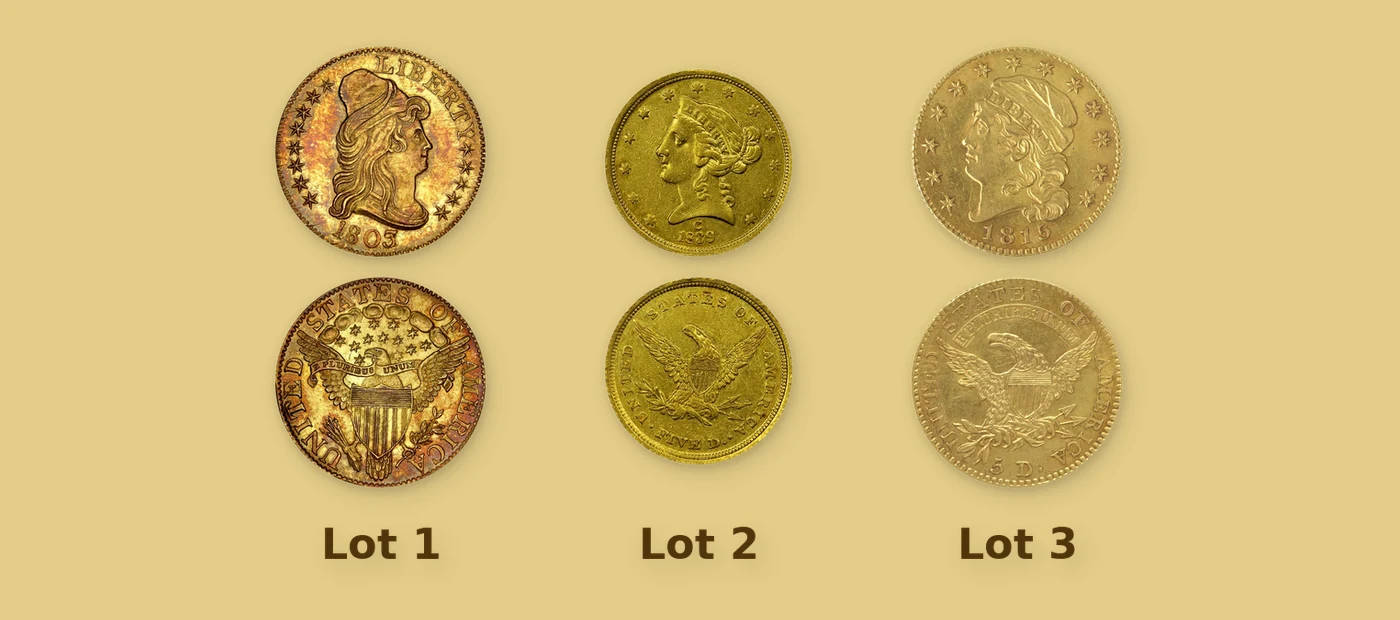
1803 and 1815 half eagles: National Numismatic Collection, National Museum of American History, Smithsonian Open Access, CC0. 1839-C half eagle: Eric P. Newman Numismatic Education Society, Newman Numismatic Portal, CC0, via Wikimedia Commons (library media 42935, 42937 and 42939).
How executors, trustees and families divide a coin collection among heirs: securing and inventorying the coins, a fair market value appraisal, equal-value lots, rotation picks and buyouts, the sell or keep decision and the basis each heir takes.
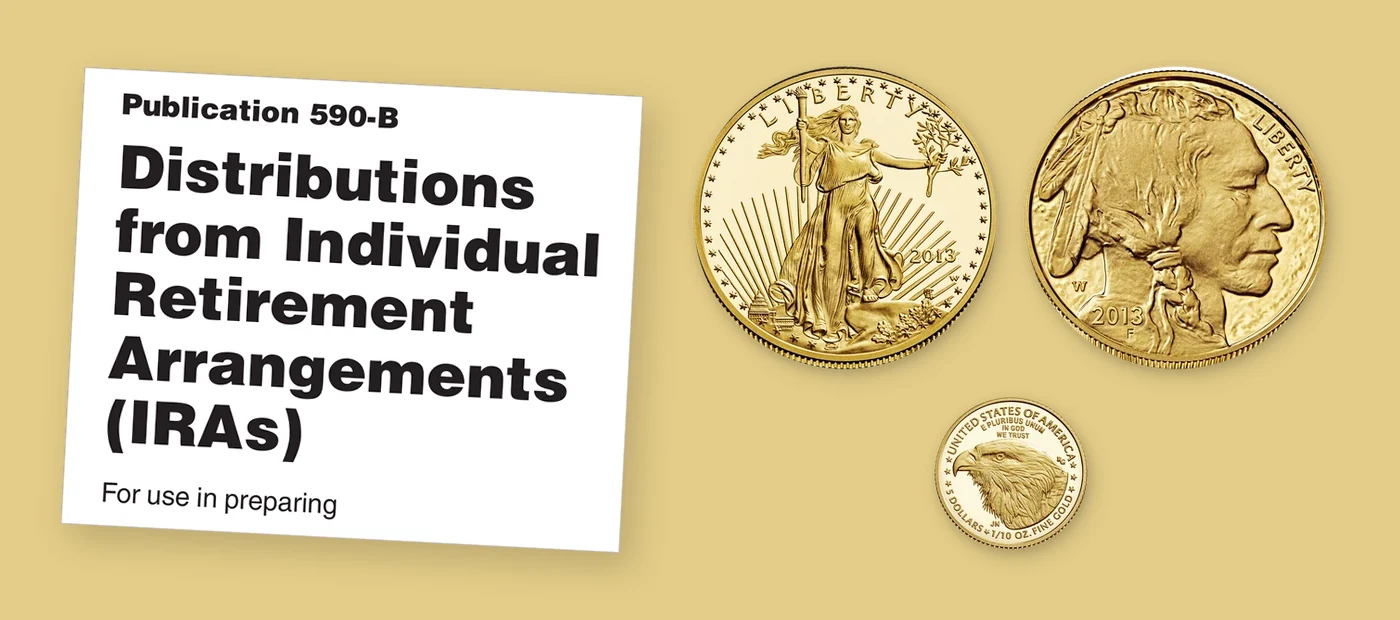
IRS Publication 590-B (2025), cover, from
irs.gov; U.S. government work, public domain (IRS logo not shown). Coin photos: United States Mint, public domain, via Wikimedia Commons (library media 42737).
A plain-English guide to gold IRA coins for owners, beneficiaries and their advisors: what section 408(m) allows, why rare and numismatic coins are prohibited collectibles, why the trustee must hold the metal, how in-kind distributions are taxed and what to do with inherited IRA metals.
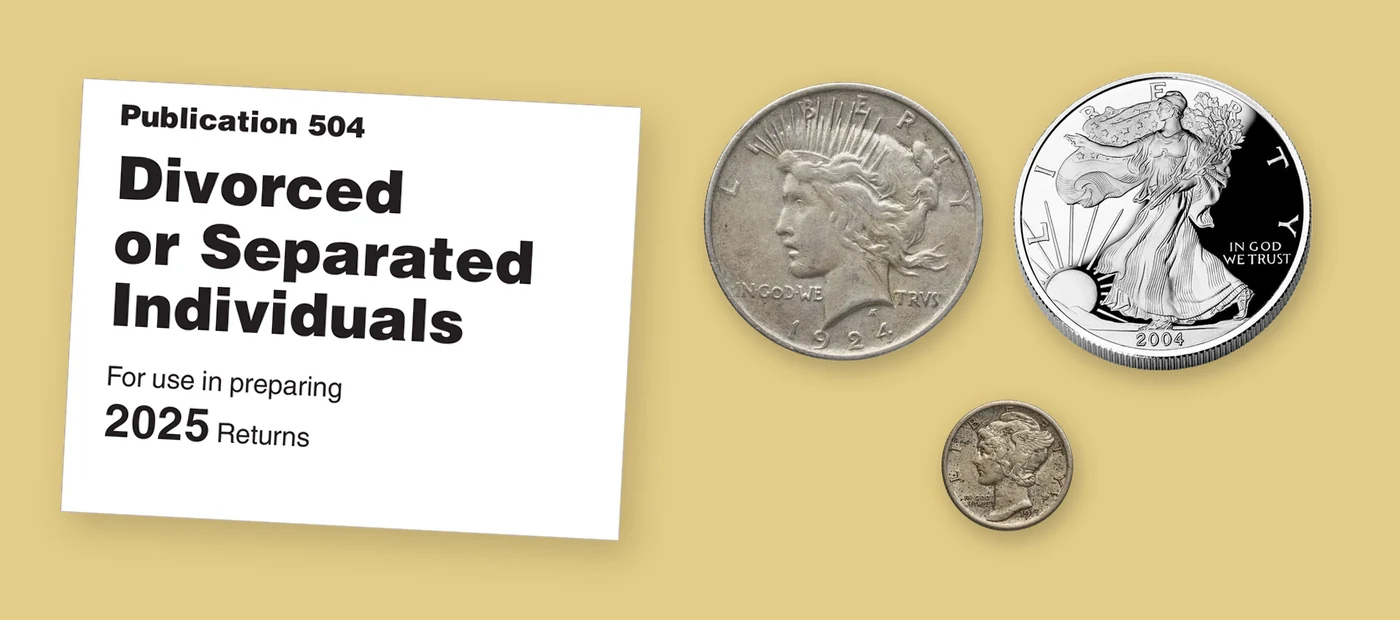
IRS Publication 504 (2025), cover, from
irs.gov; U.S. government work, public domain (IRS logo not shown). Peace dollar and Mercury dime: Bibliothèque nationale de France, Département des Monnaies, médailles et antiques (Gallica), public domain, via Wikimedia Commons. 2004 American Silver Eagle: original by the United States Mint, transparent version by ReneeWrites, CC BY 4.0, via Wikimedia Commons (library media 42778). This montage is shared under CC BY 4.0.
A guide for divorcing spouses, family law attorneys and mediators on dividing a coin collection: identifying marital and separate coins, choosing a valuation date and standard of value, what a neutral appraisal should include and the tax basis of coins transferred between spouses.
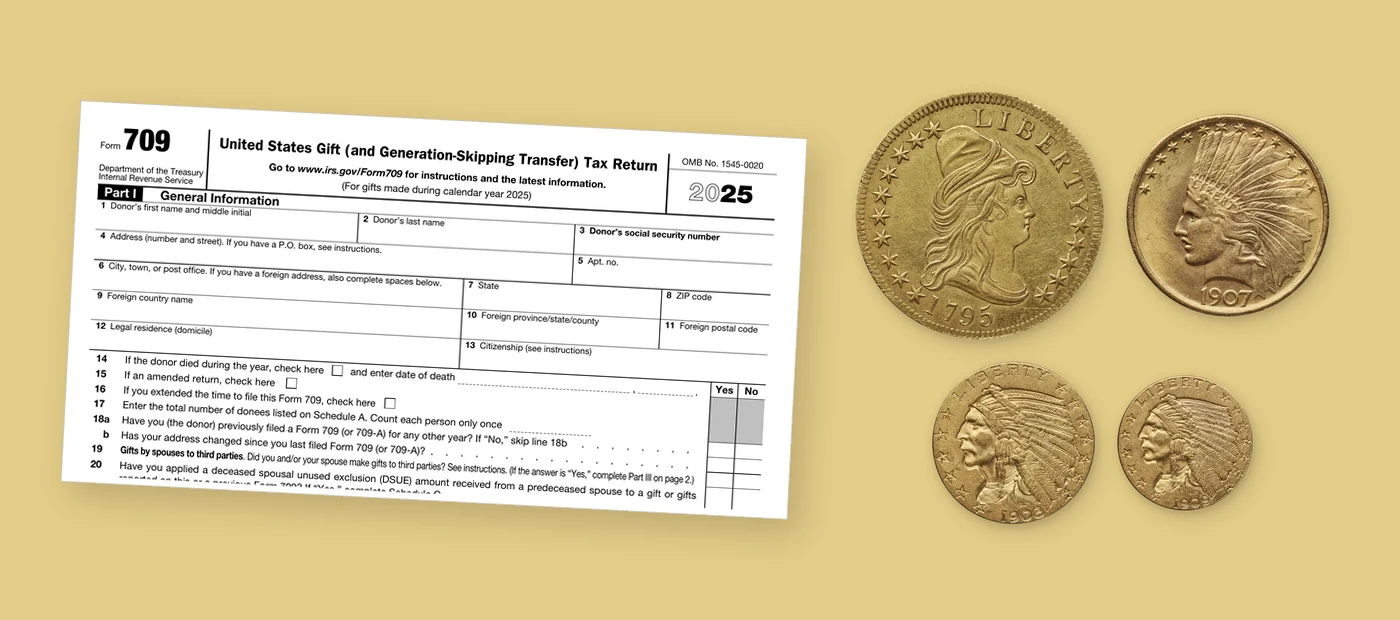
IRS Form 709 (2025), page 1, from
irs.gov; U.S. government work, public domain (IRS logo not shown). Coin photos: Bibliothèque nationale de France, Département des Monnaies, médailles et antiques (Gallica), public domain, via Wikimedia Commons (library media 42723).
What donors, CPAs and families need to know about gifting coins: the annual exclusion, gift splitting, when a Form 709 gift tax return is required, how coins are valued on the date of the gift and why the recipient takes the donor’s basis.
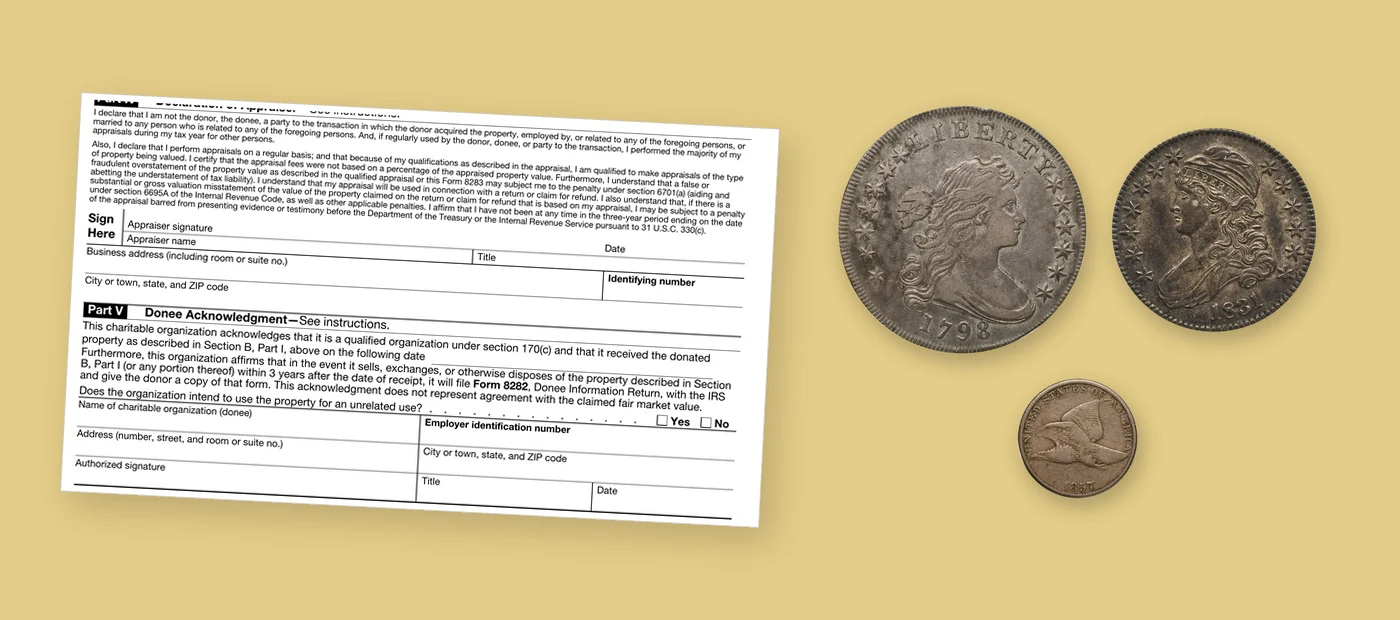
IRS Form 8283 (Rev. December 2025), page 2, Parts IV and V, from
irs.gov; U.S. government work, public domain (IRS logo not shown). Coin photos: Bibliothèque nationale de France, Département des Monnaies, médailles et antiques (Gallica), public domain, via Wikimedia Commons (library media 42780).
A guide for donors and their CPAs on donating coins to charity: the Form 8283 thresholds, when a qualified appraisal by a qualified appraiser is required, who cannot sign the appraiser declaration, the related-use rule for coins and the records the IRS expects.
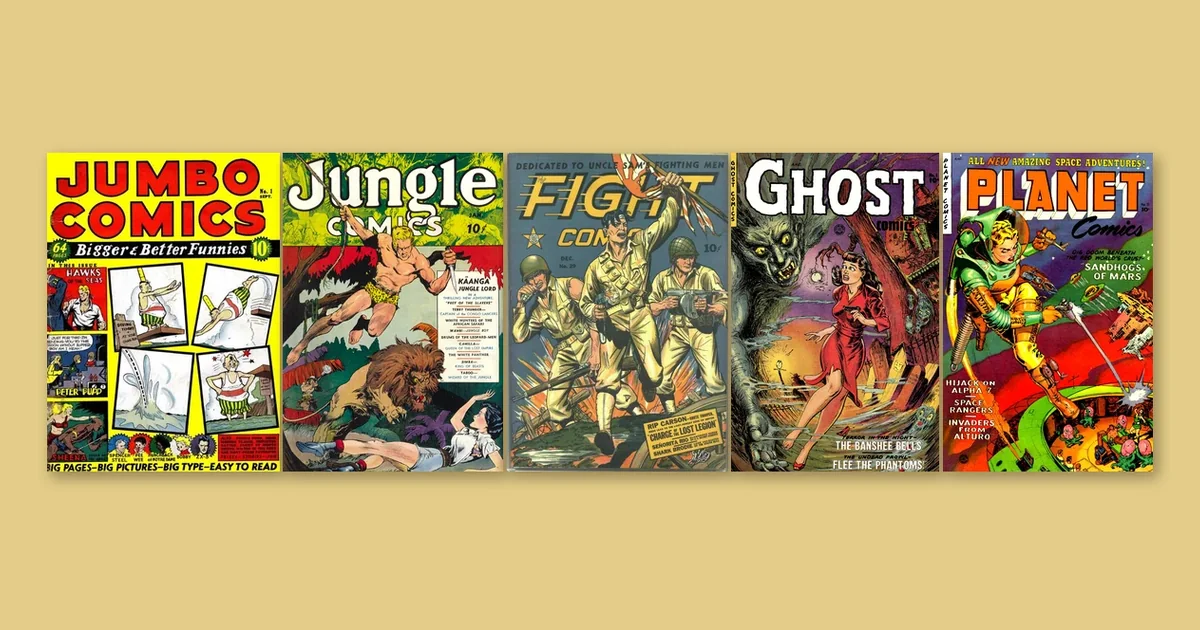
How to Sell Comic Books, a guide from American Rarities. Jumbo Comics #1, Jungle Comics #1, Fight Comics, Ghost Comics and Planet Comics covers: Fiction House, public domain (copyright not renewed), via Wikimedia Commons. Arranged by American Rarities.
How to sell comic books for what they are worth: sort Golden, Silver and Bronze Age comics, key issues and graded books, learn what buyers look for, decide what to grade, compare written offers and get paid.
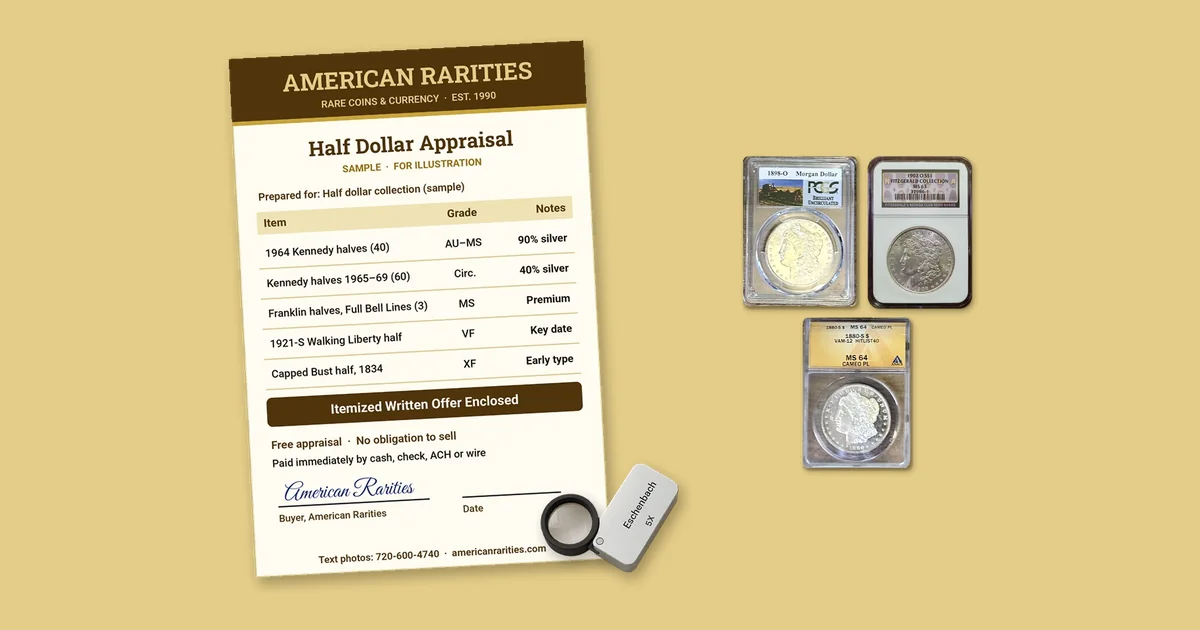
How to Get a Coin Appraisal, a guide from American Rarities. Sample written appraisal sheet: American Rarities artwork. PCGS 1898-O and ANACS 1880-S Morgan dollar slabs: photo by Bruxton,
CC BY-SA 4.0, via Wikimedia Commons (
File:Variety of coin slabs.jpg). NGC 1902-O slab: photo by Bruxton, CC0, via Wikimedia Commons. Arranged by American Rarities; this composite is shared under CC BY-SA 4.0.
How to get a coin appraisal you can trust: the kinds of coin appraisals for selling, estates, donations and insurance, what an appraiser looks for, how to prepare your coins and what to expect from a free appraisal and written offer.
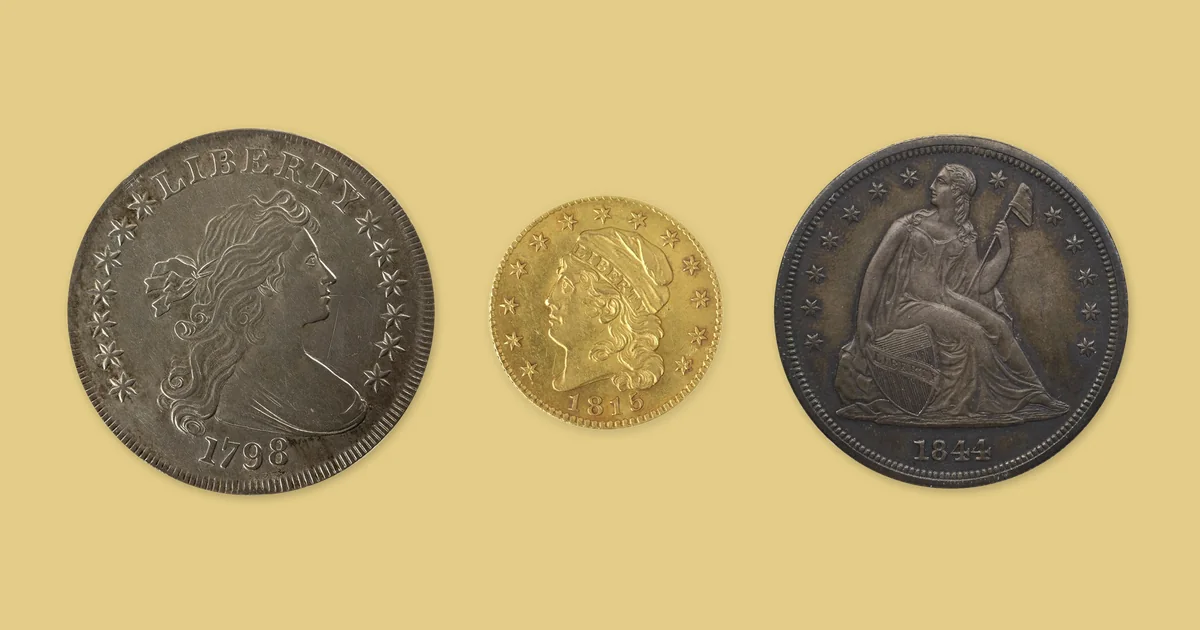
How to Sell Rare Coins, a guide from American Rarities. 1798 Draped Bust dollar: US Mint (coin), National Numismatic Collection, National Museum of American History (Smithsonian), photograph by Jaclyn Nash, public domain, via Wikimedia Commons. 1815 Capped Head half eagle: National Numismatic Collection, National Museum of American History (Smithsonian), Smithsonian Open Access, CC0. 1844 Seated Liberty dollar: Bibliothèque nationale de France / Gallica, public domain, via Wikimedia Commons. Cut out and shown at true relative size by American Rarities.
How to sell rare coins for a fair price: learn what makes a coin rare and valuable, what buyers look for, when grading by PCGS, NGC or ANACS makes sense, how dealers, auctions and online sales compare and what to expect when you sell.
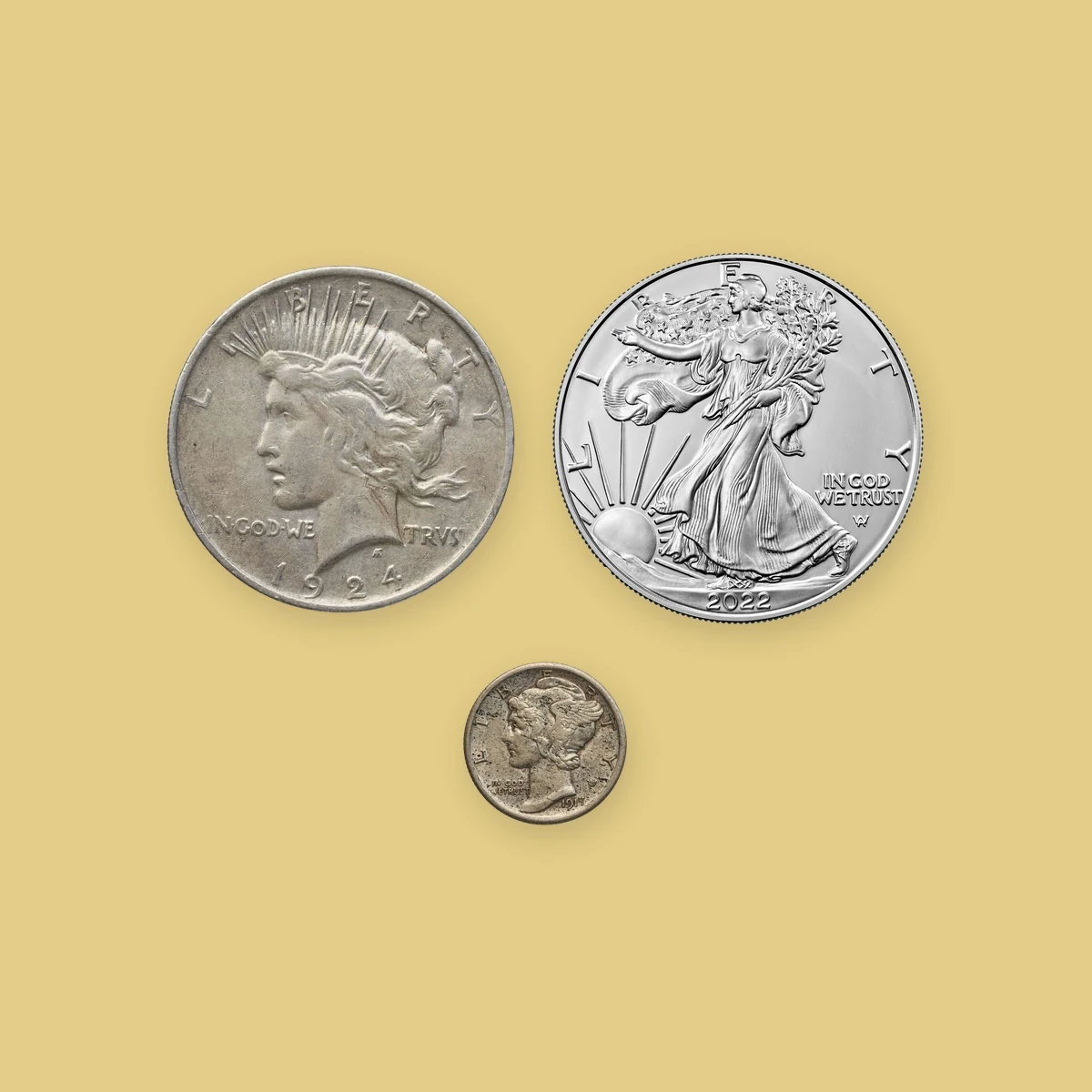
How to sell silver coins: a Peace dollar, a 2022 American Silver Eagle and a 90% silver Mercury dime at true relative size. Coin photos: Bibliothèque nationale de France, Département des Monnaies, médailles et antiques (Gallica), public domain, via Wikimedia Commons. 2022 American Silver Eagle image: United States Mint, public domain, via Wikimedia Commons (
File:2022-american-eagle-silver-one-ounce-bullion-coin-obverse.png); resized and placed by American Rarities.
How to sell silver coins for what they are worth: sort silver bullion, 90% junk silver, 40% silver and silver dollars, understand silver content and spot price, find collector coins, compare written offers and get paid.
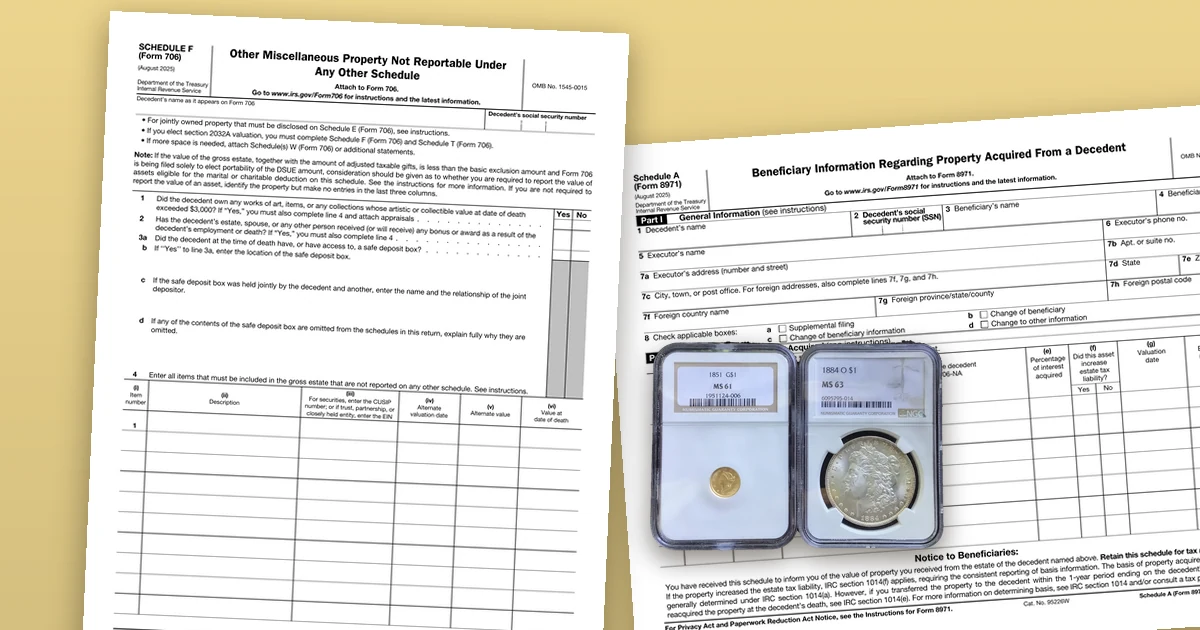
Coin Appraisal for Estate Tax: An IRS Documentation Checklist for CPAs, from American Rarities. IRS form images: Schedule F (Form 706) and Schedule A (Form 8971), August 2025 revisions, from
irs.gov; U.S. government works, public domain. NGC-certified 1851 gold dollar and 1884-O Morgan dollar: photo by BrayLockBoy,
CC BY-SA 4.0, via Wikimedia Commons (
File:NGC Slabbed 1851-P Gold and 1884-O Morgan Dollar side by side.jpg); background removed and shadow added by American Rarities, shared under the same license.
A checklist for CPAs and tax preparers on coin appraisal for estate tax: Form 706 and Schedule F requirements, the expert appraisal under oath, fair market value and the alternate valuation date, bullion versus collectible coins, step-up in basis and Form 8971 consistency, valuation penalties and the records that hold up on examination.
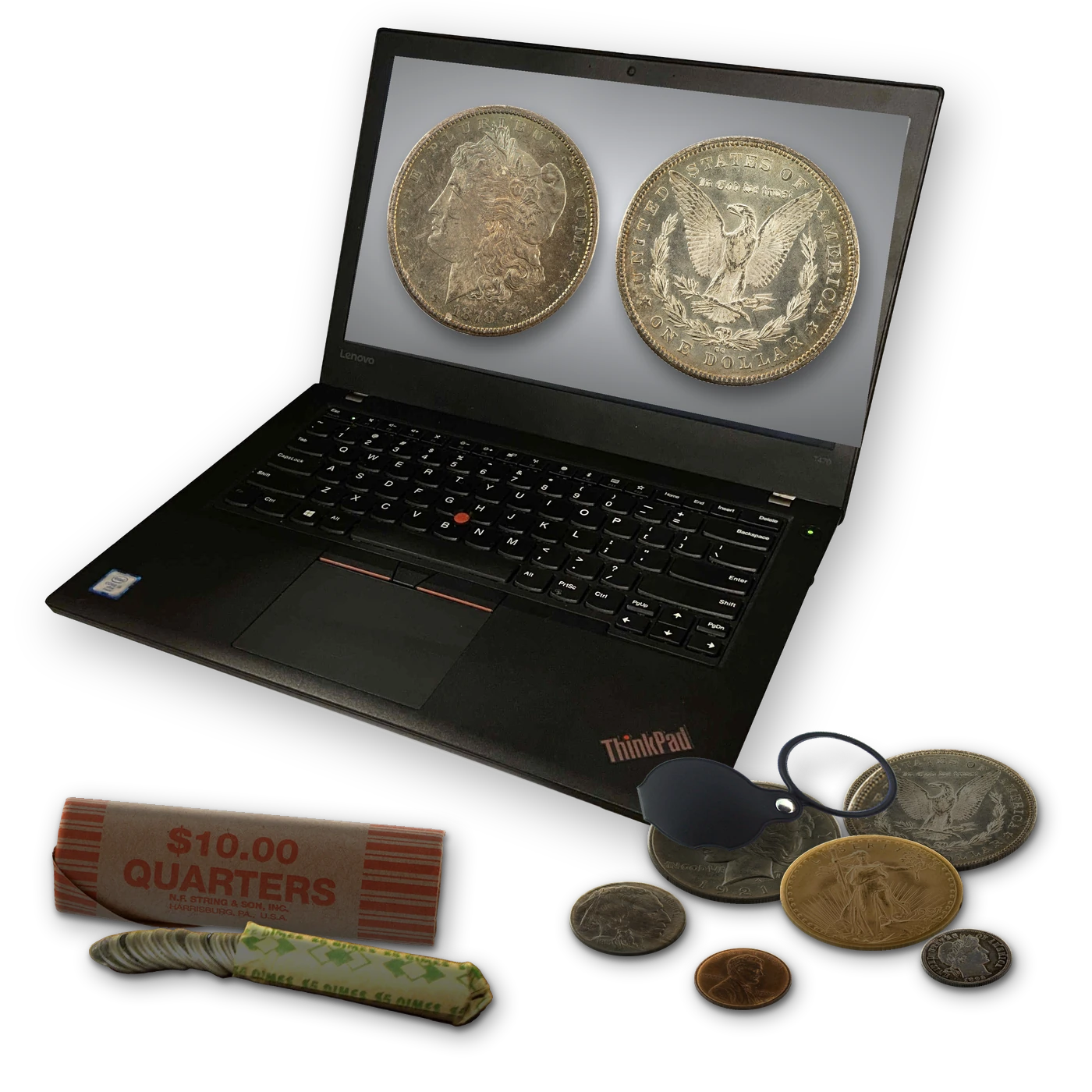
Coins: National Numismatic Collection, Smithsonian Institution (photo by Jaclyn Nash), public domain, via Wikimedia Commons. Laptop: Lenovo ThinkPad T470 photo by NickW1129, CC0. Quarters roll: Chris Woodrich, CC BY-SA 4.0, via Wikimedia Commons. Dime roll: Junk Silver photo, public domain, via Wikimedia Commons. Folding magnifier: Simon Speed, CC0, via Wikimedia Commons. Composite by American Rarities, CC BY-SA 4.0.
How to sell coins online in seven steps: know what you have, leave coins as they are, take photos and make a list, choose a buyer you can verify, get a free appraisal and written offer, ship fully insured or meet in person, and get paid.
How to ship a coin collection safely for an appraisal: when to meet in person instead, making an inventory and photos, packing coins in their holders, double boxing, choosing USPS Registered Mail over FedEx or UPS, declaring value, signatures and tracking, and shipping paper money.
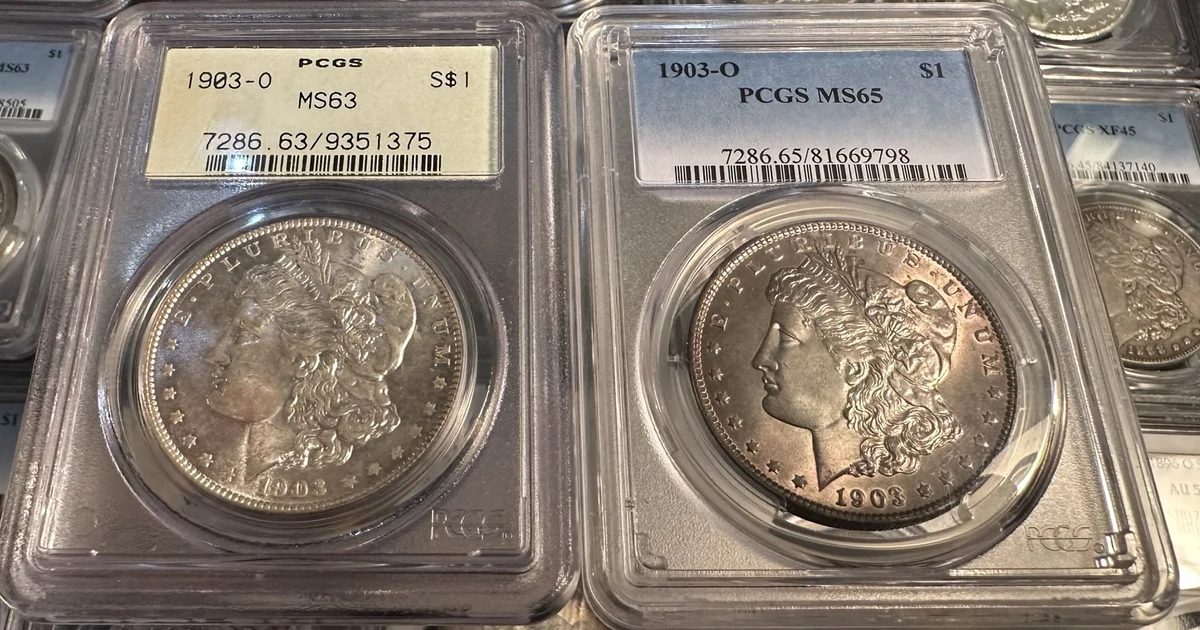
Certified coin slabs: photo by Bruxton, public domain, via Wikimedia Commons (
File:Coin slabs.jpg), cropped by American Rarities.
Ten practical tips for selling a coin collection: don’t clean your coins, take an inventory, keep sets intact, know melt value from collector value, get written itemized offers, grade only when it pays, choose an established dealer, don’t let anyone cherry-pick, ship insured or meet in person, and know how you’ll be paid.
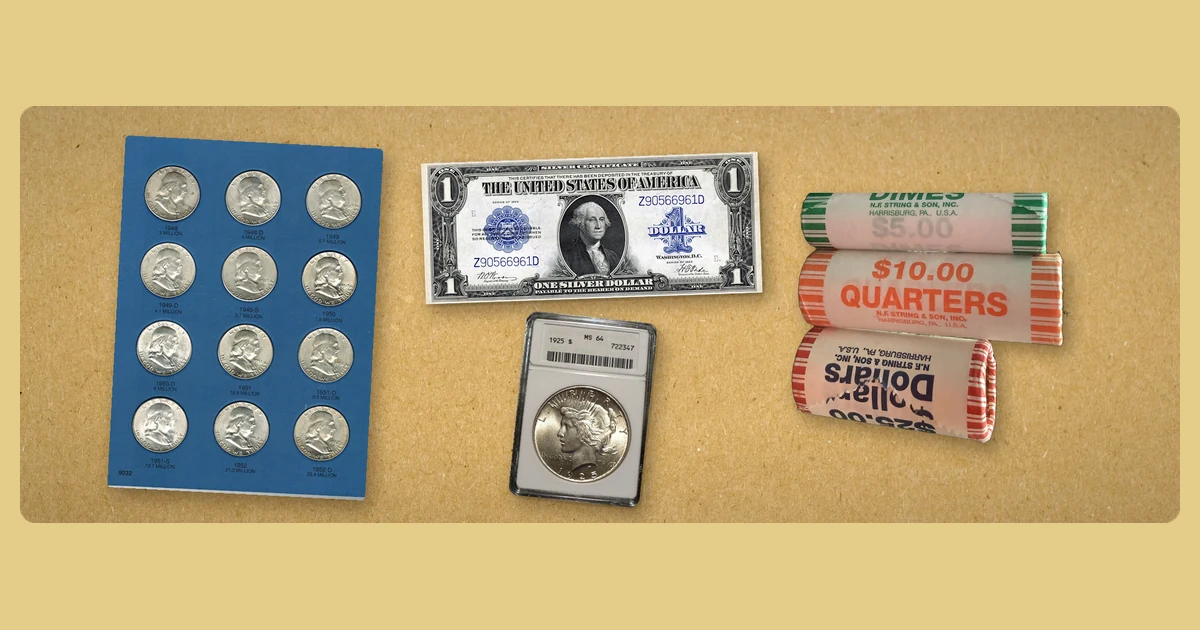
A “What to Do First” Guide for Professional Organizers and Downsizing Experts, from American Rarities. Whitman Franklin half dollar folder page: photo by Bruxton, public domain, via Wikimedia Commons (
File:Franklin half dollar Whitman coin folder first page.jpg). Series 1923 $1 silver certificate: National Numismatic Collection, Smithsonian, image by Godot13 via Wikimedia Commons; public domain design (PD-USGov-money, PD-Art), scan licensed CC BY-SA 4.0 outside the U.S.; background removed. 1925 Peace dollar ANACS MS64 holder: photo by American Rarities. Dime, quarter and dollar coin rolls: cropped from a photo by Protobowladdict,
CC BY 4.0, via Wikimedia Commons (
File:UscoInrolls.jpg), background removed and rotated. Items cut out and shown at true relative size by American Rarities. Cardboard background: photo by Humusak,
CC0, via Wikimedia Commons (
File:Cardboard-546867.jpg).
A “what to do first” guide for professional organizers, senior move managers, downsizing specialists and estate sale companies who find coins, bullion or paper money while clearing a home: the first hour, where coins hide, quick recognition, chain of custody and an inventory sheet, who can sell, keeping cherry-pickers away, a free appraisal and a printable checklist.
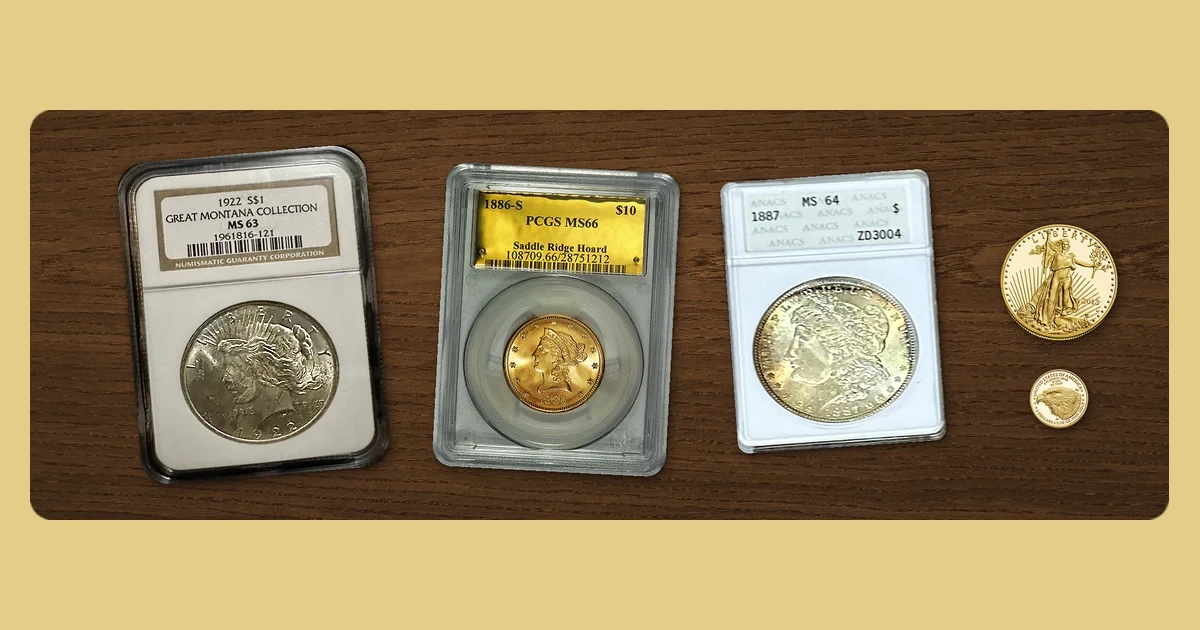
A Guide for CPAs and Tax Pros on Step-Up in Basis and Date-of-Death Values, from American Rarities. PCGS 1886-S $10 holder (Saddle Ridge Hoard): photo courtesy of Kagin’s, Inc.,
CC BY-SA 3.0, via Wikimedia Commons (
File:Saddle Ridge Hoard 1886-S 10 dollar slab.gif). NGC 1922 Peace dollar holder: lightly sharpened from a photo by Bruxton,
CC0, via Wikimedia Commons (
File:1922 Peace dollar from the Great Montana Collection graded and slabbed by NGC.jpg). ANACS 1887 Morgan dollar holder: cropped and lightly sharpened from a photo by Bruxton,
CC BY-SA 4.0, via Wikimedia Commons (
File:Variety of coin slabs.jpg). American Gold Eagles (1 oz and 1/10 oz): United States Mint, public domain, via Wikimedia Commons (
File:Liberty $50 Obverse.png,
File:One Tenth Ounce American Gold Eagle reverse.jpg). Coin designs: public domain. Holders cut out and coins shown at true relative size by American Rarities; holder sizes as photographed. Walnut tabletop: “American walnut veneer” scan by Poly Haven, CC0.
A professional guide for CPAs and tax preparers on step-up in basis for inherited coins, bullion and collectibles: the date-of-death fair market value standard, retail versus wholesale, bullion versus numismatic valuation, appraisal documentation, the alternate valuation date, consistent basis and Form 8971, the 28% collectibles rate, the NIIT, holding period, reporting, community property and common mistakes.
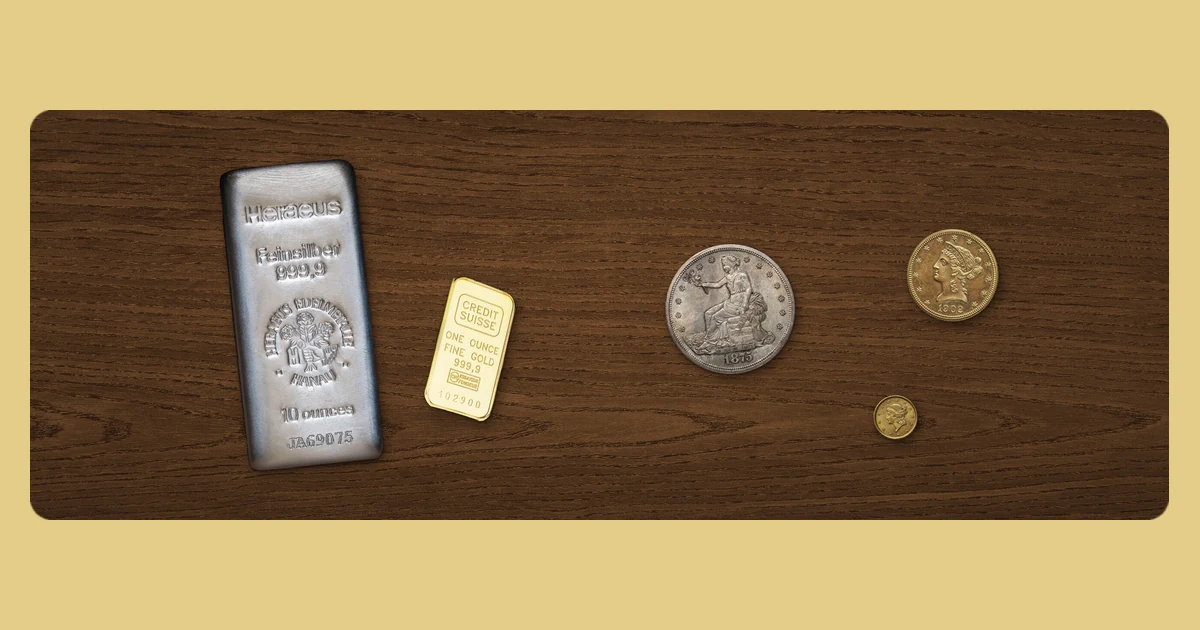
Tax Implications of Liquidating Bullion vs. Rare Coins in an Estate, a guide from American Rarities. Heraeus 10 oz silver bar: photo by Chi Ho Chan (eric2b01 on Flickr),
CC BY 2.0, via Wikimedia Commons (
File:Heraeus 10 oz 9999 fine silver bar (52202724589).jpg). Credit Suisse 1 oz gold bar: photo by Oleg Volk (olegvolk.net),
CC BY 2.5, via Wikimedia Commons (
File:Gold1oz.jpg). Backgrounds removed and shown at true relative size by American Rarities. Coin photos: Bibliothèque nationale de France, Département des Monnaies, médailles et antiques (Gallica), public domain, via Wikimedia Commons. Walnut tabletop: “American walnut veneer” scan by Poly Haven, CC0.
How federal taxes apply when an estate or its heirs sell gold and silver bullion versus rare coins: date-of-death basis, the alternate valuation date, the 28% maximum collectibles rate, automatic long-term treatment, valuation and appraisals, Form 1099-B and Form 8300, estate versus heir sales, state taxes and the records to keep.
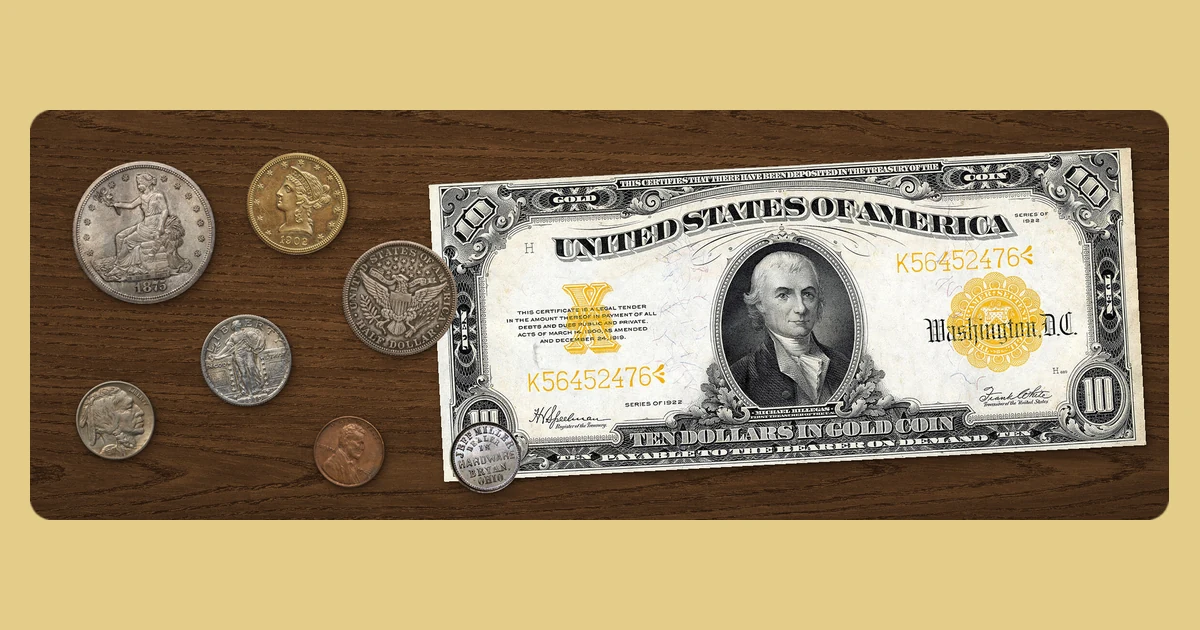
What to Do With Old Coins Found in an Estate, a guide from American Rarities. Coin photos: Bibliothèque nationale de France, Département des Monnaies, médailles et antiques (Gallica), public domain, via Wikimedia Commons. Token photos by Stevehayden via Wikimedia Commons, public domain (PD-Coin scan, PD-old). 1922 $10 gold certificate photo by Godot13 (National Numismatic Collection, National Museum of American History) via Wikimedia Commons, licensed
CC BY-SA 4.0 (
File:US-$10-GC-1922-Fr-1173.jpg); front cropped and placed on a tabletop by American Rarities, and this modified image is shared under CC BY-SA 4.0. Walnut tabletop: “American walnut veneer” scan by Poly Haven, CC0.
Found old coins while settling an estate? What to do first (secure them, do not clean them, keep them together), where to look, how to recognize silver, silver dollars, old cents and nickels, gold and tokens, which finds are common and which deserve a closer look, how to document coins for the executor, and how to get an appraisal and sell.

Selling an entire coin collection to a private coin buyer: one firm offer for the whole collection.
How to sell a coin collection without losing value: take inventory, sort silver, classic rare coins, gold, proof and mint sets, certified coins, paper money and foreign coins, leave coins uncleaned, understand melt and collector value, compare written, itemized offers and avoid common mistakes.
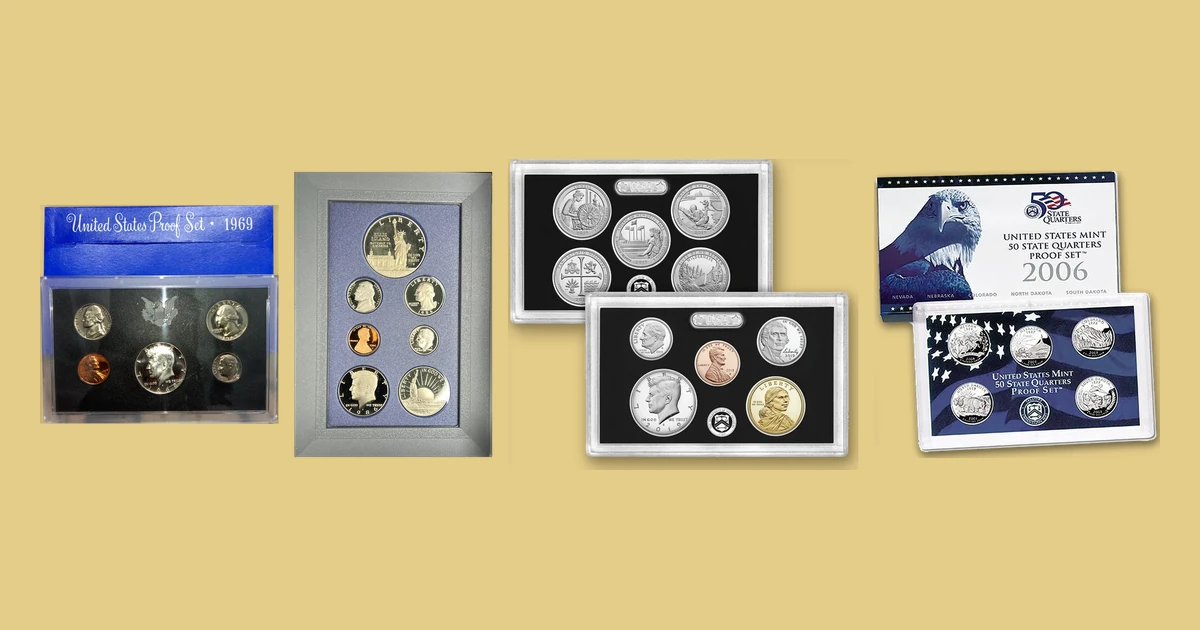
How to sell proof and mint sets without losing value: tell proof, mint, Special Mint and Prestige sets apart, find the silver sets, check for no-S proofs and other varieties, keep sets intact, set realistic expectations for modern sets and choose where to sell.
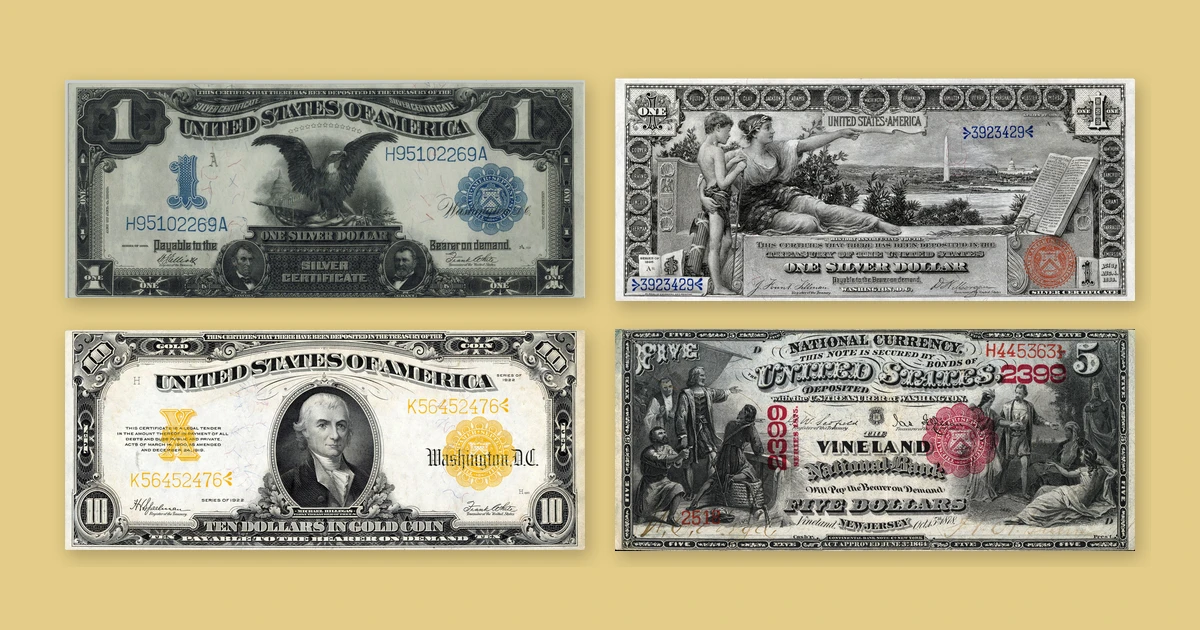
How to Sell Paper Currency, a guide from American Rarities. 1899 $1 Black Eagle silver certificate: photo by Bruxton via Wikimedia Commons, CC0 (public domain). 1896 $1 Educational silver certificate: National Numismatic Collection, National Museum of American History (Smithsonian), image by Godot13 via Wikimedia Commons, licensed CC BY-SA 4.0 (public-domain note design). 1922 $10 gold certificate: National Numismatic Collection, National Museum of American History (Smithsonian), image by Godot13 via Wikimedia Commons, licensed CC BY-SA 4.0 (public-domain note design). 1875 $5 National Bank Note, Vineland National Bank, New Jersey: image by Godot13 via Wikimedia Commons, licensed CC BY-SA 3.0 (public-domain note design). Backgrounds removed and notes arranged by American Rarities.
How to sell paper currency without losing value: identify large-size notes, National Bank Notes and certificates, check serial numbers and errors, protect condition, understand PMG and PCGS Banknote grading, spot replicas and compare where to sell paper money.
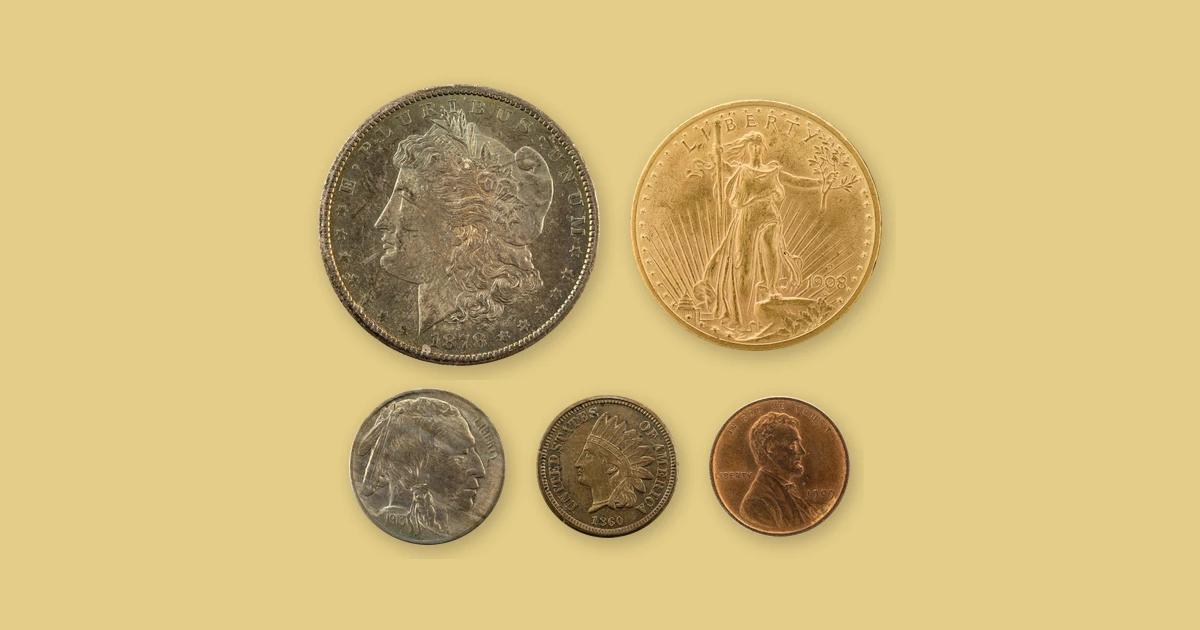
How to Sell Inherited Coins, a guide from American Rarities. Coin photos: National Numismatic Collection, National Museum of American History (Smithsonian), photographed by Jaclyn Nash, public domain (PD-USGov-SI), via Wikimedia Commons.
How to sell inherited coins without losing value: keep the collection intact, confirm who can sell, understand date-of-death value, sort bullion from rare coins, compare appraisals and get paid immediately.
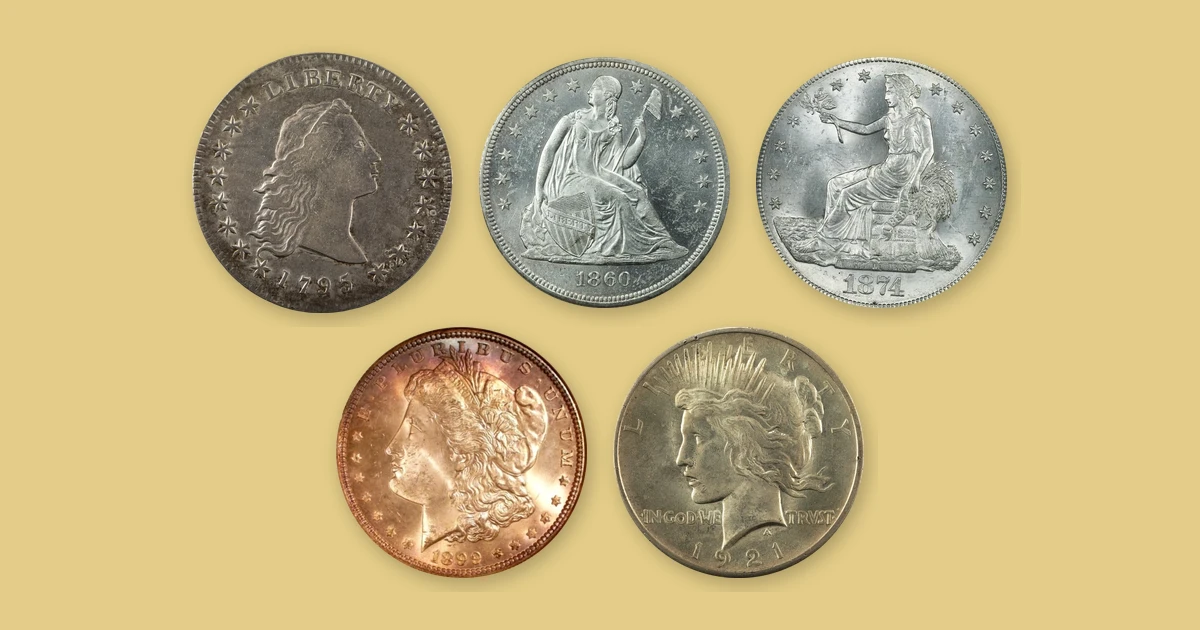
How to Sell Silver Dollars, a guide from American Rarities. Photos of the 1860-O Seated Liberty and 1874-S Trade dollars: Lost Dutchman Rare Coins,
CC BY-SA 3.0 US, via Wikimedia Commons (modified).
How to sell silver dollars for full value: identify Morgan, Peace and older dollars, check dates and mint marks, protect condition, choose the right buyer and get paid immediately.
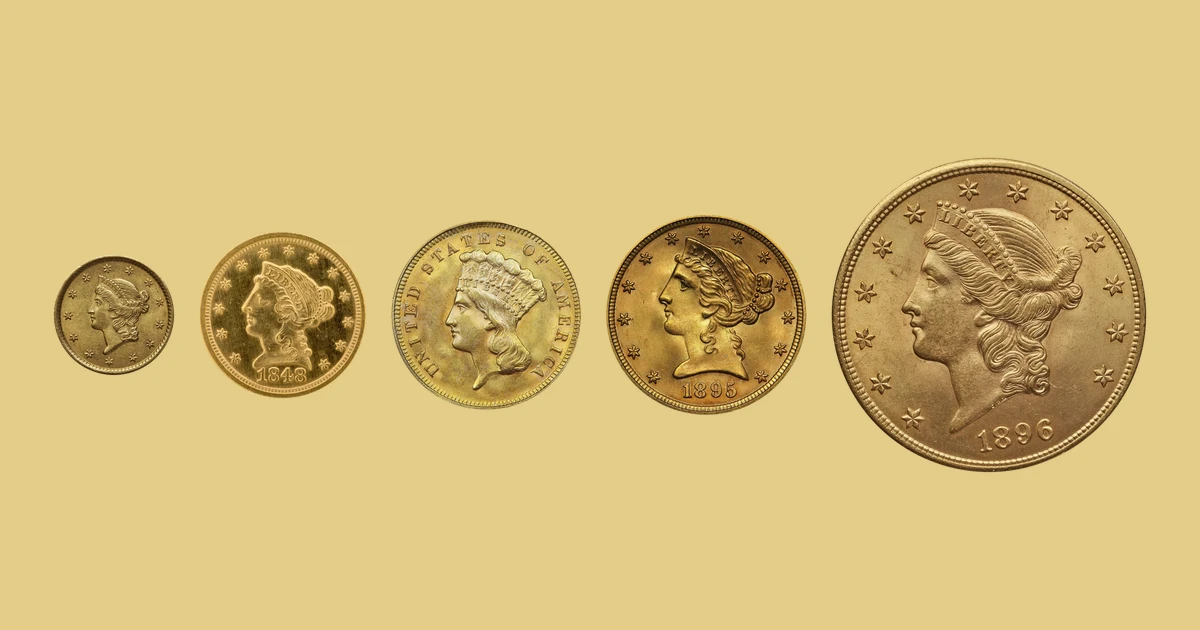
How to Sell Gold Coins, a guide from American Rarities.
How to sell gold coins for full value: identify what you have, check dates and mint marks, protect condition, choose the right buyer and get paid immediately.
Why selling to an experienced rare coin dealer can bring you more for your collection than a generalist buyer.